标签: Asia

亚洲

  • Lebanon says death toll from Israeli attacks tops 1,000 since March 2

    Lebanon says death toll from Israeli attacks tops 1,000 since March 2

    Lebanon faces a devastating humanitarian catastrophe as the nation’s Public Health Ministry confirmed on Thursday that Israeli military operations have resulted in 1,001 fatalities and 2,584 injuries since the conflict escalation began on March 2.

    The staggering casualty figures, released by health authorities in Beirut, represent one of the most severe tolls in recent Middle Eastern conflicts. The systematic airstrikes have targeted multiple regions across Lebanon, creating a multifaceted crisis that extends beyond immediate casualties to encompass widespread infrastructure destruction and a collapsing healthcare system.

    Medical facilities throughout Lebanon report being overwhelmed by the influx of casualties, with many operating at significantly reduced capacity due to damage from bombardments and critical shortages of medical supplies. The compounding challenges of damaged transportation networks and electricity disruptions have further hampered emergency response efforts.

    International humanitarian organizations have raised alarms about the escalating crisis, noting that the actual number of casualties may be higher due to difficulties in accessing conflict zones and documenting victims trapped under rubble. The conflict has displaced approximately 25% of Lebanon’s population, creating a secondary crisis of internal displacement amid the country’s existing economic challenges.

    The sustained military campaign represents the most severe escalation between Israel and Lebanon since the 2006 war, with diplomatic efforts to broker a ceasefire thus far proving unsuccessful. The United Nations and several European nations have called for immediate de-escalation and humanitarian access to affected populations.

  • Pentagon wants over $200 billion to fund Trump’s Iran war

    Pentagon wants over $200 billion to fund Trump’s Iran war

    The Pentagon has formally requested congressional approval for over $200 billion in supplemental funding to support military operations in Iran, according to a Washington Post report. This substantial financial request comes as the Trump administration contemplates deploying additional thousands of troops to the Middle East, signaling potential expansion of the conflict into a prolonged engagement with possible ground invasion capabilities.

    The funding figure, which represents quadruple the amount previously discussed in recent days, has encountered immediate resistance from Democratic lawmakers. Senator Chris Van Hollen (D-Md.) declared the proposal “an absolute nonstarter,” emphasizing that cutting off funding represents the most effective method to conclude the conflict and restrain what he characterized as a “lawless administration.”

    Senator Ruben Gallego (D-Ariz.) provided historical context, noting that “at the height of combat the Iraq War cost around $140 billion per year,” suggesting the current request indicates preparation for an extended military campaign.

    The funding package faces significant legislative hurdles, requiring 60 votes for Senate passage and necessitating some Democratic support. Neither Senate Minority Leader Chuck Schumer (D-NY) nor House Minority Leader Hakeem Jeffries (D-NY) had responded to the funding request reports at the time of publication.

    This development follows reports that U.S. investigators have determined American forces were responsible for bombing an Iranian elementary school during the initial phase of the conflict, resulting in approximately 175 casualties, predominantly children.

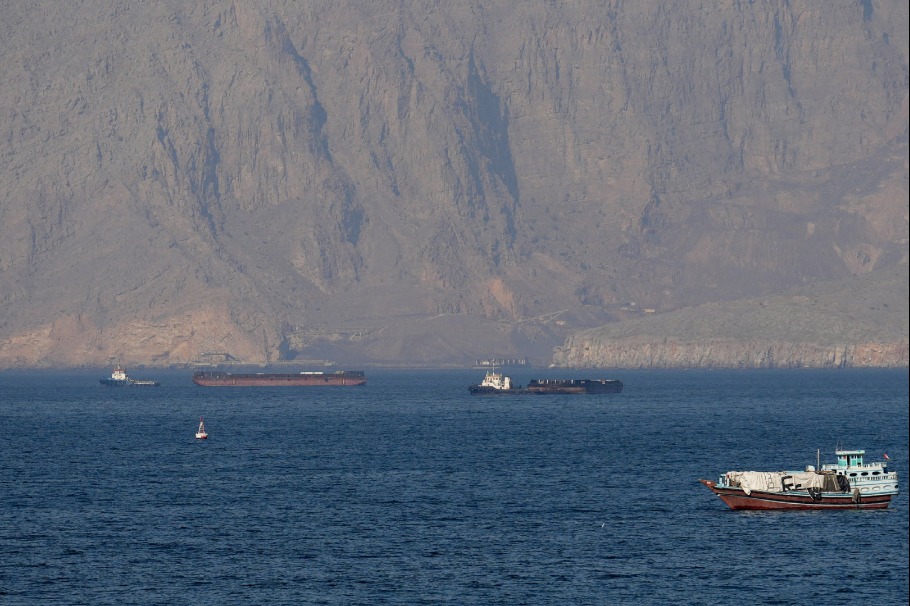
    Simultaneously, Reuters reported the administration is considering substantial troop deployments to reinforce Middle East operations, including potential missions to secure oil tanker passage through the Strait of Hormuz and possible operations on Iran’s Kharg Island—a move described by officials as “very risky” given Iran’s missile and drone capabilities.

    Dylan Williams of the Center for International Policy observed that “we are seeing the Iran war become a quagmire in real time,” criticizing the rapidly escalating funding requests as demonstrating “a total lack of understanding or control over what he has gotten us into.”

    Foreign policy journalist Laura Rozen suggested the administration “blundered into what he thought would be a few day ‘excursion’” without adequate preparation or strategic clarity, while Iranian Foreign Minister Abbas Araghchi characterized the $200 billion as merely “the tip of the iceberg” in terms of ultimate costs.

  • China urges immediate end to military action in Middle East

    China urges immediate end to military action in Middle East

    Chinese Foreign Minister Wang Yi has issued a stark warning about the escalating Middle East conflict, emphasizing its detrimental impact on global shared interests during a high-level phone discussion with British counterpart Yvette Cooper. The diplomatic exchange occurred against the backdrop of expanding regional hostilities that threaten international stability.

    Minister Wang articulated China’s firm position that prolonged military engagement benefits no nation, asserting that an immediate cessation of hostilities reflects the collective will of the international community. He highlighted the conflict’s far-reaching consequences beyond regional security, noting its disruptive effects on critical global systems including energy markets, financial networks, trade routes, and maritime shipping operations.

    The Chinese diplomat emphasized the necessity of resolving differences through equitable dialogue mechanisms, urging all involved parties to prioritize regional peace and stability. As permanent members of the UN Security Council, both China and Britain bear special responsibility for maintaining international peace, Wang noted, calling for enhanced bilateral coordination to uphold UN Charter principles and fundamental norms of international relations.

    British Foreign Secretary Cooper presented the UK’s perspective on the Middle East situation, acknowledging the increasingly turbulent global landscape. She expressed Britain’s desire to maintain close communication channels with China to facilitate conflict resolution, promote diplomatic negotiations, and work toward sustainable long-term solutions.

    Both officials also discussed bilateral relations, agreeing to actively implement leadership consensus, strengthen exchanges, and advance their comprehensive strategic partnership. This cooperation, they concurred, could provide crucial stability and predictability during a period of global transformation and uncertainty.

  • Why Turkey is unlikely to face a gas crisis if Iran cuts supplies

    Why Turkey is unlikely to face a gas crisis if Iran cuts supplies

    A significant reduction in Iranian natural gas exports to Turkey has emerged following regional military exchanges, including an Israeli strike on Iran’s South Pars gas field and subsequent retaliatory actions. Data from Turkey’s Energy Market Regulatory Authority indicates these exports, constituting approximately 13% of Turkey’s annual gas consumption or 7 billion cubic meters (bcm), have dropped precipitously. Reports from energy specialist Olcay Aydilek confirm flows plummeted from 30-31 million cubic meters to just 7-8 million cubic meters within a single day.

    Despite the sudden shortfall, energy analysts express measured confidence in Ankara’s capacity to mitigate the impact. Muhdan Saglam, an analyst with the Ankara-based TEPAV think tank, highlighted Turkey’s substantial strategic gas reserves. The Salt Lake and Silivri storage facilities, with a combined capacity of 6.3 bcm and currently reported as full by Energy Minister Alparslan Bayraktar, provide a critical buffer. Saglam stated that utilizing even half of these reserves would sufficiently compensate for the lost Iranian supply.

    Further bolstering Turkey’s position are multiple alternative sourcing avenues. Analysts point to significant spare capacity in existing import pipelines from Russia and Azerbaijan. The Blue Stream and TurkStream pipelines from Russia, with a combined annual capacity of 30 bcm, delivered only 21 bcm last year, indicating ample room for increased imports. Additionally, Turkey’s nascent domestic gas production in the Black Sea, currently feeding 10 million cubic meters daily into the grid, offers another layer of security. The country could also curtail its own gas exports to Balkan nations, which amount to 3.5 bcm annually, to cover the domestic deficit.

    Long-term strategies are also contributing to energy stability. A recent 20-year agreement with trading company Mercuria will supply 4 bcm of American LNG annually starting this year. Concurrently, a structural shift towards renewable energy is gaining traction, with wind power meeting a quarter of the national demand in early January. Seasonal factors, including heavy rainfall and unseasonably mild weather, are further reducing immediate gas consumption needs, easing pressure on the system.

  • Global tech innovation competition concludes in Hainan

    Global tech innovation competition concludes in Hainan

    HAIKOU, HAINAN – The inaugural Global Scenario-Based Innovation Competition focused on “Digital Economy and New Consumption” reached its climactic conclusion on Thursday, March 19th, in Haikou, Hainan Province. This landmark event assembled pioneering technology startups from across the globe to demonstrate cutting-edge projects specifically aligned with the strategic industrial development goals of the Hainan Free Trade Port.

    Spanning nearly a full year, the extensive competition garnered significant international participation, receiving 103 submissions from innovators representing 16 different nations. Organizers facilitated preliminary qualification events in several world-renowned technology epicenters, including Paris, France, and Silicon Valley in the United States. After undergoing multiple rigorous evaluation rounds, 11 exceptional finalists were selected to compete in a dynamic pitch format. Their presentations showcased a diverse array of technological advancements across critical sectors such as artificial intelligence, robotics, biotechnology, advanced semiconductor packaging, and digital retail solutions.

    A distinguished panel of judges meticulously assessed each participant based on a comprehensive set of criteria, including technological innovation, demonstrated commercial viability, overall team competency, and practical applicability within current market conditions. The featured projects presented innovative solutions ranging from AI-powered cross-border e-commerce platforms and intelligent systems for pest control in tropical agriculture to sophisticated digital twin management technologies designed for pharmaceutical cold chain logistics.

    The timing of this competition is particularly strategic, following the island’s transition to special customs operations that commenced on December 18th. Hainan is actively cultivating its identity as a premier destination for digital economy investments, leveraging attractive tax incentive structures and progressive free trade policies to draw international business and technological talent.

    Asal Askari, Business Operations Lead at BrandPal Inc., expressed strong enthusiasm, stating, “The unique opportunities Hainan provides through its free trade port status and favorable tax policies are genuinely impressive.” She confirmed her company is actively considering market entry into Hainan to better serve global brands seeking expansion within the free trade port ecosystem.

    Gavenraj Sodhi, founder of the San Diego-based precision medicine firm Maddie BioGenetics, highlighted Hainan’s rapidly developing biotechnology sector and advantageous geographical position as key factors driving his interest. “Hainan holds significant strategic importance due to its prime location,” Sodhi remarked. “It presents a tremendous environment to advance scientific research, foster innovation, establish manufacturing capabilities, and subsequently distribute breakthroughs to international markets.”

    Zhou Guangqi, Vice-President of the Haikou National High-Tech Industrial Development Zone International Investment Consulting Co., detailed the substantial incentives available within the zone. These include dedicated funding for technological innovation, comprehensive talent development initiatives, and specialized support services tailored for biopharmaceutical enterprises. The zone further supports entrepreneurs through operational incubators and dedicated international service teams designed to facilitate smooth market entry and growth.

  • Israel arrests and plans to deport Ethiopian asylum seekers

    Israel arrests and plans to deport Ethiopian asylum seekers

    Israeli authorities have commenced the arrest and detention of Ethiopian asylum seekers, with formal deportations scheduled to begin next month following a January 2024 government directive. The Population and Immigration Authority will execute this policy starting April 17, acting upon a Supreme Court decision that endorsed the state’s position despite petitions from human rights organizations.

    Approximately 8,000 Ethiopian nationals face deportation, including about 1,000 from the conflict-ravaged Tigray region. Gilad Palombo of Assaf, an Israeli refugee aid organization, confirmed that immigration authorities have already begun arresting individuals classified as ‘infiltrators’—a legal designation for those entering Israel illegally.

    The planned deportations occur against a backdrop of ongoing instability in Ethiopia. Although the Tigray conflict officially concluded with a 2022 peace agreement, sporadic fighting persists across multiple regions including Amhara, Oromia, and Benishangul-Gumuz. The UN estimates over 3.3 million people remain internally displaced within Ethiopia, with Human Rights Watch documenting severe humanitarian crises affecting civilians.

    Ethiopian-Israeli writer Bazi Gete warned that returning asylum seekers would face ‘acute danger’ in what he described as ‘a kind of no man’s land,’ with some potentially facing life-threatening situations or detention. Both Gete and Palombo emphasized the particular risks for women and children in Tigray, where economic distress and famine conditions prevail.

    This development reflects Israel’s broader policy approach toward asylum seekers. According to Assaf, only 50,000 of Israel’s 72,000 legal asylum seekers enjoy ‘protected group’ status, primarily from Eritrea, Sudan, and Ukraine. The remaining 22,000—including the Ethiopian cohort—lack official recognition and face severe legal and economic restrictions, with 57% living in poverty and 85% experiencing food insecurity.

    Palombo characterized Israel’s long-standing policy as intentionally making life ‘unbearable for asylum seekers’ to encourage voluntary departure. This approach previously manifested in a controversial agreement with Rwanda (2013-2018) that saw Israel pay $5,000 per person for accepting deportees.

    The Knesset has recently approved two laws targeting asylum seekers, reflecting what Gete describes as systemic propaganda portraying African refugees ‘as the source of all problems’ while denying them dignified existence in Israel.

  • Local version of Kunqu classic captivates audiences in Hunan

    Local version of Kunqu classic captivates audiences in Hunan

    A groundbreaking reinterpretation of the Kunqu Opera masterpiece “Leifeng Pagoda” captivated audiences during its premiere at Changsha’s Meixihu International Culture and Arts Center on Wednesday. The Hunan Kunqu Opera Troupe’s full-length production has reengineered the classic White Snake legend through a distinctly regional lens, incorporating Hunan’s cultural elements and dialects while fundamentally reshaping the protagonist’s character arc.

    The performance, spanning over two hours, transported spectators through an emotional spectrum from delicate romance to spectacular martial artistry. The production’s combat sequences proved particularly breathtaking, featuring high-platform acrobatics and the distinctive long silk ribbon techniques unique to Hunan’s Kunqu tradition that elicited audible gasps from the enthralled audience.

    Most significantly, this adaptation reconceptualizes the mythological heroine Bai Suzhen as a fiercely independent ‘spicy girl’ rather than the traditionally submissive character. Lead actress Liu Jie explained the creative team’s intentional departure from convention: “Recognizing contemporary shifts in aesthetic expectations, particularly regarding female autonomy, we positioned Bai as the absolute narrative centerpiece.”

    The production charts Bai’s complete emotional transformation from profound devotion to assertive resistance, creating a protagonist who embodies modern feminine strength in both romantic and confrontational contexts. In another radical departure from tradition, the performance concludes with an emotionally satisfying reunion at the Broken Bridge rather than Bai’s eternal imprisonment beneath Leifeng Pagoda.

    Longtime Kunqu enthusiast Li Yanzi expressed overwhelming approval: “The emotional intensity kept me constantly engaged. This revised ending provides the emotional resolution that genuine love deserves.” The successful premiere demonstrates how traditional Chinese opera can evolve while maintaining its artistic essence, offering both cultural preservation and contemporary relevance.

  • UK MPs raise concerns over new Israeli ambassador to UK embroiled in domestic scandal

    UK MPs raise concerns over new Israeli ambassador to UK embroiled in domestic scandal

    A significant diplomatic controversy has emerged in London as British parliamentarians urgently call for the suspension of Israel’s newly appointed ambassador to the United Kingdom. Tzachi Braverman, who previously served as Prime Minister Benjamin Netanyahu’s chief of staff, faces serious allegations of obstructing an investigation into classified information leaks during the Gaza conflict.

    The disciplinary division of Israel’s civil service had previously recommended a six-month suspension for Braverman following accusations that he attempted to interfere with an inquiry into sensitive document leaks that occurred during September 2024. These leaks allegedly aimed to bolster Netanyahu’s political position concerning Gaza war negotiations.

    According to reports from Israel’s Channel 13 News, Foreign Minister Gideon Saar recently met with Daniel Hershkowitz, the acting civil service commissioner, reportedly seeking to prevent Braverman’s suspension to facilitate his diplomatic appointment. This development has raised concerns about political influence over judicial processes.

    British MPs from across the political spectrum have expressed profound reservations. Kim Johnson, a Labour Party MP, stated: ‘Mr. Braverman’s appointment should be halted immediately. The fact that he is facing suspension for allegedly obstructing an inquiry into leaked classified information during the Gaza genocide raises serious questions about trust and political influence over due process.’

    Chris Law, the Scottish National Party’s international trade spokesperson, emphasized the diplomatic implications: ‘At a time when trust among politicians across these islands in the Israeli government is at an all-time low, appointing a man who has allegedly been integral to obstructing an investigation would do little to improve relations.’

    The controversy centers on allegations that Braverman told former Netanyahu spokesman Eli Feldstein that he could ‘shut down’ the leak investigation—a claim both Braverman and the Prime Minister’s office deny, accusing Feldstein of fabrication.

    This appointment controversy occurs against a backdrop of increasingly strained UK-Israel relations, which have included British sanctions against two Israeli ministers last June and diplomatic spats involving inflammatory rhetoric from Israeli officials toward British leadership.

  • International students learn martial arts at Ningxia university

    International students learn martial arts at Ningxia university

    Yinchuan University of Energy in Ningxia Hui Autonomous Region has inaugurated an innovative martial arts curriculum specifically designed for its international student cohort this March. The program represents a significant initiative in cross-cultural education, blending physical training with cultural immersion.

    Under the direct instruction of University President Gu Chaozhong, the course combines theoretical foundations with practical demonstrations of essential martial arts techniques. President Gu personally demonstrates fundamental stances and movements, emphasizing both the combat effectiveness and aesthetic grace inherent in Chinese martial traditions.

    The current enrollment comprises 27 international scholars representing 12 nations including Russia, Turkmenistan, Nigeria, and Mongolia. Training modules focus on foundational skills such as maintaining horse stance posture and executing basic broadsword techniques, with participants meticulously replicating each movement under expert supervision.

    Student feedback highlights the program’s engaging and immersive nature, noting dual benefits of physical conditioning and cultural exposure. Many participants report gaining deeper appreciation for Chinese cultural heritage through kinetic experience rather than passive observation.

    University officials indicate the program serves dual purposes: enriching campus diversity initiatives and fostering international understanding through cultural exchange. Martial arts function as both physical discipline and cultural conduit, allowing international students to connect with Chinese traditions while sharing their perspectives within an academic community.

  • FBI opens investigation into counterterror chief who resigned over Iran war

    FBI opens investigation into counterterror chief who resigned over Iran war

    A significant political and security controversy has erupted in Washington following the resignation of Joseph Kent, the former Director of the National Counterterrorism Center (NCTC). The FBI has initiated an investigation into Kent for allegedly disclosing classified information, a probe that reportedly began prior to his very public departure.