标签: Asia

亚洲

  • Netanyahu says Iran no longer able to enrich uranium, produce missiles

    Netanyahu says Iran no longer able to enrich uranium, produce missiles

    Israeli Prime Minister Benjamin Netanyahu made a significant declaration during a Thursday press conference, stating that Iran has been effectively stripped of its uranium enrichment capabilities and missile production infrastructure. This announcement comes in the wake of coordinated military operations between Israel and the United States targeting Iranian strategic assets.

    Netanyahu outlined that the dismantling of Iran’s nuclear and missile programs constituted two primary objectives of the joint campaign. The third stated goal—regime change in Tehran—remains contingent upon the will of the Iranian population, according to the Israeli leader.

    The Prime Minister addressed Wednesday’s Israeli strike on an Iranian natural gas facility in the Persian Gulf, confirming earlier statements by former U.S. President Donald Trump that Israel had not provided advance notification to Washington regarding the operation. This revelation highlights the complex coordination dynamics between the two allied nations.

    In a notable concession to diplomatic relations, Netanyahu acknowledged complying with President Trump’s request to suspend further military actions against Iranian targets. “President Trump asked us to hold off on future attacks, and we’re holding it,” Netanyahu stated during the briefing.

    The Israeli leader further revealed the extent of the allied military success, claiming that combined U.S. and Israeli operations had resulted in the complete destruction of Iran’s naval presence in the Caspian Sea. This development represents a substantial blow to Iran’s regional military capabilities and strategic positioning.

    The statements come amid ongoing tensions in the Middle East and reflect the continuing strategic partnership between Israel and the United States in countering Iranian influence and military development in the region.

  • US deports Singaporean vlogger convicted of child sex offences

    US deports Singaporean vlogger convicted of child sex offences

    Amos Yee, the Singaporean national who gained international attention through controversial political commentary and subsequent criminal convictions, has been forcibly returned to Singapore by U.S. immigration authorities. The deportation concludes a complex legal saga spanning nearly a decade and multiple jurisdictions.

    Yee first attracted notoriety in 2015 following the death of Singapore’s founding leader Lee Kuan Yew, when the then-16-year-old posted profanity-laden videos criticizing Lee’s legacy and making inflammatory religious comments. The content, which included crude depictions of the former prime minister, resulted in numerous police reports and ultimately led to Yee’s imprisonment in Singapore for offenses against religious harmony.

    In 2017, Yee was granted political asylum in the United States after an immigration appeals board determined he had legitimate fears of persecution in Singapore. This decision occurred despite opposition from the Department of Homeland Security and made Yee a controversial figure among free speech advocates and government critics.

    However, Yee’s legal troubles continued in the United States. In 2020, he was convicted in Illinois for possession of child pornography and grooming a 14-year-old girl he had contacted through online platforms. Court documents revealed he used WhatsApp to solicit inappropriate materials from the minor and distributed her photographs online.

    Following his release on parole in November, U.S. Immigration and Customs Enforcement (ICE) immediately took Yee into custody. He was subsequently listed among what the agency described as ‘the worst of the worst criminal aliens’ in a newly created database.

    Yee now faces charges in Singapore for violating the country’s Enlistment Act, which requires all male citizens to complete two years of mandatory military service typically beginning at age 18. His hearing is scheduled for Friday, though authorities have not confirmed whether additional charges might be filed related to his previous offenses.

    The case has reignited discussions about free speech limitations, religious harmony laws, and cross-border legal enforcement between the United States and Singapore.

  • Energy fallout from Iran war signals a global wake-up call for renewable energy

    Energy fallout from Iran war signals a global wake-up call for renewable energy

    The ongoing conflict in Iran has dramatically revealed the world’s precarious dependence on fragile fossil fuel supply chains, intensifying calls for an accelerated transition to renewable energy sources. With hostilities effectively halting oil exports through the critical Strait of Hormuz—a narrow maritime passage handling approximately 20% of global oil and liquefied natural gas (LNG)—energy markets have experienced significant disruptions. These developments have triggered price surges and placed substantial strain on import-dependent economies worldwide.

    Asia, as the primary destination for these oil shipments, has borne the brunt of the impact, though European and African nations likewise face considerable challenges. European policymakers are implementing energy demand reduction measures, while Africa prepares for escalating fuel costs and inflationary pressures.

    Unlike previous energy crises, renewable power now presents cost-competitive alternatives to fossil fuels in numerous markets. The International Renewable Energy Agency reports that over 90% of new renewable projects initiated in 2024 offered cheaper electricity generation than fossil fuel alternatives.

    The crisis extends beyond electricity generation, affecting fertilizer production, plastics manufacturing, and numerous other industries. Nations with more developed renewable infrastructure demonstrate greater resilience, as these systems utilize domestic solar and wind resources rather than imported fuels.

    Energy analyst James Bowen of ReMap Research observes: “These crises regularly occur. They are a feature, not a bug, of a fossil fuel-based energy system.”

    China and India, the world’s two most populous nations, present contrasting approaches to energy security. China has established global leadership in renewable adoption while remaining the largest crude oil importer and primary purchaser of Iranian oil. Approximately 10% of Chinese vehicles are now electric, significantly reducing import dependence according to International Energy Agency data.

    Lauri Myllyvirta of the Centre for Research on Energy and Clean Air notes that without this transition, China would be “far more vulnerable to supply and price shocks.”

    India has pursued renewable expansion at a slower pace with less governmental support for manufacturing and grid integration. Following Russia’s invasion of Ukraine, India prioritized energy security through discounted Russian oil purchases and increased coal production. While solar and wind capacity provided some cushioning effect, the country now faces cooking gas shortages affecting restaurants and industries.

    Wealthy nations have responded variably to the crisis. Some European governments initially attempted to reduce fossil fuel dependence but subsequently focused on securing alternative suppliers. Germany constructed LNG terminals to replace Russian gas with American exports, potentially slowing its energy transition. Research indicates Europe’s fossil fuel spending since the Ukraine conflict represents approximately 40% of the investment required for full transition to clean energy.

    Japan has predominantly diversified fossil fuel imports rather than investing substantially in domestic renewables, with solar and wind constituting merely 11% of its energy production.

    Developing nations face particularly severe challenges, competing with wealthier countries for limited gas supplies. Import-dependent economies across Africa and Asia—including Benin, Zambia, Bangladesh, and Thailand—confront potentially devastating impacts from sustained high prices.

    Kennedy Mbeva of the University of Cambridge’s Centre for the Study of Existential Risk emphasizes that African nations should strategically build long-term energy security through cleaner investments. While South Africa considers new gas infrastructure, Ethiopia has banned gasoline and diesel vehicles to promote electric transportation.

    Renewable energy has provided measurable protection for some nations. Pakistan’s solar expansion has prevented over $12 billion in fossil fuel imports since 2020, with potential savings of $6.3 billion in 2026 alone. Vietnam’s solar generation stands to save hundreds of millions in avoided coal and gas imports.

    Countries without renewable buffers are implementing emergency measures: Bangladesh has closed universities to conserve electricity and instituted fuel rationing, while Thailand has suspended petroleum exports and increased domestic production.

    As research fellow Areeporn Asawinpongphan of the Thailand Development Research Institute concludes: “The time for promoting domestic renewables should have happened a long time ago.”

  • BTS Arirang review: K-pop idols rekindle their fire

    BTS Arirang review: K-pop idols rekindle their fire

    After an extensive four-year hiatus during which all seven members completed South Korea’s mandatory military service, global superstars BTS have launched a spectacular return with their tenth studio album ‘Arirang.’ The comeback represents not just a musical event but a cultural phenomenon, with unprecedented fan engagement and commercial expectations reaching historic proportions.

    The scale of BTS’s return is evidenced by staggering numbers: their free Seoul concert kicking off an 82-date sold-out world tour attracted over 250,000 in-person attendees while being live-streamed to 190 countries via Netflix. Industry analysts project the tour could generate between $1-2 billion in revenue, potentially surpassing Taylor Swift’s record-breaking Eras Tour. The demand has reached such heights that Mexico’s President Claudia Sheinbaum formally requested additional shows from the South Korean government.

    Musically, ‘Arirang’ marks a significant artistic departure from the polished retro-disco of their previous hits like ‘Dynamite’ and ‘Butter.’ The album opens with a rebellious, rap-heavy energy reminiscent of their 2014 album ‘Dark & Wild,’ featuring tracks like ‘FYA’ with its Jersey club influences and ‘Hooligan’ with its audacious soundscape of sharpening knives and cinematic strings. Spanish producer El Guincho, known for his work with Rosalía and Charli XCX, helped craft this return to their roots.

    The album’s title and concept pay homage to Korean heritage, drawing inspiration from Korea’s most beloved folk song ‘Arirang’ and its historical significance. The promotional materials thoughtfully reference the first known recording of Arirang made by seven Korean men at Howard University in 1896, creating a symbolic connection across 130 years of cultural exportation.

    Lyrically, the album explores complex themes including the psychological toll of fame, with tracks like ‘Normal’ examining ‘the space between spotlight and silence’ and ‘Merry Go Round’ addressing the relentless pace of celebrity life. The album’s first single ‘Swim,’ primarily written by leader RM, presents a more contemplative perspective on surrendering to life’s currents.

    While the latter section of the album features more conventional love songs that some critics might consider less innovative, the closing track ‘Into The Sun’ returns to experimental form with digital vocal effects and stadium rock grandeur. The album ultimately demonstrates BTS’s renewed commitment to their career while acknowledging the complexities of their global superstardom.

  • ‘Clumsy’: Tit-for-tat strikes on energy assets gift Iran another tactical lever

    ‘Clumsy’: Tit-for-tat strikes on energy assets gift Iran another tactical lever

    Recent US strategic decisions regarding Iranian energy infrastructure have inadvertently granted Tehran significant escalation dominance in an increasingly volatile regional conflict, according to high-level Arab officials speaking with Middle East Eye. The situation developed after Israel’s strike on Iran’s South Pars gas field, which energy analysts had long considered a worst-case scenario trigger for retaliatory attacks on critical energy production sites.

    Iran’s response targeted Qatar’s Ras Laffan natural gas facilities, effectively demonstrating their capacity to impact global energy markets. This tit-for-tat exchange has revealed fundamental miscalculations in US foreign policy approach, with one Arab official characterizing American actions as “clumsy” alliance management.

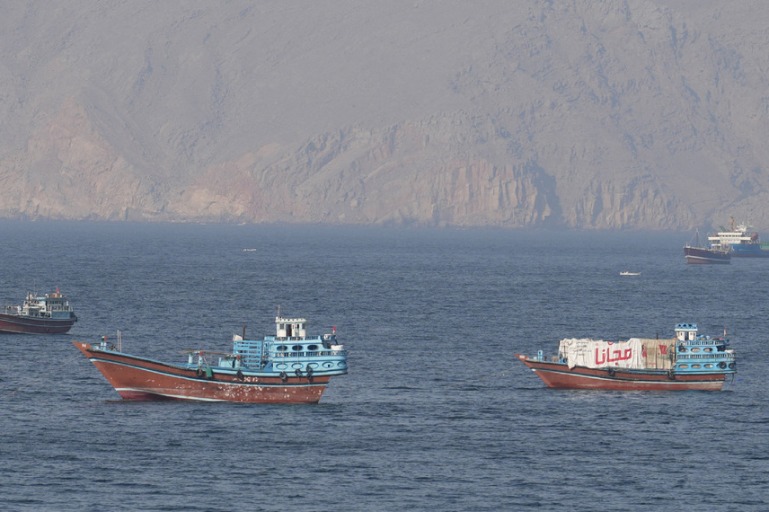
    The strategic landscape has shifted substantially since Iran established de facto control over the Strait of Hormuz, creating a ‘safe’ shipping corridor through its territorial waters while charging vessels for transit access. This development represents a significant geopolitical setback for Washington, which has failed to secure this crucial maritime passageway.

    Alan Eyre, Iran expert and diplomatic fellow at the Middle East Institute, assessed the Israeli strike as a “strategic blunder” apparently motivated by the Trump administration’s desire to impose costs on Iran for controlling the vital waterway. While Iran has demonstrated calculated responses to US and Israeli actions, Eyre cautioned against overstating Tehran’s position, noting that Iran “has less to lose and is doing things that it knows are risky because they have to.”

    The attack on Qatar’s facilities proved particularly damaging, eliminating 17% of its LNG export capacity with repairs expected to take three to five years. This triggered a 20% surge in European natural gas prices, highlighting the global economic implications of regional conflicts.

    Despite President Trump’s public denial of prior knowledge regarding the Israeli strike, Arab diplomats and former US officials expressed skepticism about these claims. Dan Shapiro, former US ambassador to Israel, stated there was “zero chance” Israel would conduct such an operation without US Central Command’s full awareness and approval.

    Iranian Foreign Minister Abbas Aragchi explicitly warned that future attacks on Iranian infrastructure would meet with unrestrained response, emphasizing that any resolution to the conflict must address damage to civilian sites. Meanwhile, the US faces limited options to address rising energy prices, with discussions emerging about potentially lifting sanctions on Iranian oil—a move that would contradict current offensive actions against Tehran.

  • ‘It takes money to kill bad guys’: Pentagon requests $200bn from Congress for Iran war

    ‘It takes money to kill bad guys’: Pentagon requests $200bn from Congress for Iran war

    The United States Department of Defense is formally requesting a substantial $200 billion appropriation from Congress to finance ongoing military operations against Iran. This revelation, initially reported by The Washington Post and confirmed by administration officials, signals a significant escalation in financial commitment to the conflict.

    Secretary of War Pete Hegseth defended the massive funding request, stating, ‘Substantial resources are required to combat adversarial forces. We are engaging with congressional leadership to secure necessary funding for completed operations, future contingencies, and comprehensive ammunition replenishment that exceeds previous levels.’

    President Trump, during a joint appearance with Japan’s Prime Minister, characterized the expenditure as a ‘minimal investment to maintain our nation’s military superiority.’ The administration contends that weapons depletion from previous engagements in Afghanistan and donations to Ukraine have created critical supply shortages.

    Concurrent with the funding request, the State Department expedited major arms transactions totaling over $16 billion to key regional allies. The United Arab Emirates secured an $8 billion package including advanced drone systems, missile defense radar, and precision-guided munitions. Kuwait received an equivalent allocation for air defense systems, while Jordan obtained $70.5 million in aircraft maintenance support for its US-manufactured fleet.

    Secretary of State Marco Rubio invoked emergency authority to bypass standard congressional review procedures for these foreign military sales, citing urgent US security interests.

    Despite these military preparations, President Trump offered contradictory assessments, predicting a swift resolution while simultaneously acknowledging the conflict’s protracted nature. ‘This engagement will conclude shortly,’ he asserted during diplomatic meetings, while simultaneously describing operations as an unavoidable ‘excursion’ necessary for global security.

    Recent polling indicates significant public skepticism, with nearly two-thirds of Americans anticipating large-scale ground troop deployment to Iran—a scenario only supported by 7% of respondents. The President’s approval rating showed minimal movement, increasing marginally to 40% since hostilities commenced on February 28.

    Israeli Prime Minister Benjamin Netanyahu confirmed Israel’s responsibility for attacking Iran’s critical South Pars natural gas facility, which provides 80% of Iran’s domestic energy. Retaliatory strikes reportedly targeted Qatar’s Ras Laffan natural gas infrastructure, with QatarEnergy confirming substantial damage.

    Netanyahu asserted Israeli military success, claiming Iran’s uranium enrichment and ballistic missile capabilities have been effectively neutralized after weeks of sustained aerial bombardment. He simultaneously proposed alternative energy transportation routes bypassing the Strait of Hormuz, suggesting pipeline infrastructure through the Arabian Peninsula to Israeli ports.

    Qatar emerged as the first Gulf nation to demand unconditional immediate cessation of hostilities, while a coalition of Western nations including Canada, the UK, France, Germany, Italy, the Netherlands, and Japan expressed readiness to ensure strategic maritime passage security. These nations endorsed coordinated strategic petroleum reserve releases and increased production to stabilize global energy markets affected by regional volatility.

  • Australia and Japan meet in the final of an internationally charged Women’s Asian Cup

    Australia and Japan meet in the final of an internationally charged Women’s Asian Cup

    SYDNEY — The Women’s Asian Cup soccer tournament culminates this Saturday with a highly anticipated final match between Australia and Japan, marking their third championship encounter in the past four tournaments. What began as a relatively low-profile competition three weeks ago eventually captured global attention, primarily due to the poignant participation of an Iranian team directly affected by ongoing Middle East conflicts.

    The Iranian squad, which had departed their homeland prior to recent military actions involving the United States and Israel, became an unexpected focal point throughout the tournament. Initially, seven team members received asylum from the Australian government, though five subsequently chose to return home, leaving only two players remaining under Australia’s protection.

    Japan secured their place in the final with a commanding 4-1 semifinal victory over South Korea in Sydney on Wednesday. Meanwhile, Australia advanced through a thrilling 2-1 win against defending champions China in Perth, courtesy of a spectacular winning goal from superstar striker Sam Kerr.

    Japanese coach Nils Nielsen, the Greenland-born Danish strategist who previously led Denmark to a runner-up finish in the 2017 Women’s Euros, hinted that his team has yet to reveal their full potential. “Please don’t tell Australia, but we have played better than we did today,” Nielsen remarked following the semifinal. “We needed to find an extra gear, and we did.”

    The mutual respect between coaches was evident as Nielsen specifically praised Australian players, including Kerr, whom he described as “one of the world’s best strikers.” Australian head coach Joe Montemurro reciprocated the admiration, emphasizing Kerr’s “immense presence and aura within the squad.”

    Kerr, whose tournament tally now stands at four goals, reflected on her previous Asian Cup experience as a 16-year-old when Australia claimed the 2010 title against North Korea via penalties. “I had no idea what I was in for,” Kerr recalled. “It was probably only until three Asian Cups later that we hadn’t won anything that I realized, ‘Oh, that was actually a big moment.’” Now 32, the legendary striker prepares for another potentially historic moment in Saturday’s final.

  • ​The A-10 is reborn in the Iran war

    ​The A-10 is reborn in the Iran war

    The venerable A-10 Thunderbolt II, long targeted for retirement by the U.S. Air Force, has emerged as a critical asset in ongoing operations against Iranian threats throughout the Middle East. Despite years of efforts to phase out the aging fleet, the heavily armored close-air support aircraft has been transformed through comprehensive upgrades that include advanced networking capabilities, artificial intelligence integration, and precision weapon systems.

    Operating primarily from Muwaffaq al-Salti Air Base in Jordan and Al-Dhaffra Air Base in the UAE, the modernized A-10s perform multiple combat roles. These include neutralizing Iranian Shahed-136 suicide drones using the Advanced Precision Kill Weapon System (APKWS II), providing maritime force protection for U.S. Navy operations, eliminating shore-based missile sites, destroying fast attack boats threatening Persian Gulf shipping, and targeting Iranian proxy militias in Iraq.

    The aircraft’s survivability, demonstrated during previous conflicts, remains unmatched. The A-10’s design features—including titanium armor protection, redundant systems, and engine placement—have proven effective against modern threats. During Operation Desert Storm, nearly half of the deployed A-10s sustained combat damage yet returned safely, a testament to the aircraft’s rugged construction.

    Significant technological enhancements have transformed the platform’s capabilities. The integration of Link 16 networking technology enables real-time data sharing with advanced platforms like the F-35, while AI-assisted targeting systems can generate attack plans in seconds rather than minutes. The APKWS II guidance system, combined with new proximity fuses and specialized software, has made the A-10 particularly effective against low-cost drones, providing a cost-efficient solution to the drone threat.

    Despite these demonstrated capabilities, the Air Force continues its planned retirement of the fleet. Congressional mandates currently prevent reducing the inventory below 103 aircraft through September 2026, with complete retirement scheduled for 2029. This ongoing phase-out occurs even as the modernized A-10s demonstrate unprecedented effectiveness in current combat operations, raising questions about the timing of their retirement given their proven combat value.

  • Gas shortage caused by Iran war may push India back to dirtier fuels

    Gas shortage caused by Iran war may push India back to dirtier fuels

    A significant energy crisis is unfolding across India as shipping disruptions stemming from the US-Israel conflict with Iran severely constrict supplies of liquefied petroleum gas (LPG), experts confirm. The strategic Strait of Hormuz, a critical maritime chokepoint handling approximately one-fifth of global oil and gas transit, has seen halted ship movements since the conflict erupted on February 28th. This bottleneck is responsible for nearly half of India’s LNG imports and the majority of its LPG shipments, creating immediate domestic shortages.

    In response to the supply squeeze, the Indian government has implemented emergency measures. The federal administration has sanctioned an additional 48,000 kiloliters of kerosene beyond regular quotas to support low-income households through public distribution systems. Simultaneously, the environment ministry has authorized restaurants and hotels to temporarily utilize biomass fuels—including firewood, dried crops, animal manure, fuel pellets, kerosene, and coal—for one month, prioritizing remaining LPG supplies for household and essential sector use.

    This represents a dramatic reversal for a nation that has dramatically expanded LPG usage through government programs, replacing traditional biomass and kerosene. Government data reveals kerosene production plummeted from 7.5 million tonnes in 2014-15 to under one million tonnes in 2023-24, highlighting the scale of this energy transition. With 60% of its LPG imported, India now ranks as the world’s second-largest LPG importer after China.

    The crisis has triggered visible behavioral changes across different socioeconomic segments. Reports indicate surging sales of firewood in certain regions and increased demand for cow dung cakes in others—both traditional biomass fuels. Energy experts warn that this temporary shift could have severe public health consequences, as burning these alternatives releases carbon monoxide, nitrogen oxides, and fine particulate matter linked to serious heart and lung diseases.

    Nandikesh Sivalingam, Director of the Center for Research on Energy and Clean Air, noted that urban households might face greater exposure to shortages due to fewer immediate alternatives, potentially driving increased electricity demand for cooking. However, India’s electricity grid remains heavily coal-dependent, with coal providing nearly 79% of domestic energy in 2023-24 according to government statistics.

    Longer-term solutions exist but face scalability challenges. Vibha Dhawan, Director General at The Energy and Resources Institute in Delhi, highlighted solar cooking systems and solar photovoltaic-powered electric devices as technologies that could reduce fossil fuel dependence while supporting India’s clean energy transition. Despite these alternatives, experts concur that coal remains the most readily available fallback option in the immediate term, potentially reinforcing India’s existing coal-centric energy infrastructure.

  • 3 men are charged with conspiring to smuggle US artificial intelligence to China

    3 men are charged with conspiring to smuggle US artificial intelligence to China

    Federal prosecutors in Manhattan have unsealed indictments against three technology executives accused of orchestrating an elaborate scheme to illegally divert advanced Nvidia server systems to China, circumventing U.S. export control regulations. The alleged conspiracy, which operated between 2024 and 2025, involved sophisticated methods to conceal the unlawful transfer of cutting-edge computing technology.

    Among those charged is Yih-Shyan ‘Wally’ Liaw, 71, a U.S. citizen serving as senior vice president and board member of Super Micro Computer Inc., who was apprehended Thursday in California alongside Ting-Wei ‘Willy’ Sun, 44, a company contractor. A third individual, Ruei-Tsang ‘Steven’ Chang, a Taiwan-based sales manager for the firm, remains at large according to law enforcement authorities.

    The elaborate operation allegedly utilized fabricated documentation, staged equipment to deceive audit inspections, and employed intermediary corporations to obscure the true destination and clients of the sophisticated computing systems. Court documents reveal the conspirators directed executives at a Southeast Asian company to place orders exceeding $2.5 billion for servers manufactured by San Jose-based Super Micro Computer, with at least $510 million worth of systems ultimately being rerouted to Chinese entities after assembly in the United States.

    This case emerges against the backdrop of intensifying technological competition between the United States and China, particularly in the field of artificial intelligence. Nvidia’s advanced processors have become critical components for AI data centers, positioning them as strategically significant technologies with potential national security implications. The U.S. government has maintained restrictions on exporting these high-performance chips to China, with both the Biden and Trump administrations implementing controls aimed at preserving American technological advantages.

    In response to the allegations, Super Micro Computer issued a statement emphasizing that the indicted individuals’ actions violated company policies and compliance protocols. The firm noted its cooperative stance with governmental investigators and reaffirmed its commitment to adhering to export control regulations. Similarly, Nvidia released a statement underscoring strict compliance as a top priority and highlighting the effectiveness of enforcement mechanisms against unlawful technology diversion.

    The case highlights the ongoing challenges in regulating the transfer of strategically sensitive technologies even as Nvidia’s market valuation has soared to unprecedented heights, recently reaching $4.3 trillion despite the absence of Chinese market sales in its revenue projections.