标签: Asia

亚洲

  • India eyes $200B in data center investments as it ramps up its AI hub ambitions

    India eyes $200B in data center investments as it ramps up its AI hub ambitions

    India has unveiled ambitious plans to attract approximately $200 billion in data center investments within the coming years, positioning itself as a pivotal global artificial intelligence hub. Electronics and Information Technology Minister Ashwini Vaishnaw announced this strategic initiative during New Delhi’s AI Impact Summit, which has gathered over 20 global leaders and technology industry executives.

    The substantial investment drive underscores India’s emerging role as a critical technology and talent base in the international competition for AI supremacy. This infrastructure expansion promises to deliver high-value digital assets and foreign capital at an unprecedented scale, potentially accelerating the nation’s digital transformation objectives.

    This development occurs amid worldwide governmental efforts to leverage AI’s economic potential while addressing challenges including workforce disruption, regulatory frameworks, and the concentration of computational resources among wealthy nations and corporations.

    Minister Vaishnaw emphasized India’s growing reputation as “a trusted AI partner to Global South nations seeking open, affordable and development-focused solutions.” The approach prioritizes measurable real-world impacts over elite technological experimentation, with the government recently implementing long-term tax incentives for data centers to ensure policy stability and attract international investment.

    Major technology corporations have already demonstrated confidence in India’s AI ecosystem. Google committed $15 billion over five years to establish its inaugural AI hub within the country, while Microsoft announced its largest Asian investment totaling $17.5 billion to advance cloud and AI infrastructure. Amazon has similarly pledged $35 billion by 2030 to expand AI-driven digitization initiatives.

    Infrastructure development forms the cornerstone of India’s strategy, with the government operationalizing a shared computing facility featuring over 38,000 graphics processing units. This resource enables startups, researchers, and public institutions to access advanced computing capabilities without substantial initial investments.

    Concurrently, India is advancing sovereign foundational AI models trained on indigenous languages and local contexts. Some models already meet global benchmarks and compete with established large language models in specific applications, according to Vaishnaw.

    The nation aims to actively participate in global AI governance rather than merely accepting external regulations, seeking to establish practical, implementable norms while expanding its international AI services presence. The minister described India’s approach as “self-reliant yet globally integrated” across applications, models, semiconductors, infrastructure, and energy systems.

    Workforce development represents another critical component, with the government implementing AI education programs across universities, skill development initiatives, and digital platforms to create an AI-ready talent pool. Widespread 5G connectivity and a technologically adept young population are expected to accelerate AI adoption rates.

    Despite the optimistic outlook, balancing innovation with appropriate safeguards remains challenging as AI permeates sensitive sectors including governance, healthcare, and finance. Vaishnaw outlined a comprehensive strategy involving implementable global frameworks, trusted AI infrastructure, misinformation regulation, and enhanced human and technical capabilities.

    “The future of AI should be inclusive, distributed and development-focused,” Vaishnaw concluded, envisioning India as a major global provider of AI services in the near future.

  • Will Israel and Trump force the ICC to drop the Netanyahu arrest warrant?

    Will Israel and Trump force the ICC to drop the Netanyahu arrest warrant?

    The International Criminal Court (ICC) confronts an unprecedented institutional crisis following its 2024 issuance of arrest warrants for Israeli Prime Minister Benjamin Netanyahu and Defense Minister Yoav Gallant. This judicial action triggered a coordinated campaign of financial sanctions and visa restrictions from both Israel and the United States, targeting the court’s leadership and personnel in what experts describe as an existential threat to international justice mechanisms.

    According to ICC specialist Professor Kevin Jon Heller of the University of Copenhagen’s Centre for Military Studies, the current sanctions represent the most severe challenge in the court’s history. Since February 2025, the Trump administration has imposed sanctions against Chief Prosecutor Karim Khan, his deputies, nine judges, the UN’s Palestine rapporteur, and three Palestinian NGOs connected to the investigation.

    The legal pathway to these warrants spanned 15 years of complex jurisdictional battles, beginning with Palestine’s 2015 accession to the Rome Statute. Heller detailed how successive prosecutors navigated political pressures and legal hurdles, with current prosecutor Khan inheriting an investigation with zero dedicated staff or budget in 2021. Despite these constraints, Khan prioritized the Palestine investigation years before the October 7 attacks, reallocating resources from other cases to advance the inquiry.

    The investigation employed groundbreaking methodologies including artificial intelligence analysis of open-source evidence, satellite imagery, encrypted witness submissions, and incriminating statements from suspects themselves. An unprecedented external expert panel provided independent validation of evidence, strengthening the warrant applications that ultimately received unanimous judicial approval for approximately 95% of requested charges.

    Israel has mounted three legal challenges attempting to invalidate the warrants, including jurisdictional arguments and claims of prosecutor bias. Heller characterizes these as legally weak, particularly the attempt to disqualify Khan, noting the prosecutor had already voluntarily stepped aside months earlier pending unrelated misconduct investigations.

    The current crisis echoes historical tensions between the US and ICC, which Heller attributes to American unwillingness to subject its citizens to international jurisdiction. While the US supported court actions against adversaries like Sudan’s Omar al-Bashir and Russia’s Vladimir Putin, investigations involving American allies or potential US personnel triggers aggressive opposition.

    The prospect of institutional sanctions against the court itself represents a “doomsday scenario” that could cripple basic operations including electricity, water, and internet services. Heller suggests the ICC’s survival would depend on member states providing extraordinary support, though he maintains that domestic courts using universal jurisdiction represent the future of international criminal justice rather than the politically constrained international system.

  • ‘Dodgy burger’ rules Santner out against Canada as New Zealand targets T20 World Cup Super 8s

    ‘Dodgy burger’ rules Santner out against Canada as New Zealand targets T20 World Cup Super 8s

    CHENNAI, India — In a crucial Group D encounter at the T20 World Cup, New Zealand is positioned to secure advancement to the Super 8s stage with a victory over Canada on Tuesday. The match commenced after Canada won the toss and opted to bat first.

    New Zealand’s lineup experienced significant last-minute alterations due to unforeseen circumstances. Regular captain Mitchell Santner was ruled out after falling ill, with stand-in skipper Daryl Mitchell attributing the absence to Santner having “a dodgy burger last night.” Cole McConchie was named as his direct replacement in the playing eleven.

    The Kiwis were compelled to make a second change, with pace bowler Kyle Jamieson stepping in for Lockie Ferguson, who returned to New Zealand for the birth of his first child. Ferguson is expected to rejoin the squad should New Zealand progress to the Super 8s phase.

    Having commenced their campaign with victories against Afghanistan and the United Arab Emirates before suffering a defeat to South Africa, New Zealand requires this third group stage win to confirm their place in the next round alongside already-qualified teams including South Africa, England, West Indies, India, and Sri Lanka.

    Conversely, Canada faces elimination from the tournament following previous losses to the United Arab Emirates and South Africa. This match marks the first-ever T20 international meeting between the two nations, though New Zealand holds a perfect record in their three prior ODI encounters.

    The day’s cricketing action also features critical matches with significant tournament implications. Zimbabwe’s clash with Ireland could potentially result in the shocking early elimination of the 2021 champion Australia, which would mark their first first-round exit since 2009. Additionally, Nepal concludes its World Cup campaign against Scotland after losing all three of its group stage fixtures.

    Lineups:
    Canada: Yuvraj Samra, Dilpreet Bajwa (captain), Navneet Dhaliwal, Harsh Thaker, Nicholas Kirton, Shreyas Movva, Saad Bin Zafar, Shivam Sharma, Dilon Heyliger, Jaskaran Singh, Ansh Patel.
    New Zealand: Tim Seifert, Finn Allen, Rachin Ravindra, Glenn Phillips, Mark Chapman, Daryl Mitchell (captain), Cole McConchie, James Neesham, Kyle Jamieson, Matt Henry, Jacob Duffy.

  • Malaysia and Japan plan major cross-border carbon capture project, despite climate benefit doubts

    Malaysia and Japan plan major cross-border carbon capture project, despite climate benefit doubts

    In a groundbreaking initiative for Southeast Asia, Japan is preparing to export its carbon emissions to Malaysia through carbon capture and storage (CCS) technology. This controversial partnership represents both a technological ambition and an ethical dilemma in the global climate action landscape.

    Malaysia is actively positioning itself as Southeast Asia’s premier CCS hub, having passed legislation last year to promote the industry. The national oil company Petronas is constructing what will become the world’s largest offshore carbon storage facility at a cost of $1.1 billion, scheduled for operation by 2030. The Malaysian Ministry of Economy projects this fledgling sector could contribute up to $250 billion to the national economy within three decades.

    Japan, ranking among the world’s top five carbon emitters with fossil fuels dominating its energy mix, plans to transport emissions from its most polluting industries—including power generation, oil refining, cement production, shipping, and steel manufacturing—to Malaysian storage sites. The captured carbon dioxide will be liquefied and shipped in specially designed vessels to depleted gas fields off the coast of Sarawak on Borneo island, where it will be injected deep underground with ongoing monitoring for potential leaks.

    While the International Energy Agency acknowledges CCS as a potential tool for emissions reduction, their projections indicate it would contribute less than 5% of necessary emission cuts by 2050 under net-zero scenarios. Critics including environmental organizations and energy analysts argue the technology serves as an expensive distraction from proven decarbonization methods like renewable energy transition. They characterize the export arrangement as ‘carbon colonialism’ that allows Japan to continue polluting while making Malaysia a ‘dumping ground’ for industrial emissions.

    The project reflects a growing global interest in CCS technology, with similar initiatives underway including the European Union’s first offshore carbon storage facility scheduled to begin operations by mid-2026 and Norway’s cross-border carbon shipment program launched last year. Despite this momentum, financial analysts note an ‘almost fantastical theoretical uptick’ in CCS interest that may not deliver practical results commensurate with investment.

  • Saudi Arabia-Turkey Kaan jet talks irk a Trump administration bent on arms export dominance

    Saudi Arabia-Turkey Kaan jet talks irk a Trump administration bent on arms export dominance

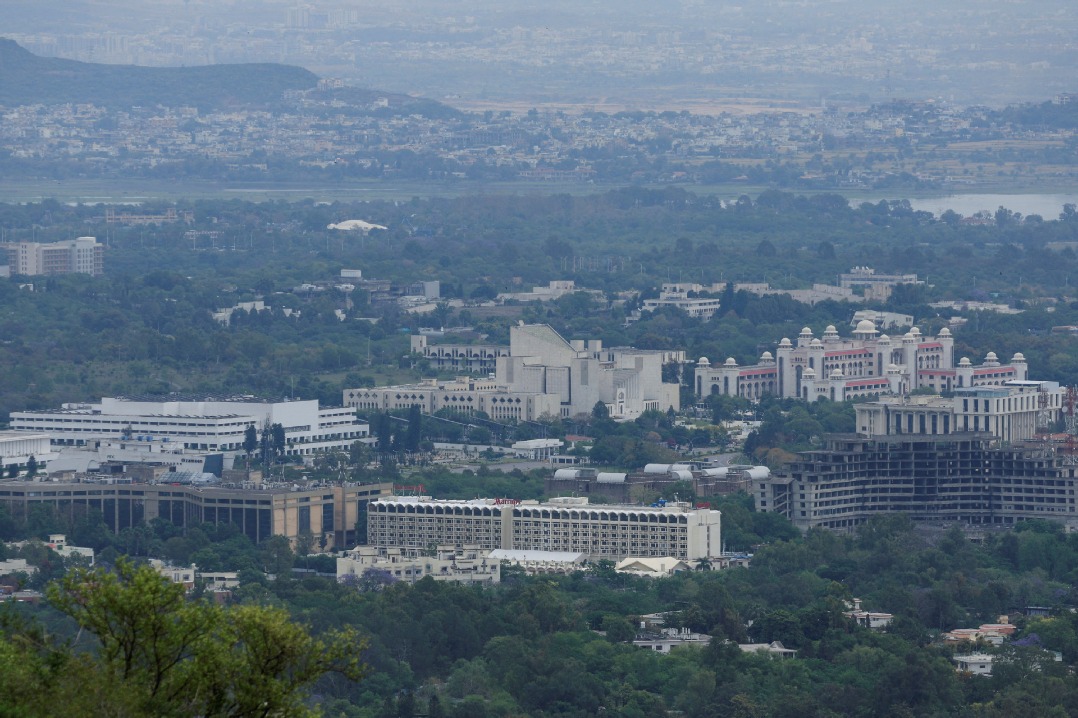
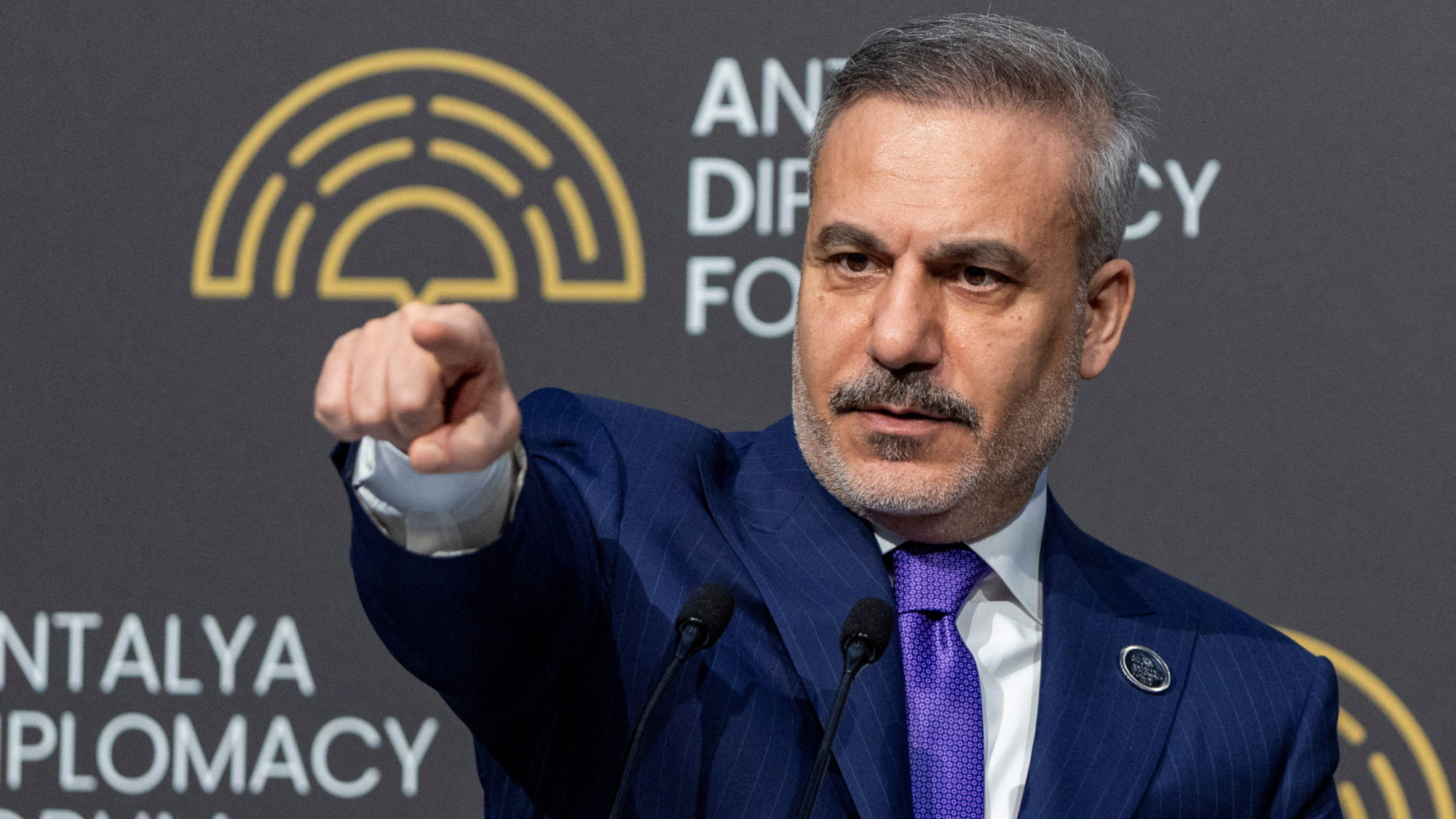
    Saudi Arabia’s strategic pivot towards diversifying its defense procurement partners is generating significant friction within the Trump administration, according to current and former U.S. officials. The kingdom’s exploration of weapons agreements with nations including Turkey and Pakistan threatens to diminish America’s dominant share in the lucrative Saudi arms market, challenging Washington’s traditional monopoly.

    The relationship appeared strengthened during Crown Prince Mohammed bin Salman’s November visit to the White House, where President Trump proudly announced Saudi Arabia’s commitment to purchase advanced F-35 fighter jets alongside a major strategic defense agreement. However, recent developments have revealed underlying tensions as U.S. officials seek clarification regarding Riyadh’s parallel negotiations with other regional powers.

    Following diplomatic pressure from Washington, Saudi authorities provided assurances they would not proceed with acquiring Pakistan’s JF-17 fighter aircraft, despite earlier considerations to convert substantial loans to Islamabad into weapons procurement. Notably absent were similar guarantees regarding potential Saudi participation in Turkey’s next-generation Kaan fighter program, creating ongoing concern among American defense officials.

    Defense analysts question the strategic rationale behind Saudi interest in the Turkish warplane, given the kingdom’s existing inventory of superior F-15s, Eurofighter Typhoons, and the anticipated F-35 acquisition. The administration’s perspective, however, focuses less on military capability and more on economic implications—viewing Saudi diversification as funds that could otherwise be directed toward additional American defense purchases.

    The emerging conflict illustrates how Trump’s transaction-based diplomacy, rooted in zero-sum economic principles, encounters challenges in an increasingly multipolar Middle East. Saudi officials maintain their interest in the TAI Kaan project reflects a desire for expanded options rather than replacement of American partnerships, though U.S. officials perceive these moves as potential indicators of diminishing influence.

    Complicating matters further is Israel’s traditional veto power over advanced U.S. weapons sales to Arab nations through its Qualitative Military Edge (QME) protection. Despite Trump’s public承诺 to provide Saudi Arabia with aircraft comparable to Israel’s F-35s, Netanyahu subsequently claimed Secretary of State Marco Rubio guaranteed Saudi would receive inferior versions.

    Beyond bargaining tactics, Saudi Arabia’s engagement with Turkey reflects broader geopolitical realignments. Riyadh’s Vision 2030 initiative mandates that 50% of defense spending target locally produced items, an area where Turkish offers of co-production and technology transfer outpace American willingness. Simultaneously, Saudi Arabia is cultivating relationships with Pakistan, Turkey, Qatar, and Egypt while distancing itself from the UAE-Israel axis, potentially using arms purchases to strengthen this emerging bloc.

    Experts suggest the F-35 deal remains vulnerable to Israeli opposition in Washington, reminiscent of the failed Emirati acquisition. While Saudi Arabia would likely accept even a downgraded version of the advanced fighter, the current negotiations with alternative suppliers provide crucial leverage and insurance against potential disappointment in the U.S. procurement process.

  • Shares fall in Japan, while most of Asia’s markets are shut for the Lunar New Year holiday

    Shares fall in Japan, while most of Asia’s markets are shut for the Lunar New Year holiday

    Tokyo’s financial markets experienced a notable downturn on Tuesday, with the benchmark Nikkei 225 index declining approximately 1% to settle at 56,237.65 by midday. This pullback occurred against a backdrop of limited regional trading activity, as numerous Asian markets remained closed in observance of Lunar New Year celebrations.

    The market retreat appears driven by multiple factors, including profit-taking activities following the Nikkei’s recent record-breaking performance. Investor sentiment was further dampened by disappointing economic indicators released Monday and a substantial 6.2% decline in shares of technology conglomerate SoftBank Group, which exerted significant downward pressure on the overall index.

    This market correction follows a substantial rally triggered by Prime Minister Sanae Takaichi’s decisive electoral victory on February 8. However, recent polling data indicates diminishing public enthusiasm for the administration’s economic revitalization strategy, which centers on increased government expenditure and tax reduction measures.

    Meanwhile, Australia’s S&P/ASX 200 demonstrated modest growth, advancing 0.3% to reach 8,964.10. Conversely, India’s Sensex experienced a slight 0.1% decrease, while Thailand’s SET index registered a marginal decline of less than 0.2%.

    Commodity markets presented a mixed landscape, with benchmark U.S. crude oil gaining 65 cents to $63.54 per barrel, while Brent crude, the international standard, declined 29 cents to $68.36. Precious metals faced substantial selling pressure, with gold prices falling 1.4% and silver experiencing a more pronounced 3.4% decrease. Cryptocurrency markets also saw declines, with Bitcoin dropping 0.6% to approximately $68,500.

    Currency markets witnessed the U.S. dollar weakening slightly against the Japanese yen, trading at 153.17 yen compared to 153.51 yen previously. The euro also softened against the dollar, declining to $1.1841 from $1.1852.

    This market activity follows mixed European trading on Monday and a closure of U.S. markets for the Presidents Day holiday, with American exchanges scheduled to resume operations on Tuesday.

  • Huawei advances early diabetes risk detection with smartwatch technology

    Huawei advances early diabetes risk detection with smartwatch technology

    In a strategic move addressing global healthcare challenges, Huawei has launched a novel diabetes risk assessment feature utilizing photoplethysmography (PPG) technology in its smartwatches. This innovation emerges against the backdrop of escalating diabetes prevalence, particularly acute in the Middle East where the International Diabetes Federation projects a 92% increase in cases by 2050.

    The technology leverages advanced optical sensors to analyze blood-flow patterns through the skin, capturing cardiovascular signals that correlate with metabolic health indicators. Users wearing compatible devices for 3-14 days receive risk stratification (low, medium, or high) based on algorithmic analysis of PPG waveforms, which reflect vascular changes associated with diabetes pathophysiology.

    Huawei emphasizes the tool’s preclinical positioning—it serves as a risk-awareness mechanism rather than a diagnostic medical device. The company has structured the feature around four pillars: awareness promotion, accessibility (offered free of charge), civilian application exclusivity, and safety assurance without contraindications.

    Clinical validation comes through collaborations with experts like Professor Jiguang Wang of the Shanghai Institute of Hypertension, who endorsed PPG-based risk assessment at the World Health Expo Dubai 2026. Huawei’s Health Labs in China and Finland provide research support across cardiovascular health and exercise physiology domains.

    The deployment strategy marks a departure from previous market approaches, with synchronized global launches prioritizing regions like the UAE where diabetes affects 20.7% of adults. This aligns with national health priorities focusing on preventive care and digital health transformation. Future expansions may include glucose monitoring and women’s health features, developed through partnerships with local medical institutions to ensure regulatory compliance and regional relevance.

    Currently available on HUAWEI WATCH GT 6 Pro models via software update, the technology represents a significant step toward scalable, non-invasive health monitoring that could potentially reduce long-term healthcare burdens through early intervention.

  • IndiGo extends flight cancellations till March 28 amid Iran tensions

    IndiGo extends flight cancellations till March 28 amid Iran tensions

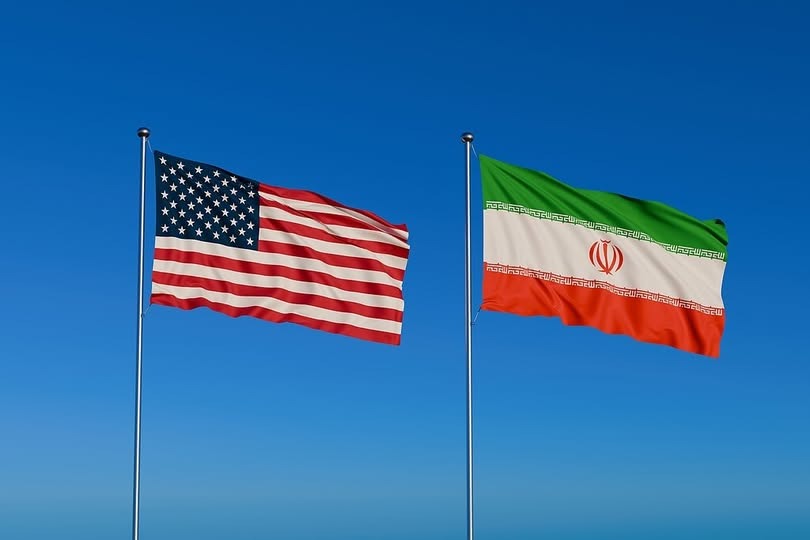
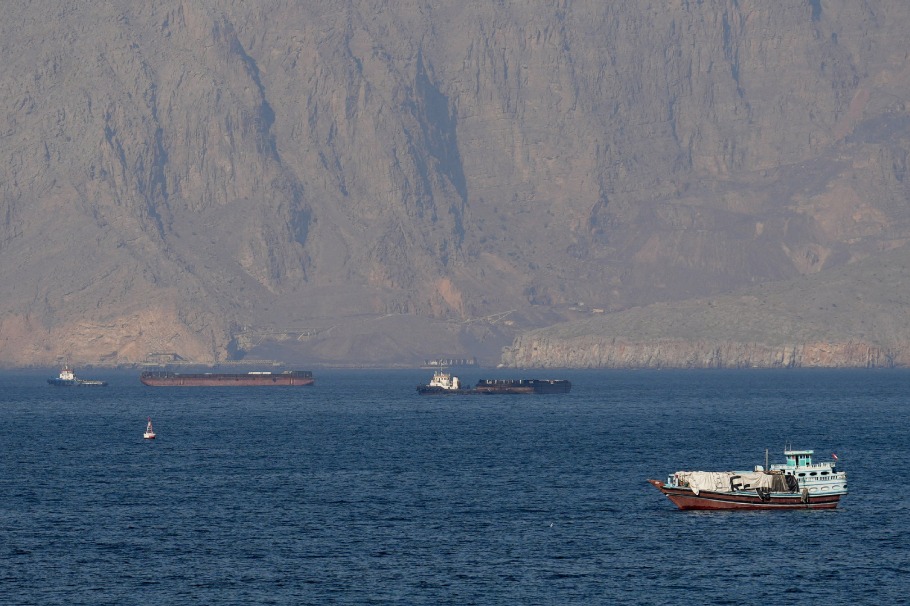
    Indian aviation carrier IndiGo has prolonged its suspension of flights to four Central Asian destinations through March 28, 2026, citing ongoing regional instability surrounding Iranian airspace. The airline’s decision directly responds to escalating geopolitical tensions between Iran and the United States that have prompted significant airspace restrictions.

    The affected routes include services to Tbilisi (Georgia), Almaty (Kazakhstan), Baku (Azerbaijan), and Tashkent (Uzbekistan), all regions experiencing operational impacts due to current airspace limitations. Initially suspending these routes until February 28, the airline has now extended cancellations for an additional month amid continuing uncertainty.

    In an official travel advisory distributed via social media platform X, IndiGo emphasized that “the safety and well-being of our customers and crew remain our highest priority.” The carrier committed to continuously monitoring the developing situation while implementing necessary schedule adjustments to minimize passenger disruption.

    The extension coincides with heightened military preparations in the region. According to Reuters, the United States has deployed a second aircraft carrier group to the Middle East, with the USS Gerald R. Ford and accompanying vessels being redirected from the Caribbean. This movement follows the earlier January deployment of the USS Abraham Lincoln and several guided-missile destroyers to the area.

    President Donald Trump addressed the escalating situation on February 12, stating that the United States “has to make a deal” with Iran within the coming month, warning that failure to do so would prove “very traumatic.”

    IndiGo has advised affected passengers to visit their dedicated contingency planning webpage (goindigo.in/plan-b.html) to explore alternative travel arrangements or request full refunds. The airline maintains that schedule reviews will continue as regional developments evolve.

  • Bencic masks fitness woes to keep the Dubai dream alive

    Bencic masks fitness woes to keep the Dubai dream alive

    Despite visible physical struggles, Olympic gold medalist Belinda Bencic demonstrated remarkable resilience at the Dubai Duty Free Tennis Championships on Monday, overcoming a first-set deficit to secure a hard-fought 2-6, 6-1, 6-2 victory against Spain’s Jessica Bouzas.

    The Swiss ninth seed, who withdrew from the Abu Dhabi Open earlier this month due to illness, displayed both competitive grit and fan-friendly generosity throughout the match. Following her comeback victory, Bencic engaged enthusiastically with spectators, even pausing to hold a fan’s toddler for photographs.

    ‘It was a really difficult time as I was not even able to practice properly after Abu Dhabi,’ Bencic revealed in post-match comments. ‘I’m just really happy I can be here and play again. Obviously, I’m struggling a bit with my fitness and ball security—this wasn’t my best performance.’

    The 28-year-old, who won the Dubai title in 2019, emphasized the psychological challenges of returning to competition: ‘It’s kind of crazy how fast you lose confidence and how long it takes for you to gain it again. But for sure, I’m here to fight and gain my confidence again.’

    Bencic now prepares for a challenging second-round encounter against Czech Republic’s Sara Bejlek, whom she described as ‘on fire’ and playing ‘really great tennis’ based on her observation of Bejlek’s previous match.

    The tournament saw several notable developments beyond Bencic’s victory. British star Emma Raducanu, the 2021 US Open champion, suffered elimination in a three-set thriller against Croatia’s Antonia Ružić (6-1, 5-7, 6-2). Meanwhile, 2017 French Open champion Jelena Ostapenko of Latvia fell to Russia’s Anna Kalinskaya, who advances to face American two-time Grand Slam winner Coco Gauff.

    In other matches, Spain’s Paula Badosa delivered a commanding performance against Katerina Siniakova (6-3, 7-5), while Amanda Anisimova received a walkover after opponent Barbora Krejčíková withdrew due to injury.

    The championship continues with highly anticipated appearances from Australian Open champion Elena Rybakina and defending champion Mirra Andreeva on Tuesday. Particular attention will focus on Filipina phenomenon Alexandra Eala as she challenges sixth-seeded Italian Jasmine Paolini for a spot in the round of 16.

  • Lunar New Year prayers and festivities usher in the Year of the Horse

    Lunar New Year prayers and festivities usher in the Year of the Horse

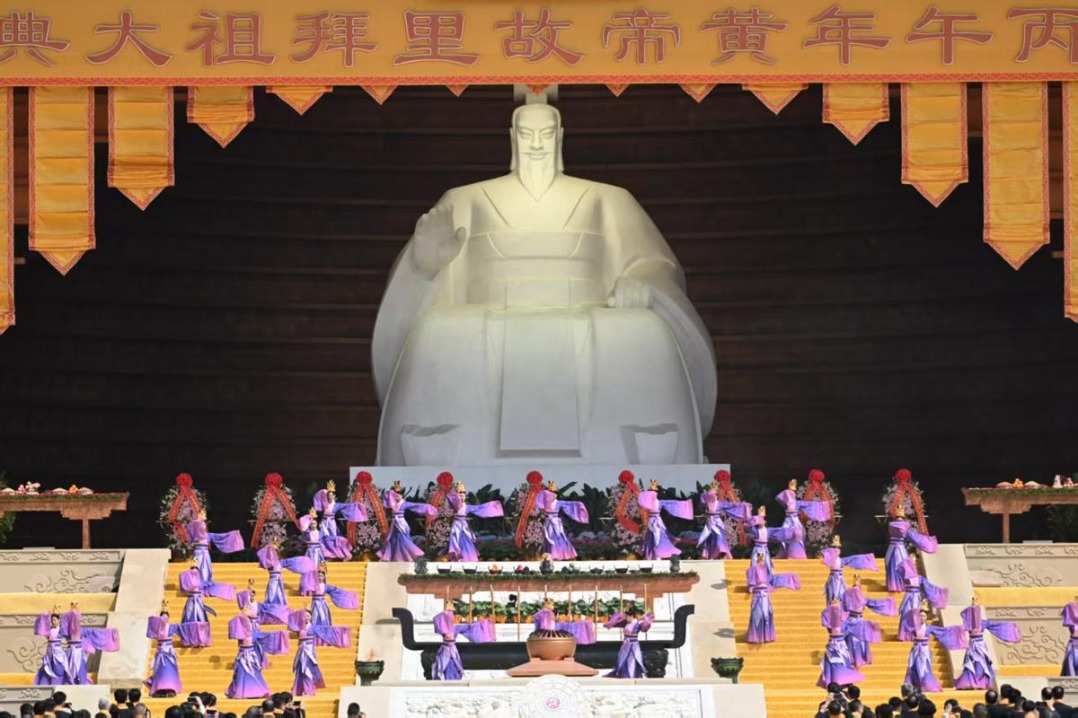
    Communities worldwide commenced vibrant observances of the Lunar New Year on Tuesday, transitioning from the Year of the Snake to the Year of the Horse within the Chinese zodiac cycle. This culturally significant festival, recognized as the paramount annual holiday across China and various East Asian nations, manifested through diverse traditions spanning multiple continents.

    In Hong Kong, midnight temple gatherings featured residents lining up to offer incense and articulate aspirations for the forthcoming year. Thick aromatic smoke permeated the air as devotees respectfully bowed before placing incense clusters in designated containers outside temple halls.

    Vietnam’s Tet celebrations energized urban centers with spectacular pyrotechnic displays synchronized to live musical performances. Bridges and skyscrapers transformed into luminous canvases during countdown events where entertainers engaged enthusiastic crowds.

    Moscow’s winter landscapes adopted festive characteristics with two-week cultural events featuring traditional Chinese street fairs. Snow-dusted avenues adorned with crimson lanterns and dragon motifs provided backdrop for culinary exploration and leisurely promenades. These Russian celebrations coincide with deepening Sino-Russian relations, a geopolitical development drawing mixed international responses amid ongoing Ukrainian conflicts.

    Taiwan’s Baoan Temple hosted morning ceremonies where the symbolic ringing of temple bells resonated 108 times—a number considered profoundly auspicious. Worshippers presented colorful floral arrangements and conducted incense-based rituals at outdoor altars throughout Taipei’s sacred precincts.