Fresh tensions have risen on the Korean Peninsula following a new series of ballistic missile launches carried out by North Korea into adjacent waters on Sunday, according to announcements from the country’s neighboring nations, marking the latest in a string of weapons development tests Pyongyang has conducted throughout 2024.
South Korea’s top military body, the Joint Chiefs of Staff, confirmed that the firing operations originated in the eastern coastal district of Sinpo early Sunday morning. In response to the provocation, South Korea has upgraded its intelligence surveillance posture and maintains constant, close information sharing with key security allies the United States and Japan to monitor further developments.
South Korea’s presidential administration also confirmed that the country’s National Security Council would convene an emergency session to assess the threat posed by the launches and coordinate a formal government response.
Japan’s Defense Ministry independently verified the tests, adding its assessment that the projectiles fell into waters off North Korea’s eastern coastline. Japanese officials lodged a formal strong protest with Pyongyang over the incident, noting that Sunday’s launches undermine stability across the region and the broader international community, and run counter to long-standing United Nations Security Council resolutions that prohibit all ballistic missile activity by North Korea.
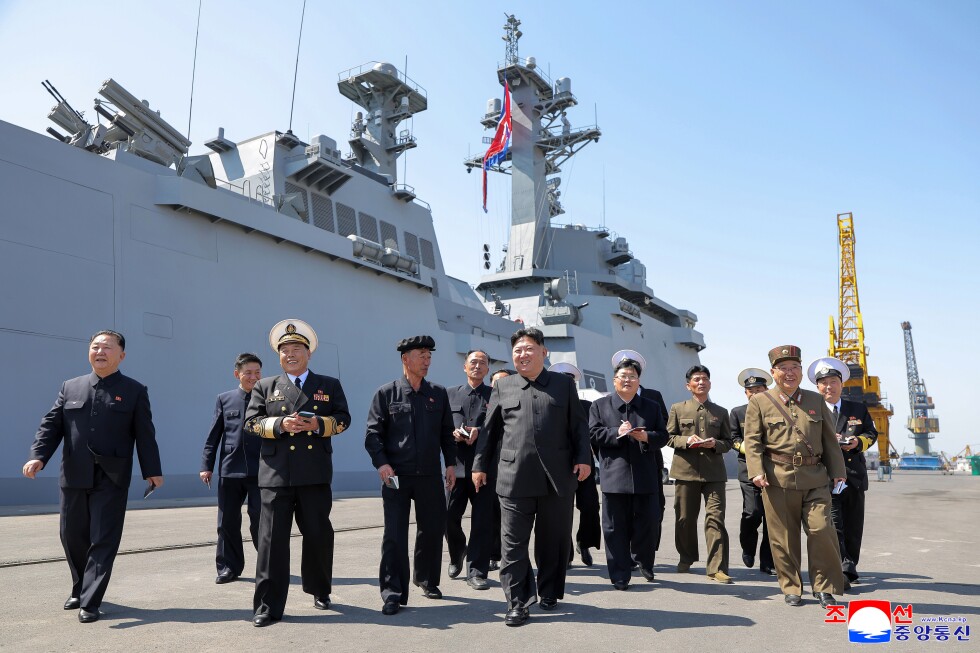
The latest test comes just one week after Pyongyang announced that leader Kim Jong Un personally oversaw a separate round of missile tests conducted from a North Korean naval destroyer. Following that exercise, Kim emphasized that North Korea would continue advancing its military capabilities, stating the country remained committed to the “limitless expansion” of its nuclear deterrent forces. He also issued new, undisclosed directives to refine North Korea’s nuclear strike capacity and rapid military response systems.
In a separate development last week, International Atomic Energy Agency Director General Rafael Grossi confirmed that the UN nuclear watchdog has recorded a marked, rapid acceleration in operational activity at all of North Korea’s known nuclear facilities, adding another layer of concern to the international community’s growing scrutiny of Pyongyang’s weapons programs.