标签: Asia

亚洲

  • 3,413 meters: China sets new record in global hot water ice drilling

    3,413 meters: China sets new record in global hot water ice drilling

    In a landmark milestone for polar scientific research, China has set a new world record for hot water ice drilling, reaching a depth of 3,413 meters during its first experimental deep drilling mission in Antarctica, China’s Ministry of Natural Resources announced on Tuesday. The achievement shatters the previous international benchmark of 2,540 meters, opening new doors for unexplored polar research.

    The successful mission was completed on February 5 by China’s 42nd Antarctic Expedition Team, which carried out the test at the Qilin Subglacial Lake, a massive buried Antarctic body of water first named by Chinese researchers in 2022. Located in Princess Elizabeth Land, within the inland ice sheet of East Antarctica, the subglacial lake sits roughly 120 kilometers from China’s Taishan Antarctic research station, making it an accessible yet geologically significant site for deep drilling operations.

    With this breakthrough, China now has the proven technical capacity to conduct drilling research across more than 90 percent of the Antarctic ice sheet and the entirety of the Arctic ice sheet, according to official project updates. Hot water ice drilling is widely recognized as a cutting-edge frontier of global Earth science, with core research goals that include unlocking clues about Earth’s ancient environmental shifts, improving the accuracy of future climate change projections, exploring the limits of life in extreme hidden ecosystems, and expanding humanity’s fundamental understanding of polar geoscience.

    Compared to traditional mechanical ice drilling methods, hot water drilling technology offers major advantages. It penetrates ice far faster while causing minimal disruption to the ice column and subglacial environment, supports clean, large-diameter drilling operations, and can efficiently reach critical geological interfaces including subglacial lakes, ice shelf bases, and subglacial bedrock. For these reasons, it has become the gold standard for international research into the deep, hidden environments of polar ice sheets.

    The 2026 experimental mission was designed primarily to validate the performance of China’s domestically developed deep ice sheet hot water drilling system under extreme Antarctic conditions. By drilling through the full thickness of the ice cover over Qilin Subglacial Lake, the project created a contamination-free access route and lays critical technical groundwork for upcoming research, including future in-situ observations of the subglacial ecosystem and collection of water and lakebed sediment samples.

    Targeting an ice sheet over 3,000 meters thick, the mission integrated multiple custom-built pieces of equipment engineered specifically to withstand polar conditions, while solving longstanding key technical challenges: reliable low-temperature operation of machinery, strict prevention of external contamination of the pristine subglacial environment, and precise management of deep hoses and winches at extreme depth.

    Officials noted that the successful drilling demonstrated the new system’s efficient, stable, and environmentally sustainable operation. The milestone fills a longstanding gap in China’s polar research capabilities and aligns with the country’s stated commitment to ‘green exploration’ and environmentally responsible polar science practices.

  • Foresight Science and Technology Award honors scientists

    Foresight Science and Technology Award honors scientists

    SHANGHAI — Against the backdrop of Shanghai Jiao Tong University’s 130th founding anniversary, the institution has hosted the fourth iteration of its prestigious Foresight Science and Technology Award ceremony on Monday, bringing together leading scientific minds, industry partners, and community stakeholders to celebrate groundbreaking research and honor the legacy of scientific inquiry.

    First established in 2022, the award was created to fill a unique niche: it recognizes outstanding work by Shanghai Jiao Tong University affiliates based across the globe, with eligible contributions spanning three core domains: fundamental basic research, translational applied research, and cutting-edge exploration at the frontiers of scientific knowledge. The program’s core mission extends far beyond simply recognizing existing achievement; organizers designed it to celebrate the enduring spirit of scientists, foster cross-institutional and cross-border academic exchange, and ignite new waves of technological innovation among early-career researchers.

    This year’s ceremony featured a distinctive celebratory addition: a star-studded red carpet opening that welcomed a diverse cross-section of attendees. Leading the procession were senior academicians from both the Chinese Academy of Sciences and the Chinese Academy of Engineering, joined by senior representatives from top domestic research institutions and industry partners. Also in attendance were prominent alumni who have gone on to become leading business leaders, as well as representatives from the university’s network of partner primary and secondary schools, reflecting the institution’s commitment to nurturing scientific interest from the earliest stages of education.

    As Shanghai Jiao Tong University marks its 130 years of advancing scientific education and research, the award ceremony stands as a testament to the institution’s ongoing mission to push the boundaries of human knowledge and support the next generation of scientific pioneers.

  • Afghanistan says peace talks held in China to end fighting with Pakistan have been constructive

    Afghanistan says peace talks held in China to end fighting with Pakistan have been constructive

    Months of deadly cross-border clashes between Afghanistan and Pakistan that have killed hundreds, displaced tens of thousands, and sparked global alarm have moved toward diplomatic resolution, with Afghanistan confirming that recently concluded peace talks hosted in China have yielded productive, constructive discussions. The negotiations, which opened in early April in Urumqi, a city in western China, were arranged at Beijing’s invitation to de-escalate a conflict that reignited in February, ending a previous Qatari-brokered ceasefire reached the previous October. This latest round of fighting has been the most intense between the two neighboring South Asian nations in recent years.

    The scale of the humanitarian damage from the clashes has become increasingly clear. The United Nations Office for the Coordination of Humanitarian Affairs (OCHA) confirmed via a post on social media platform X Tuesday that the conflict has forced more than 94,000 people from their homes. Since fighting flared in February, roughly 100,000 residents in two Afghan districts near the shared border have been completely cut off from basic services and outside aid, with no safe passage for evacuation or supply deliveries. Tensions reached a devastating peak in mid-March, when a Pakistani airstrike targeted a facility in Kabul that Afghan authorities identified as a drug treatment center. Kabul’s officials claimed the strike killed more than 400 people, a toll Pakistan rejected, arguing its operation targeted legitimate military infrastructure.

    The international community has grown increasingly concerned about the instability, particularly given the border region’s long-standing history of hosting transnational militant groups including al-Qaida and the Islamic State group. The core dispute driving the ongoing clashes centers on long-running Pakistani allegations that the Afghan Taliban administration, which seized control of Afghanistan in 2021 following the U.S.-led military withdrawal, provides safe haven to Tehrik-e-Taliban Pakistan (TTP), the Pakistani Taliban militant group that carries out frequent deadly attacks inside Pakistan. The TTP is organizationally separate from the Afghan Taliban but maintains close allied ties to the ruling group in Kabul, which has repeatedly denied Pakistani claims that it harbors TTP fighters. At the height of the current conflict, Pakistan formally declared it was waging “open war” against militant positions inside Afghanistan, and has conducted multiple cross-border airstrikes, including strikes near the Afghan capital.

    Even as diplomatic talks proceeded in Urumqi, Kabul continued to accuse Pakistan of carrying out repeated cross-border shelling that killed and injured Afghan civilians. Pakistan has not yet issued an official response to these latest allegations. Zia Ahmad Takal, deputy spokesman for Afghanistan’s Foreign Ministry, announced via a post on X Tuesday that his country’s foreign minister Amir Khan Muttaqi met separately with China’s ambassador to Afghanistan this week. During the meeting, Muttaqi formally thanked Beijing for organizing and hosting the negotiation, as well as extending gratitude to Saudi Arabia, Turkey, Qatar, and the United Arab Emirates for their earlier mediation work between the two sides. Takal added that Muttaqi acknowledged the productive, constructive dialogue that had occurred so far in the China-hosted talks, and expressed hope that small disagreements over interpretation would not block further progress toward a lasting ceasefire. To date, official public comments on the negotiations have been scarce, as the talks are being held between mid-level delegations from both nations.

    Meanwhile, Pakistan’s top military leadership reaffirmed its hardline stance on counterterrorism operations this week. During a high-level commanders’ meeting chaired by Pakistan Army Chief Field Marshal Asim Munir, senior military officials vowed to continue ongoing counterterrorism sweeps until what they described as “militant safe havens” are eliminated and “the use of Afghan territory against Pakistan” ends. The military’s official statement from the meeting noted that commanders reviewed the full scope of Pakistan’s current internal and external security landscape. It added that “terrorist proxies” operating on behalf of “external sponsors,” along with all of their facilitators, will be pursued and eliminated “relentlessly and without exception.”

    The resurgence of large-scale fighting in February broke a ceasefire that had been brokered by Qatar back in October 2023, when an earlier round of cross-border clashes killed dozens of people, including soldiers, civilians, and suspected militants. This cycle of violence followed a familiar pattern: Afghan forces launched cross-border retaliatory attacks after Pakistan conducted airstrikes inside Afghan territory earlier this year, triggering the full-scale escalation that has drawn international attention to the volatile border region.

  • Rare Chinese mergansers spotted on Yalu River

    Rare Chinese mergansers spotted on Yalu River

    A stunning wildlife discovery has been made along the Yalu River in Northeast China’s Jilin province, where local photographers have documented a flock of rare Chinese mergansers, one of the world’s most threatened bird species. \n\nThe sighting, which took place in Maxian township, Ji’an city, captured the graceful birds both soaring through the sky in a synchronized display and gliding along the rocky Yalu River shoreline in search of food. The images and video footage, collected by local wildlife photographer Zhu Guimin, offer a rare glimpse of a species that has long hovered near the brink of extinction.\n\nClassified as a national first-level protected wild animal by China’s government, the Chinese merganser—also called the scaly-sided merganser—holds a spot on the International Union for Conservation of Nature (IUCN) Red List as an endangered species. With an evolutionary history stretching back millions of years, the bird has earned the popular nickname “living fossil” among conservation biologists and wildlife enthusiasts alike. \n\nConservation experts note that sightings of large flocks of the species in their natural breeding grounds along the Yalu River are increasingly encouraging, signaling that ongoing ecological restoration efforts along the transboundary waterway have helped improve the bird’s natural habitat. The Yalu River, which forms the border between China and the Korean Peninsula, has remained one of the few remaining intact breeding habitats for the vulnerable species, thanks in large part to lower levels of industrial pollution and reduced human disturbance in recent decades.

  • Crabapple blossom events draw spring crowds to Tianjin

    Crabapple blossom events draw spring crowds to Tianjin

    As mild spring temperatures sweep across northern China, a series of crabapple blossom-themed events have turned Tianjin into a top domestic travel destination, attracting thousands of tourists from across the country during the annual Qingming Festival holiday.

    The fourth iteration of the Jinyu Heping Crabapple Blossom Festival launched over the holiday break and will remain open to the public through April 12. The celebration transforms key downtown landmarks across the city, with entire streets lined by blooming crabapple trees and a full schedule of cultural performances staged for guests.

    For many travelers, the crabapple blossoms have become a major draw that justifies a dedicated trip to the port city. Lin Yiru, a tourist who traveled from eastern China’s Zhejiang province to attend the festival, shared her positive impression of the event. “I came to Tianjin specifically to see the crabapple blossoms during the Qingming Festival holiday,” she explained. “The city has its own unique charm, and the area around Minyuan Square was lively and full of energy.”

    The floral celebration extends beyond city-run public events, with two of Tianjin’s most prestigious higher education institutions opening their gates to the public for their own crabapple blossom activities. Tianjin University and Nankai University, both located in Tianjin, have opened their scenic campus grounds to outside visitors, combining unobstructed blossom viewing opportunities with a lineup of cultural experiences that highlight the institutions’ academic and historical heritage.

    The wave of spring tourism to Tianjin for the crabapple festival underscores the growing popularity of seasonal floral tourism across China, as domestic travelers increasingly seek out unique, nature-focused cultural experiences during public holiday breaks.

  • Cheng arrives in Shanghai, kicking off KMT delegation’s mainland visit

    Cheng arrives in Shanghai, kicking off KMT delegation’s mainland visit

    SHANGHAI, April 7 — A landmark visit to the Chinese mainland by a delegation from the Chinese Kuomintang (KMT) officially got underway on Tuesday, as the group led by KMT Chairwoman Cheng Li-wun touched down in Shanghai’s central area at local noon. The 5-day visit, scheduled to conclude this coming Sunday, will see the delegation travel across three major sites on the mainland: Jiangsu Province, the host city Shanghai, and the national capital Beijing.

    What makes this trip particularly significant is that it marks the first time in 10 full years that a sitting KMT chairperson has led a party delegation to the Chinese mainland, breaking a decade-long gap in high-level cross-party exchanges between the KMT and the Communist Party of China (CPC).

    Cross-Strait observers widely frame this visit as a critical milestone for people-to-people and party-to-party dialogue between the two sides across the Taiwan Strait under the evolving current cross-Strait context. It serves as a key step to rebuild regular high-level exchanges that have stalled in recent years, opening a new channel for constructive communication on issues of common concern to people on both sides of the strait.

    A spokesperson for the State Council Taiwan Affairs Office emphasized that expanding and deepening open, sincere exchanges and dialogue between the CPC and the KMT carries far-reaching positive weight for two core cross-Strait goals: upholding enduring peace and stability across the Taiwan Strait, and advancing the long-term peaceful development of cross-Strait relations. The visit is expected to lay a new foundation for increased cooperation in economic, cultural, and people-to-people fields in the coming years, addressing the shared interests of compatriots from both sides of the Taiwan Strait.

  • Israel isn’t just responding to threats – it’s reshaping the Mideast

    Israel isn’t just responding to threats – it’s reshaping the Mideast

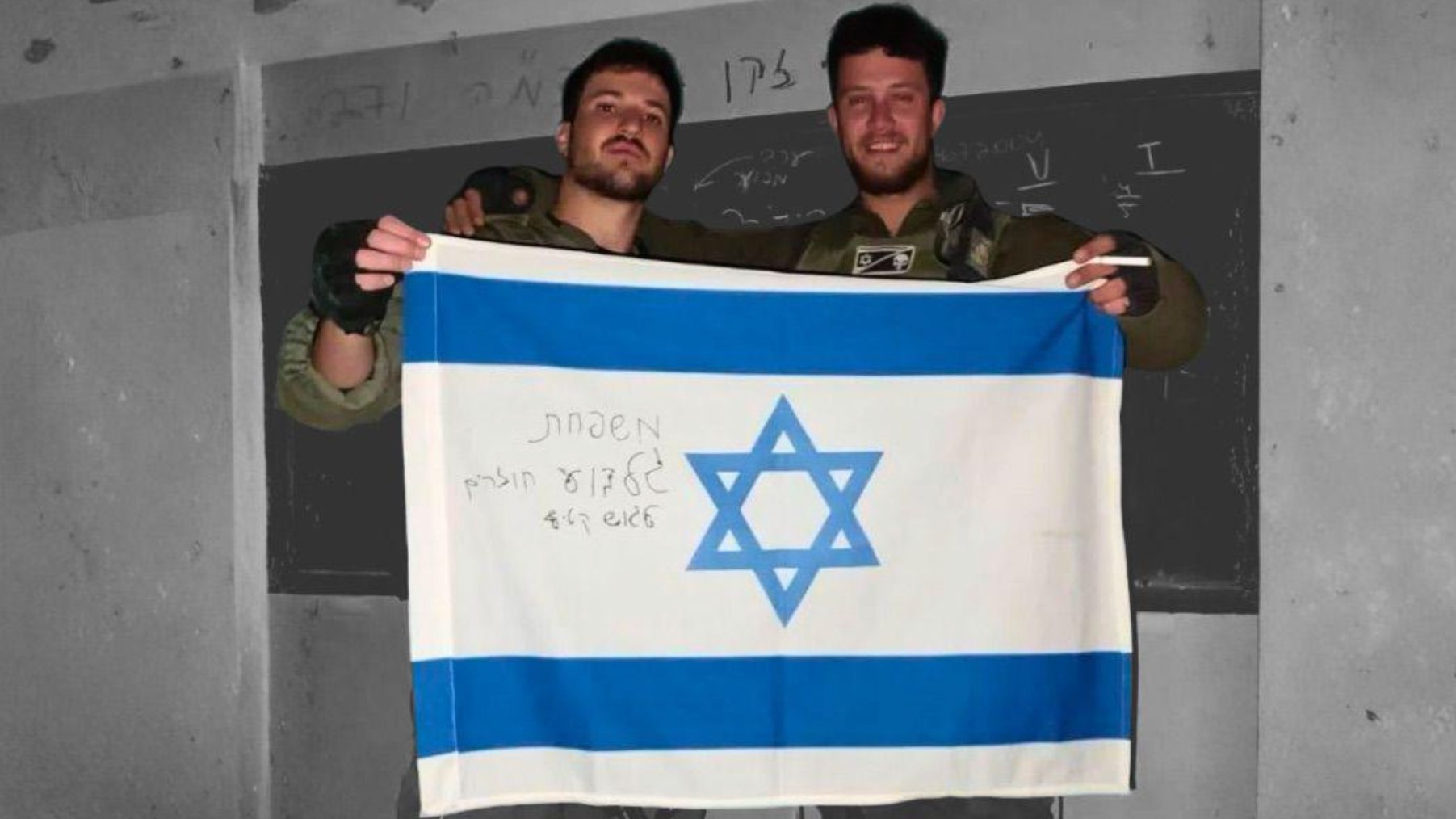
    For decades, mainstream discourse around Israel’s role in the Middle East has centered on a narrative of reaction: responding to imminent threats, countering aggression, and shaping policy around external events. But a new analysis of recent regional developments reveals a far more proactive posture, one that sees Israel actively reshaping the strategic conditions across the Middle East and adjacent regions to expand its own influence and redefine its regional standing.

    This new approach operates along two interconnected core dynamics that work in tandem to advance Israeli interests: direct military and political intervention in neighboring states that erodes their governing capacity, and deliberate cultivation of regional partnerships that sustain low-grade but persistent tensions across key geopolitical blocs. Grasping how these two threads interact is critical to understanding why the region remains trapped in chronic instability today.

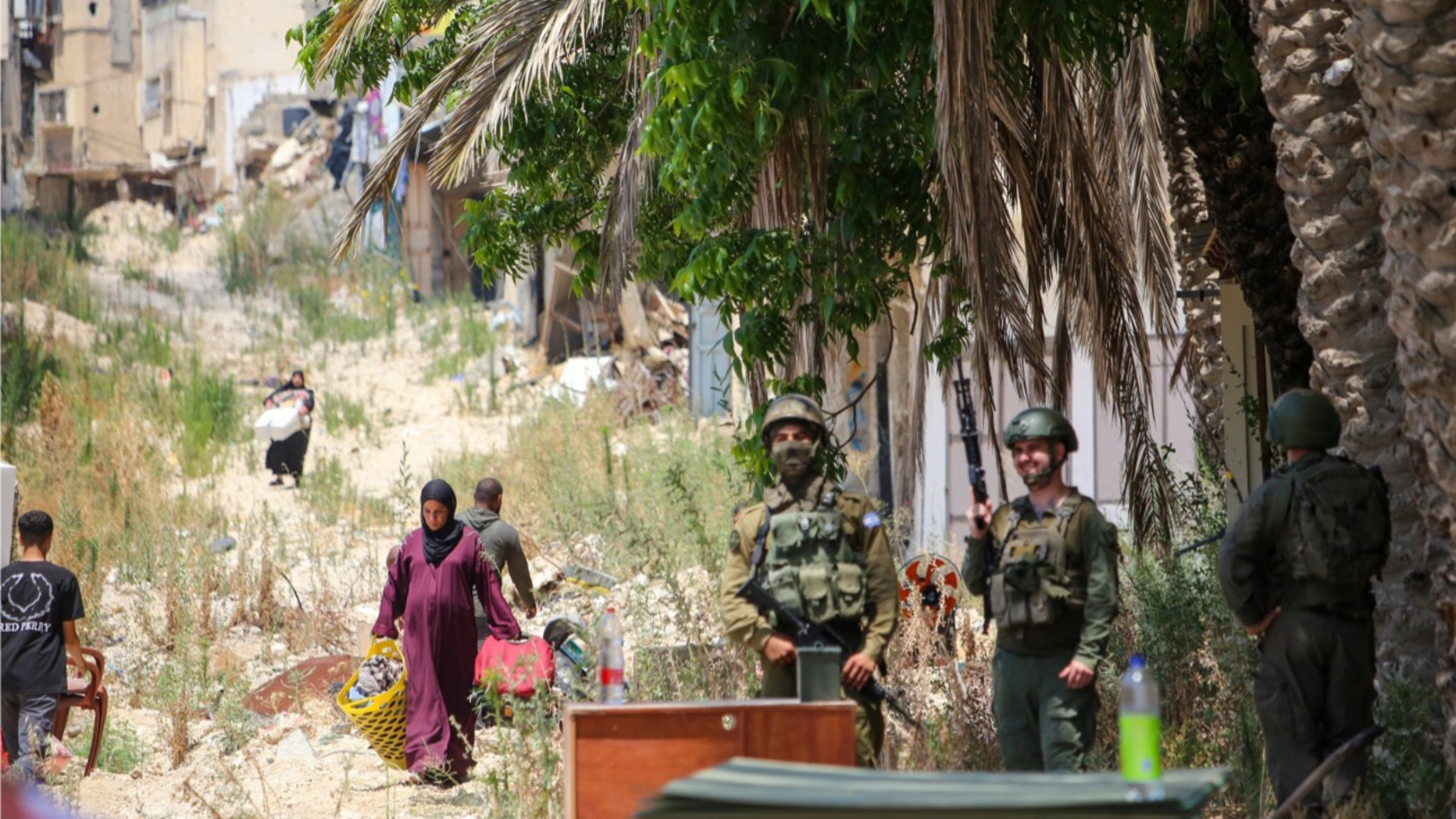
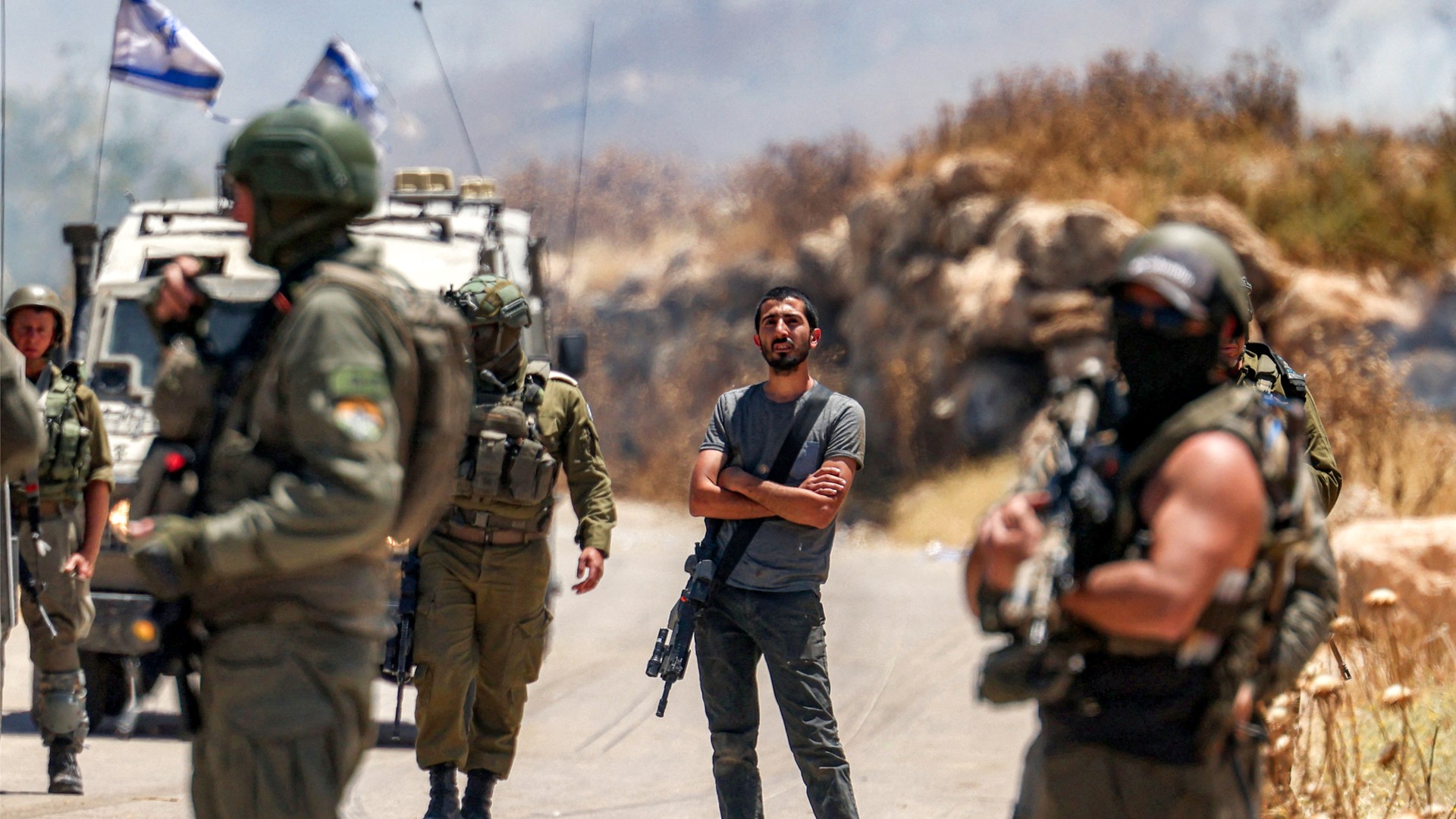
    The first pillar of this strategy targets weakening the internal cohesion of actual and perceived adversary states. This pattern plays out clearly across multiple flashpoints: Gaza, Lebanon, Syria, and now Iran, where Israeli military operations regularly extend far beyond immediate tactical deterrence goals. Rather than simply neutralizing short-term threats, these actions systematically erode state infrastructure, weaken institutional governance capacity, and fracture territorial unity. The strategic end goal, analysts argue, is not just deterrence, but the creation of a permanent political environment where central state authority remains fragmented, too weak to consolidate power and mount a coordinated challenge to Israeli interests.

    This logic is not triggered only by imminent threats; it reflects a deliberate long-term preference for a regional order where all potential adversaries remain internally divided and constrained. Crucially, this strategy has been enabled by a shifting global context, most notably the current bilateral relationship between Israel and the United States, which grants Israel unprecedented operational autonomy and significantly lowers the political costs of undertaking unilateral military action.

    The second pillar of the strategy operates at the regional level, working to entrench inter-state divisions and sustain persistent tensions. This is most visible in the Eastern Mediterranean, where Israel’s deepening security partnerships with Greece and the Republic of Cyprus have evolved into a fully integrated security alliance, built on shared intelligence, joint military exercises, defense technology integration, and converging strategic priorities. Greece’s growing procurement of Israeli defense systems—covering air defense, surveillance, and drone warfare—has further interoperability between the three parties and embedded Israel more deeply into the Eastern Mediterranean’s security architecture.

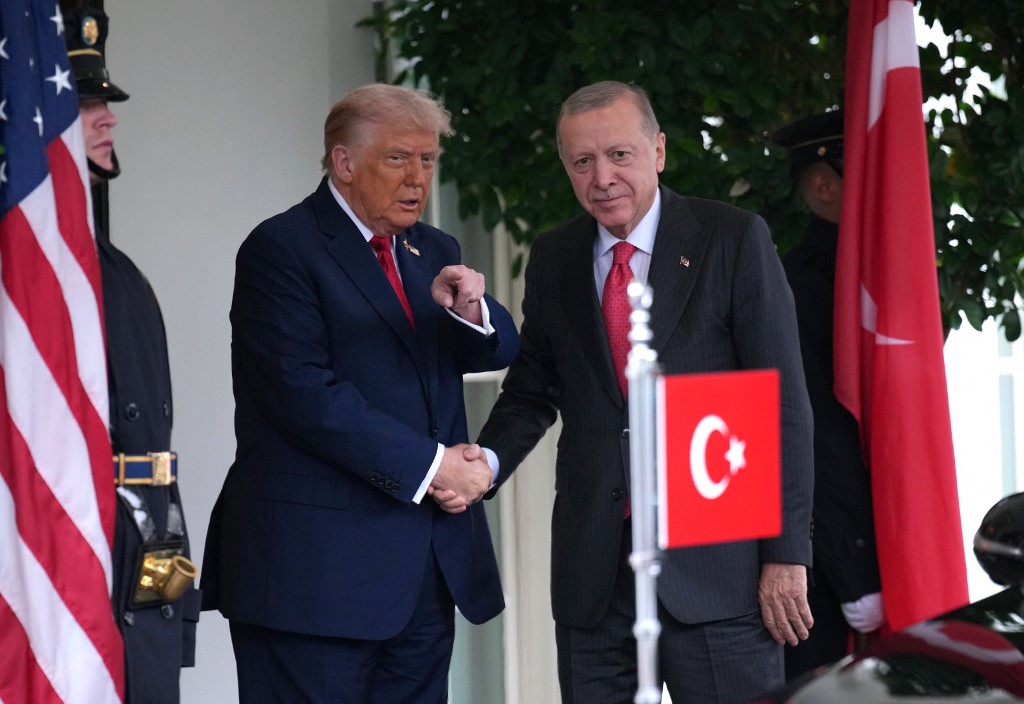
    This alignment is not a passive reflection of shared interests; it actively reshapes the regional strategic landscape. Israeli policymakers have increasingly framed Turkey as a long-term strategic challenger, identifying it as a major priority for countering in the aftermath of the Iran conflict. This framing has pushed Greece and Cyprus to adopt more assertive positions in their long-running disputes with Turkey over maritime boundaries, energy exploration rights, and airspace jurisdiction. While from the perspective of the alliance this is standard defense cooperation for aligned partners, from Ankara’s vantage point it amounts to coordinated encirclement by potentially hostile neighbors. Even so, open conflict is not the end goal: Israel’s core objective is not to go to war with Turkey, but to entrench a permanent state of low-grade tension across the region that it can manage to its own advantage.

    This dual dynamic of internal fragmentation and regional division is not limited to the Middle East. A clear parallel can be seen in the Horn of Africa, where Israel’s 2025 recognition of Somaliland as an independent state injected a new disruptive actor into the strategically critical Bab el-Mandeb Strait, the vital waterway connecting the Arabian Peninsula to Africa and linking the Red Sea to the Suez Canal. This move directly counters Turkish influence in Somalia, where Ankara has built close political ties and taken a leading role in providing military and maritime security to the Somali government. Since Somaliland remains a breakaway region unrecognized by the vast majority of the international community, Israel’s decision raises the risk of new open conflict along the Somali coast and complicates the maritime security architecture that Turkey has worked to build in the area. Just as in the Eastern Mediterranean, the goal is not direct confrontation: it is inserting a new player into the regional balance, diversifying existing alignments, and blocking the consolidation of rival influence.

    Looking at this broader pattern, analysts argue that this approach constitutes a radical evolution of Israel’s long-standing security doctrine, which has deep historical roots emphasizing proactive force, strategic autonomy, and coercive power over negotiated regional order. Under Prime Minister Benjamin Netanyahu, these long-held principles have been further expanded, radicalized, and implemented across every domain of regional policy.

    This new doctrine has reshaped the regional order into one inherently defined by instability and persistent hostility. Under this framework, peace is not a lasting end goal, but a temporary, reversible condition. Power, including the unilateral use of military force, is not viewed as a tool to achieve a stable peace—it is treated as the only reliable guarantee of Israeli survival. By systematically weakening neighboring states and keeping the broader Middle East and Eastern Mediterranean divided, Israel has created a regional status quo where no country or opposing alliance can achieve full stabilization. Israel’s strategic advantage, in this framework, comes from managing and manipulating ongoing tensions, not working to resolve them.

  • Seagulls put on spectacular display in Hebei’s Beidaihe

    Seagulls put on spectacular display in Hebei’s Beidaihe

    As the Northern Hemisphere welcomes the warm thaw of early April, one of northern China’s most beloved coastal destinations has become the stage for an extraordinary natural display. Beidaihe district, located in Qinhuangdao along Hebei province’s Bohai Sea coastline, is currently hosting thousands of migratory seagulls that have transformed its shores into a stunning ecological attraction for visitors and locals alike.

    Framed by the vivid contrast of cloud-dotted clear blue sky and calm turquoise coastal waters, the flocks of seagulls soaring, diving and gathering across golden beaches create a breathtaking panoramic view. The crisp sea breeze carries the sound of rolling waves and the distant calls of thousands of birds, blending visual and auditory beauty into a vivid portrait of spring that adds vibrant ecological charm to the entire coastal city.

    Local environmental authorities confirm that this annual gathering is no accident. Beidaihe, and specifically its Dachaoping wetland, sits along the critical East Asian-Australasian Flyway, one of the world’s busiest migratory bird routes. Every year, as seagulls travel northward to their breeding grounds for the warmer summer months, they stop over at Beidaihe to refuel on rich coastal food sources and rest before continuing their journey. The annual return of the seagulls has become a much-anticipated seasonal event, highlighting the region’s improving wetland ecosystem conservation efforts.

    Photographers and nature enthusiasts have already flocked to the Dachaoping wetland to capture the once-a-year gathering, with many sharing their shots of the massive flocks against the coastal spring landscape. This annual natural spectacle has turned Beidaihe into an early spring hotspot for ecotourism, drawing visitors who come to witness the harmony between wildlife and well-preserved coastal habitats.

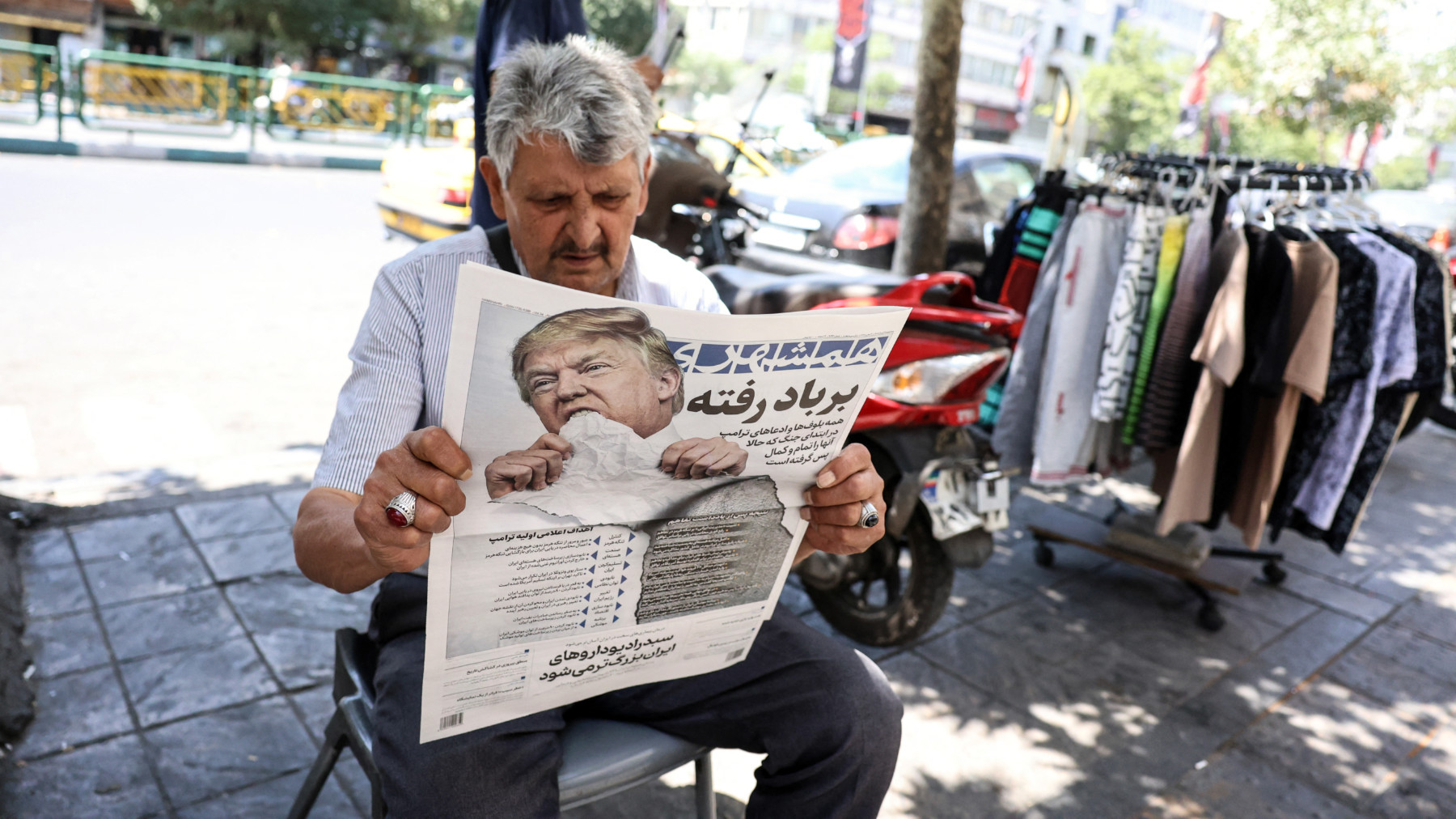
  • How Iran wins the war on its own terms

    How Iran wins the war on its own terms

    Already strained by years of crippling international sanctions and a half-decade of severe drought, Iran has faced significant losses to its military and economic capacity since entering its current conflict. Yet amid these constraints, the conflict has opened an unexpected, rare window of opportunity for Tehran to reshape the postwar order such that it emerges in a stronger relative position than it started, while its primary adversary — the United States — walks away weakened. In today’s complex, interconnected modern conflicts, such an outcome qualifies as a clear strategic victory. To turn this opening into a tangible win, Iran would need to execute three core strategic moves effectively: separate the U.S. from its regional and global allies, undermine the legitimacy of Washington’s stated casus belli, and build a cross-border postwar consensus that imposes sustained costs on American power.

    Unlike the pre-conflict status quo, the current war has positioned Iran to carve out new space for a postwar norm that delivers three key gains: sanctions relief for its struggling domestic economy, more reliable energy supply security for both regional exporters and global importers, and a path toward cross-Strait détente rooted not in ideological rhetoric or symbolic diplomacy, but in the practical, shared self-interest of all involved parties.

    The first critical step is a targeted ceasefire to isolate U.S. influence. Tehran cannot afford to let the coalition of actors aligned against it grow larger. It lacks the capacity to indefinitely pressure Gulf Cooperation Council (GCC) member states through direct military strikes. Every missile fired at Arab targets not only hardens regional opposition to Iran but also depletes stockpiles that would be better reserved for engaging U.S. military assets. A unilateral ceasefire targeting all attacks on GCC assets is a step fully within Iran’s power to implement, and it would block GCC militaries from taking a more active, direct role in the war. This ceasefire could be structured to require reciprocal restraint within 96 hours, while also making allowances for U.S. basing and overflight access that GCC governments have little practical ability to block. Under this framework, active military operations by Emirati aircraft would count as a violation, while the pre-existing presence of the U.S. al-Dhafra Air Base in Abu Dhabi would not.

    The second step is to create a verifiable off-ramp for nuclear negotiations that breaks U.S. dominance over the process. The U.S.’s stated core justification for the war is preventing Iran from developing a nuclear weapon, a claim that has accumulated layers of international commitment that third parties struggle to untangle. The UN’s International Atomic Energy Agency (IAEA) has lost all credibility as a neutral actor in Iranian eyes, ruling it out as a viable inspection body. This is why Iran needs a creative workaround to open political space that allows third parties to engage with plausible deniability.

    Specifically, Iran should make a unilateral offer to allow independent nuclear inspections by teams — either under the IAEA framework or through another experienced body like Euratom — that explicitly exclude American inspectors. Even the act of making this offer, which aligns with global nuclear nonproliferation goals while rejecting U.S. unilateral leadership, gives European powers the political and moral cover they need to ease crippling sanctions and deliver much-needed economic relief to Tehran. Without such an offer, European states may already doubt the case for extreme pressure on Iran but lack public evidence of Iranian good faith to justify engagement. With the offer in hand, Iran builds a clear, low-risk path forward for these actors. Given that Iran has virtually no ability to develop and deploy a nuclear weapon amid active conflict — and that such a move would bring catastrophic, self-defeating global isolation — this concession costs Iran no meaningful strategic options. It is a deeply asymmetric trade that costs little and delivers much.

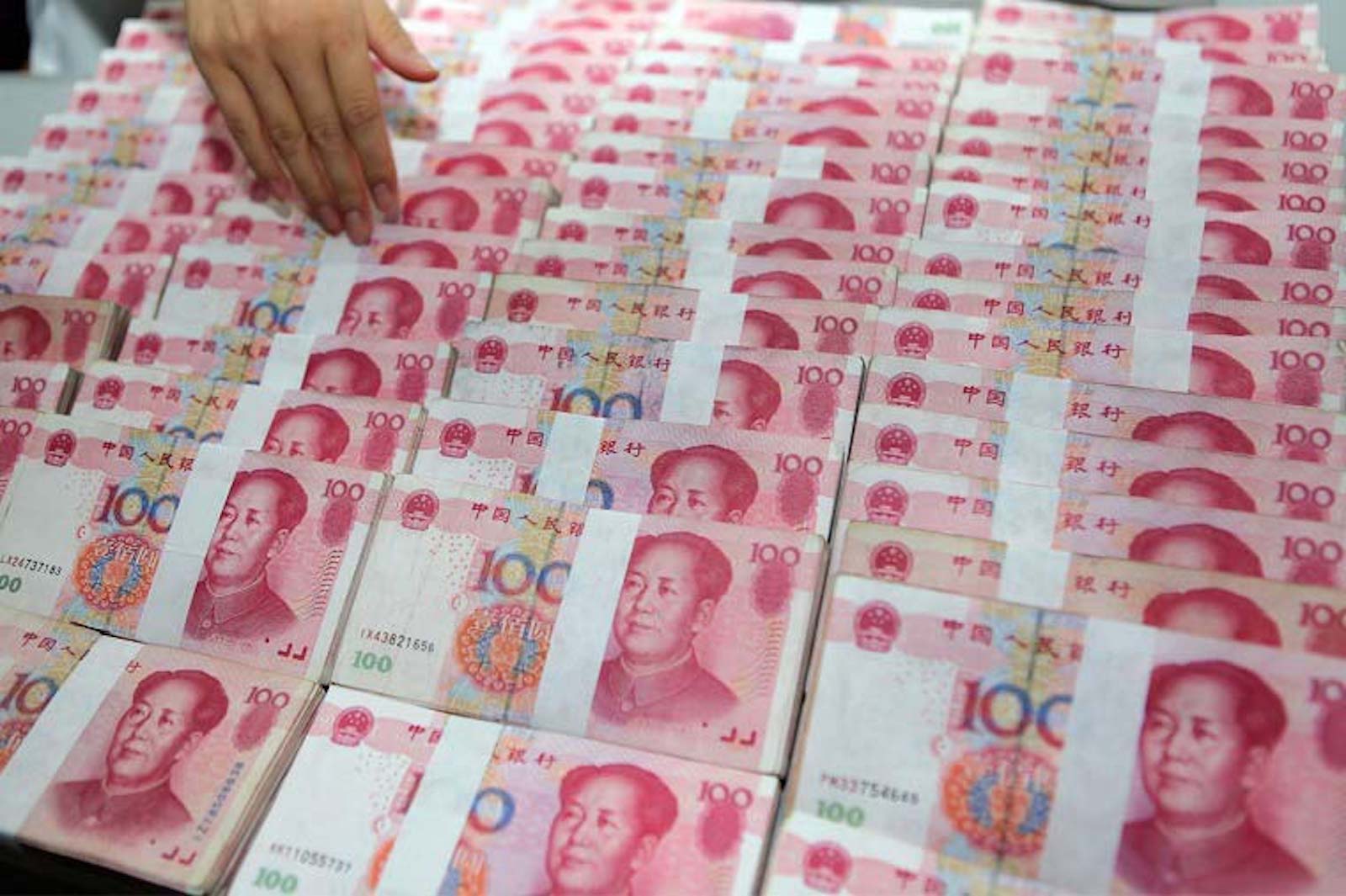
    The third and most transformative step is to target the foundation of U.S. global economic power: the dollar’s status as the world’s primary reserve currency, which grants Washington what former French Finance Minister Valery Giscard d’Estaing famously called an “exorbitant privilege.” American global military dominance ultimately rests on its ability to run persistent fiscal deficits, a possibility only sustained by the dollar’s reserve role. The system that underpins this was built in 1974, when U.S. Treasury Secretary William Simon brokered a deal to recycle Saudi oil export surpluses into purchases of U.S. Treasury bonds. This agreement locked the dollar in as the default trading currency for oil — the world’s most critical commodity — cementing the dollar’s global dominance and America’s position as the world’s indispensable superpower.

    In recent years, the U.S. decision to weaponize the SWIFT global payment system for geopolitical ends has exposed its willingness to abuse this privilege, pushing global rivals to accelerate de-dollarization efforts. The current war has given Iran both the pretext and the strategic position to disrupt this system. Iran has already proven it can control the flow of crude oil, refined petroleum products, and liquefied natural gas through the Strait of Hormuz with deliberate, precise control. Building on this leverage, Tehran could offer selective safe passage through the Strait to oil exporters that agree to accept payment in a small list of global currencies that exclude the dollar. Over time, Iran could add a small de minimis share — roughly 3% of total transaction value — that must be settled in Iranian rials, either through bilateral currency swaps or a dedicated independent clearing mechanism, with this share phased down to zero over 30 years. This structure creates a baseline demand for the rial to support its value, while giving trading partners enough time to build out the required financial infrastructure. This is essentially a form of strategic rent collection, but the model of paying for trade security is already well established among GCC states.

    By opening this structure to major currencies including the euro, renminbi, rupee, won, and yen, Iran can build a broad coalition of commercially motivated actors: China, India, Japan, and South Korea alone purchase more than 75% of all hydrocarbons that transit the Strait of Hormuz. The minor additional transaction friction this creates would replace the existing war premium on oil, and at a far lower humanitarian cost than ongoing conflict. When the prize is long-term strategic advantage, marginal added costs per barrel are a small price to pay.

    Iran’s task here is delicate but achievable, given the overlapping multipolar interests already aligned around this goal. Tehran does not need to single-handedly dismantle the dollar’s global role. It only needs to lay out the foundational framework for de-dollarized energy trade in the Strait, and other major economies will expand on the model to advance their own national interests. This will not end the dollar’s dominance overnight, but it can mark the beginning of the end of the current system.

    The long-term success of this strategic approach depends on two core gambles. First, it relies on continued interest from energy importers in maintaining non-dollar transactions once the infrastructure is in place, making a return to dollar settlement economically irrational. Second, it assumes that energy exporters will prioritize aligning with their customers’ preferences over the geopolitical demands of their American patron, especially since Iran offers reliable trade security through strategic restraint rather than violent conflict. An exporter could choose to rely on U.S. naval convoys and pay expensive insurance premiums to defy Iran, but there is little tangible gain to be had: the only reward would be the ability to charge dollars to customers that are perfectly willing to pay in their own domestic currency, and avoid paying a security premium in the process.

    The current status quo, shaped by U.S. geopolitical expediency, creates constant uncertainty and puts GCC exporters themselves on the front line of conflict. Iran’s proposed reform would replace this volatility with stability, rooted in the overlapping shared interests of a natural coalition of large Asian energy importers and GCC energy exporters. Both groups stand to benefit far more from this framework than from continued adventurism by an increasingly volatile global hegemon. For Iran itself, this strategy opens a long-sought path to relief from the material deprivation and fiscal compression that have defined national life for decades. A forward-looking Iranian state can use this rare window of opportunity to build a more stable, resilient integration into the global economy on its own terms, eliminating the constant threat of immediate regime collapse. In the end, even capturing just 3% of the “exorbitant privilege” long held by the U.S. would be a transformative strategic win for Tehran.

  • Vietnam’s leader To Lam strengthens power in unanimous assembly vote

    Vietnam’s leader To Lam strengthens power in unanimous assembly vote

    In a historic shift for Vietnam’s governing structure, To Lam has secured election as the country’s new president by the Communist Party-dominated National Assembly, giving him simultaneous control of the two most powerful positions in the nation – the top role in the Communist Party and the head of state office. The unanimous vote from the 500-member legislative body, which convened this week following the January Communist Party Congress that sets the country’s core strategic direction, cements To Lam’s status as the most influential Vietnamese leader in decades.

    To Lam’s rapid ascent to the apex of Vietnamese politics unfolded over the past 10 years, rooted in his tenure as the country’s high-profile Minister of Public Security. In that role, he led a sweeping nationwide anti-corruption campaign that sidelined and removed dozens of potential political rivals. He first stepped into the dual leadership roles on an interim basis in 2024, following the resignation of former president Vo Van Thuong and the passing of long-time party chief Nguyen Phu Trong. Now, he has secured a full five-year mandate to hold both top posts.

    For decades, the Communist Party of Vietnam has centered its governance model on collective leadership, splitting authority across a set of senior national positions known as the “five pillars” to avoid excessive concentration of power in a single figure. To Lam’s consolidation of the two top roles has drawn international comparisons to China, where President Xi Jinping has also centralized authority in his own hands. When To Lam retained his position as Communist Party General Secretary in January, Xi Jinping extended immediate congratulations, noting that both sides would work to deepen the long-standing traditional friendship between the two neighboring socialist nations. While the two ruling parties maintain close bilateral ties, historical anti-Chinese sentiment remains present among segments of the Vietnamese public.

    Despite these parallels, some regional experts emphasize that key checks on power remain in place in Vietnam’s political system. Carl Thayer, Emeritus Professor at the University of New South Wales, explained that Vietnam’s Central Committee retains a stronger role in overseeing the party’s General Secretary compared to China’s governing structure. “To Lam is the first among equals, but he’s also answerable to the Politburo,” Thayer noted, pointing to the 19-member committee that includes other senior influential leaders. “There’s still a balance. But To Lam has shown that he can work collectively and build coalitions,” he added.

    Looking ahead, the most critical test of To Lam’s leadership will come not from internal party politics, but from his ability to deliver on the ambitious economic goals he has laid out for his administration, against a backdrop of persistent global economic uncertainty. To Lam has already outlined a sweeping reform agenda designed to lift Vietnam to upper-income country status within the next 20 years. He has set an ambitious target of sustaining annual economic growth above 7-10% while continuing his predecessor’s aggressive anti-corruption campaign, dubbed the “blazing furnace” which has already disciplined or removed tens of thousands of public officials across all levels of government.