标签: Asia

亚洲

  • China carefully navigating Iran’s tighter Hormuz grip

    China carefully navigating Iran’s tighter Hormuz grip

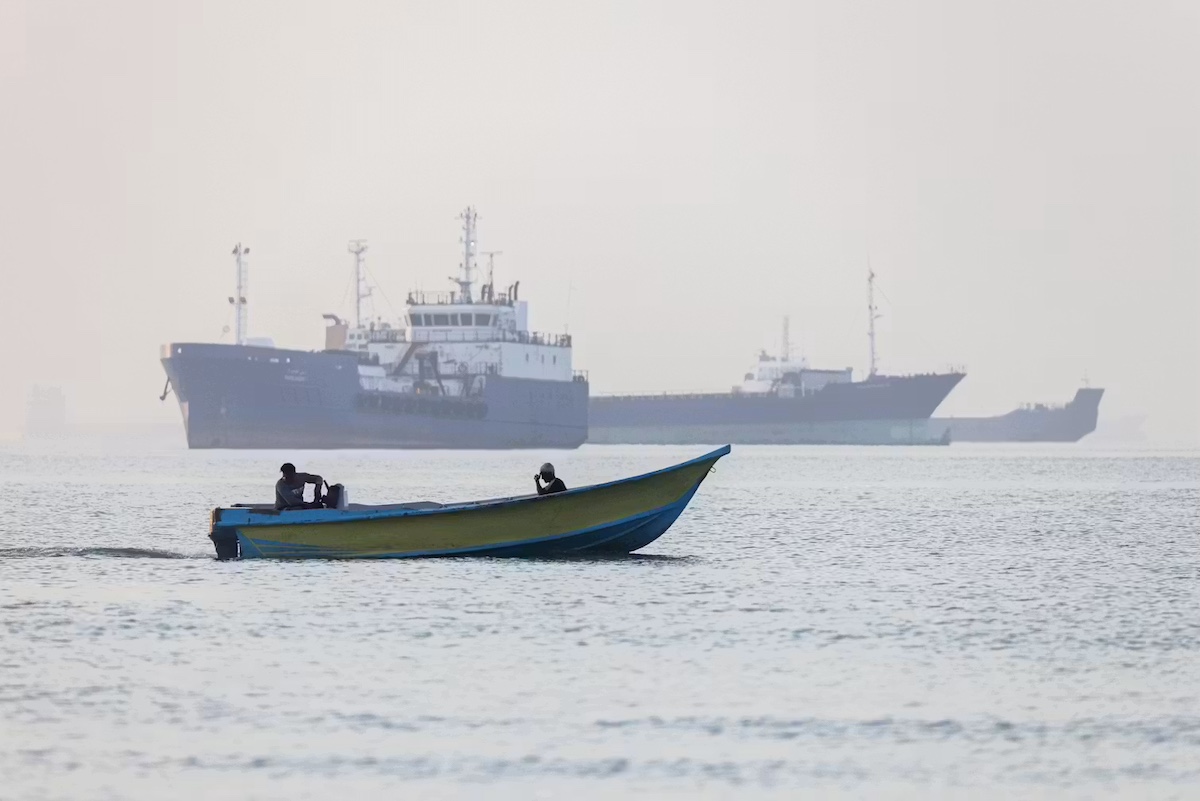
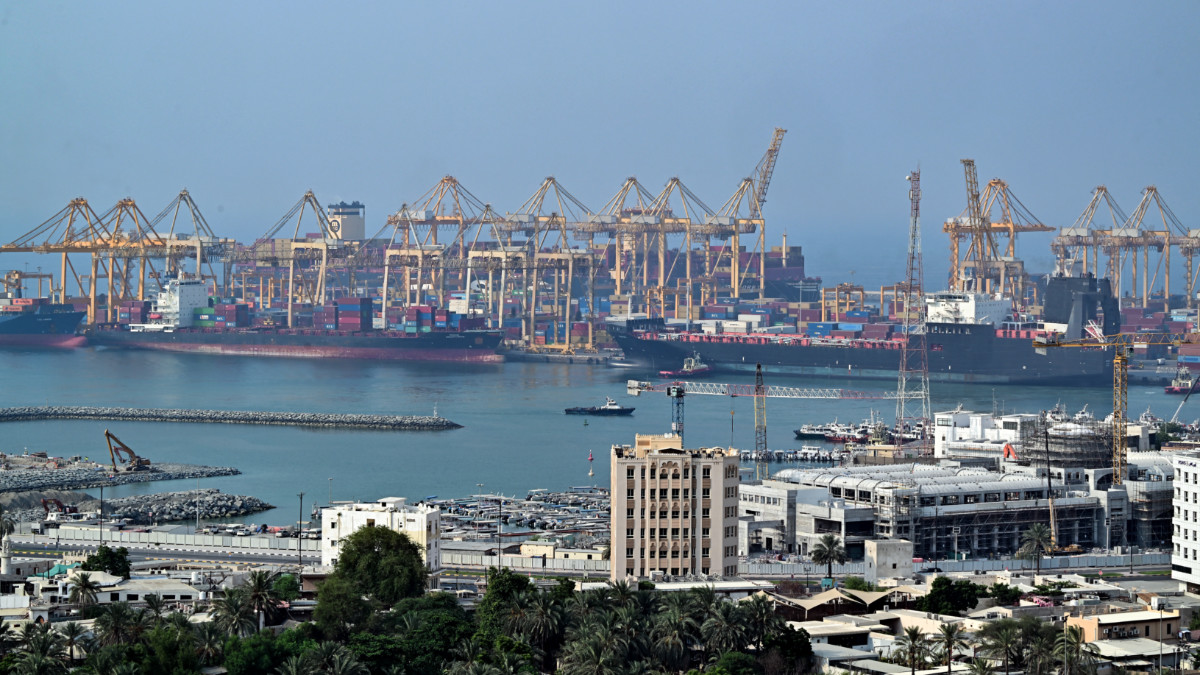
    A months-long standoff over one of the world’s most critical energy chokepoints has shifted dramatically, with Tehran emerging as the clear long-term power holder in the Strait of Hormuz despite an ongoing U.S. blockade effort. The Trump administration has claimed early progress for its blockade, reporting that nine vessels, including the Chinese-owned tanker Rich Starry which reversed course in the Gulf of Oman Wednesday, have complied with its turn-around orders. But Iranian officials have pushed back forcefully, reiterating that Tehran retains full authority over the strait and reserves the right to approve all transiting vessels. In a stark warning, Iran added that if its own ports come under threat, every port across the Persian Gulf and Sea of Oman will lose security protections.

    For decades, Iran has brandished the Strait of Hormuz as a potential bargaining chip against its adversaries, but it never moved to formalize control over the waterway until the current existential conflict with the U.S. and Israel. In an ironic turn, the joint U.S.-Israeli campaign to cripple Iran’s nuclear and missile programs has instead handed Tehran a transformative new strategic asset: unchallenged de facto control over the strait, through which 20% of global oil consumption passes daily. Tehran has already embedded this new control into its long-term strategic planning, going so far as to add formal recognition of Iranian sovereignty over the strait to its negotiating demands during recent indirect peace talks with Washington.

    This new leverage delivers three key strategic and economic benefits for Iran. First, it opens a substantial new stream of revenue from transit tolls already imposed on vessels passing through the waterway. With tolls set at roughly $1 per barrel of oil and up to $2 million per fully loaded tanker, independent estimates project Iran could collect up to $600 million monthly from oil shipments and an additional $800 million from natural gas transits. Economists note that roughly 80% of these costs will ultimately be borne by Gulf Arab states, adding up to as much as $14 billion annually from oil tolls alone.

    Second, control of the strait acts as a powerful asymmetric deterrent. By proving its ability to disrupt the world’s most vital energy artery, Iran has dramatically raised the economic cost of any future large-scale military action against it, creating deterrence through global economic risk rather than relying solely on its own military capabilities.

    Third, the strait delivers major geopolitical clout, particularly for Iran’s outreach to Global South nations. Control over energy flows through the waterway allows Tehran to negotiate with energy-dependent states, offering reliable transit access in exchange for cooperation that circumvents U.S. sanctions and deepens bilateral economic ties.

    The U.S. has moved to counter Iran’s new leverage with its own blockade, but this reciprocal campaign faces deep structural limitations that undermine long-term success. Unlike Iran, which can enforce its rules from its own adjacent coastline, the U.S. must maintain a blockade in open international waters, a logistically and financially draining operation that requires widespread allied support which has yet to materialize. Even with backing, sustaining a long-term blockade would impose massive costs on the U.S. military and trigger cascading disruptions to the global economy, making the status quo unsustainable for Washington. Many analysts now warn the strait could become “America’s Suez moment” — a strategic turning point that exposes the limits of U.S. power projection in the Middle East, rather than demonstrating its dominance.

    A key question hanging over the standoff is how China, which purchases more than 80% of Iran’s crude oil exports and sees 40% of its total oil imports pass through the strait, will respond. So far, Beijing has shown no willingness to pressure Iran to roll back its new control regime, instead placing full blame on the U.S. for the crisis and rejecting the blockade as illegitimate. This week, Chinese Foreign Ministry spokesperson Guo Jiakun called the U.S. operation “dangerous and irresponsible” in blunt remarks. While one Chinese-owned tanker complied with U.S. orders to turn around, multiple other Chinese-flagged and Chinese-owned vessels have already completed transits through Iran’s new toll system, signaling Beijing’s willingness to abide by Tehran’s rules for the time being.

    Although China is heavily dependent on Hormuz transit for its energy supplies, it has spent years preparing for this exact scenario. Beijing has systematically diversified its oil import sources to reduce overreliance on any single supplier, and is estimated to hold enough strategic petroleum reserves to replace Hormuz shipments for up to seven months. Even so, it remains unclear whether Beijing will support Iran’s permanent toll system long-term; while it has not publicly opposed the measure to date, many experts note China has repeatedly called for a return to unrestricted, normal passage through the strait as soon as possible.

    Beyond the immediate standoff, the crisis is accelerating long-term geopolitical shifts in the Middle East that play to China’s expanding influence in the region. The ongoing conflict has convinced many Gulf Arab states that longstanding security alignment with the U.S. and normalization with Israel do not guarantee their national security, pushing regional leaders to diversify their diplomatic and economic partnerships. This trend was highlighted by this week’s visit of the Abu Dhabi Crown Prince to Beijing, a trip that underscores growing Gulf interest in deeper ties with China.

    Bilateral trade between Gulf Cooperation Council states and China already hit roughly $257 billion in 2024, a total that narrowly outpaced the Gulf’s combined trade with major Western economies. Beijing has also steadily expanded its diplomatic footprint in the region, mediating the 2023 normalization agreement between longtime rivals Saudi Arabia and Iran, and playing an indirect facilitating role in recent indirect U.S.-Iran peace talks held in Pakistan to end the current conflict. Looking ahead, experts project Iran could push for a new region-led security framework with Gulf Arab states, with China stepping in as a neutral guarantor or facilitator — a shift that would end decades of U.S. dominance as the primary security provider in the Persian Gulf.

  • Chinese Embassy in Japan says authorities fail to act on threats

    Chinese Embassy in Japan says authorities fail to act on threats

    Amid rapidly escalating bilateral friction between Beijing and Tokyo, the Chinese Embassy in Tokyo issued a formal statement Thursday accusing Japanese law enforcement authorities of failing to take adequate, effective action to counter a string of violent threats targeting Chinese diplomatic facilities and Chinese nationals based in Japan.

    Shi Yong, China’s acting ambassador to Japan, detailed the sequence of alarming incidents in his remarks. The first major threat arrived on March 5, in the form of a letter sent to the embassy from an anonymous group claiming to consist of former Japanese police and military personnel. The message contained overtly hostile threats: the group pledged to carry out violent attacks against Chinese diplomatic missions across Japan and threatened to “wipe out all Chinese” residing in the country.

    Immediately after receiving the threatening correspondence, embassy officials filed a formal report with Japanese police, according to an official post the mission made on the social media platform X. The embassy criticized Japanese law enforcement for failing to treat the threat seriously, declining to implement tangible protective measures, and falling short of launching a full, thorough investigation to clarify the facts of the case.

    The string of threats continued after a high-profile trespassing incident in late March, when an officer from the Japan Ground Self-Defense Force was arrested for illegally entering the Chinese Embassy compound in Tokyo while armed with a knife. Following a formal diplomatic protest from Beijing over the incursion, Japanese police increased visible security deployments around the embassy’s premises.

    Just one week after the trespassing incident, the embassy received a separate bomb threat via social media. This threat was issued by another individual claiming to be a member of the Japan Self-Defense Force reserve, prompting local authorities to launch a two-hour bomb sweep across the embassy compound. Shi did not confirm whether any explosive devices were located during the search.

    While the acting ambassador acknowledged that Japanese police have boosted external security around the diplomatic mission, he emphasized that the embassy and its personnel remain in an unsafe position, still “exposed to threats” that have not been fully resolved.

    Tensions between China and Japan have steepened since November last year, when Japanese Prime Minister Sanae Takaichi made controversial remarks stating that any Chinese military operation targeting the self-governed island of Taiwan could qualify as a national security emergency justifying a Japanese military response. In response to the comments, China implemented a series of diplomatic and economic countermeasures against Japan.

    As of Thursday, Japan’s Foreign Ministry has not issued any response to the Chinese Embassy’s new accusations, and declined to comment on the record when approached for statement.

  • WADA is challenging India to clean up doping issues

    WADA is challenging India to clean up doping issues

    NEW DELHI — As India prepares to host the 2030 Commonwealth Games and vies for the right to hold the 2036 Olympic Games, the World Anti-Doping Agency (WADA) has announced tangible progress in its coordinated effort to address India’s persistent and high-profile doping crisis, which has seen the country top WADA’s global list of doping violations for three straight years.

    India currently holds the unenviable title of reporting the highest rate of positive doping tests among all major sporting nations, a status that has cast a shadow over its aspirations to lead major international competitions. Speaking Thursday at a press conference for WADA’s global anti-doping intelligence and investigations network, WADA President Witold Bańka laid out the scale of the challenge the country faces. “Performance-enhancing drugs and steroids are readily accessible across India, and the country stands as one of the world’s largest manufacturers of these substances. This is a deeply serious problem,” Bańka stated.

    Despite the gravity of the issue, Bańka emphasized that recent dialogues with Indian stakeholders have opened a path for meaningful collaboration. He noted that his talks with India’s national sports minister, the country’s National Anti-Doping Agency (NADA), and the Central Bureau of Investigation (CBI) have been productive, with all parties agreeing to strengthen joint efforts to dismantle transnational doping supply networks operating within India.

    Anant Kumar, director of NADA, outlined the Indian agency’s new two-pronged approach to tackling the doping menace. The strategy focuses first on upgrading national doping detection and testing infrastructure, and second on building greater trust among Indian athletes by boosting the transparency and efficiency of anti-doping processes.

    Under this new framework, NADA has doubled its annual testing volume from roughly 4,000 samples collected in 2019 to a projected 8,000 samples by 2025. Even with this increase, India’s testing scale remains lower than that of many peer nations: for example, China conducts more than 15,000 athlete tests each year. Even so, Bańka argued that a growing number of positive doping outcomes should be interpreted as a sign of improving system effectiveness, not a worsening crisis.

    “I would actually be pleased to see that number rise, because it tells us our detection systems are working better, and that we are carrying out more targeted, effective enforcement,” Bañka explained. “A lower number of positive cases does not mean success — it often means systems are failing. A sharp drop in detected violations can signal weak testing or poor oversight.”

    Another key shift in anti-doping strategy in India is a move away from penalizing athletes as the primary target of enforcement, with greater focus placed on holding suppliers and enabling actors such as coaches and team managers accountable. Gunter Younger, WADA’s director of intelligence and investigations, noted that athletes are often manipulated into doping, rather than acting as masterminds of the scheme. “Athletes are sometimes victims in this whole process. You will always have isolated individuals who choose to cheat and gain an unfair advantage, but we do not believe most athletes should be charged with criminal intent,” Younger said.

    Bańka echoed this framing, adding that modern doping is a transnational, increasingly sophisticated criminal enterprise. “We do not want to see athletes jailed. Only the people who supply these drugs and destroy athletic careers deserve to face serious legal consequences,” he emphasized.

    When asked about expanded testing for cricketers, following the announcement that cricket will return to the Olympic program for the 2028 Los Angeles Games, both WADA and NADA officials pushed back against the idea of targeting the sport specifically. Bańka noted that WADA’s work covers all Olympic sports, and it would be inappropriate to single out cricket for extra scrutiny despite its massive popularity in India. Kumar added that cricket is classified as a low-risk sport for doping within India’s current framework, and that NADA’s focus remains on targeting high-risk disciplines across all sports, while continuing collaborative work with the International Cricket Council.

  • Indonesia reviews US proposal for airspace overflight access

    Indonesia reviews US proposal for airspace overflight access

    JAKARTA, Indonesia – In the wake of a newly announced high-profile defense agreement between Washington and Jakarta, Indonesian authorities are currently conducting a careful internal review of a United States proposal to secure expanded overflight access through the country’s sovereign airspace, the nation’s Foreign Ministry confirmed Thursday. The American overflight request first entered public discourse via local Indonesian media outlets, emerging just days after the two nations formally established the Major Defense Cooperation Partnership. That landmark agreement was unveiled Monday at the Pentagon by United States Defense Secretary Pete Hegseth, marking a visible deepening of bilateral defense ties between the two countries.

    Speaking to reporters on Thursday, Foreign Ministry spokesperson Yvonne Mewengkang outlined the parameters of the ongoing review process, noting that the proposal remains in the early stages of internal government evaluation. She emphasized that every aspect of the request is being scrutinized through the country’s existing regulatory framework, with three non-negotiable principles guiding the deliberation: Indonesia’s core national interests, the inviolability of its airspace sovereignty, and the country’s long-held independent and active foreign policy doctrine.

    The Indonesian Defense Ministry echoed this update earlier this week, formally confirming that the U.S. had formally submitted the overflight clearance request and that negotiations are still ongoing. In an official statement shared with the public, the Defense Ministry added that Indonesian negotiators have already pushed through several key adjustments to the draft proposal. A central point of revision is the explicit framing of the draft document as non-binding, meaning it will not enter into force automatically. Instead, any final agreement will still need to pass through additional rounds of discussion via relevant technical working groups and formal national legislative and executive approval procedures before it can be finalized.

  • Malala’s brother Khushal on fleeing the Taliban and facing the manosphere

    Malala’s brother Khushal on fleeing the Taliban and facing the manosphere

    More than 11 years after the Taliban shooting that forever altered his family’s path, 25-year-old Khushal Yousafzai has broken his silence about the lingering psychological trauma, mental health battles, and unexpected entanglement with online manosphere communities that followed the attack on his older sister, global girls’ education advocate Malala Yousafzai. In a raw, vulnerable new interview with BBC Asian Network’s Amber Haque, Khushal recounts the day that destroyed his childhood and shaped every year that followed.

    It was 2012, when Khushal was just 12 years old, and Malala — then 15 — was shot in the head by a Taliban gunman while riding home from school on a bus in Pakistan’s Swat Valley. Malala had long drawn the militant group’s anger for her outspoken activism demanding equal access to education for girls. On the day of the attack, Khushal was playing video games at home when his cousin delivered the first terrible news that his sister had been injured; minutes later, the family learned the bullet had struck her head. “I remember going into my sister’s room where you can see all the trophies. I felt like I was going to pass out,” he told Haque. “Seconds felt like minutes, minutes were hours and hours were days.”

    The attack that didn’t kill Malala would go on to launch her global advocacy work, which earned her a Nobel Peace Prize just three years later. She was immediately evacuated to the United Kingdom for urgent life-saving treatment, and Khushal and the rest of the Yousafzai family eventually resettled in the country alongside her. But for the 12-year-old Khushal, the chaos of the attack and sudden uprooting left a void of rage and grief that would fester for more than a decade. “It left me with so much hate and anger in my heart,” he said. “When I was in the UK, my life mission was like: ‘I’m going to build myself, go back and take revenge.’”

    Over the years, Khushal navigated life in the public eye surrounded by family members celebrated globally for turning their pain into transformative, world-changing good. While he rejects the narrative that he lived in his sister’s shadow, he carried a quiet pressure: watching Malala and their father Ziauddin turn their trauma into progress left him grappling with deep feelings of inadequacy. “I just thought, if I’m not bringing positive change into the world, then I’m not doing enough,” he explained. It was only a few months ago that he finally acknowledged he had spent years in denial about how unprocessed that pressure and trauma truly were. “I pretended my [own] expectations are bigger than what the world expects of me,” he said. At his lowest, he recalled feeling like a burden as the world focused its attention and support on Malala’s recovery, asking himself, “Everyone around me is helping my sister. What am I doing? I didn’t see a point in my existence.”

    That persistent sense of not being good enough left Khushal vulnerable to the toxic pull of online manosphere spaces, a network of forums, social media accounts, and influencers that promote a rigid, traditionalist vision of masculinity where men hold dominant power over women. What first drew him in, he said, was the community’s outward focus on self-improvement — a message that filled a gap when he needed it most. “Go to the gym, work on yourself. So that message really drew me in,” he said.

    But the harmful underbelly of the movement quickly trapped him in a destructive cycle. As influencers began selling harsh life lessons that framed any struggle as a personal failure, Khushal — who had spent years battling undiagnosed post-traumatic stress disorder, depression, and cannabis addiction — began to see his own mental health challenges as proof he was a “loser”. The resulting shame only fueled his unhealthy coping mechanisms, creating an unbreakable loop: “What happens is that you get into a shame cycle. So you feel like you’re a horrible human. Whenever I smoked weed, I felt like a horrible human being. You want to escape that feeling, so you fall back to that bad habit. It becomes a loop.”

    Khushal ultimately broke free from the influence of manosphere ideology after confronting its misogynistic core, a worldview that directly contradicted everything his family stands for. “My sister took a bullet for education,” he said. “They might as well be speaking about my mother and my sister. And when I started putting [things] into perspective, I started to draw myself away from those spaces.” He also credits his father’s compassion and the grace he extended when the manosphere teaches that vulnerability is unforgivable for helping him begin to heal.

    Today, Khushal is speaking out to help other people who may be struggling with unprocessed trauma and vulnerability to toxic online ideologies. He emphasizes that radicalization and harmful indoctrination do not happen in a vacuum: even he acknowledges that his own privilege of a supportive family committed to gender equality kept him from falling prey to far more dangerous extremist groups like the Taliban. “If I was born in another household where my parents were poor, couldn’t afford my education, I could have also become easily radicalised and indoctrinated by the Taliban,” he said.

    His core message for people navigating similar battles is that vulnerability is not weakness, and shame is the biggest barrier to healing. “We need to change the narrative that if you are vulnerable about your struggles, it’s a sign of weakness,” he said. For him, breaking the shame cycle required allowing himself to finally grieve and break down: “When I hit rock bottom, when it was really tough and I’d taken pride that I hadn’t cried for six months – then I broke down. I had the best cry of my life. I felt so healed and relieved after.” Access to a trusted support system of family and friends who will hold space for honest, difficult conversations, he says, is the greatest source of strength for anyone working through trauma.

    For anyone affected by the mental health issues discussed in this interview, support and resources are available via BBC Action Line. The full conversation with Khushal Yousafzai is available to listen to on BBC Asian Network Trending.

  • Chatty gibbon has fun with caretaker in Yunnan

    Chatty gibbon has fun with caretaker in Yunnan

    A sweet, playful moment between a protected white-browed gibbon and his human caretaker at Yunnan’s Taiyanghe National Forest Park has won over thousands of social media users across China, after footage of their friendly exchange spread widely online earlier this month.

    The young gibbon, known to park staff as Dingding, formed the adorable bond during a routine walk through the reserve’s protected green spaces. As caretaker Xu Yanfang made her way through the park to her next scheduled task, Dingding wrapped his long arms tightly around her wrist, chattering constantly in a playful call-and-response exchange that mirrored casual conversation with a close friend. The warm, unscripted moment was captured on camera and quickly circulated among netizens, who praised the gentle connection between the human caretaker and the wild animal.

    As a national first-class protected species in China, white-browed gibbons are one of the country’s most vulnerable wild primate populations, and Taiyanghe National Forest Park has emerged as a key hub for conservation and care for these rare animals. For Dingding, daily life at the Pu’er-based reserve is filled with low-stakes adventure and companionship beyond his interactions with human staff. He shares the sprawling, biodiverse park with a host of other native species, including red pandas, Sumatran rhinoceroses, and Asian bearcats, and regularly spends his days playing and roaming through the forest alongside his wild neighbors.

    Conservation efforts across Yunnan have expanded steadily in recent years, expanding protected habitats and boosting populations of once-declining native species. This viral moment has drawn new public attention to the work of park caretakers and conservationists, who dedicate their work to protecting vulnerable wildlife and fostering safe, sustainable environments for rare species to thrive.

  • Xiong’an-Shangqiu high-speed rail section enters testing phase

    Xiong’an-Shangqiu high-speed rail section enters testing phase

    China’s expanding national high-speed rail network hit a major milestone this week, as the Xiong’an-Shangqiu section of the strategic Beijing-Hong Kong High-Speed Railway kicked off its official commissioning and testing phase on Wednesday, according to China Railway Beijing Group.

    The 552-kilometer new corridor, engineered to support maximum operating speeds of 350 kilometers per hour, links Xiong’an New Area — a nationally significant development zone in Hebei province — with Shangqiu, a key transport hub in central China’s Henan province. As a core segment of the Beijing-Hong Kong high-speed rail corridor, this line forms a critical part of China’s national “eight vertical and eight horizontal” high-speed rail network blueprint, which is designed to create a cohesive, efficient nationwide transport system.

    Local and national transport authorities note that once operational, the new line will strengthen connectivity across the integrated Beijing-Tianjin-Hebei region, expand and optimize the regional rail network, and provide targeted infrastructure support to drive the ongoing growth and development of Xiong’an New Area.

    Construction work on the Hebei portion of the line first got underway in September 2022. The testing phase officially launched at 2 p.m. Wednesday, when an inspection and test train departed from Xiong’an Railway Station to begin the three-month trial process that will run for 80 days total.

    Throughout the commissioning period, specialized test rolling stock and precision monitoring equipment will conduct comprehensive evaluations of every critical system across the route. This includes assessments of the line’s power supply infrastructure, communication networks, signaling systems, disaster monitoring mechanisms, as well as the structural integrity of tracks, bridges and other civil engineering works. These rigorous tests are designed to verify that all infrastructure meets safety and operational standards ahead of the line’s full commercial opening to passengers.

  • PLA Navy to mark 77th  anniversary with open-house events

    PLA Navy to mark 77th anniversary with open-house events

    China’s People’s Liberation Army (PLA) Navy is preparing to open its military facilities to civilian visitors next week, launching a series of public open-house events to commemorate the 77th anniversary of its founding. All three of the PLA Navy’s major fleets — the North Sea Fleet, East Sea Fleet, and South Sea Fleet — have confirmed that they will offer rare public access to active warships across multiple coastal cities, in a move designed to strengthen bonds between the military and the general public and showcase the service’s decades of modernization advancement.

    The founding date of the PLA Navy traces back to April 23, 1949, when the force was established in Baimamiao township, Jiangsu province. This historical date was officially designated as the service’s annual anniversary in 1989, making 2026 the 77th year since the navy’s founding.

    The North Sea Fleet will host public visits in two northern coastal cities: Qingdao, Shandong province and Dalian, Liaoning province. In Qingdao, events will run from April 22 to 26 across two venues, Qingdao Port and the Qingdao Olympic Sailing Center Dock, while open days in Dalian are scheduled for April 25 and 26. A diverse lineup of active naval vessels will be on display for visitors, including the advanced Type 052D guided-missile destroyer, Type 054A guided-missile frigate, and Type 903 integrated supply ship, covering major frontline vessel classes in the PLA Navy’s current fleet.

    For the South Sea Fleet, public events will be held from April 23 to 26 across five locations in southern China: Guangzhou and Zhanjiang in Guangdong province, Sanya and Danzhou in Hainan province, and Beihai in the Guangxi Zhuang Autonomous Region. Attendees at these southern venues will have the opportunity to tour guided-missile destroyers and amphibious transport ships.

    Covering eastern and southeastern coastal regions, the East Sea Fleet will open its facilities to the public from April 21 to 26 across seven cities: Ningbo, Shanghai, Zhoushan, Taizhou, Nantong, Xiamen, and Shantou.

    To manage visitor numbers and ensure a smooth experience, all public spots for the open-house events are allocated through a first-come, first-served reservation system. Interested members of the public can book their visits through officially designated WeChat public accounts and dedicated event websites.

    The public outreach initiative marks one of the most extensive nationwide open-house events held by the PLA Navy in recent years, reflecting the service’s growing transparency and its commitment to building public understanding of national maritime defense.

  • What to know about Pakistan’s army chief and his role as mediator between Iran and the US

    What to know about Pakistan’s army chief and his role as mediator between Iran and the US

    A brief 15-second video shared by Iran’s top diplomat has thrown Pakistan’s influential army chief, Field Marshal Asim Munir, back into international focus. The clip, posted to X by Iranian Foreign Minister Abbas Araghchi, captured the moment Munir stepped off a plane in Tehran, greeted with a warm fraternal embrace. The visit marked Munir’s latest move in Pakistan’s high-stakes diplomatic push to de-escalate tensions between Iran and the United States, and to lay the groundwork for a second round of direct negotiations between the two long-hostile nations.

    For weeks, Pakistan’s public mediation efforts have centered on Prime Minister Shehbaz Sharif and Foreign Minister Ishaq Dar, who have actively shared updates of their work via social media and official statements. But behind the public facade, one key figure has driven much of the process: Pakistan’s most powerful military leader, Asim Munir. Multiple anonymous Pakistani officials, authorized to discuss the sensitive talks only off the record, have outlined Munir’s central, underreported role in the ongoing mediation.

    Weeks ago, when Pakistan formally announced it would facilitate talks between Washington and Tehran, Sharif assigned Munir to maintain confidential backchannel communications with political and military stakeholders from both sides. The core goal of these quiet talks has been to dial back rising tensions that threatened to spiral into a wider regional crisis. While few concrete details of Munir’s meetings or engagements have been released to the public, his early behind-the-scenes work has already yielded tangible progress: Pakistan succeeded in bringing U.S. and Iranian delegations together for rare face-to-face negotiations in Islamabad just last week.

    Though that first round of talks did not result in a signed formal agreement, it kept the critical communication channel open between the two nations. Officials credit Munir with playing an indispensable supporting role in creating that opening. Just days after the initial Islamabad talks wrapped, Pakistani diplomacy continued unabated, and both sides agreed in principle to explore a second negotiation round. It was that push that led Munir to travel to Tehran this Wednesday to personally win Iran’s buy-in for the next round of discussions.

    Araghchi’s public welcome of the Pakistani army chief confirmed the high level of trust Iranian leadership places in Munir. Charles Lyons-Jones, a research fellow at the Australia-based Lowy Institute, notes that while Sharif and Dar occupy the public face of the mediation effort, Munir is the ultimate decision-maker driving the process.

    Munir’s outsized influence in Pakistani politics is no accident. In December, the federal government appointed him to dual roles as chief of army staff and chief of defense forces, cementing his position as the country’s most powerful military figure. Just months before that appointment, he was promoted to the rank of field marshal, making him only the second military officer in Pakistan’s entire history to hold the prestigious title. Lyons-Jones argues that Munir is the most powerful Pakistani leader since former military ruler Pervez Musharraf, with full authority over military promotions, civilian government policy direction, and the military’s far-reaching commercial holdings.

    A 57-year-old born to a lower-middle-class family in Rawalpindi, Munir enlisted in the Pakistani military in 1986, beginning his service in Pakistan-administered Kashmir, the disputed territory claimed by both Pakistan and India. He went on to serve in postings across the country, and spent years in Saudi Arabia as a colonel under a long-standing bilateral agreement that sees Pakistani military personnel train Saudi forces. During that posting, he mastered Arabic and developed deep firsthand insight into Middle Eastern politics and regional culture, according to colleagues who have worked with him. He later rose through the senior ranks to become the only army chief in Pakistan’s history to lead both of the country’s top intelligence agencies: Military Intelligence and the Inter-Services Intelligence (ISI).

    Munir has also built an unusual level of rapport with U.S. President Donald Trump, who has publicly called Munir “my favorite field marshal” — a nod to the close personal relationship between the two leaders. Lyons-Jones explains that this pre-existing bond gives Pakistan a unique advantage as a mediator: the country is the only regional power that maintains strong, productive ties with Iran, the Gulf Arab states, and the United States simultaneously.

    This is not the first high-stakes crisis Munir has navigated. During the 2024 four-day border clash between India and Pakistan that brought the two nuclear-armed neighbors to the brink of full conflict, Munir played a central role in shaping Pakistan’s de-escalatory strategy before Trump announced he had helped broker a ceasefire. When Iran launched cross-border strikes into Pakistan’s southwestern Balochistan province earlier this year, targeting what Tehran claimed were militant positions, Munir backed a measured, proportional response that included limited retaliatory strikes against militant hideouts across the border, avoiding an open escalation of conflict. He took a similar calibrated approach to recurring border tensions with Afghanistan over cross-border militant activity, associates say.

    Those who know Munir personally describe him as a leader who actively seeks out high-risk, high-stakes assignments that other figures shy away from. He is also widely respected as a hafiz — a term for someone who has fully memorized the Quran — and draws his decision-making framework from his religious beliefs. “He understands Islam, he understands the Quran, and he believes in what it teaches,” said Syed Mohammad Ali, a close associate of Munir. “His concepts are very clear: he does what others fear to do.” Ali describes Munir as a deliberate, thoughtful decision-maker: “He thinks many times before taking a decision, and once he decides, he pursues it with full dedication, leaving the outcome to God.”

    Munir’s Tehran visit also underscores the level of confidence Iranian leaders have in him, even amid heightened security risks. Despite ongoing threats following recent U.S. and Israeli strikes, senior Iranian officials openly traveled to greet him at the airport, a move that put their locations at risk of exposure, a sign of the trust both sides place in the Pakistani army chief’s ability to move the mediation process forward.

  • CityUHK (Dongguan) celebrates second anniversary

    CityUHK (Dongguan) celebrates second anniversary

    April 16, 2026, marks a key milestone for one of China’s newest innovative higher education institutions: City University of Hong Kong (Dongguan) (CityUHK (Dongguan)) celebrates its second anniversary since its official establishment.

    To chronicle the young campus’s remarkable two-year trajectory of expansion and innovation, a China Daily Website team arranged a unique on-site journey, pairing Douglas Dueno, an American expert contributing to the outlet, with Ivy Su, a member of the university’s very first cohort of graduates. Together, the pair walked across the modern campus to explore the foundations that have driven the institution’s fast rise.

    Their tour covered the full range of cutting-edge infrastructure and student-centered amenities that set CityUHK (Dongguan) apart. They stopped at the university’s advanced research laboratories, which are equipped with top-tier instrumentation to support cross-disciplinary innovation, before moving on to the modern, resource-rich library built to facilitate both student learning and academic collaboration. The tour also highlighted the institution’s immersive all-English teaching model designed to prepare students for global career paths, spacious two-person student dormitories that prioritize comfortable campus living, and expansive, well-maintained sports facilities that support student wellness and extracurricular engagement.

    As the young institution enters its third year of operation, its leadership has laid out clear long-term goals: to continue expanding academic and research capacity, sustain its momentum of rapid, high-quality growth, and evolve into a world-class higher education institution recognized for uncompromising excellence in research, teaching, and talent development. Audiences can view the full recorded campus tour via China Daily’s original video feature to learn more about the university’s vision and progress.