标签: Asia

亚洲

  • Apple TV accused of whitewashing genocide after announcing new Israeli series

    Apple TV accused of whitewashing genocide after announcing new Israeli series

    Technology giant Apple has ignited widespread public condemnation after its streaming platform Apple TV+ began promoting a new Israeli drama series, with critics accusing the company of whitewashing Israel’s ongoing military campaigns and alleged genocide in the Gaza Strip. The controversy erupted this week following the release of the official trailer for *Unconditional*, an eight-part thriller series. The opening shot of the trailer introduces lead character Gali, a 23-year-old played by Talia Lynne Ronn, in full Israeli military uniform, who is detained in Moscow on charges of drug smuggling. The plot follows Gali’s mother Orna, portrayed by Liraz Chamami, as she investigates her daughter’s alleged entanglement in a operation described on screen as “something critical for Israeli National Security.”

    Critics have zeroed in on the series’ framing of an Israeli soldier as a sympathetic victim, a narrative that has drawn particular fury amid more than two and a half years of deadly Israeli military operations in Gaza that United Nations officials and leading international genocide experts have formally classified as an act of genocide. As of recent counts, more than 72,000 people in Gaza have been killed since October 2023, according to local health authorities.

    “So, two and a half years into an ongoing genocide carried out by Israel, Apple TV is releasing a show depicting an Israeli soldier (who, for some reason, is wearing a uniform in a Russian airport) as a victim,” one social media user posted on platform X, summing up widespread anger. “The fucking audacity.”

    Many critics have characterized the series as a deliberate propaganda push to sanitize Israel’s global image at a time when its actions in Gaza have drawn global condemnation. “Rome deaf [sic] and reprehensible genocide washing. SHAME ON YOU!!” one commenter wrote in response to Apple’s *Unconditional* announcement, while another rejected the project outright: “Save your Zionist propaganda. We say no thanks.”

    Prominent Palestinian-American author Susan Abulhawa joined the criticism, framing the series as a calculated effort to shift public perception in the wake of widespread global outrage over Israel’s violence in Gaza. “This series is nothing more than a manipulation of public imagination and collective conscience in the wake of nearly three years of all of us seeing Israelis commit unspeakable carnage,” Abulhawa wrote. “They are working to literally engineer your thoughts in direct opposition to what you’ve seen in real life with your own eyes.”

    Media analyst Sana Saeed questioned the strategic logic of Apple’s investment, noting that Israel has become an increasingly divisive cultural and political taboo among younger generations of Americans, a key demographic for long-term streaming growth. “To be investing in anything Israeli – in any industry where you need to condition the young consumer as a long term, loyal and committed consumer – is an explicit and political choice not rooted in market research and brand growth, but in something transparently insidious,” Saeed wrote.

    The conflict extends far beyond Gaza, too: since February 2025, the U.S.-Israeli military campaign against Iran has killed at least 3,600 Iranians, according to U.S.-based human rights organization HRANA, while an additional 2,100 people have been killed in Lebanon over the same period.

    Within hours of the trailer’s launch, critics uncovered a 2015 Instagram post from lead actor Talia Lynne Ronn captioned: “Whoever messes with us gets tear-gassed.” The post shows Ronn posing with a group of armed women, and additional photos from the same year appear to confirm Ronn served in the Israeli military during that period. One social media user labeled Ronn “the Israeli actress playing an IDF terrorist in the new Apple TV series” who “was of course an IDF terrorist in real life as well.”

    Middle East Eye has reached out to both Ronn and Apple TV+ to request a response to the criticism. The backlash has already translated into consumer action, with multiple users announcing they are canceling their Apple TV+ subscriptions and boycotting Apple products entirely. “I just canceled Apple TV. I will never purchase another Apple product. Thoroughly disgusted by this genocide propaganda,” one user posted.

    Additional scrutiny has been drawn by the series’ creative origins: *Unconditional* is produced by the same team behind *Homeland*, the long-running Showtime drama that was adapted from an original Israeli series and ran from 2011 to 2020. Throughout its run, *Homeland* faced persistent accusations of Islamophobia and harmful, inaccurate depictions of Middle Eastern cities and Muslim communities.

    Critics have pointed to multiple past examples of *Homeland*’s misleading framing: “I remember in the Homeland series they showed Islamabad as some slum city when in reality it is one of the most beautiful capitals on earth,” one commenter wrote. Another added, “Homeland once depicted Hamra Street in Beirut as some back alley shithole and funny enough they did the filming for that in Tel Aviv. Unsurprising that the writers are making Israeli slop now.” Back in 2012, then-Lebanese Tourism Minister Faddy Abboud even threatened legal action against the *Homeland* production team over the show’s negative and inaccurate depiction of Beirut.

  • Hormuz under my thumb

    Hormuz under my thumb

    After weeks of high-stakes diplomatic negotiations between the United States and Iran concluded in deadlock with no final agreement reached, the United States has moved to impose a full blockade on the Strait of Hormuz, one of the world’s most critical maritime chokepoints for global energy trade.

    Decades of simmering regional hostilities and unresolved conflicts have long created fragile conditions for commercial shipping through the strait, and this latest aggressive unilateral action has only amplified existing volatility. The waterway, which carries roughly a fifth of the world’s daily oil consumption and a large share of global liquefied natural gas trade, is central to the stability of international energy markets and the broader global economy.

    Analysts warn that reckless, unilateral moves to disrupt navigation through the strait will not only escalate regional tensions but also send shockwaves through global supply chains, drive up energy costs for consumers worldwide, and deepen existing economic uncertainty across both advanced and developing economies.

    Stakeholders across the global community have emphasized that the only sustainable path to restoring calm, reopening the strait for unimpeded commercial navigation, and preventing further escalation is a comprehensive de-escalation of hostilities between all involved parties in the region. Only through ending ongoing armed conflicts and returning to diplomatic dialogue can the Strait of Hormuz return to the peaceful, normal navigation that global trade depends on.

  • Guangdong power company trains robots for key tasks

    Guangdong power company trains robots for key tasks

    As energy infrastructure operators around the world increasingly turn to automation to boost safety and efficiency, a leading Chinese power utility based in southern China’s Guangdong province is scaling up research and deployment of intelligent robots designed to handle high-stakes grid operations. Guangdong Power Grid Co., a regional subsidiary of China Southern Power Grid Co., has been actively developing and training a fleet of specialized robotic systems to take on core tasks across its vast power network, with some solutions already active in daily operations.

    The company’s in-house power robotics laboratory centers its research on cutting-edge capabilities that allow robots to operate reliably in the challenging, variable conditions common to power grid work. Key areas of innovation include multi-modal environmental perception, fully autonomous navigation and dynamic obstacle avoidance, adaptive operation in complex terrain and weather, and AI-powered accurate identification of hidden equipment defects that could threaten grid stability.

    Automated systems are already delivering measurable performance gains across the company’s operations. To date, Guangdong Power Grid has deployed more than 10,000 power inspection drones across its service area. These unmanned systems complete roughly 500,000 independent inspection flight missions every year, and the company records that their inspection efficiency is 2.5 times higher than traditional manual inspection methods.

    Recent upgrades to drone operations have unlocked even greater time savings, driven by the integration of new digital tools. Earlier this year, the company’s Jiangmen Power Supply Bureau rolled out a new AI-powered digital employee system that acts as a centralized “super brain” for the bureau’s drone fleet. According to Sun Tiancheng, a technician with the Jiangmen branch, the digital tool automatically generates customized flight plans and optimizes inspection routes in real time. This technological upgrade has cut pre-flight preparation time dramatically, from an average of 30 minutes per mission down to just one minute, streamlining workflows and allowing inspectors to respond faster to potential grid issues.

  • China urges travelers to avoid Seattle airport after 20 scholars were denied entry to the US

    China urges travelers to avoid Seattle airport after 20 scholars were denied entry to the US

    SEATTLE – In an official advisory that has escalated cross-border travel tensions, Chinese government authorities have warned Chinese travelers to exercise extreme caution and avoid entering the United States through Seattle-Tacoma International Airport, citing repeated allegations of harassment by U.S. Customs and Border Protection (CBP) officers against Chinese visitors.

    The latest triggering incident, detailed in a public post on X (formerly Twitter) from China’s Consular Affairs division, involved a group of around 20 Chinese academics holding valid U.S. visas who were traveling to the U.S. to attend an academic conference. Upon arrival at the Seattle airport, all of these scholars were subjected to what the Chinese agency described as “unreasonable inspections” by CBP personnel, and were ultimately barred from entering the country.

    Following the release of the advisory, multiple media outlets sent information requests and inquiries for comment to relevant parties on Thursday, including CBP’s national spokesperson, the Chinese Embassy in Washington D.C., and the Chinese Consulate General in San Francisco. As of the latest update, no official responses have been issued to address the claims.

    In its public statement, China’s foreign ministry and diplomatic missions in the U.S. emphasized that incidents of targeted harassment against Chinese scholars at the Seattle port of entry have been continuous. The agencies urged all Chinese citizens planning travel to the United States to prioritize their personal safety and security, and strongly advised rerouting away from Seattle-Tacoma International Airport for entry.

    Beyond the warning to avoid the Seattle entry point, Chinese officials also urged prospective Chinese travelers to thoroughly familiarize themselves with all U.S. entry regulations and prepare necessary documentation in advance to mitigate potential disruptions. A translated excerpt from the advisory notes, “If you face questioning from U.S. law enforcement personnel, you should remain calm and respond in a rational manner.”

    Demographic data from Pew Research Center collected in 2019 shows that the greater Seattle metropolitan area is home to one of the largest Chinese-American communities in the U.S., ranking sixth nationally with an estimated 166,000 Chinese residents in the region.

  • New garden unveiled to celebrate Shanghai-Hamburg friendship

    New garden unveiled to celebrate Shanghai-Hamburg friendship

    On April 16, 2026, a symbolic new public green space — the Hamburg Garden — was officially opened to visitors in Shanghai’s bustling downtown Xintiandi neighborhood, Huangpu District. The launch of this installation, a featured attraction of the 2026 Shanghai International Flower Show, marks a major celebration of the 40th anniversary of the sister city friendship between Shanghai, China and Hamburg, Germany.

    Designed as a living tribute to the decades-long bond between the two major port cities, the garden masterfully blends the characteristic minimalist, natural aesthetic of northern German landscape design with distinct cultural markers tied to Hamburg. Every element of the space is intentionally crafted to reflect the deep connection between the two regions, turning a floral installation into a tangible symbol of cross-cultural partnership.

    The opening ceremony drew a diverse group of high-level guests from both cities. Attendees included Ma Yinghui, Director of the Foreign Affairs Office of the Shanghai Municipal People’s Government; Gao Hongjian, Director of the Shanghai Landscaping and City Appearance Administrative Bureau; and a cross-party delegation of members from the Hamburg Parliament, led by Carola Veit, the parliament’s president.

    Speaking at the ceremony, Veit highlighted the historic nature of the project, noting that this marks the first time a German city has been featured as a dedicated guest participant in the Shanghai International Flower Show. She emphasized that the garden’s design, which prominently features bridges and blooms, carries profound symbolic meaning for the relationship between the two cities. “The garden is a beautiful symbol for the partnership and friendship because there are bridges and flowers, and so there’s always hope,” Veit said.

    The project represents more than a horticultural exhibition; it stands as a lasting public monument to people-to-people exchange and decades of collaborative friendship between the two port cities, inviting residents and visitors of Shanghai to engage with German culture and learn more about the longstanding bilateral connection.

  • Shanghai airport sees Thai visitor surge for Songkran Festival

    Shanghai airport sees Thai visitor surge for Songkran Festival

    As Thailand’s iconic water festival Songkran kicks off, the country’s cultural celebration has delivered a notable boost to cross-border travel between China and Thailand, with official data showing a sharp uptick in Thai visitor arrivals at Shanghai Pudong International Airport this year.

    Figures released by the Shanghai General Station of Immigration Inspection confirm that between April 8 and April 15, the port processed nearly 20,000 incoming Thai passengers. That figure accounts for 13% of all international arrivals entering China through Pudong International Airport over the period, with an average daily arrival volume topping 2,400 people — marking a 30% increase compared to the same seven-day window in March 2026.

    The ongoing travel boom between the two neighboring Southeast and East Asian nations is largely anchored in the mutual visa-free policy that came into force in recent years. Official 2025 full-year data underscores this momentum: the total number of Thai passengers entering China via Pudong International Airport hit 360,000 last year, pushing Thailand to fourth place among all source countries for international arrivals at the port.

    Two-way travel flows are equally robust in the opposite direction. In 2025, roughly 680,000 Chinese mainland residents departed for Thailand through Pudong, with around 300 weekly commercial flights connecting the two countries to support sustained demand.

    To accommodate the unexpected surge in Thai visitors during the Songkran holiday period, local immigration authorities have rolled out a suite of targeted service adjustments to keep passenger processing efficient and smooth. These measures include real-time dynamic monitoring of arrival passenger flows, pre-inflight reminders for visitors to complete digital entry declarations before landing, dedicated on-site guidance for large tour groups, and specialized volunteer services offering Thai-language assistance to reduce language barriers for incoming travelers.

    Industry analysts note that the latest arrival data reflects deepening people-to-people ties between China and Thailand, with cultural festivals acting as a natural catalyst for growth in cross-border tourism, aviation, and related service sectors.

  • Chinese study sheds light on Kawasaki disease treatment

    Chinese study sheds light on Kawasaki disease treatment

    For nearly 20 years, the global medical community has been locked in a contentious debate over whether adjunct hormone therapy can cut the risk of dangerous cardiovascular complications in children with Kawasaki disease, a poorly understood systemic vasculitis that disproportionately affects young kids. Now, a landmark five-year clinical study led by Shanghai’s Children’s Hospital of Fudan University, in partnership with 28 additional medical institutions across China, has delivered a clear, data-backed answer that is reshaping clinical guidelines worldwide.

    Kawasaki disease, which triggers inflammation of blood vessels throughout the body, is diagnosed annually in 1 out of every 1,000 children under age 4 in China, and incidence rates are rising across East Asia, the region with the world’s highest prevalence of the condition. While a standard international treatment protocol exists, 10 to 20 percent of patients still develop coronary artery lesions — the disease’s most life-threatening complication — and 0.5 to 1 percent of treated children develop giant coronary artery aneurysms that compromise long-term health and survival. For decades, researchers have searched for additional therapies to improve outcomes, leading to conflicting investigations into the benefits of hormone therapy to reduce inflammation. Past studies were limited by small sample sizes, inconsistent hormone dosing protocols, and heterogeneous patient populations, leaving clinicians around the world with conflicting guidance and widespread uncertainty in daily practice.

    Launched in 2021, this new multicenter randomized controlled trial — the largest study of its kind ever conducted globally — enrolled more than 3,200 participants, with 3,058 patients completing full follow-up for the study’s primary endpoint. Researchers compared rates of coronary artery complications between patients who received hormone therapy alongside standard treatment and those who received standard treatment alone, assessing outcomes at two weeks, one month, and three months after disease onset. The trial found no statistically significant difference in coronary artery lesion rates between the two groups. Even more critically, the research revealed that for patients who do not respond to initial standard treatment, adding hormone therapy actually increases the risk of developing coronary complications.

    The study’s findings were published online Thursday in the *New England Journal of Medicine*, one of the world’s most prestigious general medical publications. Global medical experts have hailed the research as a transformative contribution to Kawasaki disease care, noting that it will immediately cut unnecessary hormone overuse in treatment, while providing a critical foundation for future research into targeted therapies.

    Jane W. Newburger, a leading U.S. cardiologist specializing in pediatric cardiovascular disease, emphasized that future research must move beyond broad anti-inflammatory approaches like hormone therapy to identify the specific biological drivers of tissue-level inflammation, which will enable development of targeted treatments for children at highest risk of life-threatening complications.

    Wang Yi, president of the Children’s Hospital of Fudan University, noted that the landmark findings will open new avenues of investigation into Kawasaki disease. The hospital treats more than 7,000 international pediatric patients annually, most with complex, life-threatening conditions, and Wang added that leading high-impact research like this trial will advance clinical practice globally, strengthen medical discipline development, and support Shanghai’s growing role as an international medical hub.

    The study addresses a longstanding gap in global pediatric care, offering clarity that will immediately improve clinical decision-making and set the trajectory for the next generation of life-saving treatments for this high-stakes childhood disease.

  • Shanxi strengthens guarantees for intangible cultural heritage

    Shanxi strengthens guarantees for intangible cultural heritage

    China’s northern province of Shanxi has introduced a revised set of regulatory frameworks to strengthen protections and promote sustainable development of its rich intangible cultural heritage (ICH), authorities announced Wednesday at a press conference held in the provincial capital Taiyuan.

    Comprising 36 articles, the updated policy enshrines a core guiding principle: “protection first, priority on rescue, rational utilization, and continuous inheritance and development.” The new rules mandate that all county-level and higher regional governments establish dedicated cross-departmental coordination mechanisms, reinforcing systemic support for the conservation of the province’s centuries-old cultural assets.

    Shanxi first pioneered ICH protection legislation in China back in 2012, emerging as one of the first provincial-level administrations to roll out specialized local regulations for the sector. However, Wang Biao, deputy director of the education, science, culture, and health working committee of the Standing Committee of the Shanxi Provincial People’s Congress, noted that shifting economic and social landscapes have rendered the original regulatory framework outdated, unable to address the evolving demands of modern ICH preservation work. The 2026 revisions, he explained, codify the practical experience and progress accumulated across the province over the past 14 years, positioning Shanxi to develop into a vibrant, nationally recognized cultural tourism destination.

    Sun Jiangang, a member of the Standing Committee of the Shanxi Provincial People’s Congress, added that the revised rules place targeted focus on protecting ICH projects that encapsulate Shanxi’s unique cultural identity, including regional operas, traditional folk songs and dances, and local culinary traditions that have been passed down through generations.

    Zhang Zhiren, Party group member and deputy director of Shanxi’s Department of Culture and Tourism, outlined the sector-specific plans tied to the new regulations. Moving forward, the province will continue scaling up promotion of two flagship cultural tourism initiatives: the “Travel with Intangible Cultural Heritage” brand and the “Shanxi Intangible Cultural Heritage Good Products” program, which brings traditional handicrafts to wider domestic and global markets.

    The revised regulations were formally approved during the 27th meeting of the Standing Committee of the 14th Shanxi Provincial People’s Congress, and are scheduled to take legal effect starting June 1, 2026. Currently, Shanxi is home to 182 national-level representative ICH projects and 198 national-level recognized inheritors — both figures rank third among all provincial-level administrative regions in China, underscoring the province’s status as a major cradle of Chinese traditional culture.

  • Lebanon’s Aoun rejects call with Netanyahu as Israel severs last bridge to the south

    Lebanon’s Aoun rejects call with Netanyahu as Israel severs last bridge to the south

    Diplomatic tensions have escalated across the Lebanon-Israel border this week after a senior anonymous Lebanese official confirmed that Lebanese President Joseph Aoun has ruled out any near-term phone conversation with Israeli Prime Minister Benjamin Netanyahu, quashing earlier reports of a planned historic first call between the two nations’ sitting leaders.

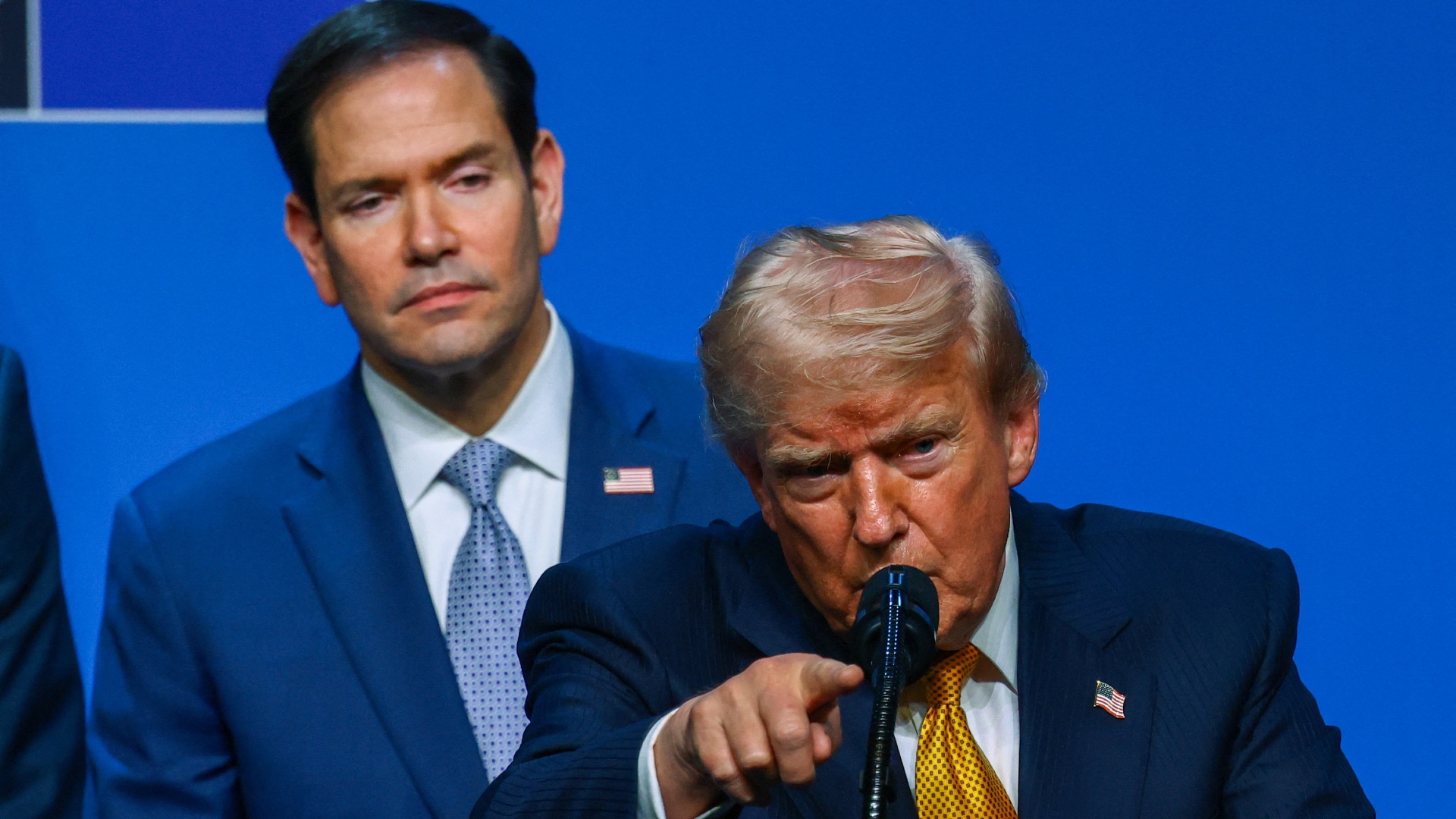
    Beirut has already communicated Aoun’s firm stance to the U.S. government ahead of a scheduled Thursday meeting between the Lebanese president and U.S. Secretary of State Marco Rubio, the official told Middle East Eye. This development comes just 48 hours after the U.S. hosted a landmark diplomatic meeting between Israeli and Lebanese ambassadors in Washington, the first formal diplomatic encounter between the two countries since 1993.

    In explaining the decision to reject the call, the senior official noted that Lebanon had already demonstrated flexibility by participating in the Washington talks, and would not take an additional step that would grant Netanyahu a domestic political and moral victory that he has failed to secure through military operations on Lebanese soil. The official added that a first-ever conversation between the two leaders would carry severe domestic political ramifications for Lebanon, and could even spark widespread internal unrest described as “an explosion in the country”.

    The planned call between Aoun and Netanyahu was first announced by U.S. President Donald Trump, shortly after Israel’s cabinet convened in a late Wednesday session to discuss a potential ceasefire agreement with Lebanese actors. For his part, Aoun has already clarified that any permanent ceasefire must act as a clear precursor to formal direct negotiations between Lebanon and Israel, a long-standing core position for the Lebanese government.

    According to Israeli outlet Haaretz, senior Israeli military command has received orders to prepare forces currently positioned in southern Lebanon for an impending ceasefire, which local reports indicate could take effect between 7 p.m. and midnight local time.

    Despite the ongoing ceasefire negotiations, Israeli military operations have continued and even intensified in some parts of Lebanon. On Thursday morning, shortly after Israeli media publicized reports of the planned Aoun-Netanyahu call, the Israeli Air Force carried out a strike that completely destroyed the Qasmiyeh bridge – the last remaining surface crossing connecting southern Lebanon to the country’s central and northern regions. Lebanon’s state-run National News Agency confirmed that two consecutive airstrikes hit the infrastructure, fully destroying the span connecting the Sour and Saida regions.

    The Qasmiyeh strike is part of a broader Israeli campaign to cut off access to southern Lebanon. Last month, the Israeli military announced it would target all bridges and crossings along the Litani River, a waterway that runs east-west across southern Lebanon, to isolate large swathes of the region from the rest of the country. In recent weeks, the military has carried through on this threat, damaging or destroying at least nine crossings over the river. The Qasmiyeh bridge was first heavily damaged in an Israeli strike in late March, but the Lebanese army completed partial repairs and reopened it to vehicle traffic just last week. Prior to Thursday’s second strike, Lebanese troops stationed near the crossing had already closed access roads in anticipation of an attack, according to local Lebanese outlet L’Orient Today. A Lebanese security source told Reuters Thursday’s strike “shattered” the crossing, leaving it irreparable.

    The ongoing violence has continued to claim civilian lives across Lebanon. At least 11 people, including women and children, were killed in a series of Israeli strikes across southern Lebanon on Thursday alone. A separate airstrike targeting a vehicle on the highway connecting Beirut to the Syrian capital Damascus also killed one additional person.

    Since the start of the current conflict, more than 2,100 Lebanese people have been killed in Israeli attacks, according to official Lebanese government data. The violence has disproportionately impacted healthcare and rescue workers: on Wednesday alone, four Lebanese rescue workers were killed and six wounded in three sequential targeted Israeli strikes on the southern village of Mayfadoun. Lebanese paramedic groups reported that the strikes targeted three successive waves of medics: the first team responded to calls from wounded civilians, the second came to aid injured first responders, and the third arrived to support both teams after the initial attacks. To date, the Lebanese health ministry confirms that 91 healthcare workers have been killed by Israeli forces in the six weeks since hostilities resumed.

    Hostilities between the two sides escalated in early March following a joint U.S.-Israeli strike that killed Iranian Supreme Leader Ali Khamenei, after which Lebanese armed group Hezbollah launched a cross-border rocket retaliatory attack on Israel. Israel has not carried out large-scale strikes on central Beirut since an 8 April attack that killed more than 350 people across Lebanon in a 10-minute wave of 100 strikes, but it continues to carry out daily deadly operations in southern Lebanon as its ground invasion progresses.

  • Tibetan coffee wins praise at Paris Coffee Festival

    Tibetan coffee wins praise at Paris Coffee Festival

    Between April 11 and 13, 2026, one of China’s most promising emerging specialty coffee brands — Nindo Coffee, rooted in the Xizang Autonomous Region — marked its second showcasing at a major European industry event, taking center stage at the Paris Coffee Festival. The homegrown regional brand brought a one-of-a-kind experience to global attendees, pairing high-quality specialty coffee with a vivid display of the dynamic blend of time-honored tradition and cutting-edge modern energy that defines contemporary Xizang, quickly earning widespread international recognition for its unique offerings.

    Tsomo, founder and lead visionary behind Nindo Coffee, shared that the brand’s core mission extends far beyond selling specialty coffee. For her team, coffee acts as a accessible, approachable cultural medium to weave authentic Tibetan heritage into global cultural conversations, all to showcase a fresh, nuanced image of Xizang as a region where ancient traditions coexist and thrive alongside modern innovation. While the Tibetan specialty coffee sector remains in its early developmental stages, Tsomo and her team have prioritized three core goals: continuous product refinement, cultivation of distinct, terroir-driven flavor profiles unique to Xizang’s high-altitude growing conditions, and sharing the authentic essence of Tibetan culture alongside the forward-thinking worldview of today’s young Tibetan generation.

    By the end of the three-day industry gathering, Nindo Coffee’s Xizang-inspired specialty coffee creations had garnered overwhelmingly positive feedback from hundreds of general attendees. Industry veterans and coffee professionals also offered high praise for the brand’s consistent product quality and complex, memorable flavor profiles, marking a key milestone for Tibetan specialty coffee as it gains a foothold in global markets.