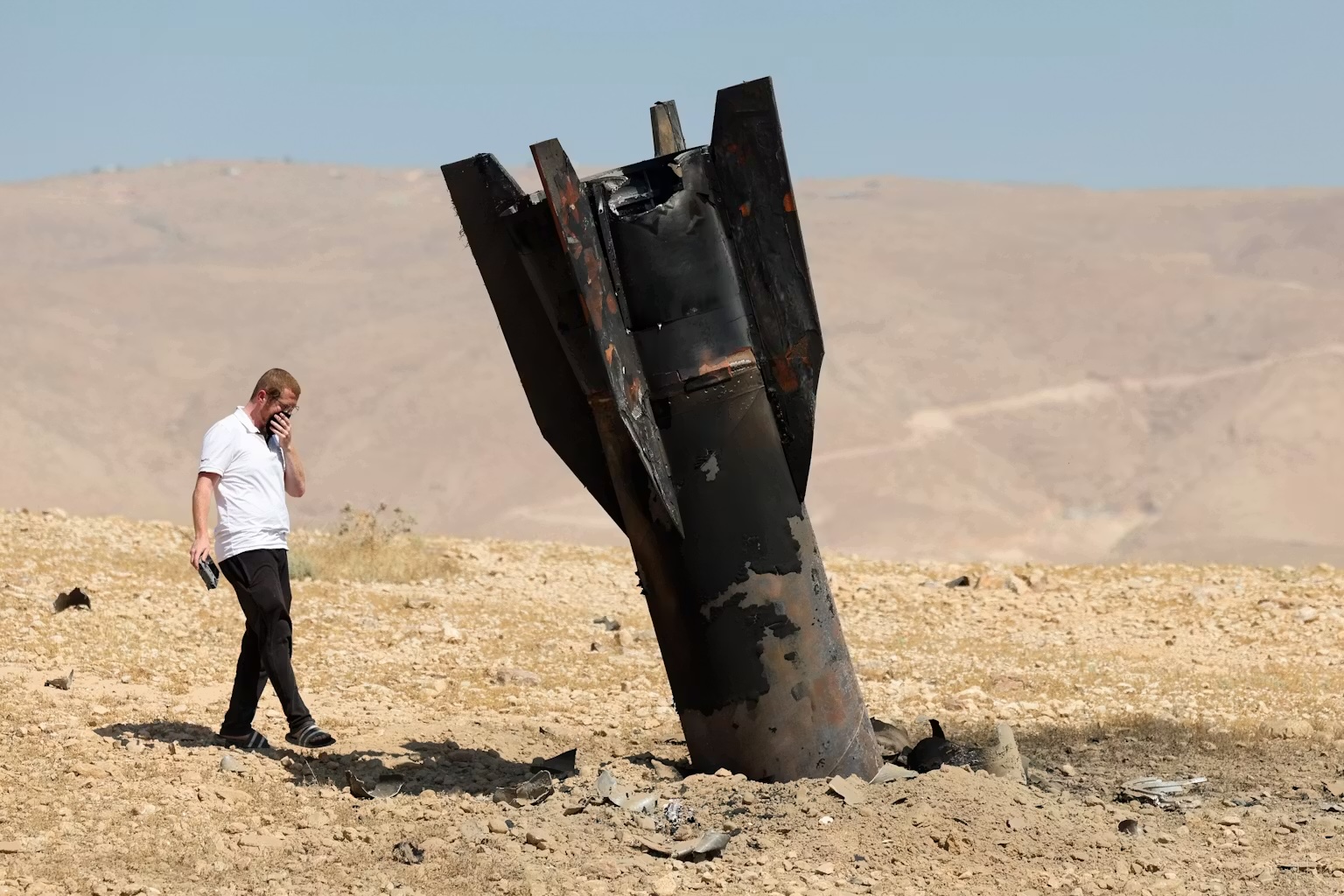
On June 7, 2026, Iran launched a large-scale barrage of missile strikes against Israel, marking its first direct attack on Israeli territory in two months. The immediate catalyst for this assault came hours earlier, when Israeli forces carried out a targeted strike on a Hezbollah position in Beirut, Lebanon’s capital – an operation that former U.S. President Donald Trump had explicitly urged Israeli Prime Minister Benjamin Netanyahu to avoid just days prior.
Within hours of Iran’s initial missile volley, the Israeli military launched retaliatory air strikes against military and infrastructure targets across western and central Iran, once again ignoring the Trump administration’s repeated calls for regional de-escalation and restraint. In response, Iran quickly organized a second wave of missile attacks, before official Iranian military spokesperson announced the conclusion of Tehran’s offensive operations. In an official public statement, Tehran issued a stark warning: if Israel continues its military campaign against Hezbollah positions in Lebanon, Iran will launch a far more severe military response in the future.
What sets this round of cross-border escalation apart from prior confrontations is the distinct geopolitical context in which it unfolds. Over the course of the ongoing regional conflict, Iran has moved steadily to establish a new regional order structured around revised rules of engagement that it dictates – and a growing body of evidence suggests Tehran is on track to successfully implement this new framework.
The first defining feature of this emerging order is Iran’s growing willingness and ability to dictate acceptable military action to both Israel and the United States. Critically, Iran initiated this latest round of fighting not in response to an attack on its own sovereign territory, but to push back against Israeli military operations in Lebanon, aiming to set clear limits on what Israel can do in its own neighboring border region. Just six months ago, Israel was able to conduct unrestricted military operations across Lebanon without fear of direct Iranian retaliation. Today, shifted regional dynamics brought on by months of open conflict have left Tehran sufficiently emboldened to impose explicit constraints on Israeli military activity.
This same dynamic of Iranian assertiveness has played out more gradually over the past month in the Strait of Hormuz, the vital global energy chokepoint through which nearly 20% of the world’s oil supplies pass daily. Shortly after the full-scale regional war began in late February, Iran established de facto control over movement through the waterway, and has shown no indication that it plans to relinquish this leverage. This control, too, is a core component of Iran’s new regional order: Tehran is sending a clear message to its rivals that compliance with its demands is required, or it will tighten its chokehold on the global energy economy. So far, U.S. policy has reflected a clear willingness to accept this new status quo rather than risk the consequences of military confrontation to reverse it.
The second key element of this new order is Iran’s expanding toolkit of coercive options to pressure its opponents into accepting the new rules, all while avoiding meaningful punitive consequences. Tehran has now proven it can launch large-scale missile barrages into Israel, strike critical infrastructure across U.S.-aligned Gulf Arab states, target American military personnel operating in the region, and disrupt global energy supplies – all without triggering the large-scale regime-change intervention that long deterred such actions. Iran still retains a wide range of unplayed leverage as well: it can expand targeting of energy and water desalination infrastructure across the Gulf, or reactivate its Houthi allies in Yemen to disrupt global shipping through the Red Sea. Already, following the latest escalation, the Houthis have announced a full ban on all Israeli-flagged commercial shipping transiting the Red Sea.
While the U.S. has issued repeated public threats to retaliate against Iran – including strikes on Iranian civilian infrastructure, a seizure of Iran’s critical Kharg Island oil export terminal, or the deployment of naval convoys to enforce free passage through the Strait of Hormuz – Washington has backed down from every planned action, driven by fear of the catastrophic regional escalation that would follow.
The third defining feature of Iran’s emerging order is the growing rift in longstanding coordinated policy between the U.S. and Israel, a development that has long been a core strategic goal for Tehran. In response to Iran’s initial missile strikes against Israel, Trump emphasized that his top priority was preventing Israel from launching a major retaliatory campaign. “I am going to call Bibi right now and tell him not to retaliate,” Trump stated publicly immediately after the first Iranian assault. The current situation, in which a sitting Republican U.S. president is urging Israel not to respond to direct Iranian missile attacks targeting civilian populations, would have been considered nearly unimaginable just six months ago, a testament to how dramatically regional dynamics have shifted.
While Trump has not yet threatened to withhold American missile interceptor defense supplies from Israel over its resumption of hostilities, even with continued U.S. defensive support, sustaining a major new conflict with Iran poses significant challenges for Jerusalem. For example, large-scale ground operations to target Iranian missile launchers would stretch Israeli air power thin, particularly without active U.S. assistance in targeting enemy positions, and the ongoing active front against Hezbollah in the north would draw down already strained Israeli military resources even further.
Looking ahead, a critical open question remains: how long will the U.S. be willing to deplete its own domestic stocks of missile interceptors to defend Israel, in a conflict that the U.S. president explicitly urged Israel not to initiate? In the short term, this arrangement may hold, but over the long run, it is not sustainable for the U.S. to dedicate a large share of its national missile defense inventory to protect Israel in an ongoing open conflict.
The fourth and final feature of the new regional order is that a lasting regional peace settlement appears increasingly out of reach. Netanyahu cannot politically accept an Iranian veto over Israeli military action in Lebanon, nor can he afford to erode longheld Israeli deterrence by allowing unpunished Iranian missile attacks on Israeli territory. At the same time, Trump cannot advance his stated goal of negotiating a new peace deal with Iran while Israel continues its military campaign in Lebanon. For its part, Iran has every incentive to keep increasing pressure on its opponents, inflicting steadily rising costs with little fear of meaningful consequences under the new regional order it has built.
Ultimately, this shifting dangerous landscape is the outcome of a poorly considered war of choice that will go down as one of the most ill-conceived military engagements in modern American history.
This analysis is contributed by Andrew Gawthorpe, a lecturer in history and international studies at Leiden University, republished under a Creative Commons license from The Conversation.