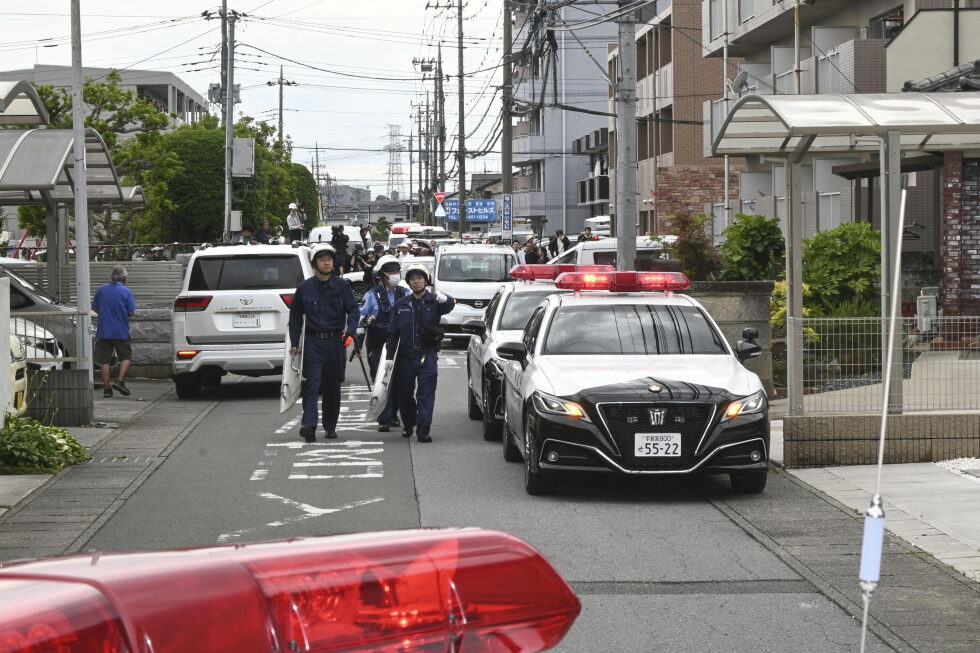
For four days, a roaming wild bear threw daily life into chaos in Utsunomiya, a half-million-resident city located just north of Tokyo, forcing widespread school closures and putting residents on high alert before authorities successfully captured the animal on Tuesday.
The first sighting of the bear was reported Saturday near a public park in the city, according to local government officials. Over the subsequent 48 hours, residents sent dozens of tips to the city about the bear’s movements, with unconfirmed sightings logged near key public facilities including a city library, multiple primary and secondary schools, and a community center. To protect residents, city administrators made the decision to shut down all city-run public schools for both Monday and Tuesday, and canceled all classes at a local university campus where the bear was spotted early Tuesday.
Local officials moved quickly to alert the public to the roaming hazard: they issued repeated safety warnings via social media platforms and deployed a public announcement vehicle to cruise residential neighborhoods, broadcasting guidance on how to stay safe. The core advice urged residents to remain indoors inside buildings or locked vehicles if they encountered the bear, to keep all doors and windows secured, and to avoid putting household garbage out overnight — a common attractant for foraging wild bears.
After tracking the bear to a private plot of land Tuesday afternoon, a veterinarian tranquilized the animal with a dart, confirmed city official Ryuhei Irie. No human injuries were reported during the entire four-day incident. To pinpoint the bear’s location before the capture, the city deployed a drone to survey the area after the animal was spotted on the university campus, narrowing down its position for the capture team.
Officials are currently working to confirm that no other bears entered the Utsunomiya urban area, though initial assessments point to the single wandering animal being the sole source of all sightings.
This Utsunomiya bear incident is far from an isolated event. It is the latest in a growing string of human-bear conflicts across Japan, driven by a rising bear population expanding into human-populated areas as rural communities see their human populations age and shrink. Just one week prior, a different bear attacked four people in a residential neighborhood in Fukushima, located in northeastern Japan, leaving all victims with moderate injuries.
Back in March, the Japanese government released its latest national wildlife assessment, putting the country’s total bear population at approximately 57,800. In response to the increasing frequency of urban and suburban encounters, national officials have approved a bear population management roadmap that authorizes systematic culls to reduce conflict risks.