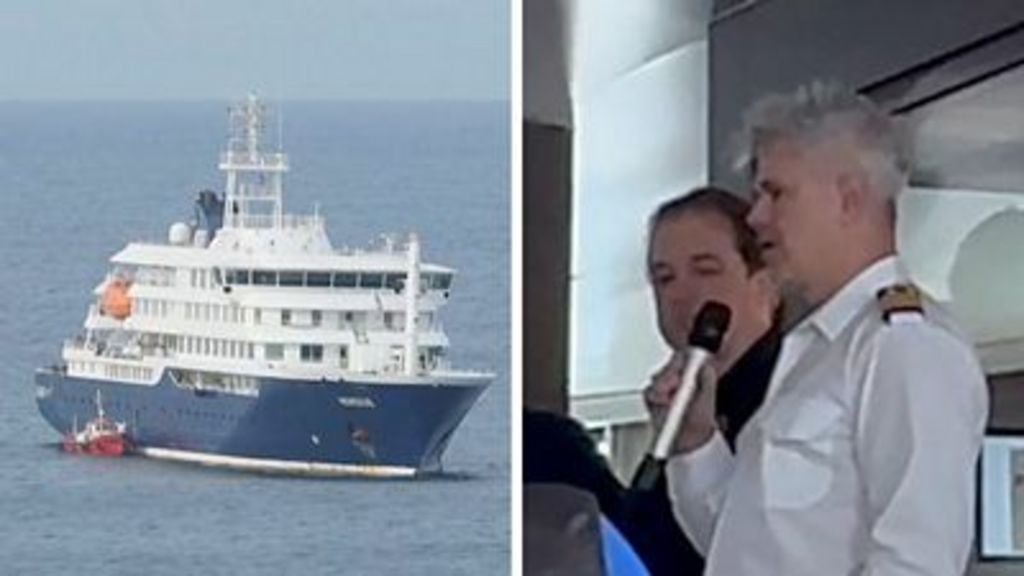
A chilling moment from the early days of the global COVID-19 pandemic has been preserved on camera by a content creator who was trapped aboard a virus-plagued cruise ship when the first fatality was recorded. Turkish YouTuber Ruhi Çenet, who built his platform on sharing travel and exploration content with hundreds of thousands of subscribers, was among the passengers confined to the vessel when the fatal outbreak unfolded on April 12. That day, as the first death from the virus was announced to the people on board, ship officials made a controversial public statement that would later raise questions about crisis communication amid the spreading pandemic: they reassured passengers that the ship itself was still not an infectious environment.
标签: Africa
非洲
-
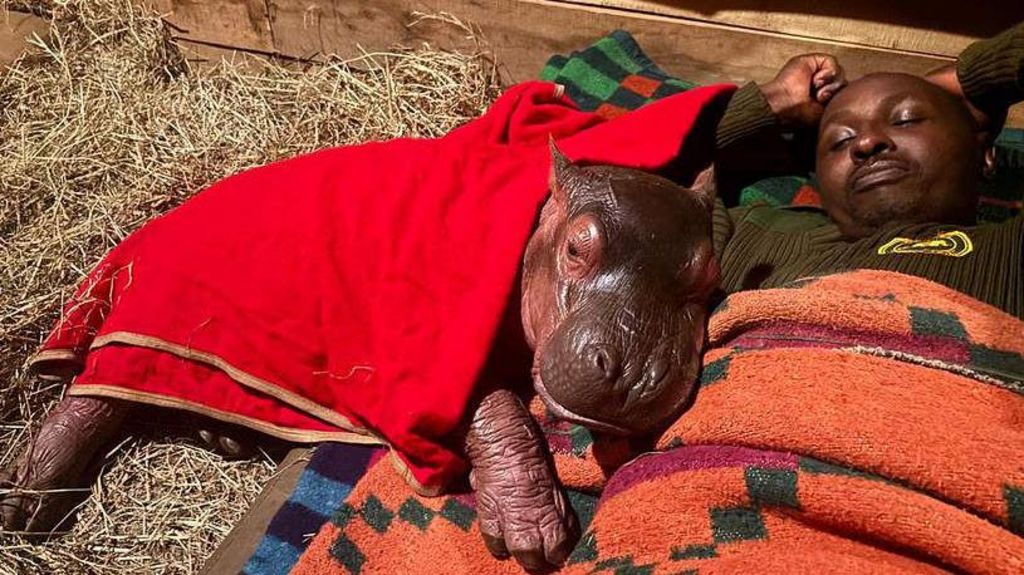
Orphaned baby hippo to be hand-reared by keepers at Kenya sanctuary
Over the weekend, a moving and dramatic wildlife rescue operation unfolded on the shores of a Kenyan lake, where rescuers intervened to save a newborn hippo calf that had been left stranded next to its mother’s deceased body.
The tiny calf, now named Bumpy, is estimated to be only a few days old, having lost his mother under circumstances that conservation teams are still clarifying. Initial investigations from the Kenya Wildlife Service (KWS) suggest the mother hippo may have died of natural causes. But experts from the Sheldrick Wildlife Trust (SWT), the conservation charity that now cares for Bumpy, have put forward another plausible explanation: hippo society regularly sees infanticide by competing males, and the mother may have lost her life in a territorial battle while defending her vulnerable calf.
By the time conservation teams arrived at the scene, the mother hippo’s body had already been decomposing for more than 24 hours. Extracting the unweaned calf from the water presented unexpected logistical hurdles. The distressed newborn refused to leave his mother’s side, clinging tightly to her corpse even as rescuers approached. Faced with this difficult situation, the KWS team made the painful decision to use the decomposing body as an anchor to safely reach and retrieve Bumpy, a choice that prioritized saving the calf’s life despite the emotional weight of the decision.
After the rescue was completed, Bumpy was first transported to a specialized wildlife nursery in Nairobi, Kenya’s capital. For his first night in human care, keepers wrapped him in a soft blanket and provided him with regular milk feedings, catering to the tiny calf’s every need. SWT teams noted that from the moment he arrived, Bumpy was clearly starved for comfort and social connection, and has stayed nearly glued to his assigned keepers ever since.
Soon after his initial stabilization, Bumpy was airlifted via helicopter to SWT’s Kaluku Wildlife Sanctuary, located near Tsavo East National Park. This protected facility is designed to raise orphaned wildlife until they are old enough and strong enough to be released back into their natural wild habitat. At his new home, Bumpy spends most of his days submerged in a calm pool along the Athi River, but he is never left alone. A keeper stays with him around the clock, whether joining him in the cool water or staying beside him on the riverbank. According to sanctuary updates, Bumpy is an inherently affectionate young hippo, and he is most content when curled up on or pressed against his caretakers, a bond that has been captured in heartwarming shared photos.
Bumpy is not the only young orphaned hippo at Kaluku Sanctuary; he joins another calf that is almost a year old, though the two are currently housed in separate enclosures as they acclimate to their surroundings. Both animals are on track to be released into the wild once they reach full maturity, where they will join existing wild hippo populations. Wildlife experts explain that in their natural habitat, hippo calves stay closely bonded to their mothers for multiple years, nursing for at least 12 months and remaining dependent until they reach sexual maturity, making Bumpy’s early orphanhood an especially challenging situation.
The Sheldrick Wildlife Trust, the organization leading Bumpy’s care, was founded in 1977 and has earned global recognition for its work rescuing and rehabilitating orphaned elephants and rhinos, successfully reintegrating hundreds of animals back into wild African ecosystems. This rescue of Bumpy is part of the trust’s expanded work protecting vulnerable native wildlife across Kenya, giving newborn animals that would otherwise not survive a second chance at life in the wild.
-
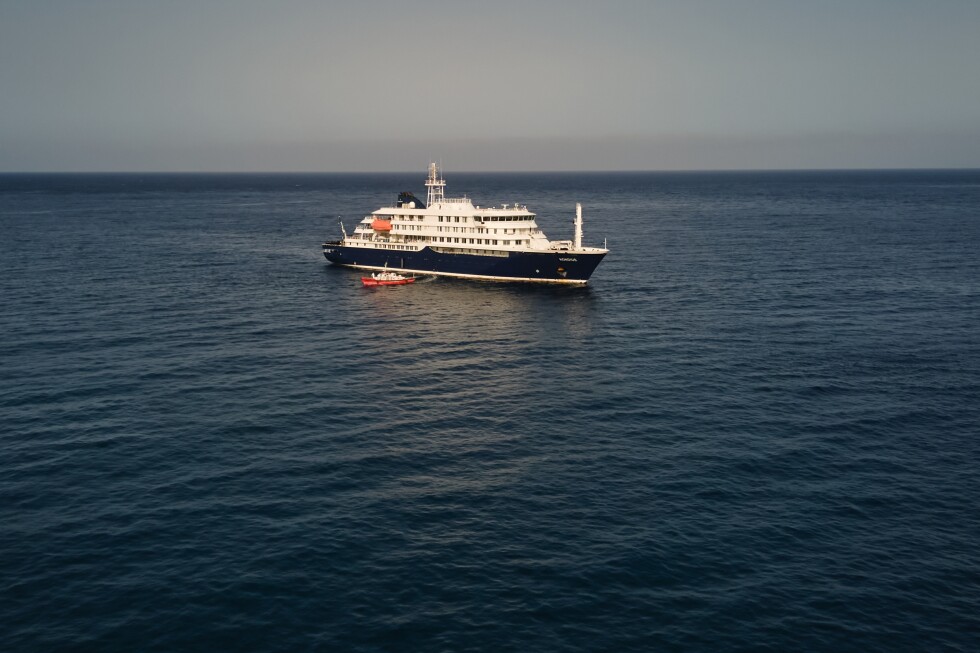
WHO says 3 suspected hantavirus patients evacuated from cruise ship to the Netherlands
In an ongoing developing public health emergency, the World Health Organization (WHO) announced Wednesday that three patients with suspected hantavirus infection have been evacuated from the Dutch-flagged cruise ship MV Hondius, which is currently stranded off the coast of Cape Verde, and are en route to the Netherlands for further medical care.
WHO Director-General Tedros Adhanom Ghebreyesus confirmed Wednesday that the United Nations’ leading health body is collaborating closely with the cruise line’s operators to track the health status of all remaining 150 passengers and crew members currently onboard the vessel. In a public post to his X social media account, Tedros emphasized that “At this stage, the overall public health risk remains low.”
The MV Hondius departed Argentina on April 1 for an Atlantic cruise that was originally scheduled to include stops in Antarctica, the Falkland Islands and other regional destinations. The trip quickly turned into a public health crisis when three passengers died from confirmed hantavirus infection, with at least five additional people reporting symptomatic infection to date. Three cases have received full laboratory confirmation so far.
Genetic sequencing conducted by public health officials in South Africa and Switzerland has identified the pathogen as the Andes strain of hantavirus, a variant native to South America that is extremely rare for its limited ability to spread between humans. Unlike most hantavirus strains, which only spread to humans through contact with contaminated rodent droppings, experts note that Andes hantavirus can pass between people through prolonged close contact such as cohabitation or shared food, though such transmission events remain uncommon.
Two of the confirmed cases were first identified by South African health authorities after the passengers were evacuated to the country for treatment. One of those patients, a British national, remains in intensive care at a South African hospital, while the other tested positive posthumously after dying shortly after arriving in the country. A third confirmed case was reported Wednesday by Swiss public health officials: a man who returned from the cruise to Switzerland at the end of April, who tested positive for Andes hantavirus after seeking care at the University Hospital Zurich upon learning of the outbreak from the cruise operator. He has been placed in isolation for treatment, and his wife, who has not developed symptoms, is self-isolating as a preventive measure. Swiss officials have stressed there is currently no broader risk to the general public in Switzerland.
After the outbreak was declared, the MV Hondius anchored off the coast of Cape Verde, a small Atlantic island nation off the west coast of Africa, while global health authorities coordinated a response. On Tuesday, Spain’s Health Ministry announced it had approved a request from WHO and the European Center for Disease Prevention and Control to allow the vessel to dock in the Canary Islands for disembarkation and further care.
However, local political leaders in the Canary Islands have pushed back against the plan. Regional president Fernando Clavijo told local radio station Onda Cero Wednesday that he shares significant concerns about the risk the vessel’s arrival could pose to local residents, and has requested an urgent meeting with Spanish Prime Minister Pedro Sánchez to address the situation. “Neither the populace nor the government of the Canary Islands can rest assured because it is clear that the danger to the population is real,” Clavijo said.
All remaining passengers currently onboard the vessel are isolating in their individual cabins to reduce the risk of further transmission, per WHO guidance. Medical evacuation teams were on standby Wednesday in the Cape Verde capital of Praia, ready to conduct further evacuations if needed. On Tuesday night, Associated Press reporters on the scene observed a boat approach the stricken vessel before turning back shortly after, though it remains unclear what the mission was and whether the attempt to evacuate patients was aborted.
As this is a breaking public health event, authorities continue to update response plans and case counts as more information becomes available.
-
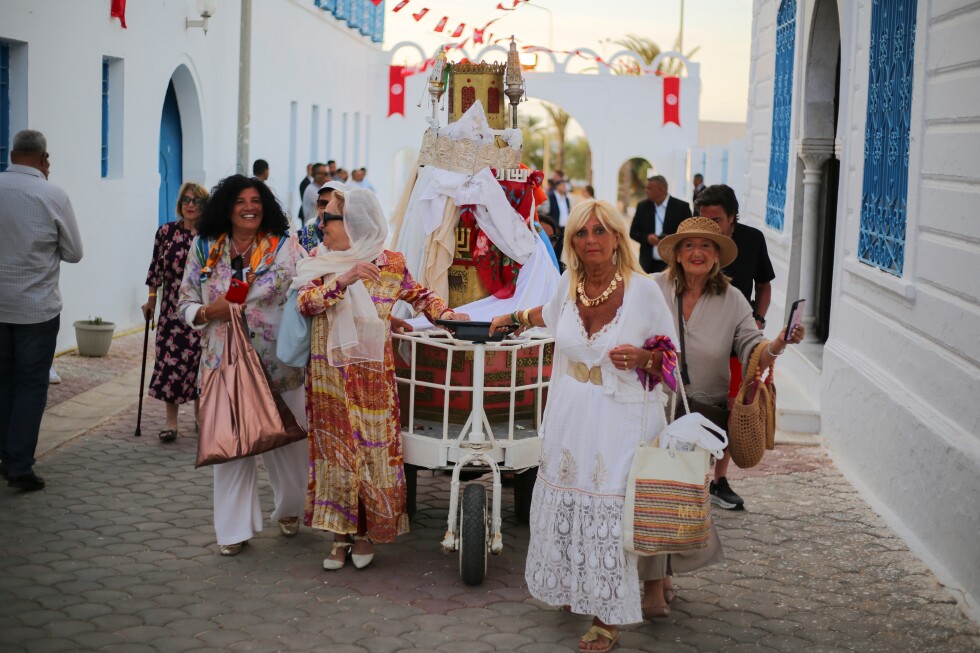
Foreign visitors return to Jewish pilgrimage in Tunisia under tight security
Nestled on Tunisia’s Mediterranean island of Djerba, the 2,600-year-old El-Ghriba Synagogue has long hosted one of Africa’s most enduring Jewish pilgrimage traditions. This year, the annual Lag B’Omer gathering welcomed a small but meaningful comeback of international worshippers, held under robust security measures one year after a fatal attack shattered the 2023 event.
In the 2023 attack, a Tunisian national guardsman opened fire near the synagogue shortly after that year’s festival, killing five people — two French pilgrims and three local security officers. The violence sowed deep anxiety among Tunisia’s small, centuries-old Jewish community and diaspora pilgrims who travel to the site annually. This year, attendees included visitors from France, China, Ivory Coast, and Italy, among them France’s ambassador to Tunisia, a symbolic show of solidarity following the 2023 deaths of two French citizens in the attack.
Organizers reported roughly 500 attendees for this year’s pilgrimage, which ran from April 30 to May 6. Jewish communities have existed in Tunisia since the Roman era, and the Ghriba gathering remains the centerpiece of religious and cultural life for the country’s long-standing Jewish population. Unlike the sharp decline in international attendance seen in 2024, this year marked the first resumption of cross-border participation, with many diaspora Jews returning to honor their ancestral roots.
Inside the ancient synagogue, the mood blended quiet devotion and quiet celebration. Worshippers followed long-held traditions: lighting candles, reading sacred Torah texts, and writing personal wishes on eggs that are placed in a holy cave on the site, a custom believed to bring divine blessing. Redj Cahen, a Tunisian-Italian pilgrim who skipped the 2024 gathering, called his return this year deeply meaningful. “We are back, and we are proud to be Tunisian Jews,” he said. “It is a feeling you cannot explain. Only those who come here understand.”
For decades, the pilgrimage has stood as a powerful symbol of interfaith coexistence in Tunisia, drawing Muslim visitors alongside Jewish worshippers from across the globe. Historically, the event attracted thousands of attendees each year, but numbers plummeted after the 2023 attack — and the site was already targeted in a 2002 al-Qaida truck bombing that killed roughly 20 people.
To ensure participant safety this year, Tunisian authorities deployed a layered security operation. A visible but unobtrusive security cordon surrounded the synagogue, while intensified checkpoints, barricades, and vehicle searches were set up at all entry points to Djerba island. Extra security personnel were assigned to Hara Seghira and Hara Kebira, the island’s two historic Jewish quarters.
In a key sign of cautious recovery, the iconic traditional Minara procession was held this year for the first time since the 2023 attack. The Minara — a pyramid-shaped tower crafted from gold and silver — sits at the heart of the synagogue. As part of the tradition, women drape the structure in colorful scarves, a ritual linked to wishes for good fortune, fertility, and marriage. A symbolic auction of artwork and religious artifacts follows, raising funds for the synagogue’s ongoing maintenance. The scarf-decorated Minara is then placed on a cart and paraded through the surrounding streets, accompanied by the rhythm of traditional darbuka drums, communal singing, and the throwing of candy to onlookers before being returned to the synagogue to close the ceremony.
Local leaders and community members framed the 2025 gathering as a deliberate, gradual step toward normalcy. “This year’s Ghriba pilgrimage marks a gradual return,” said former Tunisian Tourism Minister René Trabelsi. “We are returning little by little.” Trabelsi noted that Tunisian officials prioritized keeping the tradition alive despite ongoing security challenges, emphasizing that the annual event provides critical economic support to Djerba’s local tourism and hospitality sectors.
Khedir Hnaia, who has worked at the El-Ghriba Synagogue for more than 30 years, expressed hope that the gathering will regain its former vibrancy. “We would like to reflect a good image to the world, to bring back the glory of Ghriba and make it even better than how it used to be,” he said. Haim Haddad, a member of the pilgrimage organizing committee from the Tunisian city of Zarzis, reaffirmed the community’s commitment to their home country. “We need to stand up for our country, we love Tunisia very much and in the same way our country stood up for us we will always stand up for it,” he said.
-
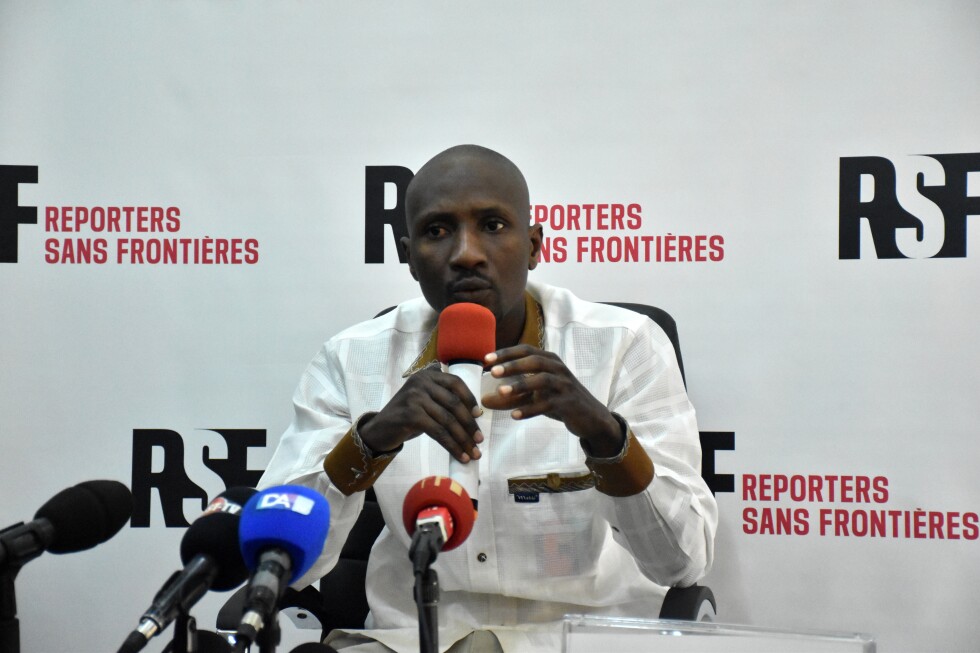
Burkina Faso junta secretly detained journalist and others, advocacy group says
In a damning new revelation that shines a harsh light on rising authoritarianism in West Africa, global press freedom advocacy organization Reporters Without Borders (RSF) has accused Burkina Faso’s ruling military junta of running an unacknowledged, makeshift detention facility in the nation’s capital Ouagadougou, where a leading investigative journalist and dozens of detainees are held in degrading, abusive conditions. The findings, released Wednesday by RSF, directly contradict official claims about the whereabouts of Atiana Serge Oulon, editor-in-chief of the independent Burkina Faso newspaper L’Evenement.
Oulon was forcibly removed from his private residence in Ouagadougou in June 2024 by a group of unidentified armed men dressed in civilian clothing. Shortly after the abduction, the junta, which has held power since a 2022 coup led by Captain Ibrahim Traoré, announced that Oulon had been conscripted into national military service to fight the ongoing regional insurgency against Islamic militants. But accounts from former detainees obtained by RSF tell a far different story: as of late 2024, Oulon and as many as 40 other detainees remain imprisoned in a heavily guarded residential compound in central Ouagadougou, cut off from all contact with family, legal representation, and the outside world.
Detainees held in the facility described systematic mistreatment that violates basic international human rights standards. Former prisoners reported sleeping on uninsulated bare concrete floors, being denied access to clean drinking water and forced to drink water from toilet fixtures, and regular beatings at the hands of guards who use thick ropes and tree branches as weapons. RSF’s investigation also revealed direct ties between the secret detention operation and Traoré’s inner circle: a senior security officer assigned to Traoré personally debriefs detainees before their release, threatening them with severe retaliation if they speak publicly about their experience in the facility.
Oulon has been a target of junta scrutiny since 2022, when he published a high-profile investigative report exposing alleged embezzlement by a senior army captain, RSF confirmed. As of publication, Oulon’s exact location and current condition remain unknown, and the junta has not responded to repeated requests for comment from RSF after the organization shared its full investigative findings with government officials.
This revelation is the latest in a growing body of evidence documenting a widespread crackdown on political dissent and independent press under Traoré’s junta. Since seizing power in the September 2022 coup, the military government has shuttered dozens of independent media outlets, targeted critical journalists and opposition figures, and systematically forcibly conscripted dissidents to frontline combat against jihadist insurgents. In an April 2024 report, Human Rights Watch documented that the junta’s sweeping crackdown has created what the organization described as “an atmosphere of terror” across Burkina Faso, severely cutting off public access to uncensored information and eliminating almost all space for political opposition. RSF is now calling for the immediate and unconditional release of Oulon and all detainees arbitrarily held at the secret Ouagadougou facility.
-
Amputee football players in Rwanda find healing and a sense of community
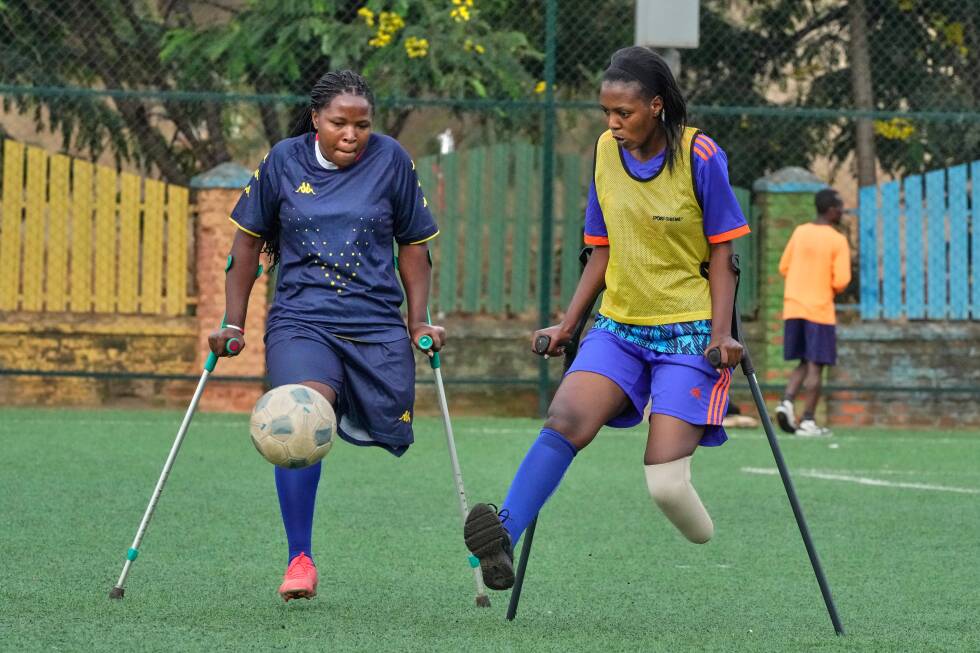
Against the backdrop of Kigali, Rwanda’s rolling hills, a revolutionary form of athletic competition is transforming lives and stitching together the fabric of a nation still healing from deep historical trauma. On grassy community pitches, athletes balance on crutches, striking them against one another in playful competition as they chase a football — and a shared, ambitious dream of competing on the world’s biggest stage for their sport. In the stands, young children scream with delight as a one-armed goalkeeper dives full-stretch to block a shot with her only functional hand, a moment that captures both the grit and joy that define this growing movement.
Amputee football, a modified seven-a-side variant where outfield players maneuver across the pitch on crutches and goalkeepers are restricted to one functional arm, has expanded steadily across Rwanda over the past 10 years. For athletes who once assumed competitive sport was forever out of reach after limb loss, the pitch has become more than a place to play: it is a community, a path to physical rehabilitation, and a space to reclaim a sense of belonging after life-altering injury or trauma.
Much of the sport’s growth in Rwanda is rooted in the country’s long road to recovery from its darkest chapter: the 1994 genocide, where an estimated 800,000 Tutsis and moderate Hutus were killed in a 100-day campaign of violence, leaving thousands of survivors living with amputations and other permanent disabilities. Today, amputee football brings together people from all backgrounds — genocide survivors, accident survivors, and people who have lost limbs to illness — to build connection across divides.
For Nyiraneza Solange, the sport has been life-changing. Born two years after the genocide, Solange lost her leg at age 5 following a fall that developed into a severe infection. She was drawn to the sport after witnessing the extraordinary resilience of genocide survivors who had limb loss, and was encouraged by the coach of Rwanda’s first-ever amputee football team, who told her she could adapt her crutches to compete. She quickly cast aside her fears, and now says she rarely thinks about her amputation while playing. “I don’t even think about I don’t have a leg,” she explained. On the pitch, she feels completely free, and has overcome the deep social stigma that once surrounded her status as an amputee.
Official estimates place the number of lower-limb amputees in Rwanda at more than 3,000, a population encompassing genocide survivors, road accident victims, and people affected by chronic illness. Louise Kwizera, vice president of the Rwanda Amputee Football Federation, says the sport does more than build physical fitness: it helps people learn to trust one another again, rebuilding unity in a society that was once torn apart by division. “In communities affected by conflict or trauma, the playing field becomes a place of peace,” Kwizera told the Associated Press. “People who may have different pasts come together as teammates.”
Today, that growing community has its sights set on a major global milestone: Rwanda is preparing to field a full national women’s team for the second women’s amputee football World Cup, scheduled to take place in 2025 in either Poland or Brazil. The 2024 inaugural edition of the tournament only included one Rwandan competitor, making next year’s event a historic step forward for the country’s program. Amputee football, overseen globally by the World Amputee Football Federation, is now played in more than 50 countries, and Rwanda has built a robust domestic structure: five professional women’s teams and 10 men’s teams across the country.
Fred Sorrels, manager of the Haitian women’s amputee football team, recently traveled to Rwanda to support the development of the local program, and has thrown his support behind a potential future Rwandan bid to host the World Cup. While Rwandan sports authorities have not yet submitted a formal bid, Sorrels says he has seen firsthand the life-changing impact the sport has on participants. “It’s a win psychologically and mentally for these ladies to have an opportunity to experience wholeness and wellness again,” he said.
Gilbert Muvunyi Manier, director general of sports development at Rwanda’s Ministry of Sports, echoed that sentiment, describing amputee football as a “powerful tool” for national healing, intergroup reconciliation, and building social cohesion across the country.
Athletes acknowledge that the sport comes with unique challenges. Goalkeeper Nikuze Angelique, for example, notes that defending shots that bounce toward the side of her missing arm presents a constant technical hurdle. But like Solange, she emphasizes that the community she has found on the pitch far outweighs any challenges. As players posed for selfies after a recent training match, Angelique shared her hope that the team will qualify for next year’s World Cup — a milestone that would mark the fulfillment of a decades-long dream for Rwandan amputee athletes. “It will be a dream come true,” she said.
-
Antarctica’s tourism boom raises concerns about contamination and disease
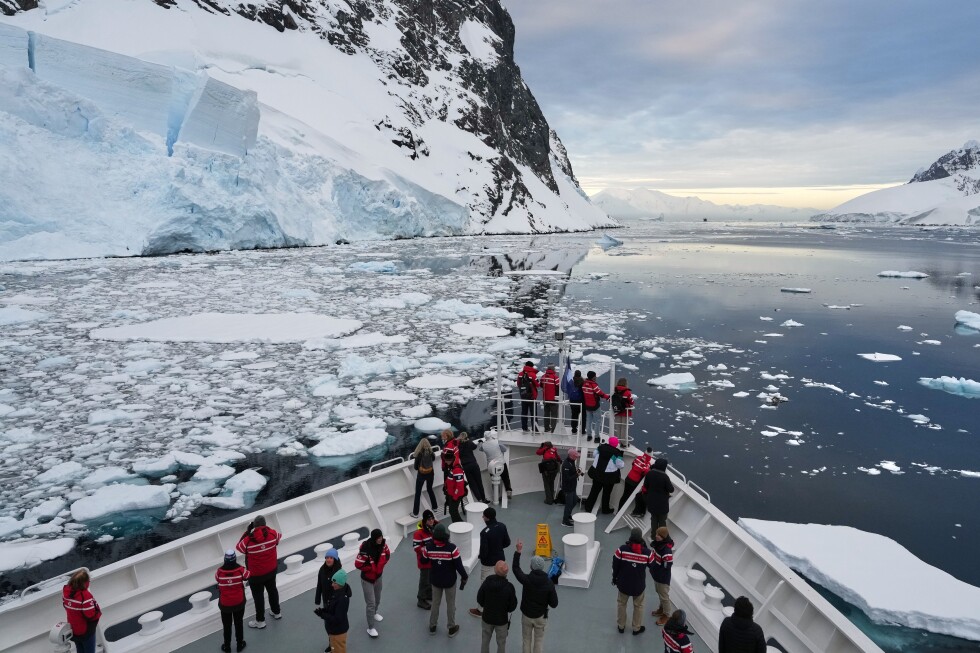
BRUSSELS — As climate change accelerates ice melt across Antarctica, a growing wave of travelers is rushing to see the continent’s one-of-a-kind frozen landscapes before they disappear forever. This surge in polar tourism, however, is raising urgent alarms among scientists and environmental advocates, who warn that more visitors bring heightened risks of ecological contamination, disease outbreaks, and irreversible damage to one of the planet’s most fragile wilderness regions.
While annual visitor counts remain relatively modest compared to mainstream tourist destinations — limited by the extreme travel costs and long voyage times required to reach the southern continent — the pace of growth has been explosive. Data from the International Association of Antarctica Tour Operators (IAATO) shows that more than 80,000 tourists set foot on Antarctica’s ice in 2024, with an additional 36,000 observing the continent from cruise ship decks. The Union of Concerned Scientists estimates that Antarctic tourism has grown tenfold over the past three decades, and industry analysts project that number could surge even more dramatically in the coming 10 years.
Hanne Nielsen, a senior lecturer of Antarctic law at the University of Tasmania and a former Antarctic expedition guide, notes that falling travel costs, advances in polar vessel technology, and a growing fleet of ice-capable cruise ships are opening the region to more travelers than ever before. Her university’s research team projects annual visitor numbers could triple or even quadruple to more than 400,000 by the 2030s. Much of this growth is driven by the rise of “last chance tourism,” Nielsen explains: travelers who recognize that Antarctica’s rapidly melting ice landscapes are changing permanently, and are eager to see them before they are lost.
The vast majority of tourist expeditions are concentrated on the Antarctic Peninsula, a narrow arm of the continent that ranks among the fastest-warming regions on Earth. NASA data confirms that between 2002 and 2020, Antarctica lost an average of 149 billion metric tons of ice each year, with the greatest melt occurring along the peninsula. This accelerating climate shift is exactly what draws many visitors to the region, but it also puts the already stressed ecosystem at greater risk from outside interference.
The risks of unregulated or expanding tourism were thrust into the spotlight earlier this year by a deadly hantavirus outbreak aboard the Dutch cruise ship *MV Hondius*, which completed a weeks-long Antarctic expedition after departing Ushuaia, Argentina on April 1. The World Health Organization (WHO) is currently investigating the outbreak, with officials noting that the initial case is believed to have been contracted before the ship departed, and no evidence of rat populations (the primary carrier of hantavirus) has been found on the vessel. WHO’s epidemic and pandemic preparedness director Dr. Maria Van Kerkhove says the organization is currently probing whether human-to-human transmission occurred during the voyage. While no contamination of Antarctica itself has been linked to the *MV Hondius* outbreak, the event has underscored the growing disease risks that accompany rising tourism.
Ecological risks are already a documented concern. In recent years, migratory bird flocks have carried avian influenza from South America to Antarctica, according to the U.S. Centers for Disease Control and Prevention (CDC). In response, IAATO and other regulatory bodies have tightened biosecurity and hygiene rules for all visitors to the continent. To prevent the introduction of invasive species — from plant seeds and insects to microscopic pathogens — tourists are required to stay at a set distance from native wildlife, and all gear and footwear is thoroughly cleaned with vacuums, disinfectants, and brushes to remove any foreign material before landing. Even tiny crevices in boot soles and laces can trap seeds, dirt, or microbes that could disrupt the Antarctic ecosystem, Nielsen explains.
Disease outbreaks are also a persistent risk on crowded cruise vessels. Outbreaks of highly contagious norovirus are common in the close quarters of long voyages, and the 2020 COVID-19 outbreak on the *Diamond Princess* cruise demonstrated how quickly a novel virus can spread aboard ship, turning a tourist vessel into an unintended breeding ground for infection.
Antarctica is currently governed by the 1959 Antarctic Treaty, which designates the entire continent as a scientific preserve dedicated exclusively to peaceful purposes. The treaty’s supplementary rules require that all human activity avoid harm to the Antarctic environment, its scientific value, and its unique natural landscapes. Currently, tour operators and scientific expeditions voluntarily comply with biosecurity guidelines and submit environmental impact assessments for their operations. But environmental advocates note that the treaty framework was drafted at a time when Antarctic tourism was negligible, and it is not equipped to handle the rapid growth the region is seeing today.
Claire Christian, executive director of the Antarctic and Southern Ocean Coalition, an environmental advocacy group, says the continent’s unique ecosystems deserve the same strict regulation that applies to other sensitive, protected ecological sites around the world. Christian is currently preparing to attend the Antarctic Treaty Consultative Meeting in Hiroshima, Japan, where she will join calls for stronger protections for Antarctica’s native species, including penguins, whales, seals, seabirds, and krill — the tiny organisms that form the base of the entire Antarctic food web.
“The sites you will see in Antarctica are extremely unique and not replicable anywhere else on the planet — the whales, the seals, the penguins, the icebergs — it’s all really stunning and it makes a huge impression on people,” Christian said. She also noted that human footprints in Antarctica’s cold, dry environment can remain visible for 50 years or more, a reminder that even small amounts of human activity leave a lasting mark on the pristine continent. For now, despite growing warnings from scientists, the allure of the last great untouched wilderness on Earth continues to draw record numbers of curious travelers.
-
How a deadly hantavirus outbreak unfolded on a cruise ship for weeks before it was identified
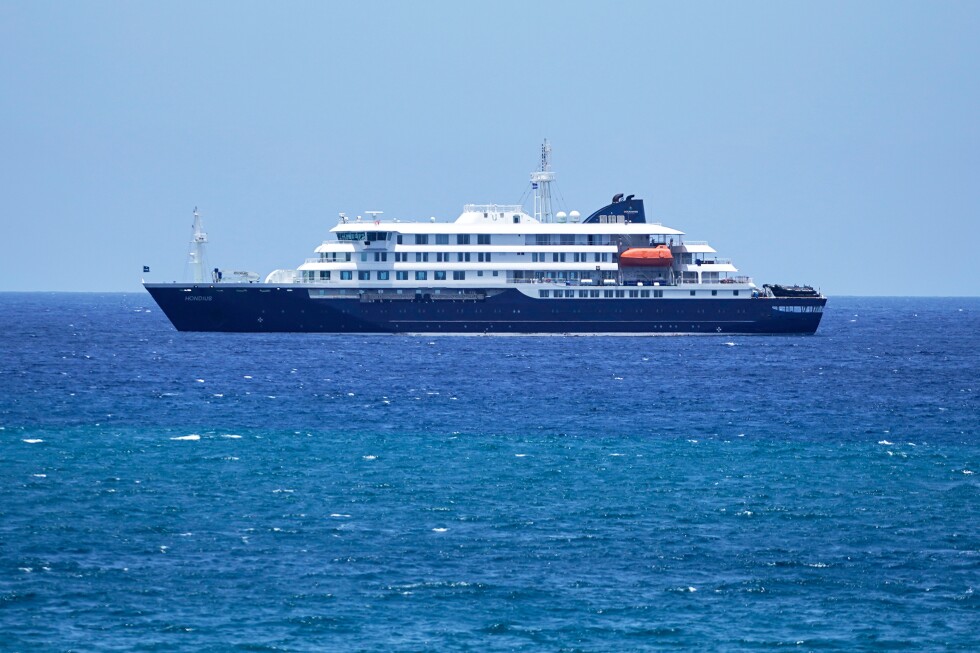
A rare, deadly hantavirus outbreak has swept through an Antarctic expedition cruise over the past month, leaving three passengers dead and multiple others ill, according to official updates from the World Health Organization (WHO), the vessel’s operator, and global ship tracking data.
The MV Hondius, operated by Dutch expedition cruise firm Oceanwide Expeditions, departed Ushuaia in southern Argentina on April 1 on a planned month-long voyage that would carry 149 passengers and crew from 23 nations to Antarctica and remote South Atlantic islands. These premium expedition trips, which target travelers seeking to visit some of Earth’s most isolated wilderness regions, cost between $6,000 and $25,000 per passenger, depending on cabin selection.
The first case emerged just five days into the voyage, when a 70-year-old Dutch passenger developed a fever, headache, and mild diarrhea on April 6. His condition deteriorated rapidly, and he died from respiratory distress on April 21 while the ship was traversing the open South Atlantic between the British overseas territories of South Georgia and Saint Helena. At the time, no clear cause of death could be identified on board, so the cruise continued its planned itinerary.
The vessel stopped near the remote island of Tristan da Cunha before reaching Saint Helena on April 24, where the passenger’s body was disembarked. The man’s 69-year-old wife, who had already started showing early symptoms of illness, left the ship to accompany her husband’s remains and boarded a commercial flight bound for South Africa. She grew critically ill mid-flight and collapsed upon landing in Johannesburg, dying in a local hospital on April 26.
After the ship left Saint Helena bound for Ascension Island, located 800 miles north of its previous stop, a third British passenger developed symptoms including high fever, shortness of breath, and pneumonia. He was evacuated from Ascension Island to a South African hospital for intensive care on April 27. A fourth passenger, a German woman, developed pneumonia-like symptoms and died on board on May 6, after the ship had altered course for Cape Verde off the West African coast. Her body remains in isolation on the vessel.
It took nearly three weeks from the first death for health officials to confirm hantavirus as the cause of the outbreak. After all routine tests on the hospitalized British passenger returned negative, South African public health labs ran a hantavirus analysis, which returned a positive result on May 6. Posthumous testing of the Dutch woman’s body returned a second positive hantavirus result the following day. As of the latest update, two cases are laboratory-confirmed, and WHO has classified the event as a full hantavirus outbreak, suspecting the other fatalities are also linked to the virus.
Currently, the MV Hondius is anchored off the coast of Cape Verde, with three symptomatic people still on board waiting for evacuation. The hospitalized British patient remains in intensive care in South Africa.
Hantavirus is primarily a rodent-borne pathogen, spread to humans through direct contact with infected rodents, their saliva, urine, or fecal droppings. While person-to-person transmission is extremely rare for most hantavirus strains, the Andes hantavirus — the specific variant identified in this outbreak, which is endemic to Argentina and Chile — can spread between humans in rare cases. In severe infections, hantavirus causes life-threatening respiratory failure and kidney damage, with a high mortality rate for serious cases.
International health authorities have stressed that the global risk from this outbreak remains very low, due to the virus’s limited ability to spread between people. WHO officials are currently conducting contact tracing for all passengers who shared the April 25 flight from Saint Helena to Johannesburg with the infected Dutch woman, to monitor for any secondary spread. The ship’s passengers and crew have been placed in full cabin isolation with strict physical distancing protocols, a measure that mirrors lockdown measures implemented widely during the COVID-19 pandemic.
As of Tuesday, Oceanwide Expeditions announced plans to deploy medical evacuation aircraft to Cape Verde to extract three people from the ship: two passengers requiring urgent medical care and one companion of the deceased German woman. The evacuated passengers will be flown to the Netherlands for care, though an exact arrival timeline has not been released. After the evacuation, the MV Hondius will sail approximately three days to the Spanish Canary Islands, though Spanish officials have not yet finalized their approval for the vessel’s port of entry as of Tuesday evening.
Investigations into the source of the outbreak remain ongoing. WHO officials are reviewing the travel histories of the first two infected passengers, who visited Argentina and other parts of South America before boarding the expedition cruise, to determine how the virus was introduced to the vessel.
-
Cruise passengers tell of life on board stranded ship after hantavirus outbreak
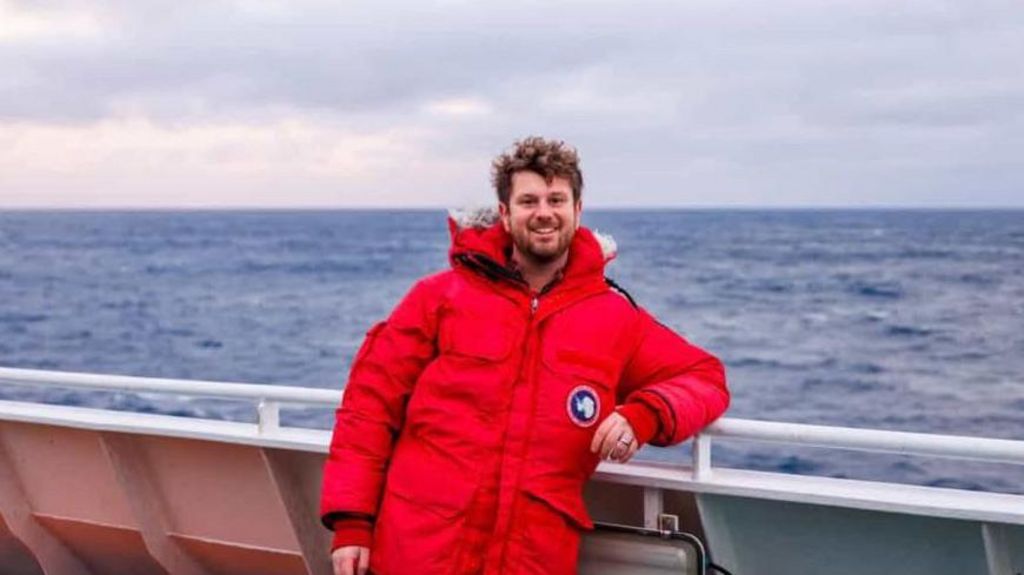
A luxury expedition cruise that began as a dream Atlantic voyage has devolved into a deadly, uncertain quarantine, leaving roughly 150 passengers and crew from 23 countries stranded in waters off the coast of West Africa after a hantavirus outbreak claimed three lives.
The MV Hondius, operated by Netherlands-based expedition company Oceanwide Expeditions, departed Ushuaia, Argentina — the world’s southernmost city — on April 1 on a highly anticipated itinerary that would take guests past dramatic, untapped Atlantic landscapes. The route included stops at South Georgia, the remote British overseas territory famous for its massive penguin colonies, and Tristan da Cunha, the most remote inhabited island on Earth. For weeks, passengers documented the once-in-a-lifetime trip on social media: American travel vlogger Jake Rosmarin shared clips of alpine snowfall, vibrant autumn coastal hues, penguin-spotting excursions, and leisurely iced lattes on deck, calling the quiet moments at remote ports unforgettable.
That idyllic narrative unraveled rapidly in mid-April. On April 11, a Dutch passenger died on board with no clear cause of death. His remains were offloaded in St Helena nearly two weeks later, and his 69-year-old wife, who accompanied the body, was evacuated to a Johannesburg hospital in South Africa, where she also died. The World Health Organization (WHO) later confirmed she had been infected with hantavirus, a rare but serious infectious disease most commonly transmitted to humans by rodent populations. A British passenger fell ill on April 27 and was also evacuated to South Africa, where they remain in critical but stable condition after testing positive for the virus. A third fatality, a German national, was recorded on May 2, bringing the total death toll to three; health officials have not yet confirmed if the German victim died from hantavirus. Currently, two crew members are experiencing acute respiratory symptoms consistent with the virus, one mild and one severe, requiring urgent medical intervention. In total, health authorities have confirmed two cases of hantavirus on board and are investigating five additional suspected cases, with WHO warning the virus may have spread among the vessel’s population.
Today, the stricken vessel remains anchored off Cape Verde, after local authorities declined entry to the port earlier this week. Passengers have described divided moods on board, with conflicting accounts of the crisis shared on social media. In an emotional viral TikTok posted to his followers, Rosmarin, who first brought widespread attention to the outbreak, spoke through tears about the fear and uncertainty gripping many on board. “We’re not just a story. We’re not just headlines, we’re people with families, with lives, with people waiting for us at home,” he said. “There’s a lot of uncertainty and that is the hardest part. All we want right now is to feel safe, to have clarity and to get home.”
In subsequent posts, Rosmarin clarified he had settled his emotions, noting that he remained healthy, was getting regular fresh air, and was well cared for by the ship’s crew. “I’m just trying to focus on the positive,” he added.
Another travel influencer and passenger, Kasem Hato, pushed back on widespread media coverage of the crisis, arguing the situation has been overblown. Hato claimed the intense public attention stemmed from Rosmarin’s viral panicked video, noting that “148 out of 149” people on board have remained calm, and that the outbreak is under control. “While his reaction is valid, it doesn’t represent the situation on board,” Hato wrote, adding that passengers are passing the time with reading, film screenings, and social activities, and wished ill passengers a quick recovery. Cruise operator Oceanwide Expeditions has echoed this framing, saying the overall atmosphere on board remains calm, with most passengers composed. The company said it is working urgently to secure a docking port, expedite disembarkation, and complete required medical screenings for all guests.
Footage from inside the vessel confirms new public health protocols are in place: passengers are required to maintain social distance, wear face coverings in indoor common areas, and practice frequent hand sanitization. Usually bustling communal spaces, including plush lounges designed for evening socializing, now sit empty. One anonymous passenger told the BBC the group is preparing for at least three to four more days at sea, with no clear timeline for when they will be able to dock.
The vessel’s next destination remains shrouded in confusion. WHO initially announced Spain had granted permission for the MV Hondius to dock in the Canary Islands, where officials could conduct a full risk assessment and ongoing medical monitoring. But Spain’s Ministry of Health has pushed back on that reporting, saying it has not yet received a formal request for the vessel to enter Canarian ports. A ministry spokesperson added that Spanish authorities stand ready to take over management of the situation if a request is submitted, including providing medical care, diagnostic testing, and vessel disinfection, though they would not confirm whether passengers would be allowed to disembark once docked.
Hantavirus, which primarily spreads through contact with rodent urine, droppings, or saliva, can cause severe respiratory and cardiovascular illness in humans, with a mortality rate of roughly 36% for the most common strain found in the Americas. Person-to-person transmission is rare, though not impossible, according to global health guidelines.
-
Zambia blasts the US over a $2 billion health deal in exchange for critical minerals
Diplomatic tensions between Zambia and the United States have boiled over into public view, as Lusaka accuses Washington of linking a $2 billion critical health assistance package to preferential access to Zambia’s strategic mineral reserves — reserves that are central to the global green energy transition. The escalating row also exposes growing pushback across Africa against the Trump administration’s new “America First” aid framework, which has redefined traditional development support as transactional deals weighted toward U.S. commercial and geopolitical interests.
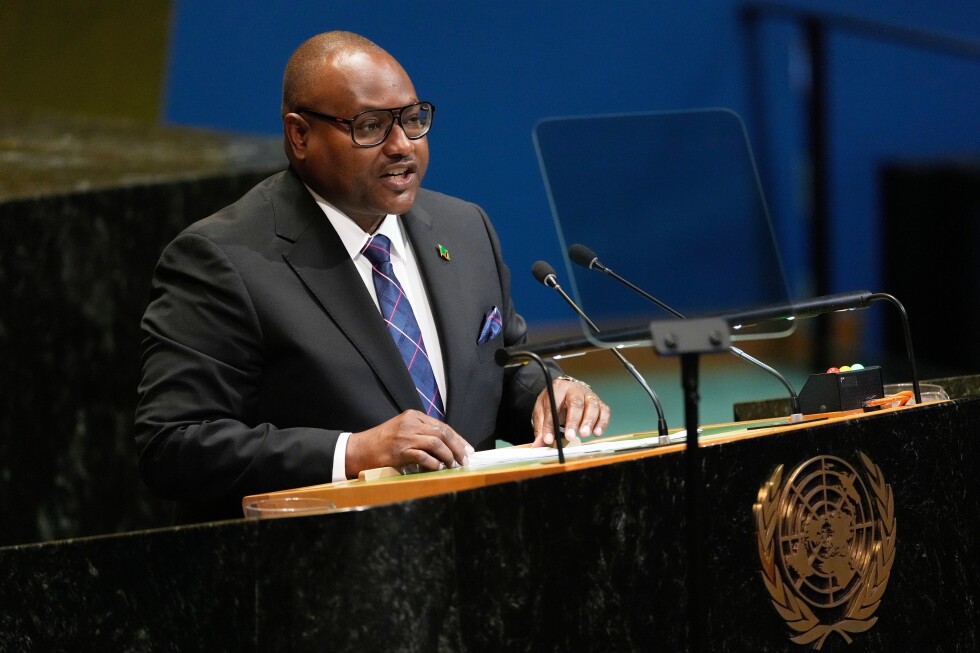
In a sharply worded statement released Monday, Zambian Foreign Affairs Minister Mulambo Haimbe pushed back against outgoing U.S. Ambassador Michael Gonzales, who had publicly accused Zambian leaders of rampant corruption and negotiation gridlock that had derailed the aid talks. Haimbe dismissed Gonzales’ claims as “mischievous, deeply regrettable and undiplomatic,” saying the allegations violate longstanding norms of mutual respect between sovereign nations. He clarified that negotiations have been stalled for months not because of Zambian intransigence or graft, but because of two non-negotiable U.S. demands Zambia finds unacceptable: intrusive data-sharing requirements that violate Zambian citizens’ right to privacy, and an insistence that U.S. companies receive preferential treatment for access to Zambia’s critical mineral reserves.
Zambia’s position is clear, Haimbe added: the southern African nation retains full sovereignty over its natural resources, and no single strategic partner will receive preferential treatment over others. The U.S. has rejected Zambia’s accusations, with Gonzales calling the claims of a mineral-for-aid link “absolutely and patently false” and “disgusting.” The U.S. Embassy in Zambia has not yet issued an official response to Haimbe’s latest remarks.
The dispute is not an isolated incident: it is the most high-profile example of growing pushback against the Trump administration’s complete overhaul of U.S. foreign aid policy. The administration has dismantled longstanding aid architectures including the United States Agency for International Development and the global AIDS relief program PEPFAR, replacing them with bilateral country-by-country agreements that frame aid as a reciprocal transaction. Under the new model, U.S. health funding is tied to a series of strict conditions, including commercial concessions, mandatory domestic spending commitments, broad disease surveillance access, pathogen sharing, and even religious provisions. As of mid-2000s, Washington has secured agreements with roughly 30 countries, most of them in aid-dependent African nations.
U.S. officials defend the framework as a pragmatic shift that reduces long-term donor dependency, empowers local governments to take ownership of their health systems, and protects core U.S. interests — most notably countering China’s growing economic and political influence across the African continent. China is already a dominant infrastructure and trade partner in Zambia and many other African countries, and Washington has made it a priority to secure alternative access to African minerals critical for manufacturing solar panels, electric vehicle batteries, and grid energy storage systems, key components of the global transition to clean energy.
But African governments and global health experts have raised widespread alarm about the new model, with multiple nations already rejecting or pausing proposed deals over unacceptable terms. Last week, Ghana turned down a drafted agreement over the lack of safeguards for sensitive public health data. Zimbabwe previously walked away from a $367 million aid package over identical concerns. In Kenya, a $2.5 billion agreement signed last December remains frozen after a court challenge argued it violates national data protection legislation. In Lesotho, local negotiators only managed to reduce a U.S. demand for 25 years of unrestricted access to health data and biological samples down to a five-year term.
Critics warn that the data-sharing provisions disproportionately benefit U.S. interests, with information flowing almost exclusively one-way to Washington. Following the U.S. withdrawal from the World Health Organization in January, the country abandoned multilateral global pathogen-sharing and vaccine access negotiations currently led by the WHO, and is instead pursuing direct bilateral access to disease surveillance data and biological samples from African nations. Health advocates warn this approach risks creating a fragmented parallel global health system that undermines multilateral coordination. In Zimbabwe’s earlier rejected deal, government officials noted the U.S. offered no guarantee that Zimbabwe would gain access to future medical innovations such as vaccines, diagnostics, or treatments developed using the shared data and samples. This echoes the inequitable experience of the COVID-19 pandemic, when many African nations contributed critical data and viral samples but were last in line to access life-saving vaccines.
The closed-door negotiation process for the new deals has also drawn fire for a lack of transparency and public accountability. “Secrecy is at the center of this. That puts accountability for results at risk,” said Asia Russell, executive director of global health advocacy group Health GAP. “It’s impossible to evaluate these deals properly without seeing the full terms. Part of what made PEPFAR successful was transparency. Now that’s been taken away.”
Beyond data and transparency concerns, the new agreements carry stricter financial terms: most offer lower overall funding than previous U.S. assistance programs, while requiring recipient nations to increase domestic health spending, with total funding at risk if domestic targets are not met. “These are going to be very heavy lifts,” said Jen Kates, senior vice president at U.S.-based non-profit health policy organization KFF. “Countries are already under strain.”
Critics ultimately warn that tying life-saving health support to commercial and geopolitical goals erodes global health security for all nations. “When health becomes a bargaining chip, everyone becomes less safe,” Russell warned.