标签: Africa

非洲

  • Celebrations in Morocco but devastation in Senegal after Afcon decision

    Celebrations in Morocco but devastation in Senegal after Afcon decision

    African football has been plunged into unprecedented controversy after the Confederation of African Football (CAF) stripped Senegal of their Africa Cup of Nations title and awarded the championship to tournament hosts Morocco. The dramatic decision comes two months after the contentious final in Rabat that ended with Senegal’s controversial pitch walkout.

    The governing body ruled that Senegal’s national team violated competition regulations by abandoning the field in protest of a refereeing decision during the final match. Although the match eventually resumed and Senegal secured a 1-0 victory, CAF determined the walkout constituted an automatic forfeiture under tournament rules.

    The announcement triggered diametrically opposite reactions across both nations. Moroccan cities erupted in spontaneous celebrations as ecstatic supporters flooded streets waving national flags, sounding car horns, and igniting flares in triumphant displays. Local media captured scenes of jubilant fans in Tangier and other cities experiencing what journalist Jalal Bounour described as “a sleepless night of great excitement and joy.”

    Many Moroccans expressed a profound sense of justice restored, with one woman telling sports channels: “The entire Moroccan people are out in every city happy with our cup. The cup has returned to us, the cup that was denied to us.” Another supporter admitted to being in “complete shock” at the unexpected reversal.

    Meanwhile, Senegal responded with outrage and accusations of institutional corruption. In the capital Dakar, the news landed like a bombshell, with young fan Daouda Seck telling AFP: “I’m stunned. Football no longer exists. This is not football. No-one here understands or accepts this decision.”

    The Senegalese government announced it would formally appeal the decision, warning that the ruling “undermined CAF’s credibility” and calling for an “independent international investigation into suspected corruption within CAF’s governing bodies.” This sentiment was echoed by student Ralf Nonga, who insisted that “the best team won on the pitch, and that should be respected off it.”

    Local media reflected the national mood, with one Senegalese newspaper leading with the headline: “The inside story of an unprecedented scandal.” The controversy has raised fundamental questions about sports governance, competitive integrity, and the balance between regulatory enforcement and competitive fairness in African football.

  • Afcon final chaos – key questions answered

    Afcon final chaos – key questions answered

    In an unprecedented decision that has sent shockwaves through African football, the Confederation of African Football (CAF) has officially overturned the result of the 2025 Africa Cup of Nations final, stripping Senegal of their championship title and awarding Morocco a 3-0 victory. The controversial ruling comes nearly two months after the dramatic final match on January 18th in Rabat.

    The original match concluded with Senegal claiming a 1-0 victory in extra time following Pape Gueye’s decisive goal. However, the game was marred by extraordinary circumstances during stoppage time when, with the score tied 0-0, referee Jean-Jacques Ndala awarded Morocco a penalty while simultaneously disallowing a Senegal goal. In protest, Senegal head coach Pape Thiaw instructed his team to leave the pitch, with only captain Sadio Mane remaining initially. The match was suspended for 17 minutes before players returned, ultimately leading to extra time.

    CAF’s appeal board, comprising representatives from nine African nations (excluding both Morocco and Senegal), ruled that Senegal violated Article 82 of competition regulations by leaving the field without referee authorization. The board’s statement cited this violation as grounds for forfeiture, though questions remain about the interpretation of related regulations.

    The Senegalese Football Federation has vehemently denounced the decision as “a travesty” and announced plans to appeal to the Court of Arbitration for Sport (CAS) in Switzerland. Legal experts suggest the appeal process could extend up to six months, potentially overlapping with the upcoming World Cup.

    Additional controversies from the final include physical altercations between Senegalese reserve goalkeeper Yehvann Diouf and Moroccan ball boys over the theft of goalkeeper Edouard Mendy’s towel, as well as multiple disciplinary appeals from the Moroccan federation regarding player suspensions and fines.

    The unprecedented decision raises practical questions about trophy presentation, medal reclamation, and prize money distribution. Meanwhile, betting companies including Paddy Power have already paid out on Morocco victory bets, while others await final resolution.

    The Senegalese government has called for an independent international investigation into “suspected corruption” at CAF, further escalating tensions surrounding African football’s governing body.

  • Senegal government alleges corruption over Afcon

    Senegal government alleges corruption over Afcon

    African football has been plunged into an unprecedented governance crisis following the Confederation of African Football’s (CAF) controversial decision to strip Senegal of its 2025 Africa Cup of Nations title and award the championship to Morocco. The dramatic reversal comes months after Senegal’s thrilling 1-0 extra-time victory against Morocco in January’s final.

  • Zero tariffs to boost Kenya’s farm exports

    Zero tariffs to boost Kenya’s farm exports

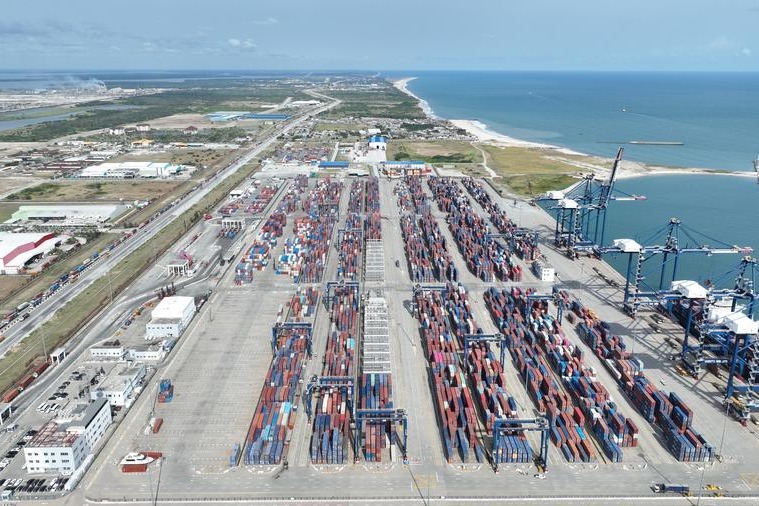
    Nairobi, Kenya – A landmark trade policy shift is poised to revolutionize Kenya’s agricultural export landscape as China prepares to implement full duty-free access for African products beginning May 1. This strategic development positions Kenya to harness unprecedented market opportunities in the world’s second-largest economy, potentially reshaping the nation’s agricultural industrialization trajectory.

    The tariff elimination, announced by Chinese authorities in February, extends to 53 African nations maintaining diplomatic relations with Beijing. For Kenya, this represents a catalytic moment to accelerate its export-led industrialization agenda across key agricultural sectors including tea, coffee, avocados, and macadamia nuts.

    Mutahi Kagwe, Kenya’s Cabinet Secretary for Agriculture and Livestock Development, emphasized the transformative potential during recent consultations with Chinese Ambassador Guo Haiyan. “This arrangement fundamentally alters our export calculus,” Kagwe stated. “We’re transitioning from predominantly raw commodity exports to value-added processing targeting a consumer market exceeding 1.4 billion people.”

    The policy framework eliminates previous tariff variations that affected Kenyan horticultural products, fresh and frozen avocados, macadamia nuts, cut flowers, vegetables, and herbs. Ambassador Guo noted the growing Chinese consumer appreciation for Kenyan agricultural products, with coffee and tea exports reaching $24 million in the previous year – representing 10.8% of Kenya’s agricultural exports to China and an 8.8% year-on-year growth.

    Beyond market access, bilateral cooperation is expanding into agricultural technology transfer and capacity building. Kenyan agricultural students will gain internship opportunities in modern farming and processing techniques, while regulatory agencies are intensifying quality assurance measures to meet China’s phytosanitary requirements.

    Legal scholar Patrick Lumumba characterized the development as a strategic opening for African economies to advance domestic industrialization while deepening trade partnerships. The policy reflects China’s structured approach to South-South cooperation while challenging African nations to enhance regional integration and value-addition capabilities.

    This tariff elimination initiative operates within the broader Framework of China-Africa Cooperation, signaling strengthened economic diplomacy between Nairobi and Beijing that extends beyond traditional trade parameters into technical collaboration and sustainable agricultural development.

  • Senegal turns to CAS to appeal ‘unfair, unprecedented, and unacceptable’ Africa Cup decision

    Senegal turns to CAS to appeal ‘unfair, unprecedented, and unacceptable’ Africa Cup decision

    DAKAR, Senegal — African football has been plunged into a significant governance crisis following a historic decision by the Confederation of African Football (CAF). The sport’s continental governing body has officially stripped Senegal of its 2023 Africa Cup of Nations (AFCON) title and awarded the championship to host nation Morocco, overturning the result of the final contested two months prior.

    The CAF Appeals Board issued its ruling on Tuesday, determining that the Senegalese national team had ‘forfeited the final’ by abandoning the pitch during extra time. The original match outcome—a 1-0 victory for Senegal secured in extra time—has been converted to a 3-0 default victory for Morocco. This extraordinary decision centers on an incident where Senegalese players left the field following a contentious refereeing decision, though they later returned to complete the match.

    The Senegalese Football Federation (FSF) has launched a vehement condemnation of the ruling, labeling it as ‘unfair, unprecedented, and wholly unacceptable.’ In an official statement, the federation declared the move ‘discredits the very institution of African football’ and represents a severe breach of sporting integrity.

    In response, the FSF has announced its immediate intention to escalate the matter to the Court of Arbitration for Sport (CAS) in Lausanne, Switzerland. This external legal challenge is expected to be a protracted process, typically requiring up to a year before a final verdict is delivered. The FSF has pledged its ‘unwavering commitment to the principles of integrity and sporting justice’ and committed to keeping the public informed of all developments in the escalating dispute.

  • Kenya’s capital experiments with giving workers menstrual leave

    Kenya’s capital experiments with giving workers menstrual leave

    NAIROBI, Kenya — What began as an informal lunchtime discussion among Nairobi county officials about menstrual discomfort has evolved into Kenya’s first formal menstrual leave policy, setting a progressive precedent for workplace rights in East Africa. Implemented in December 2025, the groundbreaking policy grants female employees in Nairobi’s county government two paid days of leave monthly to manage menstrual pain and related symptoms, without requiring medical documentation or formal paperwork.

    Governor Johnson Sakaja, who championed the initiative, revealed that both national government officials and other county governors have expressed keen interest in monitoring the policy’s implementation. With women comprising over 50% of Nairobi’s 18,000-strong government workforce, Sakaja emphasized that the policy represents an investment in human capital rather than a productivity compromise. “Your biggest asset is your staff,” he stated. “It starts with dignifying your own staff, for them to feel that they’re respected and dignified.”

    The policy places Kenya among a select group of nations addressing menstrual health in workplace regulations, joining Japan (1947), Spain (2023), Indonesia, South Korea, and Zambia—the only African country with a nationwide menstrual leave provision. While critics have raised concerns about potential discrimination in hiring practices, Sakaja countered that supporting women’s health needs ultimately enhances organizational performance.

    Early implementation data indicates positive reception, with at least 12 employees from the public service management department utilizing the leave in February alone. Human Resource Manager Janet Opiata reported that staff returning from menstrual leave demonstrate improved focus and productivity. The arrangement operates as a “no-questions-asked” benefit alongside existing sick and annual leave provisions, implemented through cabinet decree and internal human resources memoranda.

    Despite the policy’s progressive nature, cultural stigma remains a significant barrier. Revenue officer Marion Kapuya, 25, acknowledged the difficulty many women face in discussing menstrual health with male supervisors, even with formal protections in place. This sentiment was echoed by private sector worker Christine Akinyi, who suggested expanding the allowance to four days while acknowledging potential employer reluctance.

    Medical experts like Nairobi gynecologist Eunice Cheserem emphasize the clinical justification for such policies, noting that approximately 50% of women experience debilitating symptoms including vomiting, severe headaches, and cramping that conventional painkillers cannot adequately address. While national data on menstrual pain prevalence remains unavailable, Cheserem affirmed that the policy provides crucial recovery time for women experiencing severe symptoms.

    The Nairobi experiment represents a significant advancement in recognizing menstruation as a legitimate workplace health consideration, potentially paving the way for broader adoption across Kenya and neighboring countries.

  • Nigeria president begins first UK state visit in 37 years

    Nigeria president begins first UK state visit in 37 years

    In a significant diplomatic event marking the first Nigerian state visit to the United Kingdom in nearly four decades, King Charles III will officially welcome President Bola Ahmed Tinubu and First Lady Oluremi Tinubu at Windsor Castle. The two-day visit, commencing with a ceremonial welcome attended by senior royals including Queen Camilla and the Prince and Princess of Wales, aims to transform historical ties into a contemporary economic alliance.

    The visit features traditional royal pageantry including a carriage procession, military parade on Windsor Castle’s lawns, and exchanges of gifts. Notably, the itinerary accommodates religious considerations as President Tinubu, a Muslim currently observing Ramadan, will not participate in the traditional lunch hosted by the King. Instead, the leaders will deliver addresses at an opulent state banquet attended by political figures and Nigerian-linked celebrities.

    Nigerian government spokesman Mohammed Idris characterized the visit as ‘turning a historic relationship into a modern economic partnership,’ emphasizing opportunities in trade, finance, and defense. The visit occurs against a complex geopolitical backdrop including conflicts in Ukraine and the Middle East, as well as recent religious violence in Nigeria’s Borno state where Islamist militants killed 23 people. President Tinubu condemned these ‘evil-minded’ terror groups while UK parliamentarians called for enhanced protection of religious freedom in Nigeria.

    The state banquet also marks King Charles’s first major speech following recent royal family developments, including the arrest of his brother Andrew Mountbatten-Windsor. Additional ceremonial elements include a wreath-laying at Queen Elizabeth II’s tomb and an interfaith event designed to promote religious harmony.

  • Morocco awarded Afcon title after CAF overturns result

    Morocco awarded Afcon title after CAF overturns result

    In an unprecedented decision that has sent shockwaves through African football, the Confederation of African Football (CAF) has officially overturned the result of the 2025 Africa Cup of Nations final, declaring Morocco as champions instead of original winners Senegal.

    The controversial final, played on January 18, 2025, saw Senegal initially claim a 1-0 victory after extra time. The match descended into chaos during stoppage time when Senegalese players staged a walk-off protest following the award of a penalty to Morocco with the score at 0-0. After approximately 17 minutes of delay, play resumed with Moroccan forward Brahim Diaz seeing his spot-kick saved before Senegal’s Pape Gueye scored the decisive goal in extra time.

    CAF’s disciplinary committee ruled that Senegal’s actions constituted a violation of Article 82 of the tournament regulations, which mandates that any team refusing to play or leaving the field without official authorization shall be considered the loser. The governing body further invoked Article 84, which stipulates a 3-0 forfeit for such violations.

    The decision comes after a formal appeal from the Royal Moroccan Football Federation (FRMF), which CAF deemed admissible. The ruling effectively strips Senegal of what would have been their second AFCON title following their 2021 triumph and awards Morocco their third continental championship.

    This landmark verdict represents one of the most significant disciplinary actions in the history of African football, setting a firm precedent regarding player conduct and tournament regulations. The outcome has sparked intense debate across the football community regarding the balance between competitive spirit and regulatory compliance in high-stakes matches.

  • African soccer confederation strips Senegal of Africa Cup title and declares Morocco the champion

    African soccer confederation strips Senegal of Africa Cup title and declares Morocco the champion

    In an unprecedented decision that has sent shockwaves through African football, the Confederation of African Football (CAF) has stripped Senegal of its Africa Cup of Nations victory and awarded the title to Morocco. The dramatic reversal comes months after Senegal’s contentious 1-0 extra-time victory in the January 18 final held in Rabat.

    The governing body’s appeals board ruled that Senegal must forfeit the final due to their players leaving the field during stoppage time in protest of a controversial penalty awarded to Morocco. According to tournament regulations, this constitutes an abandonment, resulting in an automatic 3-0 default victory for the host nation.

    The chaotic final match saw tensions escalate when Moroccan forward Brahim Diaz attempted a Panenka-style penalty kick after Senegal’s players had temporarily walked off the pitch. Goalkeeper Édouard Mendy’s crucial save preserved the deadlock until extra time, where Senegal eventually scored the decisive goal. However, the match was already marred by controversy after officials disallowed an apparent Senegal goal minutes earlier for a questionable foul.

    Senegal’s football federation has vehemently denounced the decision, with Secretary General Abdoulaye Seydou Sow calling it ‘a shame for Africa’ and vowing to appeal to the Court of Arbitration for Sport (CAS). The federation maintains that the ruling lacks legal foundation and represents a ‘travesty of justice.’

    The outcome grants Morocco its first African championship since 1976, while denying Senegal what would have been their second title in three years. Both teams are scheduled to compete in the 2026 World Cup, with any potential CAS appeal unlikely to be resolved before the tournament begins.

    The controversy has exposed deep divisions within African football governance, raising questions about the application of tournament regulations versus referee authority on field decisions. The case represents one of the most significant administrative interventions in the history of the continental championship.

  • Belgian court orders trial of ex-diplomat for Congo independence icon Patrice Lumumba’s killing

    Belgian court orders trial of ex-diplomat for Congo independence icon Patrice Lumumba’s killing

    In a landmark judicial decision addressing Belgium’s colonial past, a Belgian court has mandated that 93-year-old former diplomat Étienne Davignon stand trial for alleged involvement in the 1961 assassination of Patrice Lumumba, Congo’s first prime minister and independence leader. This unprecedented ruling marks one of the few instances where Belgian authorities have pursued legal action concerning the nation’s controversial colonial history in Congo.

    Lumumba, a seminal figure in Congo’s struggle for independence from Belgian rule, served merely three months as prime minister before being ousted from power and subsequently killed at age 35. His brief tenure in 1960 represented a transformative moment for the mineral-rich nation’s sovereignty movement.

    Davignon, who served as a junior diplomatic intern in Kinshasa (then Léopoldville) during Lumumba’s administration, stands as the sole surviving individual among ten Belgians suspected of participation in the assassination plot. The Belgian federal prosecutor’s office has formally charged the former European Commission vice president with “participation in war crimes” specifically related to Lumumba’s “unlawful detention and transfer.”

    The judicial development follows a decade-long legal pursuit initiated by Lumumba’s children, who filed a case in Belgian courts in 2011 seeking accountability for their father’s death. Although Lumumba was ultimately killed by Congolese separatists in January 1961, historical evidence has consistently suggested complicity by both Belgian and American authorities due to Lumumba’s perceived Communist sympathies during the Cold War era.

    The case remains particularly haunting as Lumumba’s body was never recovered, with historical accounts indicating it may have been dissolved in acid following his execution. Davignon maintains two weeks to appeal the charges and has previously denied any wrongdoing in connection with Lumumba’s death.