Diplomatic tensions between Zambia and the United States have boiled over into public view, as Lusaka accuses Washington of linking a $2 billion critical health assistance package to preferential access to Zambia’s strategic mineral reserves — reserves that are central to the global green energy transition. The escalating row also exposes growing pushback across Africa against the Trump administration’s new “America First” aid framework, which has redefined traditional development support as transactional deals weighted toward U.S. commercial and geopolitical interests.
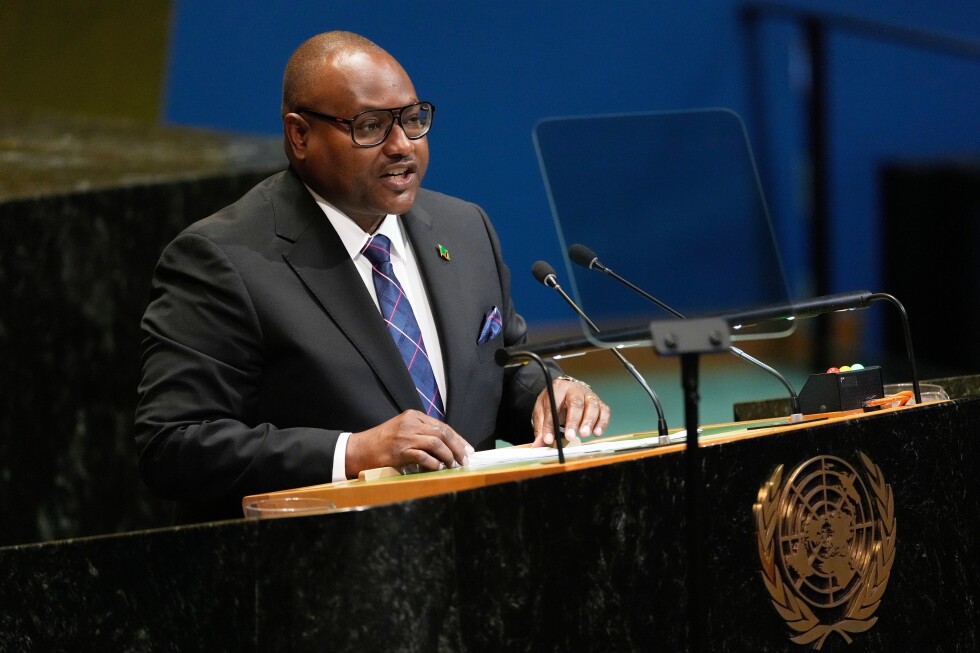
In a sharply worded statement released Monday, Zambian Foreign Affairs Minister Mulambo Haimbe pushed back against outgoing U.S. Ambassador Michael Gonzales, who had publicly accused Zambian leaders of rampant corruption and negotiation gridlock that had derailed the aid talks. Haimbe dismissed Gonzales’ claims as “mischievous, deeply regrettable and undiplomatic,” saying the allegations violate longstanding norms of mutual respect between sovereign nations. He clarified that negotiations have been stalled for months not because of Zambian intransigence or graft, but because of two non-negotiable U.S. demands Zambia finds unacceptable: intrusive data-sharing requirements that violate Zambian citizens’ right to privacy, and an insistence that U.S. companies receive preferential treatment for access to Zambia’s critical mineral reserves.
Zambia’s position is clear, Haimbe added: the southern African nation retains full sovereignty over its natural resources, and no single strategic partner will receive preferential treatment over others. The U.S. has rejected Zambia’s accusations, with Gonzales calling the claims of a mineral-for-aid link “absolutely and patently false” and “disgusting.” The U.S. Embassy in Zambia has not yet issued an official response to Haimbe’s latest remarks.
The dispute is not an isolated incident: it is the most high-profile example of growing pushback against the Trump administration’s complete overhaul of U.S. foreign aid policy. The administration has dismantled longstanding aid architectures including the United States Agency for International Development and the global AIDS relief program PEPFAR, replacing them with bilateral country-by-country agreements that frame aid as a reciprocal transaction. Under the new model, U.S. health funding is tied to a series of strict conditions, including commercial concessions, mandatory domestic spending commitments, broad disease surveillance access, pathogen sharing, and even religious provisions. As of mid-2000s, Washington has secured agreements with roughly 30 countries, most of them in aid-dependent African nations.
U.S. officials defend the framework as a pragmatic shift that reduces long-term donor dependency, empowers local governments to take ownership of their health systems, and protects core U.S. interests — most notably countering China’s growing economic and political influence across the African continent. China is already a dominant infrastructure and trade partner in Zambia and many other African countries, and Washington has made it a priority to secure alternative access to African minerals critical for manufacturing solar panels, electric vehicle batteries, and grid energy storage systems, key components of the global transition to clean energy.
But African governments and global health experts have raised widespread alarm about the new model, with multiple nations already rejecting or pausing proposed deals over unacceptable terms. Last week, Ghana turned down a drafted agreement over the lack of safeguards for sensitive public health data. Zimbabwe previously walked away from a $367 million aid package over identical concerns. In Kenya, a $2.5 billion agreement signed last December remains frozen after a court challenge argued it violates national data protection legislation. In Lesotho, local negotiators only managed to reduce a U.S. demand for 25 years of unrestricted access to health data and biological samples down to a five-year term.
Critics warn that the data-sharing provisions disproportionately benefit U.S. interests, with information flowing almost exclusively one-way to Washington. Following the U.S. withdrawal from the World Health Organization in January, the country abandoned multilateral global pathogen-sharing and vaccine access negotiations currently led by the WHO, and is instead pursuing direct bilateral access to disease surveillance data and biological samples from African nations. Health advocates warn this approach risks creating a fragmented parallel global health system that undermines multilateral coordination. In Zimbabwe’s earlier rejected deal, government officials noted the U.S. offered no guarantee that Zimbabwe would gain access to future medical innovations such as vaccines, diagnostics, or treatments developed using the shared data and samples. This echoes the inequitable experience of the COVID-19 pandemic, when many African nations contributed critical data and viral samples but were last in line to access life-saving vaccines.
The closed-door negotiation process for the new deals has also drawn fire for a lack of transparency and public accountability. “Secrecy is at the center of this. That puts accountability for results at risk,” said Asia Russell, executive director of global health advocacy group Health GAP. “It’s impossible to evaluate these deals properly without seeing the full terms. Part of what made PEPFAR successful was transparency. Now that’s been taken away.”
Beyond data and transparency concerns, the new agreements carry stricter financial terms: most offer lower overall funding than previous U.S. assistance programs, while requiring recipient nations to increase domestic health spending, with total funding at risk if domestic targets are not met. “These are going to be very heavy lifts,” said Jen Kates, senior vice president at U.S.-based non-profit health policy organization KFF. “Countries are already under strain.”
Critics ultimately warn that tying life-saving health support to commercial and geopolitical goals erodes global health security for all nations. “When health becomes a bargaining chip, everyone becomes less safe,” Russell warned.