标签: Africa

非洲

  • Africa is hurting again from a global crisis it had no part in starting

    Africa is hurting again from a global crisis it had no part in starting

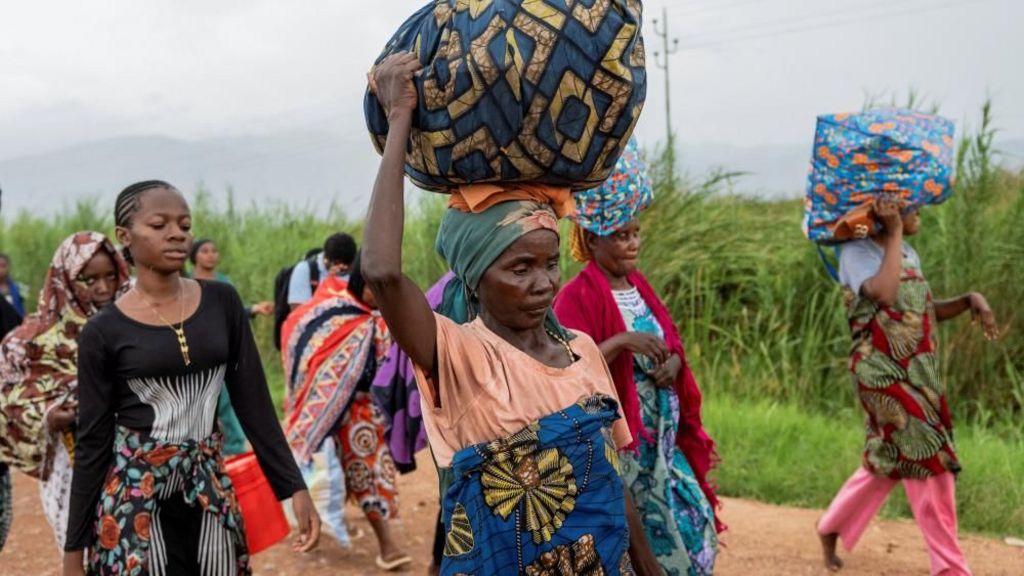
    LAGOS, Nigeria — The distant conflict in the Middle East is delivering severe economic blows across Africa, with millions facing unprecedented hardship despite their continent’s geographical remove from the battlefield. The crisis, triggered by joint U.S.-Israeli strikes on Iran that began February 28, has effectively closed the Strait of Hormuz—a critical maritime corridor—sending fuel prices soaring and exacerbating existing struggles in some of the world’s most vulnerable economies.

    For Adegbola Isaac, a Lagos taxi driver, the impact is brutally tangible. During two separate visits to gas stations last weekend, he witnessed prices surge to 1,350 naira ($0.99) per liter—a nearly 35% increase since the conflict’s onset. This spike has virtually eliminated his daily earnings. “It is hitting hard,” Isaac told The Associated Press, echoing the sentiments of countless Africans.

    This latest crisis represents the third major global shock to batter Africa in recent years, following the COVID-19 pandemic and the Ukraine war. As the world’s fastest-growing continent—with a population rivaling China and India—Africa finds itself repeatedly at the painful receiving end of international disruptions, particularly regarding essential resources like fuel and fertilizer.

    The dependency on imported refined oil products makes African nations exceptionally vulnerable. All of Kenya’s fuel originates from the Middle East, primarily the United Arab Emirates, with approximately 20% of the country’s fuel outlets already affected. Uganda’s fuel reserves were initially projected to last merely weeks, while South Africa, which sources significant quantities from Saudi Arabia, has seen diesel-dependent industries engage in panic-buying despite government assurances about strategic reserves.

    Even Nigeria, Africa’s largest oil producer, suffers from insufficient local refinery capacity and must import refined products from Europe. This structural weakness amplifies the continent’s exposure to global market fluctuations.

    The ripple effects extend beyond transportation. Zimbabwe’s health workers have protested demanding wage increases as living costs skyrocket. In response, the government plans to increase fuel blending with ethanol from 5% to 20%—a measure that risks vehicle damage and increased pollution. Informal traders like Washington Nyakarize in Harare report avoiding peak travel hours due to prohibitive fares, consequently losing business opportunities.

    According to a 2025 UN Trade and Development (UNCTAD) report describing Africa as “the epicenter of overlapping global crises,” fertilizer access across the continent—including conflict-ravaged nations like Sudan and Somalia—faces imminent threat. Kenya’s flower industry reports weekly losses reaching $1.4 million since the war began, attributed to declining demand and shipping disruptions.

    Governments are scrambling for alternatives. Bloomberg reports several countries—including South Africa, Kenya, and Ghana—have approached Nigeria’s massive Dangote Refinery for fuel agreements. The facility recently completed sales of 12 shipments of refined petroleum products to Ivory Coast, Cameroon, Tanzania, Ghana, and Togo—marking its first large-scale distribution since reaching full capacity earlier this year.

    However, energy experts caution that the Dangote Refinery could struggle to meet growing continental demand if expansion plans slow or crude oil supplies face disruption. “As long as there is a steady supply of crude oil, the refinery has the capacity to meet some of the needs,” noted Olufola Wusu, a Lagos-based oil and gas expert involved in reviewing Nigeria’s national gas policy.

    The United Nations is pursuing diplomatic efforts to resume safe fertilizer transit through the Strait of Hormuz, hoping to build confidence for broader conflict resolution. Yet experts warn that prolonged hostilities could push Africa into uncharted territory. “If the conflict persists for another month or two, honestly, we’re going to be in unknown terrain that no one can really predict,” said Zainab Usman, a senior research scholar at New York’s Center on Global Energy Policy.

  • ‘The gravest crime against humanity’: What does the UN vote on slavery mean?

    ‘The gravest crime against humanity’: What does the UN vote on slavery mean?

    In a landmark decision with profound historical significance, the United Nations General Assembly has overwhelmingly endorsed a resolution characterizing the transatlantic slave trade as “the gravest crime against humanity.” The resolution, which garnered 123 votes in favor with only three nations opposed and 52 abstentions, represents a pivotal moment in international recognition of slavery’s enduring legacy.

    UN Secretary-General Antonio Guterres welcomed the adoption, emphasizing that the economic foundations of numerous Western nations were “built on stolen lives and stolen labour.” He described the institution as extending beyond forced labor to encompass “a machinery of mass exploitation and deliberate dehumanization of men, women and children” maintained through barbaric punishments including shackles, flogging, and sexual violence.

    The resolution, championed by African and Caribbean nations, carries symbolic rather than legal force but establishes crucial political momentum for ongoing reparations discussions. Almaz Teffera, a senior racism researcher at Human Rights Watch, noted that while the declaration possesses primarily symbolic value, it constitutes “a huge and significant step” that could accelerate progress on compensation debates.

    Historical context reveals the staggering scale of the transatlantic slave trade, which forcibly transported approximately 12-15 million Africans to the Americas between the 15th and 19th centuries. An estimated two million perished during the horrific Middle Passage aboard slave ships. European colonial powers including Spain, Portugal, France, and Britain systematically profited from this exploitation.

    The contemporary ramifications of centuries of enslavement remain starkly evident. In Brazil, which received nearly 4.9 million enslaved Africans primarily under Portuguese rule, official statistics indicate black citizens are twice as likely to experience poverty compared to white counterparts.

    The resolution urges member states to consider formal apologies and contributions to a reparations fund, though opposition remains substantial. The United States, Israel, and Argentina voted against the measure, with Deputy US Ambassador Dan Negrea expressing concern that creating a hierarchy of historical crimes “diminishes the suffering of countless victims.” The United Kingdom and European Union members were among those abstaining.

    Reparations advocates emphasize that financial compensation constitutes only one dimension of restorative justice. Dr. Esther Xosei, a prominent British scholar and activist, cautioned that while the UN declaration represents a “good victory,” the “real battle will be fought on the streets” where public understanding of slavery’s legacy remains inadequate.

    Historical precedent exists for reparations, notably Germany’s payment of over $80 billion to Jewish victims of the Nazi regime. However, no nation has provided compensation to descendants of enslaved Africans, despite 19th-century payments to slave owners following abolition—Britain allocated the modern equivalent of $21 billion to compensate proprietors after ending slavery in the 1830s.

    The CARICOM bloc of 15 Caribbean nations has advanced a comprehensive 10-point plan for reparatory justice, estimating that former colonial powers owe at least $33 trillion. International Court of Justice judge Patrick Robinson has proposed an even higher figure of $107 trillion from 31 nations. These astronomical sums far exceed practical implementation possibilities, with the entire US federal budget for 2025 totaling $7.1 trillion.

    Beyond financial considerations, advocates stress the importance of formal apologies, educational reforms, and historical acknowledgment. Verene Shepherd, vice-chair of the CARICOM Reparations Commission, notes that European governments have predominantly issued “statements of regret” rather than full apologies, impeding the healing process for descendants.

    As Dr. Celeste Martinez, a specialist in Spanish colonialism, summarizes: “The most important thing to understand is that nobody is trying to change the past, but to address its consequences in the present.” The UN resolution represents a critical step toward acknowledging that slavery’s legacies endure through contemporary racism and inequality, demanding comprehensive reckoning and restorative action.

  • Kenya eyes China partnership for Nairobi-Thika overpass to ease congestion

    Kenya eyes China partnership for Nairobi-Thika overpass to ease congestion

    Kenyan officials have announced plans to collaborate with Chinese partners on a major infrastructure initiative designed to address severe traffic congestion along the critical Nairobi-Thika transport corridor. Deputy President Kithure Kindiki revealed the proposed overpass project during a recent Kenya-China business forum in Nairobi, positioning it as a strategic enhancement to the country’s transportation network.

    The envisioned 50-kilometer overpass would be constructed along the existing Thika Superhighway, a vital artery originally built with Chinese engineering expertise and financing that opened in 2012. This new infrastructure endeavor represents Kenya’s latest engagement with China’s Belt and Road Initiative, reinforcing bilateral cooperation in African infrastructure development.

    President William Ruto’s administration has targeted September 2026 for the commencement of construction activities. The elevated expressway aims to significantly improve connectivity between Nairobi and the industrial center of Thika while extending Kenya’s transportation capabilities to central, eastern, and northern regions.

    Kindiki emphasized that such infrastructure investments strengthen Kenya’s position as a regional trade and logistics hub, complementing previous Chinese-supported projects including the Standard Gauge Railway and Nairobi Expressway. The deputy president specifically highlighted the project’s potential to attract Chinese manufacturing and distribution investments seeking access to African markets through Kenya’s participation in multiple continental trade agreements.

    Through memberships in the East African Community, COMESA, and the African Continental Free Trade Area, Kenya offers foreign investors gateway access to a combined market of over 1.4 billion people with an estimated collective GDP approaching $2.83 trillion.

  • Salah could play for seven more years – Klopp

    Salah could play for seven more years – Klopp

    In a heartfelt tribute, former Liverpool manager Jürgen Klopp has proclaimed Mohamed Salah as an “all-time great” following the Egyptian forward’s announcement that he will conclude his historic tenure at Anfield this season. The German tactician, who originally secured Salah’s transfer from AS Roma in 2017, expressed both pride and sorrow regarding the departure of the club icon.

    Speaking exclusively to BBC Sport at a Liverpool FC Legends charity event, Klopp lauded the 33-year-old’s unparalleled professionalism and transformative impact. “He set completely new standards for a professional football player—how hard you can work, how much you can invest in recovery and everything,” Klopp remarked. Despite the emotional farewell, Klopp speculated on Salah’s remarkable longevity, stating he “would not be surprised if he plays another six or seven years,” potentially extending his career into his late thirties.

    The Klopp-Salah era proved immensely successful, delivering every major honor including the Premier League, UEFA Champions League, FA Cup, two EFL Cups, along with the UEFA Super Cup and FIFA Club World Cup. Reflecting on their shared journey, Klopp noted, “Mo and I had big dreams, but we didn’t dare to dream that big.” He emphasized the symbiotic relationship, declaring Salah was “the perfect player for us” while Liverpool served as “the perfect club for him.”

    Addressing the timing of the departure—with one year remaining on Salah’s contract—Klopp endorsed the mutual decision as a “fair deal,” emphasizing there should be “no bad sentiment at all.” While acknowledging the forward’s “irreplaceable” status and the void his absence will create, Klopp urged the club to innovate rather than seek a direct replacement. “The numbers for a winger are ridiculous. For a striker they are pretty much unmatched,” he conceded, advising Liverpool to “find a new way” and develop a refreshed tactical identity.

    Salah departs having netted 255 goals for the Reds, cementing his position as the third-highest scorer in the club’s illustrious history, trailing only Ian Rush and Roger Hunt. His exit marks the end of an epoch, with the upcoming season being Liverpool’s first without Salah since 2016.

  • A boat packed with migrants that capsized off Djibouti left at least 9 dead and 45 missing

    A boat packed with migrants that capsized off Djibouti left at least 9 dead and 45 missing

    GENEVA — A vessel transporting migrants met with disaster off the coast of Djibouti earlier this week, resulting in significant loss of life, according to the United Nations migration agency. The International Organization for Migration (IOM) confirmed Friday that the overloaded boat capsized during its journey toward Yemen, claiming at least nine lives with approximately 45 individuals remaining unaccounted for.

    This maritime catastrophe represents another tragic episode in the ongoing humanitarian crisis along the migration corridor connecting the Horn of Africa to the Arabian Peninsula. Over recent years, this treacherous passage has claimed thousands of lives among African migrants attempting to escape conflict zones and economic hardship in pursuit of better opportunities in affluent Gulf Arab nations.

    The ill-fated vessel departed from Obock, a Djibouti port town, carrying over 300 passengers. It encountered difficulties while navigating the challenging waters of the Bab el-Mandeb Strait—a strategically significant maritime passage located on the opposite side of the Arabian Peninsula from the Strait of Hormuz—before sinking on Tuesday.

    Search and rescue operations continue despite adverse conditions, as confirmed by Tanja Pacifico, IOM’s chief of mission in Djibouti. ‘Marine conditions remain extremely hazardous with rough seas and strong winds hampering recovery efforts,’ Pacifico stated during a video briefing from Geneva. ‘This migration route has consistently proven to be among the world’s most deadly passages.’

    Survivor accounts indicate the vessel was carrying far beyond its safe capacity, contributing to the disaster. This incident marks the first recorded shipwreck in the region this year, following a devastating previous year that saw over 900 migrant fatalities or disappearances—the highest annual death toll documented in the strait’s history.

    The Bab el-Mandeb Strait continues to attract tens of thousands of migrants annually who risk the dangerous crossing driven by complex factors including regional instability, economic pressures, and the promise of improved livelihood opportunities.

  • Morocco ready to host Wafcon ‘any time’ as questions remain over postponement

    Morocco ready to host Wafcon ‘any time’ as questions remain over postponement

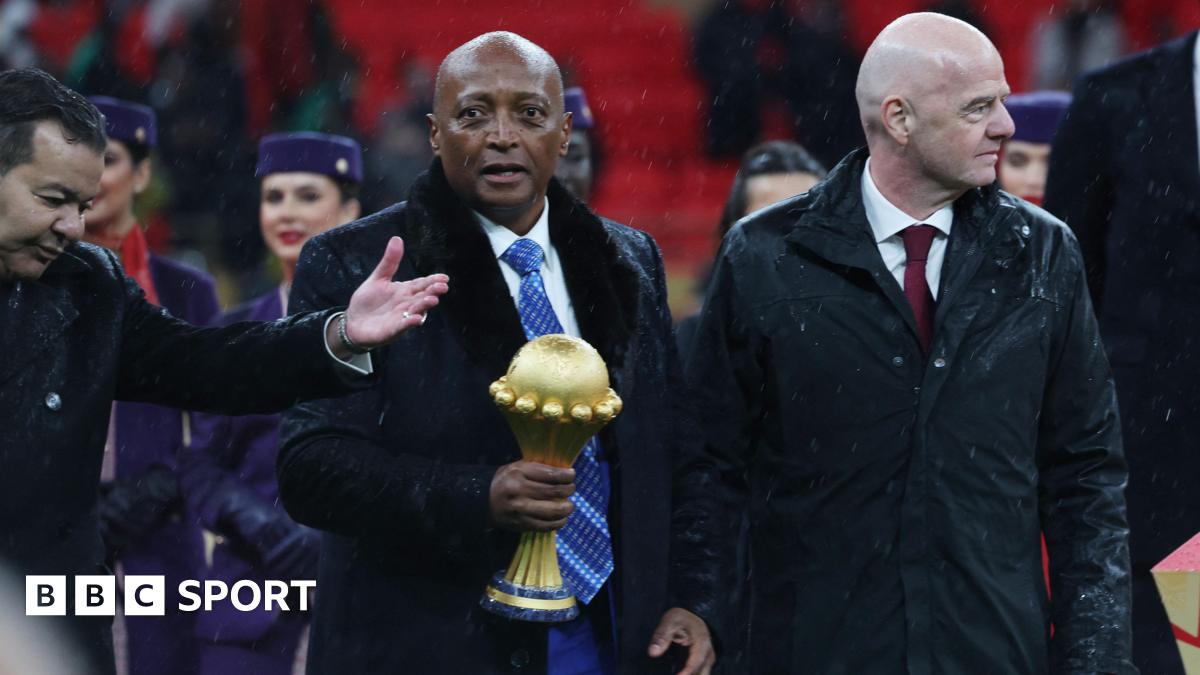
    The Confederation of African Football (CAF) faces mounting scrutiny over its abrupt decision to postpone the 2026 Women’s Africa Cup of Nations (WAFCON), originally scheduled to commence on March 17th. The tournament has now been rescheduled for July 25th through August 16th, yet the precise rationale behind this eleventh-hour delay remains officially undisclosed, generating widespread confusion and frustration across the African football community.

    In a striking contradiction to CAF’s opaque reasoning, Moroccan Minister of Industry and Trade Ryad Mezzour asserted the nation’s preparedness, stating, “Morocco is always ready to host any competition, any time.” This declaration underscores a significant disconnect between the host nation’s claimed readiness and the continental governing body’s actions. Morocco has solidified its status as a premier hub for African football in recent years, having successfully hosted an array of tournaments including the previous two WAFCON editions, multiple CAF Champions League finals, and various age-group competitions.

    The postponement controversy is further inflamed by the recent and highly contentious aftermath of the men’s Africa Cup of Nations final, also held in Morocco. Senegal’s dramatic extra-time victory was controversially overturned by CAF’s independent appeal board following a formal protest from the Royal Moroccan Football Federation (FRMF). This decision, which reversed initial sanctions against Senegal’s coach, has fueled speculation regarding potential political tensions influencing the women’s tournament scheduling.

    With merely 12 days’ notice provided before the intended kick-off, national teams were plunged into disarray during their final preparation phases. Nigeria defender Ashleigh Plumptre, a reigning champion, articulated the profound impact on players, noting the tournament’s dual significance as a qualifier for the 2027 FIFA Women’s World Cup. “Many teams haven’t even been in the Afcon before, never mind had the chance to qualify for a World Cup,” Plumptre emphasized, highlighting the missed opportunities for development and financial support for emerging nations.

    Despite the uncertainty, sources close to the FRMF indicate Morocco still anticipates hosting the rescheduled event, with CAF required to formally revoke hosting rights if any change is intended. This episode raises critical questions about the prioritization of women’s football within CAF’s administration, contrasting sharply with the handling of men’s competitions and casting a shadow over Morocco’s preparations as a co-host for the 2030 FIFA World Cup alongside Spain and Portugal.

  • Landslides triggered by heavy rainfall kill at least 20 people in Tanzania

    Landslides triggered by heavy rainfall kill at least 20 people in Tanzania

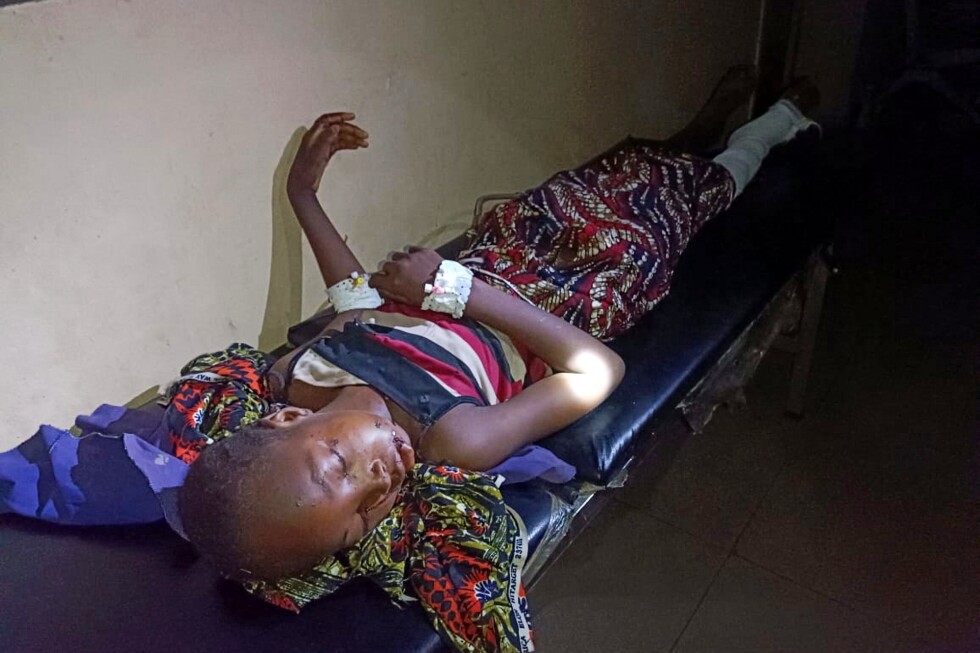
    DAR ES SALAAM, Tanzania — Catastrophic landslides triggered by torrential rainfall have claimed at least 20 lives in southern Tanzania’s Mbeya region, authorities confirmed Wednesday. The tragedy adds to a growing humanitarian crisis across East Africa where seasonal flooding has already killed dozens more in neighboring countries.

    According to Rungwe district administrator Jaffar Haniu, the devastating landslides struck early Wednesday, destroying multiple homes and infrastructure. Among the confirmed fatalities was a toddler aged just one and a half years. Meteorological officials warn that additional rainfall is expected in coming days, prompting urgent evacuation orders for residents in high-risk zones.

    The Tanzanian disaster forms part of a broader regional emergency affecting multiple East African nations. In Kenya, seasonal flooding has resulted in at least 88 fatalities across 21 counties, with several rivers overflowing their banks since the onset of heavy rains earlier this month. The crisis has overwhelmed local emergency services, necessitating military deployment to assist rescue operations.

    Earlier in March, southern Ethiopia experienced similar devastation when landslides killed approximately 80 people. The Climate Prediction and Applications Centre of the Intergovernmental Authority on Development (IGAD) had previously warned of elevated flood risks, predicting a 45% probability of above-average rainfall during the March-May season across the region from Uganda to Djibouti.

    The escalating death toll and widespread destruction have raised serious concerns about disaster preparedness and the vulnerability of communities residing in flood-prone areas throughout East Africa. Emergency response teams continue to work against time as meteorological conditions remain unstable.

  • Africa draws inspiration from China’s rural tourism

    Africa draws inspiration from China’s rural tourism

    African tourism experts are increasingly looking to China’s successful rural tourism development as a blueprint for economic transformation across the continent. Over the past two decades, China has systematically transformed remote villages into thriving cultural destinations through strategic heritage preservation, infrastructure investment, and community entrepreneurship programs.

    The Chinese approach, which has lifted millions out of poverty while revitalizing rural landscapes from Yunnan’s terraced rice fields to numerous other regions, presents a compelling case study for African nations. According to Emmanuel Matambo, Research Director at the Centre for Africa-China Studies at the University of Johannesburg, Africa should consider establishing direct partnerships between its rural communities and their Chinese counterparts, moving beyond the traditional urban-focused international collaborations.

    Across Africa, from Ethiopia’s highland farming communities to Kenya’s cultural villages, Ghana’s historic settlements, and South Africa’s scenic countryside retreats, vast tourism potential remains largely untapped. Experts emphasize that developing this sector could diversify African tourism beyond the established wildlife attractions, beaches, and urban conference centers.

    Critical success factors identified include investment in road infrastructure, security enhancement, and reliable power generation to make rural areas more accessible and secure for visitors. Technology integration emerges as another crucial element, with Matambo noting that if technologies penetrate Africa’s rural areas as they have in China, tourists would maintain connectivity to their daily routines.

    Itumeleng Dube, Lecturer in the Department of Public Administration and Management at the University of South Africa, advocates for more sophisticated cultural packaging that moves beyond traditional dancing and drumming displays. He suggests African countries should systematically categorize and document their cultures, heritage, and traditions, making this information accessible online before tourists arrive.

    Thato Mothopeng, National Coordinator of the South African Township and Village Tourism Association, identifies African culture as one of the continent’s most underutilized tourism assets, urging countries to strategically package cultural experiences alongside hospitality services to create compelling visitor offerings.

  • South Africa’s exclusion from G7 summit no surprise, says Ramaphosa

    South Africa’s exclusion from G7 summit no surprise, says Ramaphosa

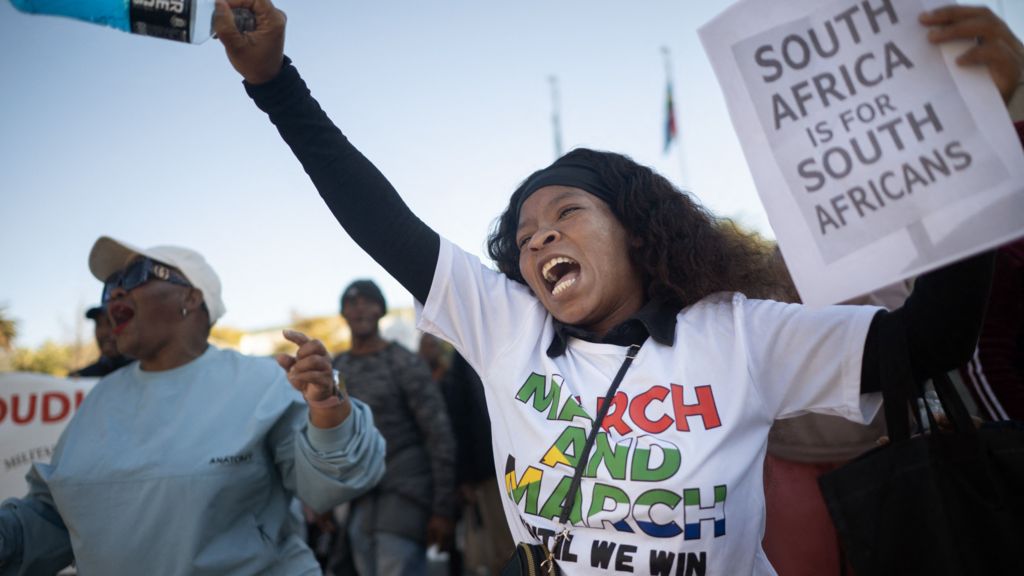
    South African President Cyril Ramaphosa has publicly dismissed suggestions that his country suffered a diplomatic snub following reports of a withdrawn invitation to the upcoming G7 summit in France. Speaking to reporters, Ramaphosa emphasized that as a non-member nation, South Africa’s absence from the elite gathering should not be interpreted as a slight.

    The controversy emerged when multiple sources reported that the United States had exerted substantial pressure on French authorities to rescind Ramaphosa’s invitation. According to these reports, President Donald Trump had allegedly threatened to boycott the summit entirely if the South African leader attended. However, both French and American officials have denied these claims.

    France, which currently holds the G7 presidency, has instead extended invitations to four non-member nations: South Korea, India, Brazil, and Kenya. French officials described this selection as part of ongoing efforts to address global economic imbalances through broader international engagement.

    Vincent Magwenya, spokesperson for the South African presidency, initially contradicted Ramaphosa’s position, stating that sustained U.S. pressure had indeed led to the invitation’s withdrawal. He noted that French President Emmanuel Macron had personally extended the invitation to Ramaphosa during last year’s G20 summit in Johannesburg.

    The situation highlights the increasingly complex relationship between South Africa and the United States, which has deteriorated significantly since President Trump took office. Tensions have escalated over multiple issues including trade policies, diplomatic approaches, and South Africa’s land reform initiatives. Trump has been openly critical of Ramaphosa’s administration, particularly regarding its treatment of the country’s white minority population.

    In a related development, South Africa recently summoned newly appointed U.S. Ambassador Brent Bozell to address what officials termed ‘undiplomatic remarks’ about Pretoria’s racial policies and judicial decisions. Although Bozell subsequently expressed respect for South Africa’s independent judiciary, the incident further strained bilateral relations.

    Despite these diplomatic challenges, South African officials maintain that relationships with other Western nations, particularly France, remain strong and unaffected by the G7 invitation controversy.

  • Women secretly filmed, then ridiculed and abused online

    Women secretly filmed, then ridiculed and abused online

    A disturbing pattern of non-consensual recording has emerged across Kenya and Ghana, where women are being secretly filmed by a Russian national using concealed camera technology. The operation came to light when numerous videos surfaced online showing a man approaching unsuspecting women in public spaces while recording their interactions without consent.

    Joy Kalekye, a 19-year-old Kenyan student, discovered she had become one of these victims when a friend alerted her to a viral social media post on Valentine’s Day. The footage showed an encounter from March of the previous year that Kalekye had completely forgotten—a brief interaction on a Nairobi street where a man complimented her appearance while secretly recording the entire exchange.

    The investigation reveals this forms part of a global trend where individuals use hidden cameras to film private interactions for online monetization. The perpetrator, identified by Ghanaian authorities as 36-year-old Vladislav Liulkov, allegedly operated by approaching women in shopping centers and public areas while wearing camera-equipped smart glasses that captured intimate moments without disclosure.

    Despite Liulkov’s denial of involvement when contacted by BBC, evidence suggests a consistent pattern: geolocation data places recordings at major shopping centers in Nairobi and Mombasa, while Ghanaian encounters occurred near Accra Mall. Distinctive identifiers including a blue Casio watch and similar vocal patterns across videos strengthen the connection to a single individual.

    The content distribution network involves Russian social media channels and websites that have since been removed, where the perpetrator reportedly sold ‘approach guides’ for 250 rubles while monetizing the viral videos. Local content creators like Kelvin Karume, a 22-year-old Nairobi resident, amplified the harm by reposting the videos to build their online following, triggering secondary victimization through abusive comments and public harassment.

    Legal authorities in both countries have condemned the practice, with Kenya’s Directorate of Criminal Investigations warning that resharing the videos constitutes criminal offense, while Ghanaian officials seek Liulkov’s extradition under cybersecurity laws. Women’s rights advocates emphasize that the subsequent victim-blaming and moral scrutiny compound the original violation, creating barriers for victims coming forward.

    Kalekye, who has faced direct harassment including HIV-related slurs, continues to speak out against the culture of online judgment that exacerbates the trauma of non-consensual recording. Her courage highlights the urgent need for stronger protections against digital exploitation and societal shift away from victim-blaming narratives.