标签: Africa

非洲

  • A South African politician goes snorkeling in a giant pothole to highlight city management failures

    A South African politician goes snorkeling in a giant pothole to highlight city management failures

    In an unconventional political demonstration, veteran South African politician Helen Zille donned snorkeling gear to navigate a water-filled trench in an upscale Johannesburg suburb. The 75-year-old mayoral candidate executed this satirical stunt to highlight what she characterizes as years of municipal mismanagement and infrastructure neglect.

    Zille, wearing a wetsuit, mask, snorkel, and distinctive pink-and-white swimming cap, doggy-paddled through the murky brown water that had accumulated from a persistently leaking pipe. According to her account, this aquatic nuisance had plagued the neighborhood for approximately three years despite multiple repair attempts by city authorities.

    The former Cape Town mayor and leader of South Africa’s second-largest party documented her aquatic protest in a video that subsequently gained traction on national television broadcasts. In the footage, Zille delivers biting commentary: “And here we are with a free and wonderful Saturday-afternoon snorkel.” She further quipped, “I wonder if there are any fishes in here. Let me take a look,” before partially submerging her head.

    This theatrical demonstration underscores broader systemic challenges facing Johannesburg, Africa’s wealthiest city by private capital. Despite its “City of Gold” moniker derived from historical mineral wealth, Johannesburg has struggled with deteriorating public services, frequent water and electricity disruptions, and crumbling infrastructure affecting its six million residents.

    The current Johannesburg mayor responded via social media platform X, acknowledging the pipe had “repeatedly failed over the past three years” but asserting that repairs were completed and the cavity filled within a day following Zille’s high-profile protest.

  • Nigeria warns its citizens in South Africa to be cautious after march turns violent

    Nigeria warns its citizens in South Africa to be cautious after march turns violent

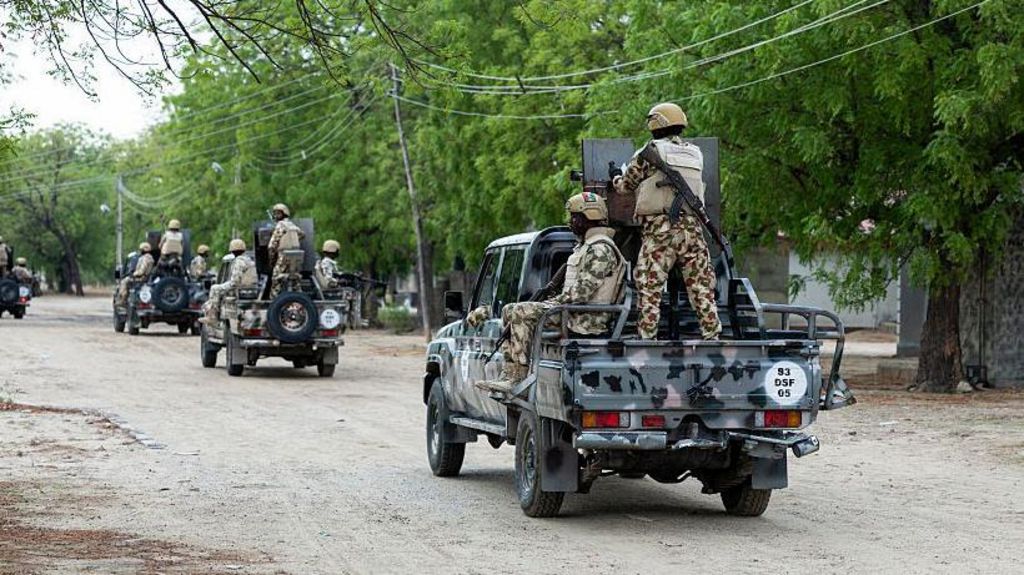
    The port city of KuGompo (formerly East London) in South Africa’s Eastern Cape province became the epicenter of violent unrest this week, triggered by tensions surrounding the ceremonial installation of a Nigerian community leader. What began as a peaceful anti-illegal immigration protest organized by civil society groups escalated dramatically when a demonstrator claimed to be assaulted by a foreign national. The incident ignited widespread disorder, resulting in ten vehicles set ablaze and numerous shops—both foreign and locally owned—being looted.

    The underlying tension stems from the recent recognition of Solomon Ogbonna Eziko as ‘Eze Ndi Igbo East London’ by the local Igbo diaspora community. This traditional title, translating to ‘king of the Igbo people in East London,’ is a common cultural practice among Igbos living outside their Nigerian homeland. However, some South African residents misinterpreted this ceremonial designation as an attempt to establish parallel political authority, despite having no legal standing beyond cultural recognition.

    South African authorities, including KuGompo Mayor Princess Faku of the African National Congress, condemned the violence while acknowledging the right to peaceful protest. ‘We supported the march as part of defending our sovereignty but cannot condone violence,’ stated Faku. ‘It’s profoundly disappointing that such significant civic engagement devolved into chaos.’

    The Nigerian High Commission promptly issued safety advisories, urging its citizens to restrict movement and avoid public gatherings amid heightened tensions. Meanwhile, Igbo community representatives emphasized the purely ceremonial nature of the title. Dr. ABC Okokoh, a leader within South Africa’s Igbo community, clarified to SABC that the installation was a ‘private event’ with no intention of establishing sovereignty, adding an apology for ‘the consequences that played out.’

    Cultural experts and provincial authorities have denounced the installation as potentially violating customary protocols and South African laws. The Eastern Cape’s cooperative governance department explicitly distanced itself from the event while calling for respect of national legislation. Diplomatic apologies were subsequently extended during a picket at Nigeria’s high commission in Pretoria, underscoring the incident’s transnational implications.

  • More than 70 miners killed in South Sudan as government and opposition trade blame

    More than 70 miners killed in South Sudan as government and opposition trade blame

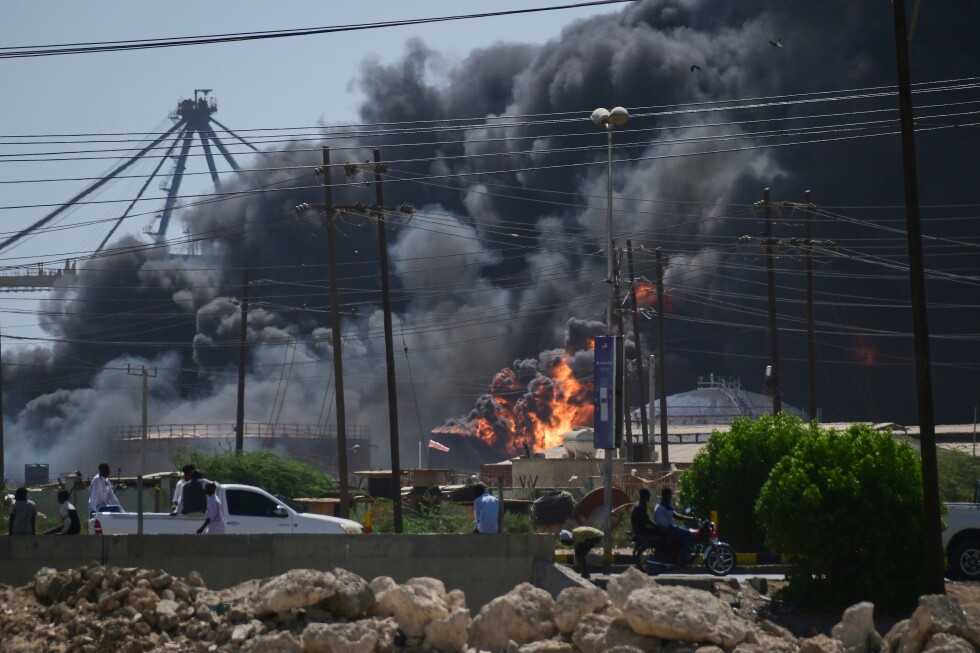
    A devastating attack on mine workers in South Sudan has resulted in at least 74 fatalities, with government and opposition forces exchanging blame for the weekend violence in the mineral-rich Jebel Iraq region southwest of Juba.

    The incident has triggered a wave of condemnation and mutual accusations between rival factions in the conflict-ridden nation. The Sudan People’s Liberation Movement in Opposition (SPLM-IO), representing suspended First-Vice President Riek Machar, issued a strong condemnation of what they described as ‘regrettable, barbaric and unacceptable’ killings, directly accusing government forces of responsibility.

    In response, Central Equatoria state acting governor Paulino Lukudu Obede expressed being ‘shocked and outraged’ by what he termed the ‘brutal and barbaric killing of innocent civilians by rebel forces,’ though he did not specify which rebel group he held responsible.

    The exchange of accusations intensified as Deputy Information Minister David Yau Yau, speaking on national broadcaster, counter-alleged that SPLM-IO fighters were behind the massacre. This created a complex web of claims and counter-claims without clear attribution of responsibility.

    Puok Both Baluang, spokesperson for Machar, challenged the government’s narrative by emphasizing that Jebel Iraq remains under exclusive control of national army forces, thereby implicating them in the killings. The national army has yet to respond to these specific allegations.

    The political context adds layers of complexity to the tragedy. Machar, the opposition leader, has been under house arrest in Juba since March last year and faces serious charges including murder, treason and crimes against humanity, all of which he denies.

    Vice-President James Wani Igga joined in condemning the attack, characterizing it as a ‘heinous massacre’ and highlighting the economic significance of the victims, whom he described as the ‘backbone of our local economy.’ He pledged government action to prevent further violence against civilians and called for a formal inquiry to determine the ‘identity and motives’ of the perpetrators.

    The massacre occurs against the backdrop of South Sudan’s lucrative mineral wealth, particularly gold deposits, which have attracted both legitimate mining operations and widespread illegal mining activities, especially in the Equatoria region where artisanal miners often operate without government approval.

    Baluang’s call for UN bodies to investigate the ‘Jebel Iraq massacre’ and ‘other war crimes’ throughout the country underscores the international dimension of the conflict and the ongoing humanitarian concerns in the world’s youngest nation, which continues to struggle with instability since gaining independence in 2011.

  • Leaders welcome landmark UN slavery resolution

    Leaders welcome landmark UN slavery resolution

    A groundbreaking United Nations General Assembly resolution that formally classifies the trans-Atlantic trafficking of enslaved Africans and the racialized chattel enslavement of African people as the gravest crime against humanity has garnered widespread acclaim from leaders across Africa and the globe.

    Championed by Ghanaian President John Dramani Mahama, the resolution was approved during a recent General Assembly vote, securing 123 votes in favor, 52 abstentions, and only three opposing votes from Argentina, Israel, and the United States. The landmark initiative seeks to secure formal international recognition of the systemic historical injustice suffered by millions of enslaved Africans, advance collective healing, and open constructive global dialogue around reparations for descendants of enslaved people. It reaffirms the urgent necessity of confronting historical harms that continue to impact African communities and people of African descent globally, and frames reparations as a tangible, actionable step toward redressing these centuries-old wrongs.

    Mahmoud Ali Youssouf, chairperson of the African Union Commission, praised the resolution’s passage and commended Mahama’s leadership in advancing the effort. He emphasized that the outcome reflects Africa’s decades-long, principled demand for full global acknowledgment of the trans-Atlantic slave trade and its persisting, intergenerational impacts. “This historic decision marks an important step toward truth, justice and healing, and reinforces the urgent need to address the enduring legacy of slavery,” Youssouf stated.

    Youssouf reaffirmed the African Union’s longstanding call for full recognition of both the historical and ongoing ramifications of slavery, including the pursuit of reparative justice, aligned with the AU’s Agenda 2063 and existing UN General Assembly frameworks. He added that the AU remains committed to partnering with the UN, its member states, and global stakeholders to advance historical accountability and ensure the atrocities of slavery are never forgotten, nor allowed to be repeated.

    Speaking after the vote, President Mahama expressed profound joy at the resolution’s adoption, noting that the multi-year journey from proposal to final approval was only possible through global solidarity among people committed to justice. “I cannot think of a better way to honor our forebears on the day of remembrance than to have the majority of the world’s countries affirm that the trafficking and enslavement of nearly 13 million human beings is, indeed, the gravest crime against humanity,” Mahama shared in a post on the social platform X, ahead of laying a wreath honoring victims of the trans-Atlantic slave trade at New York’s African Burial Ground National Monument on March 24.

    Ghanaian Foreign Minister Samuel Okudzeto Ablakwa framed the resolution’s passage as a meaningful, historic turning point for the global movement for racial justice. “With the adoption of this resolution, we have not simply passed a text. We have affirmed a truth, we have chosen remembrance over silence, dignity over erasure, and shared humanity over division,” he said.

    Ablakwa called the outcome a resounding victory for justice, marking the first time that the full humanity and dignity of enslaved Africans and their descendants has been formally affirmed at this scale by the international community. He extended gratitude to all UN member states that backed the measure, while also acknowledging the divergent positions taken by delegations that did not support it.

    He emphasized that the resolution’s adoption is not the final milestone in the global push for reparatory justice, but rather a critical starting point for sustained global dialogue. “We urge every member state to consider carefully the actions it must take to ensure inclusive and good faith dialogue on reparatory justice,” Ablakwa added.

    Crucially, Ablakwa clarified that the resolution is not aimed at assigning intergenerational blame to nations or communities, nor does it seek to reopen old divisions. Instead, its core goal is to create space for open truth-telling, public education, and a more honest global conversation that allows all nations to move forward together with greater mutual understanding. The resolution also acknowledges the nuance of global history while recognizing the unique, unparalleled horror of the trans-Atlantic slave trade.

    The Caribbean Community (CARICOM), a bloc of Caribbean nations that has long advocated for reparations for the legacy of slavery, also issued a statement welcoming the resolution. CARICOM noted that it has consistently pushed the international community to take decisive action to redress the harmful ongoing legacies of African chattel enslavement and trans-Atlantic trafficking, and pledged to continue collaborative work with global partners to fully implement the resolution’s provisions.

  • Sexual violence part of ‘everyday life’ in parts of Sudan, charity says

    Sexual violence part of ‘everyday life’ in parts of Sudan, charity says

    A groundbreaking report from Médecins Sans Frontières (MSF) exposes sexual violence as an entrenched and systematic weapon within Sudan’s ongoing civil conflict, persisting even in regions distant from active combat zones. The medical charity’s comprehensive analysis, drawing from 3,396 victim testimonies across North and South Darfur between January 2024 and November 2025, reveals a harrowing landscape of brutality where rape has become normalized.

    Armed men, predominantly identified as fighters from the paramilitary Rapid Support Forces (RSF), are cited as the primary perpetrators. The report characterizes sexual assault as a ‘defining feature’ of the conflict, frequently accompanied by extreme violence, humiliation, and the murder of relatives. Particularly shocking accounts emerged following the RSF’s capture of el-Fasher city and displacement camps like Zamzam and Abu Shouk in October, events MSF describes as unfolding ‘the most unimaginable brutality.’

    A critical finding is that this violence does not subside when fighting moves elsewhere. In South Darfur, an area now far from the front lines, sexual assault remains ‘part of everyday life.’ Over 1,300 survivors (68% of whom identified armed assailants) reported being attacked while performing daily subsistence activities like collecting firewood, fetching water, or farming. ‘Every day, when people go to the market, there are four or five cases of rape,’ a 40-year-old woman testified.

    The report underscores a disturbing ethnic dimension, with non-Arab communities such as the Zaghawa, Massalit, and Fur being ‘systematically targeted.’ This pattern is rooted in Darfur’s long history of conflict and is sustained by a heavily militarized environment and a deep-seated culture of impunity. The data also reveals the victimization of children, with one in five survivors in South Darfur being under 18, including 41 children under the age of five.

    MSF emphasizes that its data represents only a fraction of the true scale, citing immense barriers to reporting and care, including stigma, ongoing insecurity, and the collapse of protection services. The charity concludes that the humanitarian response has catastrophically failed survivors and demands urgent accountability and action to address this pervasive crisis.

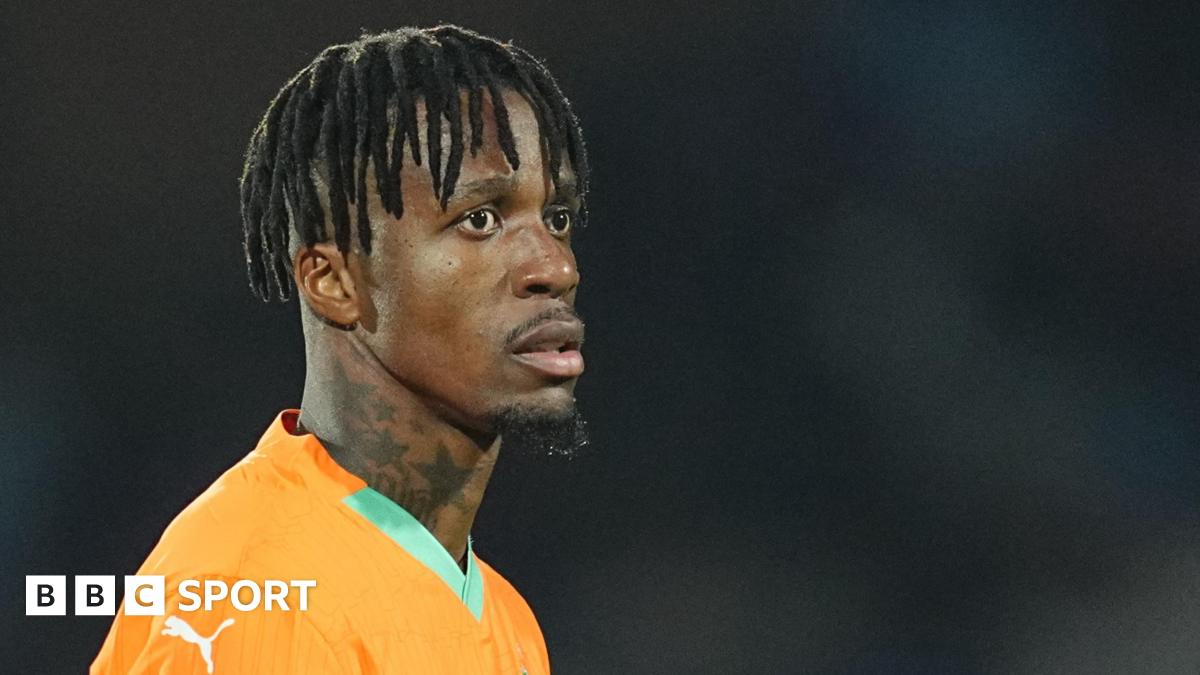
  • Ghana sack manager Addo, 72 days before World Cup

    Ghana sack manager Addo, 72 days before World Cup

    In a decisive move just 72 days before the commencement of the 2026 FIFA World Cup, the Ghana Football Association has terminated the contract of national team manager Otto Addo. This abrupt dismissal comes immediately following a series of disappointing international friendly performances, including a 2-1 defeat against Germany in Stuttgart and a devastating 5-1 loss to Austria in Vienna.

    The Black Stars, featuring prominent Premier League talents such as Manchester City’s Antoine Semenyo and Tottenham’s Mohammed Kudus, have encountered significant challenges under Addo’s leadership. The team’s struggles culminated in their failure to qualify for the 2025 Africa Cup of Nations tournament, compounding concerns about their competitive readiness.

    Ghana’s national squad currently endures a four-match losing streak, raising serious questions about their prospects in the upcoming World Cup where they face England, Croatia, and Panama in Group stage matches. The Football Association’s statement confirmed the immediate nature of Addo’s departure and indicated that a new technical direction for the team would be announced shortly.

    Addo, born in Germany but representing Ghana internationally with 15 caps during his playing career, had begun his second tenure as national team manager in March 2024. His dismissal occurs at a critical juncture as Ghana prepares for their World Cup opener against Panama on June 18th, followed by crucial matches against England on June 23rd and Croatia on June 27th.

    The 2026 World Cup, jointly hosted by Canada, Mexico, and the United States, will run from June 11th to July 19th, presenting Ghana with formidable challenges as they seek to regain competitive form under new leadership.

  • Central African Republic’s president sworn in for a third term after disputed election

    Central African Republic’s president sworn in for a third term after disputed election

    BANGUI, Central African Republic — President Faustin-Archange Touadéra commenced his controversial third presidential term on Monday during an inauguration ceremony in the nation’s capital. The swearing-in follows a highly contested December electoral process that opposition groups have broadly rejected.

    The extended seven-year mandate results from constitutional amendments approved in 2023 that eliminated presidential term limits while simultaneously extending the term duration. Official results from the Constitutional Council indicated Touadéra secured 77.9% of ballots, though the election faced a comprehensive boycott from the coalition opposition bloc.

    During his inauguration address, President Touadéra outlined ambitions to ‘establish a sovereign economic framework and guarantee transparent administration of our natural resources.’ The ceremony witnessed attendance from several African leaders, including the presidents of Congo-Brazzaville and Comoros.

    Civil society representatives and political opponents have vehemently disputed the electoral outcome. Activist Frédéric Godoba characterized the official results as unbelievable, stating ‘You have to be a fool to believe that.’

    The political turmoil occurs against a backdrop of persistent national instability. Since 2013, when predominantly Muslim rebels ousted former President François Bozizé, the country has experienced significant violence. A 2019 peace agreement between the government and fourteen armed groups temporarily reduced hostilities, though six factions subsequently withdrew from the arrangement.

    International observers note the increasing influence of Russian security operations in the region, with the Wagner Group having established early African operations within the Central African Republic.

  • Nigerian president’s rivals get major boost as political heavyweight joins fold

    Nigerian president’s rivals get major boost as political heavyweight joins fold

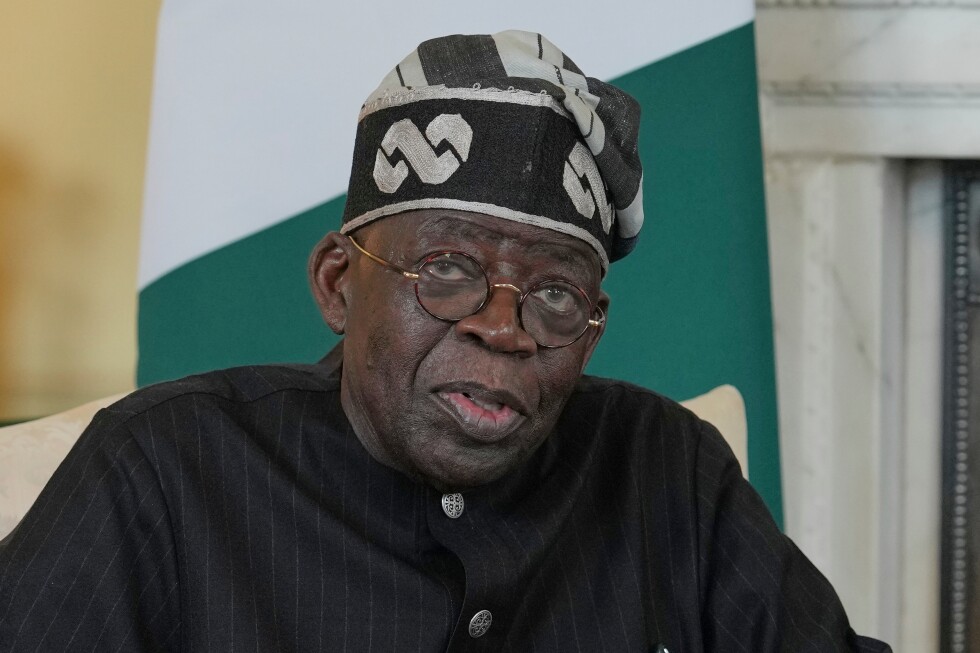
    Nigeria’s political landscape has undergone a significant realignment as prominent opposition figure Rabiu Musa Kwankwaso formally joined the African Democratic Congress (ADC), substantially strengthening the coalition challenging President Bola Tinubu’s administration. The former Kano state governor announced his departure from the New Nigeria People’s Party (NNPP) on Sunday, citing the nation’s political climate necessitating “strategic realignment,” before revealing his ADC affiliation Monday evening.

    Kwankwaso’s defection represents a major development in the emerging opposition alliance that now incorporates several political heavyweights, including former Vice-President Atiku Abubakar and ex-state governor Peter Obi—both formidable opponents to President Tinubu in the 2023 elections. This consolidation creates a unified front against the ruling All Progressives Congress (APC), which has maintained power since 2015.

    The ADC coalition gains considerable strategic advantage from Kwankwaso’s extensive support base in predominantly Muslim northern Nigeria, a crucial voting bloc in national elections. His followers, collectively known as the Kwankwasiyya movement and recognizable by their distinctive red caps, have demonstrated remarkable loyalty through multiple party transitions. Additionally, Kwankwaso’s previous tenure as defence minister provides the coalition with valuable security credentials as Nigeria confronts significant security challenges.

    This political reorganization occurs with less than one year remaining until Nigeria’s next general elections. President Tinubu has received the ruling party’s endorsement to pursue a second term in the January 2027 poll, with widespread expectations confirming his candidacy. The ADC has not yet selected its presidential flagbearer, presenting potential challenges in managing multiple high-profile figures within the coalition.

    The opposition consolidation develops alongside internal crises within Nigeria’s two primary opposition groups. The People’s Democratic Party (PDP) has fragmented into rival factions, diminishing its traditional position as the leading opposition force, while the Labour Party (LP) faces its own organizational challenges.

    Simultaneously, Nigeria’s electoral commission has implemented reforms addressing concerns from the disputed 2023 election. New regulations mandate electronic transmission of polling station results in real time, though opposition parties have expressed concerns about provisions permitting manual vote sorting in areas with limited internet access, warning this could compromise transparency.

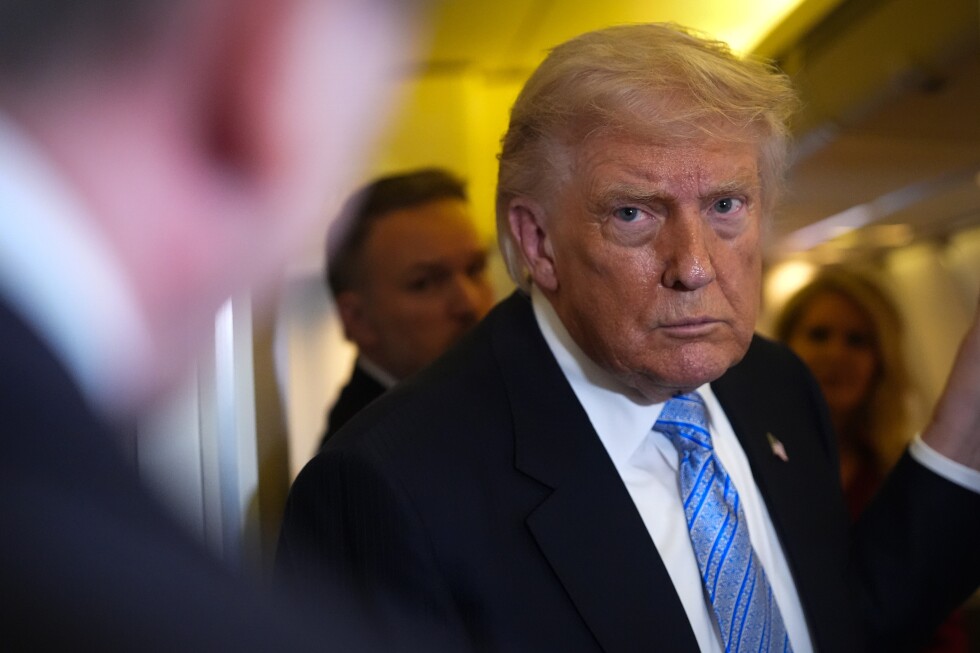
    Kwankwaso’s political trajectory has recently included international attention, with Republican lawmakers in the United States proposing sanctions against him in February regarding alleged persecution of Christians in Nigeria—claims strongly denied by both Kwankwaso and the Nigerian government, which maintains that violence affects all religious communities equally.

  • ‘This is bigger than football’ – DR Congo bid to end 52-year World Cup wait

    ‘This is bigger than football’ – DR Congo bid to end 52-year World Cup wait

    The Democratic Republic of Congo stands on the precipice of footballing redemption as its national team prepares for Tuesday’s decisive intercontinental playoff against Jamaica. This high-stakes encounter represents more than just a sporting contest—it marks a potential culmination of 52 years of waiting since the nation’s solitary, disastrous World Cup appearance in 1974 under the name Zaire.

    That ill-fated campaign left an enduring stain on African football, particularly remembered for defender Mwepu Ilunga’s infamous free-kick incident against Brazil that spawned damaging stereotypes about African players’ understanding of the game. Beyond the pitch, darker explanations emerged including unpaid bonuses and threats of violence that may have contributed to the team’s underwhelming performance.

    Current players recognize the historical significance of this opportunity. Burnley defender Axel Tuanzebe described it as “the biggest game in my football career,” while former captain Gabriel Zakuani called it “the biggest game in our history.” Victory would not only secure Africa’s 10th representative at the 2026 World Cup across Canada, Mexico, and the United States but also exorcise the ghosts of 1974.

    The road to this playoff has been paved with determination. The Leopards finished second behind Senegal in their qualifying group before navigating a challenging African playoff bracket that included victories over Cameroon and a penalty shootout triumph against Nigeria.

    This new generation represents a different Congo—one that has strategically leveraged its global diaspora. Of the current 26-man squad, only eight were born in Congo, with ten born in France, five in Belgium, two in Switzerland, and one in England. West Ham defender Aaron Wan-Bissaka, among those recruited from European leagues, emphasizes his pride in representing his parents’ homeland despite being raised abroad.

    The team’s success contrasts sharply with domestic football’s challenges. The Congolese league system remains plagued by instability, with the 2022-23 season abandoned after government withdrew travel subsidies. The national federation has been under FIFA-appointed administration since April 2023 after former president Constant Omari was suspended from football activities.

    Paradoxically, while domestic football struggles, the government has invested millions in sponsorship deals with European giants Barcelona, AC Milan, and Monaco—a decision that has drawn criticism from those who believe the funding should support local football development and address pressing domestic issues including unpaid civil servant salaries.

    For the nation’s 110 million citizens, football represents a rare source of unity and hope amid ongoing conflict in eastern regions where M23 rebels control key cities. The national team’s awareness of this responsibility was evident during the 2023 Africa Cup of Nations when players staged a poignant protest before their semifinal, covering their mouths and pointing finger-guns to their temples to draw attention to the violence back home.

    As kickoff approaches in Mexico, Congolese fans face practical challenges in celebrating their team’s potential triumph. The time difference means the match will occur during nighttime hours, and safety concerns in conflict-affected areas like Bukavu make public viewing dangerous. Most supporters will watch from home, hoping their team can finally rewrite a half-century of World Cup disappointment.

  • Korir banned for five years over doping admission

    Korir banned for five years over doping admission

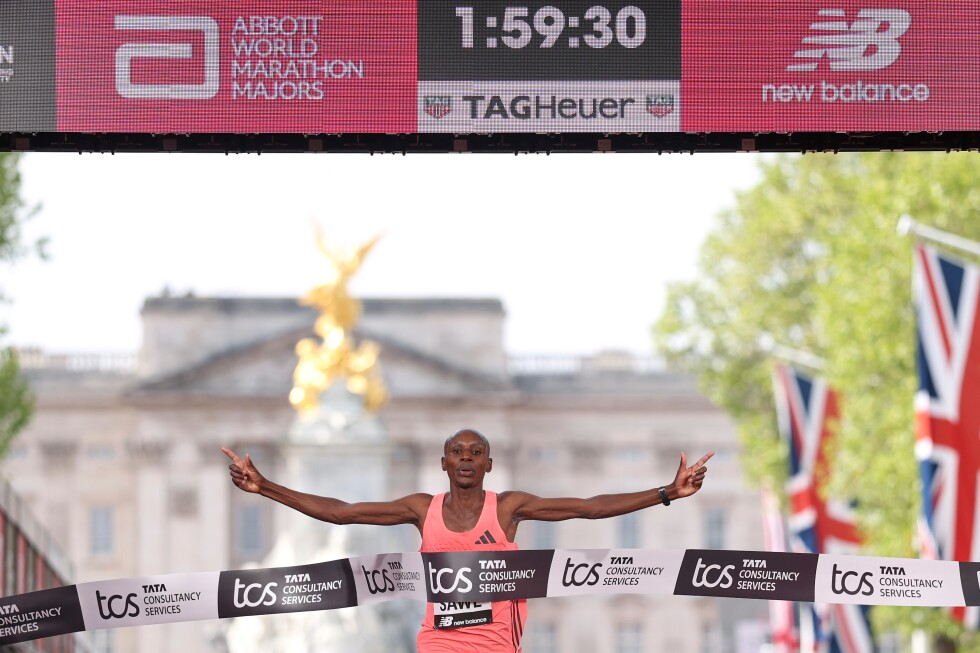
    Kenyan long-distance runner Albert Korir, the 2021 New York Marathon champion, has been suspended from professional athletics for five years following confirmed doping violations. The Athletics Integrity Unit (AIU) announced the sanction after Korir admitted to using CERA (Continuous Erythropoietin Receptor Activator), an advanced blood-boosting agent classified as a prohibited substance.

    The 32-year-old athlete tested positive for the performance-enhancing drug during three separate out-of-competition tests conducted in October 2025. CERA represents a sophisticated third-generation version of erythropoietin (EPO), designed to increase oxygen-carrying capacity and endurance.

    As a consequence of these anti-doping violations, all competitive results achieved by Korir since October 2025 have been nullified. This includes his third-place finish at the November 2025 New York Marathon, where he completed the race in 2:08:58. British athlete Patrick Dever, who originally finished one second behind Korir, will now be elevated to the bronze medal position.

    The AIU emphasized that the multiple positive tests demonstrated “clear evidence of the athlete’s use of a prohibited substance on multiple occasions.” Korir received a one-year reduction from the standard six-year suspension due to his timely admission of the violations. His competitive ban will remain in effect until January 7, 2031.

    Korir’s career highlights include consecutive runner-up placements in the New York Marathon (2019 and 2023) alongside his 2021 victory, which he completed in 2:08:22. This case follows recent disciplinary action against women’s marathon world record holder Ruth Chepngetich, another Kenyan athlete who received a three-year suspension last October for similar anti-doping violations.