博客

  • UN warns of ‘supersized’ El Niño as countries prepare for impact

    UN warns of ‘supersized’ El Niño as countries prepare for impact

    United Nations Secretary-General António Guterres has issued a stark warning that the globe has entered a ‘danger zone of extreme weather’ as a historically powerful El Niño event begins to send disruptive impacts across every continent. New data from the World Meteorological Organization (WMO), a UN specialized agency, indicates this climate event could become the strongest El Niño recorded in more than 70 years, with its far-reaching effects expected to persist through at least February 2027.

    El Niño, a natural climate pattern originating in the tropical Pacific Ocean driven by shifting trade winds that push warm surface water eastward, triggers profound disruptions to global weather systems. It creates prolonged drought in some regions while supercharging typhoons and catastrophic flooding in others, and amplifies global surface temperatures on top of the long-term warming already driven by human-caused climate change.

    “El Niño is being supersized before our eyes. The science leaves no room for doubt: the planet is in uncharted waters, and those waters are heating up,” Guterres stated in his warning.

    Latest ocean temperature readings confirm the rapid strengthening of this event. In recent months, sea surface temperatures in the central and eastern tropical Pacific have spiked dramatically, with key monitoring regions recording readings more than 2°C above the long-term average. Forecasts project monthly anomalies could approach 4°C above average in the coming months, pushing this event past the ‘very strong’ threshold to become the most intense El Niño since at least 1950, potentially by a substantial margin. Even more striking anomalies have been recorded below the ocean surface, where some areas are more than 8°C warmer than average.

    Above-normal ocean temperatures are also projected across the Indian Ocean, tropical Atlantic, and sections of Australia’s coastline, bringing heightened risk to the country’s unique marine ecosystems. Australia has already seen a string of climate change-fueled marine heatwaves in recent years, and El Niño typically amplifies the extreme ocean heat that drives these events.

    Dr. Alistair Hobday, chief researcher at Australia’s national science agency, told the BBC that while forecasts predict the Great Barrier Reef will avoid the most severe heat stress this year – giving vulnerable coral populations valuable additional recovery time – southern parts of the country face extreme impacts. When the region last suffered a major marine heatwave, the event caused mass penguin starvation, large-scale fish die-offs, toxic algal blooms, and widespread jellyfish invasions. Australia has rolled out new early warning systems for marine crises that allow policymakers to activate financial support for fishing industries, relocate at-risk species, and step up coral monitoring, but Hobday acknowledged deep concern over the unprecedented intensity of the approaching event.

    The WMO projects major shifts to global rainfall patterns over the coming months, with impacts that will ripple through communities and global trade. Much of Southeast Asia, Central America, and northern South America are forecast to see far drier conditions than average, raising the risks of severe drought and destructive wildfires. In anticipation of low rainfall that will limit water levels along its key shipping route, the Panama Canal will cut daily vessel transits by more than 10% starting this week. The canal supports 14,000 annual ship passages, serves as a critical artery for global trade, and generates roughly $3 billion in annual revenue for Panama, making the cuts a significant economic concern.

    In Indonesia, authorities are already working to contain wildfires that have burned over 107,000 hectares of land across the country this extended dry season. A Central Kalimantan resident told BBC News Indonesia that blazes have burned for more than a month, leaving thick smoke that stings the eyes and lingers in the air. The government has deployed cloud-seeding aircraft to trigger rainfall, allocated emergency resources, and arrested dozens of people accused of intentionally setting fires to clear land for development.

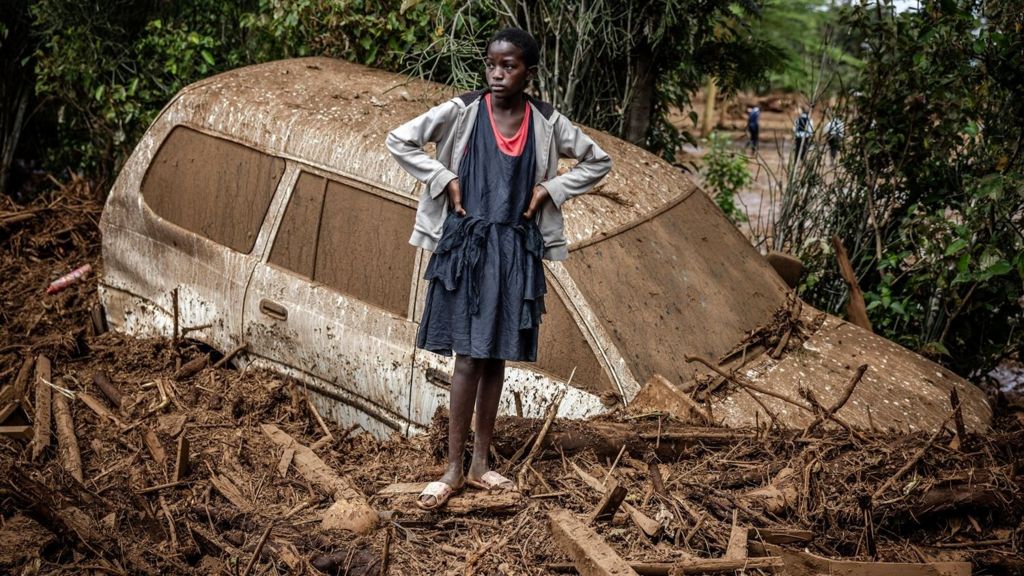
    Across the globe, other regions face the opposite risk: above-average rainfall and devastating flooding. Eastern Africa, southern Brazil, and the southern United States all face elevated flood risk, while China has already seen a surge in typhoon activity linked to the super El Niño, with seven storms projected to make landfall this year. Three typhoons hit the country in July alone, leaving dozens dead, and more than one million people were evacuated as Typhoon Dolphin brought destructive winds and torrential rain in August.

    WMO Secretary-General Celeste Saulo warned that El Niño “has the potential to deliver a massive blow to communities and economies across the world. We are already seeing disruption and devastation from droughts and floods and we expect these impacts to increase as El Niño intensifies.”

    All these risks are compounded by long-term anthropogenic climate change, which amplifies the intensity of extreme weather events linked to El Niño. While some research suggests climate change may be making individual El Niño events stronger, this hypothesis has not yet been confirmed by consensus science.

    Peru, which borders the warming eastern Pacific, is among the most vulnerable nations to this event. Past strong El Niños have brought extreme rainfall, deadly flash floods, and destructive landslides to Peru, neighboring Ecuador, and parts of Brazil, particularly in densely populated urban areas with poor drainage.

    Miguel Aréstegui, climate resilience lead at the non-profit Practical Action which supports extreme weather preparedness in vulnerable nations, said that while the scale of the event warrants serious concern, that urgency should translate to preparedness rather than panic. Aréstegui noted that Practical Action and its partners have spent years expanding public access to early warning systems, including real-time data on river levels, flood risk, and weather forecasts. At the end of last month, the U.S. announced it would deploy the hospital ship USNS Comfort to the Peruvian coast to provide additional medical support and technical equipment ahead of the event’s peak intensity.

    Even with these preparedness measures, Aréstegui emphasized that El Niño’s impacts are worsened by long-standing structural vulnerabilities that take far longer to address. “El Niño does not arrive in a vacuum,” he said, pointing to unplanned housing in high-risk flood zones, fragile water and sanitation infrastructure, and under-resourced healthcare systems as persistent challenges that amplify harm from extreme weather.

    To respond to the event, the WMO has launched a major global mobilization effort to distribute El Niño-linked extreme weather forecasts to as many at-risk communities as possible. While many nations have strengthened early warning systems and pre-positioned emergency medical support, the unprecedented intensity of this event has raised sharp concerns about outcomes for the world’s most vulnerable populations.
  • India’s GDP growth defies oil shock but stirs up controversy

    India’s GDP growth defies oil shock but stirs up controversy

    India’s economy has delivered a shockingly strong first-quarter growth performance that has simultaneously cheered government leaders, divided economic analysts, and reignited fierce political debate over the country’s uneven economic trajectory. The 7.8% year-on-year GDP expansion, released earlier this week, far outpaced most private forecasts, prompting a celebratory post from Prime Minister Narendra Modi on social platform X, where he wrote, “Doomsayers were doomed and India bloomed… Yet again.”

    On paper, the robust growth figure comes as a much-needed boost for Modi, who has recently faced widespread public backlash—particularly from young students—over the government’s handling of widespread exam paper leaks and persistent elevated youth unemployment. Long-running concerns over these issues remain unresolved, but the better-than-expected data suggests the federal government has successfully navigated the economic fallout of geopolitical instability in the Middle East, even with India’s heavy reliance on imported crude oil.

    Sajjid Chinoy, chief India economist at global investment bank JP Morgan, explains that a cyclical growth recovery has been building for six months, fueled by substantial fiscal support measures: direct tax cuts implemented in February 2025, a reduction in consumption levies rolled out last September, and a 150 basis point cut in interest rates since the start of 2025. “But the question was, could India insulate that recovery from events in the Middle East, and this is where the government deserves enormous credit,” Chinoy told India Today. He added that New Delhi’s rapid push to diversify energy import sources following the Strait of Hormuz blockade was critical to shielding domestic economic expansion from global energy market chaos.

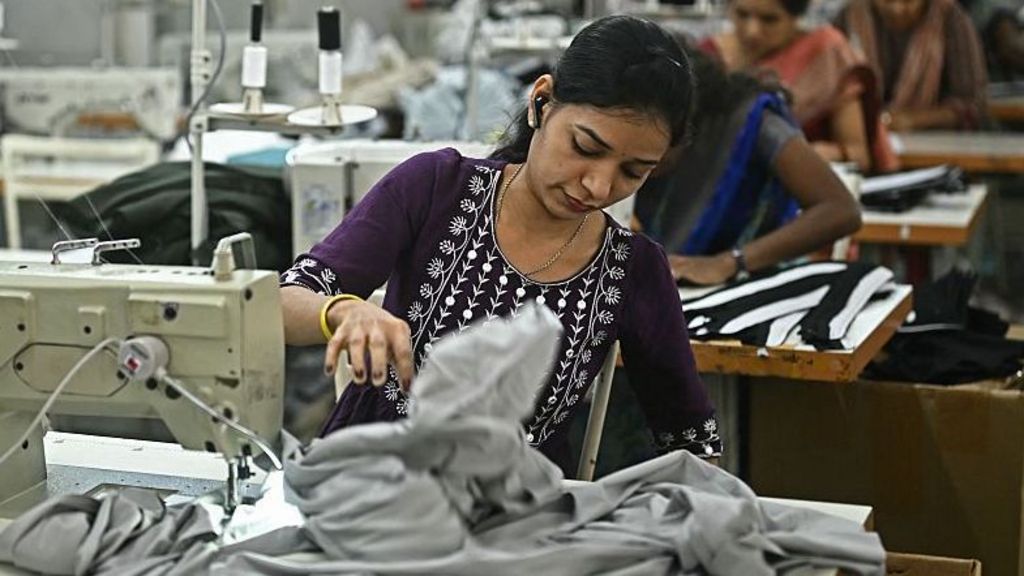
    Two additional key factors have helped Asia’s third-largest economy outperform expectations: accelerating export growth and a long-awaited rebound in private corporate investment, a sector that has been a major source of concern for economists for years. Despite ongoing global tariff uncertainties, Indian exports jumped 12% in the quarter, supported by strong global demand and a weakened rupee. Economists estimate the rupee has depreciated 15% against the U.S. dollar, which has boosted the international competitiveness of Indian goods, driving higher overseas demand.

    For the first time in years, corporate India is also ramping up capital expenditure on new facilities and production capacity. Gross fixed capital formation, a core metric measuring total public and private domestic investment, rose nearly 12% in the first three months of the year. Madan Sabnavis, chief economist at state-run Bank of Baroda, told the BBC that non-government data confirms rising corporate investment intentions in recent months, with major projects concentrated in high-growth sectors including data centers, renewable energy, and metals. “Of course, private investment is not broad-based yet, but these are definitely signs of a pick up,” Sabnavis noted.

    While the strong GDP numbers have led multiple private brokerages to upgrade their full-year growth forecasts, they have also ignited a fierce public debate and sharp political clashes over the credibility of the data. Senior opposition leader Jairam Ramesh has dismissed the 7.8% figure as “statistical gymnastics,” accusing the Modi government of repeatedly altering calculation methodology to hide what he calls “India’s dire economic reality.” A former Indian finance secretary also raised questions, arguing the growth number was inflated by newly revised baseline data from the same period a year prior—a claim the federal government has strongly rejected, noting that regular revisions are a standard, established part of GDP accounting.

    The government’s position on data methodology received backing from Neelkanth Mishra, World Bank executive director for India, who stated that the updated GDP series “cleaned up the data and also significantly improved the methodology,” strengthening the credibility of the official estimates. Even so, prominent economic figures including former Reserve Bank of India governor Raghuram Rajan have questioned why rapid officially reported growth has not translated into stronger job creation or higher foreign direct investment inflows. Adding to the mixed picture, Indian stock markets largely ignored the positive GDP news, failing to post meaningful gains after the data release.

    Beyond the statistical debate, underlying domestic and global risks mean it may be too early to declare a sustained growth boom. In the near term, government spending is projected to decline in coming months as policymakers face growing pressure to meet fiscal deficit reduction targets. HSBC analysts also note that the consumption-boosting impact of earlier consumption tax cuts is expected to fade before the end of the year.

    Additionally, a below-average monsoon season and El Niño-influenced weather patterns have put significant pressure on India’s rural agrarian economy, which supports half of the country’s population. As of August 27, cumulative nationwide rainfall was 13% lower than the long-term average. Rating agency CareEdge noted in a recent analysis that this creates “clear risks to agriculture, rural demand and food inflation [even though] India appears better prepared than in past episodes.”

    Prices for staple food goods including sugar and onions have already spiked across the country, forcing the government to deploy special supply trains to major urban centers to meet demand. India’s retail inflation hit a 15-month high of 3.9% in May, and most economists expect further increases, with some predicting inflation will reach the upper limit of the Reserve Bank of India’s target tolerance band if monsoon conditions remain weak.

    Against a backdrop of strong growth and rising inflation, most financial institutions are now predicting the central bank will raise interest rates in the coming months. When combined with expectations of slowing global growth (which would cut demand for Indian exports), volatile input and energy costs driven by ongoing geopolitical uncertainty, many analysts warn that the current growth surge—whether credible or not—may already be near its peak.

  • Russia to close German cultural centers after Berlin blames Moscow for airport drone plot

    Russia to close German cultural centers after Berlin blames Moscow for airport drone plot

    A fresh wave of diplomatic escalation between Russia and Germany has sent tensions soaring across European political circles, following Berlin’s accusations of a Russian-state-backed attempted drone attack at a key German airport. On Thursday, Russian Foreign Minister Sergey Lavrov announced Moscow’s decision to shutter all of Germany’s Goethe-Institut cultural centers operating across Russian territory, with targeted closures confirmed in three major cities: Moscow, St. Petersburg, and Yekaterinburg.

    This countermove comes directly in response to actions taken by Berlin earlier this month, after German authorities blamed Moscow for an explosive drone plot discovered at Leipzig/Halle Airport on August 4. The airport, a critical international freight hub that logistics support for Kyiv amid the ongoing war in Ukraine, had an explosive-laden drone found near a Ukrainian aircraft, which was safely defused by bomb disposal teams. Following the incident, Germany moved to close the Russian Consulate in Bonn and the Russian House cultural center in Berlin, cutting off two key Russian cultural and diplomatic presences in the country.

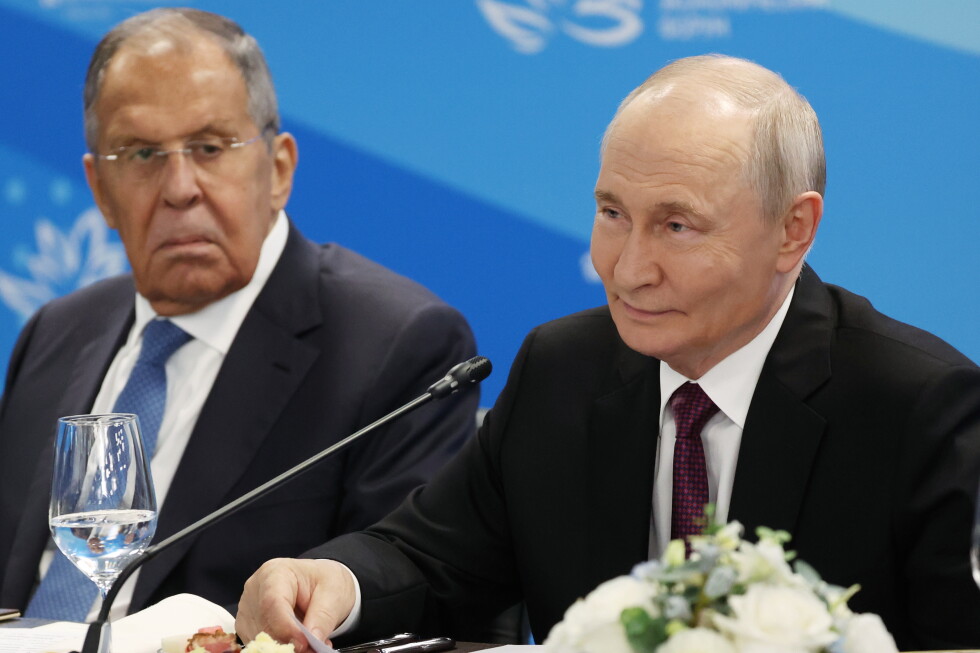
    Speaking from the Eastern Economic Forum held in Vladivostok, Lavrov emphasized that any response less than the closure of German cultural institutions would have amounted to a betrayal of Russian self-respect. He added that German leadership could not have failed to anticipate that shutting down Russian House in Berlin would trigger a reciprocal end to Germany’s own cultural footprint within Russia’s borders.

    The incident has sparked broader debate across the European Union, where foreign ministers gathered this week in Ireland to debate a coordinated bloc-wide response to the alleged attack. EU High Representative for Foreign Affairs Kaja Kallas told reporters ahead of the closed-door meeting that the attempted attack bears all the markings of state-sponsored terrorism, though ministers struggled to reach consensus on new non-military retaliatory measures. Options on the table included expanding existing sanctions, imposing new visa restrictions on Russian officials, and ordering the closure of additional Russian consulates across EU member states.

    To date, the EU has rolled out nearly 24 separate packages of economic and political sanctions against Moscow over its full-scale invasion of Ukraine, targeting more than 3,000 individuals and entities ranging from senior government officials and billionaire oligarchs to major Russian banks, energy firms, and drone manufacturers. Kallas confirmed that the bloc is already finalizing new travel bans and asset freezes for an additional 1,600 Russian individuals tied to the Kremlin’s war effort.

    Western governments have broadly accused Russia of waging a sustained campaign of hybrid sabotage and disruption across Europe, aimed at eroding public support for Ukraine and destabilizing Western political institutions. Berlin has pushed back against Russian denials, noting that while Germany is “not at war” with Russia, it has become a regular target of the Kremlin’s hybrid operations.

    Russian President Vladimir Putin has rejected all accusations out of hand, arguing that German authorities are pushing the unsubstantiated claims to distract voter attention from domestic policy failures and growing public discontent with Berlin’s current governing agenda. All evidence presented to back up the sabotage allegations has been “planted,” Putin claimed. German Foreign Minister Johan Wadephul countered that Berlin had thoroughly prepared for the fallout of its actions, and that “now Russia must live with these consequences.” He also called on Moscow to return to the negotiating table for productive talks, particularly to resolve the ongoing conflict in Ukraine.

  • German far-right party targets iconic Bauhaus school ahead of landmark state election

    German far-right party targets iconic Bauhaus school ahead of landmark state election

    Nearly 100 years after the Nazi regime forced one of the 20th century’s most influential art and design movements to close, Germany’s iconic Bauhaus school has re-emerged as a flashpoint in a bitter cultural conflict between the country’s centrist political establishment and the far-right Alternative for Germany (AfD) party.

    Founded by architect Walter Gropius in Weimar, Germany, in 1919 before relocating to its iconic Dessau campus, Bauhaus revolutionized global creative practice by erasing traditional boundaries between fine art and industrial manufacturing. Its radical interdisciplinary approach laid the groundwork for modern mass-produced design and contemporary architecture, and its aesthetic legacy shapes creative fields around the world to this day. When the Nazis rose to power in 1933, they labeled the movement degenerate art and forced the school to shut down, driving most of its faculty and students into exile. Bauhaus practitioners spread the movement’s philosophy across the globe, from Chicago’s modernist skyline to Tel Aviv’s White City, cementing its status as one of Germany’s most important cultural contributions to the world. Today, the original Dessau campus and accompanying museum draw 150,000 international visitors annually, remaining a top cultural attraction and a symbol of Germany’s progressive creative identity.

    Now, as the eastern German state of Saxony-Anhalt prepares for a pivotal state election this Sunday, the far-right AfD has once again targeted Bauhaus as part of its nationalist campaign. The party is projected to win an absolute majority in the state legislature — a historic shift that would mark the first time a far-right party has controlled a German state government since the end of World War II. If successful, the outcome would send shockwaves through German national politics and raise urgent questions about the future of cultural freedom in the region.

    In AfD’s state-level election platform, the party has condemned Bauhaus for intentionally rejecting what it calls “national rootedness,” and labeled the movement an “aberration of modernism.” During a 2024 debate in Saxony-Anhalt’s state parliament, AfD cultural policy spokesperson Hans-Thomas Tillschneider went further, claiming that Bauhaus “violated the human need for security and comfort in every conceivable way.” The party has also pledged to replace the state’s current marketing slogan “Think Modern” with the nationalist catchphrase “Think German,” arguing that the existing tagline represents a “policy of a lack of identity.”

    While lead AfD candidate Ulrich Siegmund has attempted to soften the party’s stance in recent campaign appearances, telling the Associated Press that “Bauhaus itself wasn’t a problem” and that the party merely objected to centering Bauhaus as the sole representation of German culture, political analysts warn that an AfD majority would give the party the power to slash state funding for the Bauhaus Dessau Foundation.

    The AfD’s attacks have sparked fierce pushback from Germany’s national cultural leadership and mainstream cultural institutions. German Culture Minister Wolfram Weimer, who is leading the defense of Bauhaus, drew a direct parallel between the AfD’s rhetoric and the Nazi persecution of the movement a century ago. “The AfD is attacking the Bauhaus, using the very same words the Nazis used 100 years ago,” Weimer told the AP. “And that is why democrats, whether they lean conservative or left, are fighting back against it.” Weimer emphasized that Bauhaus has grown into a global brand synonymous with innovative design, progressive architecture, and cross-disciplinary creative practice, adding that the movement’s open, collaborative ethos has long been a target of authoritarian far-right ideology. “This idea, which is very modern, of bringing together elements from different disciplines has always been hated by the far right. The Nazis banned and persecuted it. And today we have new Nazis … growing stronger, and attacking the Bauhaus all over again.” To protect the institution, Weimer vowed that Germany’s federal government will continue to fund the Bauhaus Dessau Foundation independently, guaranteeing its survival and autonomy even if the AfD wins the state election.

    In August, Weimer spearheaded a pro-Bauhaus manifesto pushing back against the AfD’s attacks, which has now been signed by more than 2,500 cultural institutions, individual creators, faith groups, and civic organizations. The manifesto commits the broad coalition to defending Bauhaus from anti-democratic aggression, and rejects cultural nationalism that runs counter to the movement’s values. “The Bauhaus stands for intellectual, social, and aesthetic openness and continuous renewal. It stands for exchange, transnational networking, and mutual inspiration. This openness is a great strength of German culture and enriches Germany,” the document reads.

    Barbara Steiner, director and CEO of the Bauhaus Dessau Foundation, welcomed the widespread show of support, and dismissed the AfD’s criticisms as based on a false, stereotyped version of the movement that never existed in history, nor exists today. “They have in mind a version of the Bauhaus that never existed historically and, of course, doesn’t exist today either,” Steiner said.

  • Shopping to bar-hopping: USS Abraham Lincoln sailors unwind in Thailand after 250-day voyage

    Shopping to bar-hopping: USS Abraham Lincoln sailors unwind in Thailand after 250-day voyage

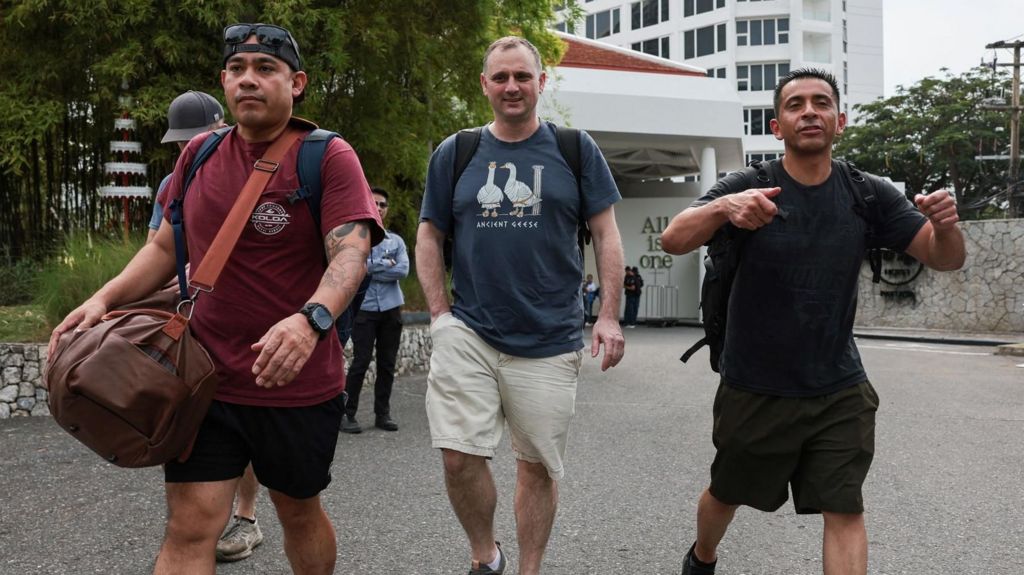
    After 250 consecutive days at sea on combat operations in the Middle East, nearly 5,000 sailors from the U.S. Navy’s nuclear-powered aircraft carrier USS Abraham Lincoln finally stepped onto Thai soil in the coastal resort city of Pattaya this Wednesday, wrapping up one of the longest carrier deployments in recent U.S. military history.

    Far from the raucous reputation that defines much of Pattaya’s popular culture, most sailors filled their first hours on land with an activity many had craved for months: casual shopping. Clustered in the lobby of the beachfront Hard Rock Hotel, one of two designated accommodations for off-ship crew, sailors chatted and showed off their newly purchased goods, a quiet contrast to the neon-lit nightlife the city is famous for. For men and women who spent nine months confined to the steel hull of a warship, sharing tight quarters with thousands of other service members, even a routine trip to a local shopping mall felt like a much-needed respite from deployment life. With their sharp military haircuts and branded navy t-shirts, the crew stood out easily against the city’s usual crowd of vacationers in flip-flops and casual beachwear.

    As night fell, Pattaya shifted into its well-known energetic rhythm, with neon signs lighting up the coastline and the famous Walking Street promenade buzzing with activity. The city’s iconic entrance even erected a large, glowing welcome sign for the USS Abraham Lincoln’s crew, opening the entire strip to visiting sailors. Still, official Navy rules placed the small cluster of venues that make up Pattaya’s sex industry strictly off-limits – a disappointing turn for the workers who line Soi 6, who had been anticipating a major economic boost from the crew’s nine months of unspent deployment salaries.

    Pattaya’s local tourism sector has already felt significant strain from ongoing Middle East tensions, which have kept the international tourists the city relies on away from its shores. That makes the Navy port call an especially welcome influx of visitors for local businesses, even with restricted access to certain parts of the city. By midnight, dozens of younger sailors were already leaning on one another after a night of relaxed drinking, while others wandered tentatively into the city’s iconic red-lit go-go bars, drawn to the entertainment on offer.

    For most crew members, the break could not come soon enough. Amid the thumping bass of Walking Street’s bars, one veteran crew member shared what nine months at sea had felt like: “The news says we’ve been at sea for nine months. To be honest I’ve lost track of time. It got boring. It’s never big enough on board. It’s big but it still feels like a boat, especially when you’re sharing it with thousands of people.” When asked how long until he returned home to California, he answered simply: “Too long.”

    Families back in the U.S. have also waited anxiously through the extended deployment. Shakeira Fairfax, mother of 25-year-old crew member Jada Fairfax, told Reuters that morale among the crew had dipped multiple times through the deployment, especially after the outbreak of new hostilities in the Middle East. “It was an uncertain and scary time,” she said. “I just can’t wait to see her smile. I can’t wait to hear ‘mum’, I know that’s the first thing she’s gonna say.”

    The crew has remained strictly prohibited from speaking publicly about the carrier’s operations during its combat mission against Iran, a deployment that has drawn significant political and public criticism back in the United States. Most sailors declined to comment on operational details, and many referred all media questions to the Navy’s official media teams. Patrolling throughout Pattaya during the port call are members of the Shore Liaison Group, identifiable by their SLG-branded t-shirts. Their core mission is to uphold Navy discipline, look after younger, inexperienced crew members new to foreign port calls, and coordinate with local Thai law enforcement and government authorities throughout the visit.

    U.S. Naval Attaché Kristopher Robinson declined to answer specific questions from the BBC about restricted activities during the crew’s time in Pattaya, noting only that “we’re trying to give the sailors as much opportunity for rest as they can.” He added that all U.S. personnel would “conduct themselves in accordance with U.S. law, U.S. naval regulations, and the laws of Thailand.”

    The choice to schedule a port call in Pattaya follows long-standing protocol for the U.S. Navy, which has a decades-long history of ship visits to Thailand – a close U.S. treaty ally in Southeast Asia. The resort city also falls naturally along the carrier’s route from the Persian Gulf back to its home port in California, creating a convenient stop for the crew to decompress after a grueling extended deployment. If the break achieves its goal, much of the frustration that built up over the unexpected long mission will fade before the crew ever returns to U.S. soil.

  • ‘Catch me if you can’: Runaway emu sparks Australian police chase

    ‘Catch me if you can’: Runaway emu sparks Australian police chase

    In a delightfully absurd incident that has taken social media by storm, a young Australian police officer’s foot chase after a runaway emu on a regional country road has captured global attention — and New South Wales Police are turning the viral moment into an unlikely recruitment draw. The commotion began when locals in Nashdale, a small community located roughly 270 kilometers west of Sydney, alerted authorities to the large flightless bird, which had wandered onto a main public road. Left unaddressed, the emu posed a clear hazard to passing motorists and its own safety, prompting a quick response from local law enforcement.

    When the young officer arrived on scene, he quickly launched into a foot pursuit to corral the wayless emu, picking up speed in an attempt to corner the notoriously fast bird. Despite his best efforts, the emu outpaced him every step of the way, a hilarious back-and-forth that was caught on camera. Police shared the clip to their Facebook page this Tuesday, framing the encounter as a light-hearted example of the unpredictable nature of regional policing.

    In their post, the department noted that after a quick round of the wild game of “catch me if you can”, the officer ultimately succeeded in herding the emu away from the pavement before any collisions or major disruptions could occur. “It’s not every day you find yourself conducting traffic management for an emu, but that’s policing,” the post read. They added that for anyone seeking a career where “every day brings something new”, a role as an officer in regional Australia delivers exactly that kind of unpredictable adventure.

    Speaking to local media, Chief Inspector David Abercrombie of the Central West Police District shared that the rookie officer at the center of the chase is enjoying his 15 minutes of viral fame, with the footage racking up nearly 90,000 views in just a few days. Abercrombie joked that he was grateful the unusual call did not land on his roster, quipping: “If anyone asked me to chase an emu, it’d be more like watching a startled gazelle on Prozac. My speed would not be up to scratch.” He added that while regional officers are regularly called out to remove animals from roadways, most incidents involve livestock or kangaroos — emu encounters are far from the norm. “It’s the trials and tribulations of the life of a country cop,” he said.

    Since being posted online, the clip has sparked a wave of playful reactions from social media users, who have shared dozens of witty observations and jokes. One commenter compared the chase to classic Looney Tunes, writing: “Look, it’s the road runner, but that’s not the coyote behind him”. Another joked: “Wait until it turns around and chases him. Then we’ll see how fast he can run,” while a third quipped “At least that bird wasn’t a flight risk.” One user even referenced one of Australia’s most bizarre historical events, commenting “Emu wars revisited” — a nod to the failed 1932 Emu War, when the Australian military was called in to cull a population of emus destroying farm crops, only to end the operation with far fewer birds culled than targeted.

  • Hundreds of North Sea workers too heavy for new helicopter rules

    Hundreds of North Sea workers too heavy for new helicopter rules

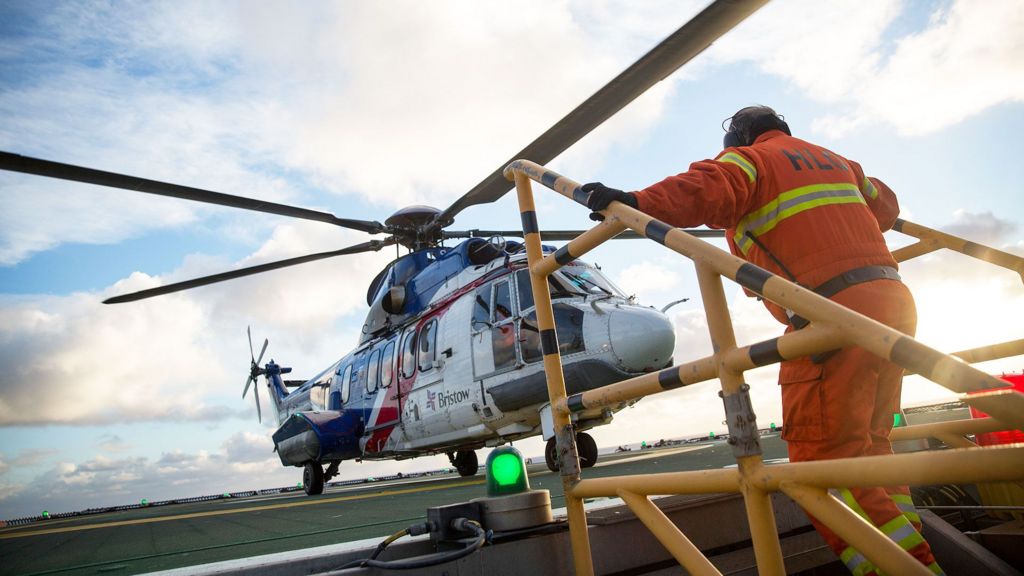
    With just two months remaining before life jacket new weight restrictions for offshore helicopter travel take full effect, hundreds of North Sea energy workers still fail to meet the new safety threshold, BBC Scotland has confirmed. The updated regulations, set to come into force on November 1, will require all offshore workers to weigh no more than 124.7kg (19st 7lb) when fully dressed in work clothing and footwear — a restriction designed to ensure that emergency winch rescues can be carried out safely during critical offshore incidents.

    The weight cap was first announced by industry representative body Offshore Energies UK (OEUK) in 2023, when initial assessments found more than 2,200 active workers exceeded the proposed limit. The most recent data, collected from more than 35,000 offshore worker records between April and August 2026, shows that while hundreds of workers have successfully reduced their weight to meet the threshold, between 500 and 800 workers remain above the cap, equal to approximately 3.4% of the total offshore workforce. That marks a notable drop from the 2022 estimate of 4.7%, but progress still leaves hundreds of workers at risk of being locked out of their jobs when the rule becomes mandatory.

    The policy was developed after a years-long industry review, prompted by a formal warning from the Maritime and Coastguard Agency (MCA) that the standard winch systems fitted to UK Coastguard rescue helicopters have a hard total maximum capacity of 249kg (39st). This total capacity must account for not just the stranded worker, but also the 90.3kg (14st) rescue technician, a 29kg (4st 7lb) emergency stretcher, and 3kg (7lb) of rescue equipment. When broken down, this leaves just 124.7kg as the maximum safe clothed weight for a rescued worker. OEUK data also shows the average weight of North Sea offshore workers has risen by 10kg (1st 7lb) since 2008, creating a growing safety gap that the new rule aims to address.

    This is not the first size-based safety regulation for offshore helicopter travel: several years ago, shoulder width restrictions were introduced, requiring workers with shoulder measurements of 56cm (22in) or more to be seated adjacent to an extra-large helicopter exit to facilitate emergency evacuation. The new weight rule expands these existing safety protocols to address life jacket rescue risks.

    For workers unable to meet the deadline, the policy carries tangible employment consequences. Anyone over the weight limit will not be issued the mandatory medical fitness certification required to work offshore, meaning they will be barred from boarding transport helicopters at heliports starting November 1. Some workers have already opted to leave the industry entirely rather than pursue weight loss, according to occupational health professionals working with the workforce.

    Aberdeen-based occupational health physician Dr Niyi Adeleke, who conducts fitness assessments for offshore workers, told BBC Scotland the regulation has been a major source of stress across the sector since it was announced. “The reaction has been varied, some people are really stressed, asking ‘what can I do?’” he said. Many workers have pursued aggressive weight loss strategies, including turning to weight loss injections and extended fasting, though Dr Adeleke noted that extreme fasting is rarely sustainable long-term. He added that while a small number of workers have chosen to leave the sector entirely or transfer to onshore or international roles, the vast majority are actively working to meet the new limit. “There are solutions which are sustainable, there is help, and please do not lose hope,” he said.

    Employment law experts note that employers have a responsibility to explore alternative roles before dismissing workers who cannot meet the weight cap. Will Rollinson, an employment specialist with Scottish law firm Brodies, said employers are required to evaluate what steps a worker has taken to lose weight, what barriers are preventing progress, and whether onshore roles can be offered to displaced workers.”Some operators would have much more scope for offering alternative roles,” Rollinson explained. “Ultimately though, if an employee whose role is offshore is unable to get below the safe weight limit, and an employer has followed a full proper process, it may be that job termination is a possibility.” He added that the remaining two-month window gives both employers and workers time to find solutions that avoid layoffs.

    OEUK health, safety and security manager Graham Skinner said the falling number of workers above the limit shows the efforts of the workforce are paying off. “It’s significantly less than when we started and that’s a great sign,” he said. “But we recognise there’s going to be some hard work to be done to continue to reduce that number in time. On 1 November, if a worker turns up at the heliport over 124kg, they will not be able to go to work.”

    Skinner emphasized that the rule was rooted in core safety priorities for the entire offshore workforce. “We identified that there’s a significant risk due to workers’ weight. That affects all aspects of their offshore work from getting on the helicopter and travelling offshore to working around confined space, working at height, but also in terms of how we might rescue them using the winch on helicopters,” he said. “When we looked at all of the risks, we felt it was important to make sure that we didn’t have workers who we wouldn’t be able to rescue if the worst thing happened to them.”

    For workers who have not yet started making changes, Skinner’s message is clear: the deadline is non-negotiable, but progress is still possible in the remaining eight weeks. “I think the message here is for people who haven’t started yet, who think this isn’t going to happen or it’s going to go away, you really have to start now because with eight weeks to go it will still be possible,” he said. “It will be hard, but we’d like to have you as part of our workforce.”

  • Channel smuggling gangs resort to ‘mega-dinghies’ as crackdown limits small boat supply

    Channel smuggling gangs resort to ‘mega-dinghies’ as crackdown limits small boat supply

    A months-long on-the-ground investigation by the BBC has uncovered a dramatic shift in tactics by people smuggling gangs operating along France’s northern Channel coast, driven by a successful joint UK-France policing crackdown that has cut the number of illegal small boat arrivals to the UK to a six-year low. With tighter patrols intercepting an estimated two-thirds of departure attempts before vessels can reach open water, criminal networks are abandoning the small, single-load boats they once relied on in favor of far larger “mega-dinghies” that carry scores of migrants at a time, raising catastrophic new risks to life at sea.

    The new strategy was thrown into sharp global focus earlier this year, when an image of a 15-meter inflatable carrying 230 migrants en route to the UK sparked widespread political condemnation on both sides of the Channel. UK ministers faced accusations of losing control of border security, while French law enforcement was once again criticized for failing to intervene in departure operations. But the BBC’s on-the-ground reporting reveals the photo was not an isolated incident: it was a public marker of a calculated adaptation by smuggling networks strained by shrinking operational opportunities and a shortage of smaller vessels. Rival criminal groups that once operated independently are now collaborating to pack more migrants onto fewer, larger vessels, with multiple more mega-dinghies already confirmed to be in preparation.

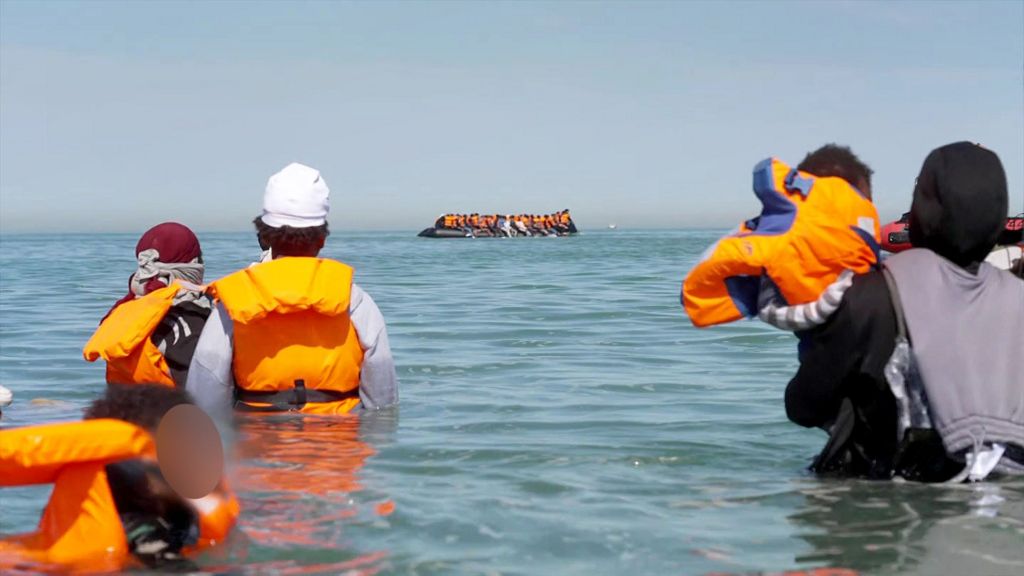
    During a low-tide observation on Gravelines Beach, one of the most active departure points along the coast, BBC correspondents witnessed first-hand how the new “taxi boat” pick-up model works. Around 09:30, a dozen migrants emerged from the shelter of sand dunes, their bright orange life vests — purchased from a local local sports retailer — marking them out clearly. Contrary to assumptions of a rushed, chaotic departure, the group moved in an orderly, pre-coordinated fashion into the shallow calm waters. Unlike traditional departures where a boat launches directly from the beach, this vessel had sailed from as far away as Belgium to avoid detection, and would return to the coast multiple times to collect groups of migrants across different stretches of the beach.

    Over three hours, the small inflatable made five separate pick-ups, eventually carrying 82 people before it set out into the Channel’s busiest shipping lane, where it was dwarfed by large passenger ferries. All on board successfully reached British waters, where they radioed for coast guard rescue, as is typical for small boat crossings. Left behind on the beach were dozens of failed migrants, including a limp toddler carried to French police for revived, amid the surreal backdrop of peak holiday season: local fishermen cast lines nearby, and dog walkers and beachgoers barely glanced at the dejected group waiting for another chance to cross. One local holidaymaker described the experience as living in “two parallel worlds,” saying “You feel guilty having a good time while these families are in such terrible situations.”

    The intensified crackdown has reshaped every part of the smuggling ecosystem. Departures, once mostly conducted under cover of darkness, now take place in broad daylight, when gangs have more time to coordinate multiple pick-ups and avoid detection. Waiting times for a crossing opportunity that once took days now stretch into weeks or even months, requiring favorable weather conditions (winds under 5 knots and waves smaller than 0.8 meters) to avoid disaster. To stay undetected near departure points, many migrants now sleep rough in dunes or nearby woods rather than accessing food, clean water, and medical care at official camp settlements. Crossing prices have also surged: from around €1,300 per person just 12 months ago to as much as €2,000 today, with gangs now demanding full cash payment upfront to guarantee a spot.

    The increased risk of catastrophe has left emergency responders on both sides of the Channel deeply alarmed. In early August alone, 170 migrants had to be rescued after their overloaded vessel caught fire mid-Channel. Tensions are also high on the ground: when the reporting team visited the largest migrant settlement near Dunkirk at Loon-Plage, they were confronted and attacked by smugglers who threw rocks at the crew, injuring the BBC cameraman above the eye, who required stitches after the team escaped to their vehicle.

    Migrants waiting to cross spoke of repeated frustration and months of squalid living conditions. One young Egyptian man who had tried and failed to cross multiple times told the BBC that French police had intercepted his group and destroyed their boat, adding that he only wanted to reach the UK to work and secure legal status. A Sudanese woman and an Afghan migrant similarly reported having attempted the crossing dozens of times without success, after weeks of waiting. Riot police had cleared settlement tents in the area just days before the reporting team’s visit, and 400 migrants had been forced to abandon a planned departure the previous day after wildfires broke out in the Hardelot Forest where they were staging.

    As UK Prime Minister Keir Starmer prepares to welcome French President Emmanuel Macron to Downing Street for the first time since taking office, London and Paris are set to announce a new joint initiative that will increase the number of police officers patrolling France’s northern coast to disrupt smuggling operations further. While UK officials have praised the current crackdown for cutting arrivals to a six-year low and credited improved cross-border coordination, thousands of migrants still successfully cross the Channel every month, and deep-rooted motivations for the journey remain unchanged. For smuggling networks, the demand for illegal crossings remains lucrative, guaranteeing that the gangs will continue to adapt their tactics to evade enforcement.

  • Pacific island nations seek to turn geopolitics into funding to offset climate change harm

    Pacific island nations seek to turn geopolitics into funding to offset climate change harm

    In the low-lying coastal community of Melekeok, a 300-person chiefdom on Palau’s largest island, storm surges driven by rising sea levels now routinely flood residential properties, forcing residents to plead for government support to relocate inland. For 43-year-old Bol Sebalt, a lifelong Melekeok resident who works as a legislative clerk and trained disaster response volunteer, the need for relocation could not be clearer — but chronic underfunding has left the community trapped.

    Sebalt already moved to a newly platted inland subdivision designated for Melekeok’s displaced population, but she remains the only resident months after relocation preparations began. Funding for critical infrastructure including plumbing, sewage systems, and street lighting has trickled in in small, fragmented batches, moving far too slow to match the accelerating pace of climate change. “We cannot move faster than climate change,” Sebalt told the Associated Press, summing up the existential crisis shared by dozens of low-lying Pacific island nations facing encroaching oceans.

    This collective crisis took center stage this week at the annual Pacific Islands Forum summit hosted in Palau, where leaders from the region’s most climate-vulnerable nations issued renewed dire warnings just days after the United Nations released a groundbreaking report confirming that global temperatures will exceed the 1.5°C safe threshold set by the 2015 Paris Climate Agreement within the next decade, driven by fossil fuel emissions from the world’s largest economies.

    “Loss and damage is a reality that currently exists in my country,” said Vanuatu Climate Adaptation Minister Ralph Regenvanu Wednesday, speaking to reporters from the sweltering outdoor summit venue. “It will only accelerate with any overshoot, encompassing economic and non-economic losses that no finance can fully restore. This includes our ancestral lands, our heritage, our identity.”

    For decades, Pacific island leaders have pressured major global greenhouse gas emitters to cut emissions enough to keep warming below 1.5°C, the threshold scientists identify as the line that would avoid the most catastrophic, irreversible impacts of climate change projected to occur if warming hits 2°C. The UN’s latest confirmation that the world will cross the 1.5°C mark in the coming years, even with temporary overshoot and efforts to cool the planet afterward, comes as too little, too late for these at-risk nations.

    Beyond the immediate threat of submerged coastlines and displaced communities, regional scientific body the Secretariat of the Pacific Community (SPC) warns that warmer ocean temperatures will devastate the Pacific’s $multi-billion tuna fishing industry, which supplies 30% of the world’s global tuna catch, as well as the mangrove ecosystems that support juvenile fish populations. Already, the 2024 El Niño event has triggered extreme drought in some parts of the Pacific and catastrophic flooding in others, a pattern scientists project will only intensify as the planet warms.

    “There is no other way out,” said Maina Talia, Tuvalu’s Minister for Climate Change. “The only way out for us is to ensure that we continue to push for 1.5, to stay alive, to stay in our countries.”

    Palau’s President Surangel Whipps Jr., this year’s summit host, used his opening address to push back against the pattern of major global powers prioritizing geopolitical influence over climate action in the strategically vital Pacific region. Whipps argued that major powers seeking a foothold in the region should redirect their efforts toward funding climate adaptation and mitigation projects, backing his call with a goal to make Palau the world’s first nation powered entirely by renewable energy.

    Despite Whipps’ appeal, longstanding geopolitical tensions quickly overshadowed opening proceedings, when diplomatic envoys from Beijing and Taipei were seated in the same row during the opening ceremony, rekindling the cross-strait rivalry that frequently distracts from climate action at regional summits. Geopolitical jostling is far from the only obstacle, however: a region-managed climate fund, the Pacific Resilience Facility (PRF), designed to deliver fast, direct funding for grassroots adaptation projects across the Pacific, has failed to secure the pledged funding from major global donors.

    While some donors have cited governance concerns about the PRF, which will be headquartered in Tonga, regional leaders note the fund was intentionally designed to bypass the slow, rigid approval processes of traditional international financial institutions, which often delay critical aid for years while donors retain control over how funding is spent. For aid-dependent Pacific communities facing immediate climate threats, that delay is fatal. “International financial institutions have very lengthy, long processes to deliver the direct access funding that we require in the Pacific,” Tonga Prime Minister Fatafehi Fakafanua told the AP. “The PRF was purposefully designed to work immediately for the urgent needs of the Pacific Island people. That is something that differentiates the PRF from the existing financial models that we are using here in the Pacific.”

    Tensions have also flared between the forum’s small island member states and its two largest, most powerful donor nations: Australia and New Zealand. Australian Prime Minister Anthony Albanese told reporters in Palau Wednesday that his country’s transition away from fossil fuels could not happen overnight, and required expanded renewable energy capacity to be feasible. “Australia is highly regarded when it comes to climate change and the talking down of Australia doesn’t happen from outside Australia, I make that point,” Albanese said.

    Just an hour later, Regenvanu pushed back on that claim, noting that as one of the world’s top fossil fuel exporters, Australia is still approving new fossil fuel expansion — a step that directly contradicts the needs of climate-vulnerable Pacific nations. “Australia is a major producer of fossil fuels,” Regenvanu said. “The very least a country like Australia should be doing is stopping future expansion and it’s not doing that.”

  • Hong Kong court upholds convictions of Cardinal Joseph Zen and others over protester relief fund

    Hong Kong court upholds convictions of Cardinal Joseph Zen and others over protester relief fund

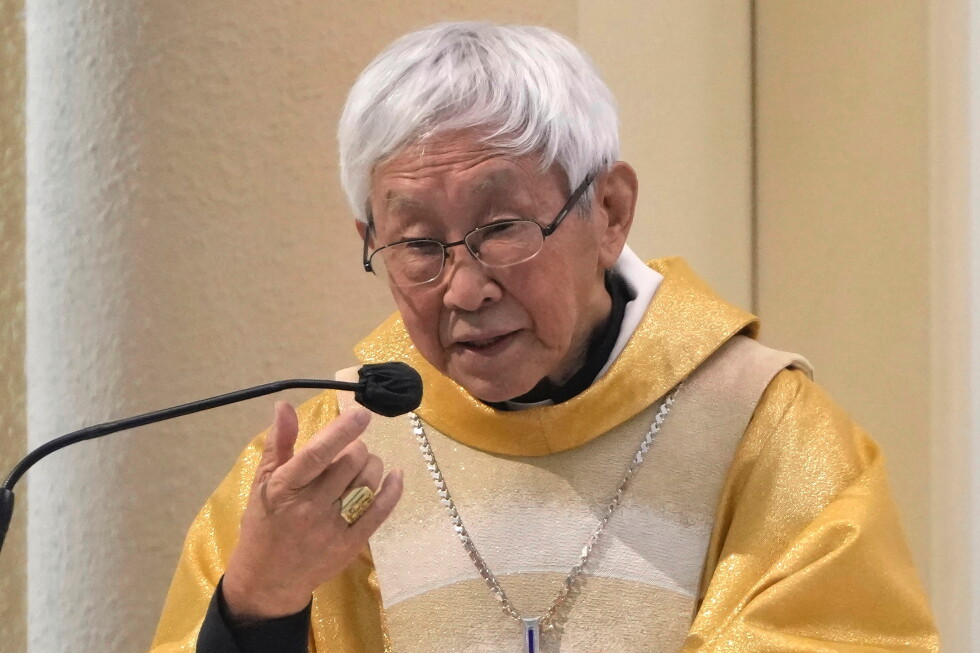
    HONG KONG – In a closely watched legal outcome that carries major implications for civil society space in Hong Kong, a local court on Thursday threw out appeals from five high-profile pro-democracy figures, including 94-year-old retired Roman Catholic Cardinal Joseph Zen, who had challenged their 2022 convictions related to an unregistered protest relief fund.

    The five defendants, all former trustees of the now-shuttered 612 Humanitarian Relief Fund, were originally found guilty of violating Hong Kong’s Societies Ordinance, which mandates that all local organizations complete official registration or secure an exemption within 30 days of founding. Each was fined 4,000 Hong Kong dollars, equivalent to roughly $512 U.S., marking the first convictions of their kind under the regulation.

    Established in 2019, the 612 Humanitarian Relief Fund was created to cover medical and legal expenses for demonstrators arrested during the large-scale anti-government protests that roiled Hong Kong that year. The movement originally erupted in opposition to a proposed extradition bill that would have allowed criminal suspects to be sent to mainland China for trial; the bill was later withdrawn, but the unrest stretched on for months. The fund ceased all operations in October 2021.

    Alongside Zen – a prominent and long-standing vocal advocate for democratic governance in Hong Kong – the other co-defendants are prominent Cantopop singer and activist Denise Ho, academic Hui Po Keung, and former pro-democracy legislators Margaret Ng and Cyd Ho.

    The case has drawn widespread global attention in the wake of sweeping political shifts in Hong Kong following the 2019 protests and the 2020 enactment of the Beijing-imposed national security law. Observers widely frame the ruling as a pivotal marker for the future of freedom of association in the semi-autonomous territory.

    Notably, all five were first taken into custody in 2021 on suspicion of violating the national security law through alleged collusion with foreign forces, though none ultimately faced formal charges under that statute. Zen’s arrest at the age of 90 sent immediate shockwaves through the global Catholic community, raising alarms about the status of religious freedom in Hong Kong. Following his 2022 conviction, Zen himself publicly stated that his case should not be interpreted as a reflection of the city’s religious freedoms.

    Since the national security law came into force, it has fundamentally weakened Hong Kong’s pro-democracy movement, leading to the arrest and imprisonment of dozens of prominent activists. The law has also eroded international confidence in the long-term commitment to the guaranteed freedoms Hong Kong was promised under the 1997 handover from British to Chinese rule. Officials from both Beijing and the Hong Kong government have repeatedly defended the legislation as an essential measure to restore public stability and national security.