博客

  • Turkey replaces Russian oil and diesel imports from US as wars reverberate

    Turkey replaces Russian oil and diesel imports from US as wars reverberate

    A major shift in global energy trade flows has emerged in recent months, with new Turkish customs data confirming that Turkey has turned to the United States for crude oil and refined petroleum products after Russian supplies were severely disrupted by intensifying Ukrainian attacks on Russian energy infrastructure.

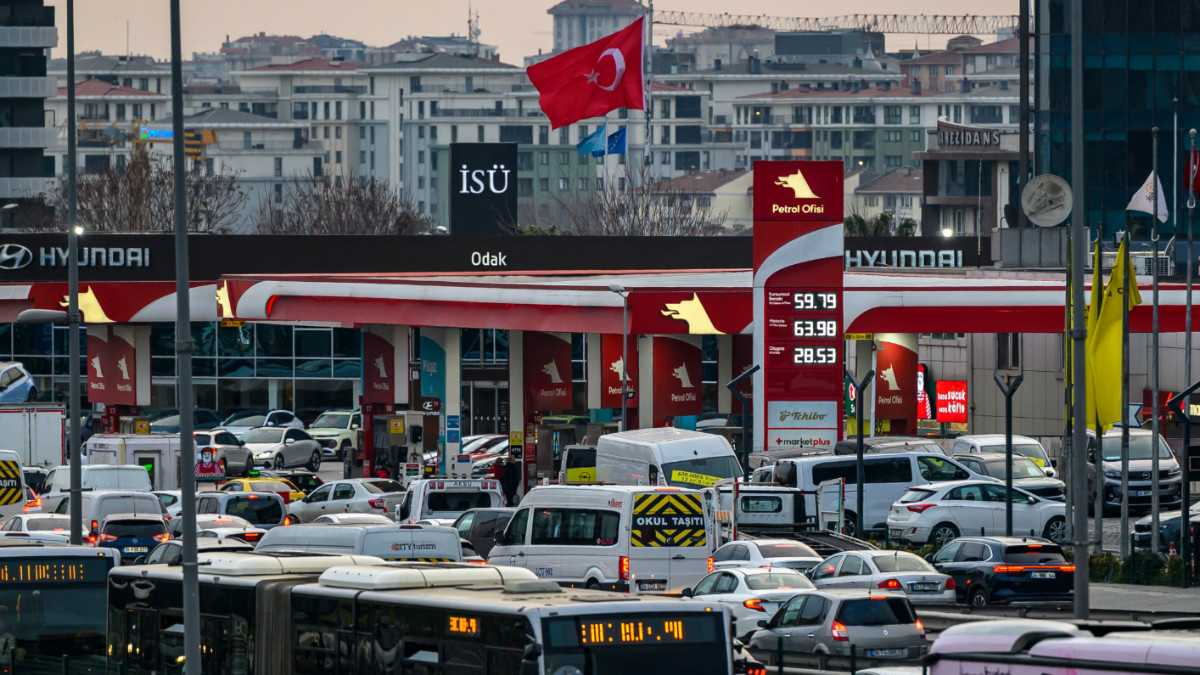
    In a historic shift that underscores the reshaping of Turkey’s energy import map, the United States surpassed Russia in June 2025 to become Turkey’s largest crude oil supplier. Data shows approximately 570,000 tonnes of US crude arrived at Turkish ports during the month, outstripping the 425,000 tonnes delivered by Russia. This shift lays bare how Ankara has steadily reduced its reliance on Russian crude, a stark reversal from its position as one of Russia’s top crude buyers in the period immediately after Russia’s full-scale invasion of Ukraine.

    Alongside cutting Russian crude imports, Turkey has also ramped up purchases of diesel from both the United States and India. Data from energy analytics firm Kpler shows that since August 2025, Turkey has imported more than 120,000 barrels per day (bpd) of diesel from India and 90,000 bpd from the United States. These volumes mark the highest level of Turkish diesel imports from these two markets since Kpler began tracking this data in 2017.

    Three interconnected factors are driving Turkey’s sweeping adjustment to its energy import portfolio. First, sustained lobbying from the Donald Trump administration pushed Ankara to expand purchases of American energy, with high-level diplomatic pressure intensifying during Turkish President Recep Tayyip Erdogan’s September 2025 visit to the White House. A former United States official told Middle East Eye on that occasion that Turkey was far more likely to reduce reliance on Russian oil than Russian gas, most of which is delivered through long-term pipeline contracts that Ankara has little incentive to abandon abruptly. As of 2024, 41 percent of Turkey’s total gas imports still come from Russia, with these supplies offering favorable payment terms that help power Turkey’s manufacturing sector and mitigate the impact of persistent double-digit domestic inflation. Just last December, Ankara extended its expiring long-term Russian gas import contract by an additional year, and Turkey has continued to position the TurkStream Pipeline as a critical alternative route for Russian gas to reach European markets amid Western sanctions on Moscow.

    Second, Russia’s domestic energy industry has been thrown into chaos by intensifying Ukrainian drone and missile strikes on key energy infrastructure. Kyiv’s military has repeatedly targeted Russian refining capacity, including strikes on Russia’s largest Siberian oil refinery and key processing facilities in Novgorod and Tatarstan. The damage to production forced Russia to implement a full ban on diesel exports in July 2025, and resulting domestic fuel shortages across Russia have further limited the country’s ability to export crude and refined products to international buyers including Turkey.

    Third, the ongoing US-Israeli military campaign against Iran has disrupted regional oil supply routes that feed into Turkish refineries, cutting off access to crude from major suppliers including Iraq, Saudi Arabia, Kuwait and the United Arab Emirates.

    This dramatic realignment of Turkey’s energy imports highlights how ongoing geopolitical conflicts continue to reshape global energy trade routes, forcing major consumer nations to rapidly adjust their supply chains to offset unexpected disruptions.

  • Watch: Inside the new Lucas Museum set to open in Los Angeles

    Watch: Inside the new Lucas Museum set to open in Los Angeles

    Los Angeles is on the cusp of welcoming a groundbreaking new cultural institution, the Lucas Museum of Narrative Art, founded by Star Wars visionary George Lucas and his wife Mellody Hobson. Scheduled to open its doors to the public in the coming months, the museum has already generated widespread excitement among art lovers, pop culture fans, and cultural tourists across the globe. What sets this new venue apart is its expansive and carefully curated collection, which boasts more than 1,200 individual works spanning a wide range of artistic mediums and narrative forms. The collection pulls together everything from classic cinematic storyboards and original illustrations to fine art paintings and digital media, all tied together by Lucas and Hobson’s shared passion for exploring how visual storytelling shapes modern culture. Unlike traditional fine art museums that focus on isolated works, the Lucas Museum is designed to take visitors on a journey through the evolution of narrative art, from early 20th century comic illustration to the cutting-edge digital design that drives contemporary blockbuster films. Pre-opening previews have already offered a sneak peek at the museum’s striking architecture, which blends seamlessly with its Exposition Park location adjacent to other major Los Angeles cultural attractions. For Lucas, the project is the culmination of decades of personal collecting and a lifelong belief that narrative art — the kind that tells stories — deserves a dedicated space to be celebrated and studied. As opening day approaches, anticipation continues to build for what is expected to become one of Los Angeles’s most visited cultural landmarks, drawing tourists and local visitors alike to experience one of the most unique private art collections ever made available to the public.

  • ‘The crowd shouted that we’d stolen someone’s genitals’ – deadly rumours spread on social media

    ‘The crowd shouted that we’d stolen someone’s genitals’ – deadly rumours spread on social media

    Between October 2025 and July 2026, more than 80 people have been killed by mobs across six African nations following baseless accusations of so-called ‘genital theft’, an investigation by the BBC Global Disinformation Unit has confirmed. The killings are tied to a dangerous viral rumor that claims a simple tap on the shoulder from an alleged thief can cause a man’s genitals to shrink or disappear entirely — a myth that has been amplified and supercharged by widespread misinformation shared across major social media platforms.

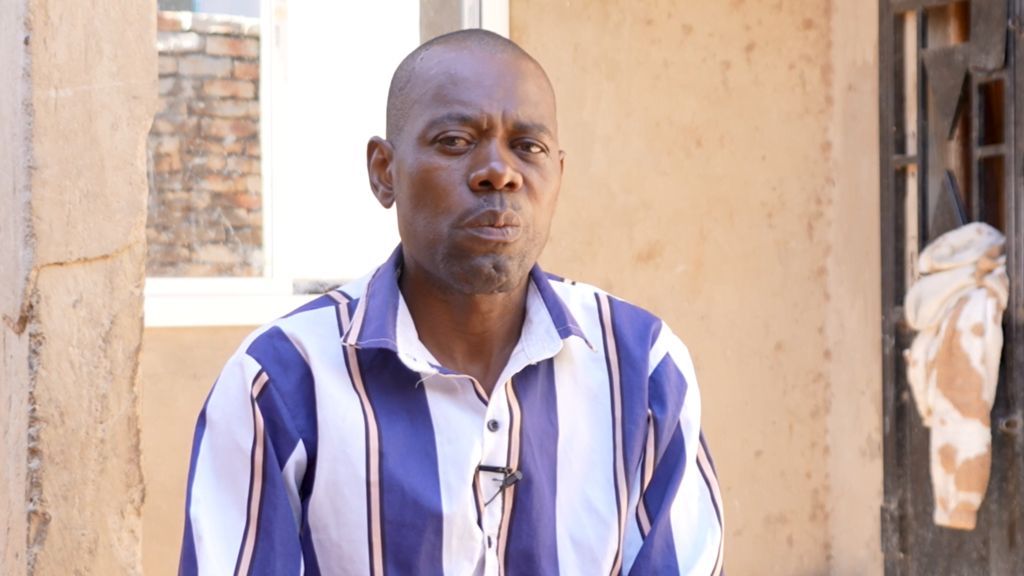
    Boniface Mgala, a 40-something mechanic from Tanzania, survived a brutal attack in April that left his friend dead. In an interview with the BBC from his home in Mpemba, near the border trading hub of Tunduma, Mgala described the terrifying ordeal that left him with permanent physical scars. He and his friend had stopped for lunch at a local restaurant after meeting a client about a car sale, when a large mob dragged them both outside. The crowd was screaming that the pair had stolen a man’s genitals, and there was no way to escape.

    Mgala lost consciousness during the beating, and woke up two days later in a hospital to learn his friend had been killed by the mob. Today, he walks with a limp, suffers from constant headaches, and has not been able to return to work at his mechanic shop. Visible scars mark his head and chin, and he lost a tooth in the attack. Even months later, the emotional trauma remains raw. “It still hurts me deeply when I think back to the senseless manner my friend died,” Mgala told the BBC. “To suddenly find yourself being pelted with stones for no reason, and then end up losing your life?”

    On the same day of Mgala’s attack, a 23-year-old commercial photographer named Michael Silavwe witnessed a second fatal assault in Tunduma. He told the BBC that anxiety had been building for weeks after videos about genital theft began circulating on TikTok. He saw a crowd beat a man accused of theft, then set him on fire before police arrived and the crowd scattered. Locals like 50-year-old tailor Asha Steven Mwakilasa say they now understand the rumors are untrue, but the fear lingers. “I still get anxious when my husband or sons are out,” she said, though she added that increased police patrols have helped ease some of the tension.

    Local officials say some of the violence has been deliberately stoked for personal gain. “Local investigations suggest there was deliberate criminal intent behind some of the incidents,” Momba district commissioner Elias Daniel Mwandobo told the BBC. “Individuals conspired to commit a crime and incite public panic for their own benefits.”

    The current wave of rumors traces its origins back to last year in the Democratic Republic of Congo, where similar accusations first emerged in 2008. From there, the false claims spread across the region to Burundi, Zambia, Tanzania, Mozambique, Angola, Malawi, and Kenya. In Zambia, the first fatal lynching linked to the rumors occurred in March, before the panic crossed the border into Tanzania.

    The BBC Global Disinformation Unit has verified multiple videos of these attacks circulating across TikTok and Facebook, including one recording of a beating that has been viewed more than 100,000 times. Many of the videos, including those that show graphic mob violence, remain accessible on the platforms. A Meta spokesperson told the BBC the company is reviewing the shared content and will remove any posts that violate its policies. TikTok has not responded to requests for comment from the BBC.

    Anthropologist Julien Bonhomme, author of *The Sex Thieves: The Anthropology of a Rumor*, explains that social media has fundamentally changed how these rumors spread. Unlike previous outbreaks, today’s rumors are amplified by user-generated videos that show distressed men claiming to be victims, and crowds attacking alleged thieves. “Videos shared on social media can make unverified claims appear more believable because of their immediacy,” Bonhomme says. “That’s one of the most significant differences between the current digital environment and earlier outbreaks.”

    Mozambique has been the worst-affected country, with 55 people killed in just six weeks ending in May, according to local police. The fatalities include a police officer and two healthcare workers, who were attacked at their home and workplace in Cabo Delgado province — a region already grappling with a decade-long Islamist insurgency that has displaced thousands of people. Following the attacks, local health facilities were closed for weeks while authorities launched public awareness campaigns to counter the false claims.

    Mozambican President Daniel Chapo has publicly condemned the rumors and the resulting violence, emphasizing that the claims are completely baseless and that the government has found no medical evidence to support any claims of genital theft. Officials have noted that some of the widespread fear may be linked to Koro syndrome, also called genital retraction hysteria, a well-documented mental health condition characterized by the false belief that one’s genitals are shrinking or disappearing.

    The most recent violence has occurred in Kenya, where five people were killed by mobs in the coastal counties of Kwale and Mombasa. Mombasa County Commissioner Mohamed Noor blames content creators for spreading the false claims to boost their own engagement. “These creators spread misinformation simply to attract views and attention,” Noor said. “Such misinformation can easily lead to loss of life.” Police have since contained the violence and made multiple arrests, including a father and son who were sentenced to a year in prison after pleading guilty to assaulting a woman they accused of genital theft. In neighboring Malawi, eight people have been killed in mob attacks linked to the same rumors.

    While the rumors themselves are rooted in longstanding superstitions about witchcraft that persist in many rural African communities, the speed and scale of the current violence is directly tied to the power of social media to amplify misinformation and incite panic.

  • Why Nepal floods should worry India

    Why Nepal floods should worry India

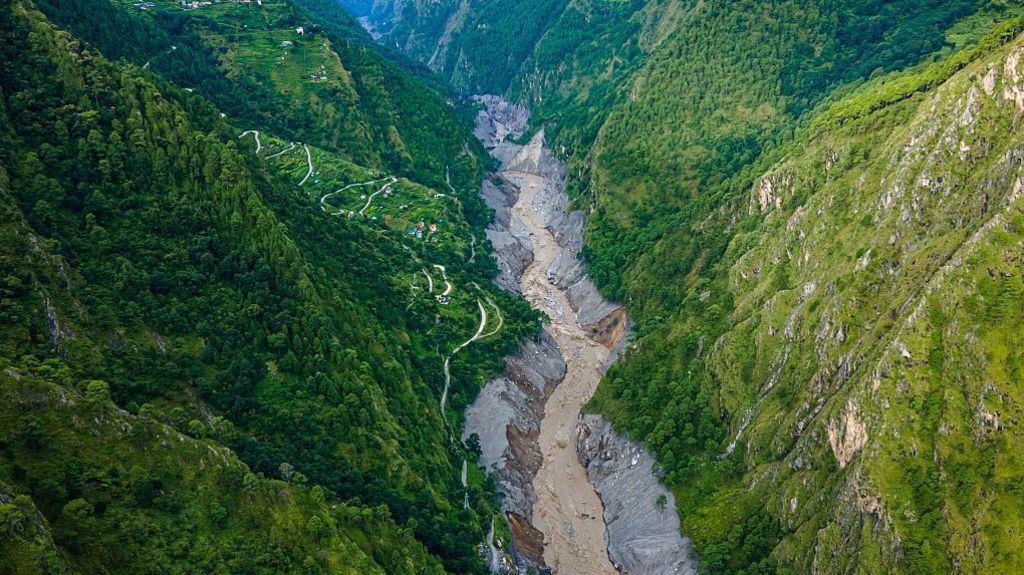
    The catastrophic flood disaster that has struck southern Nepal near the Tibet border has already claimed more than 1,000 lives, sending a urgent transboundary warning that stretches far beyond Nepal’s national boundaries. As hydrological and climate experts emphasize, Nepal and India share an interconnected network of Himalayan river systems, and the link between upstream flooding in Nepal and downstream disaster in India is far more complex than the simple narrative of water flowing south across the border.

    Nepal is home to more than 6,000 rivers and streams, the vast majority of which drain southward into India’s Ganges river basin. Four major transboundary systems dominate the region: the Kosi in eastern Nepal, the Gandaki (known as Gandak in India) in central Nepal, the Karnali (called Ghaghara in India) in western Nepal, and the Mahakali (Sharda) that runs along the two countries’ western border. Dozens of smaller rivers, including the Bagmati, Kamala, Rapti, and Babai that originate in Nepal’s Siwalik and Chure hill ranges, are far less well known but pose outsized risk: their small, steep catchment areas produce far faster, more unpredictable flash floods that can catch communities off guard.

    Manish Shrestha, a hydrologist at the International Centre for Integrated Mountain Development (ICIMOD), confirms that between 7 to 9 major river systems flow from Nepal into India’s northern plains, and these systems are the primary source of flood hazards across northern India. India’s Central Water Commission formally lists the Kosi, Gandak, Bagmati, and Ghaghara as the highest-risk transboundary watercourses.

    Among Indian states, Bihar is by far the most vulnerable to cross-border floods, with approximately 75% of northern Bihar officially designated as flood-prone territory. Nearly every major river that floods the state originates in Nepal, with the Kosi—long infamously known as the “sorrow of Bihar”—toping the list of high-risk systems, followed by the Gandak, Bagmati, and Kamala. But the hazard extends far beyond Bihar’s borders: eastern Uttar Pradesh is regularly impacted by flooding from the Ghaghara, Rapti, and Gandak rivers, with districts including Gorakhpur, Bahraich, Lakhimpur Kheri, and Shravasti facing repeated disaster. Uttarakhand shares the Mahakali-Sharda river system with Nepal, while North Bengal receives floodwaters from the Mechi and Mahananda. Pradeep Man Dangol, another ICIMOD hydrologist, notes that while Bihar bears the largest scale of flood risk, Uttar Pradesh is the second most affected and its vulnerability is chronically underreported.

    Hydrologists break down transboundary flood risk into a clear three-stage chain of causality. First, the rainfall: flood peaks that reach Indian territory are most often generated not in the high Himalayas, but in the lower elevation Siwalik, Chure, and Terai regions, where intense monsoon downpours fall on steep, small catchments that can channel massive volumes of water downstream very quickly. Second, the river itself: after rushing out of the mountains, Nepal’s rivers hit a sharp break in slope at the mountain front, drop their heavy sediment load, and spread across the plains as wide, braided, constantly shifting channels. Third, when the water crosses into India, the final severity of the disaster depends entirely on local conditions: how much rain has fallen on the Indian side, the existing water level of the Ganges, the condition of embankments and barrages, and how much natural drainage has been blocked by roads, railways, and expanding settlements on the floodplain.

    To put this simply: while the volume of flood flow arriving at the Indo-Nepal border is determined primarily by rainfall in Nepal, the ultimate severity of flooding depends at least as much on local conditions in India. The 2008 Kosi disaster offers a clear illustration of this dynamic. When the Kosi breached an embankment in Nepal and flooded large swathes of Bihar, killing nearly 400 people, the event was not caused by an unprecedented high-flow event. According to Rajiv Sinha, a professor of earth sciences at the Indian Institute of Technology (IIT) Kanpur, the actual river flow during the 2008 event was only around one-tenth of the channel’s designed carrying capacity. The catastrophe was triggered by a breach in decades-old embankments that had never been properly maintained. “The embankments constructed in the 1950s and 1960s had not been properly maintained. They had become eroded and eventually developed a weak point. The river breached its embankment through these vulnerable points and entered parts of India that had not seen flooding for perhaps 100 years,” Sinha explained. Saswata Sanyal, ICIMOD’s intervention manager for disaster risk reduction, summarizes this failure: “The failure was structural, not hydrological.”

    For routine monsoon floods, India typically receives between 12 hours and two days of advance warning before floodwaters arrive, depending on how quickly water travels downstream. It takes roughly one full day for floodwaters to travel from the Nepal mountain front to the Bihar plains along the Kosi and Gandak, and slightly longer for the Ghaghara. Flash floods from the steep Chure hill rivers can arrive in just a few hours, and surges from landslide dam bursts or debris flows move even faster: during the 2026 Nepal floods, the peak flood surge from Rasuwa reached the Indian border near Triveni in just seven and a half hours.

    Currently, India and Nepal do share real-time rainfall and river level data through a network of monitoring stations, with Nepal’s Department of Hydrology and Meteorology sharing data with India’s Central Water Commission to support flood forecasting. But experts warn that critical gaps remain in the existing cooperation framework. There are far too few real-time monitoring stations in the fast-flowing Chure catchments that produce the most dangerous flash floods. The two countries also do not have a single shared cross-border flood forecasting model, and there is limited routine information sharing on embankment conditions, shifting river channels, and sediment buildup. Even when forecasts are successful, gaps remain in the “last mile” of warning delivery: a notification reaching a district government office does not guarantee that at-risk families in rural floodplains receive the warning in time to evacuate.

    Scientists are also eager to correct a common public misconception: the idea that Nepal intentionally “releases” floodwater into India. Nepal has almost no large-scale reservoirs capable of storing and releasing large volumes of water; the country’s largest storage dam, the Kulekhani, holds less than one-tenth of a cubic kilometre of water, far too little to create a large-scale flood. “So there’s nothing to release,” Sanyal says. In fact, the Kosi and Gandak barrages that regulate flow along the border are operated by India, not Nepal. When floodwater crosses the border, it is almost entirely the result of heavy rainfall upstream, not deliberate gate openings by Nepal.

    That said, the basic fact remains: the majority of floodwater that hits northern Bihar and eastern Uttar Pradesh originates as rain in Nepal, so Nepal’s rainfall patterns set the timing and size of flood peaks that reach India. Overall, Nepal supplies roughly 40% of the Ganges’ average annual flow, and a far larger share during the dry season, making Nepal’s hydrology critical to India’s water security and flood risk. But experts emphasize that blaming Nepal for downstream floods is overly simplistic. “Rain is not a decision,” Sanyal points out. Whether a given flow becomes a disaster depends on conditions in India as much as Nepal: the Ganges’ baseline water level, local rainfall, embankment integrity, drainage infrastructure, and sediment buildup.

    Crucially, the impacts of water management on one side of the border also affect the other: infrastructure like embankments and barrages built for flood protection in India have raised upstream water levels and caused backwater flooding in Nepal’s Terai region, a longstanding concern for Nepali authorities. Since Nepal and India share a single integrated river system, with one country positioned upstream and the other downstream, the solution to growing flood risk is not blame, but expanded cross-border cooperation on data sharing, joint forecasting, and integrated river basin management.

    Experts note that the 2026 Nepal flood disaster carries a broader warning beyond transboundary management: it highlights the growing risk of extreme, debris-laden catastrophic flood events driven by climate change across the entire Himalayan region. Sinha points out that the 2026 Nepal disaster follows a pattern of similar catastrophic events that have struck India in recent years, including the 2021 Chamoli disaster and the 2025 Dharali disaster in Uttarakhand, and the 2026 Nepal event was between five to 10 times larger than those earlier disasters.

    “The fundamental point is that these are not normal hydrological floods,” Sinha explains. Conventional floods are composed almost entirely of water, but these new extreme events mix intense rainfall, melting glacial ice, or sudden glacial lake discharge with massive volumes of rock and sediment, creating a thick, high-energy debris slurry that can destroy almost every structure in its path. This was exactly what happened during the 2021 Chamoli disaster, when a large section of a Himalayan glacier collapsed, sending a debris and water cascade downstream that killed more than 200 people and destroyed major hydropower infrastructure. The same dynamic was seen in the 2025 Dharali disaster, where heavy rain triggered a flash flood that buried large parts of a village under meters of rock and sediment.

    Climate change is amplifying these risks across the board. Experts confirm that extreme rainfall events are intensifying across the Himalayan region, which is warming faster than the global average. A warmer atmosphere holds more moisture, leading the monsoon to deliver more total rain in fewer, more intense downpours. High mountain hazards are also growing: as permafrost degrades, glacial lake outburst events and rock-ice avalanches are projected to become more common, creating faster, debris-heavy floods that are far harder to forecast. More extreme events also trigger more landslides, adding larger volumes of sediment to rivers, which raises riverbeds and reduces channel capacity on both sides of the border. All these hazards are part of a single interconnected Himalayan risk system, and India’s exposure to these events is very significant.

  • Sydney police investigate second possible mistaken identity killing in two days

    Sydney police investigate second possible mistaken identity killing in two days

    Sydney, Australia’s largest city, has been shaken by two consecutive fatal shootings in less than two days, with law enforcement confirming both incidents are likely the result of organized crime groups targeting the wrong people. The violence has sparked renewed public concern over the spread of gang-related violence and its risk to innocent civilians.

    The first tragedy unfolded just before 4 a.m. local time on Tuesday in Glen Alpine, a suburban area in southwest Sydney. During a home invasion, a 20-something university student identified as Marco Tapia was shot and killed at the scene. Investigators have confirmed Tapia had no connections to organized crime, with only a prior minor traffic offense on his record. New South Wales Police Commissioner Mal Lanyon labeled the killing “completely unacceptable”, emphasizing that no community should accept the unnecessary death of an innocent person at the hands of gang violence.

    Less than 48 hours later, at around 3:15 p.m. on Wednesday, emergency responders were called to a residential property in Merrylands West following reports of a drive-by shooting. A man in his 40s was shot dead in the doorway of the home just moments after he arrived at the address. Speaking to reporters Wednesday, Detective Superintendent Simon Glasser explained that while the permanent residents of the property have well-documented ties to organized crime and are well known to police, the victim only had loose connections to those residents as a business associate. “Tragically, that is a possibility that the wrong person has been shot by these offenders,” Glasser told media, adding that investigators are working off the lead of mistaken identity.

    In a striking twist that corroborates police suspicions, a known organized crime figure posted a candid admission on social media shortly after Tuesday’s shooting: “popped the wrong person, didn’t even get the right house”.

    These two recent killings are not isolated incidents. Earlier this year, 85-year-old grandfather Chris Baghsarian was abducted from his home in a pre-dawn raid and later found murdered near a local golf course, in what investigators also deemed a mistaken identity attack. Multiple suspects have been arrested and charged in connection with Baghsarian’s death. In 2025, a local plumber was also shot dead outside his family home in a case that police similarly classified as a case of mistaken identity by organized crime groups.

    Commissioner Lanyon reiterated that law enforcement will not tolerate organized crime spilling over to harm innocent residents. “I don’t want any innocent member of the community to be impacted by organised crime. We will not tolerate it,” he said, as investigators continue to pursue leads and track down the offenders responsible for the two latest fatal attacks.

  • Sharpeville massacre survivors start legal fight for justice in South Africa

    Sharpeville massacre survivors start legal fight for justice in South Africa

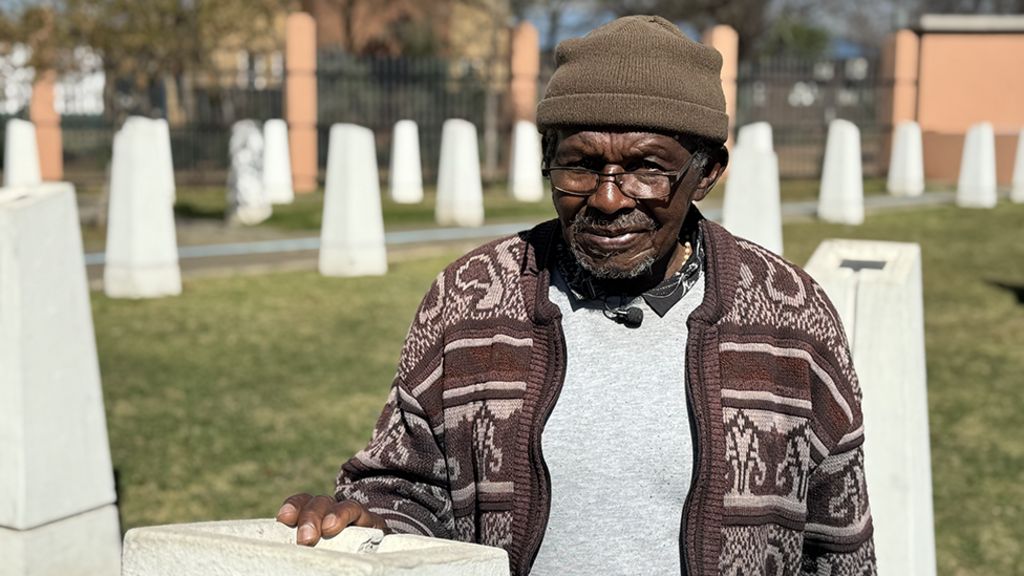
    Sixty-six years after surviving one of the defining atrocities of South Africa’s apartheid regime, 86-year-old Abraham Mofokeng still bears the physical scars of the Sharpeville massacre. A bullet remains embedded in his spine, and a decades-old gunshot wound to his leg leaves him with a permanent, gentle limp. For Mofokeng, however, the unhealed wound is not physical: it is the absence of justice that has lingered through three decades of post-apartheid democracy. Now, he and fellow survivors are launching a groundbreaking legal challenge to tear down the last legal barrier holding that justice back.

    On March 21, 1960, a 20-year-old Mofokeng joined thousands of peaceful Black demonstrators who gathered in the Gauteng township of Sharpeville to protest the racist pass laws that defined apartheid oppression. Enforced by the white-minority government, these laws required all Black South Africans to carry a dompas – an identity document that restricted their movement, barred them from “whites-only” areas, and allowed authorities to arrest, beat, or expel anyone caught without proper documentation. What began as a peaceful march to the local police station devolved into a bloodbath when security forces opened fire on the unarmed crowd.

    Recent historical research has revised the official death toll upward to as many as 91 people killed, with more than 200 injured. Another survivor, 90-year-old Larazus Magotsi, still carries vivid, traumatic memories of that day. Hiding in a local store as gunfire erupted, he watched police shoot wounded protesters who tried to rise from the ground, and hack at still-moving victims with machetes. More than 1,300 rounds were fired into the crowd, leaving bodies strewn across Sharpeville’s streets. Archive photos from the immediate aftermath show officers walking calmly among the fallen.

    The massacre shocked the world, exposing the inherent violence of South Africa’s apartheid system and becoming a turning point for the global anti-apartheid movement. But just one year after the killings, the apartheid government passed the 1961 Indemnity Act, a law that granted full legal immunity to all police officers and government officials involved in the massacre, shielding them from both criminal prosecution and civil claims for damages. Remarkably, more than 30 years after apartheid ended and South Africa transitioned to democratic rule under Nelson Mandela in 1994, this racist law remains on the country’s statute books.

    That is about to change. This Thursday, a new legal challenge led by South African human rights group Lawyers for Human Rights, in partnership with UK-based law firm Leigh Day, will be launched at the South African High Court. The case argues that the 1961 Indemnity Act is unconstitutional under the country’s post-apartheid bill of rights, which came into force in 1994. If the court grants class action certification – a core part of the application – up to 70 survivors and family members of those killed will be able to launch a collective lawsuit against the South African state. A ruling against the indemnity law could also open the door to criminal prosecutions for any surviving perpetrators.

    Lead lawyer Charne Tracey explains that the fight is not just about individual damages. For the residents of Sharpeville, which remains a neglected, crumbling township decades after apartheid, the case is also about long-overdue reparations and collective healing. “Apart from the individual damages, what the community’s looking for is basically reparations to enable their healing. They feel as though Sharpeville is a forgotten community,” Tracey said. “Nothing has been done that assists with their healing and improvement of their quality of life, or remedy the long-term effects of what they’ve suffered.”

    Constitutional law expert Professor Frans Viljoen supports the challenge, noting that South Africa’s post-1994 constitution retained existing laws until they are formally repealed or struck down. Striking down the indemnity act, he says, would be a critical step to “cleanse us of that past” and close a dark, unfinished chapter of South African history. “Although South Africa has a very transformative constitution… The principle of continuity of statehood still applies, which is why the case can be brought against the current state,” Viljoen explained.

    South Africa’s post-apartheid government did establish the Truth and Reconciliation Commission (TRC), chaired by Archbishop Desmond Tutu, to investigate apartheid-era crimes. The TRC offered amnesty to perpetrators who fully disclosed their actions, and it was widely praised for advancing national dialogue. But for Sharpeville survivors, the process fell far short: no police officers involved in the massacre ever applied for amnesty, and no perpetrators were held criminally responsible. The South African government told the BBC it has supported apartheid victims over decades, having distributed roughly $31 million in individual grants to 560 TRC-recognized victims, and it does not oppose the current legal action.

    Today, Sharpeville’s Human Rights Precinct memorial stands with 69 white pillars, each honoring one of the originally counted victims who lost their lives that day. But the township itself remains marked by neglect: once-paved roads have eroded back to dirt, many residents still live in the small, cramped brick homes built under apartheid, and piles of rubbish accumulate across the dry, barren landscape. For survivors like Mofokeng, a court victory overturning the indemnity law would not just deliver justice for the dead and injured – it would bring long-delayed healing for survivors and future generations alike.

    “Apartheid is dead and buried. A win would bring complete healing, not just for us, but for future generations as well,” Mofokeng said. “Considering how people died, many have not completely healed.”

  • In Chile, injured penguins sport copper vests to help them heal

    In Chile, injured penguins sport copper vests to help them heal

    SANTIAGO, Chile — As one of the world’s most vulnerable penguin species faces rapid population decline across Chile, local wildlife researchers and veterinarians have launched an innovative new trial to improve rescue outcomes: custom-fitted red vests woven with healing copper and zinc fibers designed to accelerate wound recovery for injured aquatic birds.

    The experimental treatment draws on a proven approach already used in veterinary care for domestic pets. For years, veterinarians have successfully leveraged microfiber garments embedded with copper and zinc to treat skin wounds in domestic dogs and cats. Now, researchers are adapting this technology for Humboldt penguins, a cold-water species that counts Chile as home to its largest global concentration, where it is currently listed as vulnerable by international conservation standards.

    The first round of custom vests was developed at Buin Zoo, a wildlife sanctuary located on the outskirts of Santiago, where research teams took precise body measurements of penguins to craft well-fitted garments. “For years, vests with microfibers containing elements like copper and zinc have been tested on pets, particularly dogs and cats, and have greatly helped in the recovery of skin wounds,” explained Ignacio Idalsoaga, director of Buin Zoo, in an interview with the Associated Press Wednesday. “We began to wonder — why can’t this be used on penguins?”

    The timing of the trial could not be more urgent. Recent surveys of major Humboldt penguin breeding colonies conducted by Chilean and international research teams between 2024 and 2025 reveal a devastating 63% drop in active nests compared to counts at the same sites just three years prior. The species is confronting a growing cascade of threats: widespread entanglement in commercial fishing nets, rampant plastic pollution, periodic disease outbreaks, and intensified competition with industrial fishing operations for the small fish that make up their core diet.

    Compounding these existing pressures, the species is now facing extreme disruption from El Niño, one of the most impactful global weather patterns. El Niño pushes unusually warm water into large swathes of the eastern Pacific Ocean, pushing the cold-water fish Humboldt penguins depend on further south or to deeper depths, making prey far harder to access. As hungry adult penguins are forced to travel longer distances in search of food, they often leave their chicks unprotected and abandoned at nesting sites.

    “Especially now, with all the problems caused by El Niño, we’re likely to see many abandoned chicks in the coming weeks, with injuries they suffer in the environment,” Idalsoaga noted.

    Wildlife rehabilitation clinics across Chile already treat dozens of distressed penguins stranded along the country’s extended coastline every year. Many arrive with deep gashes from fishing nets or boat propellers, while others are severely weakened by prolonged hunger, according to Tomás Pino, a veterinarian who leads Conservación Humboldt, a northern Chile-based nonprofit dedicated to rescuing and rehabilitating injured marine wildlife.

    Treating these wounds has long posed unique challenges for veterinarians. Penguins’ flexible long necks allow them to reach their own body wounds, and they frequently peck at gashes and pull out surgical stitches before injuries can fully heal, Pino explained. The custom vests solve this problem by creating a protective barrier that prevents pecking, while also putting Chile’s most abundant natural resource to work for conservation: Chile is the world’s top producer of copper, which acts as an natural antimicrobial agent when woven into the garment fabric.

    Both copper and zinc woven into the vest fabric actively inhibit the growth of harmful bacteria and fungi that can cause wound infections. Zinc also offers an extra healing benefit, stimulating the growth of new blood vessels that speed regeneration of damaged tissue and cut overall recovery time.

    Early results from the trial are promising. “We’ve seen that the penguins tolerate it quite well,” Pino said. “We noticed that from one day to the next, the wounds were in better condition with the vest.”

  • Who is Alejandro Betancourt, colourful oil baron behind US-Venezuela oil deal?

    Who is Alejandro Betancourt, colourful oil baron behind US-Venezuela oil deal?

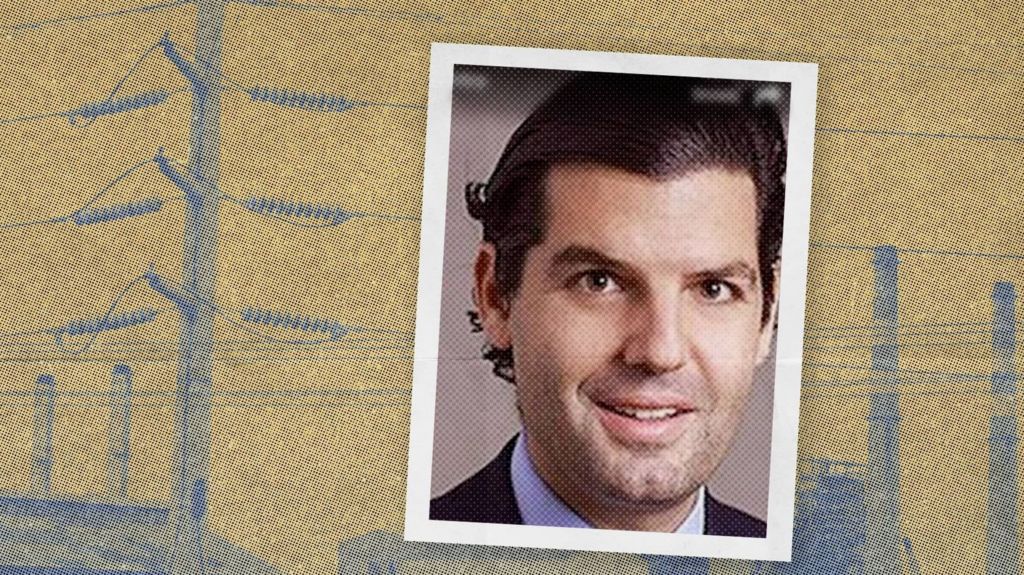
    A blockbuster deal that grants the United States operational control over 17 of Venezuela’s most strategically valuable crude oil fields, holding an estimated 65 billion barrels of proven reserves, has drawn intense global scrutiny – and it all revolves around one polarizing Venezuelan business figure: Alejandro Betancourt López. The 46-year-old oil tycoon, who heads Barbados-registered North American Blue Energy Partners (Nabep), the little-known firm tapped to oversee production and sales of the oil assets, has called the agreement ‘the biggest in history’, per former US President Donald Trump. But Betancourt’s long, tangled history of political connections, cross-border corruption investigations, and pivoting between Venezuela’s opposing political factions has left many questioning how a figure with his background landed one of the most valuable energy contracts on the planet.

    Born in Caracas in 1980 to a middle-class Venezuelan family, Betancourt earned a degree from Boston’s Suffolk University and has amassed an estimated personal net worth of roughly $2.6 billion. Reporters who have tracked his decades-long career trace his early rise not just to entrepreneurial acumen, as his official biography claims, but to high-level connections forged in his private school days. Venezuelan investigative journalist Alek Boyd, who has followed Betancourt’s work since 2011, notes that Betancourt built a close school friendship with Javier Alvarado Pardi, the son of a senior energy industry executive who would go on to hold top roles at Venezuela’s state-owned oil giant Petróleos de Venezuela (PDVSA) and serve as the country’s deputy energy minister.

    That connection opened doors at the height of Venezuela’s 2009 national electricity crisis, when the younger Alvarado introduced Betancourt and his business partners to his father – despite the group having zero prior experience in power infrastructure. Shortly after, Derwick Associates, the engineering firm Betancourt co-founded with his cousin, secured 12 no-bid government contracts worth a collective $5 billion to build 11 new power plants across the country. It was during this era that Betancourt and a cohort of other young, rapidly wealthy Venezuelan entrepreneurs doing business with the Hugo Chávez-led government earned the nickname ‘bolichicos’, a portmanteau of ‘Bolivarian’ (referring to Chávez’s socialist revolution) and ‘chico’, Spanish for boy. Betancourt’s US legal team rejects the label, arguing it is a media-coined pejorative that unfairly lumps successful young entrepreneurs together regardless of individual conduct.

    While Derwick has claimed it completed all contracted electrification projects, leading anti-corruption watchdogs have leveled serious fraud allegations against the firm. Transparency Venezuela and the Organized Crime and Corruption Reporting Project have claimed many of Derwick’s projects were left unfinished or built to substandard specifications. A 2018 Transparency Venezuela analysis estimated the 11 power projects should have cost just $2.1 billion – meaning the Venezuelan government overpaid by 138% for the work. Betancourt’s legal team has repeatedly dismissed these allegations as politically motivated smear campaigns, and the businessman has never been convicted of any wrongdoing connected to the claims.

    Despite the controversy, Venezuelan authorities soon allowed Derwick to expand into the country’s lucrative oil sector. Over the following decade, Betancourt built a sprawling global business empire: he acquired a controlling stake in Spanish sunglasses brand Hawkers in 2016, took over banking assets in Switzerland and Africa, and according to Transparency Venezuela’s investigations, now controls a network of roughly 50 companies operating across 16 countries.

    Betancourt’s international expansion has been matched by mounting legal trouble across five nations. In 2013, former US ambassador to Venezuela Otto Reich filed a civil lawsuit against Betancourt and two associates, accusing them of paying massive bribes to Venezuelan public officials in exchange for the Derwick contracts. The suit was dismissed in 2018, but new investigations soon followed. In recent years, judicial authorities in Spain, Switzerland, Andorra, and the United States have opened probes into Betancourt and other bolichicos over alleged ties to PDVSA-linked corruption schemes. No formal charges have ever been brought, and Betancourt has consistently denied all wrongdoing.

    The tycoon made global headlines again in 2025, when he was detained twice by British police in London, where he had established residency in recent years. Shortly after the detentions, Spanish law enforcement raided Alamín Castle, Betancourt’s sprawling palatial estate in Toledo province. Both actions were connected to a money laundering investigation launched by Swiss public prosecutors, according to official reports. Betancourt’s attorney has argued the businessman is being unfairly targeted by association, saying: ‘This is a group of very successful young entrepreneurs… some have broken the law and others haven’t, but they’ve all been lumped together.’

    So what led US officials to select Betancourt as the lead partner for the high-stakes Venezuela oil deal? US Secretary of State Marco Rubio laid out three clear justifications in an interview with Venezuelan journalist Sergio Novelli. First, Rubio argued Betancourt has a proven track record of bringing oil production online. Independent experts estimate Nabep currently produces roughly 180,000 barrels of crude per day, second only to Chevron’s 200,000 daily barrels in Venezuela, though other analysts have questioned the accuracy of these production figures. Second, Rubio noted that Betancourt faces no active investigations from US law enforcement. Third, and finally, Rubio emphasized that Betancourt has long been a prominent backer of the Venezuelan political opposition, a key alignment for US policy.

    Unlike many other business figures who grew wealthy under Chávez, Betancourt never publicly aligned with the late president’s Bolivarian ideology. Industry analysts note he and his partners simply saw and seized a major business opportunity during the Chávez era, and quickly shifted alliances when Venezuela’s political landscape began to change. During Trump’s first term, Betancourt built a close working relationship with opposition leader Juan Guaidó, a connection that helped him forge ties with influential Trump-aligned US officials including former Latin America Special Envoy Mauricio Claver-Carone and former New York City Mayor Rudy Giuliani, according to journalist Alek Boyd.

    When Betancourt participated in a 2019 attempt to oust sitting Venezuelan president Nicolás Maduro, Maduro retaliated by stripping him of his Venezuelan oil assets and forcing him into exile, where he split his time between Madrid and London. But Betancourt’s high-level US connections ultimately cleared the way for his return to the center of Venezuelan oil politics. In late 2025, US authorities reportedly pressured Swiss officials to withdraw their extradition request for Betancourt in British courts. Swiss authorities complied, and a London court lifted his travel ban last May. Betancourt’s attorney confirmed the ruling, noting that the lifting of the travel ban came after Switzerland failed to produce evidence requested by UK judges to support the extradition request, though the underlying Swiss investigation remains open.

    In the immediate aftermath of the January 3 US military operation that resulted in the capture of Maduro, Betancourt stepped in as a key intermediary between the opposition and sitting Venezuelan officials, according to reporting from Axios. The outlet reports Betancourt contacted then-Vice President Delcy Rodríguez, now serving as Venezuela’s interim president, and convinced her to hold talks with Rubio. Betancourt’s attorney confirmed the account, clarifying: ‘He acted as an intermediary. He had nothing to do with Maduro’s departure, but since he had everyone’s trust, he became an intermediary.’ Earlier this week, Rodríguez publicly defended Betancourt, confirming he has no open legal cases pending against him in either Venezuela or the United States, noting: ‘Often a person is judged in the media before in the courts.’

    For observers who have tracked Betancourt’s decades of navigating Venezuela’s volatile political and economic landscape, his rise to the center of the new US-Venezuela oil deal comes as no surprise. As investigative journalist Boyd summed up: ‘He’s very skillful. He always manages to be where he needs to be to avoid problems and make money.’

  • Rocky Horror star Tim Curry’s cause of death revealed

    Rocky Horror star Tim Curry’s cause of death revealed

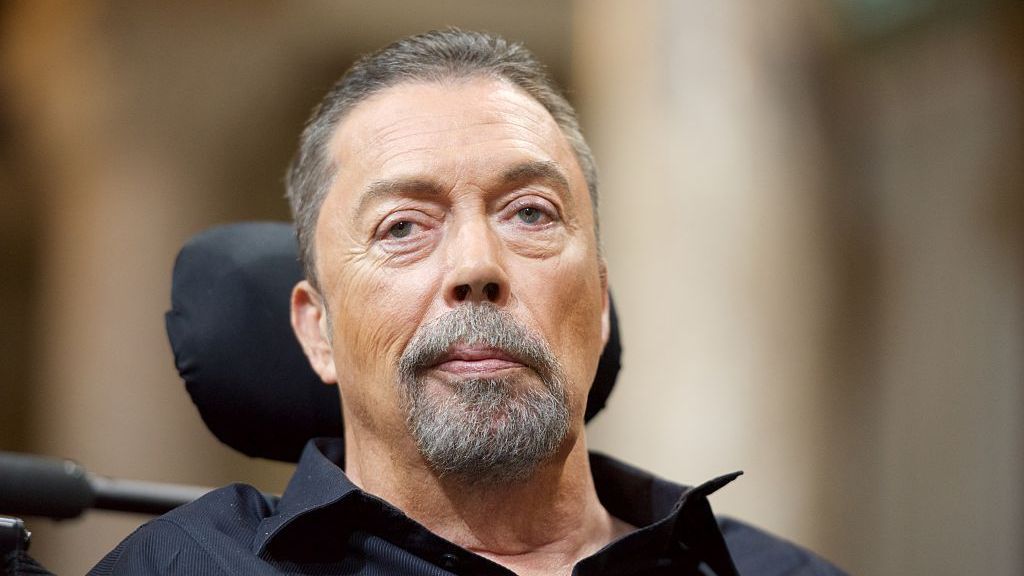
    Legendary British actor Tim Curry, whose decades-long career cemented his status as one of pop culture’s most iconic cult figures, has passed away at the age of 80 following complications from multiple chronic health conditions. His publicist confirmed the news to the BBC, stating that Curry died at his Los Angeles residence on August 25, with coronary artery disease listed as the primary cause of death. Per the Los Angeles County death certificate referenced by his representative, a history of major health issues—including a 2012 near-fatal stroke and previous kidney cancer—also contributed to his passing.

    Curry shot to global fame in 1973 originating the role of the unapologetically eccentric Dr. Frank-N-Furter in the original West End stage production of *The Rocky Horror Show*, before reprising the career-defining, lingerie-clad part in the 1975 cult film adaptation *The Rocky Horror Picture Show*. It was this role that gave the world his iconic line “don’t dream it, be it”—a phrase that has resonated with generations of fans and outsiders alike.

    Over his decades-long career, Curry built an extraordinary portfolio of memorable on-screen, stage, and voice performances. He terrified audiences as the sadistic demonic clown Pennywise in the 1990 television miniseries adaptation of Stephen King’s *It*, brought playful humor to the role of King Arthur in the hit Broadway musical *Spamalot*, and appeared in dozens of popular films including *Annie* (1982), *Clue* (1985), *The Hunt for Red October*, *Home Alone 2: Lost in New York*, and *Scary Movie 2*.

    After suffering a major stroke in 2012 that left him partially paralyzed and reliant on a wheelchair, Curry surprised many by shifting his creative focus to voice acting rather than stepping away from the industry. He often expressed gratitude that the stroke robbed him of mobility but spared his distinctive, versatile voice, a tool that allowed him to keep working for more than a decade after his health crisis. He remained a beloved fixture at fan conventions for his most iconic projects, and in 2025 he published his memoir *Vagabond*, where he opened up candidly about his stroke and the long, challenging road to recovery. In the memoir, he reflected on his second chance at life, writing, “If there was anything impressed upon me in the aftermath, it was just how remarkable it was that I was still alive.”

    News of Curry’s death sparked an outpouring of tributes from fellow actors, collaborators, and fans across the entertainment industry. Michael McKean, who starred alongside Curry in the 1985 comedy mystery *Clue*, revealed last week that the actor had been in a “grim physical state” in his final months. Susan Sarandon, Curry’s co-star in *The Rocky Horror Picture Show*, remembered him as a singular talent, writing, “Even wheelchair bound, he continued to be so sweet and generous with his fans. He was a funny, sexy, original.”

    Born in Warrington, northwest England, in 1946, Curry got his first professional acting job straight out of university, landing a role in the 1968 London production of the groundbreaking rock musical *Hair*. It was his castmate in that production, *Rocky Horror* creator Richard O’Brien, who encouraged him to audition for the new musical that would change his life and make him a permanent fixture in pop culture history.

  • Half of Americans think post-9/11 wars were worth it, poll shows

    Half of Americans think post-9/11 wars were worth it, poll shows

    As the United States prepares to mark the 25th anniversary of the devastating September 11, 2001 terrorist attacks, a new national poll has laid bare deep partisan divisions over the decades-long legacy of the post-9/11 “war on terror” and the domestic surveillance and security infrastructure it spawned.

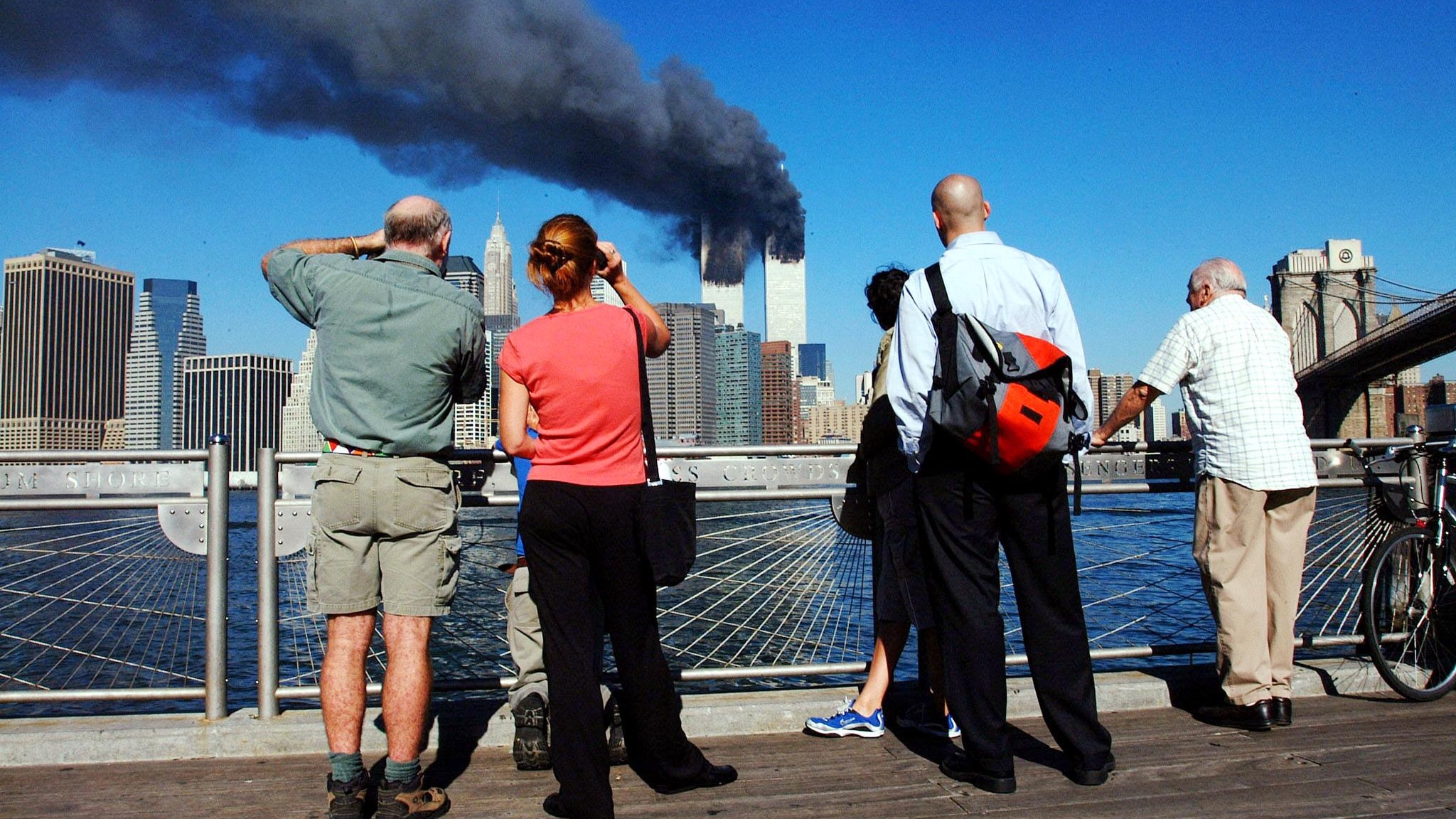
    On September 11, 2001, 19 al-Qaeda hijackers seized control of four commercial airliners, launching coordinated attacks that killed nearly 3,000 people. Two planes crashed into the Twin Towers of the World Trade Center in New York City, destroying the iconic complex; a third struck the Pentagon outside Washington, D.C.; the fourth crashed into a rural field in Pennsylvania after passengers fought back against the hijackers.

    In response to the attacks, then-President George W. Bush launched sweeping changes to U.S. national security architecture that reshaped American life for generations. The administration created the new Department of Homeland Security, established the Transportation Security Administration (TSA) which introduced widespread airport screening protocols still used today, signed the Patriot Act granting law enforcement broad authority to surveil citizen communications, and secured congressional passage of the 2001 Authorization for Use of Military Force (AUMF). That open-ended military authorization remains in effect 23 years later, and has been invoked by every subsequent administration to launch military operations across at least seven sovereign nations, including Afghanistan, Iraq, Syria, Somalia, Pakistan, Libya and Yemen.

    The new YouGov poll, published Wednesday, surveyed 1,098 U.S. adults aged 18 and older between August 20 and 23, with a margin of error of plus or minus 4.1 percentage points. When asked whether post-9/11 counterterrorism measures—including overseas military operations and expanded domestic security and surveillance—have been “worth the cost”, 48 percent of respondents answered yes, 25 percent said no, and 27 percent reported being unsure.

    Partisan affiliation drove starkly different views: 71 percent of Republican respondents said the measures were worth the cost, nearly double the 36 percent of Democrats who agreed with that assessment. That partisan divide extends to perceptions of national safety: just under half of all respondents (49 percent) said the U.S. is safer today than it was before the 9/11 attacks, but that number jumps to 60 percent among Republicans, while only 20 percent of Republicans say the country is less safe now.

    Maha Hilal, author of *Innocent Until Proven Muslim*, a book documenting the human costs of the war on terror, attributed widespread acceptance of the “safer now” narrative to decades of sustained government propaganda and little visible disruption to daily life for most Americans. “It’s pretty easy to convince people that they’re safer now because their ability to maintain the same sort of lifestyle has been relatively unchanged, especially as Americans tend to be quite apathetic anyway,” Hilal told Middle East Eye.

    The poll also found that a narrow majority of Americans—52 percent—recognize that Muslim Americans have faced worse treatment than followers of other faiths in the post-9/11 era. That finding also splits sharply along partisan lines: 71 percent of Democrats agree that Muslim Americans have been mistreated, compared to just 28 percent of Republicans. This gap comes as Muslim community leaders and experts report that current anti-Muslim rhetoric from leading Republican figures is more extreme today than it was in the immediate aftermath of the 9/11 attacks.

    When asked which ideological group has carried out the most violent attacks within U.S. borders, 25 percent of respondents correctly identified right-wing extremists, while 19 percent blamed Islamic extremists, 17 percent pointed to unaffiliated lone wolves, and 13 percent named left-wing extremists.

    Hilal noted that the decades-long success of the war on terror narrative has made it difficult even for progressive critics to center the harms of Islamophobia, which is often framed as an accidental side effect of counterterrorism rather than a core, intentional feature of the policy. “It has been to reiterate over and over again how this war has been a success, and how it has stopped numerous acts of terrorism,” Hilal said. “Even among leftists and liberals, it has been difficult to communicate the idea that Islamophobia has been a part and parcel to the war.”

    The ongoing resonance of post-9/11 biases has been highlighted by a recent controversy at CBS News, which faced internal backlash from current and former staffers over its coverage of Abdul El-Sayed, the first Muslim Democratic nominee for U.S. Senate in Michigan, who is running in the 2024 November election. Critics accused the network of overt racism and poor journalism for publishing a pre-anniversary story highlighting old, deleted social media posts from El-Sayed. In the posts, El-Sayed compared the more than 1 million U.S. deaths from COVID-19 to the nearly 3,000 deaths from 9/11, and called for the same level of national mobilization to address poverty and the pandemic that the country deployed after the attacks. He also mourned both the victims of 9/11 and the hundreds of thousands of people killed in the post-9/11 wars that followed.

    New research from Brown University’s Costs of War project has underscored the staggering human toll of those post-9/11 conflicts. A 2023 report from the project estimated that at least 4.5 million people have died as a direct or indirect consequence of post-9/11 wars across the Middle East, North Africa and Asia. Of those fatalities, between 3.6 and 3.7 million are classified as indirect deaths, caused by collapsed economies, widespread food insecurity, destroyed public health infrastructure, environmental contamination, and ongoing intergenerational violence and trauma that follow armed conflict. Even after the U.S. withdrew its formal military presence from Afghanistan in 2021, Afghans continue to suffer and die from war-related causes at higher rates than at any point during the conflict, the report found. Many of these indirect deaths could have been prevented if not for the collapse of basic services brought by war, researchers noted.

    While casualty counts for post-9/11 conflicts remain a topic of heated political debate, independent estimates have consistently pointed to massive death tolls: a 2015 report from Nobel Prize-winning organization Physicians for Social Responsibility estimated that more than 1 million people had been killed in Iraq, Afghanistan and Pakistan alone by that point.