A fresh wave of diplomatic escalation between Russia and Germany has sent tensions soaring across European political circles, following Berlin’s accusations of a Russian-state-backed attempted drone attack at a key German airport. On Thursday, Russian Foreign Minister Sergey Lavrov announced Moscow’s decision to shutter all of Germany’s Goethe-Institut cultural centers operating across Russian territory, with targeted closures confirmed in three major cities: Moscow, St. Petersburg, and Yekaterinburg.
This countermove comes directly in response to actions taken by Berlin earlier this month, after German authorities blamed Moscow for an explosive drone plot discovered at Leipzig/Halle Airport on August 4. The airport, a critical international freight hub that logistics support for Kyiv amid the ongoing war in Ukraine, had an explosive-laden drone found near a Ukrainian aircraft, which was safely defused by bomb disposal teams. Following the incident, Germany moved to close the Russian Consulate in Bonn and the Russian House cultural center in Berlin, cutting off two key Russian cultural and diplomatic presences in the country.
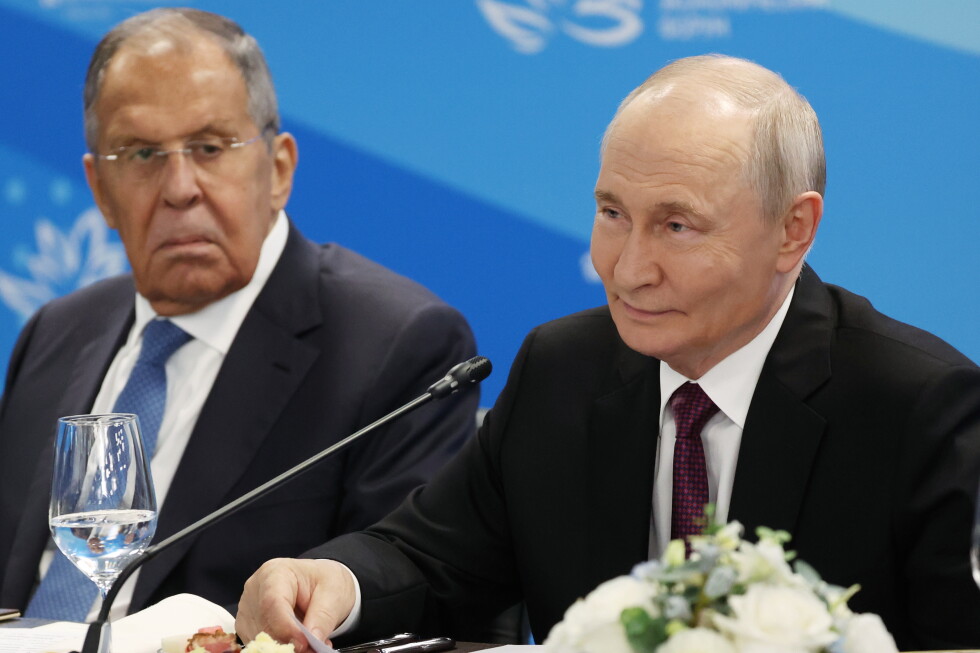
Speaking from the Eastern Economic Forum held in Vladivostok, Lavrov emphasized that any response less than the closure of German cultural institutions would have amounted to a betrayal of Russian self-respect. He added that German leadership could not have failed to anticipate that shutting down Russian House in Berlin would trigger a reciprocal end to Germany’s own cultural footprint within Russia’s borders.
The incident has sparked broader debate across the European Union, where foreign ministers gathered this week in Ireland to debate a coordinated bloc-wide response to the alleged attack. EU High Representative for Foreign Affairs Kaja Kallas told reporters ahead of the closed-door meeting that the attempted attack bears all the markings of state-sponsored terrorism, though ministers struggled to reach consensus on new non-military retaliatory measures. Options on the table included expanding existing sanctions, imposing new visa restrictions on Russian officials, and ordering the closure of additional Russian consulates across EU member states.
To date, the EU has rolled out nearly 24 separate packages of economic and political sanctions against Moscow over its full-scale invasion of Ukraine, targeting more than 3,000 individuals and entities ranging from senior government officials and billionaire oligarchs to major Russian banks, energy firms, and drone manufacturers. Kallas confirmed that the bloc is already finalizing new travel bans and asset freezes for an additional 1,600 Russian individuals tied to the Kremlin’s war effort.
Western governments have broadly accused Russia of waging a sustained campaign of hybrid sabotage and disruption across Europe, aimed at eroding public support for Ukraine and destabilizing Western political institutions. Berlin has pushed back against Russian denials, noting that while Germany is “not at war” with Russia, it has become a regular target of the Kremlin’s hybrid operations.
Russian President Vladimir Putin has rejected all accusations out of hand, arguing that German authorities are pushing the unsubstantiated claims to distract voter attention from domestic policy failures and growing public discontent with Berlin’s current governing agenda. All evidence presented to back up the sabotage allegations has been “planted,” Putin claimed. German Foreign Minister Johan Wadephul countered that Berlin had thoroughly prepared for the fallout of its actions, and that “now Russia must live with these consequences.” He also called on Moscow to return to the negotiating table for productive talks, particularly to resolve the ongoing conflict in Ukraine.