博客

  • Tensions flare as judge declines to remove holdout juror in Lindsay Clancy trial

    Tensions flare as judge declines to remove holdout juror in Lindsay Clancy trial

    One of the most emotionally charged criminal trials in recent U.S. history has hit a new impasse, as a Massachusetts judge has refused to dismiss a holdout juror who stands accused of ignoring binding court instructions on the legal standard of reasonable doubt. The case, which has captured national public attention, centers on 36-year-old Lindsay Clancy, a former labor and delivery nurse who faces three counts of first-degree murder for the deaths of her three young children — 5-year-old Cora, 3-year-old Dawson, and 8-month-old Callan — at the family’s Massachusetts home in January 2023.

    Clancy does not dispute that she strangled her children in the family home’s basement, but her legal team has mounted an insanity defense, arguing she was experiencing severe postpartum psychosis at the time of the killings and was unable to discern right from wrong. Clancy herself was left paralyzed from the waist down after jumping from a second-floor window of her home immediately following the deaths, and she has attended recent court proceedings from a wheelchair.

    After six days of deliberations spanning roughly 35 hours, the nine-woman, three-man jury remains deadlocked, marking the third time the panel has notified the court of its inability to reach the required unanimous verdict. What makes this latest development unprecedented in the trial is the open division among jurors: the jury forewoman submitted a formal note to presiding Judge William Sullivan alleging that one member of the panel refused to follow the court’s written and verbal instructions on reasonable doubt, the strictest standard of proof in the U.S. legal system.

    This revelation sparked tense, dramatic exchanges in the Plymouth courtroom. Clancy’s lead defense attorney, Kevin Reddington, immediately filed a motion to dismiss the holdout juror, arguing that a juror who refuses to abide by the court’s legal instructions cannot fairly participate in deliberations. The prosecution, led by assistant district attorney Jennifer Sprague, pushed back against the request, setting off an animated sidebar discussion between the two legal teams and the judge that was not audible to reporters present. Court observers noted clear exasperation in Reddington’s body language and facial expressions throughout the exchange.

    Judge Sullivan opted to interview each juror individually to assess the situation before issuing his ruling, reminding the entire panel after the private questioning that a unanimous guilty verdict can only be handed down if every member of the jury believes the prosecution has proven Clancy’s guilt beyond a reasonable doubt. In the end, the judge ruled that the holdout juror would remain on the panel, stating that it would be inappropriate for the court to insert itself into the internal dynamics of jury deliberations by taking sides in the deadlock.

    Following the ruling, Reddington appeared visibly frustrated and upset, and reporters observed him consoling Clancy, wrapping an arm around her as the court adjourned. Speaking to reporters after the session, Reddington confirmed that his motion to remove the non-compliant juror had been denied, and declined to confirm an 11-1 split reported by the jury forewoman, saying he had no insight into the lone juror’s specific position. Prosecutor Sprague, for her part, endorsed Judge Sullivan’s decision, noting that the court has no way to evaluate the substance of internal juror deliberations, nor should it attempt to do so.

    The court is scheduled to revisit the deadlock issue first thing Friday morning. If the jury ultimately fails to reach a unanimous verdict, Judge Sullivan will be required to declare a mistrial, leaving prosecutors to decide whether to pursue a second trial against Clancy. A conviction on the first-degree murder charges would result in an automatic sentence of life in prison without the possibility of parole. If the jury accepts Clancy’s defense and finds her not guilty by reason of insanity or lack of criminal responsibility, she would instead be committed to a state psychiatric facility for treatment.

    This case has drawn widespread public attention for its devastating context, shining a new light on the risks and impacts of severe postpartum mental illness in the United States. For anyone experiencing emotional distress or suicidal thoughts, support is available through global mental health organizations including Befrienders Worldwide, with additional resources listed for UK residents on the BBC Action Line.

  • Is India’s internet boom running into an undersea problem?

    Is India’s internet boom running into an undersea problem?

    Fueled by ultra-affordable data plans, India has rapidly emerged as one of the world’s largest and fastest-growing internet markets, boasting more than one billion broadband subscribers as of late 2025. Behind this digital success story, however, lies a critical, underreported vulnerability in the physical infrastructure that powers the nation’s global connectivity: an overconcentration of critical intercontinental submarine cables in one small stretch of Mumbai coastline, paired with aging infrastructure, a lack of domestic repair capacity, and bureaucratic bottlenecks that threaten to derail India’s ambitious digital and AI-driven growth plans.

    The core risk is concentrated in a mere six-kilometer stretch along Mumbai’s Arabian Sea coast near Versova, a densely populated northwestern neighborhood of the city. Of India’s total 18 intercontinental submarine cables— the invisible optical fiber highways that carry 99% of global cross-border data traffic as light pulses across 1.4 million kilometers of ocean floor worldwide— at least 13 come ashore within this tiny geographic zone. Combined, these cables carry up to 95% of India’s total international bandwidth destined for Europe, Africa, and West Asia.

    Anwesha Sen, a researcher at the Takshashila Institution, an Indian public policy think tank, warns that this extreme geographic concentration creates an existential critical vulnerability. If multiple cables were cut at the same time, whether by accidental damage or intentional disruption, the vast majority of India’s westbound connectivity would be severely impacted. While modern cable architecture does allow for traffic to be rerouted through other landing points across India’s southern coast, such as Chennai and Kochi, experts note that even minor performance degradation—increased data latency—can carry devastating financial costs for key sectors including banking, national stock exchanges, cloud service providers, and government communications networks. AI infrastructure, which depends on constant high-volume, high-speed data transfers, is uniquely sensitive to even small disruptions to connectivity.

    This vulnerability points to a larger paradox at the heart of India’s digital transformation: while the country now accounts for roughly 20% of global data consumption and ranks among the world’s largest internet markets, it controls only a tiny fraction of the global undersea cable infrastructure that powers this digital activity. Data from the Broadband India Forum (BIF) shows that India is connected to just 3% of the world’s total submarine cable network, and hosts only 21 of the roughly 1,900 active and planned cable landing stations (the coastal facilities that connect undersea cables to onshore terrestrial networks) globally—equal to just 1% of the world’s total capacity. “We need to grow the number of cable landing stations several fold,” says Aruna Sundararajan, BIF chairperson.

    Compounding the overconcentration risk is the age of India’s existing cable network. A recent analysis from the Takshashila Institution found that 11 of India’s 18 international submarine cables are more than 20 years old, rapidly approaching the standard 25-year nominal operational lifespan for these systems. While routine faults are far more common than deliberate sabotage—with an estimated 150 to 200 cable disruptions annually worldwide, most caused by commercial fishing activity, dragging ship anchors, natural seabed hazards, or equipment failure—India has a second major gap in its preparedness: it has no domestic submarine cable repair vessels. All repair work in Indian territorial waters requires bringing in foreign vessels from ports in Dubai or Singapore, which must then obtain multiple operating licenses before work can begin, adding weeks of delay to an already time-sensitive process.

    Amajit Gupta, group CEO and managing director of Lightstorm, a leading Indian digital infrastructure firm, explains that this dependence on foreign repair capacity is the most impactful structural weakness facing India’s connectivity network. “The bigger structural issue for India isn’t rerouting capability—it’s repair capacity. That combination – dependence on foreign repair capacity and regulatory lead times – represents the real bottleneck,” he says. Gupta points to the 2024 Red Sea shipping and cable disruptions as a case study of how unplanned outages can create cascading delays, when global traffic had to be rerouted thousands of miles east through Singapore to reach North American networks.

    Beyond repair gaps, India also faces a growing mismatch between exploding demand for international bandwidth driven by AI and data center expansion, and the slow pace of new subsea cable development. Government data shows that India’s installed data center capacity has grown more than fourfold since 2020, jumping from 375MW to 1,575MW today, as companies rush to build computing capacity to power domestic AI model development and global cloud services. All of these facilities rely on fast, reliable subsea connectivity to global networks, but planning and deploying a new submarine cable system takes between five and six years total, meaning new capacity cannot keep up with the rapid growth of data center demand.

    Sundararajan identifies fragmented governance and bureaucratic red tape as the single biggest barrier to expanding India’s subsea infrastructure. No fewer than 16 separate government agencies across telecom, defense, home affairs, shipping, port authorities, environmental bodies, and state governments are involved in approving new cable projects and repair operations. Just constructing a single new cable landing station requires roughly 50 separate clearances across more than a dozen ministries. “A core issue is fragmented governance, not a lack of technical capability,” she says. Sundararajan recommends that India’s Department of Telecommunications be designated as the lead central agency, with a single-window approval system to cut wait times for repair vessel permits and new project approvals. She also calls for the government to pre-approve multiple cable landing sites across India’s east and west coasts as well as island territories, so developers do not need to start the approval process from scratch for every new project—an approach that has helped Singapore become a leading regional cable hub through predictable regulation and streamlined processes.

    Pooja Bhatt, an associate professor at OP Jindal Global University, notes that the mismatch between India’s digital ambitions and its inadequate core infrastructure can no longer be ignored. “Given its young demographics and ‘Digital India’ aspirations, it makes sense for the nation to build and maintain its own internet infrastructure for security and governance purposes,” she says. The Indian government has already taken one small step to address the issue, officially designating submarine cable systems as critical national telecommunications infrastructure, a classification that industry leaders hope will unlock faster approvals, support the development of a domestic repair fleet, and enable the creation of legally protected zones around cable routes to reduce the risk of accidental damage from fishing and anchoring.

    Emerging technologies may also help reduce risk over time: Distributed Acoustic Sensing, a new monitoring tool, can turn existing optical fibers into distributed sensors that detect vibrations from ships, anchors, or underwater vehicles, allowing operators to identify potential threats before a cable is severed. But industry leaders agree that the most critical fixes are low-tech: expanding the number of geographically dispersed cable landing stations, streamlining regulatory approval processes, protecting existing cable routes, and building a domestic fleet of repair vessels.

    Gupta notes that connectivity naturally clustered around Mumbai for decades, thanks to existing demand and infrastructure, but that this historic concentration is exactly the risk that the industry must move away from. “But that concentration is exactly the risk the industry needs to design away from,” he says. The shift to greater diversity is already underway: four new submarine cable systems are currently being commissioned across India, with three more in advanced planning stages. One of the new projects, I-2SEA, led by a Lightstorm-led consortium connecting India to Malaysia and Singapore, will feature two separate landing points in India: one at Machilipatnam, which creates a shorter route to the major technology hub of Hyderabad, and a new landing site in South Chennai, adding much-needed geographic diversity to existing networks.

    For a country that consumes data at one of the fastest rates in the world and is racing to build capacity for an AI-driven economy, the physical infrastructure that powers its global connectivity remains surprisingly fragile. While India is rapidly expanding its data center capacity and positioning itself as a global digital leader, the open question remains whether it can upgrade its subsea cable network, landing station capacity, and repair ecosystem fast enough to keep pace with its own ambition.


  • Could robots be the future of theme parks?

    Could robots be the future of theme parks?

    For decades, theme parks have relied on roller coasters, themed character meet-and-greets, and elaborate live shows to draw millions of visitors annually. Now, a new project in South Korea is pushing the boundaries of leisure entertainment by asking a forward-thinking question: could robots become the core of the next generation of theme park experiences?

    At the center of this experimental shift is Galaxy Robot Park, a sprawling 16,500-square-meter purpose-built venue that showcases how robotic technology can be integrated into leisure attractions. Unlike traditional theme parks that blend human staff and mechanical rides, this innovative park centers cutting-edge robotics as its main draw, with one of the most popular showcases featuring humanoid robot performers choreographed to dance to chart-topping K-pop hits. The synchronized, precise movements of these robots offer a one-of-a-kind spectator experience that cannot be replicated by human performance teams, drawing curiosity from both tech enthusiasts and casual theme park visitors.

    This venture represents a growing global trend of integrating advanced automation and artificial intelligence into the entertainment and leisure sectors. Theme park operators around the world have been testing robotic elements for years, from automated ride systems to interactive robot guides, but Galaxy Robot Park is one of the first full-scale venues dedicated entirely to robot-centric attractions. Industry analysts point out that the experiment could reshape how theme parks design experiences, offering lower long-term operational costs for venue owners while opening up new possibilities for performances and interactions that push the limits of what human performers can do. At the same time, the project raises questions about the future of human employment in the leisure sector, and how audiences will respond to an entirely robot-driven leisure experience.

  • Kyrgios given one-month ban for positive cocaine test

    Kyrgios given one-month ban for positive cocaine test

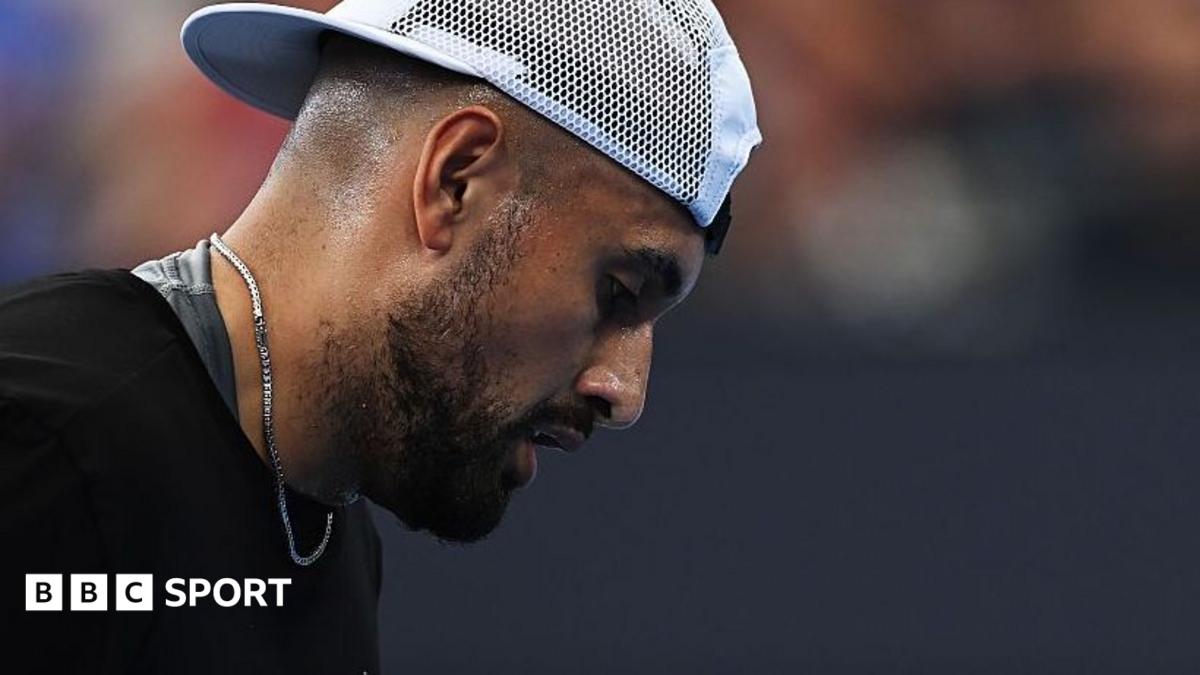
    Controversial Australian tennis star Nick Kyrgios has cleared his suspension and is eligible to return to professional competition, after accepting a one-month ban triggered by a positive cocaine test from a June tournament.

    The 31-year-old, whose ranking has plummeted to 918th in the world after years of injury struggles, was first placed on a provisional suspension on August 4, following a routine out-of-competition sample collected at the Mallorca Open that tested positive for benzoylecgonine, a well-documented metabolite of cocaine.

    Kyrgios did not dispute the finding during his investigation with the International Tennis Integrity Agency (ITIA). He confirmed to investigators that he consumed cocaine during a late-night visit to a nightclub in Magaluf in the early hours of June 20, just two days before his first-round singles match at the Mallorca Open. He ultimately lost that match in straight sets to fellow Australian Adam Walton.

    After an independent expert consultation, the ITIA confirmed that Kyrgios used the banned substance outside of official competition, a ruling that supported a reduced penalty. While the maximum possible suspension for the offense was three months, the ban was cut to one month after Kyrgios committed to and enrolled in a formal treatment program for substance use. His suspension officially concluded on September 3, making him immediately eligible to return to tour events. In addition to the suspension, Kyrgios has been stripped of his 6,570 euro (approximately £5,650) prize money from the Mallorca Open.

    When the positive test was first announced, Kyrgios pledged to step away from social media and public life for the 28-day suspension period to “focus on getting myself right.” This season, the former world No. 13 has only competed in four singles matches, as persistent knee and wrist injuries have sidelined him for most of his schedule since the 2022 Wimbledon final. His most recent competitive appearance was in men’s doubles at this year’s Wimbledon, where he and partner Alexander Bublik exited in the opening round.

    In a public statement released shortly after his initial suspension, Kyrgios acknowledged that years of recurring injuries have taken an immense toll on both his physical and mental health. “My body hasn’t been able to do what my mind expects it to do,” he wrote on Instagram. “Coming to terms with being near the end of my career has been harder than I ever imagined. None of that excuses what I did.”

    Cocaine is categorized as a prohibited stimulant and substance of abuse on the World Anti-Doping Agency’s (WADA) official banned list.

    Kyrgios has long been one of the most polarizing figures in men’s professional tennis. He has faced widespread criticism for repeated on-court misconduct, including multiple large fines for racket-smashing, verbal outbursts, obscenities, and arguments with umpires. Off the court, his history of controversy includes a 2023 admission of assaulting a former girlfriend in 2021, a case that ended with no criminal conviction, and multiple accusations of misogynistic remarks. Most recently in 2024, he faced backlash for sharing a post from controversial influencer Andrew Tate, though he later stated he had gone to great lengths to distance himself from Tate, who has openly described himself as a misogynist.

    Kyrgios was also an outspoken critic of the anti-doping rulings in two high-profile cases involving top tennis players Jannik Sinner and Iga Swiatek, labeling the handling of those cases “disgusting” for the sport and calling the global tennis integrity system “awful.” Notably, his one-month ban matches the length of suspension given to Swiatek, and is two months shorter than the three-month ban handed to Sinner, a outcome that aligns with Kyrgios’ own prior criticism of lenient penalties for top players.

    The timeline of Kyrgios’ cocaine use places it less than 24 hours before the official start of the Mallorca Open singles draw on June 21, even though his first match was not held until June 22. The ITIA granted the reduced penalty after Kyrgios provided official documentation confirming he had paid for and started his treatment program on August 28.

    Despite his immediate eligibility to return, Kyrgios has struggled to remain competitive on tour since his historic run to the 2022 Wimbledon singles final, where he lost in four sets to Novak Djokovic. He has undergone reconstructive knee and wrist surgery in the years since that run, and has only won two of the eight total matches he has competed in since the start of 2023. Beyond his 2022 Wimbledon singles final appearance, Kyrgios holds seven ATP Tour singles titles, and won the 2022 Australian Open men’s doubles title alongside compatriot Thanasi Kokkinakis. He has also spoken openly about his long-standing struggles with mental health, revealing that he genuinely contemplated suicide and spent time in a London psychiatric facility following an early loss at Wimbledon in 2019.

  • US diplomat Boulos won’t name ‘at least 12 countries’ involved in Sudan war

    US diplomat Boulos won’t name ‘at least 12 countries’ involved in Sudan war

    The ongoing civil conflict in Sudan, which erupted in April 2023 and has already spawned the world’s most severe humanitarian catastrophe, has drawn direct or indirect military involvement from at least a dozen foreign nations, a senior White House advisor for African and Arab affairs has revealed. Massad Boulos, a Lebanese-born American diplomat whose son is married to former President Donald Trump’s daughter Tiffany, laid out the widespread regional meddling in an exclusive interview with the BBC’s *Focus on Africa* program, though he declined to publicly name the intervening states.

    In his comments, Boulos emphasized that nearly every neighboring country in the Northeast African region has taken on some level of participation in the conflict, whether that means deploying military resources directly to one of the warring parties or enabling weapons transfers and militia movements across shared borders. “As for the military support, this is done currently by all the neighbouring countries in addition to some other regional actors. This is really very sad,” Boulos told the program. He went on to confirm that the total number of countries providing military backing to either the Sudanese Armed Forces (SAF) or the paramilitary Rapid Support Forces (RSF) stands at roughly 12, adding that the identities of these backers are already an open secret in international diplomatic circles. “We are not going to go into names at this time, but I think they are well known,” he said.

    When pressed on why the U.S. has declined to publicly name the external backers of Sudan’s warring factions, Boulos deflected the question and refocused on Washington’s core diplomatic push: a push to impose a full, nationwide arms embargo on Sudan that would cut off all weapons flows to both sides of the conflict.

    Right now, only a limited UN arms embargo is in place, restricted solely to Sudan’s vast western Darfur region – the historic stronghold of the RSF and its predecessor militia, the Janjaweed, which carried out a genocidal campaign that killed hundreds of thousands of civilians in the early 2000s. That 20-year-old targeted embargo is set to expire on September 12, creating a narrow window for UN diplomats to craft a broader, more effective regulatory framework.

    According to reporting from Middle East Eye (MEE), the UN Panel of Experts tasked with monitoring the existing Darfur embargo submitted its final assessment report to the UN Security Council on July 13, and the document includes substantial new evidence confirming repeated violations of the embargo by the United Arab Emirates (UAE). The UAE has repeatedly and publicly denied providing any support to the RSF throughout the 16-month-long conflict. However, multiple independent sources – including UN experts, international human rights organizations, and MEE’s own on-the-ground reporting – have documented consistent Emirati military backing for the RSF, which is led by former Janjaweed commander Mohamed Hamdan Dagalo and has been formally accused of genocide in Darfur by multiple international bodies.

    Weapons serial numbers traced from battlefield recovered hardware, public flight tracking logs, and testimony from dozens of regional sources all confirm that the UAE routes military supplies to the RSF through third-party transit points in Libya, Chad, Ethiopia, and the self-declared independent state of Somaliland. The latest Panel of Experts report also adds new granular detail to longstanding public accusations that the UAE contracted Colombian mercenaries to fight alongside RSF forces on the ground in Sudan, MEE has learned.

    When asked directly about the accusations against the UAE during his BBC interview, Boulos confirmed he holds regular diplomatic meetings with Emirati officials, including talks held just one week prior to the interview. He added that Emirati officials “deny any direct involvement” in arming the RSF, suggesting that any weapons transfers that do occur are the unapproved actions of independent traders rather than official state policy. “There might be some traders or whatever that are doing these sorts of supplies, providing supplies to both sides, but again we are not here to go into these details,” Boulos said.

    While the UAE backs the RSF, public reporting confirms that other foreign powers have aligned with the opposing SAF. Egypt and Turkey are the two largest military backers of the Sudanese regular army, with Turkish diplomatic and military sources confirming to MEE that Ankara supplies the SAF with unmanned combat drones, artillery ammunition, and advanced air defense systems. Turkish drone operators have also deployed directly to Sudanese territory to carry out offensive operations, and both Turkey and Egypt have launched airstrikes against RSF weapons convoys operating in the remote desert border triangle where Sudan, Libya, and Egypt meet.

    Boulos told the BBC that a full nationwide arms embargo would impose a complete ban on the sale, transfer, and delivery of all weapons and military equipment to any party in the Sudanese conflict. “We have to act, we have to do something about it and that’s why I talked to the members of the Security Council about it,” he said, though he acknowledged that the proposal faces major barriers to passage at the UN Security Council. Russia has already used its veto power to block similar embargo proposals in recent months, leaving the diplomatic effort on uncertain ground.

    Boulos framed the push for a full embargo as an urgent response to a sharp recent escalation in external military support for both warring sides. “This call came in the context of the increasing levels of military support that we have seen to both warring parties in the recent weeks and months. There’s a tremendous increase to both sides,” he explained.

    The conflict between the SAF and RSF, which broke out over a disputed plan to integrate the two forces into a unified national military ahead of a planned transition to civilian rule, has displaced more than 10 million Sudanese and left millions more on the brink of famine, making it the world’s worst humanitarian disaster in decades.

  • Transplanted pig kidney works in US man’s body for record 271 days

    Transplanted pig kidney works in US man’s body for record 271 days

    A groundbreaking development in organ transplantation has set a new record: a kidney harvested from a genetically modified pig has functioned normally in a human patient for 271 days, the longest successful duration ever recorded for this experimental procedure, according to medical teams at Mass General Brigham in the United States. The case, recently published in the *Lancet* medical journal, offers a glimmer of hope amid a persistent global crisis of organ donor shortages that leaves thousands of patients waiting for life-saving treatment every year.

    The recipient of the experimental transplant was 66-year-old Tim Andrews, who was living with end-stage kidney disease caused by type 2 diabetes. Like thousands of patients across the United States and the United Kingdom, Andrews faced a years-long wait for a human donor kidney. He was told it could take up to seven years to reach the top of the transplant waiting list, while the average life expectancy for a patient on long-term dialysis is just five years. “I had a little bit of a shortage of time… it becomes very depressing,” Andrews recalled of his ordeal before the procedure. When offered the option of a pig kidney xenotransplant—an organ sourced from another species—he described the opportunity as “hope” and the “light at the end of the tunnel.”

    The transplant was performed on January 25, 2025. From the moment surgeons connected the pig kidney to Andrews’ blood vessels, the organ began working to filter his blood, eliminating the immediate need for regular, time-consuming dialysis appointments that had upended his daily life. The pig kidney continued to function without critical failure for 271 days, a new global benchmark for the field of xenotransplantation. Although early signs of immune rejection were detected, clinicians successfully managed the reaction by adjusting Andrews’ immunosuppressant medication. Eventually, after approximately six months, the pig kidney began to fail as inflammation developed and damage accumulated in its blood vessels. It was removed in October 2025, after which Andrews returned to short-term dialysis for 82 days. In January 2026, he received a donor human kidney, which has continued to function well as of the latest clinical updates.

    Notably, clinicians report that the pig kidney’s failure was not triggered by the acute antibody-mediated immune rejection that has doomed early xenotransplant attempts. The exact cause of the organ’s decline remains under investigation, marking a key area for future research.

    Pigs have long been identified as the most promising candidate species for human xenotransplantation: their organs are roughly the same size as human organs, and controlled farming of pigs for medical use has been refined over decades of research. However, using unmodified pig organs in humans triggers an immediate, devastating immune response, where the body identifies the foreign tissue and launches an attack that destroys the organ within minutes. To overcome this barrier, researchers developed genetically modified Yucatan miniature pigs, with 69 genomic edits designed to “humanize” their organs:
    – These edits remove molecular markers on pig cells that the human immune system recognizes as foreign
    – They add human genetic material that acts as biological camouflage, hiding the pig tissue from immune detection
    – Additional modifications disable endogenous retroviruses embedded in pig DNA, eliminating the risk of cross-species viral infection

    Mass General Brigham’s transplant team emphasizes that their successful 271-day outcome proves that genetically modified pig kidneys can act as a life-saving “bridge” for patients waiting for a human donor organ. For patients like Andrews, this bridge means freedom from the relentless cycle of dialysis while they wait, and a far higher chance of surviving long enough to receive a permanent human transplant.

    Dr. Leonardo Riella, from the center for transplantation sciences at Mass General Brigham, framed the ongoing organ shortage as a public health crisis. “We are working really hard to bring hope and we truly feel that xenotransplantation can be an alternative for patients who don’t have a living donor where we could potentially bypass dialysis and get them to a transplant,” he said.

    g the milestone, the research team’s published analysis acknowledges that the case highlights both the enormous promise of xenotransplantation and the critical challenges that remain to be solved before the procedure can become widely available to patients in need. Across the globe, 100,000 people are currently waiting for a kidney transplant in the U.S. alone, with only around 25,000 transplants performed annually. More than 7,000 patients are on the UK’s kidney waiting list, making the search for alternative organ sources a pressing public health priority.

  • Palestine Action activists to appeal terror sentencing

    Palestine Action activists to appeal terror sentencing

    Four activists from the pro-Palestinian advocacy group Palestine Action are moving forward with a legal challenge to a historic UK court ruling that labeled their direct action at an Israeli-owned arms facility an act of terrorism, marking the first time non-violent direct action protesters have received terrorist designations for criminal convictions in British legal history.

    The case dates back to August 2024, when the four activists — Charlotte “Lottie” Head, Fatema Rajwani, Leona “Ellie” Kamio, and Samuel Corner — entered Elbit Systems’ manufacturing site near Bristol, where they damaged Israeli military equipment including quadcopter drones destined for export to Israel. By May 2025, a jury found the group guilty of criminal damage for the action, but acquitted them on all violent offenses, including aggravated burglary and violent disorder. Only Samuel Corner’s separate conviction for grievous bodily harm escaped the terrorist designation applied to the criminal damage conviction.

    In a June 2025 ruling that legal experts describe as unprecedented, presiding Justice Johnson attached a “terrorist connection” to the group’s convictions, issuing prison sentences ranging from four to eight years. Under the ruling, the four are currently being held as high-risk prisoners, with the three female activists separated and transferred to different correctional facilities. The terrorist designation carries lifelong consequences beyond the prison term: even after release, the activists will face strict regulatory restrictions for decades, and the label bars Kamio, a former nursery school teacher, from ever working with children again.

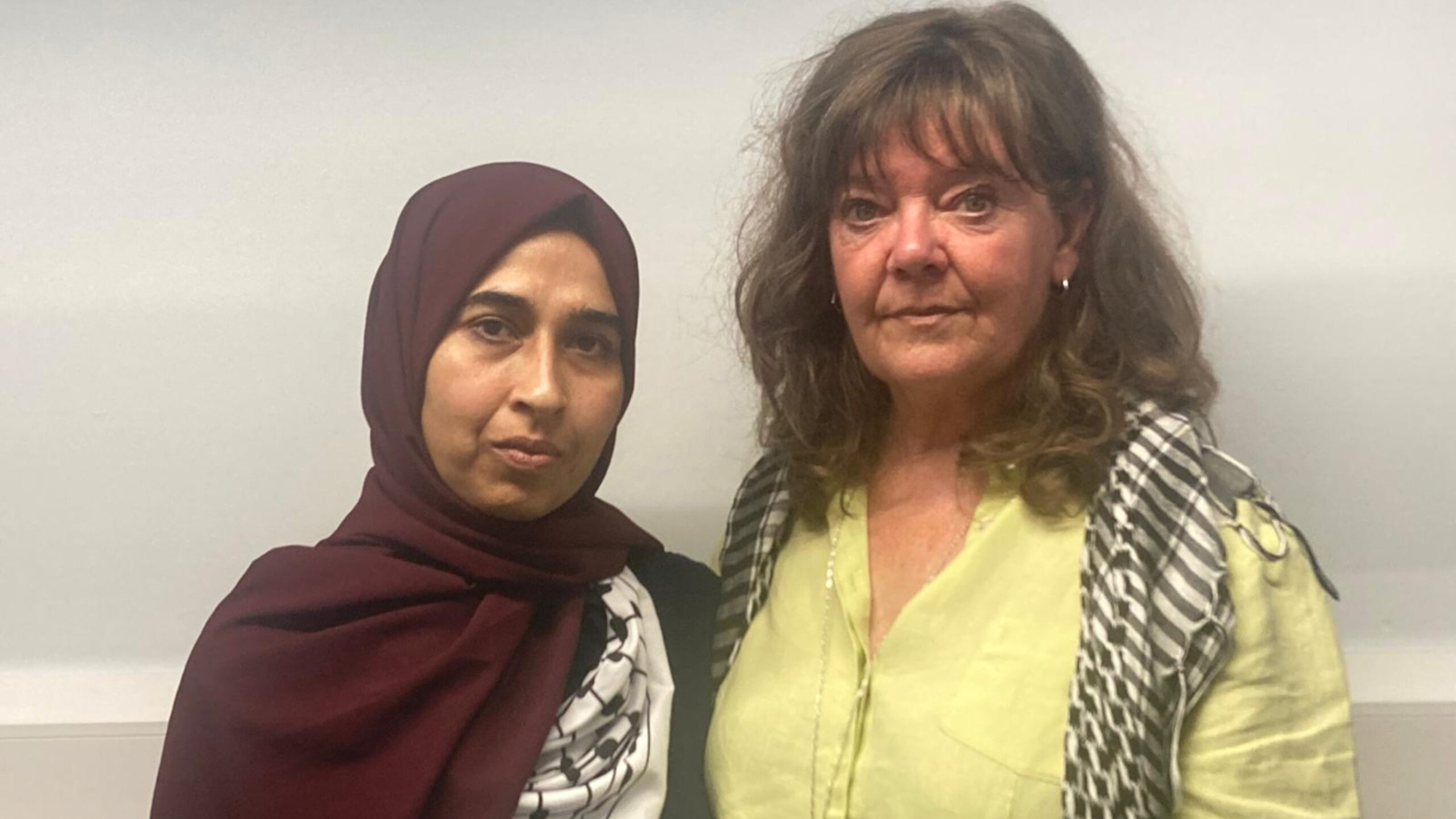
    Family members have spoken out about the harsh ongoing impacts of the sentencing. Sukaina Rajwani, mother of 22-year-old Fatema Rajwani, told reporters at a Thursday press conference that her daughter has already spent 10 percent of her lifetime behind bars. As a terrorist-designated prisoner, Fatema is only allowed contact with 20 pre-vetted individuals, a restriction that will cut her off from most of her family, friends, and broader support network. “She had to pick 20 people. These 20 people have a weight to bear. They have to be available; they have to be committed. They have to be happy to be screened so diligently by the government,” Rajwani told Middle East Eye. Emma Kamio, mother of 28-year-old Leona Kamio, added that “she will be 50 years old before state harassment ends for her.”

    At the same press conference, the activists’ lead legal representative Simon Natas, a partner at ITN Solicitors with over 15 years of experience representing protestors, confirmed the appeal, arguing that the sentences are “manifestly excessive” and that Justice Johnson misapplied the terrorist connection designation to the case.

    The legal challenge lays out multiple grounds for overturning the ruling. First, Natas argues that the judge improperly relied on a financial report commissioned by Elbit Systems’ insurers to prove the activists caused “serious harm” — a core requirement for a terrorist designation under the 2000 Terrorism Act. The legislation defines terrorism as the use of action involving serious violence against people or property to advance a political, ideological, or religious cause, with the intent to influence government or intimidate the public. Natas notes that the law offers no clear definition of what constitutes “serious damage,” with very little existing case law to guide judges on the designation. He also pointed out that when the legislation was introduced by then-Home Secretary Jack Straw in 1999, the bar for a terrorist designation was intentionally set extremely high, requiring actions that create a “climate of extreme fear” — a standard that does not fit the activists’ non-violent property damage. “It would have been unthinkable to anyone involved in those cases that they would ever have been considered there being a terrorist connection,” Natas said.

    The appeal further argues that the activists had no intention to influence the UK government, which is a required element of the terrorist definition. “The intention here was simply to damage weapons to stop them being sent to Israel,” Natas explained. The legal team also contends the designation violates two key articles of the European Convention on Human Rights: Article 7, which prohibits harsher penalties than those applicable when the offense was committed, and Article 6, which protects the right to a fair trial. Notably, during the original trial, the activists were barred from informing the jury about the potential terrorist designation and prohibited from explaining their motivations — that the weapons they damaged were intended for use by the Israeli military in Gaza.

    The legal team is currently awaiting court approval for the appeal and confirmation of a hearing date.

  • US investigating if missile hit Iran wedding, Vance says

    US investigating if missile hit Iran wedding, Vance says

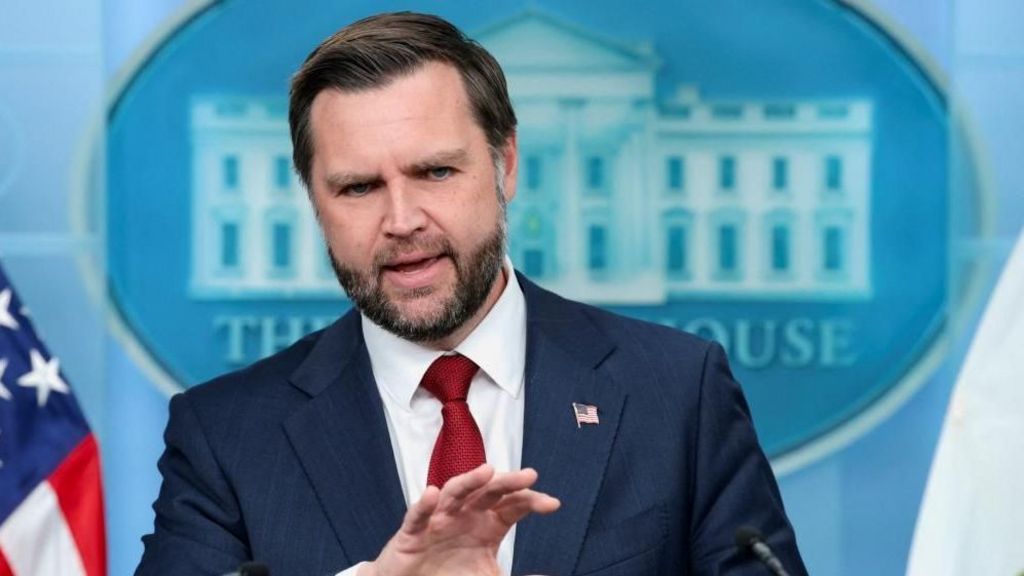
    Tensions between the United States and Iran have spiked once again following allegations that a recent US missile strike in southern Iran killed multiple civilians, including two children, at a residential wedding ceremony. US Vice President JD Vance has publicly stated he remains “extremely skeptical” of the Iranian claims, while confirming that US military officials have launched a formal investigation into the incident.

    According to the Iranian Red Crescent Society (IRCS), a humanitarian organization operating in the country, shrapnel from an incoming missile struck a private home hosting a wedding in the town of Sirik on Tuesday. The group reported that at least four people were killed immediately in the strike, and an additional 67 people were injured. Iranian state media later updated the casualty count, noting that a 22-year-old woman succumbed to her injuries shortly after being admitted to a local hospital. The five deceased victims have been publicly identified by local sources as 50-year-old Zarkhatoon Taheri, 43-year-old Kolsum Mallahi Nazhdnia, 16-year-old Mohammad Mallahi, and 4-year-old Amirali Karimi. Iranian Foreign Ministry spokesperson Esmaeil Baqaei has condemned the incident as a deliberate “war crime.”

    The strike was alleged to have occurred the same day that the US launched missile strikes against Iranian targets in retaliation for what US officials described as “attempted attacks” by Iran against American military personnel deployed in the region. A spokesperson for US Central Command has pushed back against the civilian casualty claims, asserting that the US military “never targets civilians” in its operations.

    Speaking during a White House press briefing on Thursday, Vance cast doubt on the accuracy of the Iranian reporting on the incident. “I will say that the Iranian state media has not been a very good scribe about what’s happened in the conflict thus far. So I’m extremely sceptical of this,” Vance told reporters, adding “I know that we’re investigating.”

    Independent analysis by BBC Verify has corroborated key parts of the Iranian account of the incident. The verification team confirmed that a video and two photographs captured on Tuesday near the coast of Kuhestak clearly show a destroyed telecommunications tower, with additional footage showing severely damaged residential structures approximately 130 meters (427 feet) north of the destroyed tower. Forensic analysis by BBC Persian found that the wedding-hosting home was located roughly 112 meters (367 feet) from the targeted telecommunications tower, placing the civilian gathering within the blast range of the strike.

    In response to the alleged wedding strike, Iran has launched fresh retaliatory attacks targeting US military bases located in Kuwait and the United Arab Emirates, further escalating a months-long active conflict that began when the US and Israel launched a joint military offensive against Iran on February 28. This escalation marks a sharp worsening of already strained relations between Washington and Tehran, with both sides now bracing for further confrontations in the coming days.

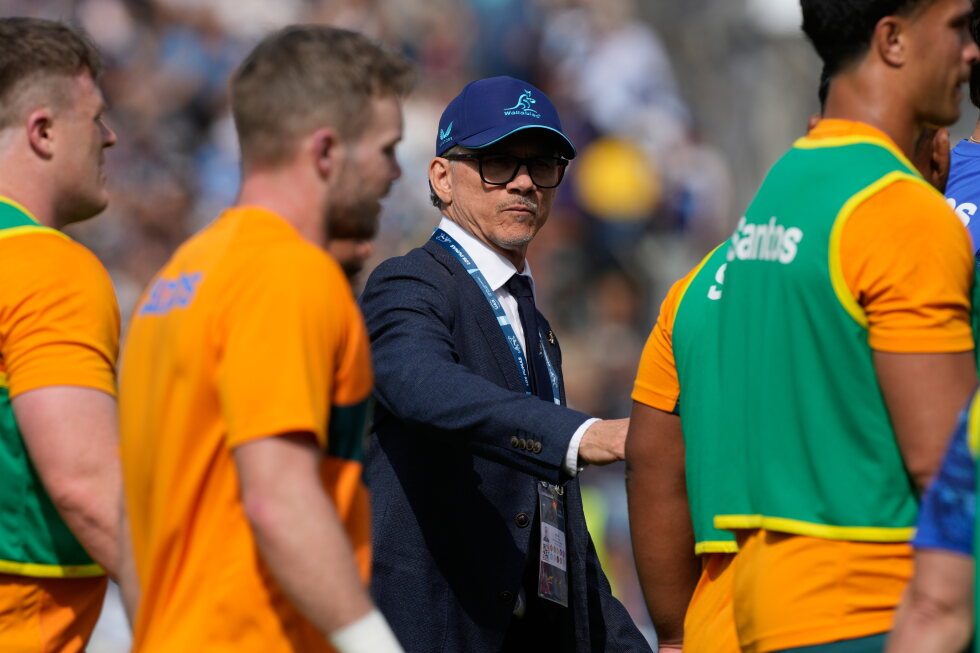
  • Donaldson comes in at flyhalf as Wilson returns as captain for Australia vs Argentina

    Donaldson comes in at flyhalf as Wilson returns as captain for Australia vs Argentina

    MENDOZA, Argentina — As Australia’s Wallabies prepare to face the Pumas in the second and final match of their rugby test series in Mendoza, head coach Les Kiss has rolled out a series of tactical lineup adjustments, headlined by the return of Harry Wilson to the starting side and the team captaincy. The match is set to kick off this Saturday, fresh off Australia’s narrow 27-21 victory in the opening test last week.

    One of the most notable changes comes at the flyhalf position, where Ben Donaldson will earn his first starting test nod in the 10 jersey in 2026. He replaces Carter Gordon, who has fully recovered from a recent injury but will drop to the bench for this weekend’s encounter.

    In the center pairing, Len Ikitau and Joseph-Aukuso Sua’alii will share the midfield for the 17th time across 26 test appearances, marking the first occasion the duo has started together under Kiss’ leadership. Ikitau was sidelined for the first test by injury, while Sua’alii entered the opening match from the reserves bench. Additional backline adjustments see Filipo Daugunu reclaim the starting left wing spot, replacing Harry Potter. Daugunu will line up alongside right winger Max Jorgensen and fullback Tom Wright, who is set to celebrate a career milestone with his 50th test cap for Australia.

    Up front, Wilson returns to his backrow position at the back of the scrum, and with his return to the starting lineup, he resumes the captaincy duties that prop Allan Ala’alatoa held in the first test. Wilson will link up with returning backrow starters Rob Valetini and Fraser McReight. In the front row, props Taniela Tupou and Angus Bell are back in the starting 15, alongside hooker Billy Pollard. First test starting hooker Brandon Paenga-Amosa has been rested and omitted from the 23-man match day squad, with Josh Nasser, Aidan Ross and Lukhan Salakaia-Loto named as reserves.

    Kiss explained that the changes balance the need for fresh energy after last week’s physical opening test with the goal of building consistent test experience across the entire Wallabies squad. “After a physical test last week, we’ve brought in some fresh bodies alongside some existing combinations as we continue to look to build test experience across the group,” Kiss noted. The coach added that he anticipates a fierce backlash from Argentina, which will be hungry to level the series on home soil. “We’re expecting a strong response from Argentina on Saturday and we know we will need to keep stepping up our game in all areas,” he said.

    A win on Saturday would hand Australia a fifth consecutive test victory, and would mark the first time the Wallabies have claimed a full series sweep on Argentine soil.

  • ‘In deep shock’: Germany reacts to far right’s seismic win in local election

    ‘In deep shock’: Germany reacts to far right’s seismic win in local election

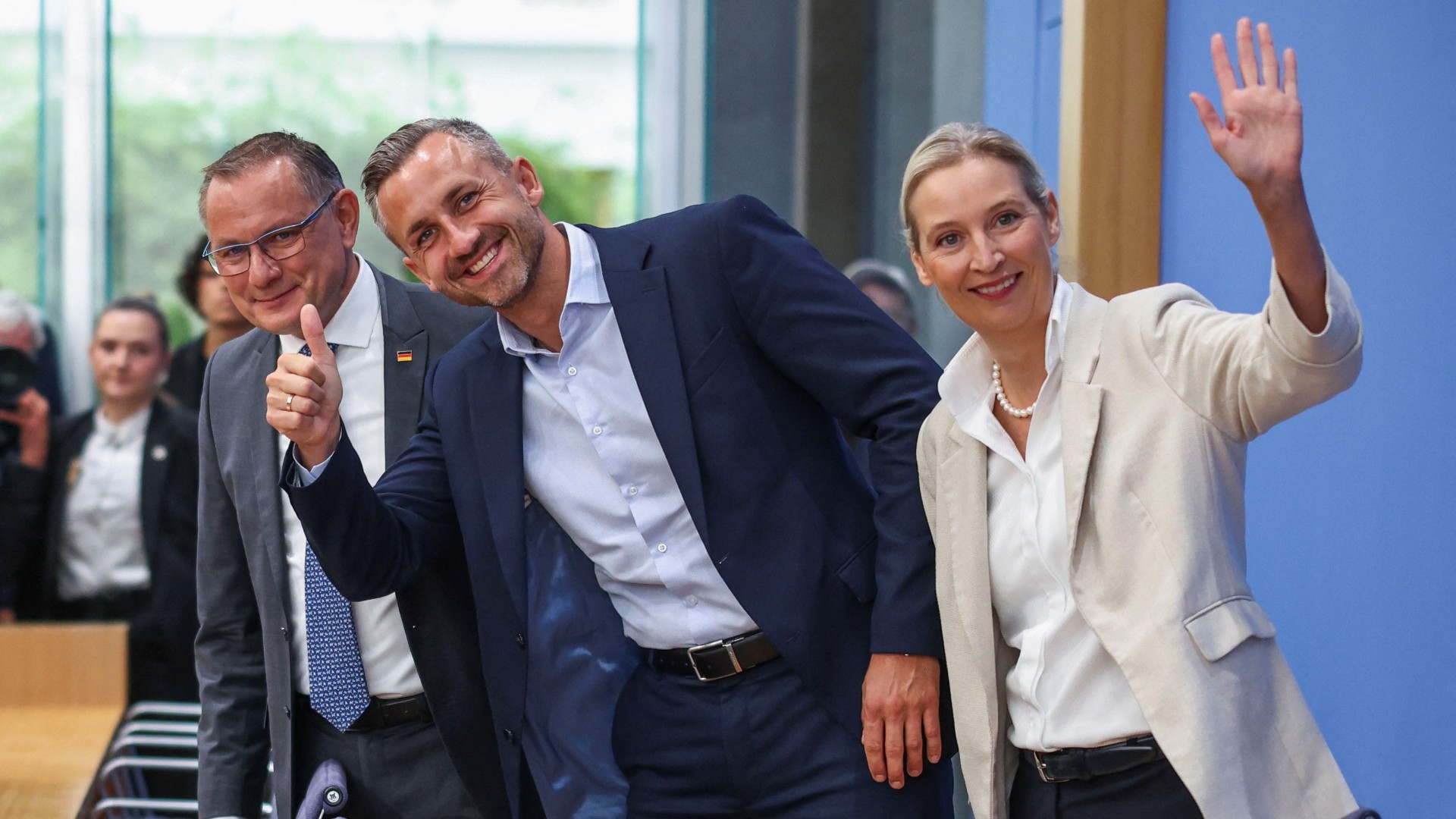
    In a historic upset that has sent tremors through German national politics, the far-right Alternative for Germany (AfD) has secured a record-breaking share of the vote in regional elections for the eastern German state of Saxony-Anhalt, marking the strongest electoral performance by the party in any state contest to date.

    Sunday’s election results, released after polls closed, put the AfD at 43.8% of the popular vote — a staggering 23-point surge from its performance in the state’s 2021 election. The party will take 39 of the 83 total seats in the Saxony-Anhalt state legislature, falling just short of the absolute majority it would have needed to form a government on its own. Had the party crossed the 45% threshold for a single-party majority, it would have marked the first time a far-right party held full unilateral legislative and executive control of a German state since the end of World War II, a outcome that had been widely feared across mainstream German political circles for weeks.

    The historic result is a catastrophic defeat for Germany’s long-ruling Christian Democratic Union (CDU), which had held the position of Saxony-Anhalt’s largest party for four consecutive election cycles stretching back to 2002. This year, the CDU crashed to an all-time low of just 17.4% of the vote — less than half its 2021 vote share. German Chancellor Friedrich Merz, leader of the CDU, acknowledged the depth of the party’s losses in a public statement Monday afternoon, ending hours of post-election silence from the party leadership.

    “We are all in deep shock,” Merz stated, admitting that he never anticipated the final result would be so lopsided against his party. “This shakes our party to its very foundations. We cannot simply carry on as before, nor can I, nor can the federal government.” Merz added that the devastating defeat would have concrete political consequences, and reaffirmed his commitment to pushing through fundamental systemic reforms across the country. The shockwaves have already spread to the state-level CDU: the party’s Saxony-Anhalt youth wing, Junge Union, has publicly called for the resignation of the entire state party executive committee, from the state chairman down to all regional leadership posts. “After a defeat on this scale, we cannot simply carry on as before,” explained Junge Union chair Nico Elsner.

    AfD’s lead candidate in the election, Ulrich Siegmund — labeled “Germany’s most dangerous man” by leading German news outlet Der Spiegel — is now on track to become Saxony-Anhalt’s next chief minister. Siegmund framed the landslide result as an unambiguous mandate from voters, saying “this is a sign that could hardly be any clearer.” His core policy priorities include abolishing Germany’s compulsory schooling framework, cutting public broadcasting to only two “opinion-free” channels, and enacting sweeping new restrictions on asylum and immigration. The AfD’s election platform also outlines radical overhauls to the state’s education system: the party frames inclusive education, which integrates children with disabilities and migrant backgrounds into mainstream classrooms, as a “failed experiment that must be brought to an end,” and calls for segregating children with refugee status and disabilities into separate special schools. It also proposes rewriting school curricula to refocus history education on building national identity, with an outsized focus on 19th-century German unification under Otto von Bismarck and the founding of the 1871 German Empire, while making the display of the national flag and daily singing of the national anthem mandatory in all schools.

    With just under 44% of the vote, the AfD is required to form a coalition government with at least one other party to take power — a scenario that has sparked uncertainty across the state, as the party has so far rejected any compromise coalitions. Nearly all mainstream German parties maintain a longstanding “firewall” policy, which bans any formal cooperation with the AfD at the state or federal level. The only exception is the left-conservative populist party Bundnis Sahra Wagenknecht (BSW), which cleared the 5% vote threshold needed to enter the state legislature and has already publicly expressed interest in joining an AfD-led coalition. Other potential governing paths remain on the table, including the defection of sitting CDU lawmakers to support an AfD minority government, while Siegmund has openly raised the possibility of triggering new state elections if a governing coalition cannot be formed.

    International reaction also followed the announcement of the results, with U.S. tech billionaire Elon Musk — who has previously publicly backed the AfD during the 2025 federal Bundestag election campaign — congratulating AfD co-chairwoman Alice Weidel on the social platform X with a brief “Well done!” and the German phrase “Gut gemacht!”.

    Domestically, the result has sparked immediate concern from civil society groups. In a joint statement, the heads of the German Rectors’ Conference and the Saxony-Anhalt State Rectors’ Conference called for urgent safeguards to protect academic independence from political interference. “Academic freedom, artistic freedom and university autonomy must be removed from the realm of day-to-day political disputes,” the statement read. For migrant and refugee communities already in the state, the result has sparked widespread anxiety: Saaeid Saaeid, spokesperson for the Saxony-Anhalt Refugee Council, described the election outcome as “a black day for Saxony-Anhalt” on social media, noting that many migrants are already questioning whether they will be allowed to remain in the country. “We do not yet know what sort of government will be formed, but we do know the fear these results are already causing,” he said. “Our demand of any democratic government formation is therefore clear: protect refugees, create prospects for residency and facilitate access rather than imposing bans.”

    Founded in 2013, the AfD began as a free-market, Euroskeptic party critical of the eurozone. Following the 2015 European refugee crisis, which saw millions of people fleeing conflict in Syria, Afghanistan, and Iraq arrive in Europe, the party shifted its agenda sharply to center on hardline anti-immigration policies and anti-Islam rhetoric, embedding anti-Muslim sentiment into mainstream German party politics. Today, the party’s core policy platform centers on the controversial concept of “remigration,” a policy widely interpreted as a proposal for mass deportation of migrant communities living in Germany. Since the 2025 federal election, the AfD has held the position of the second-largest party in the 630-seat Bundestag, Germany’s national parliament, with 150 seats. Since May 2025, Germany’s domestic intelligence agency, the Federal Office for the Protection of the Constitution, has formally classified the AfD as a “confirmed right-wing extremist endeavour.”

    Under Germany’s federal system, state-level governments hold significant authority over key policy areas including education, policing, and cultural policy, giving an AfD-led government in Saxony-Anhalt substantial power to implement the party’s radical policy agenda regardless of federal government composition.