博客

  • UK MP John McDonnell raises ‘alarm’ about arrest of journalists at Palestine Action protest

    UK MP John McDonnell raises ‘alarm’ about arrest of journalists at Palestine Action protest

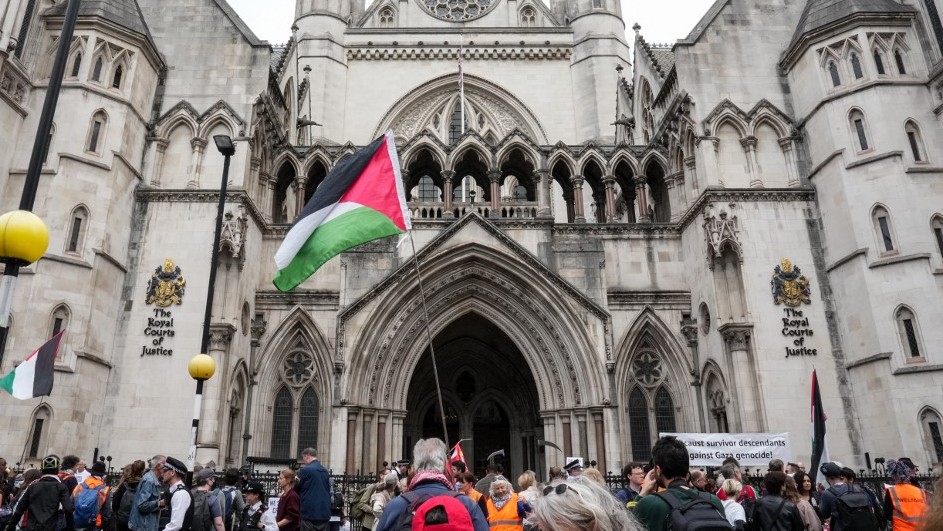
    A senior UK Labour politician has sparked fresh debate over press freedom and police conduct after tabling a parliamentary motion to condemn the controversial arrest of five journalists covering a pro-Palestinian protest in Leicester. The incident, which unfolded on October 8 outside the offices of UAV Tactical Systems — a local subsidiary of Israeli arms manufacturer Elbit Systems — has drawn sharp criticism from political figures and media unions over allegations of excessive police force.

    The five detained media workers included two reporters from the Leicester Gazette and two freelance journalists accredited by the National Union of Journalists (NUJ). According to the reporters’ accounts, they were taken into detention under Section 13 of the UK’s Terrorism Act despite explicitly showing official press credentials to multiple police officers at the scene. After holding the journalists for three hours and collecting their personal data, officers ultimately de-arrested the group without filing any charges.

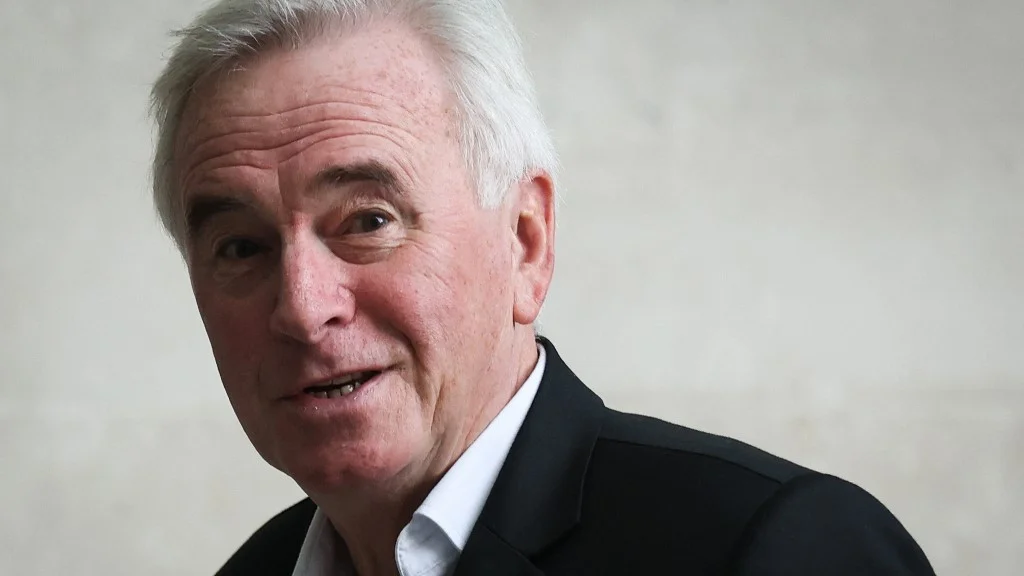
    John McDonnell, the veteran Labour politician behind the motion, formally labeled the arrests as unjustified police overreach in his Early Day Motion, tabled before UK Parliament last Thursday. He argued the incident poses a serious threat to the fundamental right of press freedom that underpins democratic society. Speaking to Middle East Eye, McDonnell emphasized that intimidating or detaining journalists simply for carrying out their professional work constitutes a clear violation of basic human rights, adding that such repressive actions have no place in a free democracy and cannot be accepted.

    The National Union of Journalists has also joined the push for accountability over the incident. NUJ General Secretary Laura Davison confirmed the union has raised formal concerns with the National Police Chiefs’ Council, echoing McDonnell’s criticism of excessive police action. Davison noted that following the UK government’s recent official ban on the protest group Palestine Action, the union has repeatedly stressed that journalistic coverage of the group — including taking photos or video of protest placards — does not amount to criminal support for the organization.

    In an official response to requests for comment, a spokesperson for Leicestershire Police defended the law enforcement action, explaining that the decision to detain all people at the protest site — including the journalists — was made to support a thorough investigation amid chaotic on-scene conditions and a large crowd. The spokesperson clarified that once officers interviewed the detained individuals, collected their details and confirmed no offenses had been committed, the journalists were immediately de-arrested and were never moved to police custody. Overall, police confirmed that 35 people were detained under Section 13 of the Terrorism Act during the protest, with just one individual facing additional arrest on suspicion of a racially aggravated public order offense. All 35 detained people have since been released on conditional bail.

    The incident comes amid growing tensions across the UK over protest policing, press freedom, and restrictions on pro-Palestinian advocacy following the government’s recent ban on Palestine Action, raising new questions about how law enforcement balances public order with protections for media and civil liberties.

  • Irish police social media accounts breached by hackers

    Irish police social media accounts breached by hackers

    A high-profile cyber incident has disrupted official social media channels of Ireland’s national police force, An Garda Síochána, after unauthorized actors gained access to two prominent accounts on the X platform earlier this week to push cryptocurrency promotions. According to Ireland’s national public service broadcaster RTÉ, the compromised accounts — @GardaTraffic, the force’s main account for road safety and traffic updates, and @GardaInfo, a general public information account — had their official Garda branding stripped from their profiles by Wednesday night. The bad actors replaced the original branding and began publishing a stream of posts advertising an unspecified cryptocurrency. Multiple posts were automatically flagged by X’s content moderation systems, which added warnings linking the content to an already suspended third-party profile. The hackers also altered the profile location setting to list Amsterdam, masking the actual origin of the activity. In an official statement released shortly after the breach was discovered, An Garda Síochána confirmed that the unauthorized access was limited exclusively to its two public-facing X accounts. The force emphasized that no internal police data systems were compromised in the incident, and there has been no loss of sensitive police information or disruption to core operational work. A police spokesperson issued a public advisory urging social media users to avoid interacting with any content posted to the two compromised accounts, or any imposter accounts claiming to represent the official Garda channels. “An Garda Síochána continues to carry out our internal enquiries and work with the X platform to understand how this unauthorised access has occurred,” the spokesperson added in the initial statement. By Thursday, the force issued an updated announcement confirming that the two compromised accounts had been successfully recovered and restored to police control. However, officials confirmed the accounts will remain inactive over the coming days to allow the Garda National Cyber Crime Bureau to conduct a full forensic investigation into the incident, identify the attackers, and shore up any security vulnerabilities that allowed the breach. The incident highlights the growing risk of unauthorized access to public institution social media accounts, which bad actors often target to spread misinformation or promote fraudulent schemes to large follower bases.

  • Bus hits train stopped on French side of  Channel Tunnel, with 19 injured

    Bus hits train stopped on French side of Channel Tunnel, with 19 injured

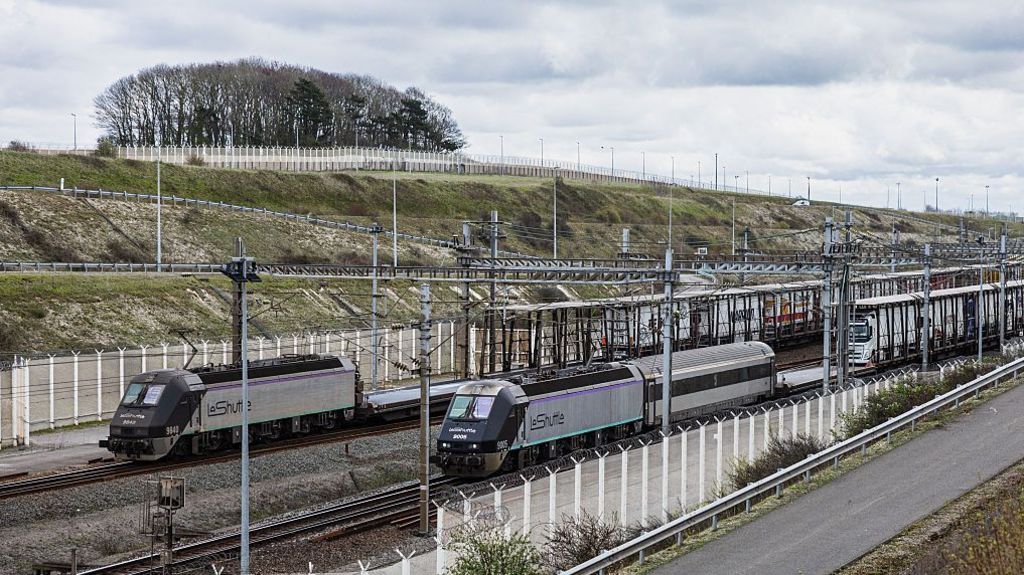
    A traffic incident near the Channel Tunnel’s French entrance in Coquelles, close to Calais, has left 19 people injured after a bus collided with a parked freight train on Saturday evening, according to local French authorities.

    The vehicle involved in the crash was transporting lorry drivers who were scheduled to board a shuttle rail service through the tunnel when the collision occurred at approximately 19:27 local time (17:27 GMT) on the tunnel’s loading platform.

    Agathe Cury, the local sub-prefect, confirmed to reporters that two of the 19 injured people, which include the bus driver and 18 passengers, have sustained severe injuries and were airlifted to nearby medical facilities via helicopter. As of the latest update, none of the injured are reported to be in life-threatening condition.

    Cury also noted that all people affected in the crash are men from multiple different nationalities. Images released by local French newspaper La Voix du Nord show emergency response personnel crowded around the scene, where the damaged bus with visible dents and breaks to its front and side panels is parked alongside the stationary freight train.

    In terms of traffic impact, Cury stated that only a brief pause in both freight and Eurostar passenger transit through the tunnel was ordered, to allow emergency teams to evacuate injured people. Beyond this short suspension, regular traffic flow through the Channel Tunnel was not disrupted in the longer term.

    Eurostar, the high-speed rail service that operates passenger routes through the tunnel between the United Kingdom and mainland Europe, later released an official statement confirming that the crash took place several kilometers from the tunnel proper. The company clarified that the incident does not involve any Eurostar trains traveling to or from London, and all services have continued to operate on schedule as planned.

  • Welsh parliament drops poet from opening ceremony after Gaza reference in poem

    Welsh parliament drops poet from opening ceremony after Gaza reference in poem

    A controversy has erupted over artistic expression and political speech in Wales after the national poet was excluded from the opening ceremony of the Senedd, the country’s devolved parliament, which was presided over by King Charles III, when officials rejected her work for referencing pressing global and domestic political issues.

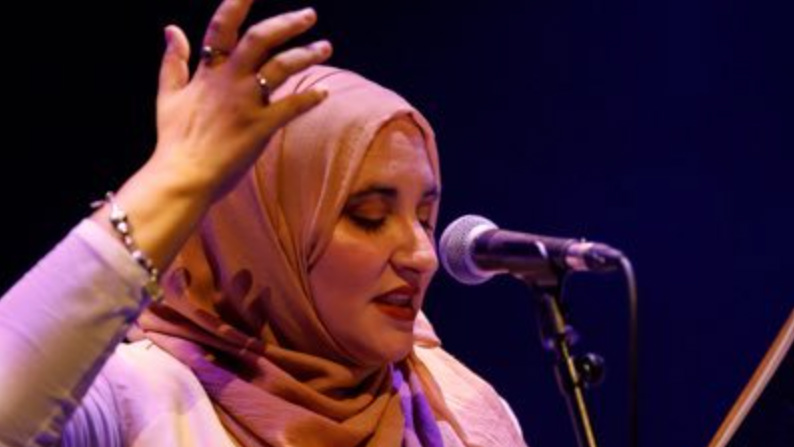
    Hanan Issa, a Welsh-Iraqi writer who holds the title of Wales’s national poet, was commissioned to compose and perform an original poem for Thursday’s official opening in Cardiff. But just one day before the event, Issa revealed that her original submission had been turned down explicitly on the basis that its political content made it unsuitable for the occasion.

    Issa’s original poem, titled *To Grow*, was crafted to blend English and Welsh language, framing Wales as a community garden and elected lawmakers as the garden’s caretakers—an extended metaphor to explore the responsibilities of governance. Rejecting calls to produce a generic, apolitical piece focused only on natural scenery, Issa wove in references to urgent ongoing issues, most notably a passage calling out violence against civilian children in Gaza. The poem also touched on contentious domestic policy debates around cuts to transgender healthcare and the rising threat of far-right fascism across Europe.

    When told the direct political references were unacceptable, Issa revised the poem, softening the language to be more abstract and replacing the explicit reference to “Gazan children” with the coded phrase “watermelon children”—a widely recognized symbolic reference to Palestinians, as the watermelon’s green, white, black and red stripes match the colors of the Palestinian flag. Even this toned-down second version was rejected by Senedd organizers.

    Following the second rejection, Issa announced she would boycott the entire ceremony, saying she was no longer welcome to participate. In an interview with BBC Radio Wales Breakfast, she explained her reasoning for including political content: the original commission brief only requested a poem celebrating elected representatives and their commitment to the Welsh public, with no explicit rule barring engagement with current issues. “It felt like a disservice to write something that was quite surface level, when so many pressing issues are affecting the lives of people in Wales today,” she said. Issa added that she found the rejection deeply concerning: the Senedd is Wales’s legislative body, where political debate is the core function, so barring political commentary from a national poet’s contribution sends a worrying message about open discourse in Welsh democracy.

    In a brief statement responding to the controversy, the Senedd Commission, the governing body that oversees parliamentary operations, only said that “after a development process, we concluded that the poem was not the right fit for this occasion.”

    Literature Wales, the organization that supports literary work and the national poet role, acknowledged the Senedd Commission’s final decision while expressing regret over the outcome. “The role of the national poet is to inspire reflection, conversation and positive change,” the group said in a statement. “We are disappointed that this formal celebration of Welsh democracy will not include a literary contribution.”

    The incident has reignited conversations across the United Kingdom about the limits of free expression in institutional public events, particularly when it comes to commentary on the ongoing Israel-Gaza conflict, which has become one of the most divisive global political issues in recent years.

  • ​​Libya: Racism and ‘resettlement’ conspiracies fuel fear among Tripoli’s migrants

    ​​Libya: Racism and ‘resettlement’ conspiracies fuel fear among Tripoli’s migrants

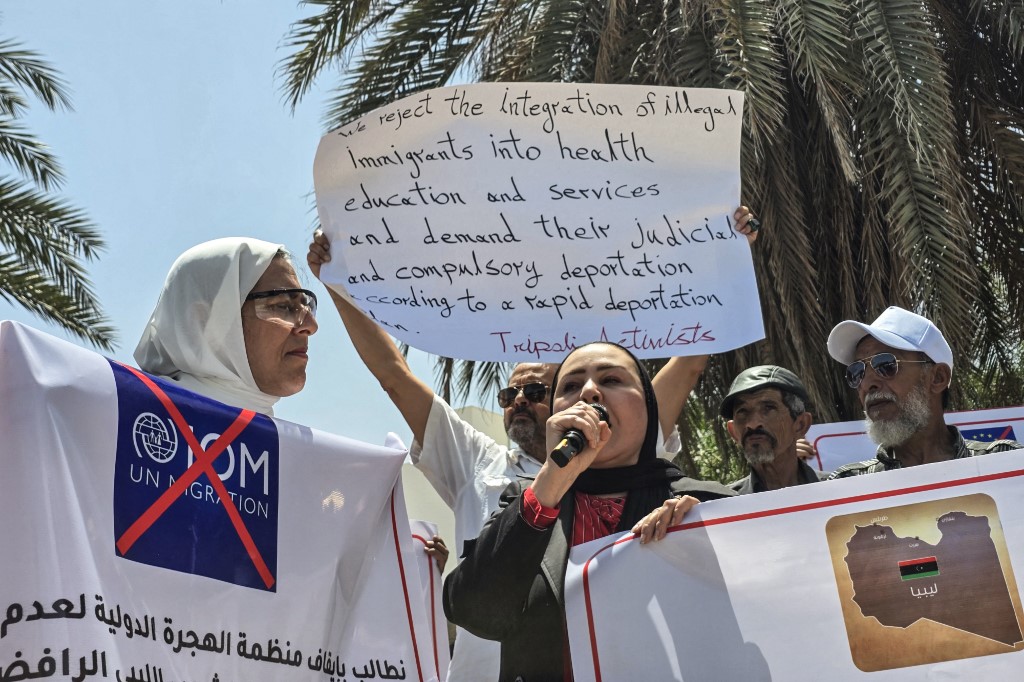
    In early October, a planned mass xenophobic demonstration targeting foreign migrants in Tripoli that had been weeks in the making failed to materialize at scale, overshadowed by a large-scale teachers’ strike demanding unpaid wages from the internationally recognized Government of National Unity (GNU) that controls western Libya. But the failed protest did little to ease the rising tide of anti-migrant sentiment that has been building in the Libyan capital since spring 2025, leaving hundreds of thousands of vulnerable people facing growing threats of violence, discrimination, and exclusion. In the lead-up to the 1 October deadline for protests, dozens of social media groups and pages flooded platforms with openly xenophobic content, replete with racist slurs targeting Sub-Saharan African, Arab, and Asian migrants, in a coordinated campaign to push Libyans into the streets. Migrant rights organization Refugees in Libya even confirmed it received a handwritten threat targeting “black people” that included a bullet just days before the planned demonstration. While the 1 October protests drew barely any turnout, small factions of demonstrators did gather in Tripoli’s Martyrs’ Square on 2 and 9 October, chanting slogans including “Libya for Libyans” and “No to resettlement.” These small actions are part of a steady string of similar demonstrations that have taken place multiple times per month in central Tripoli since April, slowly amplifying hostility toward the large migrant population concentrated in the capital. Today, Tripoli is home to nearly 700,000 Sub-Saharan African migrants and refugees, including 335,000 Sudanese people who fled the ongoing war in their home country. For years, the Libyan capital has served as a key transit hub for migrants seeking to cross the Mediterranean to reach Europe. Data from the first eight months of 2025 shows that roughly 80% of all migrants arriving in Italy via the Mediterranean departed from Libyan territory, with over 90% of those departures launching from western Libya’s coastline between Tripoli and Zuwara, a longstanding major departure point for migrant smuggling networks. Long before the recent wave of public anti-migrant protests, migrants in Libya already faced systemic abuse that the United Nations has labeled widespread and systematic human rights violations. These abuses include exploitation by smuggling networks, arbitrary detention, kidnapping, torture, enslavement, and violent interception by Libyan authorities at sea. But the rising tide of public hostility has added new layers of risk, with migrants facing growing threats in their homes, workplaces, and public spaces that did not exist at the same scale just a year ago. “I feel that Libyans are increasingly allowed to do whatever they want to us, without obligation to abide by the law,” explained Albert G, a 37-year-old migrant from Sierra Leone who resides in eastern Tripoli, in an interview with Middle East Eye. “Not only will torture and imprisonment continue to be a reality for migrants, which is already a well-known problem, but it also adds more common difficulties when there is no way for us to enter the public places or look for work to survive.” Albert told reporters that anti-migrant sentiment began growing after the first wave of public protests in spring, and became genuinely frightening by the start of summer. The first large, coordinated anti-migrant protest took place in June, when hundreds of demonstrators gathered to oppose what they claimed was a secret UN-backed “resettlement plan” to keep migrants in Libya permanently, rather than allowing them to continue their journey to Europe. Despite immediate and firm denials from both the International Organization for Migration (IOM) and the UN High Commissioner for Refugees (UNHCR), protesters blocked the UNHCR headquarters in Tripoli on 4 June, accusing international aid agencies of seeking to alter Libya’s demographic makeup. The June protests were followed by widespread anti-migrant violence across multiple western Libyan cities, with police and armed factions aligned with the Libyan interior ministry launching waves of arrests targeting Sub-Saharan African people. Many members of the migrant community stayed locked inside their homes for days to avoid violence, as unrest spread. While large-scale unrest died down over the summer, small anti-migrant gatherings and sporadic violent incidents continued. Tensions flared again on 7 September, when a group of Libyan protesters stormed an IOM Migrants’ Response Centre in western Tripoli. While no one was killed or injured in the attack, the incident sent shockwaves through Tripoli’s Sub-Saharan African community. “If the authorities can allow an IOM camp to be attacked, many lives will be impacted because there will be no safe place for migrants,” Albert said. After the attack on the response centre, the GNU released a statement acknowledging that “the right to peaceful protest can never justify assault, vandalism or threats to life,” and warned that perpetrators would face legal consequences. But when Middle East Eye asked the Libyan interior ministry what concrete steps it had taken to hold attackers accountable or prevent future incidents, the ministry failed to respond. Meanwhile, the large social media pages and groups that launched the anti-migrant campaign earlier this year remain active on Facebook and X (formerly Twitter), continuing to spread hate speech and call for future mobilization. Groups including “Libyan News – No to the Resettlement In Libya,” which boasts 76,000 members, and “The Tripoli Activists Movement,” with 39,000 members, publish hateful content targeting migrants on a daily basis. To date, the full extent of coordination behind the movement and its original origins remain unclear. An August investigation by the BBC found that the June large-scale protests were primarily fueled by unfounded online rumors spread to stoke public anger. On the ground, a small number of public Libyan figures including lawyer Thuraya al-Tuwaibi and journalist Salma al-Shaab have repeatedly led the protests, which they describe as “peaceful,” and have kept the movement’s momentum going. “These campaigns are still ongoing, even though they are based on false and misleading information,” said Ahmed Hamza, a Libyan human rights activist, in an interview with Middle East Eye. “The actions of those advocating for or coordinating this criminal movement constitute criminal acts punishable under the Libyan Penal Code.” Hamza pointed to a “state of complacency, complicity, and suspicious silence from the interior ministry and other authorities” that has allowed the anti-migrant movement to grow unimpeded. Migrants themselves echo this criticism, noting that while the GNU officially allows migrants to live and work in Libya – and even employs some in low-wage roles – it has never taken meaningful steps to guarantee the safety of migrant communities in Tripoli. Kingsley, a pseudonym for a Cameroonian refugee who has lived in Tripoli for four years, told reporters he has “never felt safe in Libya.” The 29-year-old was arrested twice by Libyan security forces in 2024 and 2025, and says he was only released after paying ransom to what he describes as his “kidnappers.” Human rights groups have repeatedly documented that armed groups affiliated with official Libyan state institutions, alongside independent criminal gangs, routinely hold migrant civilians for ransom. “Now, I see the vast majority of Libyans as a threat,” Kingsley said. While Sub-Saharan African people remain the primary target of online and offline anti-migrant hate, the movement’s rhetoric has also expanded to target Palestinian, Syrian, and Bangladeshi communities – groups that have long had a large presence in eastern Libya and are increasingly visible in Tripoli. Migrants report that even minor, everyday interactions with locals are now marked by increased disrespect and rights violations, even in incidents that are not directly tied to the anti-resettlement movement. “Last week, I worked at a construction site for two days and received no money. I had to go home on an empty stomach,” Albert said. While no new large anti-migrant protest dates have been announced publicly, tensions across Tripoli remain high, and human rights advocates warn the situation could escalate into widespread violence at any time. “Authorities must assume their responsibilities. Matters could escalate and get out of control,” Hamza warned. To date, the rising hostile climate has not forced large numbers of migrants to flee Tripoli, but many are now considering leaving for neighboring countries in search of safety. The IOM runs voluntary return programs for migrants, which assisted around 16,000 people in 2025, while Libyan official authorities deported more than 37,000 migrants last year. “Even if the situation is terrible there too, I would rather be in Tunisia, or Algeria,” Albert said. “I don’t know what the coming months have in store for us here.”
  • UK legal regulator dismisses complaints against UK Lawyers for Israel patrons

    UK legal regulator dismisses complaints against UK Lawyers for Israel patrons

    A long-simmering dispute over the intersection of legal professional ethics and Middle East political activism has taken a new turn, after the United Kingdom’s independent regulator for barristers ruled it will not open a formal investigation into three prominent senior barristers who hold patron positions with UK Lawyers for Israel (UKLFI).

    The case stems from a joint complaint filed earlier this year by two legal advocacy organizations—the London-based Public Interest Law Centre (PILC) and the European Legal Support Centre (ELSC)—acting on behalf of multiple charities and pro-Palestine campaign groups. The complaint targeted three high-profile legal figures: Lord David Pannick KC, Lord Anthony Grabiner KC, and Stephen Hockman KC, arguing that their formal association with UKLFI lent unearned professional legitimacy to the group’s aggressive legal campaigns targeting Palestine solidarity activists.

    UKLFI, founded in 2011 as a limited guarantee company with an affiliated registered charitable trust, defines its core mission as countering what it frames as the delegitimization of Israel and opposing the global Boycott, Divestment and Sanctions (BDS) movement. A core component of the group’s work is sending legal warning letters and formal complaints to individuals and organizations hosting pro-Palestine events or activism that UKLFI deems antisemitic or problematic. The names of the three barristers who are UKLFI patrons appear prominently on the header and footer of these legal communications.

    Internal documents obtained by Middle East Eye confirm that the Bar Standards Board (BSB), the body tasked with regulating barrister conduct in England and Wales, has closed the complaint without opening an investigation, citing what it calls insufficient evidence of professional misconduct. In its official outcome notification to the complaining legal groups, the BSB acknowledged that the three barristers are formally named as patrons of UKLFI, but ruled that their association does not violate the BSB Handbook of professional conduct.

    “Whilst the Barrister is a named Patron on the official letterhead for UKLFI, there is no evidence that the Barrister is the author of the letters sent out on behalf of UKLFI,” the BSB’s decision explained, adding that it is standard practice for non-profit organizations to highlight the professional standing of their official patrons. A BSB spokesperson declined to comment further on the specific case when contacted by Middle East Eye, in line with its policy on individual complaints.

    The ruling has been met with immediate pushback from PILC and ELSC, which have called the regulator’s conclusion unconvincing and pledged to formally challenge the decision through the BSB’s appeal process. The advocacy groups argue that the well-documented professional prestige of the three barristers is intentionally leveraged by UKLFI as a tool of “lawfare” designed to intimidate and deter peaceful, fully lawful pro-Palestine activism and protected political expression.

    “We reiterate our clients’ concerns around the use of distinguished barristers’ names and professional status on UKLFI correspondence, which lends authority to legal threats and contributes to the suppression of lawful Palestine solidarity activity,” the groups said in a joint statement. “Campaigners deserve to trust that legal regulators will adequately scrutinise harmful deployments of the law; we will persist in our efforts to ensure accountability for our clients.”

    Under BSB rules, an appeal of a closed complaint can be granted if new evidence emerges, a procedural error is identified, or the original ruling is found to be materially incorrect. PILC and ELSC say they already have sufficient grounds to launch an appeal and are currently compiling additional evidence to submit to the regulator in support of their challenge.

    The ELSC tracks efforts to restrict pro-Palestine activism across the United Kingdom in its Britain Index of Repression database, where UKLFI is listed 128 times. The advocacy group says the cumulative impact of UKLFI’s repeated legal threats has created a widespread “chilling environment” that pushes even fully lawful organizations and individual activists to cancel or alter pro-Palestine events out of fear of costly and time-consuming legal action.

    This is not the first complaint over UKLFI’s tactics filed by the two legal groups. Last year, PILC and ELSC submitted a separate complaint to the Solicitors Regulatory Authority (SRA) against Caroline Turner, a serving director of UKLFI. That complaint accuses Turner of violating the SRA’s professional principles and code of conduct, including through the use of Strategic Lawsuits Against Public Participation (SLAPPs)—a tactic defined as baseless legal threats used to silence critics and deter free expression on matters of public interest.

    Per documentation compiled by the complaining groups, between January 2022 and May 2025, UKLFI has sent at least eight formal threatening letters to individuals and organizations engaged in Palestine solidarity work. Recipients who shared the correspondence with complainants say the letters follow a clear pattern of “vexatious and legally baseless” messaging targeted at silencing grassroots campaigners, academic researchers, and civil society groups working on Palestine-related issues.

  • Israel bars US contractor from Gaza, blocking base for Moroccan and Kosovan troops

    Israel bars US contractor from Gaza, blocking base for Moroccan and Kosovan troops

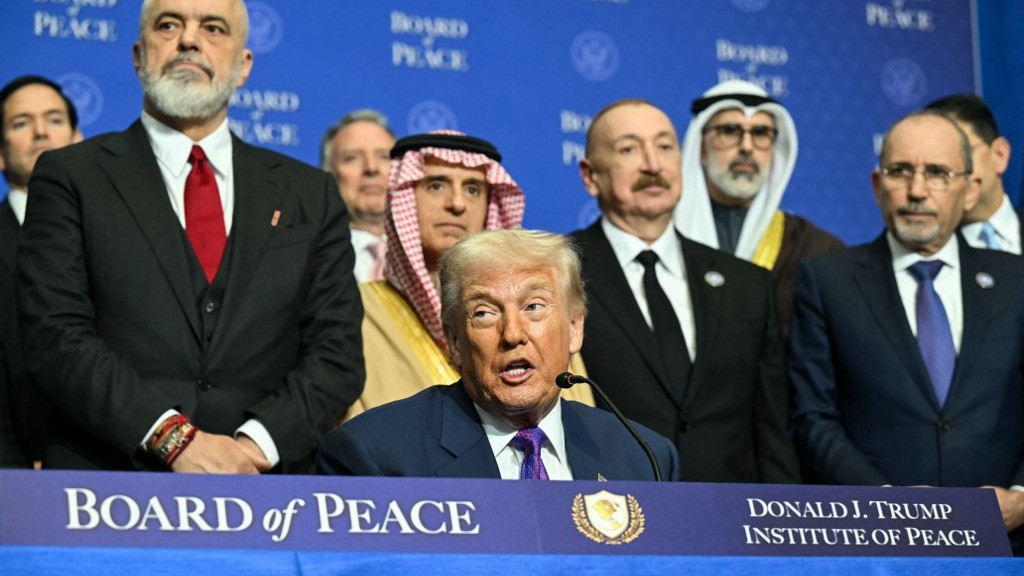
    Months after the Trump administration’s Board of Peace awarded its first construction contract for a controversial international stabilization force base in Gaza, the project remains stuck on the drawing board, as Israeli authorities have refused to grant access for contractors to enter the besieged enclave, British newspaper The Guardian has reported.

    The initiative, launched after the 10 October 2025 ceasefire agreement that was billed by former U.S. President Donald Trump as a step to end Israel’s military campaign in Gaza, awarded the contract to U.S. construction firm Arkel International back in August. The company’s mandate was to build a fortified 10,000-square-meter temporary outpost fitted with earthen defensive barriers, designed to accommodate rotating deployments of 150 troops drawn from a 500-strong contingent sourced from Morocco and Kosovo. These troops were positioned as the vanguard of an international stabilization force assembled exclusively from countries deemed friendly to Israel, a plan that has sparked fierce international and domestic backlash.

    Two months have passed since the contract was awarded, and no progress has been made. A source familiar with the inner workings of the project told The Guardian that Israeli officials have refused to open border crossings to allow the contractor, equipment, and supplies into Gaza. Without Israeli approval, even basic infrastructure and life-support utilities cannot be installed, leaving the entire initiative dead in the water. “There’s no security. There’s no deliveries of construction equipment. You can’t even start putting utilities. You can’t start putting in basic life-support facilities you know because without the ISF (International Stabilization Force) you can’t go in,” the source explained.

    The stalled project lays bare who holds ultimate decision-making power over the Board of Peace, an initiative Trump hailed as a landmark step toward ending conflict in the blockaded coastal strip. Despite the ceasefire that established the board, ongoing violence has persisted: since the truce took effect, more than 1,488 Palestinians have been killed by Israeli forces, with at least 5,281 wounded. UN data shows that the violence has claimed the life of nearly one Palestinian child every single day in this post-ceasefire period. To date, Israel’s military campaign in Gaza has killed more than 74,377 Palestinians and wounded over 175,398, with thousands more still missing and presumed dead under the rubble of destroyed buildings. Thousands of additional deaths have also been attributed to Israel’s ongoing blockade of critical medical aid and basic supplies into the enclave.

    The plan to deploy Moroccan and Kosovar troops to Gaza has already stirred intense controversy in both countries. Civil society organizations and academic communities in both nations have widely condemned the deployment, arguing that it amounts to aiding and abetting Israel’s occupation of Palestinian territory.

    The Israeli government’s current leadership has openly pushed for policies that amount to ethnic cleansing of Gaza’s indigenous Palestinian population, with the goal of replacing existing Palestinian communities with exclusive Jewish settlements. Senior Israeli cabinet members, including Finance Minister Bezalel Smotrich and National Security Minister Itamar Ben Gvir, have publicly advocated for policies designed to make daily life so unbearable for Palestinians that they have no option but to flee Gaza entirely.

    This reporting was originally published by Middle East Eye, a media outlet that provides independent, in-depth coverage of the Middle East, North Africa and surrounding regions.

  • Letters with ‘suspicious substances’ sent to US election offices

    Letters with ‘suspicious substances’ sent to US election offices

    Weeks before the critical U.S. midterm elections that will decide congressional power balance, federal law enforcement agencies have launched a full investigation into a wave of potentially hazardous suspicious mailings targeting election offices and congressional facilities across the country. The Federal Bureau of Investigation (FBI) and U.S. Postal Inspection Service (USPIS) confirmed Thursday that they are working to trace the origin of these suspicious packages, a number of which were successfully intercepted before reaching their intended destinations. While authorities have not released an official count of targeted locations, multiple state secretaries of state and congressional offices have publicly confirmed they were either targeted or received the suspicious correspondence.

    Several high-profile targeted locations have already been documented in initial reports. This week, both the Oklahoma State Election Board and the office of Louisiana’s secretary of state confirmed they received letters holding an unidentified white powder. In Louisiana, the entire office was evacuated on Tuesday after a staff member opened the package, but operations have since resumed after law enforcement testing ruled out any harmful substances. For Ohio Secretary of State Frank LaRose, his office was marked as the intended recipient of a similar white-powder letter, but USPIS agents intercepted the package before it arrived. Connecticut Democratic Senator Chris Murphy also had a suspicious substance letter addressed to his office intercepted before delivery, according to his spokesperson.

    Emergency responder scanner feeds reviewed by the BBC further show that suspicious packages were also detected at the New York State Capitol in Albany and the Wyoming State Capitol in Cheyenne. This recent wave of security scares is not an isolated incident, but echoes a pattern of similar threats targeting U.S. election infrastructure in recent years. Ahead of the 2024 presidential election, election officials in 17 states received suspicious packages. Just one year prior, at least five states reported suspicious envelopes sent to election offices, some of which were laced with the deadly opioid fentanyl.

    In their official joint statement, the two investigating agencies reaffirmed their commitment to protecting democratic processes. “The FBI and the US Postal Inspection Service will continue to safeguard the public and secure elections for American citizens,” the statement read. As investigators work to identify the perpetrator or perpetrators behind the mailings, election officials across the country have heightened security protocols to prepare for the upcoming vote.

  • Sally Rooney’s books to be withdrawn from sale in UK over Palestine Action support

    Sally Rooney’s books to be withdrawn from sale in UK over Palestine Action support

    Bestselling Irish novelist Sally Rooney has had all her works pulled from distribution in the United Kingdom, after the author openly declared her continued support for Palestine Action — the direct action pro-Palestinian group that Keir Starmer’s Labour government outlawed as a terrorist organisation in July 2025. Under current UK counter-terrorism law, any individual or entity that provides material support to a proscribed group can be charged with a terrorism offence, a development that has forced Rooney and her UK-based publisher Faber & Faber to take the unprecedented step of removing her books from the British market.

    Rooney, whose works including *Normal People*, *Conversations With Friends*, and *Beautiful World* have topped UK bestseller lists and been adapted into hit BBC television series, confirmed the decision in a public statement Wednesday. She noted that while Palestine Action remains a legal, unproscribed organisation in her home country of the Republic of Ireland, she had publicly stated her intention to continue supporting the group with proceeds from her book sales — a move that would make continued distribution of her work in the UK a criminal violation for her publisher.

    “After a process of consultation and deliberation, and with my full agreement, my publisher Faber has therefore determined that it can no longer supply my work within the UK,” Rooney said. “I have made every effort to be honest with the public about my beliefs and intentions, and I am wholly prepared to accept the consequences.” This is not the first time Rooney has altered her plans over her pro-Palestinian advocacy: she canceled a September 2024 trip to England to accept a major literary award over fears she would be arrested on charges linked to her support for the group.

    Faber & Faber echoed Rooney’s statement, explaining that UK legislation leaves the press in an impossible position: current rules bar the publisher from passing any earnings from UK book sales to Rooney, given her stated support for the proscribed group. “To sell a writer’s work and not be able to pass on earnings is an unconscionable situation for a publisher,” the publisher said. “As such, and in full agreement with Sally, we have taken the decision that we can no longer supply her works in the UK in any format. We remain the proud publisher of her remarkable body of work, which we will continue to sell in other territories.”

    Palestine Action, the group at the center of the controversy, organizes non-violent direct action targeting companies that manufacture and supply weapons to Israel for use in the Gaza conflict. The Labour government’s proscription of the group criminalizes membership in or public support for Palestine Action, with violations carrying a maximum penalty of 14 years in prison. Since the ban went into effect, thousands of people across the UK have been arrested merely for displaying placards voicing support for the group, according to critics of the policy.

    The ban has faced widespread condemnation from human rights groups, who have labeled it an overly draconian restriction on free speech. Palestine Action co-founder Huda Ammori is currently appealing the UK Court of Appeal’s ruling that upheld the ban’s legality, with the case set to be heard by the UK Supreme Court later this year. Even senior members of the ruling Labour government have acknowledged the unforeseen harms of the policy: Foreign Secretary Ed Miliband said last month that the government is reviewing whether the ban was politically prudent, admitting that officials never intended the proscription to lead to mass arrests of peaceful activists.

    “I don’t think anyone’s intent was to have those people criminalized, but obviously the Supreme Court has got to look at this issue, and obviously it’s something we keep looking at as government,” Miliband said.

    Amnesty International UK chief executive Kerry Moscogiuri warned that the removal of Rooney’s books sets a dangerous precedent for political expression in the UK. “Whatever one’s views on Palestine Action, we should all be concerned when laws intended to combat terrorism end up silencing artistic freedom and the ability to engage in peaceful political dissent,” Moscogiuri told *The Guardian*. “Writers should not find their books disappearing from shelves because of their political beliefs. Nor should people have to choose between expressing their conscience and pursuing their livelihoods. Sally Rooney’s willingness to accept the personal consequences of her convictions deserves recognition. There is a real danger that others, seeing the price she has paid, will decide they cannot afford to speak out.”

    Labour MP Ian Byrne, who voted against the proscription of Palestine Action, said the outcome for Rooney vindicates critics’ warnings about the ban’s authoritarian consequences. “When I voted against the proscription of Palestine Action, I and many others warned of the draconian consequences it would bring,” Byrne wrote on social platform X. “Since then, thousands have been arrested and criminalised simply for holding a sign. Now this injustice against one of the finest writers of her generation. An utterly disgraceful attack on freedom of expression. This ban must be overturned.”

  • What we know about the criminal investigation into US Congresswoman Ilhan Omar

    What we know about the criminal investigation into US Congresswoman Ilhan Omar

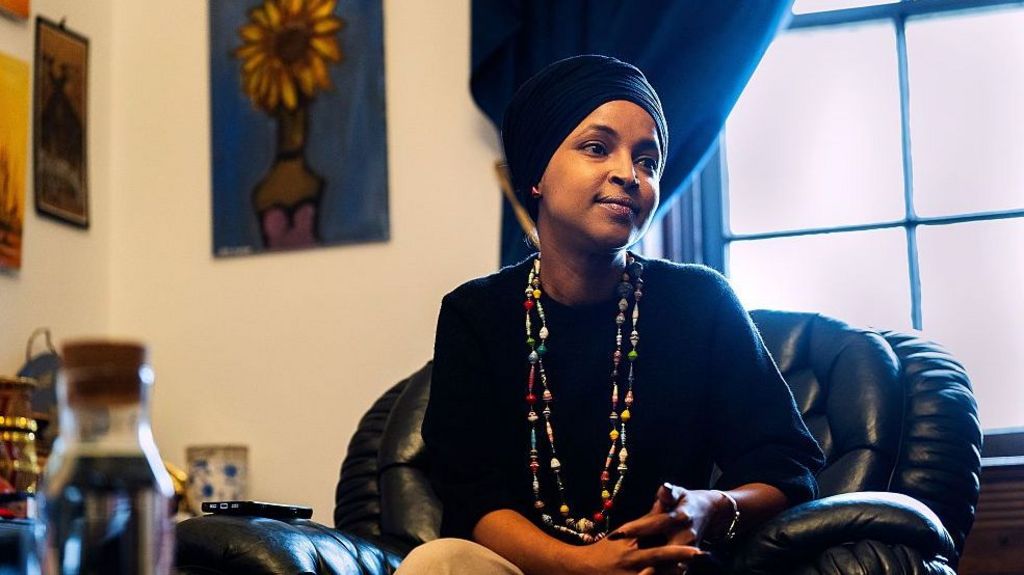
    In a stunning development that has roiled American politics just weeks before the November midterm elections, federal law enforcement agents executed a court-approved search warrant at the Washington D.C. home of Minnesota Democratic Congresswoman Ilhan Omar this week as part of an ongoing federal criminal probe. The incident has immediately ignited fierce debate over the weaponization of law enforcement, political targeting, and the Justice Department’s longstanding precedent of avoiding high-profile actions against sitting candidates close to an election.

    Homeland Security Investigations (HSI) agents carried out the search on October 12, while Omar and her husband, Timothy Mynett, a former Democratic political consultant, were present at the residence. According to reporting from The Wall Street Journal, investigators seized multiple personal items from the home, including Omar’s cellphone, personal notebooks, laptop computers, and passport. Fox News later confirmed that investigators have since issued more than a dozen subpoenas to members of Omar’s extended family as the probe expands.

    While the Department of Justice has only confirmed the search is part of an active criminal investigation, multiple U.S. media outlets have outlined the core focus of the inquiry: Omar’s path to U.S. citizenship and potential misstatements made during her 1995 immigration application. Omar, who was born in Somalia and fled the country’s civil war with her family to a Kenyan refugee camp, entered the United States in 1995 and naturalized as a U.S. citizen in 2000. The investigation centers on unproven claims that Omar’s father, Nur Omar Mohamed, misstated her age on the immigration application—allegedly writing she was 17 instead of 18. If proven true, the discrepancy could have meant Omar was required to file a separate immigration application as an adult rather than being included on her father’s petition, laying the groundwork for a future denaturalization lawsuit.

    Additional scrutiny has also been placed on Omar’s marital history and financial disclosures. Former President Donald Trump and other Republican critics have repeatedly claimed Omar previously married her brother to fraudulently obtain citizenship, an accusation she has forcefully denied. U.S. Attorney Jeanine Pirro has also confirmed her office is reviewing inconsistencies in Omar’s financial disclosures tied to her current marriage to Mynett.

    New reporting from the New York Post has further amplified questions about Omar’s family background, citing Oxford University doctoral researcher and historian Mohamed Haji Ingiriis, who claims Mohamed was never a working educator as Omar has stated. Instead, Ingiriis alleges Mohamed was a full colonel in the military regime of former Somali dictator Siad Barre, who seized power in a 1969 coup and oversaw widespread human rights abuses before being ousted in 1991. The report also claims Mohamed misrepresented himself as a refugee to gain entry to the U.S., a claim that has not been independently verified.

    Mynett has pushed back against all allegations, confirming Omar arrived in the U.S. at age 12 as a war refugee and saying he has “no concerns” about the validity of her citizenship. Omar herself has repeatedly denied all claims of wrongdoing, dismissing the entire investigation as a “complete sham” and a politically motivated attack.

    The search has already drawn sharp condemnation from Omar and her Democratic allies, who frame the raid as the latest escalation of a years-long smear campaign led by former President Donald Trump. Omar wrote on social media platform X following the search: “I’m ok. Make no mistake: this is an attempt to target political enemies and weaponize federal law enforcement. For ten years, Trump has targeted me with baseless lies and smear campaigns. I will not be silenced.”

    Trump, who has spent years attacking Omar publicly and repeatedly called for her deportation, has denied any involvement in the investigation. Speaking at a campaign rally in Ohio shortly after the raid, Trump claimed “I don’t know what they’re doing with it, but I can tell you this: she’s a disaster.” He went on to denigrate Somali immigrants living in the U.S. broadly, drawing chants of “deport” from the crowd in attendance.

    The investigation comes amid a broader shift in immigration enforcement during the Trump administration, which has prioritized the detention and deportation of undocumented immigrants and overseen a surge in denaturalization lawsuits, according to data from nonpartisan research group Transactional Records Access Clearinghouse. Denaturalization, the process of revoking citizenship from a naturalized American, requires the Justice Department to prove an applicant knowingly lied about a material fact during the application process, which matches the core questions being raised in Omar’s case.

    This is not the first time Republican lawmakers have sought to scrutinize Omar’s immigration records. Earlier this year, South Carolina Republican Congresswoman Nancy Mace introduced a measure to subpoena Omar’s immigration records, which ultimately failed to pass. Many political observers have noted the probe’s timing violates longstanding Justice Department norms that avoid controversial law enforcement actions against sitting members of Congress within close proximity to a general election, a point that has further fueled claims of political bias from the left.