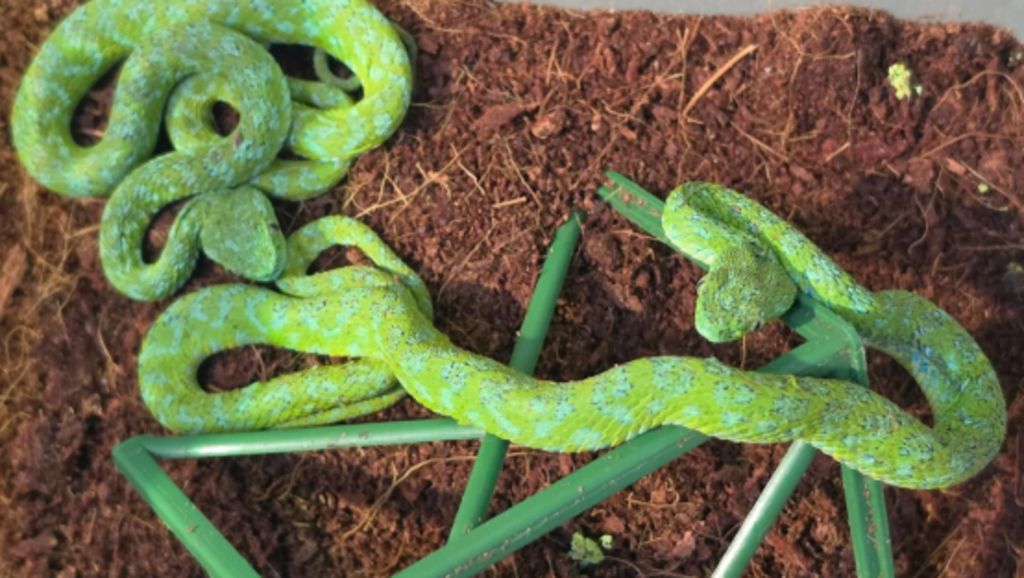
In a startling bust at Germany’s Cologne Bonn Airport, customs officials have foiled an attempt to smuggle more than 90 wild reptiles — including dozens of live venomous snakes — into the country, uncovering a grim case of illegal wildlife trafficking that has highlighted ongoing gaps in global border enforcement of protected species laws.
The smuggler, a 45-year-old Mexican national working as a firefighter, first drew the attention of border agents when he behaved oddly while approaching the airport’s green exit lane, reserved for travelers with no goods to declare. Officers noted he appeared conspicuously nervous, prompting them to pull him aside for additional screening. A preliminary drug test returned a positive result for cocaine, leading authorities to conduct a full search of his checked luggage — but what they found inside was not narcotics, but a hidden cache of protected wildlife.
Customs investigators discovered vipers, rattlesnakes, iguanas and dozens of other lizard and snake species crammed into tiny, unsuitable containers: the reptiles were tucked inside empty shampoo and lotion bottles, small plastic canisters, and wrapped tightly inside bundles of cotton socks. According to Jens Ahland, a spokesperson for the Cologne regional customs office, airport teams are accustomed to seeing unusual souvenirs in checked baggage, but this seizure was unprecedented. “My colleagues at the airport are used to a lot when it comes to souvenirs in suitcases, but we’ve never had 37 live venomous snakes and 55 lizards from Mexico before,” Ahland confirmed in a statement Wednesday.
Many of the trafficked reptiles were kept in shockingly inhumane conditions during their long journey from Mexico City, which routed through Istanbul before reaching Germany. A number of the animals did not survive the trip, Ahland said, dying from dehydration, overheating or starvation mid-transit. The surviving reptiles have since been removed from the smuggler’s luggage and transferred to a licensed German snake farm, where they are receiving specialized care to recover from their ordeal.
Questioned by authorities after the seizure, the unnamed smuggler claimed he was only transporting the reptiles as a favor to an acquaintance from Brazil, and did not have personal plans to sell the animals on the black market. German authorities denied the man entry into the country immediately after the incident, and put him on a return flight back to Istanbul, his last point of departure before arriving in Germany.
This bust is far from an isolated incident in Germany, according to national customs data. Ahland noted that over the past year alone, German customs officers seized more than 1,300 shipments of illegally trafficked protected wildlife and wildlife products across the country, totaling more than 56,600 individual endangered or protected specimens. This is also not the first time a large reptile smuggling ring has been broken at Cologne Bonn Airport: six years prior, customs teams discovered 26 rare reptiles (10 of which were already dead) hidden inside toy and candy parcels shipped from Mexico, destined for private reptile collectors in Germany.
Illegal wildlife trafficking is a multibillion-dollar global criminal enterprise, and reptiles are among the most commonly trafficked animal groups, driven by high demand from private exotic pet collectors across Europe and North America. Many trafficked reptiles are captured from wild populations, threatening vulnerable ecosystems and endangered species, and nearly all are transported in cruel, unsanitary conditions that result in high mortality rates before they ever reach buyers.