博客

  • Afghan Taliban to hold rare, closed-door talks with EU officials on deportations

    Afghan Taliban to hold rare, closed-door talks with EU officials on deportations

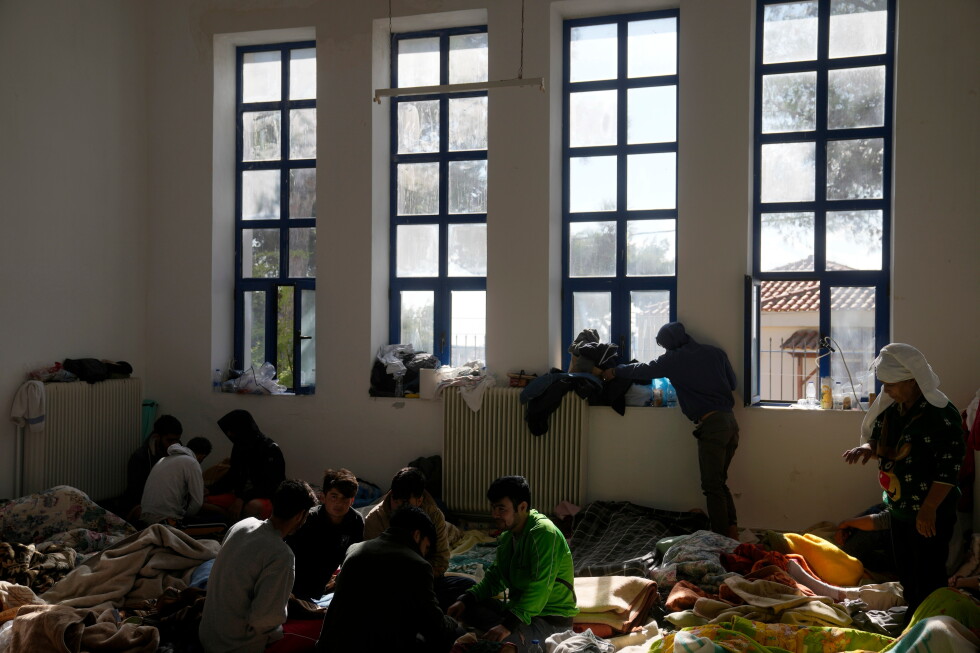
    BRUSSELS — In a quiet but significant shift in diplomatic engagement, a five-person Afghan Taliban delegation arrived in Brussels Tuesday for closed-door technical talks with European Union officials, a meeting centered overwhelmingly on accelerating the forced deportation of rejected Afghan asylum seekers and criminal migrants from the 27-nation bloc. The gathering marks only the second formal contact between EU institutions and the Taliban since the group seized control of Kabul in 2021 following the chaotic withdrawal of U.S.-led coalition forces, and it comes at a moment of growing political pressure from EU member states to tighten migration controls.

    Afghans currently make up one of the largest single groups of asylum seekers across the European Union. In recent years, a growing majority of EU national governments have pushed aggressively to expand and speed up deportations for Afghans whose asylum claims have been rejected, as well as those who have committed criminal offenses in their host countries. Data from European officials underscores the urgency driving the talks: as of late 2024, only 2 percent of the nearly 23,000 Afghans ordered to leave the EU have actually complied with deportation orders.

    The push for this week’s meeting follows an open letter signed in October by 20 EU member states, drafted in part by Belgian Migration Minister Anneleen Van Bossuyt, calling on the European Commission to ramp up collective migration policy action and coordinate formal technical talks with the Taliban on deportation procedures. “We can no longer afford a standstill,” Van Bossuyt said at the time the letter was released. “It is high time for a firm and joint approach, so that Europe can regain control over migration and security.” European Commission spokesperson Markus Lammert confirmed Monday that the talks are a direct response to that member state pressure, noting that leaders are specifically focused on creating pathways to deport individuals convicted of serious crimes who pose potential security risks. The first EU-Taliban technical meeting on this issue was held in Kabul back in January, and the EU has maintained a small permanent staff presence in the Afghan capital since that time.

    Notably, no EU member state has formally recognized the Taliban as the legitimate governing authority of Afghanistan, and EU officials have gone to great lengths to emphasize that the meeting does not constitute any shift in that official position. Belgian officials, who as hosts of EU institutions were required to issue visas to the delegation, stressed that the gathering carries no implicit recognition of the Taliban regime. “Belgium cannot confer legitimacy on a regime accused of serious human rights violations,” Belgian Foreign Minister Maxime Prévot said in a formal statement. “Making a meeting possible in the framework of our host-state policy does not amount to recognition, does not amount to legitimacy, and does not constitute an invitation by the Belgian government.” Visas issued to the Taliban delegation carry strict conditions: limited 24-hour territorial validity exclusively for Belgium, with no permission to travel to other countries in the Schengen Area’s border-free zone. The talks are also being held off-site, not in any official EU or Belgian government buildings, to reinforce the non-recognition stance. The European Commission has declined repeated requests for additional comment on the details of the closed-door discussions.

    The delegation, which includes New Zealand-born Taliban foreign ministry spokesperson Abdul Qahar Balkhi, arrives in Brussels at a moment of dual need for the Taliban regime. Already grappling with crippling international economic sanctions, widespread food insecurity, and a collapsing national economy, the Taliban has absorbed roughly 3 million forcibly repatriated Afghans from neighboring Pakistan and Iran over the past 12 months alone, a wave that has pushed the country’s already catastrophic humanitarian crisis to new breaking points. For the Taliban, engagement with the EU on deportation issues also represents a small but valuable crack in the diplomatic isolation that has isolated the regime since it took power in 2021, with the group eager to chip away at international pariah status and secure greater access to humanitarian and economic support.

    The talks have already sparked sharp condemnation from global human rights organizations, which argue that the EU’s push to cooperate with the Taliban on deportations directly undermines the bloc’s own stated human rights commitments, and puts deported Afghans at grave risk under the Taliban’s repressive rule. Since seizing power, the Taliban has imposed sweeping, draconian restrictions on the basic rights of Afghan women and girls, including bans on secondary and higher education, prohibitions on most forms of employment, and strict public dress codes that are enforced with violent penalties.

    “Any engagement with the Taliban needs to prioritize protecting human rights and accountability — not deporting people to danger there,” said Fereshta Abbasi, a researcher at Human Rights Watch. “EU countries are undermining their credibility by condemning Taliban abuses and pursuing accountability on one hand, while cooperating with the Taliban to forcibly return Afghans on the other.” Eve Geddie, Director of Amnesty International’s European Institutions Office, echoed that criticism, noting that “The desperate scenes of people — including EU staff — fleeing Afghanistan are a recent memory. It is unconscionable that the EU would now try and deport people to Afghanistan, which has only become more dangerous in the meantime.”

    The Brussels meeting comes as the EU has recently passed sweeping reforms to its collective migration and asylum rules, designed explicitly to expand deportation capabilities across the bloc. The new framework allows for the creation of regional “return hubs” for deportees, expands domestic surveillance powers for migration authorities, tightens external border controls, and explicitly allows for formal engagement with non-recognized regimes like the Taliban when it serves migration management goals. The shift comes as center-right and nationalist political parties across much of the EU have gained traction campaigning on stricter migration policies ahead of upcoming EU-wide elections, putting intense pressure on Brussels to deliver visible action on returns.

  • Andy Burnham prepares for a UK Labour leadership contest that may be a coronation

    Andy Burnham prepares for a UK Labour leadership contest that may be a coronation

    LONDON – Just two years after securing a landslide general election victory, UK Prime Minister Keir Starmer’s announcement of his imminent departure from Downing Street has cleared a path for Andy Burnham, the popular former Greater Manchester mayor, to step into the nation’s top job. Burnham, who only won a parliamentary seat in a recent special election staged specifically to position him for a leadership challenge, began meeting with Labour Party colleagues on Tuesday to map out his transition, as political insiders widely expect him to run unopposed for the party leadership.

    Starmer’s exit caps a turbulent tenure marked by sinking approval ratings, unmet policy promises, and high-profile missteps that eroded his support among both party members and the British public. He confirmed Monday he will step down within weeks, becoming the sixth UK prime minister to resign from the post in just 10 years – a milestone that arrives as the country marks a decade since the Brexit referendum, a decision that continues to roil Britain’s economic and political landscape.

    When Starmer led Labour to a sweeping parliamentary majority in 2024, expectations were high for a reset after years of Conservative rule. But his premiership quickly stumbled: he failed to deliver on pledges for robust economic growth, never managed to repair Britain’s strained public services, and made little progress easing the persistent national cost-of-living crisis. Repeated judgment calls damaged his standing most, most notably his decision to appoint Peter Mandelson – a figure long tied to Jeffrey Epstein with a history of scandal – as UK ambassador to the United States. By the time of his resignation, Labour had slipped behind Nigel Farage’s right-wing, anti-immigration Reform UK in national opinion polls, while liberal voters were defecting in growing numbers to the Green Party.

    For Burnham, the road to the premiership opened rapidly last week, when he won the parliamentary special election he had called to put himself in position to challenge Starmer. His path to the leadership cleared even further on Monday, when Wes Streeting, the former Health Secretary once widely seen as Burnham’s biggest rival for the top job, publicly endorsed his candidacy.

    Under the UK’s parliamentary system, the ruling party can replace its leader – and automatically the prime minister – without triggering a full national general election, which is not required to be held until 2029. The official nomination window for the Labour leadership will open on July 9 and close seven days later. If no other candidate secures enough backing to enter the race, Burnham could be sworn in as prime minister as early as July 17. If a contest is held, the new leader will be confirmed by the time Parliament returns from its summer recess on September 1.

    To qualify for the leadership race, potential candidates need the backing of at least 81 Labour MPs, one-fifth of the party’s parliamentary delegation. A handful of possible challengers have been floated: former Armed Forces Minister Al Carns, who resigned earlier this month to protest what he called inadequate UK defense spending, has suggested he may enter the contest but has not yet finalized a decision. Senior Cabinet minister Darren Jones, a close ally of Starmer, has also been named as a potential candidate, but he has not yet commented on the speculation.

    Many within the Labour Party argue that a drawn-out leadership contest would only highlight deep internal divisions within the party and prolong a period of damaging political uncertainty for the country. “I think the transition should be swift and orderly,” Cabinet Office Minister Nick Thomas-Symonds told the BBC, echoing the view of many pro-Burnham party figures.

    Supporters of Burnham point to his successful 7-year tenure as Greater Manchester mayor, where he oversaw a sweeping urban regeneration program in the city that birthed the Industrial Revolution. He has pledged to bring his popular, locally focused approach – which he has dubbed “Manchesterism” – to national governance. Many Labour members believe Burnham’s natural charisma and strong people skills will let him connect with voters far more effectively than Starmer, who was widely seen as a stolid, managerial leader.

    Still, Burnham faces major unanswered questions: his policy agenda for key national areas remains largely untested and undisclosed to the public. Critics and some rebel Labour MPs argue that a public leadership contest is necessary to force Burnham to defend his platform and undergo open scrutiny from voters and opponents. Burnham has confirmed he will deliver a keynote speech next week that will lay out his core economic plans for the country.

  • Unpaid bonuses and food issues – what’s going on inside Senegal camp?

    Unpaid bonuses and food issues – what’s going on inside Senegal camp?

    Four appearances at the FIFA World Cup now under their belt, Senegal entered the 2026 edition with high hopes: the West African nation aimed to surpass its iconic 2002 quarter-final run, the highlight of its World Cup debut, and carry forward the momentum of its run to the 2025 Africa Cup of Nations final. Instead, two back-to-back defeats have left the Teranga Lions pointless after two group-stage matches, on the brink of an early first-round exit. Only a win against Iraq on Friday can keep their knockout stage hopes alive.

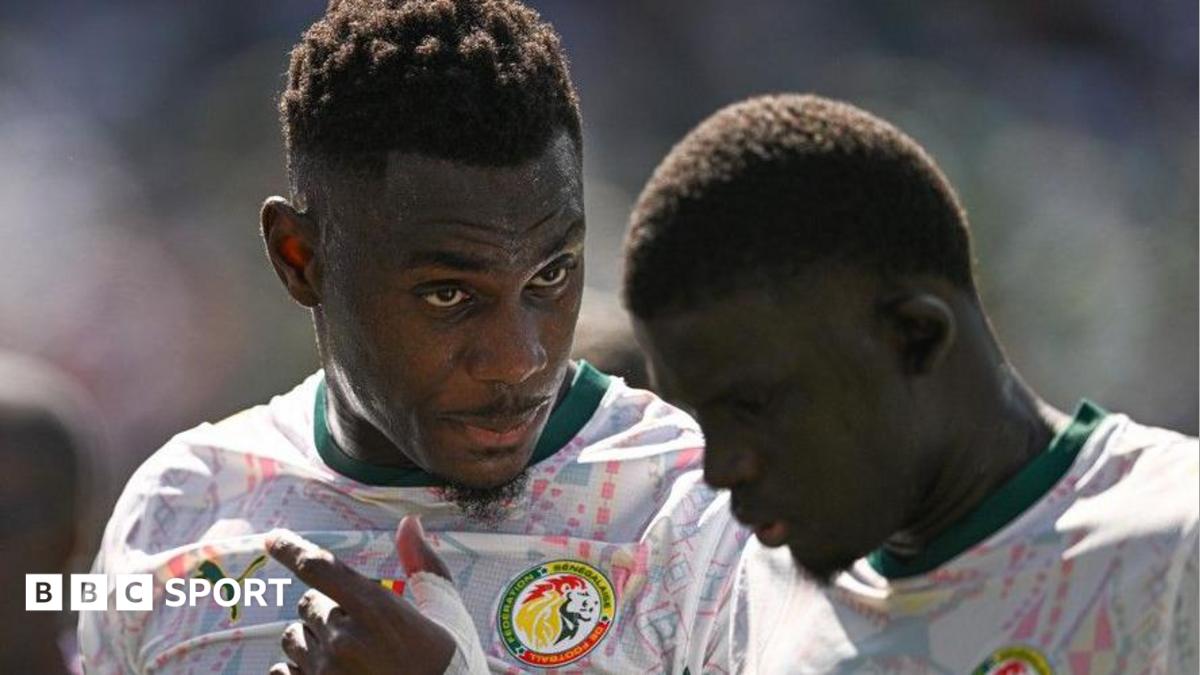
    Rumors of disarray within the national team camp have overshadowed Senegal’s on-pitch struggles, with multiple off-field controversies leaking into public view in the lead-up to the tournament’s opening matches. Reports of bonus disputes, sudden staff changes, catering conflicts and a drawn-out contract row with head coach Pape Thiaw have fueled speculation that internal friction is to blame for the team’s underwhelming start. To separate fact from speculation, a closer look at the issues roiling the Senegal camp reveals a more nuanced picture.

    One of the most widely reported issues surrounded the quality of team catering at the squad’s New Jersey base, where the team is staying at a four-star Hyatt Regency close to their training ground at Rutgers University – a step down from the five-star venue they used at the 2025 Afcon in Morocco, but not a source of complaint from the playing core. The team originally traveled with their long-time personal chef, who had planned menus for the camp months in advance, but he departed for private family reasons after the team’s final pre-tournament warm-up friendlies against the United States and Saudi Arabia. When a replacement was brought in, core players have not raised issues with the new catering arrangements. Instead, dissatisfaction with the lack of traditional Senegalese cuisine has come from non-playing delegation members staying at the team hotel, some of whom have ordered external meals in response to their disappointment.

    Other minor disruptions have stemmed from accompanying travel parties: some Senegalese Football Federation (FSF) officials brought family members to the United States at their own cost, who have stayed near the team hotel and at times drawn criticism for overly close proximity to the squad. Players’ families are housed separately at a nearby hotel, with all accommodation and breakfast costs covered by the federation.

    Claims of unpaid performance bonuses, another widely circulated controversy, have already been resolved: the unpaid funds were disbursed by the Senegalese government just days before Senegal’s third group match. Long-running tension over Thiaw’s contract, however, created the most significant deadlock for the side ahead of the tournament. The 2002 World Cup veteran, who took the reins of the national team in 2024 on an annual salary of roughly £210,000, saw his original contract expire immediately after the 2025 Afcon, where he guided Senegal to a controversial final that later stripped the side of their title, with an appeal pending to regain the crown.

    Buoyed by his strong tournament run, Thiaw entered contract extension talks from a strengthened position, but negotiations stalled for months. Under Senegalese sports governance, while the head coach negotiates directly with the federation, all contract signings and salary payments require final approval from the state through the ministries of sport and finance. Prolonged political upheaval in Senegal, triggered by the dismissal of the previous government and removal of the prime minister, created cascading delays across public sectors, leaving Thiaw without a signed new contract as the team departed for the United States.

    As pressure mounted through local media, with hints that Thiaw might refuse to travel for the tournament, Senegalese President Bassirou Diomaye Faye intervened personally, contacting the coach to guarantee a swift resolution. After newly appointed Sports Minister Djireye Clotilde Coly traveled to the U.S. to meet with the squad ahead of the opening match against France and reaffirm the administration’s commitments, negotiations moved forward, and a deal was finally reached: Thiaw’s new contract carries an annual salary of £480,000 plus an additional £80,000 annual performance bonus.

    “It’s true it took too long, but it was never a money issue. It was more a principles and respect issue, but it’s been resolved,” Thiaw told reporters on Sunday. “As Senegalese people, patriotism is more important than anything else and the questions around the contract are in the past now. It’s been signed. It is true there have been a couple of creases that need to be ironed out.”

    Ranked 17th in the world, Senegal entered this World Cup as one of Africa’s top contenders, but dropped their opening two matches: a 3-1 loss to defending champions France followed by a dramatic 3-2 defeat to Norway that sealed their early point drought. Despite the off-field noise, both Thiaw and senior players have emphasized that the squad remains fully focused on Friday’s must-win match.

    “All these are problems that are resolved internally. I don’t think you need to be across what we say internally. We have a group of players who are professional,” goalkeeper Mory Diaw explained at Sunday’s press conference. “We’re here to represent our country. There’ll be nothing that will make us lose our heads when it comes to our common objective.” Before the tournament, Thiaw had made his commitment clear: “If I lose even a second of my belief that I can win the World Cup with Senegal, I will step down.”

    Long-time Senegalese football journalist Babacar Diarra, who has covered the national team for more than a decade, told BBC Sport that internal friction behind the scenes is not entirely unprecedented for the side. “Senegal hasn’t been in this type of situation for a while. You might have had some bonus issues in the past, but it wasn’t out in the press. I don’t think this will impact the players or the team. They will stay focused on the tournament. I’m not totally surprised by this. Even if they got to the final at Afcon and everything looked fine, it was a bit messy there too.”

    Off the pitch, tensions have also emerged over fan access to the tournament. Traditionally, the Senegalese state covers all travel, accommodation and ticket costs for official main supporter groups to attend major international tournaments, but travel restrictions for this World Cup have blocked those groups from making the trip. That left the North American Senegalese diaspora hoping to pick up the slack, but only 400 tickets were allocated to the local community, a number many see as far too small. Many diaspora members have also complained about a lack of transparency in ticket distribution, with a group of Senegalese national association representatives gathering outside the team hotel on Sunday to formally voice their grievances. The BBC has reached out to the FSF for additional comment on the camp issues.

    For now, all focus rests on Friday’s match: Senegal’s only path to extending their 2026 World Cup run runs through a decisive win against Iraq, with the side desperate to turn their turbulent campaign around before it is cut short.

  • South Sudan sets December date for long-delayed first-ever election

    South Sudan sets December date for long-delayed first-ever election

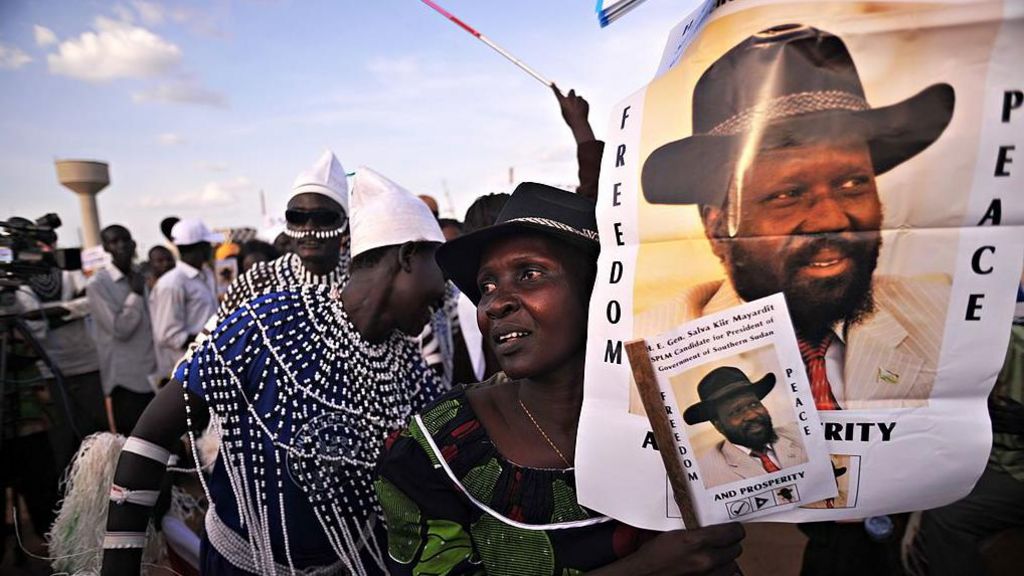
    More than 15 years after South Sudan seceded from Sudan to become the world’s youngest sovereign nation, the country’s electoral commission has locked in December 22 as the date for its first democratic general election since independence — a vote that has already been delayed for more than a decade, and still faces major threats of further postponement or renewed large-scale conflict.

    Prior to 2011, South Sudan existed as an autonomous region within Sudan, and its current ruling leadership has never faced a national electorate. Incumbent President Salva Kiir has held executive power for 15 years, and while he is widely expected to seek re-election, he has not yet made his official candidacy announcement. This long-awaited poll was originally scheduled to take place in 2015, but a devastating civil war that broke out shortly after the planned vote date forced an indefinite delay.

    A 2018 power-sharing peace agreement established a unity government, with Kiir retaining the presidency and his long-time political rival Riek Machar taking the post of vice president. That deal set a new election timeline for 2022, however, ongoing tensions between the two leaders derailed all preparations for the poll, and no vote was organized that year. Persistent friction between Kiir and Machar still stands as one of the biggest barriers to a smooth, timely election today.

    Last year, Machar was removed from the vice presidency, arrested, and hit with a slew of serious charges including murder, treason, and crimes against humanity — all of which he has denied. Since March 2024, Machar has been held under house arrest in the capital city of Juba, while low-intensity armed conflict continues to simmer across multiple regions of the country. The United Nations and other international actors have repeatedly warned that ongoing unrest could escalate back into a full-blown national civil war if political tensions are not resolved.

    When announcing the official December election date last week, Electoral Commission Chair Abednego Akok Kacuol openly admitted that two major issues continue to hinder poll preparations: unpassed legal amendments required to govern the electoral process, and a persistent, major gap in funding for the commission’s work. “The political will to move this process forward does not rest with our commission; it lies with the national government,” Kacuol stated. When asked about what would happen if the required funding was not secured within the next six months, the electoral chief said his team would continue preliminary work while adjusting to a “more realistic timeline” for the vote if necessary.

    In an official statement released Monday, the South Sudanese presidency reaffirmed Kiir’s commitment to upholding the terms of the 2018 peace agreement and keeping the country on a path toward peaceful, democratic elections. The statement added that preparations for cross-party dialogue focused on election-related issues are advancing, and the talks will serve as a platform to build consensus among all major political stakeholders.

    Despite these assurances from the sitting government, opposition groups and domestic civil society organizations have raised widespread alarm over poor security conditions, restrictions on political freedoms, and the lack of meaningful progress on election preparedness. Machar’s main political party, the Sudan People’s Liberation Movement in Opposition (SPLM-IO), has issued a stark warning over the poll, describing any attempt to hold the current vote as inherently dangerous. Nathaniel Pierino, the group’s acting chairperson, said in a public Facebook post that any election officials attempting to register voters or run campaign events in territories controlled by the SPLM-IO would be treated as prisoners of war. “Be reminded, the country is at war,” Pierino added.

  • Guinness crowns Canberra town crier as the world’s loudest person at 122.4 decibels

    Guinness crowns Canberra town crier as the world’s loudest person at 122.4 decibels

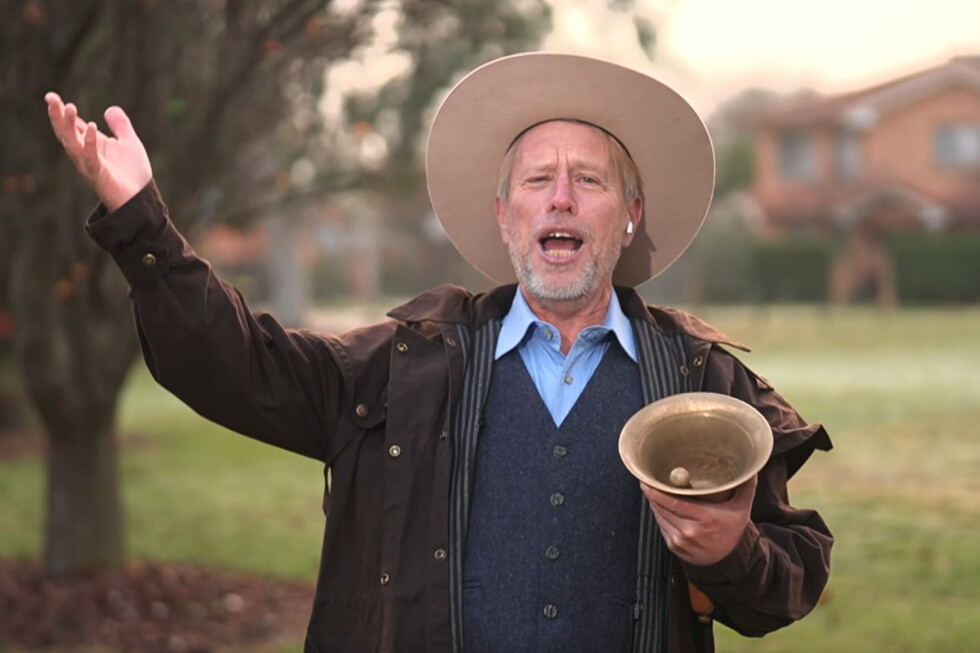
    MELBOURNE, Australia — An unlikely Australian record-breaker has secured his place in the Guinness World Records history books, dethroning a 30-year standing mark to earn the title of the world’s loudest male individual. Joseph McGrail-Bateup, a 58-year-old Canberra resident who works full-time as an air conditioner cleaner and serves as an honorary official town crier, earned the global recognition last week after delivering a shout that clocked in at 122.4 decibels.

    His thunderous yell of the word “now” surpasses the previous 121.7 decibel record set back in 1994 by Annalisa Flanagan, a Northern Irish schoolteacher who famously shouted the word “quiet” to claim her mark. To put McGrail-Bateup’s achievement in perspective, his shout falls into the same noise intensity category as a running chainsaw, a departing jet aircraft heard at close range, and a blaring ambulance siren right beside the listener.

    In an interview this week, McGrail-Bateup explained that the extreme nature of the feat meant no structured training or practice could prepare him for the record attempt. “There’s no way that you can actually practice for it. You have to just keep it for the day, especially with the world record attempt,” he said. “It took me seven attempts just to nail one word, which was ‘now,’ and my voice was completely gone for the next couple of days. It was husky and terrible, so you really can’t practice for it. But even so, it’s a lot of fun when you’re doing it.”

    Unlike the previous all-gender record, no prior mark for the loudest male shout existed, so McGrail-Bateup said he is comfortable framing himself as the world’s loudest man, while Flanagan retains her title as the world’s loudest woman. “I’m pleased that she gets to keep her record. So she’s still the loudest woman in the world and I’m the loudest male in the world,” he explained.

    The accidental challenge came about when McGrail-Bateup was searching the Guinness World Records database for existing town crier-related feats, and stumbled across Flanagan’s long-standing shouting record instead. His path to competitive volume began in 2017, when he was appointed Canberra’s honorary official town crier — a part-time, unpaid ceremonial role created by the local government that he describes as “a bit of fun.” He goes by the ceremonial title Lord Joseph, and makes public announcements at local community gatherings, school fairs, and car shows across the region. The role also granted him membership to the Ancient and Honorable Guild of Australian Town Criers, a national organization that works to preserve the historic ceremonial tradition and hosts competitive events for its members.

    Earlier this year, McGrail-Bateup took home first place in the guild’s 2024 national competition, delivering the traditional town crier opening call “Oyez, Oyez, Oyez” at 98 decibels to claim the win for loudest call. Ahead of his world record attempt, he tested out a range of different words to find which one delivered the maximum volume, before ultimately settling on the short, punchy single syllable of “now.”

    The official record measurement took place on May 2 in a Canberra radio studio, with a professional acoustic engineer on hand to capture the reading and independent witnesses present to verify the attempt. The verified measurement files were submitted to Guinness World Records, which made the official announcement of the new record last Friday.

    This is not McGrail-Bateup’s first experience breaking a global Guinness record. Back in 2019, he claimed a speed record for fastest archer to shoot 10 arrows, finishing the feat in 60.03 seconds and shaving a tiny fraction of a second off a mark that had stood unbroken since 2015. Just nine months later, however, a 7-year-old child shattered his archery record by an impressive 11.4 seconds.

    Today, McGrail-Bateup says he has no interest in reclaiming the archery title, nor does he worry about someone eventually beating his new shouting record. “If someone beats me, that’s fantastic,” he said. “After all, records are meant to be broken.”

  • Dettol apologises after ad to clean up ‘toxic men’ backfires in China

    Dettol apologises after ad to clean up ‘toxic men’ backfires in China

    British personal hygiene giant Dettol, a subsidiary of consumer conglomerate Reckitt, has issued a formal public apology and pulled a controversial short-form advertisement from Chinese digital platforms after the marketing campaign sparked widespread public anger over perceived misogynistic messaging.

    The five-minute ad, framed as a micro-drama to promote Dettol’s multipurpose disinfectant products, opened with a male lead searching for a partner he described as “clean” and “untainted by other men” — a common toxic trope linking women’s worth to sexual purity. A late plot twist was meant to criticize the character’s misogyny, with the protagonist’s girlfriend calling out his outdated views and ending their relationship. The ad then positioned Dettol as a solution to “toxic men, who are just like bacteria” that need to be eliminated.

    Instead of resonating with audiences as an intended rebuke of gender stereotypes, the spot ignited a firestorm across Chinese social media. Critics quickly accused the brand of framing women as objects to be judged for purity, perpetuating harmful objectification rather than calling it out. Many outraged users launched calls for a nationwide boycott of the brand, with comments flooding platforms like Weibo condemning the careless messaging. One user wrote, “What a trashy advertisement. It’s left me speechless,” while another added, “What a hopeless company. What is their senior management doing? I’m never using Dettol again. There are so many brands in the market after all.”

    In a statement released Monday, Dettol acknowledged the harm the ad caused, noting that clipped, partial versions circulating online had distorted the original intended message of challenging gender norms. “We recognise that it has offended many people, especially women. We take responsibility for any negligence in creating and reviewing the content of the advert,” the brand said. Dettol also committed to overhauling its internal content review and moderation processes to prevent similar missteps in the future, adding that while its founding mission centers on protecting family health, “true protection also lies in safeguarding the dignity of every individual and their right to be treated equally.”

    Manya Koetse, founder of the *Eye on Digital China* newsletter, called the misstep a notable blunder for a brand built around the concept of cleanliness. “Even if the intention was to portray the male character as being in the wrong, the message was conveyed so poorly that it backfired spectacularly,” Koetse noted. This controversy is not the first time Dettol has faced public backlash in China over tone-deaf marketing around gender: last year, the brand drew widespread criticism for another ad that leaned into the same harmful purity trope, with a tagline claiming, “The woman was ‘returned’ just before her wedding; it must be because she was not clean.”

    The incident has reignited broader public discussion in China about responsible marketing and the line between attempting to address gender inequality and reinforcing harmful, outdated stereotypes that erode women’s dignity.

  • A red alert over France, and heat that may rewrite the record books

    A red alert over France, and heat that may rewrite the record books

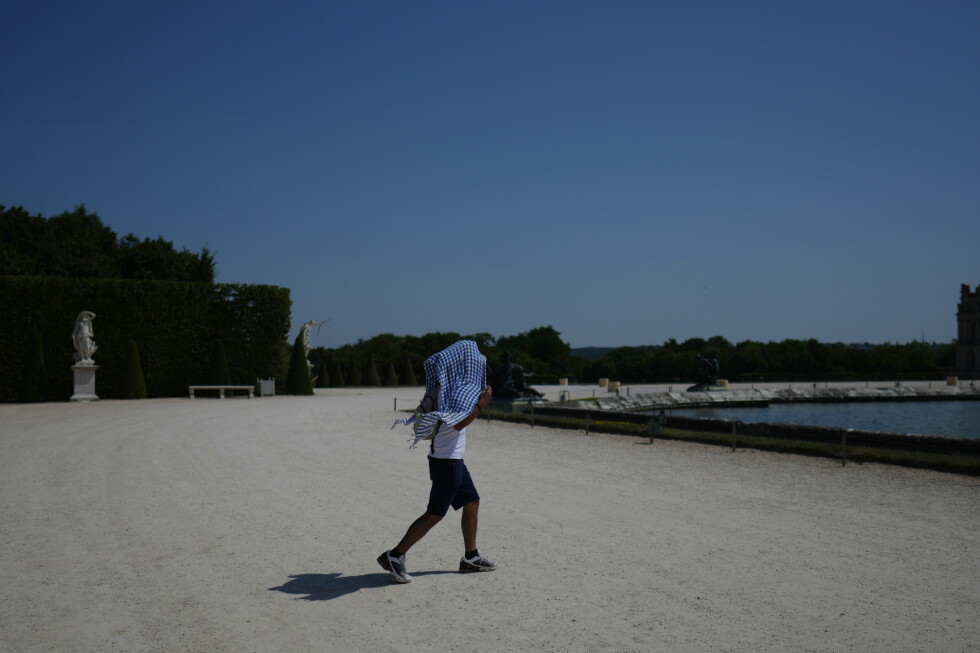
    PARIS – Millions of French residents endured another sweltering, sleepless night this Tuesday, waking soaked in perspiration as a record-shattering early-summer heat wave blankets nearly the entire nation, pushing temperatures to unprecedented levels and triggering widespread public safety concerns.

    France’s national meteorological agency Meteo France has activated the highest-level red heat wave alert for 54 of the country’s administrative departments, with temperatures staying at dangerously high levels around the clock – offering little to no reprieve even after sunset. Unlike many comparable wealthy nations, France lacks broad residential and public access to air conditioning, leaving communities vulnerable to the unrelenting heat. As of Tuesday, at least 20 drowning deaths have been recorded since the start of the weekend, many linked to people seeking relief from soaring temperatures in bodies of water. Daily high temperatures are forecast to climb above 40 degrees Celsius (104 degrees Fahrenheit) across most populated areas through at least the end of the week, and meteorologists warn that all-time national temperature records for any time of year could be broken in the coming days.

    The intensity of this event, which arrived unusually early in the summer season, has drawn immediate comparisons to the catastrophic August 2003 heat wave that killed an estimated 15,000 people across France – most of them elderly residents living in uncooled apartment buildings and long-term care facilities. In the wake of that 2003 disaster, France implemented a national heat watch and early warning system, but infrastructure gaps including the lack of widespread air conditioning still leave millions at risk.

    This heat wave comes as climate scientists repeatedly warn that human-caused climate change is driving a steady increase in the frequency and severity of extreme heat events across the globe. The United Nations’ climate agency projects that the next five years will see more all-time heat records broken around the world. Europe, in particular, is warming faster than any other continent, with average temperatures rising twice as fast as the global average since the 1980s, according to data from the European Union’s Copernicus Climate Change Service.

    Just this month, the World Health Organization’s European regional office released a report finding that over the past four years, more than 200,000 excess deaths across Europe have been linked to heat-related causes. The vast majority of these fatalities are preventable with proper preparedness and public health action. Prolonged exposure to above-average temperatures can lead to heat exhaustion and life-threatening heat stroke, particularly for vulnerable groups including the elderly, people with pre-existing health conditions, and unhoused populations. The EU climate monitoring service confirmed that 2024 was the hottest year ever recorded globally, and Europe marked its second-highest number of high-risk heat stress days on record that year.

    Scientists emphasize that climate change will continue to amplify heat and drought conditions across the continent, with southeastern Europe facing the highest risk of severe health impacts and devastating wildfires in coming years.

  • From Boston to Miami: Tartan Army adjusts to World Cup culture shock

    From Boston to Miami: Tartan Army adjusts to World Cup culture shock

    As the 2026 FIFA World Cup enters its final group stage matchdays, thousands of passionate Scotland football fans — widely known as the Tartan Army — have poured into Florida’s Sunshine State, trading the cooler, compact energy of Boston for Miami’s sweltering heat and sprawling, multicultural atmosphere ahead of their decisive Wednesday showdown with Brazil.

    On Monday, official temperatures climbed to just under 35 degrees Celsius, with the heat index pushing the perceived temperature to a blistering 43 degrees, testing the endurance of even the most committed traveling supporters. After days of celebrating Scotland’s campaign across Boston’s bars and public landmarks, where they turned large swathes of the city into a raucous “mini-Scotland,” the move to Miami brings a starkly different experience.

    Unlike Boston, where the Tartan Army gathered in concentrated numbers to dominate the city’s fan zones, Miami’s larger footprint has spread the crowd across the metro area. Iconic Ocean Drive bars have steadily filled with fans in tartan, while other supporters have taken advantage of the coastal setting to book boat trips or stay in quieter surrounding suburbs. The city’s large existing Hispanic community also means Scotland’s fans share Miami with a massive contingent of Brazil and Argentina supporters, turning the host city into a de facto South American football hub ahead of kickoff.

    Several fans who traveled from Boston to Miami shared their contrasting impressions of the two host cities. Brothers Peter and Tom McKenna, visiting from the Isle of Man, noted that the compact size of Boston made the Tartan Army’s presence felt far more intensely. “Boston was one big Scotland party,” Peter explained. “Boston was caught off guard by how many of us showed up, but here Miami is used to big crowds of tourists.” The pair have already been on the road for nearly two weeks: Peter plans to return home to his children regardless of Wednesday’s result, while Tom is weighing extending his trip to follow Scotland deeper into the tournament if they advance.

    For first-time attendees Pete and Jamie Brown, a father-son duo who flew directly into Miami, the stop has felt more like a holiday with a world-class football match attached. “We watched the first game back home and were so proud of how the Tartan Army showed out in Boston,” Pete said. “I’ve been here for the Super Bowl before, I love this city, so when I got the chance to bring my son to see Scotland play Brazil here, I couldn’t say no. This is the dream draw.” Jamie added that the vibe feels far different from Boston’s concentrated football trip energy: “This is more relaxed, it’s a holiday with a game thrown in the middle.”

    Dave Robertson, who made the trip down from Massachusetts to Florida, predicted a different atmosphere for the match, noting that the Tartan Army will likely be outnumbered by Brazil’s passionate fanbase. “Brazilians take matchday celebration to another level, but even so, we’ll still create a fantastic atmosphere when we all get together,” he said. Initial predictions of a muted Scottish presence were proven wrong when thousands of Tartan Army members gathered in Miami’s Little Havana neighborhood for a celebratory march to the Miami Marlins baseball stadium, where the match will be held. Concerns that local Miami residents would not welcome the Scottish crowd as warmly as Boston did quickly evaporated: local residents walked alongside marchers, many cheered from their front yards, and even one American local joined in the fun, saying he was disappointed his ordered kilt did not arrive in time for the march.

    Other differences between the two host cities have been more notable, particularly around local policing. In Boston, police took a laid-back approach, allowing fans to drink in public spaces and even place the Tartan Army’s iconic traffic cones on public statues. But just days into the Miami leg of the trip, a viral video showed Miami police ordering a fan to remove a cone from a statue, with the officer noting “you aren’t in Boston anymore.” Steven Baird, a fan from Peterhead attending his third and final World Cup, echoed that difference. “Boston was far more laid-back, the police were happy to have us, you could get away with almost anything,” Baird said. “Here they’re a lot stricter — I even got yelled at for jaywalking. This is my last World Cup because of my age, but you couldn’t pick a better place to finish. It’s just way too hot for me — I’d have rather had this match somewhere cold like Norway.”

    Beyond the fan experience, Wednesday’s match carries massive stakes for Scotland’s World Cup dream. Steve Clarke’s side currently sit on three points after a 1-0 opening win over Haiti. Under the new expanded 48-team tournament format, the top two teams from each group advance directly to the Round of 32, alongside the eight best third-place finishers across all groups. Currently, Scotland ranks as the second-best third-place team, trailing only Sweden. A win against Brazil will guarantee Scotland a spot in the knockout stage. A draw would leave Scotland on four points, putting them in a strong position to advance as one of the best third-placed teams, and even a loss would not automatically eliminate them — their fate would depend on results across other groups finishing on June 27. If Scotland advances, fans will immediately face a new logistical scramble, with potential knockout stage locations including Boston, New Jersey and Mexico City, forcing quick travel rearrangements for supporters looking to keep the World Cup adventure going.

  • Inquiry ordered after building fire kills 15 in north India city

    Inquiry ordered after building fire kills 15 in north India city

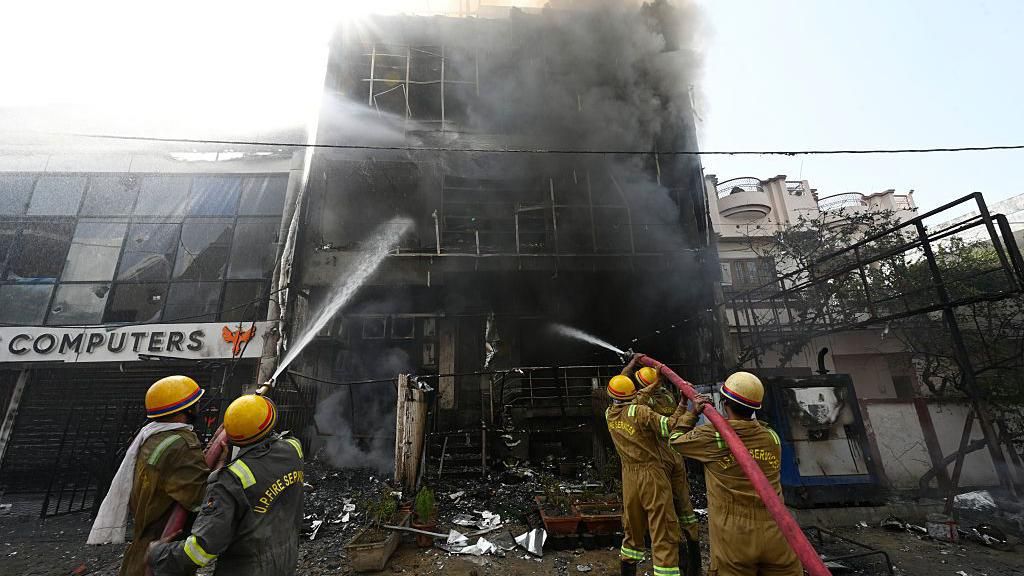
    On a Monday afternoon in the densely populated Aliganj neighborhood of Lucknow, the capital city of India’s northern Uttar Pradesh state, a devastating fire tore through a multi-story commercial building, leaving at least 15 people dead and dozens more injured. The blaze, which was first reported at 14:45 local time, has sparked urgent questions about systemic failures in fire safety regulation across India’s crowded commercial spaces, prompting state authorities to launch a formal investigation and take disciplinary action against responsible parties.

    The building in question held three separate commercial operations: a pet shop on the ground floor, with an animation and 3D gaming training center occupying the two upper floors. When the fire ignited, rapidly spreading smoke and flames quickly engulfed the building’s only staircase, cutting off the sole available exit route for everyone inside. Compounding this deadly hazard, official investigations have already confirmed the structure lacked any secondary emergency exits, trapping hundreds of people inside as toxic smoke filled hallways and workspaces. Adding another layer of complication, relatives of some victims reported that a restricted biometric access control system locked sections of the training center, slowing escape attempts for many trapped people.

    Eyewitnesses recount chaotic scenes of panic as desperate people scrambled to flee the burning structure. Some trapped occupants climbed down exposed power cables to reach the ground, while others jumped from upper-floor windows in a bid to escape the smoke. Local bystanders rushed to the site within minutes to assist with rescue efforts, throwing stones to shatter window panes and pull escaping people to safety, with local residents reporting they rescued five to six people before professional first responders arrived. Anurag Ojha, one of the first witnesses to the fire, described the overwhelming chaos to BBC Hindi: “I was resting in my room and there was a foul smell outside. When I looked, there was a huge fire and people were crying for help.”

    Trapped victims made frantic final calls to family members as smoke closed in, leaving families grappling with unthinkable loss. Prabhujyot Singh recalled receiving a desperate call from his son, who begged “Papa, there’s a fire. Save me, I’m trapped inside,” only for Singh to arrive at the scene far too late to save him. Nineteen-year-old Mohammad Shazan, a trainee at the animation center, locked himself in a bathroom to avoid toxic smoke, but could not escape before first responders reached him.

    Professional firefighting teams faced major challenges accessing the trapped occupants. To reach people trapped on upper floors and the roof, crews had to cross over from an adjacent building’s terrace before breaching a side wall of the burning building to access the interior. By the time the fire was fully contained, 15 people had been confirmed dead, most of them trainees and employees of the animation center.

    In the aftermath of the tragedy, Uttar Pradesh Deputy Chief Minister Brajesh Pathak confirmed that a formal public inquiry has been initiated, with authorities directed to implement new measures to prevent similar deadly incidents in the future. Law enforcement has already filed criminal charges against four individuals linked to the building’s ownership and management, on counts of endangerment and negligence leading to death. Four local public officials responsible for fire safety inspections have also been suspended pending the outcome of the investigation. While the exact cause of the fire remains unknown at this stage, officials are continuing their work to identify the source.

    This latest fatal fire comes less than one month after a similar deadly blaze at a New Delhi bed-and-breakfast left multiple people dead. The Lucknow tragedy has reignited longstanding public concerns over systemic fire safety violations in India’s densely packed commercial and residential buildings. Over the past several months, a string of deadly blazes across the country has repeatedly exposed widespread non-compliance with basic fire safety regulations, prompting calls for sweeping regulatory reform and more rigorous enforcement of existing safety standards.

  • Why Scotland can’t play for draw or narrow defeat against Brazil

    Why Scotland can’t play for draw or narrow defeat against Brazil

    As Scotland prepares to lock horns with five-time World Cup champions Brazil at Miami Stadium on June 24, 2026, the entire Scottish football community is gripped by a mix of anticipation, anxiety and historic hope. Captain Andy Robertson will lead his side out for the crunch group stage tie, where even a single point from a draw will secure Scotland’s place in the World Cup knockout round for the first time in their modern history. A narrow defeat could also still see Steve Clarke’s side advance as one of the eight best third-place finishers across the tournament’s groups, a scenario that has become the central obsession for Scottish fans poring over tournament standings this week.

    The prospect of only needing a draw to make history has sparked intense debate around what approach the Scottish side will take when they step onto the pitch. The match will kick off at 23:00 BST, with full live coverage available across BBC platforms including BBC One, iPlayer, BBC Radio Scotland, BBC Radio 5 Live, and live text updates on the BBC Sport app and website.

    Conventional football wisdom almost universally rejects the idea of setting out to play for a draw. No top-level coach or player will openly admit they are not going into a match chasing all three points, and the Scotland camp will be no different in pre-match media commitments. But the constant external discussion around the ‘only a point needed’ narrative raises a critical question: could it create an undercurrent of caution that subtly shifts the team’s mindset heading into kickoff?

    Former Scotland player and manager Craig Levein, who has first-hand experience of navigating high-stakes matches where a draw was a desired outcome, warned of the inherent risks of prioritizing a result over an aggressive approach. Speaking to BBC Sport, Levein referenced his 2010 clash with Czech Republic where he deployed a controversial 4-6-0 setup designed to secure a draw. “I don’t believe Steve will be playing for a draw because there’s a dangerous element to that,” Levein said. “Because you’re in a mode where if you do lose a goal then getting shifted out of that mind space is difficult. I’ve been in that situation on a number of occasions.”

    He added: “You can plan all you want to play for a certain outcome, but football is so random that you’re not guaranteed to get that.” Levein argued that Clarke’s approach to training, team selection and gameplan will be far more impactful on the squad’s mentality than outside noise. Pointing to the potential inclusion of young attacking winger Ben Gannon-Doak in the starting lineup, Levein noted that adding an extra attacking threat can send a clear message to the whole squad to play without defensive shackles. “If we just put another attacking player on, it gives everybody the idea that it’s time to take the shackles off and have a go,” he explained.

    While the conversation around needing a draw has dominated headlines, critics argue the bigger issue facing Scotland is not subconscious caution from the stakes, but an overly passive defensive approach that has held the side back in their first two group matches against Haiti and Morocco. Against Haiti, Clarke’s side held just 46% of possession, and that share dropped to 40% in their narrow 1-0 defeat to Morocco. Through two matches, Scotland have managed only two shots on target, and have failed to apply consistent high pressure when out of possession. Opta data from the Morocco match shows Scotland took an average of 25 seconds to recover possession after losing it, while Morocco won the ball back an average of eight seconds faster.

    Former Hibernian and Celtic midfielder Scott Allan argued that sitting deep does not require a passive mindset. “When you’re constantly sat off the game and you’re passive, players go into a certain mindset where they start to worry, instead of having that real belief about going and creating and scoring goals,” Allan told the Scottish Football Podcast. “You can sit in a low block and still be aggressive. There’s a point where once they [the opposition] reach here, when they make a square pass, can we go with real purpose and go and try and get the ball back?”

    Former Rangers and Motherwell midfielder Andy Halliday echoed that assessment, stressing that Scotland must inject far more urgency into their off-the-ball work against Brazil’s world-class attacking talent. “When you’re going to be this team that wants to sit in and frustrate then try and be as quick as you can on transitions. I think we need to be a lot more aggressive than we’ve been off the ball,” Halliday said. “I think every chance we created actually came from us putting pressure on Moroccan players and turning the ball over at the top end of the pitch.”

    Halliday acknowledged that Scotland are unlikely to dominate possession against Brazil, but warned that giving elite global stars too much time and space on the ball will play directly into the opposition’s hands. “I’m not expecting a huge difference in possession [against Brazil], but I think, out of possession, we can’t just allow these top players time and space on the ball and make it easy for them to just feel their way into the game,” he added.