博客

  • Lebanon tries to find a place on the map

    Lebanon tries to find a place on the map

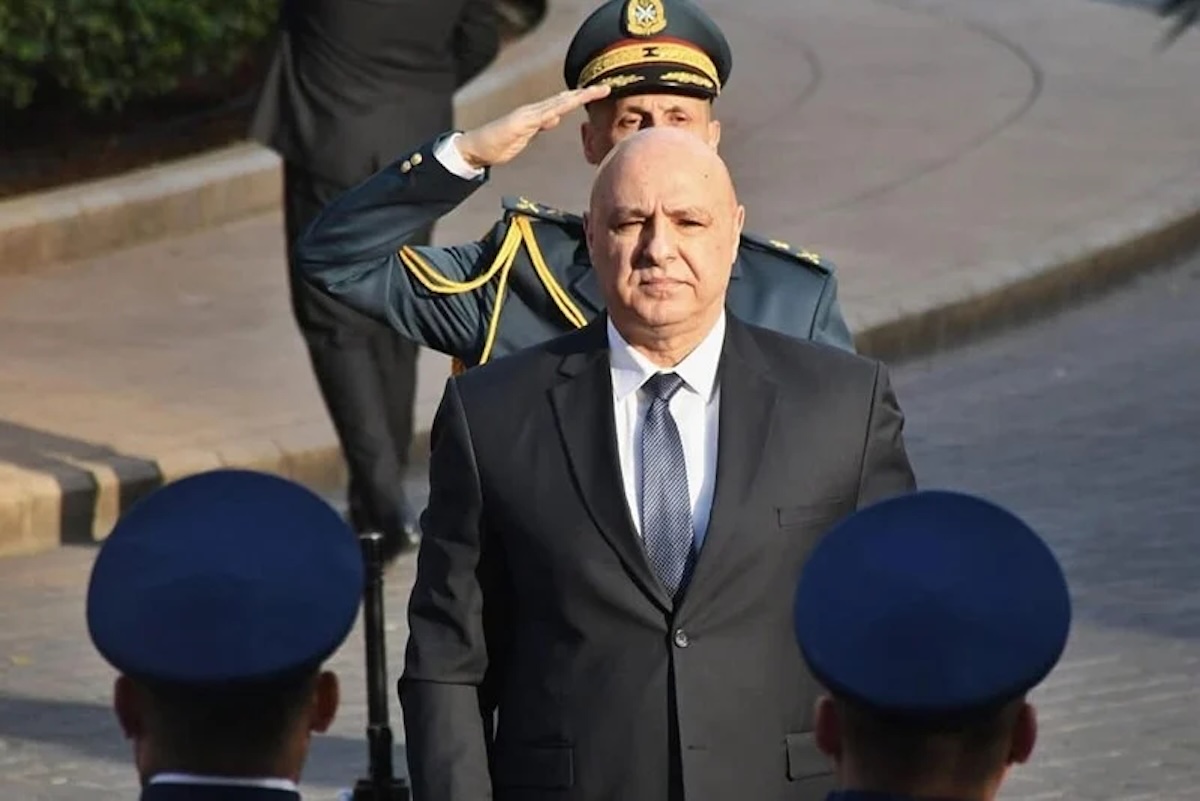
    Against the backdrop of ongoing high-stakes Middle East peace negotiations, Lebanese President Joseph Aoun is mounting a urgent campaign to center his nation’s interests, pushing back against the tendency of global and regional powers to treat Lebanon as a secondary bargaining chip in their broader conflicts. For weeks, Aoun has grown increasingly frustrated as both Iran and the United States frame Lebanon as a peripheral theater in their escalating geopolitical rivalry, leaving the country’s sovereignty and security hanging in the balance. For Iran, backing its proxy ally Hezbollah through military aid and diplomatic protection serves as a core pillar of its claim to regional power status. Mohammad Bagher Ghalibaf, speaker of Iran’s parliament, recently reinforced this position, declaring that “the efforts of Lebanon’s brave fighters and the powerful diplomacy of Iran will guarantee the sovereignty and territorial integrity of beloved Lebanon.”

    On the U.S. side, the Trump administration has shown clear dismissal of Lebanon’s specific national concerns. While former President Donald Trump has expressed casual unease over Israeli airstrikes on Lebanese territory, he has done little to advance Lebanon’s demands for Israeli withdrawal. Most recently, Vice President J.D. Vance, who is leading U.S. peace talks with Iran, publicly chided Israel last Sunday amid continued bombing runs, arguing that the country “can’t just kill your way out of solving every single national security problem” but stopped short of endorsing Lebanon’s core demands.

    This sidelining of Lebanon has spurred Aoun to deliver a blunt, unapologetic rebuke to both foreign powers. He has openly demanded that Iran end its military intervention in Lebanon through its support for Hezbollah, stating sharply: “It is not your country, it is our country. You are not trying to help us. It is the Lebanese who are paying the price for your own interests, and our interests do not coincide with yours. We are tired and we want to live in peace.” After receiving a weekend phone call from Vance updating him on planned U.S.-Iran negotiations, Aoun pushed back against the idea of external powers cutting deals over Lebanon’s head, noting: “We welcome any assistance to end the war, but we distinguish between assistance and interference in internal affairs. We are a sovereign country and no one negotiates on our behalf.”

    This week, Aoun is moving forward with a new round of diplomatic engagement: Lebanese envoys are set to travel to Washington on June 22 for direct talks with Israeli representatives, with two non-negotiable priorities: the full disarmament of Hezbollah and a complete Israeli withdrawal from Lebanese territory. But the proposal has already met a hard rejection from Israeli Prime Minister Benjamin Netanyahu, who announced on Monday that his government has given the Israel Defense Forces (IDF) full autonomy to operate in southern Lebanon. “Our fighters in southern Lebanon have full freedom of action to thwart any direct or emerging threat to them or to the residents of the North [of Israel],” Netanyahu said. “The IDF has no restrictions in this regard.”

    These talks mark the fourth round of negotiations ordered by the Trump administration this year. Israel has put forward its own proposal, calling on the Lebanese army to disarm Hezbollah, with the IDF retaining an indefinite military presence in southern Lebanon to enforce the deal if Hezbollah resists. Aoun has decried this framework as deeply unrealistic, arguing that the Lebanese military is severely under-trained and under-equipped to take on the well-armed militant group. Compounding this challenge is the country’s sectarian demographics: roughly 40% of Lebanese army personnel are Shiite, and Aoun warns it is highly unlikely they would take up arms against the Shiite-aligned Hezbollah. “Any controversial domestic issue in Lebanon can only be approached through conciliatory, non-confrontational dialogue and communication. If not, we will lead Lebanon to ruin,” Aoun warned. “We can’t let the country descend into another civil war.”

    These fears are rooted in decades of unresolved conflict and failed attempts to rein in Hezbollah’s power. In the early 1980s, a government order to the military to crack down on Muslim militias led to mass desertions and refusals to obey commands from Shiite service members. In 2008, the government attempted to dismantle a secret Hezbollah communications network in southern Lebanon and block the group’s use of Beirut International Airport as a covert weapons transit point from Iran. In response, Hezbollah and its allied militias seized control of majority-Sunni downtown West Beirut, forcing the government to fully back down.

    Hezbollah leaders have already issued sharp threats in response to Aoun’s current push. Senior Hezbollah figure Mahmoud Qamati warned that “a confrontation with the political authority is inevitable after the war” and vowed that Lebanese officials engaging with Israel “would pay the price for their betrayal.” Current Hezbollah leader Naim Qassem added that any effort to disarm the group would trigger a “serious crisis” that would leave “no life in Lebanon.”

    Lebanon’s long-running sectarian power-sharing system, established under Ottoman and French colonial rule and retained after independence in 1945, has amplified these internal tensions. The system allocates the presidency to a Christian, the prime minister role to a Sunni Muslim, and the parliamentary speaker position to a Shiite Muslim, with all bureaucratic posts and parliamentary representation divided along confessional lines, including guaranteed representation for the 6% Druze minority. While designed to reduce sectarian conflict, the system has instead entrenched religious-political rivalries that have repeatedly erupted into violence over decades.

    Foreign intervention has further destabilized the country. In 1982, Israel invaded Lebanon to expel the Palestine Liberation Organization, which had its headquarters in Beirut, and to install Christian leader Bashir Gemayel as president in the hopes he would sign a permanent peace treaty with Israel. That plan collapsed after Syria organized Gemayel’s assassination, and guerrilla forces pushed Israeli troops back into southern Lebanon, where they remained for 18 years of occupation.

    It was in this occupied southern Lebanon, the heartland of Lebanon’s Shiite population, that Hezbollah emerged with backing from Iran and Syria. After 18 years of failed efforts to subdue the group, Israel withdrew from southern Lebanon in 2000. Rather than disbanding, Hezbollah reframed its mission around “liberating” the small contested Sheba Farms territory on the edge of the Golan Heights, which Israel seized from Syria in the 1967 Six-Day War, after Syria asserted Lebanon had a legitimate claim to the area.

    Since 2000, frequent border clashes and periodic full-scale wars have broken out between Israel and Hezbollah. Iran has since elevated the group’s role as the vanguard of its “axis of resistance,” a regional coalition that also includes Hamas in Gaza and the Houthis in Yemen, positioning Hezbollah as the “forward defense” of Iran’s regional interests. As the U.S. moves forward with planned negotiations with Iran, the core question hanging over Lebanon’s future remains: can any U.S.-Iran deal resolve the Hezbollah issue, and finally deliver the sovereign peace Aoun and the Lebanese people have long demanded?
  • Why was JD Vance in a luxury Swiss resort for talks with Iran?

    Why was JD Vance in a luxury Swiss resort for talks with Iran?

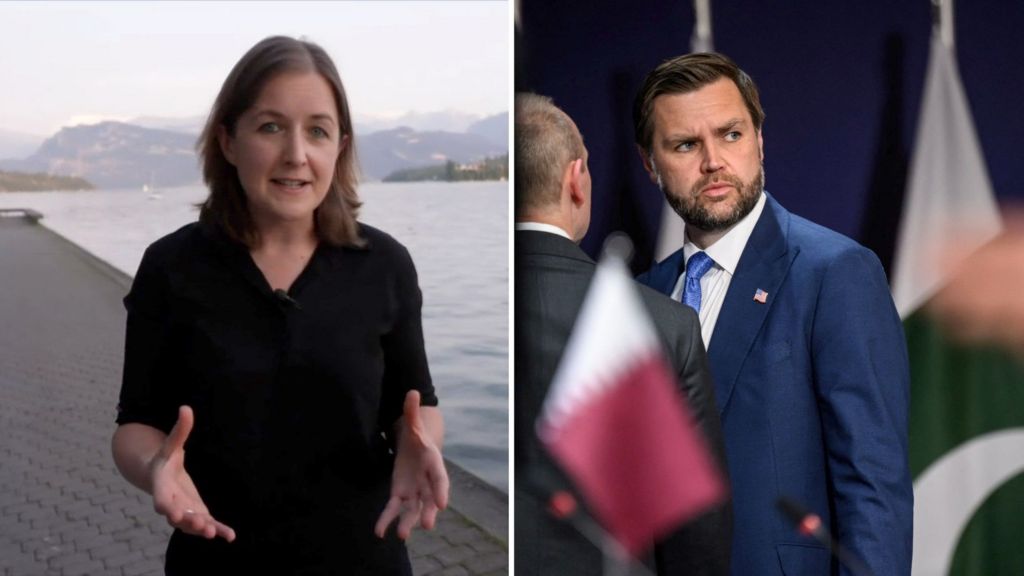
    In a move that has sent ripples through global diplomatic circles, United States Vice-President JD Vance made an unexpected and under-the-radar trip to a high-end Swiss alpine resort to hold direct talks with Iranian representatives, a development that has sparked widespread curiosity and analysis from international observers. BBC senior correspondent Jessica Parker has broken down the critical context and key takeaways surrounding this unorthodox diplomatic encounter, shedding light on what many see as a significant shift in how the US is engaging with Iran behind closed doors.

    First, it is important to contextualize the long-strained diplomatic relationship between Washington and Tehran. For decades, formal direct negotiations between the two nations have been rare, with most talks mediated by third-party European or global powers in established diplomatic settings. The choice of a remote, luxury Swiss resort – a location long favored for secret, off-the-record diplomatic negotiations due to Switzerland’s long-standing policy of neutrality and strict privacy protections – was no accident. The secluded setting allowed both sides to speak freely without the immediate pressure of global media scrutiny or domestic political backlash that often derails early diplomatic efforts.

    Parker notes that while the Biden administration has maintained limited, structured talks with Iran over its nuclear program in recent years, this meeting involving the sitting US vice-president marks a notable escalation in direct engagement. While official statements from both sides have remained scarce, early reports indicate that discussions covered a range of pressing topics, including ongoing nuclear enrichment activities, regional security tensions in the Middle East, and the potential for limited prisoner exchanges that have long been a sticking point in bilateral relations.

    Diplomatic analysts suggest the off-the-record nature of the meeting indicates that both sides are testing the waters for more formal negotiations down the line, rather than pushing for immediate, sweeping agreements. The choice of venue also reinforces Switzerland’s historic role as a neutral intermediary between hostile nations, a function it has fulfilled for decades during periods of global geopolitical tension. As details continue to emerge, the international community is closely watching to see whether this informal encounter will open the door to a broader thaw in US-Iran relations, or remain a one-off exploratory meeting with no long-term policy impact.

  • Britain left the EU 10 years ago. Its politics has been an unruly mess ever since

    Britain left the EU 10 years ago. Its politics has been an unruly mess ever since

    Ten years to the day after the United Kingdom’s fateful 52%-48% vote to leave the European Union, the seismic ripple effects of that decision continue to reshape British politics, bringing the country its seventh prime minister since the 2016 referendum and leaving a legacy of division, economic stagnation and eroded public trust.

    On June 23, 2016, after 47 years of EU membership, Conservative Prime Minister David Cameron gambled on a public referendum to settle internal party tensions over Europe, campaigning to remain in the bloc. When results favored exit, Cameron resigned within 24 hours, opening a decade of political chaos that no successive leader has managed to resolve. The latest casualty is Labour Prime Minister Keir Starmer, who announced his resignation Monday after two years in office, pointing to a sluggish economy, dysfunctional governing institutions and a deeply divided, disillusioned electorate — problems widely traced at least in part to Brexit’s ongoing fallout.

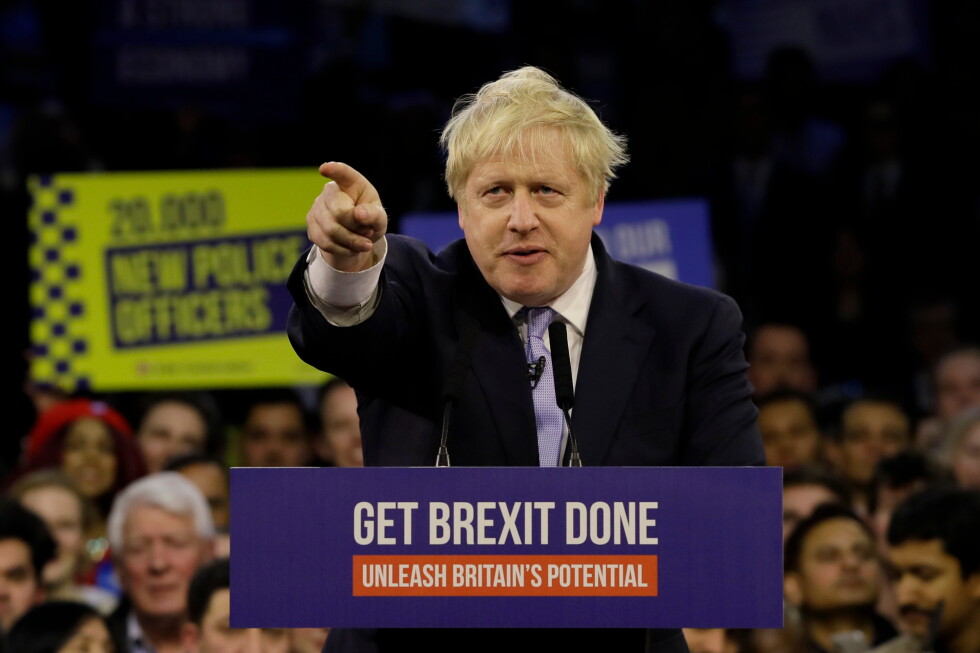
    The 2016 Leave campaign capitalized on broad public discontent with the status quo, selling Brexit with the emotional rallying cry of “take back control” over British laws, borders and economic policy. Leading Leave figure Boris Johnson, who would later become prime minister, framed the exit as a once-in-a-generation opportunity to embrace a brighter, independent future, telling supporters just weeks before the vote: “We can see the sunlit meadows beyond. I believe we would be mad not to take this once-in-a-lifetime chance to walk through that door.”

    Historians trace the Leave victory to a tangled mix of grievances: opposition to perceived unrestricted immigration, anger at Brussels-imposed regulations, and a powerful strain of nostalgia for an imagined, glorified British past. Margaret MacMillan, emeritus history professor at the University of Toronto, noted that Leave campaigners never clearly articulated what Brexit would actually deliver, leaning instead on vague nationalist sentiment. “It was against what people saw as unrestricted immigration. It was against what they saw as EU regulations. And then there was this mix of nostalgia — ‘We fought alone in the Second World War.’ Which was of course not true,” MacMillan explained.

    That lack of clarity set the stage for years of unmet promises and political turmoil. Bold Leave pledges of tighter immigration controls, lucrative independent trade deals, increased funding for public services and an end to burdensome European regulation quickly collided with hard reality. The U.K. did not formally complete its exit until January 31, 2020, following years of acrimonious divorce negotiations with the EU, and an 11-month transition period before the final split was cemented.

    Cameron’s successor, Theresa May, stepped down in 2019 after failing to secure exit terms that could win approval from a deeply divided Parliament. Johnson took over, promising to “get Brexit done” and ultimately negotiated a slim trade deal that left U.K.-EU relations strained and frozen for years. He was forced out of office by the Conservative Party in mid-2022 amid overlapping financial and ethical scandals. His replacement Liz Truss resigned after just 49 days in office following a disastrous economic agenda that crashed global markets. Next came Rishi Sunak, who eased tensions with Brussels but declined to make major structural changes to the Brexit framework. Starmer, who won power after Sunak, promised a “reset” of Brexit policy but also ruled out returning to the EU’s tariff-free, frictionless single market. Now, as Starmer prepares to hand over power, Brexit remains unresolved, lingering as un finished business for the country.

    Far from settling long-running intra-party tensions over Europe, as Cameron hoped it would, the referendum shattered Britain’s traditional political ecosystem. “The people who obsessed about it still obsess about it. Britain’s problems have continued,” historian Anthony Seldon told Times Radio. Within the Conservative Party, hardline Brexiteers pushed out moderate lawmakers who favored a softer exit and closer EU ties. Even the traditionally pro-EU Labour Party has been split, with grassroots members pushing for closer alignment or even full rejoin, while senior leaders like Starmer have refused to reopen debate over the 2016 decision to avoid reigniting old conflicts.

    A decade on, millions of voters have abandoned Britain’s two major mainstream parties for smaller, more extreme alternatives. The biggest political beneficiary has been Nigel Farage, the long-time Brexit campaigner who now leads the hard-right Reform UK. After campaigning for exit, Farage shifted to claiming Brexit had been betrayed by mainstream politicians, reorienting his anti-immigration message from EU free movement to targeting asylum seekers crossing the English Channel in small boats. Today, Reform UK consistently leads national opinion polls.

    Economically, Britain has seen a decade of sluggish growth, with new trade barriers between the U.K. and its closest European neighbor hitting business activity. While Brexit is not the sole cause of slow growth — the COVID-19 pandemic, the Russia-Ukraine war and ongoing Middle East conflicts have all contributed — experts agree Brexit has amplified existing economic pressures. Compounding this, successive leaders have avoided being honest with the public about the trade-offs required by Brexit, leaving voters deeply disappointed.

    “ We just haven’t had politicians who’ve been upfront with the public about the fact that when they get into power, they won’t be able to have no increases in taxes, no increases in debt, and better public services all in the same breath,” said Hannah White, director of the independent Institute for Government think tank. “And so people are disappointed.”

    Ironically, Brexit also failed to resolve the immigration debate it centered. Net migration to the U.K. hit a record high of more than 900,000 in 2023 before falling to 71,000 last year, and public debate over immigration has only grown more polarised. That polarisation has fueled rising public cynicism, collapsed trust in political institutions, and even eroded long-held British norms against political violence. Agitators have repeatedly incited anti-immigration street violence after crimes committed by — or falsely rumoured to be committed by — immigrants.

    Chris Grey, an academic who has extensively studied Brexit’s fallout, noted that a long-standing line between peaceful political debate and street violence has eroded, a shift that traces its origins to the 2016 referendum. “In the past, Britain had a firm barrier between the conventional dominant politics of talk and argument, and what was seen as beyond the pale: violence on the streets,” Grey said. “I think that boundary is being eroded. And I think that did to some large extent begin with Brexit.”

    Today, polling shows growing “Bregret” among British voters, with a recent Ipsos survey finding 52% of respondents now support rejoining the EU, compared to just 33% who oppose it. Hundreds of pro-rejoin activists marched through London Saturday, waving EU blue-and-yellow flags, though turnout was far smaller than the mass protests seen at the height of Brexit negotiations. Most voters now say they simply want to move on from the debate.

    Even so, Brexit remains a political minefield that most leaders are afraid to address. And if Britain wanted to reverse course and rejoin the bloc, it would face a long, difficult negotiation with a deeply wary EU. Until British politicians are willing to confront Brexit’s full legacy, Grey said the country will remain stuck in a cycle of persistent low-grade crisis. He compared the U.K. to a person living with a chronic, energy-sapping illness that they refuse to get treated.

    “A chronic thing, in this case perhaps not incurable,” Grey said. “But it’s just that they don’t fancy going to the doctor because they know it’s not going to be very nice.”

  • How Starmer went from Labour Party hero to calling it quits within 2 years

    How Starmer went from Labour Party hero to calling it quits within 2 years

    LONDON – It is one of the most dramatic political reversals in modern British history: Keir Starmer, who led the Labour Party to a landslide general election victory in 2024 that ended 14 years of Conservative rule, announced his resignation as prime minister on Monday, forced out by a party rebellion triggered by catastrophic local election losses. His premiership lasted less than two years, unraveled by a toxic mix of economic stagnation, repeated policy missteps, a damaging controversial appointment, and widespread voter disillusionment over his perceived lack of a clear governing vision.

    Starmer’s political rise reached its peak on July 4, 2024, when Labour secured a commanding majority of 411 seats out of 650 in Parliament, a stunning turnaround from the party’s historic defeat in the previous general election. The victory ushered in a wave of national optimism, as Starmer positioned his government as a champion of working-class Britons drained by years of Conservative governance. In his triumphant victory speech, Starmer framed the win as a new beginning for the United Kingdom, saying, “Walk into the morning, the sunlight of hope, pale at first but getting stronger through the day, shining once again, on a country with the opportunity after 14 years to get its future back.” Home Secretary Shabana Mahmood even praised Starmer for pulling the party “from the brink, back to power.”

    That optimism faded far faster than even Starmer’s most vocal critics predicted. The new prime minister inherited an economy already reeling from the lingering fiscal damage of the COVID-19 pandemic and the inflationary shock of Russia’s full-scale invasion of Ukraine, leaving his government with little fiscal room for large popular spending programs. Voters had ousted the Conservatives over soaring household costs, but Starmer and Treasury chief Rachel Reeves stumbled early: their overly downbeat public assessments of the country’s economic situation eroded consumer and business confidence, prompting widespread spending cuts and hiring freezes that deepened economic stagnation.

    Policy missteps compounded the economic damage. Bound by an election manifesto pledge to rule out increases to income tax and value-added tax—the government’s two largest revenue sources—Starmer’s administration instead raised payroll taxes on businesses. The change was deeply unpopular, pushing countless companies to scale back hiring plans and worsening already elevated unemployment levels. This misstep was followed by a string of embarrassing policy U-turns that eroded public trust and gave opposition parties ample ammunition to claim Starmer lacked core convictions. The government was forced to backtrack on plans to cut winter home heating subsidies for millions of pensioners, reverse proposed deep cuts to welfare spending, and weaken a new agricultural inheritance tax after thousands of angry farmers blockaded central London with tractors. Even outside of economic policy, Starmer flipped positions on high-profile issues, most notably launching a national inquiry into organized child sexual abuse only after sustained pressure from opposition figures and billionaire Elon Musk.

    The most damaging blow to Starmer’s credibility came from his fateful decision to appoint veteran Labour figure Peter Mandelson—an open friend of convicted sex offender Jeffrey Epstein—as British ambassador to the United States. Initially, the pick was hailed as a shrewd strategic move: Mandelson, long nicknamed the “Prince of Darkness” for his hard-nosed political tactics, had deep trade experience and established relationships with U.S. business and political leaders, including then-President Donald Trump. His efforts ultimately delivered a bilateral trade deal with lower tariffs for Britain than most observers expected. But the appointment unraveled in September 2025, when new documents revealed Mandelson had been far closer to Epstein than he had publicly disclosed. Further revelations compounded the scandal: internal government records showed Mandelson had been flagged as a “reputational risk” before his appointment, failed a mandatory security background check, and was under investigation for allegedly passing sensitive cabinet information to Epstein more than 15 years earlier. Starmer ultimately fired Mandelson, but the scandal left his political judgment permanently in question. Mandelson has repeatedly denied all wrongdoing.

    The final collapse came this spring, when Starmer’s already plummeting popularity translated into a devastating rout for Labour in local elections across the country. The far-right, anti-immigration Reform UK party won the largest share of local seats, while the rising Green Party pulled large numbers of left-leaning voters away from Labour. In the wake of the losses, more than 100 Labour members of Parliament publicly called for Starmer to step down. Several senior cabinet ministers, including popular Health Secretary Wes Streeting, resigned in protest, fueling speculation that Streeting would launch a leadership challenge. Popular Greater Manchester Mayor Andy Burnham, another potential challenger, returned to Parliament after a sitting MP stepped down to clear his path to a leadership bid. When Burnham won the resulting by-election last week, the writing was on the wall for Starmer.

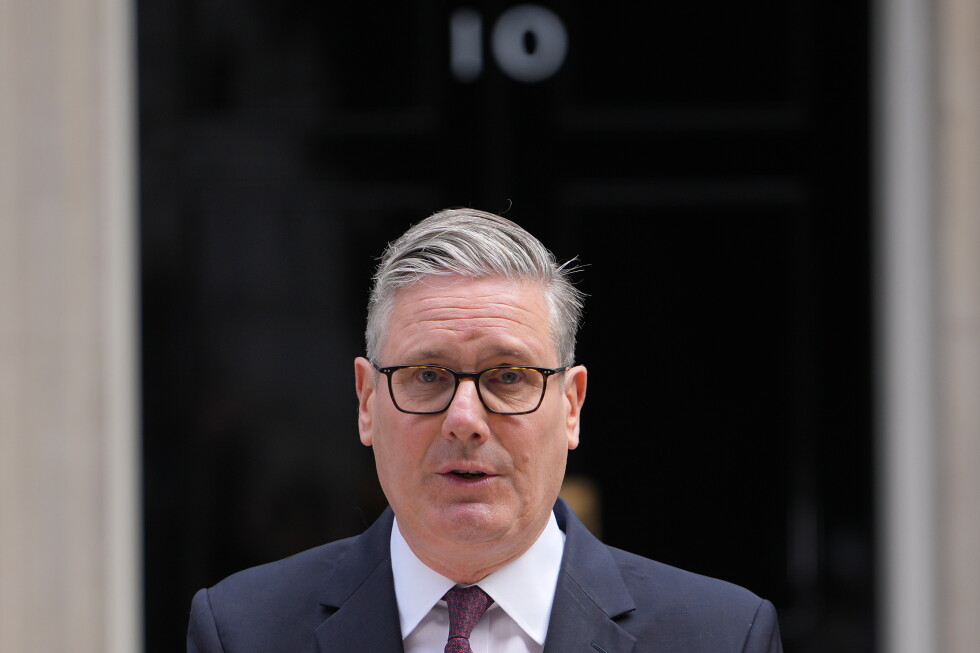
    After holing up at Chequers, the prime minister’s official country residence, over the weekend to weigh his options, an emotional Starmer announced his resignation Monday morning. Burnham was sworn in as prime minister later the same day in the House of Commons, where he received a rapturous welcome from Labour MPs. Labour’s national executive committee will open nominations for a permanent party leader on July 9, and it remains unclear whether any other candidates will step forward to challenge Burnham for the permanent role.

  • A Golden Boot race for the ages – but who will come out on top?

    A Golden Boot race for the ages – but who will come out on top?

    The 2026 FIFA World Cup has already produced one of the most historic individual competitions in the tournament’s history, as three of the world’s greatest forwards have mounted an unprecedented Golden Boot challenge that has sent records tumbling within the first two matchdays.

    After just two games each, Lionel Messi of Argentina sits atop the goal-scoring standings with five strikes, while Kylian Mbappe of France and Erling Haaland of Norway trail closely behind with four goals apiece. This historic start marks only the second time in World Cup history that three players have notched at least four goals within the first two matches, a feat not seen since 1954, and fans and pundits alike are hailing the opening stretch of the tournament as something truly extraordinary.

    The historic run of goalscoring unfolded across a single matchday, with each superstar matching their rivals’ output step for step. First, Messi broke the men’s World Cup all-time goal-scoring record with a brace in Argentina’s victory over Austria, pushing his cumulative tournament total to 18 goals across 28 World Cup appearances. Before that, former Germany striker Miroslav Klose held the all-time record with 16 goals, meaning Messi has already surpassed the mark that stood before the tournament kicked off.

    Not to be outdone, Mbappe hit his own double on his 100th international cap, powering France to a weather-delayed win over Iraq. The French star has now drawn level with Klose on 16 all-time World Cup goals, and has already claimed the title of France’s all-time leading World Cup goalscorer after just two matches this tournament. He is also in position to become the first men’s player to win multiple Golden Boot awards, should his current form hold.

    Hours later, Haaland matched his two fellow superstars by scoring twice in Norway’s win over Senegal, securing the nation’s place in the round of 32 in the 24-year-old’s first World Cup appearance. Haaland, who has already become Norway’s top World Cup goalscorer after just two matches, is only the sixth player in history to score multiple goals in each of his first two World Cup appearances, extending his club-form red hot streak to international football with an incredible 59 goals in 52 caps for Norway.

    England captain Harry Kane, who already scored a brace on opening day against Ghana, will get his chance to add to his tally and join the leading group on Tuesday, adding even more stakes to what is already shaping up to be a historic race. Beyond the all-time cumulative record, all the leading contenders are also targeting Just Fontaine’s 65-year-old record of 13 goals scored in a single World Cup, set in 1958. Only three players in history have ever hit double-digit goals in a single World Cup, but pundits widely predict that number will grow by the end of this 2026 tournament.

    The expanded 48-team format of the 2026 World Cup has been cited as one factor contributing to the surge in goals from elite attackers. The new structure adds an extra knockout round for tournament winners, giving star players more opportunities to find the back of the net, while the inclusion of more lower-ranked opponents has allowed the world’s best forwards to capitalize on chances against less experienced defenses.

    Industry experts and former players have weighed in on the once-in-a-generation competition for the Golden Boot. French football journalist Julien Laurens noted that the elite stars are not only competing for the current tournament’s top scorer prize, but are also chasing historic all-time records that have stood for decades. Former Scotland striker Ally McCoist argued that while it is impossible to directly compare the three superstars, Haaland stands alone as the most clinically lethal finisher in the world right now. “When it comes to putting the ball in the back of the net, Haaland is probably the best out there. When it comes to finishing, he takes some beating,” McCoist said.

    Former England international Karen Carney summed up the opening matchday: “It was a superstar day. Messi stole the show, but what performances from Mbappe and Haaland as well. Let’s hope Harry Kane can get in on the act on Tuesday.”

    While the race for goals has captured global attention, Mbappe sought to downplay his individual pursuit, noting that he is focused first on helping France succeed rather than tracking Messi’s progress. “If I start watching him, I’ll feel like I have to do even more, so no, I don’t watch what he’s doing. I’m only thinking about helping my team – by helping the team, I score goals and get closer to that kind of level,” Mbappe said.

    Norway manager Stale Solbakken was quick to advocate for his star striker, arguing that Haaland’s four-goal start is even more impressive coming off a smaller nation than global powerhouses France and Argentina. “It’s easier to win the Golden Boot when you play for France and Argentina, but we’ll try to give Erling more games, and more help also in the next games. So he’s on fire and I’m very happy for him that he can score on the biggest stage,” Solbakken said.

    Even other top young strikers in the tournament have expressed awe at the three superstars’ historic form. American striker Folarin Balogun, who notched two goals in his own first two matches, joked: “I think it’s annoying. Seeing players like Messi, Mbappe, Haaland – they’re so inevitable. I think they’re scoring a goal a game, sometimes more. For me, it’s just about trying to get to that level – to be inevitable as well.”

    As the tournament progresses, all eyes will remain fixed on the Golden Boot race, as what is already the most competitive individual goal-scoring chase in decades continues to unfold on football’s biggest global stage.

  • Australia’s coal and gas exports violate our human rights, group says in new UN case

    Australia’s coal and gas exports violate our human rights, group says in new UN case

    A small but determined cohort of Australian climate activists and affected residents has made global legal history by bringing a human rights complaint against the Australian government to the United Nations, arguing that its ongoing support for coal and gas exports violates their fundamental rights to life, safety and cultural survival. This case marks the first formal legal challenge brought before an international body since the International Court of Justice (ICJ) issued a landmark 2025 ruling that opened the door for nations to hold each other legally accountable for climate change harm.

    Australia ranks among the world’s top five coal and gas exporters, and the 10 claimants argue that the federal government’s continued approval and subsidization of new fossil fuel projects directly exacerbates the extreme weather events that have already upended their lives. From catastrophic bushfires to unprecedented river floods, deadly heatwaves, coastal sea level rise and toxic water contamination, claimants say the government’s failure to rein in fossil fuel pollution has put their health, safety and cultural heritage in immediate danger.

    One of the most prominent voices among the claimants is Dr. Barry Traill, a respected wildlife ecologist and veteran volunteer firefighter who has witnessed the escalating intensity of Australian wildfires firsthand. Traill’s perspective on climate risk changed forever in 2009, when a group of his well-prepared, experienced friends lost their lives in the devastating Black Saturday bushfires that tore through Victoria, killing 173 people overall. “That deeply changed me,” Traill explained. “It became clear that the old rules around fires and survival no longer applied.” A decade later, Traill served on the frontlines of the 2019 Black Summer megafires that burned more than 18 million hectares of land across eastern Australia, an experience that convinced him climate change is not a distant future threat. “It is already killing people and hurting lives, landscapes and communities across Australia,” he said. “Continuing to allow coal and gas companies to increase pollution, while people face worsening disasters, is a profound failure of responsibility.”

    Brendon Donohue, another claimant who lives with blindness and mobility impairments, described how he was trapped alone in his Brisbane apartment for 10 days during the catastrophic 2022 Queensland floods that damaged the region’s power grid. When the floodwaters knocked out electricity to his building, elevators, intercom systems and ground-floor exits all became unusable, leaving Donohue unable to escape or call for emergency help. “Because I live with blindness and mobility challenges, climate impacts affect me differently and can make everyday life much harder to navigate safely,” he said, highlighting how vulnerable disabled people are to worsening climate disasters.

    For lead claimant Professor Anne Poelina, an Indigenous elder and academic from Western Australia’s remote Kimberley region, the case is as much about protecting cultural survival as it is about personal safety. Poelina and her community were displaced from their traditional lands along the Fitzroy River – one of Western Australia’s most ecologically and culturally significant waterways – after catastrophic flooding hit the region in 2023. “When the river is healthy, our people are healthy, when the river suffers, our people suffer,” Poelina said. She warned that ongoing climate-driven disruption to their connection to country threatens to erase irreplaceable Indigenous knowledge that has been passed down through generations through direct, on-land experience. “What concerns me most is the intergenerational loss of cultural knowledge,” she said. “So much of our knowledge is not written down, but passed on by being physically present on the land.”

    Hannah White, a senior lawyer with Environmental Justice Australia representing the claimants, told reporters that the complaint argues Australia’s responsibility for climate harm extends far beyond its borders. The group is asking the UN Human Rights Committee to formally rule that the Australian government’s policy of continuing to approve and subsidize fossil fuel exports, without a comprehensive plan to cut emissions and protect communities from climate harm, violates international human rights law. While any ruling from the UN Human Rights Committee is not legally binding, it carries significant global moral and political weight, and Australia would be expected to issue an official response to the finding.

    The case comes just under a year after the ICJ – the United Nations’ highest court for cross-border disputes – issued a landmark ruling affirming that nations can be held legally liable for transboundary climate harm caused by their greenhouse gas emissions, including historic emissions that have accumulated in the atmosphere over decades. The BBC has reached out to Australia’s Environment Minister Murray Watt for comment on the new complaint, but has not yet received a response.

  • Stalker who rang BTS star’s doorbell 133 times faces deportation

    Stalker who rang BTS star’s doorbell 133 times faces deportation

    A Brazilian woman who carried out a months-long campaign of stalking against global K-pop icon Jungkook of BTS has been handed a suspended prison sentence and faces deportation from South Korea after repeatedly trespassing on the singer’s private Seoul residence, court documents have confirmed.

    The unnamed woman first initiated her unwanted intrusions on December 7 of last year, when she loitered outside Jungkook’s home, threw personal items over the property’s boundary wall, and slid handwritten letters and photographs through gaps in the singer’s front door. According to court testimony, she claimed her actions were motivated by her romantic affection for the 28-year-old world-famous performer.

    Just days after that first incursion, she returned to the property and pressed Jungkook’s doorbell 133 consecutive times — a behavior Seoul District Court characterized as clear evidence of an extreme, unhealthy obsession with the star. She was arrested just a week later, on December 13, after she followed a food delivery employee through a side gate to gain unauthorized access to the residential compound. She was released from custody the following day after receiving an official formal warning that she was prohibited from approaching the property again, a order she immediately chose to ignore.

    Over the following two months, the woman continued her pattern of harassment. Police issued an emergency restraining order barring her from coming within 100 meters of Jungkook’s home, but the restriction did nothing to stop her repeated visits. By February, authorities had exhausted all preliminary interventions and referred her case to public prosecutors for formal criminal prosecution. In total, court records confirm the woman visited the singer’s private property at least 22 times between December and February, far more than the initial reported count of 20.

    Seoul District Court ultimately sentenced the woman to 12 months of imprisonment, with the sentence suspended for a two-year probationary period. The judge explained that the ruling accounted for multiple mitigating factors, including an assessment that the woman’s risk of committing repeat offenses after the case is closed is not significant. Unless she successfully appeals the guilty verdict, she will also be deported back to Brazil following the conclusion of court proceedings.

    This is not the first high-profile stalking incident targeting Jungkook in recent months. In June of last year, a Chinese woman in her 30s was arrested in Seoul just hours after Jungkook completed his mandatory South Korean military service, after she attempted to force her way into the star’s home. The string of intrusions has sparked renewed public debate in South Korea over the adequacy of current anti-stalking laws and the level of privacy protection afforded to high-profile public figures.

  • Colombia’s last training session before World Cup match against Congo suspended because of storm

    Colombia’s last training session before World Cup match against Congo suspended because of storm

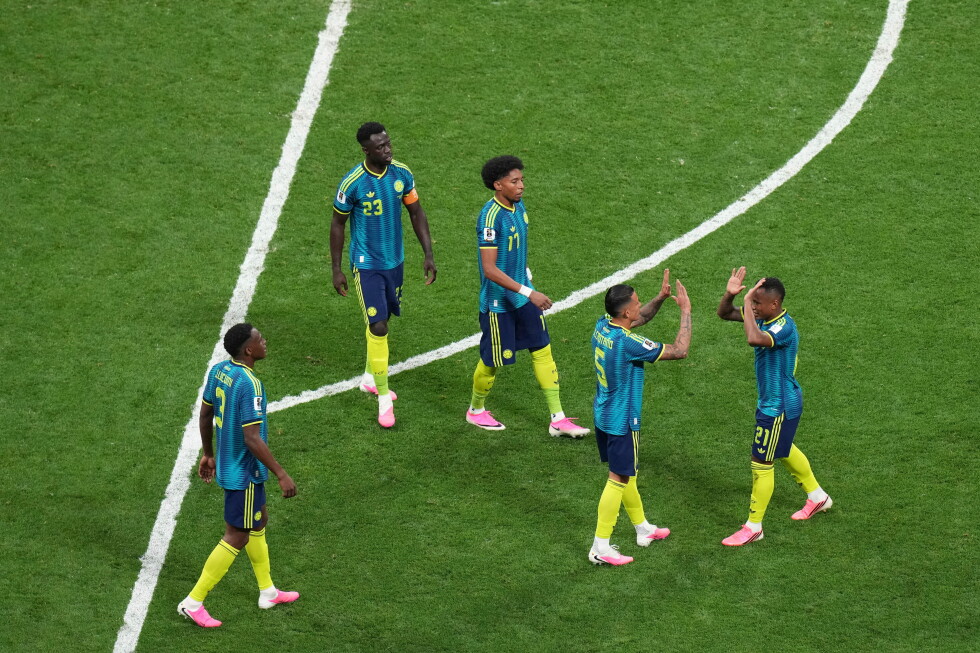
    GUADALAJARA, Mexico — Severe weather has thrown a last-minute curveball into Colombia’s preparation plans for its critical second Group K FIFA World Cup matchup against Congo, forcing the South American squad to halt an outdoor training session just minutes after it kicked off on Monday.

    The incident unfolded at Guadalajara’s dedicated training facility, where Colombia’s squad had begun going through tactical drills and warm-up routines. Within 30 minutes of starting the session, a sudden rolling storm swept through the region, prompting coaching staff to immediately order players to evacuate the outdoor pitch and move to indoor shelter for safety.

    Rather than scrapping the day’s workout entirely, the Colombian Football Federation confirmed that the team adjusted its schedule and completed the remaining portion of the training session inside a nearby gym, allowing players to maintain their fitness routines ahead of the upcoming high-stakes game.

    For their part, Congo avoided the Guadalajara storm on the same day: the African side held its full morning training session on U.S. soil before boarding a charter flight to the Mexican host city later on Monday.

    This upcoming fixture marks the second group-stage match for both teams, with each entering the game riding different early results from their opening outings. Colombia got its World Cup campaign off to a strong start, securing a solid 3-1 victory over Uzbekistan in its first match. Congo, meanwhile, earned a credible 1-1 draw against a Portugal side led by global superstar Cristiano Ronaldo to open its tournament run.

    More updates and full coverage of the 202X FIFA World Cup can be found via the Associated Press at their official website.

  • China sanctions US defense, rare earth firms in retaliation

    China sanctions US defense, rare earth firms in retaliation

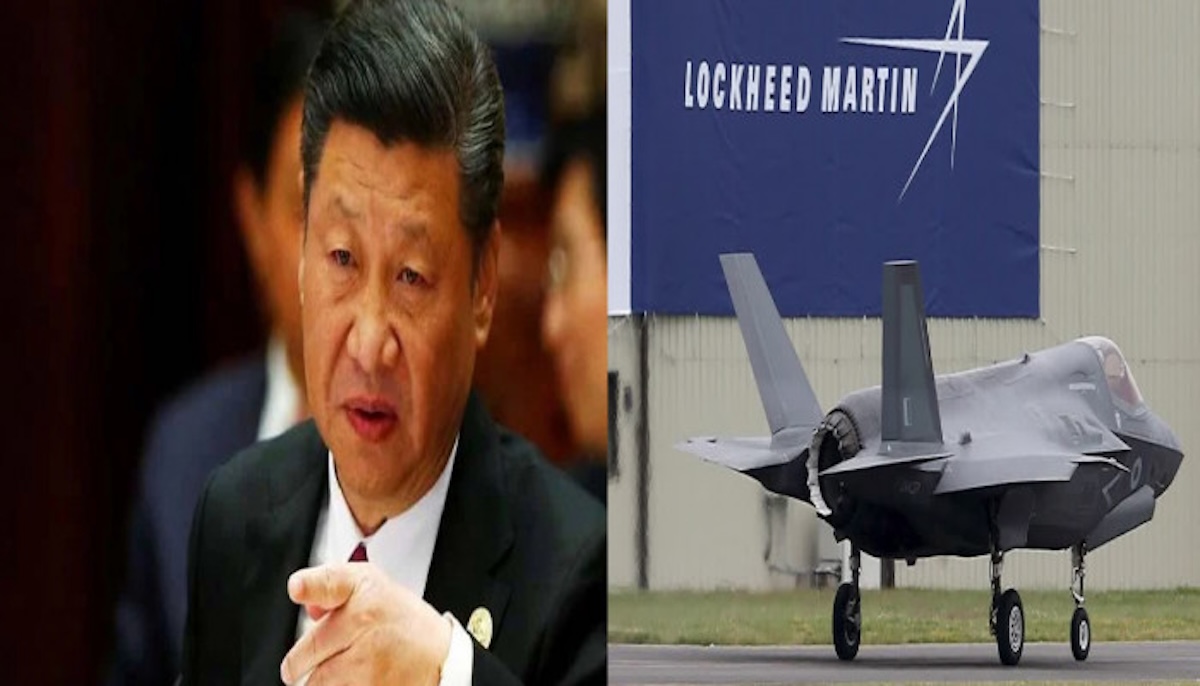
    On Monday, China launched a coordinated, targeted retaliation against the United States, responding to Washington’s recent escalation of unilateral sanctions by rolling out two major restrictive measures targeting American defense and industrial entities. The actions come just weeks after a seemingly productive bilateral summit between U.S. President Donald Trump and Chinese President Xi Jinping in Beijing, where the two sides had announced agreements on increased Chinese purchases of U.S. agricultural goods and aircraft, highlighting how quickly diplomatic goodwill has evaporated amid escalating trade and tech tensions.\n\nFirst, China’s Ministry of Finance announced an immediate ban on all government procurement entities purchasing products from 46 U.S. defense contractors, led by industry giants Lockheed Martin Corporation and Raytheon Missiles & Defense. In a calibrated move to limit unintended spillover, the ban explicitly exempts U.S.-funded enterprises that operate production and commercial activities within China’s borders, leaving most U.S. commercial firms operating in the Chinese market unaffected.\n\nSimultaneously, China’s Ministry of Commerce added 10 U.S. entities to its official export control list under the country’s Export Control Law, barring all Chinese exporters from supplying dual-use technologies and materials to the blacklisted firms. The roster of restricted entities includes two of the United States’ most high-profile rare earth development firms, MP Materials Corp and USA Rare Earth, as well as leading U.S. drone and defense electronics manufacturers Red Cat Holdings, Teal Drones, and Ball Aerospace & Technologies Corp.\n\nA Commerce Ministry spokesperson clarified that the measures are a direct response to the U.S.’s recent expansion of its so-called Chinese military-industrial entity list, and are intended to safeguard China’s core national security interests and uphold international non-proliferation commitments. The context for the retaliation traces back to June 8, when the U.S. Pentagon carried out the largest expansion in the history of its blacklist of alleged Chinese military-linked companies, growing the roster from 134 to 188 entities. The update controversially included top Chinese civilian technology giants Alibaba, BYD, and Baidu, drawing outrage in Beijing for expanding the crackdown far beyond the defense sector to target China’s leading commercial technology firms. All three Chinese firms have rejected the U.S. designations as entirely baseless.\n\nLi Yong, an executive council member of the China Society for WTO Studies, framed the retaliation as a necessary check on Washington’s pattern of abusing unilateral sanctions and entity lists to suppress Chinese firms. “If such U.S. malpractices are left uncurbed, they will only escalate further,” Li told the Global Times in an interview Monday. He emphasized that China’s restrictions are narrowly tailored, targeting only items directly tied to military supply and manufacturing chains, a stark contrast to the U.S. approach of arbitrarily broadening its crackdown scope by fabricating false military connections for civilian firms with no military ties, as a pretense to hinder China’s high-tech sector development. Li added that the U.S.’s move to target leading Chinese firms across multiple sectors exposes its true goal: hindering the growth of China’s technology industry under a false veneer of national security concerns.\n\nChinese policy analysts note that Beijing designed the two retaliatory measures to maximize pressure on targeted U.S. sectors while avoiding broad damage to general foreign commercial activity in China. One Henan-based commentator writing under the pen name Sanding Sugar explained that the 10 blacklisted U.S. firms cover critical segments of the U.S. defense innovation ecosystem, from small drone manufacturing and aerospace payload supply chains to army tactical vehicle platforms and underwater surveillance systems. All of these sectors rely heavily on critical minerals that China dominates globally, including high-performance permanent magnets, high-purity indium coatings, and specialty ceramics — supply chains that cannot be reoriented or replaced overnight.\n\nOf particular note, the blacklisting of MP Materials and USA Rare Earth deals a major blow to Washington’s years-long effort to rebuild a domestic rare earth supply chain independent of China. “Blacklisting them does not stop them from mining raw rare earth ore, but it cuts off their access to China’s processed rare earth materials, separation products, and magnet precursors,” Sanding Sugar explained. “America’s plan to revive its domestic rare earth sector just hit a major compliance wall.”\n\nOn the Finance Ministry’s procurement ban covering 46 U.S. defense firms, analysts note the measure carries two clear signals. All 46 firms have been added to mandatory screening systems across every provincial finance department and central budget unit, turning the prohibition into an automatic check for all government purchase approvals. At the same time, the explicit exemption for U.S.-funded enterprises operating inside China means that U.S. commercial firms such as Apple’s component suppliers or U.S. medical equipment manufacturers operating in the Chinese market remain fully eligible for procurement, avoiding broad disruption to ordinary commercial activity.\n\nHunan-based political commentator Xi Kunlun argued that Beijing’s approach intentionally splits U.S. commercial and industrial interests, rewarding firms that maintain active, legitimate commercial operations in China while punishing those tied to the U.S. defense and competing rare earth sectors. “This retaliation carries a deeper message than simple payback. China is telling Washington that suppressing Chinese companies comes at a tangible price,” Xi said. “The U.S. targeted China’s drone industry, so China put American drone makers on its Entity List. The U.S. labels Chinese technology companies as military firms, so China blacklisted the equivalent American firms.”\n\nXi added that China is also leveraging its largest leverage: its massive domestic government procurement market, cutting off the access that allowed targeted U.S. firms to profit from Chinese public spending. “If Washington wants to talk, come with respect. If it wants to fight, China will oblige,” he summarized China’s position.\n\nStill, some independent observers have noted that the latest measures are more symbolic than a step toward full economic and technological decoupling between the two powers. They point out that most of the 10 blacklisted U.S. firms have very limited demand for Chinese-sourced raw materials and equipment, and Chinese government agencies had already largely halted purchases of U.S. defense products years before the ban. Some analysts also warn that Beijing must be cautious that retaliatory measures do not unintentionally deter the foreign direct investment that China continues to need for economic growth.\n\nRecent official data underscores this concern: China’s Commerce Ministry reported that inbound foreign direct investment fell 8.6% year-on-year in the first five months of the year, reaching 327.29 billion yuan, or approximately US$45.3 billion. While the ministry did not release a country-by-country breakdown, it confirmed that investment from Saudi Arabia, Malaysia, Switzerland, and the United States actually increased over the period, suggesting that inflows from most European and other Asian economies have declined.\n\nOne Shanxi-based commentator noted that some Chinese firms, including consumer electronics giant Xiaomi and semiconductor equipment manufacturer Advanced Micro-Fabrication Equipment Inc, have already successfully petitioned to be removed from the Pentagon’s blacklist through legal challenges. Still, he acknowledged the structural imbalance in the current standoff: “To be honest about the shortcomings, Washington still sets the tone on military and security affairs globally, and can pull its European and allied partners into lockstep. It is unrealistic for China to fully decouple with the West. Western markets cannot be replaced quickly, emerging markets cannot yet fill China’s export order gap, and many overseas trading partners will quietly avoid blacklisted Chinese firms rather than risk falling foul of U.S. rules.”’

  • Reflecting Pool to be drained as Trump again blames ‘vandals’ for recent troubles

    Reflecting Pool to be drained as Trump again blames ‘vandals’ for recent troubles

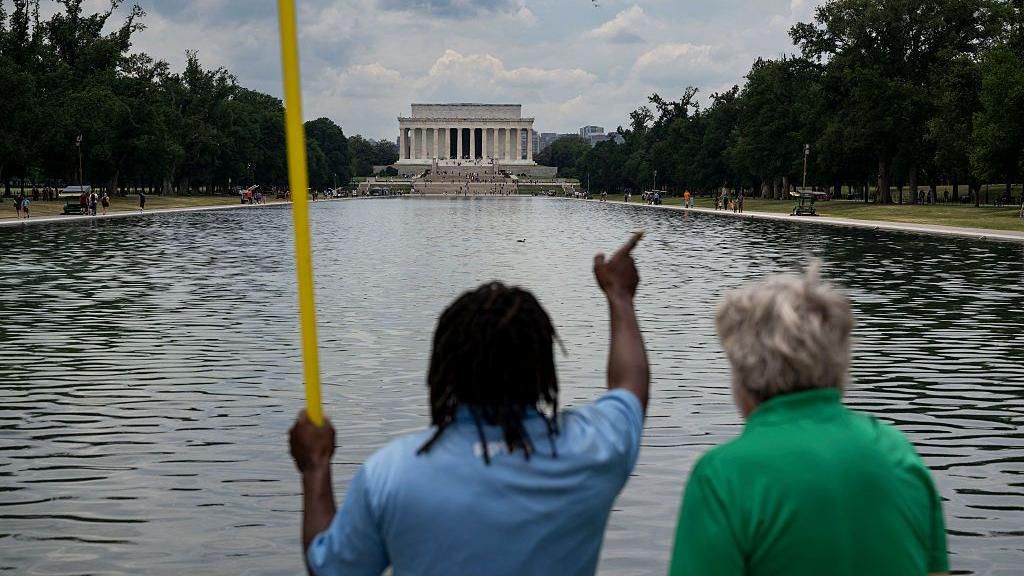
    The iconic Lincoln Memorial Reflecting Pool, a centerpiece of Washington D.C.’s National Mall stretching more than 2,000 feet between the Lincoln Memorial and Washington Monument, is scheduled to be drained for a second time just weeks after a $16 million renovation project wrapped up. The sudden new round of repairs comes after U.S. President Donald Trump publicly blamed unknown vandals for causing the wide range of issues that have derailed the recently finished upgrade.

    In a series of public comments starting Monday, Trump outlined multiple alleged acts of sabotage against the landmark. He initially claimed perpetrators had left a 300-foot gash in the pool’s structure, illegally dumped chemicals into the water, and destroyed newly planted surrounding grass. By that afternoon, speaking to reporters in the Oval Office, he revised the size of the reported cut to 350 feet, adding that unconfirmed reports suggested fertilizer may have been introduced to the water – a move that would explain the rampant algal growth that has turned the pool’s once-clear water bright green. The president did not provide any evidence to back his claims of deliberate vandalism, nor did he name any individuals or groups he suspected of involvement.

    Even before Trump’s allegations of sabotage, the newly renovated pool had already begun to show significant problems. The deep blue paint that Trump specified for the pool’s bottom has started peeling off in large sections, which are now floating to the surface and being removed by visiting tourists. National Park Service crews have already attempted to curb the algal bloom by pouring hydrogen peroxide into the water, but the efforts have not resolved the discoloration issue. This is not the first time the Reflecting Pool, originally constructed in the 1920s, has faced long-term problems: for decades, the landmark has struggled with persistent leaks, structural decay, broken piping, algal overgrowth and bird waste buildup. Previous large-scale renovations carried out during the Obama and Biden administrations cost more than $100 million total, per Trump’s claims, and never resolved the ongoing issues.

    The District of Columbia Water Authority confirmed Monday that it has issued the necessary permit to drain the pool for repairs. The contractor that completed the original renovation has stated it will cover the cost of all new fixes under the project’s warranty. Both the DC Water Authority and the National Park Service have been contacted for additional comment by major media outlets, with no additional statements released as of yet.

    Trump has echoed aggressive threats from Jeanine Pirro, the U.S. Attorney for the District of Columbia, who has pledged to vigorously prosecute anyone found responsible for damaging the pool. In a post to his Truth Social platform Monday, the president warned that intentional damage (or even attempted damage) to national landmarks carries a maximum 10-year prison sentence, and that this penalty will be fully enforced against any perpetrator.

    In addition to his pursuit of vandals, Trump also announced that his administration is preparing to file a lawsuit against ABC News over the outlet’s reporting on the Reflecting Pool issues. The president argued that ABC’s coverage was inaccurate, claiming the network failed to report that previous Democratic administrations spent more than $100 million on renovations that never produced a working, well-maintained pool. He asserted that his own $16 million project was delivered successfully, and that any current problems stem solely from vandalism, adding that the scope of his administration’s renovation ended up being far larger than initially planned, covering surrounding green spaces and sidewalks as well. Trump also said any financial damages awarded in the lawsuit against ABC would be directed straight to the U.S. Treasury. ABC News has been contacted for comment on the threatened lawsuit but has not yet issued a response.