博客

  • Stop pretending EU’s new border system is working, says airports chief

    Stop pretending EU’s new border system is working, says airports chief

    As the 2026 peak summer travel season approaches, Europe’s aviation sector is grappling with mounting disruption caused by the European Union’s newly launched digital Entry-Exit System (EES), with top industry leaders warning of escalating chaos that threatens to derail the region’s vital tourism economy.

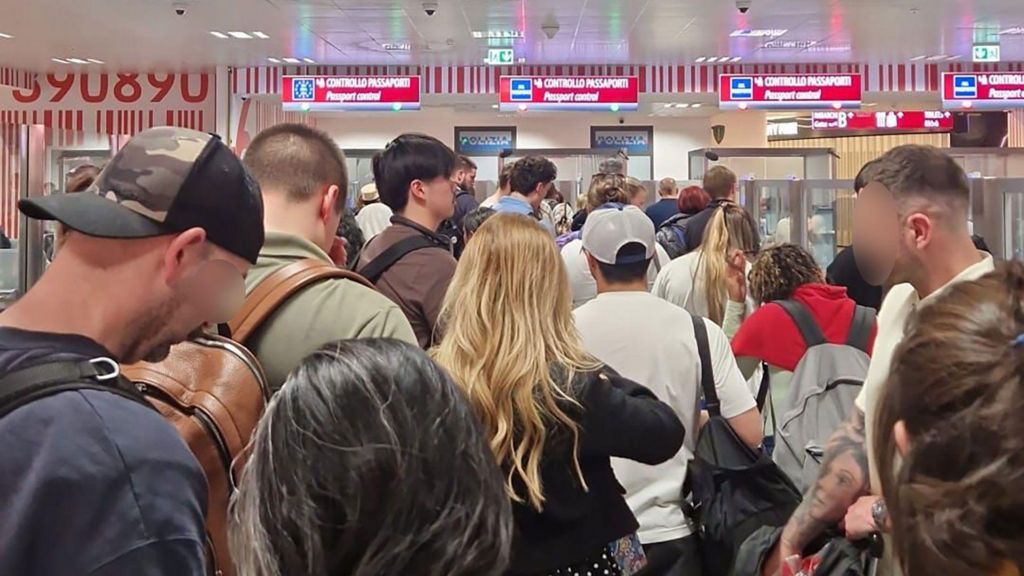
    Completed its full rollout earlier this year, the EES mandates that all non-European Economic Area (EEA) travelers entering the Schengen Area submit biometric data—including facial scans and fingerprints—during entry checks, with a verification step required when they exit the bloc. While the system has functioned smoothly in a handful of member states, widespread reports of crippling processing delays have emerged at airports across the continent, leaving hundreds of passengers stranded and forcing airlines to revise travel guidance.

    In stark comments delivered at an aviation industry conference in Prague, Stefan Schulte, president of Airports Council International (ACI) Europe and chief of Frankfurt Airport’s operating company, called out EU policymakers for downplaying the scale of the crisis. “Politicians should stop pretending that EES is working just fine. It is not,” Schulte stated, noting that passengers already face multi-hour waits during peak travel windows. With summer passenger volumes projected to jump sharply in the coming weeks, Schulte admitted industry leaders have no clear plan to absorb the added strain, calling the growing backlog a problem that “keeps me and other industry bosses awake at night.”

    Multiple high-profile disruptions have already been linked to the new border rules. Earlier this month, dozens of Ryanair passengers bound for London Luton were left stranded in Athens after their flight departed without them. While neither the airline nor Athens airport explicitly named the EES as the cause, Ryanair cited widespread border delays, and the airport acknowledged congestion driven by “additional processing requirements.” This incident followed a similar disruption in April, when passengers flying from two Milan airports—Bergamo and Linate—to Manchester missed their flights after hours-long passport control queues. Low-cost carrier Wizz Air has already taken the step of urging British leisure travelers to arrive at European airports a full three hours before outbound departure to account for extended wait times.

    Schulte has laid out urgent demands for EU regulators to address the crisis, calling for full authority for border control agencies to suspend EES processing during peak demand periods to prevent further disruption, alongside a complete overhaul of the system’s operating procedures. “This is about showing respect and decency for those who chose to travel to the EU, and safeguarding our reputation as a welcoming and efficient destination,” he explained.

    The rollout has already sparked political friction between member states and EU institutions. Earlier this year, Greek Tourism Minister Olga Kefalogianni pledged that British travelers would be exempt from biometric EES checks this summer to avoid burdening visitors with unnecessary red tape. However, the Greek Foreign Ministry later walked back the commitment, confirming no formal exemption had been approved. Unconfirmed reports also suggested Portugal and Italy were exploring similar exemptions for British nationals, but the European Commission has denied any such plans are under consideration.

    The BBC has reached out to the European Commission, the body responsible for overseeing the EES, for comment on the growing criticism and disruption, but has not yet received a response.
  • US cut to South Africa’s HIV response could cost lives, UNAids chief warns

    US cut to South Africa’s HIV response could cost lives, UNAids chief warns

    A looming public health crisis is building in South Africa after the Trump administration confirmed it would draw down all United States HIV and AIDS funding to the country, a move that the head of the UN’s leading HIV agency warns will put countless lives at risk and undo decades of critical progress.

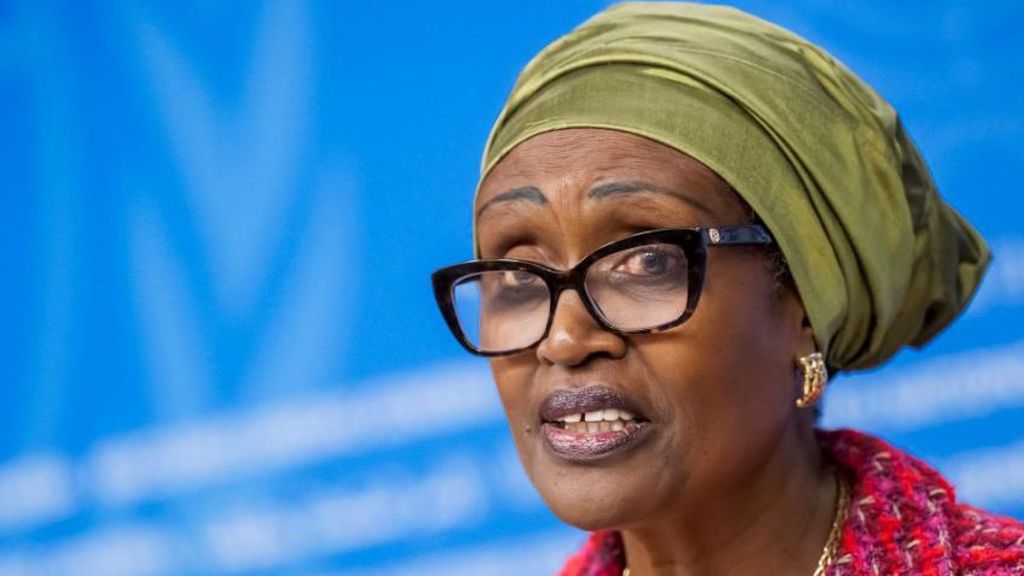
    Speaking to reporters on the eve of a high-level UN meeting focused on global HIV response efforts, UNAIDS Executive Director Winnie Byanyima issued an urgent plea to Washington to reverse course and pursue a planned phase-out of funding instead of an abrupt withdrawal. “Please do not take money away because you are taking lives away,” Byanyima stressed, adding that the sudden cut to life-saving programs puts the most vulnerable populations directly in harm’s way.

    For decades, the U.S. President’s Emergency Fund for AIDS Relief (PEPFAR) has poured approximately $400 million annually into South Africa’s national HIV response, covering around 17% of the country’s total HIV programming budget. While South Africa has built domestic capacity to supply antiretroviral HIV drugs independent of U.S. funding, PEPFAR resources have anchored a wide range of prevention programs that have slowed transmission dramatically across the country, which is home to more than 8 million people living with HIV — the highest national caseload globally.

    Byanyima warned that eliminating this core contribution risks reversing all the gains the global public health community has made against the epidemic in South Africa over the past two decades. She also noted that financing cuts to global HIV assistance are not isolated to the U.S., calling on all UN member states to uphold their commitment to protecting the human rights of people living with HIV.

    The funding withdrawal is tied to rising diplomatic tensions between the Trump administration and the South African government. U.S. officials confirmed the phased drawdown last week, citing Pretoria’s failure to meet Washington’s policy demands, specifically over unsubstantiated claims that the South African government has failed to protect the white-minority Afrikaner community. The Trump administration has previously pushed widely discredited claims of a “white genocide” in South Africa, and has condemned the country’s Black Economic Empowerment policy, which Pretoria has defended as a necessary correction to deep economic inequality rooted in the apartheid era. South African officials reject all accusations of discriminatory policy against minority groups.

    While South Africa’s health ministry says it has not received formal notification of the funding cut, it noted that the country has been developing a national HIV self-reliance plan for years to reduce dependence on international aid. Even so, public health experts warn that an abrupt end to U.S. funding would leave a crippling gap in prevention programming that South Africa’s domestic budget cannot fill overnight.

    Byanyima emphasized that the U.S. has long been the world’s largest contributor to global HIV response efforts, and expressed hope that Washington would reconsider its decision to withdraw PEPFAR funding from South Africa. “Taking it away is taking life-saving support from the most vulnerable people, so that is sad and I would like the United States to reconsider their position,” she said.

  • Thai woman faces a Myanmar court in an immigration trial tied to US diplomat’s killing

    Thai woman faces a Myanmar court in an immigration trial tied to US diplomat’s killing

    BANGKOK – In a high-profile case unfolding under Myanmar’s military-led administration, a Thai citizen has made her second court appearance this week, facing an initial immigration charge tied to the alleged murder of her former American diplomat husband earlier this year.

    Pavinee Suparivisarn was found connected to the May killing of the U.S. diplomatic official, whose identity has still not been made public by authorities. While a murder charge carrying the maximum penalty of death is already filed against her, Myanmar’s judicial system is moving forward first with the separate immigration violation charge. Under local law, this charge can be applied to any foreign national who commits a criminal offense within Myanmar’s borders, carrying a sentence of between six months and five years in prison if convicted.

    Tuesday’s hearing at Yangon’s Kamayut Township Court saw three prosecution witnesses – including two immigration officials – give testimony, according to a legal professional familiar with the case who spoke to the Associated Press on condition of anonymity. The source cited fear of retaliation from Myanmar’s ruling military junta as the reason for withholding their name. They added that Pavinee was accompanied by two court-appointed legal representatives, but no additional details on the proceeding were available, and it remains unclear whether the defendant has formally entered a plea to the charge.

    An official from the Kamayut Township Immigration and Population Department independently confirmed that witness testimony was held during the hearing, but also declined to share further details, speaking anonymously as they were not granted permission to engage with international media.

    Multiple key institutions connected to the case have declined all requests for comment. This includes the investigation team leading the murder probe, the prison where Pavinee is believed to be detained, and the court itself. Under current rules in Myanmar, independent journalists are barred from observing open court proceedings, leaving little public visibility into the progression of the case. It is also still unknown how long the immigration trial will run, or when the separate murder trial – which could result in a 10-year prison sentence or capital punishment – will begin.

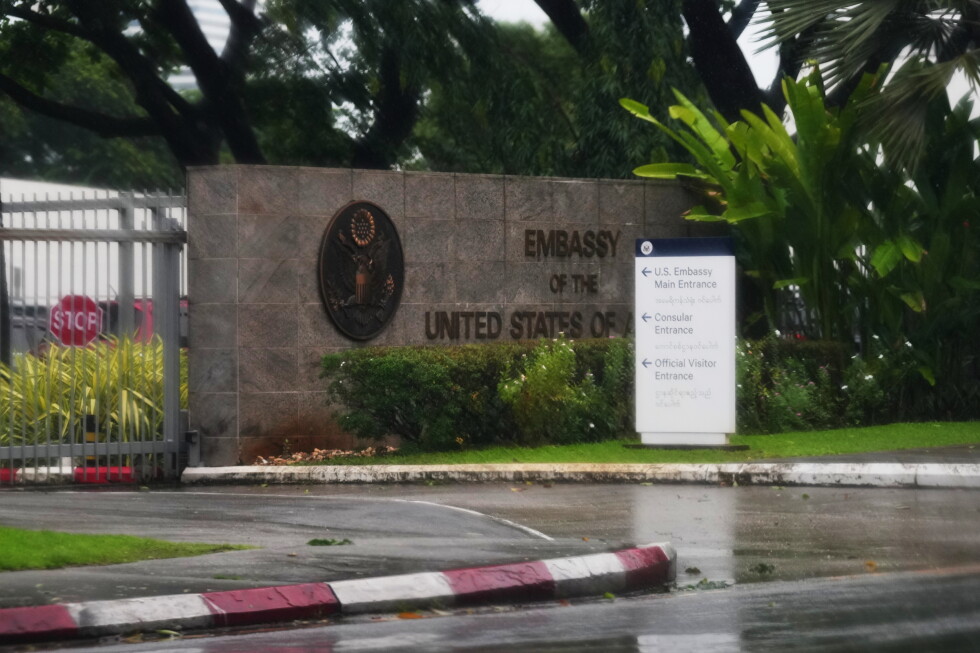
    The killing took place on May 11 at the Sakura Residence & Hotel, a Yangon accommodation located just 1.5 kilometers from the U.S. Embassy, a popular venue for international diplomats, business executives and foreign visitors. According to the legal source, the deceased diplomat was found dead at the property with multiple stab wounds to the head and neck. The U.S. State Department has publicly confirmed the death of the American official but has declined to release any additional details, including the victim’s full identity.

    Thailand’s Ministry of Foreign Affairs has confirmed it is providing consular support to Pavinee, consistent with standard consular practices for Thai nationals facing legal proceedings overseas, but has also refused to share further details on the case.

    The proceeding comes against a volatile backdrop in Myanmar, which has been locked in widespread civil conflict since the military seized power in a 2021 coup that ousted the democratically elected government led by Aung San Suu Kyi. Since the coup, junta authorities have severely restricted press freedom, limited public access to judicial proceedings, and rarely engage with independent international media.

  • A legal battle over a former Zambian president’s burial might be over

    A legal battle over a former Zambian president’s burial might be over

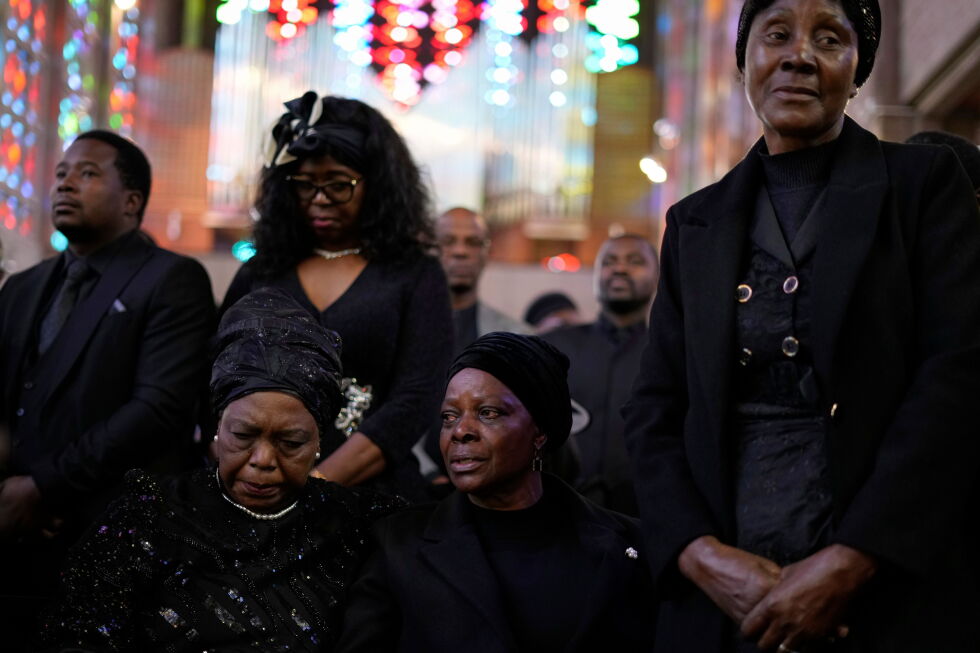
    More than a year after the death of former Zambian President Edgar Lungu, a months-long cross-border legal fight over the final resting place of his remains has taken a decisive turn, with South Africa’s Supreme Court of Appeal siding with his family and rejecting custody claims brought by the Zambian government. Tuesday’s appellate ruling reverses an earlier lower court decision that had ordered Lungu’s relatives to turn over his body to Zambian authorities for repatriation to his home country.

    Lungu, who led the southern African nation from 2015 to 2021, passed away in South Africa on June 5, 2025, at the age of 68. What should have been a peaceful period of mourning has instead stretched into a public, politically charged conflict that extends the bitter rivalry between Lungu and his long-time political foe, current Zambian President Hakainde Hichilema, beyond Lungu’s death.

    The Zambian government has argued that long-standing national custom and protocol require that former heads of state be interred at a designated national cemetery reserved for the country’s fallen leaders. But Lungu’s family has pushed back against this claim, saying they are upholding the former president’s explicit final wishes: he explicitly barred Hichilema from accessing his remains and refused to allow a state funeral led by the incumbent administration on Zambian soil. The family chose instead to lay Lungu to rest in South Africa.

    The dispute left Lungu’s body held at a local mortuary for more than a year as legal proceedings moved through South Africa’s court system. A planned funeral service held by the family in South Africa last June was abruptly cut short when Zambian authorities filed an urgent court motion to seize the remains, prolonging the standoff.

    Delivering the panel’s majority ruling this week, appellate judges stated that the common law and constitutional rights of the deceased’s family take legal precedence over the Zambian government’s claim to custody. As South Africa’s second-highest judicial body, the Supreme Court of Appeal’s ruling leaves the door open for further legal action: the Zambian government retains the right to launch a subsequent appeal to the country’s Constitutional Court if it chooses to do so.

    The underlying political tensions that fueled this posthumous conflict stretch back years. Lungu defeated Hichilema in two consecutive presidential elections during his time in office, and when Hichilema was still leader of the opposition, he was jailed for four months on treason charges that were ultimately dismissed. The dynamic shifted in the 2021 presidential election, when Hichilema defeated Lungu to claim the presidency. In the years after his election loss, Lungu alleged that he had been placed under de facto house arrest by security forces acting on Hichilema’s orders, deepening the enmity between the two political rivals.

  • Niger becomes the third country to leave the International Criminal Court

    Niger becomes the third country to leave the International Criminal Court

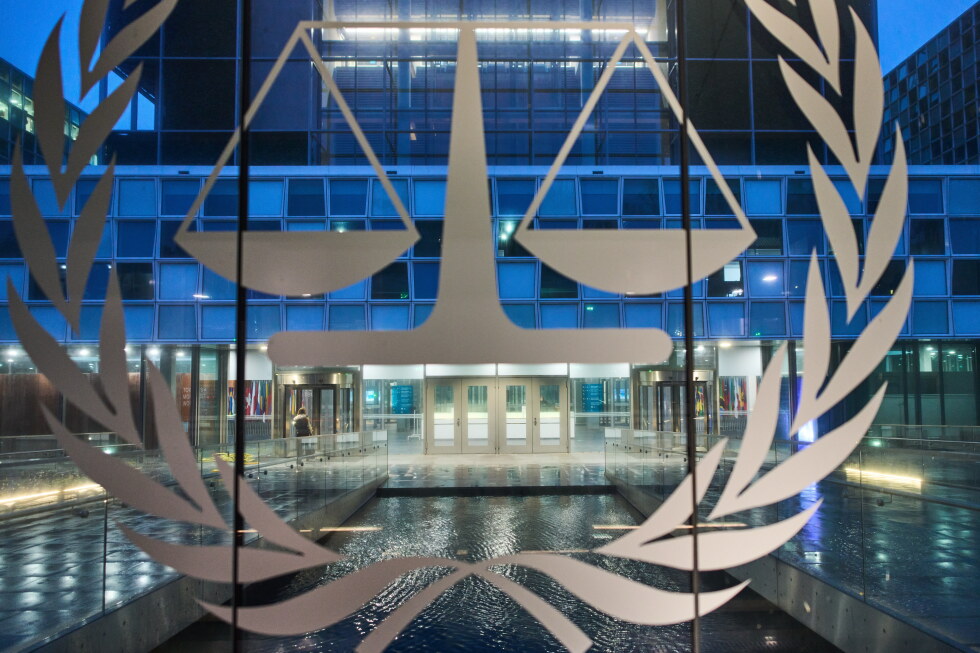
    THE HAGUE, Netherlands — In a formal step that underscores growing rejection of international judicial oversight among West Africa’s military-ruled states, Niger has officially initiated its departure from the International Criminal Court, leveling accusations that the Hague-based institution practices systemic selective justice.

    The West African nation delivered an official withdrawal notification to the United Nations on Monday, activating the one-year departure process outlined in the ICC’s founding legal document, the Rome Statute. The notification letter, released publicly through UN channels, voiced disillusionment with the court, which was established to deliver accountability for the world’s worst atrocities. “While the court had raised great hopes among peoples who cherish peace and justice, it has been misused and exploited,” the document read.

    Niger’s exit was not unexpected: the country joined Mali and Burkina Faso in announcing their collective intent to withdraw from the court last year. All three nations have undergone seismic political shifts since 2020, when Mali’s military first seized power. In Niger’s case, a 2023 coup overthrew the country’s democratically elected civilian government, installing a nationalist military junta that has cut ties with long-time Western and regional partners and forged new strategic alliances with actors including Russia — a country whose leader, Vladimir Putin, currently faces an ICC-issued arrest warrant over the forced deportation of Ukrainian children during Moscow’s ongoing invasion of Ukraine.

    Niger’s completed departure will make it the third sovereign state to formally exit the ICC, following prior withdrawals by Burundi and the Philippines. Only Hungary launched a similar exit process last year, but the country reversed its decision following a national election that saw anti-withdrawal forces take power.

    ICC officials responded to Niger’s announcement with measured disappointment, emphasizing that the court’s core mission relies on collective global participation. “We regret any decision to depart from the collective effort to end impunity for the most serious international crimes,” the court said in an official statement following the notification.

    Under the terms of the Rome Statute, Niger’s withdrawal will not take full effect until one year after the UN received the official notification. Importantly, the ICC will retain full jurisdiction over any crimes committed on Nigerien territory before the withdrawal enters into force.

    Niger’s exit comes as the country faces escalating security instability linked to jihadi insurgent groups operating across the Sahel region. Earlier this month, a brazen armed attack on Niamey’s main international airport — a critical strategic hub that houses the military junta’s air force base, its fleet of drones and combat aircraft, and the headquarters of a new regional security alliance between Niger, Mali and Burkina Faso — left more than 30 people dead. The assault marked the second major attack on the airport this year, part of a growing trend of insurgent groups expanding their operations from rural border areas to major urban centers across the Sahel.

  • Lithuanian government steps down after coalition reshuffle

    Lithuanian government steps down after coalition reshuffle

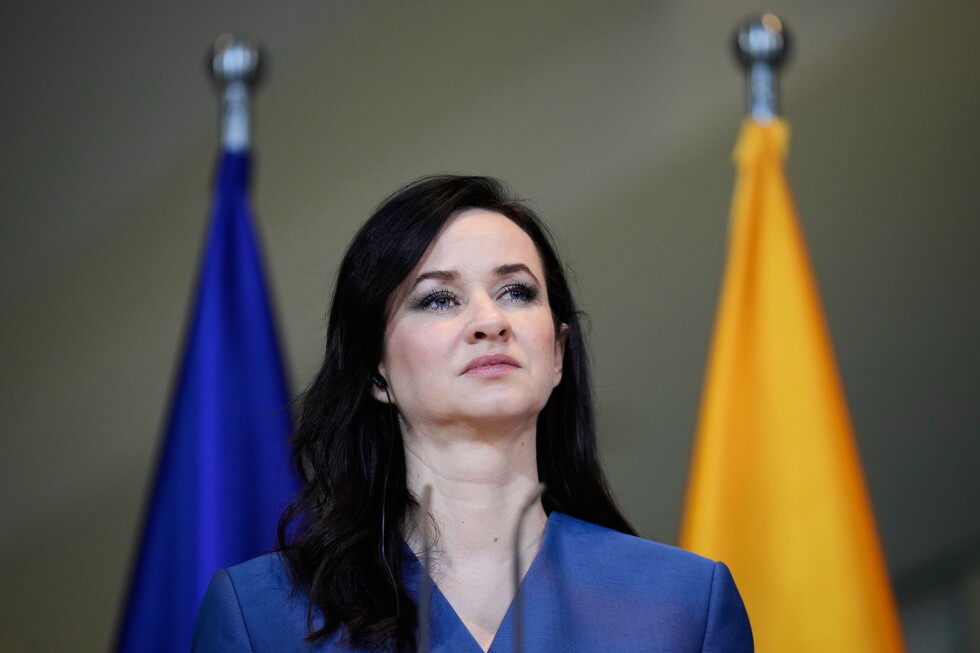
    VILNIUS, Lithuania — A major political shift is underway in the Baltic state of Lithuania, where Prime Minister Inga Ruginienė and her entire cabinet formally resigned on Tuesday, triggered by a breakdown in the country’s ruling coalition over a high-profile antisemitism scandal. The departure clears the way for a new administration that will be Lithuania’s third prime minister in just two years, with the incoming majority already signaling plans to pursue a more pragmatic, stabilized relationship with Beijing after years of strained bilateral ties.

    The collapse of Ruginienė’s government traces back to early this month, when the center-left Social Democratic Party — Ruginienė’s party — walked away from its coalition agreement with Nemuno Aušra, a populist political faction that has been mired in controversy. The rupture came over inflammatory rhetoric from one of the party’s former leaders, Remigijus Žemaitaitis, who has been accused of spreading antisemitic hate speech.

    The legal case against Žemaitaitis dates back to 2023, when a Lithuanian court handed down a 5,000 euro ($5,800) fine after finding him guilty of inciting hatred against Jewish people. The court ruling also confirmed that Žemaitaitis had grossly downplayed Nazi Germany’s wartime atrocities and minimized the scale of the Holocaust in a series of offensive social media posts and public statements made in May and June of that year. The case is currently pending before an appeals court, where prosecutors are pushing for a harsher sentence, and Žemaitaitis has maintained a plea of not guilty.

    Following Tuesday’s resignation, Ruginienė’s decree will officially be submitted to President Gitanas Nausėda. Per Lithuanian political procedure, the president is widely expected to request that the outgoing cabinet remain in place in a caretaker capacity to handle routine state business until a new fully functional government is sworn in.

    Addressing her cabinet minutes after the resignation, Ruginienė — a former labor union leader — struck a measured tone, acknowledging the political turbulence while highlighting the administration’s achievements. “Despite all the difficulties, we have much to be proud of, and each of you has made a significant contribution to the welfare of our state and the improving lives of its people,” she said.

    Under constitutional rules, President Nausėda has 15 calendar days to put forward a prime ministerial candidate for a vote in parliament. Following a new coalition agreement signed last week by the incoming center-left ruling majority, Social Democratic Party leader Mindaugas Sinkevičius is the presumptive nominee for the top post.

    A key focal point of the new coalition’s policy platform is its approach to China. The agreement explicitly signals a willingness to pursue more stable, constructive relations with Beijing, stating that the new government supports the restoration of diplomatic dialogue and the expansion of economic cooperation in areas that align with Lithuania’s national interests. At the same time, the new coalition reaffirms Lithuania’s existing commitments to the European Union, NATO, and its established strategic partnership with Taiwan, maintaining continuity on core security and alliance priorities.

    The Social Democrats negotiated their new governing deal with two other center-left political factions, cutting Nemuno Aušra out of the ruling bloc entirely. The new governing alliance holds a solid working majority of 75 seats in the 141-seat Lithuanian parliament, the Seimas. Per the terms of the coalition agreement, at least four cabinet minister positions will change hands, but the new government is expected to keep most major national policy strategies unchanged from the previous administration.

    If Sinkevičius’s nomination is approved by the Seimas, he will have up to two weeks to put forward his full proposed cabinet and governing program, which will be coordinated with President Nausėda before going to a final parliamentary vote for approval.

  • Philippines temporarily blocks gaming app used by suspect in deadly school shooting

    Philippines temporarily blocks gaming app used by suspect in deadly school shooting

    A devastating mass shooting at a central Philippine high school has spurred national law enforcement and cybercrime regulators to order a temporary ban of an online violent sandbox game, with officials launching a full review to determine what role digital content may have played in radicalizing the two underage perpetrators.

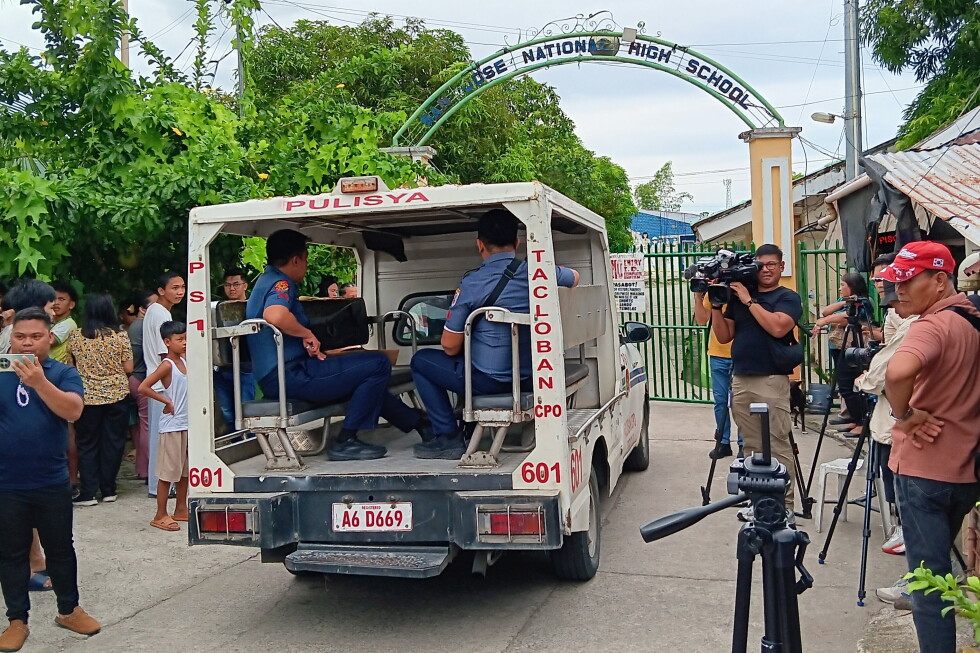
    The tragedy unfolded on Monday at San Jose National High School, located in Tacloban City, when two male students — aged 14 and 15, each armed with a loaded handgun — opened fire on campus. By the end of the attack, three students had been killed, and another 20 sustained injuries of varying degrees. Footage of the attack circulating online captures harrowing scenes: terrified students trapped in locked classrooms hide under desks, screaming and crying as gunshots echo through hallways, with many desperately calling family members to say goodbye. Investigators have recovered at least 40 spent bullet casings from the crime scene, and confirm all fatalities and casualties were currently enrolled students at the school.

    In the wake of the attack, the Philippine Cybercrime Investigation and Coordinating Center announced Tuesday that it would immediately implement a temporary block on Gorebox, a 2023-released online game that has been marketed to players as “a physics-driven sandbox game where creativity meets unrestrained destruction.” The agency’s decision follows early investigative findings that one of the two suspects was a dedicated, frequent user of the platform.

    “We cannot ignore possible online influences that may have contributed to this tragic incident,” said Aboy Paraiso, Undersecretary of the cybercrime center, in an official statement confirming the temporary block. Paraiso did not specify how long the restriction would remain in place, nor did he outline what regulatory or legal actions could follow if the government’s assessment finds the app normalizes or promotes violent behavior among youth users. The temporary measure, he explained, will give authorities time to thoroughly examine the platform’s content and its potential link to the attack.

    Beyond the immediate ban on Gorebox, Paraiso added that the agency was ramping up sustained monitoring of digital spaces that could put young Filipino users at risk of exposure to harmful violent content. “Beyond this temporary ban, we are reinforcing our monitoring efforts to identify online spaces that may pose risks to young users and to ensure that appropriate interventions are made immediately,” Paraiso said. “Our priority is the safety and well-being of Filipino children exposed to the internet.”

    Early interviews with the two suspects have revealed that the pair planned the attack to retaliate for persistent bullying they experienced at school, regional police chief Brigadier General Jason Capoy confirmed. However, top law enforcement officials have launched a full, comprehensive investigation ordered by Philippine President Ferdinand Marcos Jr. that will examine all potential contributing factors, including not only in-person bullying but also the possible radicalizing influence of online communities that promote rebellion and violent behavior among young people.

    Investigations into how the minors obtained their weapons have also uncovered gaps in local gun regulation. The 14-year-old suspect accessed a 9mm handgun from his aunt, an active-duty police officer who is now the subject of an internal investigation. The 15-year-old suspect obtained a .38 caliber revolver from an employee of a private local security agency. Police also acknowledged that campus security failures allowed the pair to bring both weapons onto school grounds, which serves roughly 1,600 enrolled students with insufficient protective screening and infrastructure.

    School shootings remain a rare occurrence in the Philippines, though the country struggles with widespread rates of gun-related crime, a crisis largely driven by the widespread proliferation of unregistered, unlicensed firearms across the archipelago. Because of the suspects’ ages, Philippine law will dictate how the case moves forward through the justice system. Following the conclusion of the investigation, both teenagers will be turned over to government social welfare officials. Under a 2006 Philippine statute, the minimum age for criminal liability is 15, meaning the 14-year-old suspect cannot be prosecuted unless investigators formally determine he had full awareness of the criminal nature of his actions and their potential deadly consequences.

  • From non-league to the World Cup – the Semenyo story

    From non-league to the World Cup – the Semenyo story

    Twenty-six-year-old Antoine Semenyo will step onto the 2026 FIFA World Cup pitch on June 23 to face England for Ghana, capping one of the most remarkable underdog stories in modern football. But long before he scored the FA Cup final winning goal for Manchester City and secured a £65 million transfer to the Premier League giants, Semenyo was a disheartened 16-year-old ready to walk away from the sport he loved — a turn of fate that would never have happened without a chance encounter with former manager David Hockaday.

    Born in London to Ghanaian parents who both had roots in top-flight Ghanaian football, Semenyo grew up kicking any object he could find from toddlerhood, trained to use both feet equally by his father. By age six, his dream of professional football was set. Over the following decade, he earned trial after trial at some of England’s biggest clubs — Arsenal, Tottenham Hotspur, Millwall, and an eight-week stint at Crystal Palace at 15 — but every door slammed shut. By 16, the repeated rejection left him deflated, disillusioned, and prepared to abandon his lifelong dream.

    That same year, Semenyo reluctantly attended a trial session at Bisham Abbey, saying later he only went to measure his fitness against other hopeful prospects. It was there that he crossed paths with Hockaday, the former Forest Green Rovers manager who happened to be on-site helping run the trials. While other coaches overlooked the raw, unconfident teenager, Hockaday spotted something special: natural two-footed control, good movement, and the raw physical frame that could turn into something extraordinary with the right nurturing. Hockaday could not shake the feeling he had missed an opportunity to help the kid, describing Semenyo as “an itch that I just couldn’t get rid of.” He tracked down Semenyo’s family, earned their trust, and brought the teenager into his program at South Gloucestershire and Stroud (SGS) College, competing in the South West Counties League.

    In the early days of their partnership, Hockaday would drive 5am every Saturday from Swindon to pick Semenyo up for matches, banging on the door to wake the young player when needed. Car rides became informal coaching sessions, where Hockaday instilled two core principles that would become Semenyo’s lifelong mantra: hunger and belief. It did not take long for that mantra to take root. Semenyo’s confidence grew rapidly, and he quickly outmatched non-league opponents, progressing so fast that he forced Hockaday to adapt his coaching to keep up. By the time SGS College played a pre-season slate of matches against professional academy sides, Semenyo dominated every game, and professional clubs began circling.

    Semenyo signed his first professional contract with Bristol City in January 2018 at 18, but his road to the top was far from smooth. He was immediately loaned out to non-league Bath City, where manager Jerry Gill transformed his game, moving him from central striker to the wing and teaching him how to compete against hardened, physically mature adult opponents. Gill remembers Semenyo as a “sponge” for feedback, with a warm attitude that made him an instant fan and teammate favorite. A subsequent loan at League Two’s Newport County brought impressive FA Cup displays that linked him to Chelsea, prompting Bristol City to recall him — but early opportunities at the Championship club were underwhelming, including a premature substitution in his first start and a red card in his second appearance. A loan at Sunderland followed with underwhelming results, and a revolving door of managers at Bristol City kept Semenyo from locking down a regular spot in the squad.

    The turning point came when Nigel Pearson took over at Bristol City, forced to lean into youth to cut the club’s wage bill. Semenyo emerged as a key starter, with experienced striker Nahki Wells stepping into a mentor role. Wells, who now calls Semenyo a close friend, recalls a raw but extraordinarily talented young player who was just putting the pieces of his game together. By the 2021-22 season, everything clicked: Semenyo notched eight goals and 12 assists, earning interest from top-flight clubs, including Crystal Palace — the side that had rejected him just six years earlier.

    In January 2023, Semenyo secured his first Premier League move, signing with Bournemouth for £10 million on a four-and-a-half-year deal. He quickly became the club’s standout star, notching 32 goals and 13 assists across 110 appearances in all competitions, fitting perfectly into Andoni Iraola’s high-octane counter-pressing system. By the first half of the 2025-26 season, his 10 goals caught the eye of Pep Guardiola, and Manchester City secured his transfer for £65 million in January 2026. Before heading to the World Cup, Semenyo cemented his place in City folklore, scoring the winning goal against Chelsea in the 2026 FA Cup final at Wembley.

    Now, ahead of his first World Cup appearance against England, Semenyo has not forgotten the man who launched his career. When he signed for Bournemouth, he sent Hockaday a bottle of Champagne, with those two foundational words printed on the label: hunger and belief. For Hockaday, who still meets Semenyo at the end of every season to chat through football and life, the moment is almost overwhelming. “When I see this young lad and I see what he’s created, where he’s got to and where he’s going to now it’s a bit mind-blowing for me,” Hockaday told BBC Sport. “I just feel pride being able to say that I’ve been part of his journey.”

    The highly anticipated Group Stage match between England and Ghana kicks off at 21:00 BST on June 23, with full coverage across BBC platforms. Fans can watch live on BBC One, BBC iPlayer, and the BBC Sport website and app starting at 20:00 BST, listen to live commentary on BBC Radio 5 Live and BBC Sounds, and access live text commentary, in-depth analysis, and video highlights on the BBC Sport digital platforms.

  • Drowning deaths soar in France as Europe buckles in peak of heatwave

    Drowning deaths soar in France as Europe buckles in peak of heatwave

    A crippling early-summer heatwave is sweeping across Western and Southern Europe, bringing record-shattering temperatures, triggering public health emergencies, and leaving dozens dead across multiple nations, with France bearing the brunt of the deadly crisis so far.

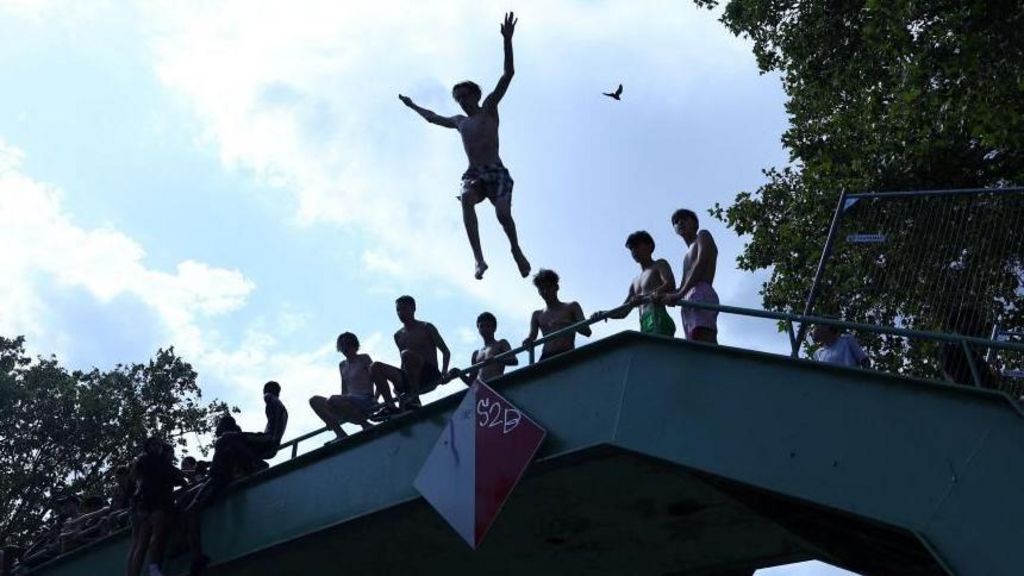
    French Prime Minister Sébastien Lecornu confirmed that 40 heat-related deaths have been recorded across the country since last Thursday, a large share of which are drowning fatalities linked to desperate attempts to cool off in unpatrolled waterways. As Paris recently reopened the popular Canal Saint-Martin for public bathing, government officials have issued urgent warnings about the catastrophic risks of swimming in unsupervised areas, a threat amplified by extreme heat.

    “It’s not something to be taken lightly, going swimming in unsupervised areas during a heatwave,” French Sports and Youth Minister Marina Ferrari told national radio, noting that far too many people underestimate the dangers of unregulated swimming spots while overheated. The fatal toll includes a 13-year-old non-swimmer who died while swimming with her family in the River Seine over the weekend, a young professional footballer left in critical condition after being rescued from a banned section of the Rhône near Lyon, and six swimming-related deaths across Germany between Friday and Sunday, where the German Lifesaving Association (DLRG) reported many victims overestimated their swimming ability in cold, fast-moving water. Two young children, aged two and four, also died of heat exposure after being left in a parked car in the southern French city of Carpentras on Monday.

    The unprecedented heat has broken long-standing national temperature records in France: the country recorded its hottest June day on record this past Monday, followed by its warmest overnight low ever recorded, with an average minimum temperature of 21.6°C across the country, according to national weather service Météo France. More than half of France remains under the highest-level red heat alert, as temperatures continue to stress critical national infrastructure. On Monday night, the Golfech nuclear power plant in southwestern France was forced to fully shut down after water temperatures in the cooling River Garonne rose to the legal maximum limit of 28°C, which French regulation prohibits cooling water from exceeding.

    France is not alone in facing the crisis. Neighboring Spain and Italy, alongside Germany, are also grappling with extreme conditions that experts confirm are part of a long-term trend driven by climate change. Spain is currently in its third consecutive day of national extreme heat, with red heat alerts active across southern Andalusia and northern regions of Cantabria and the Basque Country. Temperatures are forecast to peak above 40°C in multiple areas, with Aemet, Spain’s national weather service, projecting highs could reach 44°C in rural areas near Córdoba on Tuesday. On Monday, 101 of Aemet’s 828 monitoring stations hit 40°C or higher, with a high of 45°C recorded in Andújar.

    Spanish climate experts confirm that early-summer heatwaves are becoming far more frequent, a trend aligned with broader climate change patterns. “There is evidence that heatwaves are now taking place more frequently at the start of summer than in previous decades,” Aemet climatologist Rubén del Campo told Spanish media. Data from the service underscores this shift: between 2000 and 2025, 10 June heatwaves were recorded on mainland Spain, compared to just two in the 25 years before 2000. Researchers note Spain is more exposed to accelerating climate impacts than nearly any other European country.

    In Italy, authorities have issued red heat alerts for 15 major cities, including Rome, Milan, Florence, Turin and Venice. The highest-level alert warns that extreme heat poses health risks even to healthy adults, not just vulnerable groups such as the elderly and people with chronic illness. In response to the crisis, the Italian government has reactivated emergency labor protections that ban outdoor farm and construction work during the hottest hours of the day. The policy also allows businesses that pause operations due to dangerous heat to access state-backed furlough payments for affected workers.

    In Germany, temperatures are expected to climb as high as 40°C in western and southwestern regions by the end of the week, adding to the six swimming deaths already recorded over the weekend. Officials across the continent are continuing to urge residents to take extreme precautions, avoid unregulated swimming, and check on vulnerable neighbors as the heatwave continues to peak across the region.

  • Man arrested in Hungary for collecting human body parts taken from cemeteries, police say

    Man arrested in Hungary for collecting human body parts taken from cemeteries, police say

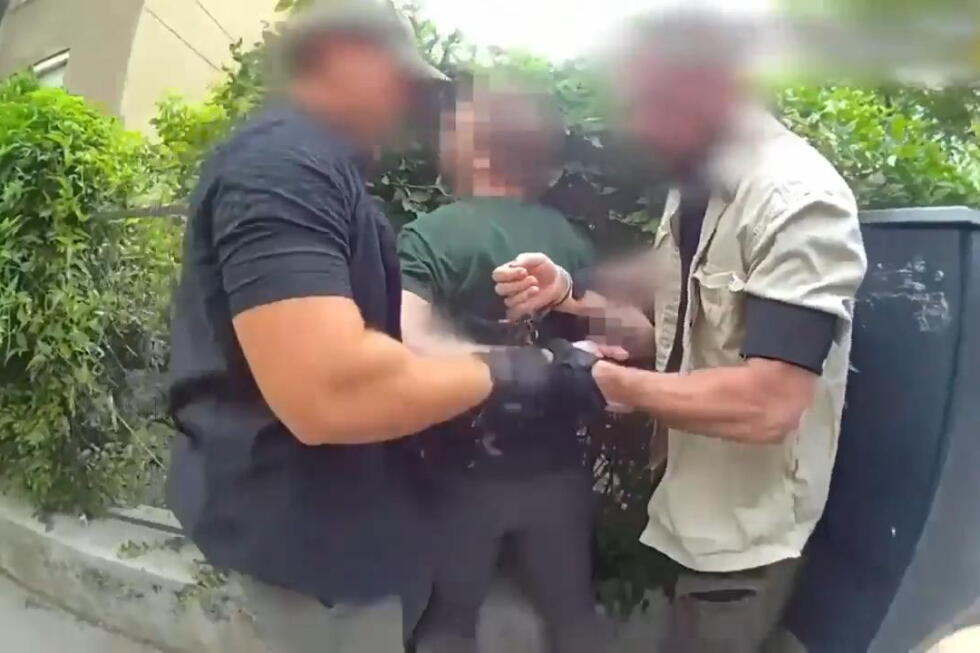
    In a shocking case that has sent ripples across Central Europe, Hungarian law enforcement has taken into custody a 30-year-old hospital orderly accused of amassing a disturbing collection of human body parts sourced from abandoned graveyards and his own place of employment. The National Bureau of Investigation (NNI) in Hungary took the suspect into custody in the capital city of Budapest on June 17, acting on a tip that the man had been hiding the macabre collection at both his home and workplace, according to an official police statement released earlier this week.

    When investigators executed search warrants at the suspect’s residential apartment, they uncovered a grim inventory of remains: multiple human skulls, an intact lower leg, a preserved hand, and a reconstructed human face crafted from harvested facial tissue. Additional skeletal remains were discovered stored inside a large suitcase, and a preserved heart contained in a glass jar was also seized. Forensic teams are currently conducting tests to confirm whether the heart is human or animal in origin.

    During initial interrogation, the suspect did not deny the allegations against him. He openly admitted to years of collecting human body parts, telling investigators he has an intense, obsessive attraction to human remains. In a confession that has deepened the horror of the case, he also acknowledged that he prepared and consumed meals using the collected body parts.

    Police further detailed that the man has a long-stated fascination with anatomy and pathology, and regularly dissects animals as a hobby. Investigators believe he accumulated the collection over an extended period, retrieving remains by digging in disused, unmaintained cemeteries across both Hungary and neighboring Slovakia, while also stealing additional body parts through his access to a Budapest hospital where he worked as an orderly.

    Beyond the physical remains, law enforcement also confiscated all of the suspect’s digital devices, including his desktop computer, multiple laptops, tablets, smartphones, and removed data and SIM cards for forensic analysis. All recovered body parts will now undergo full testing and documentation by forensic experts to map their origins. Police have noted that additional criminal charges may be filed once the source of every piece of the collection is confirmed, as the scope of the man’s alleged illegal activities continues to come into focus. The suspect remains in pre-trial detention on charges of the unlawful handling of human remains.