博客

  • Archbishop of Canterbury vows to help Palestinians achieve ‘freedom you deserve’

    Archbishop of Canterbury vows to help Palestinians achieve ‘freedom you deserve’

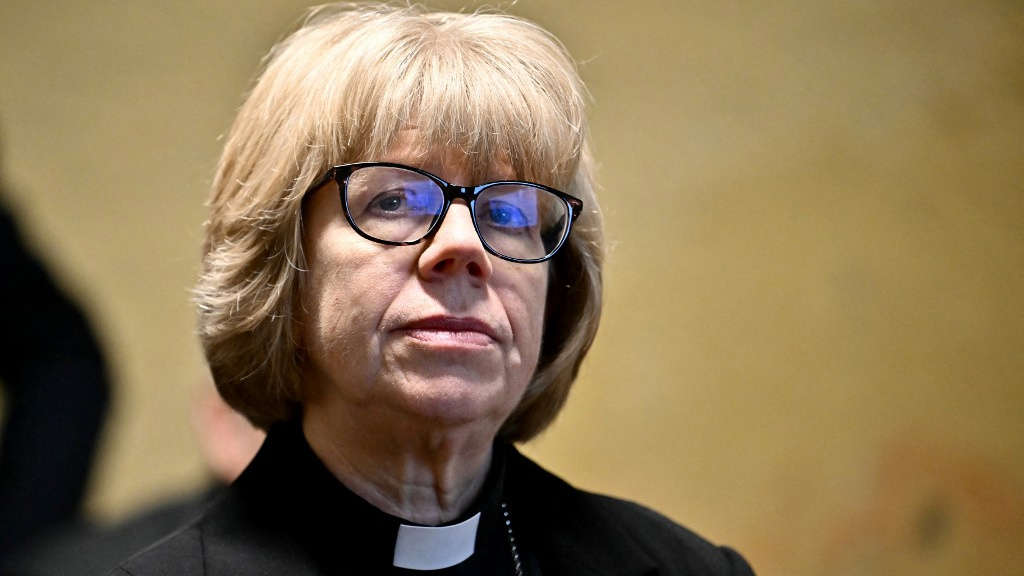
    During a high-profile visit to the occupied West Bank, the head of the Church of England, Archbishop Dame Sarah Mullally, has publicly committed to using her influential position to advocate for the peace and freedom that Palestinians are inherently owed, while framing the daily acts of persistence amid occupation as powerful examples of “faithful resistance”.

    Mullally delivered these remarks in a sermon this past Sunday at St Peter’s Anglican Church, located in Birzeit, a Palestinian Christian community in the West Bank. She told gathered worshippers that this quiet, faithful resistance does not always take dramatic forms: it can be seen in the everyday efforts of parents who navigate the complex, restrictive network of Israeli checkpoints every day just to earn a living to support their households, or to get their children to school to build a better future. It is also visible, she added, in the simple act of congregating week after week in this church to share communion together.

    “All these acts of faithful resistance point to our hope in Jesus Christ and reflect your ongoing struggle for freedom and dignity,” Mullally told the congregation. She acknowledged the profound gap in experience between her own life and the reality of Palestinians under occupation, noting that she takes for granted basic privileges that are out of reach for most people living in the territory: the ability to cross borders and checkpoints without obstruction, to gather freely with neighboring communities, and to travel to Jerusalem without restriction.

    “I will use my role as archbishop to seek the peace you desire and the freedom you deserve,” she stated. Mullally also emphasized that the global Christian community has not forgotten Palestinian people, adding: “The church is called to rejoice with those who rejoice and to weep with those who weep. The church stands with you in your right to live in freedom and dignity.”

    As part of her regional tour, which also included stops in Jerusalem, Nazareth and Bethlehem alongside Hosam Naoum, the Anglican Archbishop in Jerusalem, Mullally met with 26-year-old Palestinian Christian woman Layan Nasir, who has been detained by Israeli authorities three times over the past five years. After being welcomed by Nasir’s family in their home, Mullally said she would hold the family in her prayers, and ask for divine blessing and healing for Layan following what she described as the terrible trauma of her imprisonment. She also extended her prayers to all people held in what she called unjust detention across Palestine, Israel, and the entire globe.

    Mullally noted that the core purpose of her visit was to create space to listen directly to the experiences of local communities, to hear both their hopes and their anxieties, their moments of joy and the enormous challenges they face daily, and to join them in praying for justice and peace that can bring healing to both people and the land.

    This visit comes amid growing concern from senior Church of England leaders over the deteriorating situation in the occupied Palestinian territories. Last year, four senior bishops from the church called on the British government to take immediate action to address escalating Israeli settler violence, warning that the ongoing aggression is eroding Palestinian life and putting the long-standing Christian presence in the Holy Land at severe risk. In their statement, the bishops highlighted that as the war in Gaza continues, conditions in the West Bank have deteriorated rapidly, with rising levels of settler violence and intimidation—including direct attacks on land and church properties in Taybeh, another Christian-majority West Bank town.

    Just earlier this year, the Archbishop of York, Stephen Cottrell, shared his own firsthand experience of occupation during a visit to the region, recounting that he was stopped at checkpoints and intimidated by armed militias who barred him from visiting Palestinian families in the West Bank. “It was sobering for me to see this wall for real on my visit to the Holy Land, and we were stopped at various checkpoints and intimidated by Israeli militias who told us that we couldn’t visit Palestinian families in the occupied West Bank,” Cottrell said.

    The warnings from Church of England leaders align with recent alerts from Palestinian church affairs officials. Just last month, a delegation from Palestine’s Higher Presidential Committee for Church Affairs told European Union officials that long-standing Israeli policies pose an existential threat to the centuries-old Palestinian Christian community in the Holy Land.

  • Blood, Sweat & Tears rocker David Clayton-Thomas dies at 84

    Blood, Sweat & Tears rocker David Clayton-Thomas dies at 84

    The world of music is mourning the loss of one of jazz-rock’s most influential voices: David Clayton-Thomas, the Canadian lead singer of Blood, Sweat & Tears, has passed away at the age of 84. His publicist Eric Alper confirmed that Clayton-Thomas died peacefully on Wednesday at a hospital in Toronto, with no immediate cause of death released to the public.

    A inductee of the Canadian Music Hall of Fame, Clayton-Thomas leaves behind an unparalleled artistic legacy defined by chart-topping hits and a genre-bending sound that redefined 1960s popular music. Best known for his soulful, powerhouse vocals on era-defining tracks including *You’ve Made Me So Very Happy* and *Spinning Wheel*, the singer-songwriter amassed global record sales exceeding 40 million across his decades-long career. His journey from street performing in Toronto to headlining iconic festivals like Woodstock cemented his status as a transformative figure in the fusion of jazz and rock.

    Clayton-Thomas’s early life was marked by hardship that ultimately forged his artistic path. As a teenager, he experienced homelessness and spent time in a series of correctional facilities and youth detention centers, where he taught himself to play guitar and discovered his love of music through performances for fellow inmates. It was not until 1968 that he joined Blood, Sweat & Tears, stepping into the role of lead vocalist and quickly becoming the creative backbone of what would emerge as one of the decade’s most commercially successful and critically acclaimed groups.

    The same year he joined the band, their self-titled second album made industry history: it sold 10 million copies globally, held the number one spot on the Billboard 200 album chart for seven consecutive weeks, and took home five Grammy Awards, including the coveted Album of the Year—beating The Beatles’ legendary *Abbey Road* for the honor. The record spawned three top-charting singles that all reached number two on the Billboard Hot 100: *You’ve Made Me So Very Happy*, *And When I Die*, and *Spinning Wheel*, a track written by Clayton-Thomas himself.

    In 1970, the band made political as well as musical history, becoming the first rock act to tour behind the Iron Curtain in Eastern Europe at the invitation of the U.S. State Department. A 2023 documentary titled *What the Hell Happened to Blood, Sweat & Tears?* later revealed that the Nixon administration had issued an ultimatum to Clayton-Thomas, who was a Canadian citizen living in the U.S.: complete the tour in exchange for permanent residency, or face deportation. The collaboration with the Nixon administration drew significant backlash at the time, particularly from anti-Vietnam War activists who criticized the band’s ties to the government.

    Clayton-Thomas departed Blood, Sweat & Tears in 1972, citing physical and mental exhaustion from years of non-stop global touring. He went on to build a successful solo career, releasing more than 12 independent albums and headlining his own tours across North America, before rejoining the iconic group in the early 1980s.

    He is survived by his two daughters, Ashleigh Clayton-Thomas and Christine Graham. Per a statement from his publicist, a memorial concert honoring Clayton-Thomas’s life and decades of musical contributions will be held at a future date, with all proceeds going to Peacebuilders Canada—a peace organization Clayton-Thomas supported deeply.

  • Drones and decomposing babies: What’s in UN report on Israel’s genocide of Palestinian children

    Drones and decomposing babies: What’s in UN report on Israel’s genocide of Palestinian children

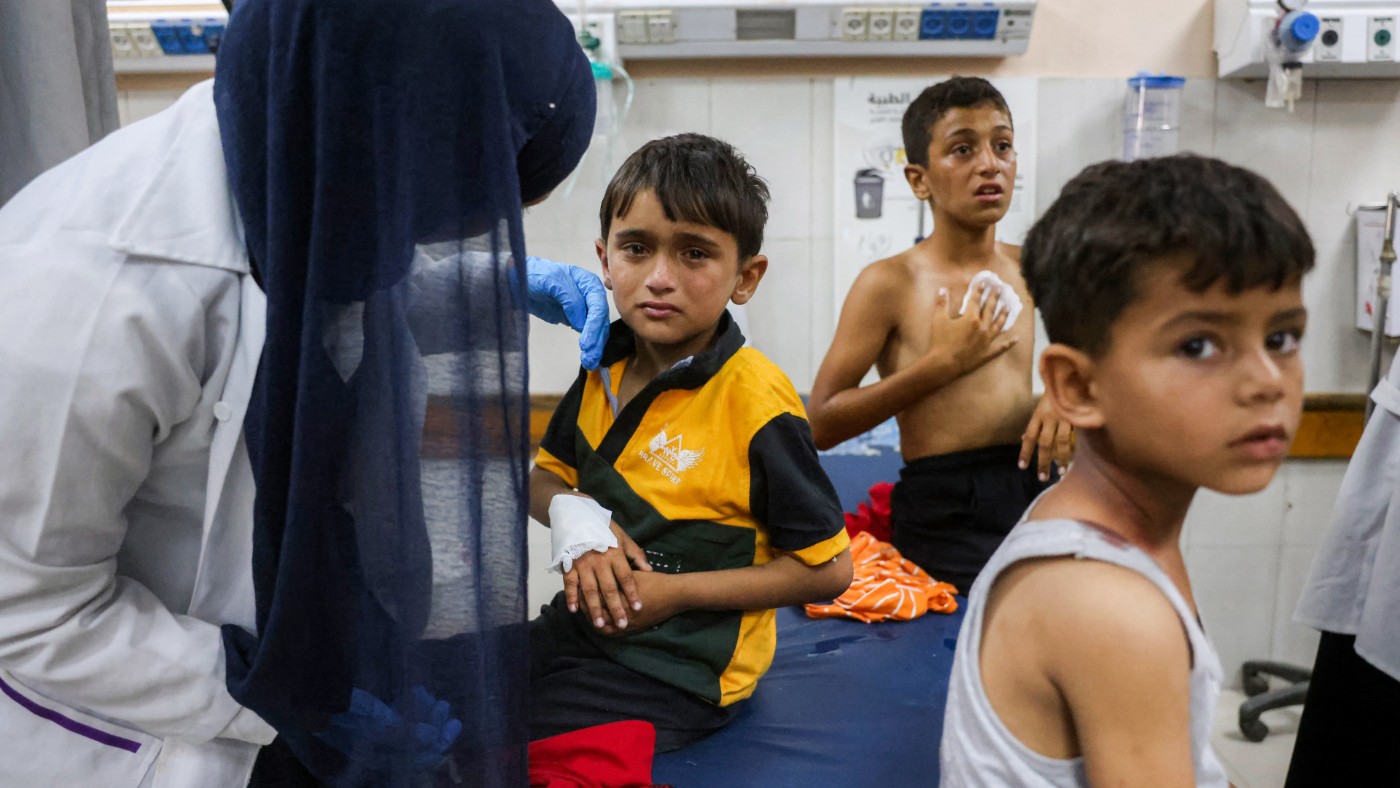
    The United Nations’ leading independent investigative body focused on the Israeli-Palestinian conflict released a landmark 88-page report this week, concluding that Israeli security forces have systematically and deliberately targeted Palestinian children as a central component of alleged genocide in the Gaza Strip. The inquiry, conducted by the Independent International Commission of Inquiry on the Occupied Palestinian Territory, including East Jerusalem and Israel, documents widespread harm against children across Gaza and the occupied West Bank dating from October 7, 2023, stretching past the October 2025 ceasefire.

    Srinivasan Muralidhar, chair of the commission and an experienced Indian jurist, stated that the weight of collected evidence irrefutably confirms that Palestinian children have been intentionally targeted and killed by Israeli forces. Muralidhar emphasized that violations have persisted despite the ceasefire agreement, noting that Israel continues to disregard both the truce terms and its obligations under international law to protect Palestinian civilian children.

    This latest report builds on the commission’s earlier finding that Israel bears responsibility for genocide in Gaza, detailing two distinct pathways through which children have been targeted. The first involves direct strikes using precision weaponry, including military quadcopters and sniper rifles. The second is an indirect, systemic campaign to destroy the basic conditions required for children to survive.

    The inquiry’s compiled casualty data underscores the scale of child harm: between the October 7, 2023, Hamas attack and October 7, 2025, Israeli military operations killed at least 20,179 children and injured an additional 44,143 across Gaza. These figures account for 30% of all total fatalities and 26% of all injuries recorded during the period. Children under the age of five made up at least 5,031 of those killed, including 1,029 infants under one year old and approximately 420 newborns. The commission estimates an additional 5,160 children remain trapped and buried under rubble from Israeli strikes, and notes that the true death toll is almost certainly higher, as many deaths have gone unrecorded amid the breakdown of civil governance and health infrastructure.

    Investigators documented a repeated pattern of intentional targeting of children with precision weapons, collecting testimony from 17 Gaza-based medical practitioners who described treating large numbers of children with single gunshot wounds to the head and upper torso, inflicted by Israeli snipers or drone operators. One doctor told the commission that the consistent pattern of injuries indicated Israeli soldiers were engaging in what amounted to “deliberate shooting teenage boys in a game of target practice.” Forensic analysis of 15 of these cases confirmed that 12 of the victims suffered single gunshot wounds consistent with the accounts of intentional targeting.

    The report includes detailed accounts of multiple specific, verified cases of deliberate child targeting. On January 29, 2024, Israeli forces from the 401st Brigade, 162nd Division shot and killed five-year-old Hind Rajab in the Tal al-Hawa neighborhood of Gaza City, alongside six of her family members. When two Palestinian Red Crescent paramedics traveled to the area to rescue the child, Israeli forces shelled their ambulance, killing both first responders. The commission concluded Israeli forces deliberately shot the family and intentionally obstructed the medical rescue mission.

    Less than a week earlier, on January 24, 2024, Israeli soldiers from the 98th Division operating in Khan Younis shot and killed a 15-year-old boy who had exited his family’s home carrying a white flag after receiving an Israeli evacuation order. When the boy’s 20-year-old brother ran to his aid, soldiers shot him as well. The commission ruled the shooting was deliberate.

    Additional cases include an April 12, 2024 strike by an Israeli quadcopter operator on a 10-day-old infant who was being breastfed by his mother inside a shelter tent in the Nuseirat refugee camp. The commission confirmed the operator had a clear, unobstructed view of the interior of the tent before opening fire; the baby survived but now experiences permanent seizures. On August 24, 2024, another quadcopter operator shot a four-year-old girl in the head while she ate with her family in a Khan Younis tent. She survived but was left permanently paralyzed on her left side, with the inquiry confirming she was deliberately targeted. Even after the October 2025 ceasefire, the commission documented more than 100 additional child killings and hundreds of injuries in the weeks immediately following the truce. One high-profile post-ceasefire case involved two brothers, ages nine and 10, who were killed by a drone strike from the Israeli Kfir Brigade while gathering firewood for their wheelchair-using father near Bani Suheila in southern Gaza. Israel claimed the boys were armed suspects crossing a newly established Israeli demarcation line inside Gaza known as the “yellow line,” but the commission dismissed the claim as baseless: the boys were more than 300 meters from Israeli positions, were visibly children engaged in collecting firewood, and the drone operator had an unobstructed view before firing.

    Beyond Gaza, the inquiry documented widespread child targeting in the occupied West Bank, including East Jerusalem. Between October 7, 2023, and October 20, 2025, Israeli forces killed 213 Palestinian children in the West Bank, with investigators confirming a systemic pattern of labeling boys as “terrorists” or “future terrorists” to justify targeting. One case details the January 25, 2025 killing of a two-year-old girl, shot in the back of the head by soldiers from the Menashe Brigade while the child ate dinner with her family in southern Jenin. She is the youngest child killed in the West Bank since the start of the current conflict. Another case records the January 28, 2025 shooting of a 10-year-old boy by soldiers from the Ephraim Brigade during a raid on his family’s home in Tulkarm. CCTV footage confirmed the boy was unarmed; Israeli forces delayed an ambulance transporting him to care for 30 minutes, and one soldier openly told the boy’s father, “I am the one who shot your son. God willing, he will die.” The child succumbed to his injuries on February 7, 2025.

    The report also documents widespread violence against children carried out by Israeli settlers in the West Bank. Between January and June 2025 alone, settlers carried out more than 1,000 attacks across 230 Palestinian communities. Specific incidents include the April 2025 knife-point abduction of two siblings under five years old who were playing outside their home; settlers dragged the children to an olive grove and tied them to a tree. In August 2024, armed settlers abducted two 15-year-old boys who were herding cattle, beat them, sexually assaulted them, and fractured one boy’s leg, with one settler urinating on the victim.

    Mistreatment of detained Palestinian children is another core finding of the report. Since October 7, 2023, Israeli forces have detained more than 1,655 children in the West Bank, 600 of whom were arrested in 2025 alone. As of December 31, 2025, 51% of all detained children are held under administrative detention—imprisonment without charge or trial—the highest share ever recorded. The commission collected consistent testimony of abuse: children are beaten, blindfolded, forced into painful stress positions on sharp gravel, terrorized by attack dogs from the moment of arrest, and denied food, water, and medical care by prison authorities. Multiple accounts confirm systemic sexual violence against detained boys, including rape by prison guards. One 17-year-old boy from Ramallah died in March 2025 at Megiddo Prison; Israeli authorities had been aware of his head trauma, severe malnutrition, and weight loss since December 2024 but failed to provide any medical care. A post-mortem confirmed he died from prolonged, severe starvation, with the commission ruling his death amounts to the war crimes of torture, inhuman treatment, and wilful killing, and that Israeli prison authorities are directly responsible.

    The report also details the systematic destruction of Gaza’s child-serving infrastructure, including hospitals and schools. All three of Gaza’s major pediatric hospitals were attacked and forced to close within the first two months of hostilities. Before October 2023, Gaza operated 178 incubators across eight neonatal intensive care units; Israeli attacks and the ongoing siege reduced that number to just 54 by November 2024, forcing medical staff to place three or four infants in a single incubator. At Al-Nasr Paediatric Hospital, Israeli forces cut power, gave staff just 30 minutes to evacuate, and blocked evacuation efforts for remaining patients. When a ceasefire allowed investigators access weeks later, four dead babies were found decomposing in the neonatal unit, still connected to non-functional life support machines. At least 15 newborns died of preventable hypothermia between December 2024 and February 2025, a direct result of the conditions created by the Israeli siege. Israel’s blockade and attacks on reproductive healthcare have pushed miscarriage rates up by as much as 300% since October 2023, and by October 2024, Gaza women were three times more likely to die in childbirth than before the war. As of March 2026, 70% of all newborns in Gaza are premature or underweight.

    In the education sector, Israeli forces hit 459 of Gaza’s 564 school buildings between October 2023 and October 2025, with more than 97% of all schools suffering damage or complete destruction. More than 668,000 school-age Gaza children have missed three full academic years and been locked out of formal education. The inquiry documented multiple cases of Israeli soldiers filming themselves during controlled demolitions of schools and posting the footage online. In one video, a soldier can be heard saying, “In my childhood, I’ve always dreamed of blowing up my school. Today I’m blowing up a school. Wow.” In another, a soldier mocks Palestinian students, saying they will “not be engineers any more.” The commission confirmed the 252nd Division carried out deliberate demolitions of at least two UN-run schools in Beit Hanoun in November 2023, and that Israeli forces have seized dozens of other schools to use as military bases, weapons storage, and barracks.

    Systemic starvation of children has been another key tactic, the report finds. By October 2025, UNICEF had recorded 151 child deaths from malnutrition caused by Israel’s siege and blockade, with July 2025 seeing 24 children under five die from starvation-related causes. The blockade also derailed a planned fourth round of polio vaccinations for 600,000 Gaza children scheduled for April 2025, allowing polio to re-emerge in Gaza in August 2024, 25 years after the disease was eradicated from the territory.

    Investigators also documented a widespread pattern of dehumanization of Palestinian children, with at least 35 instances of Israeli soldiers filming themselves destroying or mocking children’s toys, schoolwork, and personal belongings in wrecked Palestinian homes, schools, and public spaces, then posting the footage to social media. The commission concluded these are not isolated incidents, but reflect an institutionalized culture of dehumanization across Israeli military units, with no disciplinary action taken by commanders against soldiers responsible for the acts.

    In its final conclusions, the commission ruled that there are reasonable grounds to confirm Israeli authorities and security forces have continued to commit genocide, crimes against humanity, and war crimes in Gaza, and war crimes in the West Bank. On the charge of genocide, the inquiry notes that the deliberate targeting of children is a key piece of evidence establishing genocidal intent: as the bearers of Palestinian biological and social continuity, targeting children is a deliberate strategy to destroy the Palestinian people as a group. The commission named specific Israeli military units responsible for documented killings, urged the International Criminal Court to prioritize crimes against children in its ongoing investigation into the situation, and called for full accountability for all commanders bearing responsibility for the violations. Israel did not respond to any of the commission’s 13 requests for information or access to Israeli territory for the investigation.

  • What to know about earthquake early warning systems

    What to know about earthquake early warning systems

    A string of significant seismic events stretching across three continents has put modern earthquake early warning (EEW) systems in the spotlight, demonstrating how mobile technology is buying vulnerable populations critical extra seconds to reach safety when shaking begins.

    Over a single week in early June, seismic activity triggered alerts for millions of people across North America, South America and Asia. The sequence opened with a moderate quake rocking parts of California, United States, and closed with two powerful back-to-back earthquakes measuring 7.2 and 7.5 magnitude striking northern Venezuela — one of the most intense seismic sequences to hit the South American nation in more than 100 years. The events came just weeks after a magnitude 6.5 quake near Mindanao in the Philippines claimed 37 lives. Even in nations without a national public EEW infrastructure, consumer mobile technology stepped in to deliver advance warnings to at-risk residents.

    Today, more than a dozen nations and territories operate formal public EEW programs, according to the U.S. Geological Survey (USGS), including the U.S., Mexico, Japan, Turkey, Romania, China, Italy and Taiwan. While Venezuela does not maintain a national system, many of its Android phone users still received advance warnings of the recent powerful quakes through Google’s crowdsourced Android Earthquake Alerts platform. For 39-year-old Caracas-based writer Pericles Sánchez, that advance notice meant enough time to get his entire family outside to safety before shaking reached his neighborhood. “It wasn’t until we were already outside that we started to feel it,” Sánchez said, adding his family’s home escaped structural damage.

    On the U.S. West Coast, the USGS runs a dedicated EEW platform called ShakeAlert for California, Oregon and Washington, which distributes alerts through multiple channels including the state-run MyShake mobile app. When the recent moderate quake hit California, more than 4 million users received advance alerts through the interconnected system, according to USGS scientist Robert de Groot.

    Though modern EEW technology is saving lives today, it remains a relatively new innovation that continues to evolve rapidly. The world’s first public EEW launched in Mexico in 1991, and the country now disseminates large quake alerts through broadcast networks, mobile apps and public alarm systems, alongside regular nationwide earthquake response drills to prepare residents. After the 2011 magnitude 9.0 Tohoku earthquake and tsunami that killed more than 22,000 people and triggered the catastrophic Fukushima Daiichi nuclear meltdown, Japan dramatically expanded its EEW infrastructure to include offshore monitoring. Its cutting-edge Seafloor Observation Network for Earthquakes and Tsunamis (S-Net) uses thousands of miles of undersea cables and sensors to monitor activity along the offshore subduction zone where destructive quakes often originate. The system, widely regarded as the most sophisticated in the world, has added an extra 20 seconds of warning time for most quakes and cut tsunami alert delivery times by as much as 20 minutes. California’s MyShake app, launched in 2019, has pushed out 6.8 million alerts for 194 separate seismic events to date, state data shows.

    All EEW systems operate on the same core scientific principle: earthquakes generate sequential waves that move at different speeds. Faster, lower-intensity P-waves arrive first, followed by far more dangerous, slower S-waves and finally the most destructive L-waves. Most traditional public systems use a network of ground-based seismometers to detect initial P-waves, rapidly process data to estimate the quake’s location and magnitude, and push alerts to at-risk regions before destructive shaking arrives. Alerts are distributed through multiple channels, including national Wireless Emergency Alert (WEA) systems, dedicated mobile apps and regional public warning networks. Having overlapping distribution channels creates critical redundancy in case one system fails, de Groot explained. “It’s always good to have more than one way of getting alerts. It’s the reason why you carry a spare tire in your car or carry some small bills in your wallet because the ATM may not work,” he said.

    Google’s Android system uses a different crowdsourced model that leverages built-in accelerometer sensors already included in every Android device — the same sensors that rotate a phone’s screen when the device is turned. When multiple stationary phones in one region detect P-wave activity, the data is sent to Google’s central processing center, which confirms the seismic event and pushes alerts to nearby users. This model allows EEW coverage to extend to nations that lack the funding or infrastructure to build a traditional national seismometer network.

    Because alert signals travel at the speed of light — far faster than seismic waves move through the Earth’s crust — warning time correlates directly with distance from the quake’s epicenter. People closest to the epicenter typically get the shortest warning windows, sometimes only a few seconds or no warning at all before shaking begins, while people further away get more preparation time, almost always less than a minute. The level of detail included in alerts also varies by distribution channel: standard WEAs are limited to 90 characters broadcast directly from cell towers, while app-based alerts from platforms like MyShake or Google often include extra context such as the distance to the epicenter and estimated magnitude. All official alerts, regardless of format, include the universal safety instruction to “drop, cover, hold on.”

    This reporting was compiled from contributions by journalists across the U.S. and Mexico, with on-the-ground sourcing from Venezuela and California.

  • Venezuelans in the US rush to send aid to earthquake victims, but Caracas airport is closed

    Venezuelans in the US rush to send aid to earthquake victims, but Caracas airport is closed

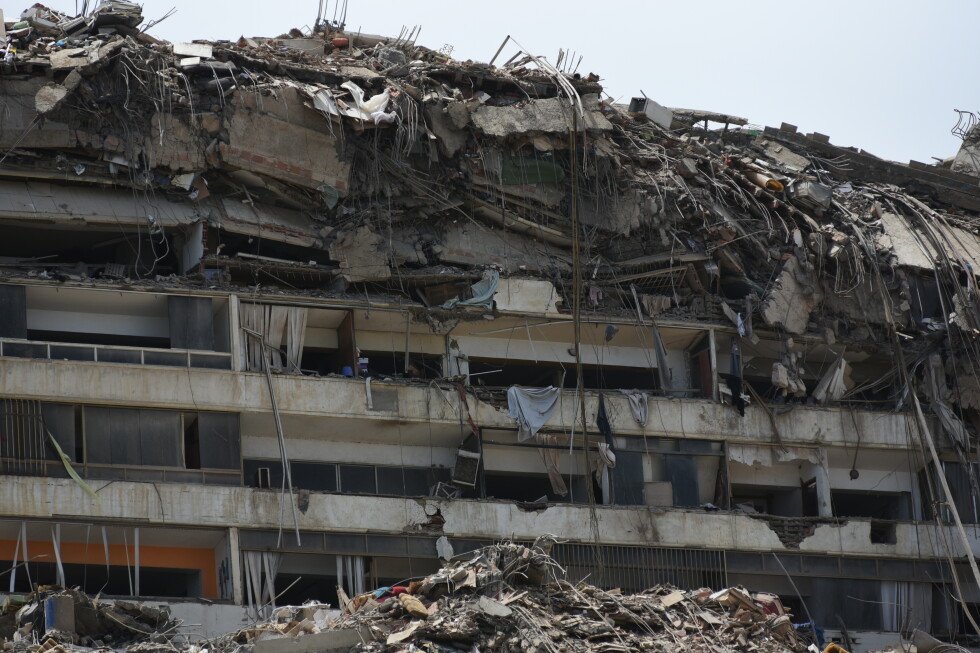
    In the wake of two catastrophic back-to-back earthquakes that left at least 188 people dead and hundreds more injured across Venezuela, the large Venezuelan diaspora community across the United States has mobilized at speed to organize urgent donation drives to support relief efforts on the ground.

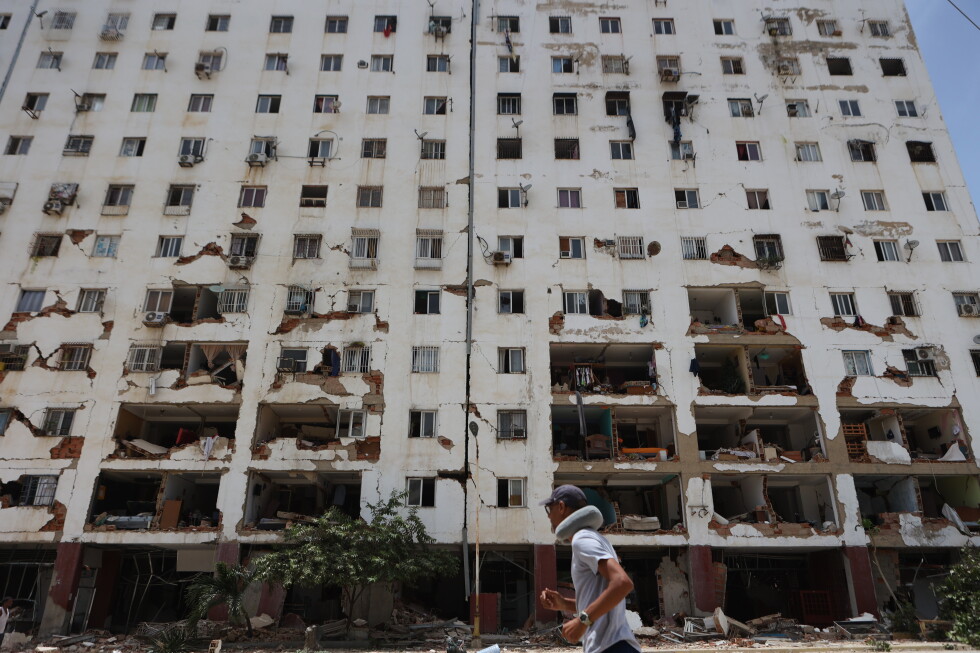
    The 7.2 and 7.5 magnitude tremors, which struck Wednesday evening, rank among the most powerful seismic events to hit Venezuela in over 100 years. The quakes inflicted severe structural damage to Simon Bolivar International Airport, Venezuela’s primary air gateway located in the capital Caracas, a critical blow that threatens to slow the delivery of life-saving humanitarian aid to affected regions. Graphic imagery from the disaster zone shows dust-covered, bleeding injured civilians, children and animals being pulled from collapsed concrete rubble, while thousands of people remain unaccounted for — leaving relatives living in the U.S. desperate for updates on their loved ones.

    More than 770,000 Venezuelan-born people currently reside in the United States, with the largest concentration settled in Doral, a suburban city just outside Miami, Florida. Oscar Torres, a 28-year U.S. resident and sales manager based in Doral, has spent nearly a full day glued to a dedicated WhatsApp group connecting Venezuelan residents with their relatives abroad, tracking updates and coordinating donations.

    “Already this morning, I was looking at the Doral group and everybody’s pitching in — money, medicine, water. First, necessity items,” Torres explained. “They’re talking about making the first shipment as soon as possible.” Torres still has extended family living in Caracas and the hard-hit city of Valencia, where a number of his relatives suffered minor injuries while fleeing damaged buildings. “Their homes are destroyed and a few buildings have collapsed,” he said. “Thankfully, I don’t know anyone who passed away.” Local Doral officials and Venezuelan advocacy organizations have amplified calls for donations across social media and official press conferences, with Torres planning to contribute cash to the relief effort.

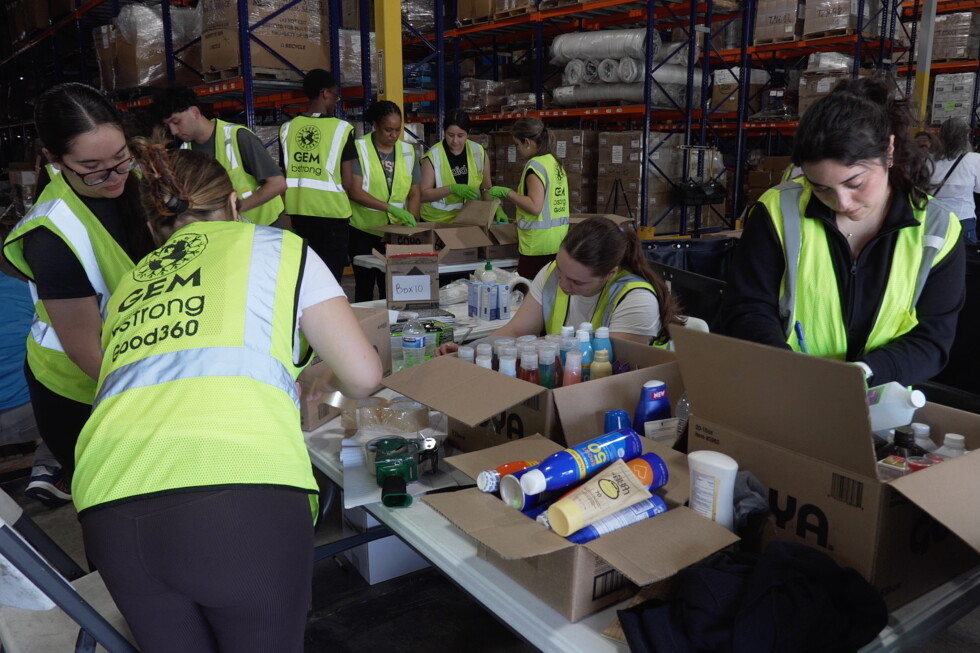
    Beyond Florida, other large Venezuelan communities in Texas have also sprung into action. In the Houston metropolitan area, where the western suburb of Katy has earned the nickname “Katyzuela” for its massive Venezuelan population, residents have leveraged Facebook groups and other social platforms to advertise local drop-off points for donations. The most urgent needs identified include first aid and medical supplies: gauze, bandages, antiseptic solutions, disposable gloves, face masks, syringes, thermometers and blood pressure monitors are all high priority for aid shipments.

    Daniel Arenas, a maritime industry consultant who relocated to Houston from Venezuela a decade ago, translated a Spanish donation call to English and shared it to his LinkedIn profile Thursday, urging a broader cross-section of the Houston community to contribute. “I came to this country ten years ago, built a life here, but my heart is still in Venezuela,” Arenas said. “It’s devastating what’s happening over there. They don’t have the resources to handle this.”

    Arenas shared that his wife spent hours anxiously waiting for news after her aunt, a Caracas high-rise resident, sent a panicked voice note moments after the quakes hit. “She was crying and screaming and saying she was in pain but not sure from where,” Arenas recounted. “She said she lost everything. She was desperate.” The family was later able to re-establish contact with her aunt, bringing an end to the hours-long period of uncertainty.

    The outpouring of organizing across U.S. Venezuelan communities comes as Venezuelan authorities assess the full scale of the disaster, with relief operations already facing logistical hurdles from damaged infrastructure.

  • Europe’s ‘punishing’ record-breaking heatwave shifts east

    Europe’s ‘punishing’ record-breaking heatwave shifts east

    After weeks of sweltering temperatures that shattered long-standing climate records across Southern and Western Europe, one of the most severe heatwaves the continent has seen in modern history is now shifting eastward. The punishing high temperatures have already left a widespread trail of disruption: wildfires have burned through thousands of hectares of forest and residential land across countries including Portugal, Spain, France and Italy, forcing tens of thousands of residents and tourists to evacuate their homes and vacation spots. Critical infrastructure has also been strained, with energy grids pushed to breaking point as demand for air conditioning spiked, and agricultural regions have reported devastating crop losses that are expected to drive up food prices across the bloc.

    Meteorologists confirm that the core of the heat dome, which parked itself over Western Europe for more than a week, is now migrating toward Central and Eastern European nations, including Poland, Romania, Hungary and the western parts of Russia. Forecasters are warning that temperatures in these regions could climb as high as 40 to 42 degrees Celsius in the coming days, bringing with it significant risks of heat-related illness, new wildfire outbreaks, and further strain on public services. Health officials across Eastern Europe have already issued heat-health warnings, urging vulnerable populations including the elderly and people with pre-existing conditions to avoid prolonged exposure to the sun and stay hydrated.

    Climate scientists have repeatedly emphasized that this extreme heat event is consistent with long-term trends driven by anthropogenic climate change. Europe has warmed at more than twice the global average over the past century, making the continent increasingly susceptible to record-breaking heatwaves that are growing more frequent and more intense each decade. Public officials across the continent are now rushing to update climate adaptation and response plans, as communities grapple with the new reality of more frequent extreme weather events.

  • China-US youth pickleball tournament builds cross-cultural ties

    China-US youth pickleball tournament builds cross-cultural ties

    On Tuesday, a landmark people-to-people exchange event between China and the United States, the 2026 China-US Youth Pickleball Friendship Tournament, was officially held at the University of International Business and Economics in the Chinese capital, Beijing. The on-court competition brought together two distinct groups of young participants: student members of a study tour delegation originating from Iowa, the United States, and teenage athletes from Shijiazhuang Foreign Language School, located in North China’s Hebei Province.

    Organizers of the friendly competition note that the event was designed around a far more ambitious goal than simply crowning a winning team. By bringing young people from the two countries together through the fast-growing, accessible sport of pickleball, the tournament seeks to build a new, informal bridge for cross-cultural connection and dialogue. The initiative focuses on nurturing the next generation of advocates and informal ambassadors for lasting China-US friendship, with the ultimate aim of making a tangible, positive contribution to the long-term development of bilateral relations between the two nations.

  • Turkish journalism groups say independent outlets denied accreditation for a NATO summit in Ankara

    Turkish journalism groups say independent outlets denied accreditation for a NATO summit in Ankara

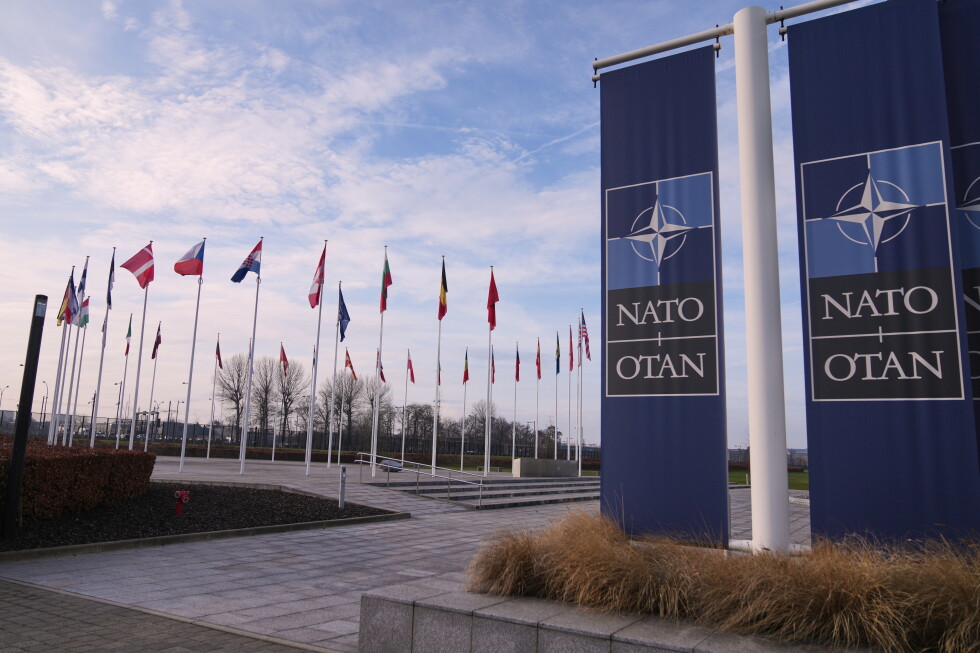
    As Turkey prepares to host a high-stakes NATO summit next week in its capital Ankara, a pair of controversies surrounding press freedom and civil liberties have emerged, drawing sharp criticism from domestic and international watchdog groups ahead of the gathering of 32 alliance leaders. On Thursday, Turkish journalism advocacy organizations confirmed that multiple independent and opposition-aligned Turkish media outlets have been officially denied press accreditation to cover the July 7-8 summit, a move that press freedom groups decry as a direct attack on core journalistic rights. The outlets locked out of the event include some of Turkey’s most prominent independent and critical voices: Halk TV, Sozcu TV, Cumhuriyet newspaper, online news platform T24, and ANKA, one of the country’s oldest independent news agencies. According to the Turkish Journalists’ Association, which released the findings alongside other cross-organization media solidarity collectives, none of the affected outlets or journalists received a formal explanation for the accreditation rejection, nor were they granted any avenue to appeal the decision. “Preventing certain media outlets from covering events of critical public importance undermines fundamental freedoms of information and independent reporting,” the association said in its official statement. The group also called on global bodies to back their stated democratic commitments by addressing the restriction. U.S. President Donald Trump is among the heads of state set to attend the summit, where alliance leaders are scheduled to debate ongoing collective defense spending commitments and work to project a unified front amid ongoing global security challenges. When reached for comment on the accreditation issue, a NATO spokesperson addressed the alliance’s process for host nation summits in a statement posted to the social platform X. Allison Hart, NATO’s spokesperson, noted that for summit gatherings held outside the alliance’s permanent Brussels headquarters, local accreditation decisions fall under the purview of the host country. Still, Hart emphasized the alliance’s priority: “We are in contact with Turkish authorities on accreditation for the NATO Summit in Ankara. It is very important for NATO that media can attend major events in person.” As of Thursday, Turkish government officials have not issued any public response to questions about the accreditation denials. The accreditation controversy comes amid broad security crackdowns in Ankara in the lead-up to the summit, which have also sparked condemnation from rights groups. Earlier this week, Ankara’s chief prosecutor’s office confirmed that Turkish security forces had detained more than 200 people ahead of the gathering, with officials saying the detainees are suspected of having ties to extremist organizations. But opposition parties and independent Turkish media reports have pushed back on that framing, noting that the detained cohort includes a sitting opposition politician, academic, working journalist, prominent LGBTQ+ activist, and multiple human rights lawyers. Opposition and advocacy groups have called for the immediate release of all detainees. Human Rights Watch became the latest major international body to criticize the pre-summit detentions on Thursday, urging NATO to hold host nation Turkey to basic democratic standards for the duration of the summit. “The misuse of terrorism laws to conduct mass arrests and silence people in the run-up to a NATO summit flies in the face of the founding values of the alliance,” said Benjamin Ward, the group’s deputy director for Europe and Central Asia. “The authorities should immediately release those detained, and NATO should insist that peaceful expression and assembly must be permitted around the summit.” In response to the criticism, Turkey’s government Communications Directorate defended the detentions in a Thursday statement, maintaining that all detainees “were assessed to have been involved in activities connected to various terrorist organizations.”

  • After Venezuela earthquakes, here are some of the deadliest in Latin America in the last century

    After Venezuela earthquakes, here are some of the deadliest in Latin America in the last century

    Two rare consecutive deadly earthquakes rocked Venezuela this Wednesday, leaving hundreds dead and injured across the affected region. The destructive doublet quake has drawn renewed attention to the severe seismic risk that has shaped the history of the Americas, prompting a retrospective look at the deadliest seismic events recorded across Central and South America over the past 100 years.

    In September 2017, Mexico faced an unprecedented seismic disaster when an 8.1 magnitude quake and a 7.1 magnitude aftershock struck within seven days, laying waste to large swathes of southern and central Mexico, including the capital Mexico City. The event claimed the lives of nearly 500 people and left thousands more displaced.

    Just one year earlier, on April 16, 2016, a 7.8 magnitude tremor hit Ecuador’s coastal provinces, leveling entire towns and killing more than 650 residents. In February 2010, central Chile was shaken by an 8.8 magnitude earthquake that shook the capital city for 90 straight seconds before triggering a devastating tsunami. The disaster resulted in 523 fatalities. Three years prior, in August 2007, an 8.0 magnitude quake off Peru’s central coast killed more than 500 people.

    One of the deadliest events in recent regional history unfolded in El Salvador across the first two months of 2001. A 7.7 magnitude offshore quake on January 13 was followed just a month later by a 6.6 magnitude aftershock. Combined with massive landslides triggered by the seismic activity, the back-to-back events killed more than 1,200 people. In January 1999, a 6.0 magnitude quake destroyed the Colombian city of Armenia, leaving roughly 1,170 people dead.

    In April 1991, a 7.4 magnitude quake killed more than 80 people across Costa Rica and neighboring Panama, leaving an estimated 30,000 residents cut off from critical food, clean water, and emergency medical supplies for days. In September 1985, an 8.1 magnitude quake hit central Mexico, killing an estimated 12,000 people; the true death toll has never been confirmed due to widespread reporting gaps in the aftermath of the disaster.

    Going further back, in February 1976, a 7.5 magnitude quake hit western Guatemala, killing more than 22,700 people. Four years earlier, in December 1972, a 6.2 magnitude quake struck Nicaragua, killing a minimum of 6,000 people, with unofficial estimates placing the death toll as high as 9,000. In May 1970, a 7.9 magnitude quake hit northern Peru, killing more than 66,000 people, making it one of the deadliest seismic events in the region’s modern history.

    The 1960 Great Chilean Earthquake, also known as the Valdivia Earthquake, remains the most powerful quake ever recorded in human history, registering a magnitude of 9.5. The disaster killed more than 1,655 people, many of whom lost their lives to the massive tsunami it triggered, and left more than 2 million people homeless. Nearly a decade earlier, in August 1949, a 6.8 magnitude quake in Ecuador killed roughly 5,050 people.

    In January 1939, an 8.3 magnitude quake hit the Chilean city of Chillan, killing approximately 28,000 people, with some estimates putting the death toll near 30,000. At the start of the 20th century, in January 1906, an 8.8 magnitude quake struck near Ecuador’s Esmeraldas, an event dubbed the Ecuador-Colombia earthquake. It generated a massive tsunami that killed roughly 1,500 people and traveled all the way north to the coast of San Francisco, California.

  • Women alleging rape and sexual assault in France call to abolish statute of limitations

    Women alleging rape and sexual assault in France call to abolish statute of limitations

    More than 50 women who have endured sexual assault or rape, whose cases have been blocked by France’s current legal time limits for pursuing criminal claims, have joined forces to demand sweeping reform of the country’s statute of limitations laws. The collective, calling themselves *Survivors’ Voices*, includes accusers of high-profile figures ranging from disgraced financier Jeffrey Epstein and his former business partner, modeling agent Jean-Luc Brunel, to late billionaire tycoon Mohammed Al Fayed. This marks the first time such a large group of survivors has come together publicly to push for legal change, drawing renewed attention to longstanding gaps in France’s justice system for sexual violence survivors.

    Under current French legislation, adult survivors of sexual assault and rape have just 20 years from the date of the incident to file a criminal report. For survivors who were minors at the time of the abuse, the limit is extended to 30 years from the date the crime occurred. Members of the collective argue that this arbitrary cutoff sends a devastating message that their trauma and claims are less valid simply because more time has passed since the abuse took place. “Rape doesn’t expire, trauma doesn’t expire,” said Thysia Husiman, who alleges she was raped by Jean-Luc Brunel in Paris when she was 18 years old. Brunel, who was awaiting trial on charges of raping and trafficking minors, died by suicide in his Paris prison cell in 2022.

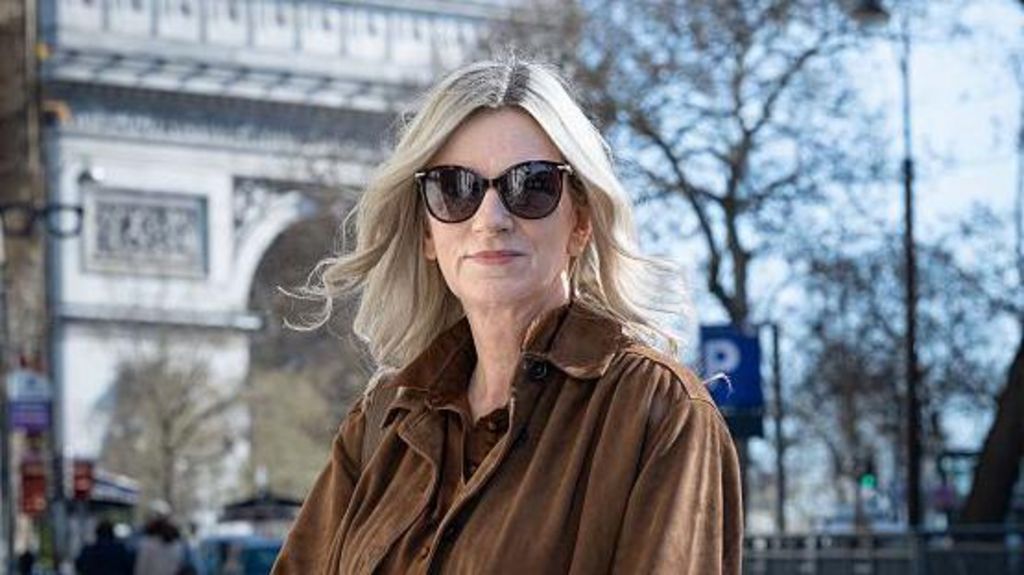
    One of the most high-profile members of the collective is Lisa Brinkworth, a former BBC producer who alleges she was sexually assaulted by Elite Model Management head Gérald Marie while working undercover in 1998 to expose abuse in the global fashion industry. As part of a BBC *Donal McIntyre Investigates* documentary, Brinkworth posed as a model to infiltrate the agency, but she says BBC leadership pressured her to stay silent about the assault immediately after it happened, fearing the incident would derail the high-budget, high-profile production. She adds that senior BBC staff withheld key evidence from her when she attempted to move forward with a claim, and she did not formally file a report with French police until 2023 years after the alleged incident.

    Brinkworth’s case against Marie was ultimately dismissed by French courts after two appeals, including a hearing before France’s highest judicial body, because it fell outside the 20-year statute of limitations. Now, she is taking her fight to the European Court of Human Rights, arguing that the current French law violates her right to access justice. Brinkworth also alleges that the BBC continues to block her efforts by refusing to hand over raw footage from the 1998 documentary, which she says contains her firsthand account of the assault recorded just minutes after it occurred. After the documentary aired in 1999, Elite Model Management sued the BBC for misrepresentation, and the two parties reached a confidential settlement that Brinkworth says the BBC has used to silence her about the assault for decades. She claims network representatives repeatedly told her she was legally barred from speaking publicly about any part of the production, including her own experience of abuse.

    In a statement responding to the allegations, a lawyer for Gérald Marie noted that previous investigations into the claims against his client in France have been closed without further action. A BBC spokesperson pushed back on Brinkworth’s claims of obstruction, saying: “As we’ve always made clear, we take these matters very seriously and we know the situation is distressing for Lisa Brinkworth. The BBC is not trying to silence Ms Brinkworth; she is free to speak about the BBC investigation and her experiences, and has done so. We have already provided material to the French authorities to help Ms Brinkworth pursue the matter and investigators have assured us they have what they currently need from the BBC. We have also provided material to Ms Brinkworth directly. We will continue to do whatever we can to assist with the process.”

    The collective’s call for reform comes amid a growing global reckoning with sexual violence, particularly in high-power industries like modeling, entertainment, and finance. Both Epstein and Brunel have died, leaving many of their accusers without any path to criminal justice, and survivors say changing the statute of limitations is a critical step toward holding perpetrators accountable and honoring the harm that survivors carry permanently.