博客

  • Row over alleged theft of donations from India’s landmark Ram temple

    Row over alleged theft of donations from India’s landmark Ram temple

    Two and a half years after Indian Prime Minister Narendra Modi inaugurated the sprawling Ram Temple in Ayodhya, one of Hinduism’s most sacred sites, the shrine has become the center of a bitter public controversy over claims that tens of millions of rupees in devotee donations have been misappropriated.

    The temple’s location carries decades of charged religious and political history. The new structure, built across 2.7 acres in the flashpoint northern Uttar Pradesh city, replaced the 16th-century Babri Masjid mosque, which was torn down by Hindu nationalist mobs in 1992. That demolition triggered countrywide religious riots that left nearly 2,000 people dead. Following a years-long legal battle, India’s Supreme Court granted the disputed site to Hindu petitioners in 2019, clearing the way for construction of the Ram temple. Since its formal opening in January 2024, the three-story temple complex — which includes six smaller shrines — has cemented its place as one of India’s most visited pilgrimage destinations, drawing an estimated 50 million annual visitors, with between 70,000 and 80,000 devotees arriving on ordinary weekdays, and crowds swelling to three times that size on weekends and major religious festivals.

    The current controversy stems from claims of mishandling of cash, jewelry, gold, and silver that devotees leave as offerings in roughly 35 donation boxes scattered across the temple grounds. Managed by the independent Shri Ram Janmabhoomi Teerth Kshetra Trust, the temple reported an annual income of 3.27 billion rupees (approximately $35 million) for the 2024-2025 fiscal year, making it one of India’s highest-earning religious sites. The first allegations of misconduct came from Mahipal Singh, a former supervisor of the trust’s accounting team who has emerged as the whistleblower in the case. Singh has publicly stated he was removed from his position after raising internal concerns about the handling of cash offerings and precious gifts. When contacted by BBC Hindi, Singh declined to comment further, citing death threats and overwhelming pressure, saying, “I have received death threats. I am under immense pressure and stress. I am not in a position to say anything. Whatever I have said in public so far, please accept it as my word.” A former local legislator has gone on to claim more than 70 million rupees (around $740,000) in donations have gone missing.

    Trust officials have forcefully denied all allegations of wrongdoing. In a public video statement posted to Facebook, the trust’s general secretary Champat Rai explained that all donation counting processes, conducted in a dedicated counting room with participation from trust trustees, workers, and assigned employees from the State Bank of India, are subject to regular internal audits. “This work continues for several days. This is what is happening nowadays. No-one has noticed any discrepancy yet,” Rai said.

    The long-running religious dispute over the Ayodhya site has fundamentally shaped modern Indian politics. The campaign to reclaim the land for a Ram temple was a central rallying cry for the ruling Bharatiya Janata Party (BJP) that fueled the party’s rise to national power in the 1990s, and construction of the temple was a core election promise that helped Modi secure a third term in 2024 general elections. That political history has turned the embezzlement claims into a major national political issue. Opposition parties have openly called on Modi and the BJP, which holds power both nationally and in Uttar Pradesh, to answer for the allegations. Samajwadi Party leader and former Uttar Pradesh Chief Minister Akhilesh Yadav first brought the claims to widespread public attention on June 7, demanding transparency and a formal investigation. His party’s Ayodhya Member of Parliament Awadhesh Prasad has gone further, calling for trust members to be suspended during any investigation and for an inquiry overseen by the courts. Even some local BJP leaders have joined calls for a full probe into donation management practices.

    Longtime Ayodhya residents have expressed widespread shock and disappointment over the claims. Vijay Lakshmi, a local resident, told BBC Hindi: “The offerings are meant for the temple’s upkeep and for the welfare of pilgrims. It’s not meant for people to take home.” Another local, Santosh Puri, called the allegations “a fatal blow to our religion.” While some locals said they found it hard to believe long-time trust associates would engage in misconduct, many described the claims as a stain on the temple and the government, demanding urgent action to prevent future abuses.

    In response to growing public and political pressure, the Uttar Pradesh state government formed a three-member Special Investigation Team (SIT) to probe the allegations. The SIT submitted an interim report to the government this week and requested additional time to complete its full inquiry, with no official findings released to the public to date. Uttar Pradesh Chief Minister Yogi Adityanath has called on anyone with evidence to share it with investigators, saying the inquiry will uncover the full facts and urging devotees to avoid pre-judging the outcome. “People who had waited centuries for the construction of the Ram temple can wait a few more days for the SIT to complete its work,” Adityanath said.

    Despite the state-led investigation, there is growing public and legal pressure to transfer the probe to India’s federal Central Bureau of Investigation (CBI) under court supervision. Multiple petitions have already been filed in the Allahabad High Court and the Supreme Court of India requesting a formal criminal complaint and judicial oversight of the investigation. A prominent senior Indian Supreme Court lawyer has even written directly to the prime minister, chief minister, and chief justice of India urging a CBI probe to restore public faith. “These were not ordinary commercial receipts, but sacred offerings,” the lawyer wrote. “Any diversion or embezzlement of funds constitutes a profound betrayal of the faith reposed by millions of devotees in one of the most sacred institutions of Hindu faith.” As the inquiry proceeds, the controversy continues to test public trust in one of India’s most politically and religiously significant institutions.

  • Brian Brobbey and the Dutch roll in the rain to a 3-1 win over Tunisia to top World Cup Group F

    Brian Brobbey and the Dutch roll in the rain to a 3-1 win over Tunisia to top World Cup Group F

    KANSAS CITY, Mo. — In a rain-soaked Group F World Cup clash at Arrowhead Stadium on Thursday night, the Netherlands secured their spot in the tournament’s knockout round as group winners, riding two Tunisia own goals and a third strike of the competition from Brian Brobbey to a comfortable 3-1 victory.

    Heading into the final matchday of group play, the Netherlands sat level on points at the top of Group F with Japan. However, Japan could only scrape out a 1-1 draw against Sweden in Arlington, Texas, leaving the Dutch side in first place. The result sets up a mouthwatering Round of 16 matchup for Virgil van Dijk and his squad against Group C runner-up Morocco on Monday, while Japan will face a far stiffer test against defending champions Brazil in the first knockout round.

    For Tunisia, the contest was a dead rubber, with elimination already confirmed after two opening defeats. The North African side, branded the Eagles of Carthage, had been in turmoil since the tournament kicked off: they sacked head coach Sabri Lamouchi immediately following a 5-1 opening loss to Sweden, and French manager Hervé Renard stepped in amid widespread reports of internal tension and squad infighting. A 4-0 defeat to Japan in their second match did nothing to reverse the team’s downward spiral, and Thursday’s result extended Tunisia’s winless run across major tournaments to six consecutive matches.

    The chaos that defined Tunisia’s campaign summed itself up in the opening minutes of the match. Denzel Dumfries drove a low cross across the six-yard box, and Tunisian captain Ellyes Skhiri, attempting a clearance to divert the ball away from goal, accidentally deflected it into his own net to give the Netherlands an early lead.

    Brobbey doubled the Dutch advantage just six minutes later, after the Oranje won a free kick 25 yards from goal. The 6-foot-5 Van Dijk, a towering presence in the box, directed a pinpoint header across the goalmouth, where Brobbey was perfectly placed to chip the ball over Tunisia goalkeeper Aymen Dahmen for his third goal of the tournament.

    Tunisia finally got on the board in the 54th minute, when Hazem Mastouri redirected a corner kick past Dutch goalkeeper to cut the deficit to 2-1. But any hopes of a comeback were extinguished eight minutes later, when Jan Paul van Hecke’s header from another Dutch corner glanced off the head of Tunisian’s Anis Slimane and bounced into the back of the net for the Dutch’s third, and second own goal for Tunisia.

    From that point, the Netherlands controlled the remainder of the match, as a steady first-half drizzle gave way to a heavy second-half downpour. Threats of thunderstorms had loomed over the venue all week, and a lightning warning briefly interrupted the pre-match “Oranje fanwalk” for supporters heading to the stadium. Once the all-clear was given, thousands of Dutch fans decked in their iconic bright orange kits packed into Arrowhead Stadium, turning the stands into a sea of orange that drew comparisons to Midwest deer hunting season.

    For the Netherlands, a nation famous for producing football legends including Johan Cruyff and Marco van Basten, this tournament represents another shot at ending a long-running near-miss curse: the Oranje have reached the World Cup final three times in their history, only to finish as runners-up every time, most recently in a heartbreaking extra-time loss to Spain in the 2010 final, earning them the unwanted nickname of the best men’s national side never to lift the trophy.

    Their 2024 campaign got off to a slow start too, with a 2-2 draw against Japan in their opening group fixture. But a dominant 5-1 win over Sweden, with two goals each from Brobbey and Cody Gakpo, has built critical momentum for the side as they enter the knockout stage of the competition. For Tunisia, the final match was just a chance to put a disastrous campaign behind them, ending their World Cup run with three defeats from three matches.

  • ‘We could call it racist’ – Ivory Coast boss sad at Schweinsteiger comments

    ‘We could call it racist’ – Ivory Coast boss sad at Schweinsteiger comments

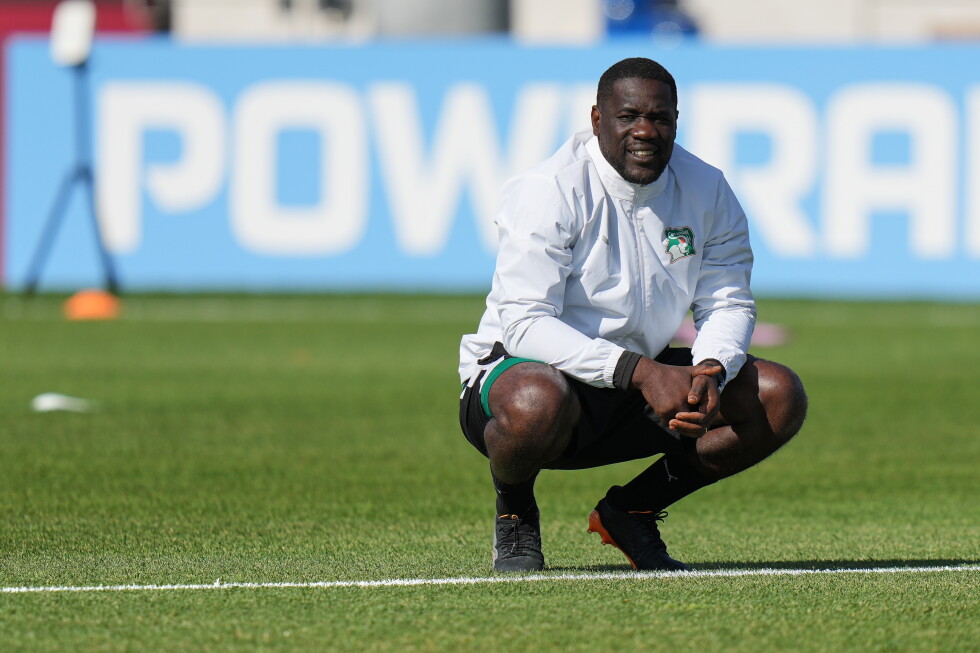
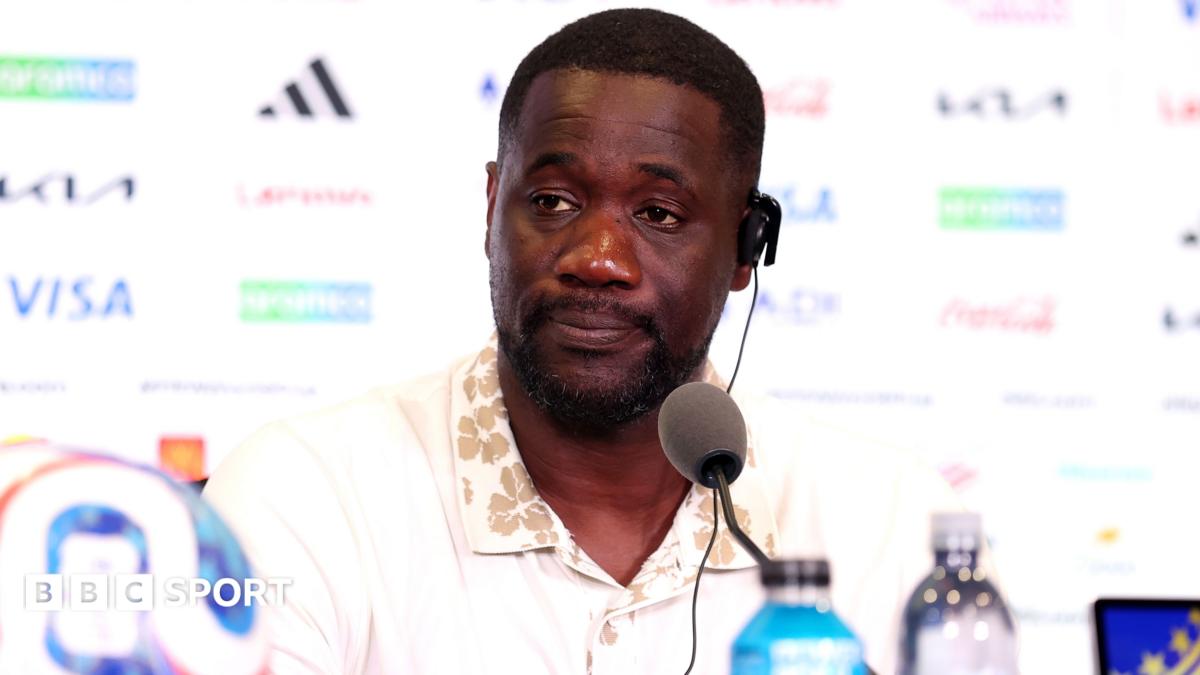
    A major controversy has erupted around the 2026 FIFA World Cup after Ivory Coast men’s national team manager Emerse Fae accused former Germany international midfielder Bastian Schweinsteiger of making potentially racist comments about African football, in the wake of the Elephants’ historic first-ever qualification to the World Cup knockout stage.

    Schweinsteiger, the 2014 World Cup winner with Germany, made the remarks while working as a pundit for German public broadcaster ARD ahead of Germany’s Group E clash against Ivory Coast on June 20. When asked to break down Ivorian playing style, the former Bayern Munich star described the side as playing “a bit African football”, adding it was “a bit unorthodox, a bit wild, a bit perhaps also not so conditioned by tactics” and warned Germany to prepare for their unpredictable approach.

    Those comments drew sharp criticism from Fae after his side secured their spot in the round of 32 with a 2-0 victory over Curacao in Philadelphia on Thursday, which locked in second place in Group E behind Germany. Speaking to reporters after the historic result, the 2023 Africa Cup of Nations-winning manager said he was deeply disappointed by Schweinsteiger’s words, arguing they reflected outdated, harmful stereotypes about African soccer.

    “Schweinsteiger was a very good player; I have always loved him as a midfielder and the way he understood football,” Fae told journalists. “When I heard his comments, I was disappointed in the man. It is odd he would speak that way. We could call it racist, if we were calling a spade a spade. I don’t agree with him, but I have no other solution other than to work with things as they are. All I can show is that on the pitch African teams are not just physical, we are technical and tactical. I can only hope it is a clumsy statement, rather than something going on in his mind. If that’s what he thinks, he is free to do so.”

    Fae also suggested the remarks may have been a deliberate attempt to stir controversy and grab headlines, rather than an offhand mistake. The comments have already sparked debate across German media, with high-profile football figure Jurgen Klopp, former Liverpool manager, declining to weigh in on the dispute when asked during a World Cup appearance in New York on Wednesday.

    “Now you want to carry on the subject. No, no, I have no chance. I have no chance to answer this question,” Klopp told reporters. “Everybody likes it so you bring me in this situation. It’s not my job that everybody likes it, but this is a serious subject, and I don’t even know what is appropriate to say. For African people it’s one thing, for other people it’s another thing, and I’m not here.”

    Despite falling 2-1 to Germany in their final group stage match, Ivory Coast secured their knockout place with earlier wins over Ecuador and Curacao. The Elephants will face either Group F winners France or runners-up Norway in their first knockout round match on June 30 in Arlington, Texas, as they chase further history at this expanded 48-team World Cup.

  • Ivory Coast coach slams ‘racist’ comments made by former Germany star Bastian Schweinsteiger

    Ivory Coast coach slams ‘racist’ comments made by former Germany star Bastian Schweinsteiger

    Ahead of a high-stakes World Cup meeting between Germany and Ivory Coast last weekend, former German international midfielder Bastian Schweinsteiger drew sharp condemnation this week for generalized, stereotype-laden remarks about the African side, with Ivory Coast’s head coach Emerse Faé labeling the comments outright racist.

    Speaking on German public broadcaster ARD as part of pre-match analysis, Schweinsteiger framed what he claimed German players should expect from their upcoming opponent. Describing Ivory Coast’s playing style as “a bit African football, a bit unorthodox, a bit wild, a bit perhaps also not so conditioned by tactics,” he warned the German squad to prepare for an unpredictable matchup.

    The controversy erupted days later, after Faé guided his squad to a historic milestone: a 2-0 victory over Curaçao that secured Ivory Coast’s first-ever spot in the World Cup knockout round in the nation’s history. In his post-match press conference, Faé addressed the widespread criticism of Schweinsteiger’s words, breaking his silence to share his frank perspective.

    Faé acknowledged that the comment could be interpreted as a clumsy misstep that does not fully represent Schweinsteiger’s personal views, but added: “We could call it racist, if we were calling a spade a spade.”

    Schweinsteiger’s remarks had already faced public backlash earlier in the week from sports journalists and commentators, who argued that the description played into long-standing harmful racial stereotypes about African football. German sports commentator Patrick Schnitzler wrote on Instagram that the line reflected “racist prejudices that we are all passing on unnoticed.” Black German journalist Philipp Awounou, writing for Der Spiegel, noted that the characterization leaned on outdated racist tropes with roots in European colonialism, though he added that he did not believe Schweinsteiger himself holds intentional racist views.

    Faé pushed back against the stereotype that Ivory Coast relies only on physicality rather than structured strategy, emphasizing that his side’s run to the knockout round came from a equal mix of tactical intelligence, intentional preparation, and physical strength. He also questioned whether the former player leaned on the familiar harmful trope to generate attention for his new broadcasting career.

    “When I heard his comment, I was disappointed,” Faé said. “Disappointed in the man. It is odd he would speak that way.”

  • North Korea’s Kim watches weapons tests and calls for ‘deadly and destructive’ military posture

    North Korea’s Kim watches weapons tests and calls for ‘deadly and destructive’ military posture

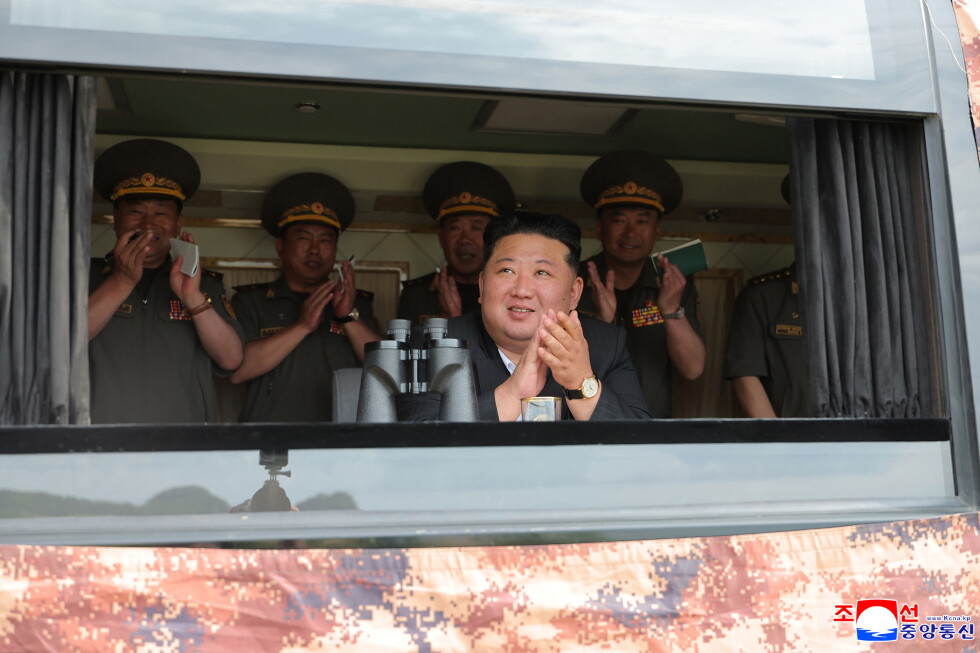
    Less than a week after inaugurating its most advanced naval warship to date, North Korea has carried out a series of high-stakes weapons tests that have underscored leader Kim Jong Un’s accelerating push to expand both nuclear and conventional military capabilities, according to state-run media reports from Pyongyang.

    State media KCNA confirmed Friday that Kim personally observed four separate weapons trials held Thursday, which were designed to validate key technical upgrades for multiple frontline weapons systems targeting potential enemy positions along the inter-Korean border. The tests included a new “special mission” warhead for tactical ballistic missiles, an updated multiple rocket launcher system, and extended-range artillery rounds for self-propelled howitzers.

    Kim stated that the successful trials confirm significant technological advances that will allow North Korea to revise its combat fire posture along the southern border, a statement widely interpreted as confirmation that all tested systems are engineered to strike critical targets in South Korea, including major U.S. military installations located across the country. The special-purpose tactical warhead, KCNA added, is explicitly designed to inflict catastrophic damage on high-priority enemy targets including military airfields, commercial ports, and key national power infrastructure.

    Under Kim’s current national defense doctrine, Pyongyang’s self-defense strategy now centers on building a “deadly and destructive offensive posture” that will deter potential adversaries from choosing military confrontation. “To make the enemies feel constant uneasiness and fear is just an important aspect of the exercise of war deterrent,” Kim told military observers at the test site, per KCNA.

    The latest round of tests aligns with a years-long shift in Pyongyang’s security and diplomatic posture that began after high-profile denuclearization talks between Kim and former U.S. President Donald Trump collapsed in 2019. Since that breakdown, Kim has prioritized rapid expansion of the country’s nuclear and missile arsenals, while also ramping up investment in modernized conventional weapons capabilities. While Kim has left the door open to a resumption of diplomatic talks with Washington, he has made clear that negotiations will only move forward if the U.S. abandons its longstanding demand that North Korea commit to denuclearization as a precondition for any diplomatic progress.

    Relations with South Korea have deteriorated even more sharply in recent years: Kim has officially labeled Seoul Pyongyang’s “principal enemy” and has overseen the construction of additional military fortifications along the heavily militarized inter-Korean border. The weapons tests come just three days after Kim presided over the commissioning of the Choe Hyon, a new 5,000-ton guided-missile destroyer that Pyongyang frames as a tangible symbol of its growing naval and nuclear-powered strike capacity. The Choe Hyon is the most advanced warship ever deployed by the North Korean Navy.

    In recent years, Kim has also worked to expand North Korea’s diplomatic and military ties abroad, most notably building a much closer partnership with Moscow that has included open support for Russia’s full-scale invasion of Ukraine. Just two weeks before the latest weapons tests, Chinese President Xi Jinping made his first visit to North Korea in seven years for a high-profile summit with Kim, a meeting that highlighted growing alignment between the two neighboring authoritarian states amid rising regional tensions with the U.S. and its allies.

  • A battle of narratives emerges as Mamdani-backed candidates sweep NYC primaries

    A battle of narratives emerges as Mamdani-backed candidates sweep NYC primaries

    In a shocking political upset that has sent shockwaves through the U.S. Democratic Party, candidates backed by New York City Mayor Zohran Mamdani claimed major primary election wins across New York City this week, unseating three incumbent congressional Democrats and flipping five local legislative seats. The surprising results have ignited a fierce national debate over shifting party priorities, the growing influence of pro-Palestine sentiment among Democratic voters, and the future of the party’s long-standing alignment with pro-Israel interest groups.

    Among the most high-profile upsets, former New York City Comptroller Brad Lander, running with Mamdani’s support, defeated two-term incumbent Congressman Dan Goldman in Brooklyn’s 10th congressional district. In another major shakeup, first-time candidate Darializa Avila Chevalier ousted long-serving veteran Congressman Adriano Espaillat, while Claire Valdez secured victory in an open congressional primary. Five additional Mamdani-backed candidates, including Palestinian-American activist Aber Kawas, won their New York State Senate primaries. If Kawas holds her seat in the November general election, she will make history as the first Palestinian-American member of the New York State Senate.

    Competing narratives have quickly emerged to interpret the results. Factions of the Republican Party, alongside moderate establishment Democrats, have sounded the alarm over what they frame as a socialist takeover of the nation’s largest city and a growing anti-Jewish mobilization within New York’s political landscape. On the other side of the debate, pro-Palestine advocates and left-wing activists frame the primary sweep as clear evidence that rank-and-file Democratic voters are hungry for candidates willing to break from the party establishment’s unwavering pro-Israel stance.

    Beth Miller, political director of JVP Action, the advocacy and electoral arm of Jewish Voice for Peace, called the results a clear warning to the Democratic Party establishment. She argued that the wave of wins was built on massive grassroots organizing, and hailed what she described as a pro-Palestine sweep across New York City, noting that voters are demanding candidates that back bold progressive priorities: taxing the wealthy, abolishing U.S. Immigration and Customs Enforcement (ICE), and advocating for Palestinian freedom. Miller also emphasized that the results exposed the American Israel Public Affairs Committee (AIPAC) as a toxic brand within the Democratic Party, adding that voters have grown weary of lawmakers who defend what pro-Palestine activists characterize as Israel’s ongoing genocide in Gaza.

    Mainstream media outlets have echoed this framing: The New York Times framed the results as proof of a measurable leftward shift within the Democratic Party on Israel policy, while The Times of Israel argued that the primary sweep has cemented anti-Zionist politics as a permanent force in New York, home to the world’s largest Jewish diaspora community. Even some establishment figures have reacted sharply: U.S. Senator John Fetterman, a centrist Democrat, dismissed the winning candidates as part of what he called the “dirtbag left.”

    Yet many political observers and even some pro-Palestine activists warn that framing the results as an outright, decisive victory for the Palestinian liberation movement overstates their significance. While three incumbents backed by AIPAC fell to candidates critical of Israel’s war in Gaza, and several pro-Palestine democratic socialists won local seats focused on bread-and-butter issues like rent stabilization, healthcare access, and eviction protections, analysts argue the results reflect a broader coalition of discontent rather than a single-issue mandate.

    Critics of the dominant progressive narrative note that voter frustration with the Democratic establishment runs far beyond the Israel-Palestine issue. A 2025 Data for Progress poll confirms that New York City voters rank domestic economic concerns — particularly affordable housing and the rising cost of living — as the top issues shaping their votes, with just 27% of voters identifying U.S. foreign policy and relations with Israel as a key motivating factor for their choice. Mamdani, who rose to office on a platform of working-class economic transformation, has emphasized this coalition building, reiterating in a recent MSNBC interview that the only viable majority in American politics is a cross-ideological coalition of working-class voters united around economic justice.

    “One of those tools is using your political capital to ensure that the people who will fight hardest for that same agenda are going to be there, whether it’s in Albany or whether it’s in DC,” Mamdani told host Chris Hayes, acknowledging that Palestine played a major role in the winning candidates’ support, but tying that support to his broader project of making New York affordable for working people.

    Aber Kawas, the history-making primary winner, framed support for Palestine as a broader marker of a candidate’s willingness to challenge power: “Expressing support for Palestine is a signal that you are willing to speak out and speak truth to power, and I think that’s what people want out of their local politicians. What you are saying is, I’m going to fight for the most marginalised, forgotten communities that so many politicians don’t centre,” she told Middle East Eye earlier this month.

    Still, critics within the pro-Palestine movement push back against framing the primary wins as a major win for Palestinian liberation. They argue that the movement’s focus has been narrowed to simply opposing AIPAC, rather than demanding a full end to U.S. complicity in Israel’s occupation and military campaign, and that many of the winning candidates fall far short of embracing full Palestinian self-determination.

    The most prominent example of this tension is Lander, the winning congressional candidate who defeated Goldman. While Lander has stated he will oppose Israel’s occupation and actions in Gaza, he remains a self-identified Zionist who has previously opposed the Boycott, Divestment, Sanctions (BDS) movement, and as city comptroller oversaw an increase in New York City pension fund investments in Elbit Systems, Israel’s largest weapons manufacturer. Niaz Kazi, a professor at Stockton University and observer of U.S. Palestine politics, notes that Lander’s framing as a left-wing hero highlights the danger of diluting the Palestinian struggle into a broader economic critique.

    “There’s something surreal in seeing self-identified Zionist Brad Lander’s face on schnazzy posters rendering him not the lesser evil, but a legitimate hero for the left,” Kazi told Middle East Eye. “At a time when those in the Palestine solidarity movement who disrupted the operations of Elbit Systems face the harshest of state crackdowns, it’s a sucker punch to see elements of the same movement celebrate Lander, given his own involvement with the arms manufacturer Elbit.”

    Kazi added that the results ultimately prove that “Zionism can absolutely flourish without AIPAC,” arguing that the Democratic establishment is adapting to shifting public opinion by allowing a veneer of Palestine solidarity that does little to change on-the-ground policy for Palestinians. Local pro-Palestine group Within our Lifetime echoed this criticism, noting that Lander “proudly defended investing in genocide just last year,” casting doubt on his recent shift in rhetoric.

    For its part, AIPAC pushed back on narratives of defeat, noting Wednesday that 180 of its endorsees across the country won their primaries and will advance to the November general election. The mayor’s office had not responded to requests for comment as of publication. As parties continue to battle over what the New York primary results mean for the future of the Democratic Party, one thing remains clear: the battle for the soul of the Democratic majority is just getting started.

  • Why the trail went cold in Nancy Guthrie case

    Why the trail went cold in Nancy Guthrie case

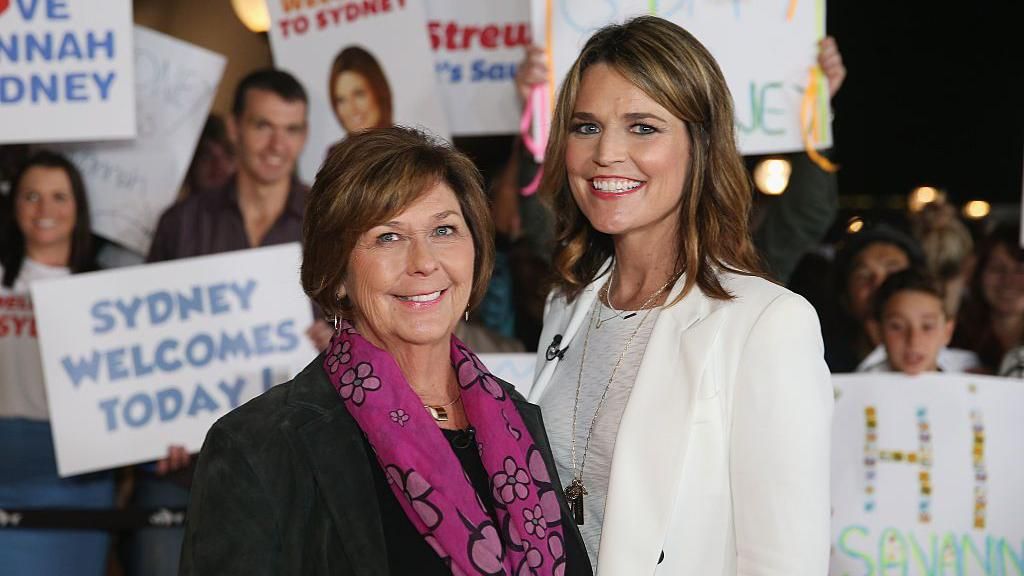
    Nestled at the base of the rugged Catalina Mountains in Tucson, Arizona, the upscale Catalina Foothills neighborhood is famous for its intentional darkness. Tucked into a region designated to preserve dark sky status, strict local and neighborhood rules limit outdoor lighting, requiring all fixtures to be shielded and directed downward. The policy was designed to cut light pollution, reduce unnecessary energy consumption, and protect critical astronomical research at nearby facilities. What was meant to be a peaceful, stargazer’s paradise has, however, become the setting of one of the most high-profile missing person cases of the year: the abduction of 84-year-old Nancy Guthrie, mother of top U.S. television news anchor Savannah Guthrie.

    On the night of January 31, Guthrie, a devout churchgoing grandmother, was pulled from her bed in her Catalina Foothills home. Her attacker or attackers vanished into the pitch-black neighborhood darkness with her, and nearly five months later, no answers have been found. The investigation has been hampered from its earliest hours by a unique combination of geographic challenges, public scrutiny, and inter-agency conflict that has left the case as obscured as the neighborhood after sunset.

    What makes the lack of progress particularly striking is the intense global attention the case has drawn from the start, thanks to Savannah Guthrie’s celebrity. Law enforcement consultants, professional journalists, and amateur citizen investigators have all pored over every public detail of the case, with no breakthrough. This week, new details about two ransom notes received by the Guthrie family in the days after the abduction have only deepened the mystery. The family believes the notes are authentic: the first demanded a multi-million dollar ransom paid in bitcoin, while the second claimed Guthrie had already died, and included an expression of regret from the sender.

    Experts say the most likely scenario is that the kidnapping went terribly wrong, turning a planned ransom plot into a fatality. Private investigator Dan Ribacoff, founder of the International Investigative Group and a veteran of hundreds of kidnapping and missing persons cases, explained that if Guthrie died during the abduction, the perpetrator would have every reason to stay off the grid and hide any evidence connected to the crime. “If the kidnapping had gone according to plan, we’d likely see more leads: a ransom paid, Guthrie released, and clues from IP addresses or communication records that could lead to arrests,” Ribacoff explained. “Instead, the case went cold almost immediately. If Guthrie is dead, the killer has no incentive to reveal where her body is buried, because that would only expose their identity.” Ribacoff added that he shares the Guthrie family’s belief that the ransom notes are genuine.

    The Pima County Sheriff’s Department, which leads the investigation, has repeatedly stated the case remains active and ongoing. But law enforcement experts across the country have outlined a cascade of challenges that have undermined the probe from the start. Beyond the near-total darkness that helped the attackers escape unseen, the Catalina Foothills region’s rugged geography is ideal for hiding evidence and extremely difficult to search. David Smith, a 17-year veteran of Arizona law enforcement who previously served as a Tucson police officer, explained that Guthrie’s home sits directly at the base of the Catalinas, the most rugged of four mountain ranges ringing the Tucson Valley. The terrain is so uneven and heavily vegetated that attackers can pull into Guthrie’s driveway without being captured by her Ring doorbell camera, and the neighborhood is crisscrossed by dry arroyos – watercourses that run directly to backyard fences and are frequently used by criminals to move around undetected. Compounding these geographic issues, frequent wind and foot traffic in the area erases transient evidence like footprints within hours, Smith added. Beyond geography, Tucson’s position near the U.S.-Mexico border, combined with local high rates of homelessness, drug use, and property crime, creates additional layers of complexity for investigators.

    Perhaps the most damaging hurdle the investigation has faced is open conflict between local and federal law enforcement. Pima County Sheriff Chris Nanos has repeatedly stated he called in the FBI immediately after the abduction, with a federal liaison on site the same night. But FBI Director Kash Patel publicly criticized Nanos’ handling of the case in a May podcast interview, claiming the FBI was locked out of the investigation for four full days. Patel also alleged local authorities rejected an FBI offer to expedite DNA testing at the bureau’s Quantico lab, instead sending evidence to a private laboratory in Florida. Nanos pushed back against these claims in a statement posted to the Pima County Sheriff’s Department X account, saying “Decisions regarding evidence processing were made on scene based on operational needs,” and adding that the county’s chosen lab and the FBI Quantico lab have collaborated closely from the start.

    Patel is not the only critic of the sheriff’s department. Multiple veteran law enforcement experts have called out other key missteps, most notably the decision to release the crime scene just days after the abduction. Nanos announced at a February 4 press conference that the scene processing was complete and turned the property back over to the Guthrie family the previous day, only to re-install crime scene tape for additional processing days later. Joseph Giacalone, a retired NYPD sergeant and criminal justice professor at New York’s John Jay College of Criminal Justice who wrote a leading textbook on criminal investigation, called the early release of the crime scene entirely unnecessary. “That entire house and property should have been cordoned off, with no one but law enforcement allowed on site for the purposes of investigation,” Giacalone said. “Mishandling a crime scene drastically cuts the odds of solving a case, and even if an arrest is made down the line, the defense will question every piece of evidence collected.” Nanos has acknowledged the misstep: “I probably could have held off on that,” he told reporters in early February, noting that investigators at the time believed they had collected all available evidence.

    Nanos has faced broader scrutiny beyond the Guthrie case, with local media uncovering past written reprimands from his time working in El Paso. When approached for comment by the *Arizona Republic*, Nanos dismissed the inquiry as a “hit piece.” In April, the Pima County Board of Supervisors opened a review of Nanos’ leadership, ultimately voting not to remove him from office, though Supervisor Rex Scott acknowledged that Nanos needed to rebuild public trust in his leadership.

    Experts note that the intense global media attention surrounding the case, driven by Savannah Guthrie’s fame, has also worked against investigators. “The fame of the victim’s daughter drove the kidnapper underground immediately, once they realized a massive manhunt was underway,” Ribacoff said. While Ribacoff believes Guthrie died shortly after the abduction, other investigators disagree. Smith, the former Tucson law enforcement officer, questions the authenticity of the ransom notes and theorizes Guthrie was smuggled across the border into Mexico, where she can be held out of sight of U.S. investigators.

    Nanos has remained publicly committed to solving the case, telling the BBC early on that he was confident Guthrie would be found, no matter how long it took. By February, the department had already received more than 40,000 tips from the public. The Guthrie family continues to offer a $1 million reward for information that solves the case, and this week, after details of the ransom notes became public, Savannah Guthrie made a tearful public appeal for information during her NBC morning show. “I just want to take the opportunity to ask people, really to beg people, to come forward,” she said. “Somebody knows something.” To this day, the world continues to watch and wait for answers, as the darkness of Catalina Foothills keeps its secret.

  • ‘It increases my pride’ – Great American State Fair kicks off in Washington

    ‘It increases my pride’ – Great American State Fair kicks off in Washington

    One of the nation’s most anticipated annual celebrations has officially opened its gates in Washington, bringing with it a palpable wave of national pride and cross-state excitement. The 16-day Great American State Fair, a centerpiece event honoring the United States’ 250th anniversary, was designed to highlight the unique cultural, culinary, and artistic traditions of every American state, turning the venue into a microcosm of the entire country.

    For attendees and organizers alike, the opportunity to gather under one fairground to celebrate the breadth of American diversity has struck a deeply personal chord. “It increases my pride,” one long-time fairgoer shared, echoing the sentiment of many who have already wandered through pavilions showcasing handcrafted goods, regional signature foods, and innovative displays from every corner of the nation.

    Unlike traditional state fairs that focus primarily on the hosting region, this special edition was curated specifically to mark the historic 250th milestone of the United States. Organizers spent more than two years coordinating with representatives from all 50 states to curate one-of-a-kind attractions, from Louisiana’s iconic Cajun cooking demonstrations to Alaska’s native craft exhibitions and California’s agricultural innovation displays. Beyond the cultural showcases, the fair also features classic fair attractions, including carnival rides, live music performances from across genres, and livestock competitions that draw participants from around the country.

    Local officials expect the event to draw hundreds of thousands of visitors over its 16-day run, providing a significant boost to Washington’s hospitality and tourism sectors while creating a shared space for national celebration. As the gates opened on day one, crowds streamed in eager to explore, taste, and connect with the diverse tapestry of traditions that make up the United States, turning the fair into more than just an entertainment event – it is a celebration of national identity and shared history.

  • Supreme Court’s ruling to end protections for Haitian, Syrian immigrants could have broader impact

    Supreme Court’s ruling to end protections for Haitian, Syrian immigrants could have broader impact

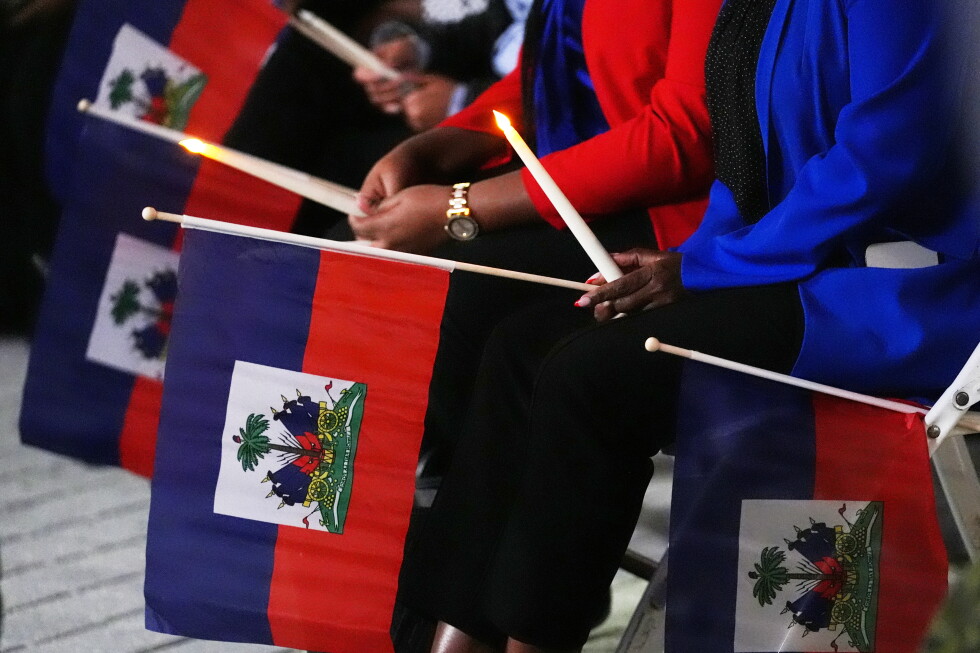
    MIAMI — A recent U.S. Supreme Court decision greenlighting the Donald Trump administration’s plan to revoke temporary legal protection for Haitian and Syrian immigrants is poised to ripple across the entire Temporary Protected Status (TPS) program, putting nearly 1.3 million additional immigrants from 17 countries at risk of deportation.

    The ruling directly impacts roughly 350,000 Haitians and 6,000 Syrians who have relied on TPS to live and work legally in the United States, many for decades, and most of whom have U.S.-citizen children. Beyond these two groups, the 6-3 decision by the court’s conservative majority sets a sweeping precedent that could clear the way for the expulsion of hundreds of thousands of other TPS holders across the country who currently hold pending asylum claims or other forms of immigration relief. TPS holders now face the immediate threat of detention and forced removal from the country they have called home for years.

    Created by Congress in 1990, the TPS program was designed to block deportations of immigrants whose home countries face ongoing armed conflict, catastrophic natural disasters, or other extreme humanitarian crises that make safe return impossible. The program grants 6- to 18-month renewable protections to eligible immigrants who have continuously resided in the U.S. since their country was designated for TPS status.

    When the Trump administration took office, Venezuelans made up the single largest bloc of TPS beneficiaries, followed by Haitians and Salvadorans. The administration has already ended TPS protections for roughly 1 million immigrants from 13 countries, including approximately 650,000 Venezuelans and 50,000 Hondurans. Critical renewal decisions are now pending for 200,000 Salvadorans and 100,000 Ukrainians whose TPS protections are set to expire in the near term, with smaller groups from Afghanistan, Myanmar, Cameroon, Ethiopia, Lebanon, Nicaragua, Somalia, South Sudan and Yemen also facing uncertainty.

    The Trump administration has defended its rollback of the program, arguing that the Biden administration improperly expanded TPS designations without adequate vetting of immigrants, and that conditions in designated countries have improved enough to allow safe return. But immigration advocates and legal representatives reject these claims, saying the administration violated statutory requirements by failing to conduct required interagency consultations and on-the-ground assessments of current country conditions before moving to end protections.

    Dozens of lawsuits have already been filed by TPS holders from across all nationalities challenging the Trump administration’s terminations, and legal experts say lower courts hearing these pending cases will now be bound by the Supreme Court’s new precedent. The high court ruled that the Department of Homeland Security holds sole authority to end TPS protections, a power that the conservative majority agreed courts cannot override.

    Ahilan Arulanantham, co-director of the Miñana Family Center for Immigration Law and Policy at the University of California, Los Angeles, and one of the lead attorneys representing Syrian TPS holders, called the decision a devastating blow to immigrant communities. “The implication of this is that at least most of the claims that have been litigated to challenge this administration’s sort of illegal war on TPS are now foreclosed,” Arulanantham said.

    Haiti was first designated for TPS in 2010 following a catastrophic 7.0 magnitude earthquake that killed more than 200,000 people and destroyed much of the country’s infrastructure. Extensions have been granted repeatedly as ongoing gang violence has displaced more than 1 million Haitians in recent years, leaving the country in a state of continuous humanitarian collapse. Syria received its first TPS designation in 2012 amid a decades-long civil war that only concluded with the fall of the national government in late 2024, leaving the country shattered and unsafe for large-scale return.

    Under standard Supreme Court procedure, the ruling will not go into effect for 32 days after its announcement, and the court has sent the case back to lower courts to implement the judgment. Legal representatives expect the ruling to take full effect no earlier than July 27, meaning Haitian and Syrian TPS holders will retain their work authorization through that window. After that date, Arulanantham confirmed, nearly all Haitian and Syrian TPS holders will lose their permission to work legally in the U.S.

    Immigration attorneys and advocacy groups are now urging affected TPS holders to explore all alternative pathways to legal status, including asylum claims and employment-based visas. But even these options have been restricted by the Trump administration, leaving many immigrants with few viable options. Many will be forced to choose between voluntary departure to unsafe home countries or protracted deportation proceedings that could result in forced separation from their U.S.-born children and the loss of careers and communities they have built over decades.

    Unless TPS holders can secure a new form of legal status, they will revert to the immigration status they held before receiving TPS, which is often expired or invalid. Advocates have now turned to Congress, calling on legislative leaders to pass emergency legislation that would restore TPS protections and provide a path to permanent residency for long-term beneficiaries. “We also call on Congress to immediately restore these vital humanitarian protections that the TPS program represents for the sake of our clients and TPS holders, their families, and all of our communities,” said Melissa Keenan, an attorney representing Syrian TPS holders.

  • ‘The face of a tortured man’: Photos of Palestinian journalist released from Israeli prison spark outrage

    ‘The face of a tortured man’: Photos of Palestinian journalist released from Israeli prison spark outrage

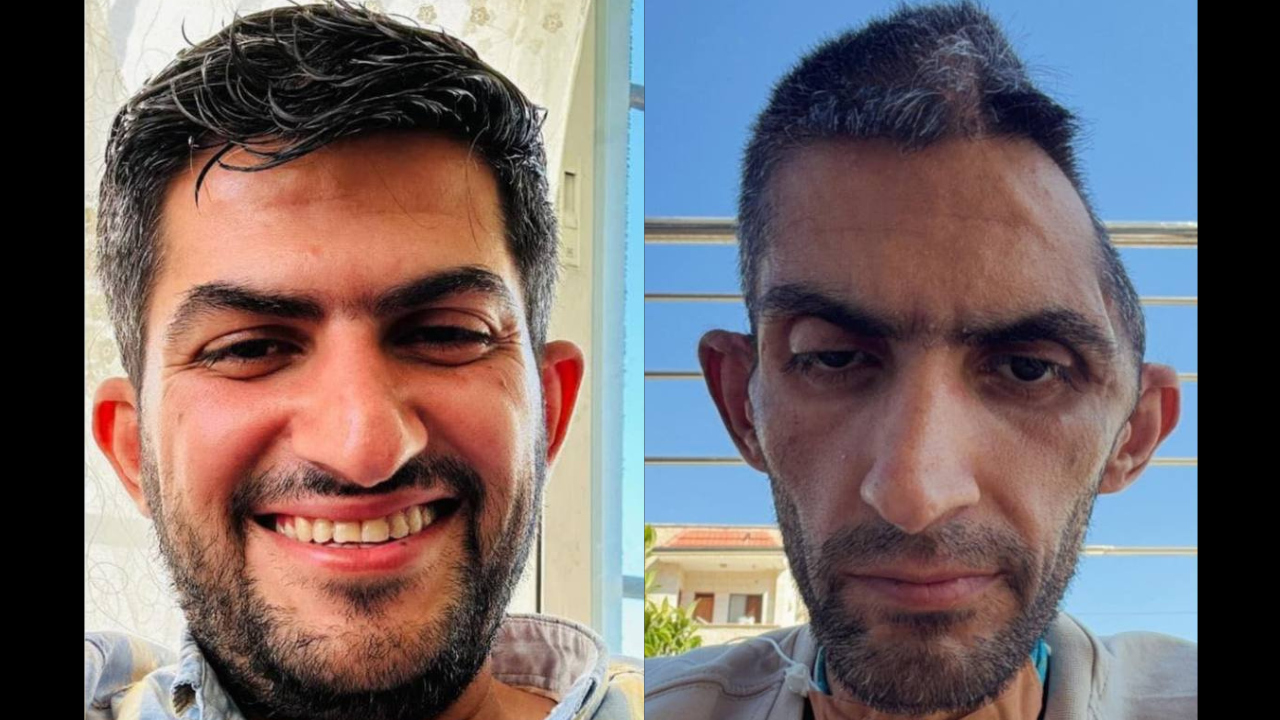
    Shocking before-and-after images of Palestinian journalist Mujahed Bani Mufleh, released from Israeli administrative detention, have ignited widespread anger across social media platforms, with rights groups and journalists demanding accountability over systemic abuses against Palestinian detainees. The 36-year-old father of three, from Beita in the occupied West Bank, was held without charge or trial for 14 months before being released in January 2026. Just 48 hours after regaining his freedom, Bani Mufleh was diagnosed with a life-threatening brain hemorrhage, a condition the Palestinian Prisoners’ Society (PPS) attributes to deplorable prison conditions and deliberate medical neglect. The journalist has since undergone multiple emergency surgeries and faces an extended, uncertain road to recovery.

    When Bani Mufleh shared his post-detention photograph to his Instagram page on June 24, 2026, the visible dramatic deterioration in his health sent immediate shockwaves across digital spaces. In a personal reflection accompanying the images, Bani Mufleh detailed the systemic dehumanization he endured during his incarceration. “You lie awake between physical suffering and heavy thoughts, counting the hours and waiting for dawn as if it were salvation,” he wrote of his daily experience. He described being stripped of all autonomy and dignity: “I learned humiliation when every part of your day is controlled by someone else… When even your privacy and dignity are no longer yours.”

    Bani Mufleh also chronicled the persistent hunger that defined his time in custody, writing, “I learned how to be grateful and understood the true meaning of hunger; when you wait for a morsel that isn’t enough, you go to sleep with a stomach ache, and wake up with the same feeling. I learned how a loaf of bread can become a dream, and how a sip of cold water can feel like a blessing from heaven… Fourteen months taught me that blessings aren’t as vast as we thought; rather, they are these small details we took for granted.”

    The viral spread of the images quickly drew condemnation from medical professionals, journalists, activists, and ordinary social media users, who highlighted Bani Mufleh’s case as evidence of long-documented abuses in Israeli detention facilities. “This is the face of a tortured man who has barely survived an emergency procedure… whose quality of life has been reduced to almost zero forever,” one physician posted on X, the platform formerly known as Twitter. Another commentator, Kuwaiti-American journalist Ahmed Eldin, wrote on Instagram that the images lay bare a system intentionally designed to destroy Palestinian bodies while silencing Palestinian dissent: “starvation, abuse, humiliation, and imprisonment without accountability.”

    Multiple social media users noted that administrative detention—imprisonment without formal charge or trial—functions as a deliberate strategy to debilitate detainees before release, when Israeli authorities can avoid any legal liability for the harm caused. One Arabic-language post, which also went viral, framed Bani Mufleh’s condition as proof of the cruel reality behind claims of Israeli democratic governance, noting that after more than a year of torture, starvation, and abuse, he emerged with a catastrophic health condition requiring years of treatment. The post also placed responsibility for the ongoing crisis of Palestinian detainees, who number more than 10,000, on global governments and international institutions.

    In an official statement responding to the public outcry, the PPS emphasized that Bani Mufleh’s experience is not an isolated incident, but representative of a broader, systemic “exterminatory prison system” that acts as “a tool for both the slow and direct killing” of Palestinian detainees. The organization detailed that thousands of current and former detainees have endured systematic crimes including torture, intentional starvation, total denial of adequate medical care, and widespread physical and psychological abuse, alongside constant 24/7 psychological terror. It added that hundreds of detainees are released every year in catastrophic physical and mental condition, but most cases remain hidden from public view: former detainees and their families often stay silent out of fear of re-arrest.

    Reports of torture, neglect, and deaths in Israeli detention facilities—labeled “torture camps” by leading Israeli human rights group B’tselem—have increased dramatically since the outbreak of Israel’s military campaign in Gaza in October 2023. According to PPS data, at least 245 Palestinian journalists have been arrested by Israeli forces since the start of the conflict in Gaza. Official data puts the current number of Palestinian detainees in Israeli custody at more than 9,500, but rights groups estimate the actual figure is far higher, as Israeli authorities have refused to release information on hundreds of additional people detained in Gaza.