博客

  • ‘The face of a tortured man’: Photos of Palestinian journalist released from Israeli prison spark outrage

    ‘The face of a tortured man’: Photos of Palestinian journalist released from Israeli prison spark outrage

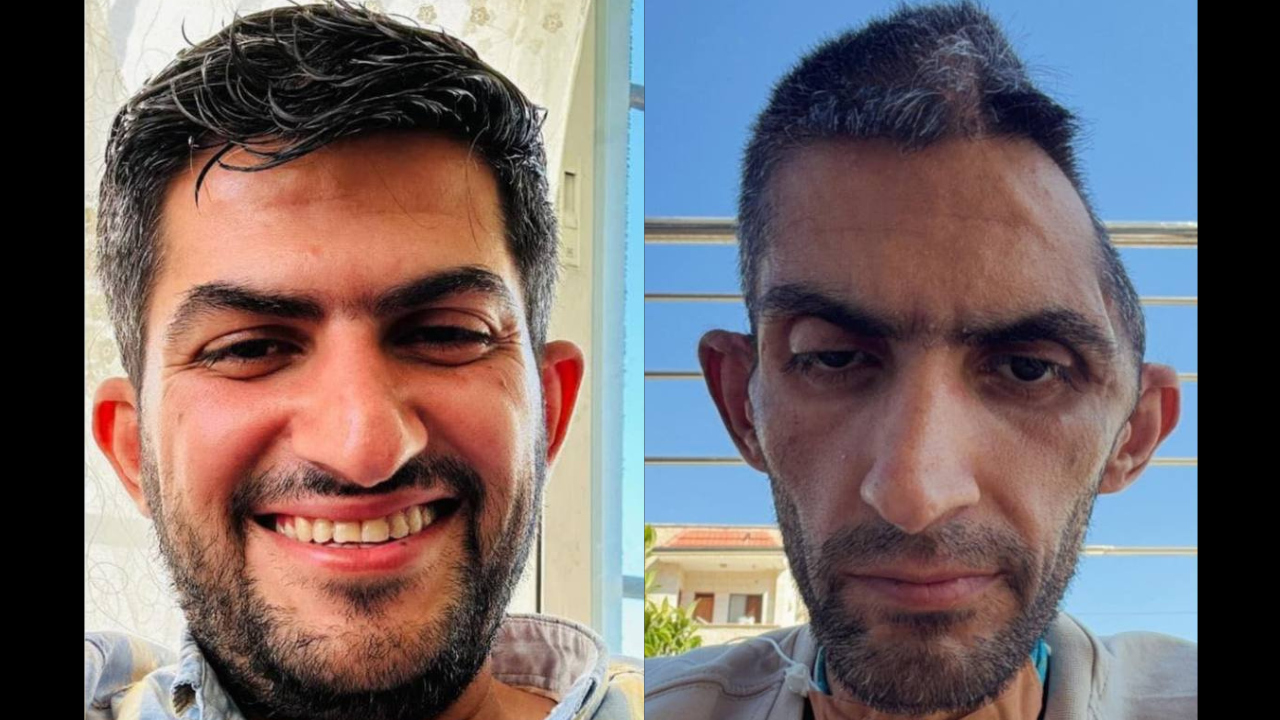
    Shocking before-and-after images of Palestinian journalist Mujahed Bani Mufleh, released from Israeli administrative detention, have ignited widespread anger across social media platforms, with rights groups and journalists demanding accountability over systemic abuses against Palestinian detainees. The 36-year-old father of three, from Beita in the occupied West Bank, was held without charge or trial for 14 months before being released in January 2026. Just 48 hours after regaining his freedom, Bani Mufleh was diagnosed with a life-threatening brain hemorrhage, a condition the Palestinian Prisoners’ Society (PPS) attributes to deplorable prison conditions and deliberate medical neglect. The journalist has since undergone multiple emergency surgeries and faces an extended, uncertain road to recovery.

    When Bani Mufleh shared his post-detention photograph to his Instagram page on June 24, 2026, the visible dramatic deterioration in his health sent immediate shockwaves across digital spaces. In a personal reflection accompanying the images, Bani Mufleh detailed the systemic dehumanization he endured during his incarceration. “You lie awake between physical suffering and heavy thoughts, counting the hours and waiting for dawn as if it were salvation,” he wrote of his daily experience. He described being stripped of all autonomy and dignity: “I learned humiliation when every part of your day is controlled by someone else… When even your privacy and dignity are no longer yours.”

    Bani Mufleh also chronicled the persistent hunger that defined his time in custody, writing, “I learned how to be grateful and understood the true meaning of hunger; when you wait for a morsel that isn’t enough, you go to sleep with a stomach ache, and wake up with the same feeling. I learned how a loaf of bread can become a dream, and how a sip of cold water can feel like a blessing from heaven… Fourteen months taught me that blessings aren’t as vast as we thought; rather, they are these small details we took for granted.”

    The viral spread of the images quickly drew condemnation from medical professionals, journalists, activists, and ordinary social media users, who highlighted Bani Mufleh’s case as evidence of long-documented abuses in Israeli detention facilities. “This is the face of a tortured man who has barely survived an emergency procedure… whose quality of life has been reduced to almost zero forever,” one physician posted on X, the platform formerly known as Twitter. Another commentator, Kuwaiti-American journalist Ahmed Eldin, wrote on Instagram that the images lay bare a system intentionally designed to destroy Palestinian bodies while silencing Palestinian dissent: “starvation, abuse, humiliation, and imprisonment without accountability.”

    Multiple social media users noted that administrative detention—imprisonment without formal charge or trial—functions as a deliberate strategy to debilitate detainees before release, when Israeli authorities can avoid any legal liability for the harm caused. One Arabic-language post, which also went viral, framed Bani Mufleh’s condition as proof of the cruel reality behind claims of Israeli democratic governance, noting that after more than a year of torture, starvation, and abuse, he emerged with a catastrophic health condition requiring years of treatment. The post also placed responsibility for the ongoing crisis of Palestinian detainees, who number more than 10,000, on global governments and international institutions.

    In an official statement responding to the public outcry, the PPS emphasized that Bani Mufleh’s experience is not an isolated incident, but representative of a broader, systemic “exterminatory prison system” that acts as “a tool for both the slow and direct killing” of Palestinian detainees. The organization detailed that thousands of current and former detainees have endured systematic crimes including torture, intentional starvation, total denial of adequate medical care, and widespread physical and psychological abuse, alongside constant 24/7 psychological terror. It added that hundreds of detainees are released every year in catastrophic physical and mental condition, but most cases remain hidden from public view: former detainees and their families often stay silent out of fear of re-arrest.

    Reports of torture, neglect, and deaths in Israeli detention facilities—labeled “torture camps” by leading Israeli human rights group B’tselem—have increased dramatically since the outbreak of Israel’s military campaign in Gaza in October 2023. According to PPS data, at least 245 Palestinian journalists have been arrested by Israeli forces since the start of the conflict in Gaza. Official data puts the current number of Palestinian detainees in Israeli custody at more than 9,500, but rights groups estimate the actual figure is far higher, as Israeli authorities have refused to release information on hundreds of additional people detained in Gaza.
  • Carlo Ancelotti is hitting his stride as Brazil preps for World Cup knockout stage

    Carlo Ancelotti is hitting his stride as Brazil preps for World Cup knockout stage

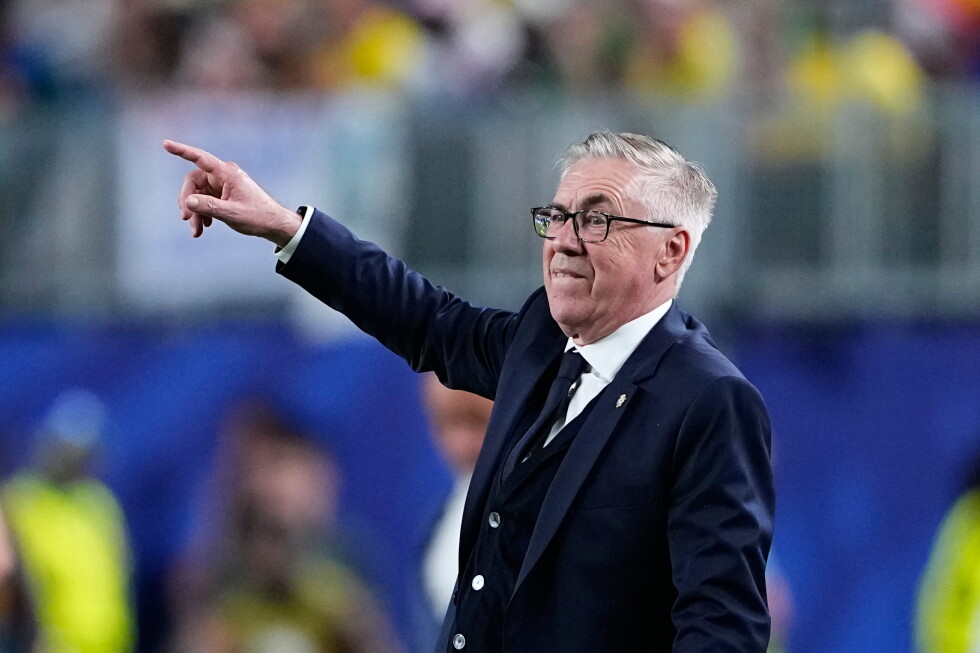
    MIAMI GARDENS, Fla. – When Brazil handed the national team reins to legendary Italian manager Carlo Ancelotti just over 12 months ago, the five-time World Cup champions were chasing an end to a 22-year title drought, and expectations ran high. But the early stages of the tournament were far from smooth for Ancelotti, who faced growing skepticism from Brazilian fans after a underwhelming opening draw with Morocco with an injury-hit squad. That slow start did nothing to win over a fanbase hungry for glory, leaving the iconic club manager fighting to win the public’s trust.

    That narrative has shifted dramatically over the past two matches, however. Two consecutive 3-0 routs — first against Haiti, then against Scotland — have locked Brazil’s spot in the World Cup knockout stage, rebuilt the squad’s confidence, and reignited the nation’s belief that a sixth trophy could be within reach. At long last, Ancelotti appears to have found his rhythm with the world’s most successful men’s national team.

    Ancelotti’s unparalleled track record at the club level, where he claimed five Champions League titles and lifted every major top-flight European trophy with powers including AC Milan and Real Madrid, is exactly what led Brazil’s football federation to recruit him a year ago. It is that same legacy that has long made fans confident in his potential, even amid the rocky start.

    “He’s the greatest manager of all time,” Brazil supporter Luca Scapinelli shared ahead of the team’s Wednesday victory over Scotland. “Five Champions Leagues, he’s won every single big European league. He can bring a lot to the table. We haven’t had a coach this great in forever.”

    The consistent driving force behind Brazil’s unbeaten run in this tournament is Real Madrid winger Vinícius Júnior, a player who spent years failing to replicate his explosive club form for the Brazilian national side — until now. The 20-something star has found the back of the net in every World Cup match so far, notching a brace against Scotland to bring his tournament total to four goals, making him the team’s undisputed offensive standout.

    It is no coincidence that Vinícius is hitting his peak for Brazil under Ancelotti: the 67-year-old manager coached the winger during his four-year tenure at Real Madrid from 2021 to 2025, and played a central role in transforming him from a promising young talent into one of the biggest global stars in the sport. During their time together at the Spanish capital, the pair lifted two Champions League trophies, two La Liga titles, and one Copa del Rey, building a deep working rapport that is now paying dividends for Brazil.

    “It is satisfying because I had no doubt about how he could arrive at this World Cup,” Ancelotti said of his star forward. “For him, it is an honor to play for the national team. He is one of the best in the world, obviously.”

    Vinícius, for his part, credits Ancelotti’s tactical adjustment — shifting him to an unfamiliar position on the pitch — for unlocking his new goalscoring form at the international level. “I need to listen to him more,” Vinícius joked after his brace against Scotland. “For sure when we get to the dressing room, he’ll say he knows a lot about football.”

    From the moment he was first unveiled as Brazil’s head coach, Ancelotti emphasized his longstanding unique connection to the country, and made clear he understood the weight of the expectation that a once-in-a-generation manager could end the nation’s long World Cup drought. That connection is now becoming visible on and off the pitch, just as the tournament enters its decisive phase.

    When Ancelotti’s name was announced to the crowd ahead of the Scotland match, the sea of fans clad in Brazil’s iconic yellow kit greeted him with a thunderous standing ovation, a far cry from the muted reception he received earlier in the tournament. Supporters have highlighted his effort to integrate himself into Brazilian culture as a key point of appreciation: he made a point to learn the national anthem and picked up conversational Portuguese in just a few months on the job.

    “I like that he’s really into Brazilian culture,” said Caio Monteiro, a Brazil fan who traveled from Belo Horizonte for the match. “He wanted to learn the anthem, he wanted to learn Portuguese, and he did in just a few months.”

    Initial pushback against hiring a foreign manager, common among a portion of the Brazilian fanbase, has largely faded in the wake of the team’s strong results. As supporter Humberto Silva, a native of São Paulo, noted, foreign managers are already a staple of top-tier Brazilian club football, and their presence at the international level is simply a reflection of the modern game.

    “If you look at our league in Brazil, all of the best teams have foreign coaches,” Silva said. “That’s just the way it has to be now.”

    With momentum back on their side and their star forward in scintillating form, Brazil now heads into the knockout stage as one of the favorites to lift the World Cup trophy, and Ancelotti has cemented his popularity with the fanbase he once struggled to win over.

  • World Cup what to know: France’s Kylian Mbappé, Norway’s Erling Haaland take center stage

    World Cup what to know: France’s Kylian Mbappé, Norway’s Erling Haaland take center stage

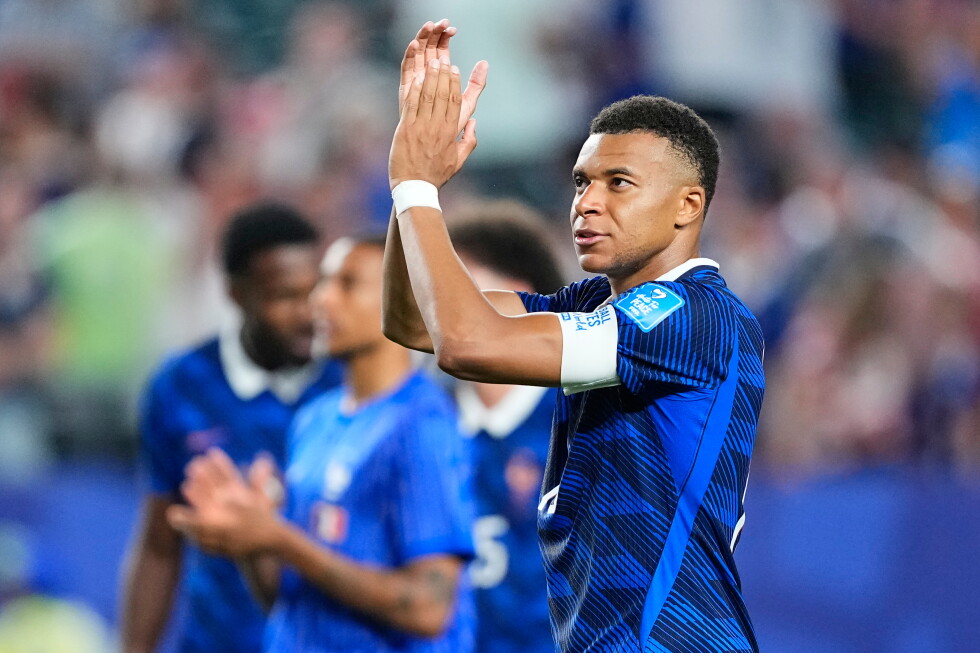
    As the 48-team expanded World Cup enters its final week of group stage play, Friday’s fixture list delivers the kind of star-studded matchup that even casual soccer fans have marked on their calendars for months: a clash between two of the game’s greatest modern strikers, Erling Haaland of Norway and Kylian Mbappé of France, in Foxborough, Massachusetts.

    The highly anticipated Group G showdown carries even more off-pitch context: France head coach Didier Deschamps will miss the fixture after his mother’s recent passing, leaving assistant manager Guy Stéphan to lead the side in his place. Deschamps, who has already announced he will step down from his post after 12 years in charge following this tournament, returned to France this week to be with his family. Stéphan told reporters Thursday that Deschamps remains deeply affected by the loss, and that he would work to maintain normalcy for the squad to honor Deschamps’ trust. Defensive star William Saliba will also miss the match after being rested in training, while forward Marcus Thuram sat out practice as a precaution.

    For Haaland, the Norwegian superstar downplayed expectations ahead of the clash, saying he had little focus on the France game immediately after his side’s opening win over Senegal. But the global soccer community is already hyped for the battle: Haaland has exploded in his first ever World Cup appearance, netting two goals in each of Norway’s opening wins over Senegal and Iraq to put his side on the cusp of knockout stage qualification. Mbappé, meanwhile, has continued to chase history, pushing his all-time World Cup goal tally to 16 – just two goals behind Lionel Messi’s all-time tournament record of 18, after scoring four goals in his first two matches.

    Beyond the headline clash, Friday’s six matches across North America will decide the fates of multiple groups, with several teams facing do-or-die fixtures to keep their knockout stage hopes alive.

    In Group H, European champions Spain will face South American powerhouse Uruguay in Guadalajara, Mexico, with both sides entering the match with high stakes. Uruguay has only earned two draws from its opening two matches against Saudi Arabia and first-time qualifiers Cape Verde, leaving the side relying entirely on a win to guarantee progression to the knockout round. A draw or loss would leave Uruguay’s fate hanging on the result of the final group match between Cape Verde and Saudi Arabia. For Spain, a draw will be enough to secure progression, but a win will lock in the side’s spot as group winners.

    Cape Verde, the tiny African island nation of just 500,000 people, has already turned heads in its first ever World Cup appearance, holding pre-tournament favorite Spain to a scoreless draw in its opener before notching its first ever tournament goals in a 2-2 draw with Uruguay. Now the Blue Sharks have a chance to make history, with a spot in the knockout stage well within their reach when they face Saudi Arabia in Houston Friday evening. A win would guarantee Cape Verde finishes no worse than second in Group H, and even a draw could be enough to see the side advance. Defender Roberto Lopes made the team’s stance clear ahead of the match: “It’s in our hands. We have to go and take it.”

    In Vancouver, British Columbia, both Belgium and New Zealand will face off in a must-win contest, with elimination on the line for the loser. The Group G table will also be finalized on Friday, when Egypt and Iran face off in Seattle to decide who claims the group’s top spot. The fixture comes with an unusual subplot: the match was already scheduled to be Seattle’s official “Pride Match”, coinciding with the city’s annual LGBTQ+ community celebration. Both Egypt and Iran, which rank among the world’s most repressive countries for LGBTQ+ people, attempted to have the public celebrations canceled, but their requests were denied. Iran has also faced unique travel hurdles during this World Cup amid ongoing Middle East conflict, with U.S. officials only recently easing travel restrictions that had previously forced the side to travel only on match days from their Tijuana, Mexico, base camp, allowing them to arrive in Seattle two days ahead of kickoff.

    Other key matches Friday include a do-or-die clash between Senegal and Iraq in Toronto, with both sides still fighting to claim one of the third-place knockout spots that come with the expanded 48-team tournament format. The full slate of Friday kickoffs (all EDT) is: Norway vs France at 3 p.m. on Fox, Telemundo and Peacock; Senegal vs Iraq at 3 p.m. on FS1, Telemundo and Peacock; Uruguay vs Spain at 8 p.m. on Fox, Telemundo and Peacock; Cape Verde vs Saudi Arabia at 8 p.m. on FS1, Telemundo and Peacock; New Zealand vs Belgium at 11 p.m. on Fox, Telemundo and Peacock; and Egypt vs Iran at 11 p.m. on FS1, Telemundo and Peacock.

    Off Friday’s pitch, the tournament already hit a major milestone: with just over half of all 104 scheduled matches complete, the 2025 World Cup hosted across the U.S., Canada and Mexico has already broken the all-time tournament attendance record, hitting 3,605,357 fans – passing the 3,587,538 record set when the U.S. last hosted in 1994.

  • A Chinese box office hit sparks a debate about identity in Singapore

    A Chinese box office hit sparks a debate about identity in Singapore

    This summer, a low-budget Chinese drama has become an unexpected cultural flashpoint halfway across the world, after a sleeper box office success from China reignited long-simmering conversations about cultural identity and language policy in Singapore. *Dear You*, a nostalgic story exploring family bonds, hardship, and cross-generational hope, was shot almost entirely in Teochew — a regional dialect originating from China’s Chaoshan area that remains a mother tongue for many older ethnic Chinese communities across Southeast Asia, including Singapore.

    When the film arrived in Singaporean cinemas this month, local audiences were quick to express frustration: most screenings were slated to run only with a Mandarin dub. Mandarin, one of Singapore’s four official languages alongside English, Malay, and Tamil, has been actively promoted by the government for decades as a unifying common language for the country’s Chinese majority, at the expense of regional Chinese dialects. Only eight special original-language Teochew screenings were initially scheduled, and all tickets sold out in under two hours, highlighting overwhelming unmet demand from local viewers.

    Wu Silin, a Singaporean church worker who secured tickets to one of the rare original screenings alongside her mother, noted that experiencing the film in Teochew added an irreplaceable layer of personal meaning for community members. The outcry over limited original screenings quickly grew into a broader public debate about Singapore’s decades-long language policy. Even expats like Anna Zhang, a Beijing-based worker who relocated to Singapore for employment, sought out the original Teochew cut with subtitles, arguing that dubbed versions lose the authentic nuance of the original characters’ performances.

    Written on a modest budget and led mostly by first-time actors, *Dear You* follows the journey of a young southern Chinese villager who travels to Thailand to track down his grandfather, who fled his hometown in 1948 to avoid conscription during China’s civil war. The grandfather built a new life as a trishaw rider in 1950s Bangkok, sending years of longing-filled letters back to his wife and children in China. The story’s themes resonate deeply with Singapore’s ethnic Chinese community, 70% of the country’s total population, whose ancestors were part of the massive 19th to mid-20th century wave of Chinese migration that brought millions to Southeast Asia in search of new lives.

    “Dialects have always been the root of where the Singaporean Chinese come from. Mandarin, I would say, is mostly a superimposed language that we learn from schools,” explained Lee Cher Leng, an associate professor of Chinese studies at the National University of Singapore. “I think it’s really interesting that a small movie like that would bring something so impactful to the surface.”

    Singapore’s official approach to dialects dates back to the 1960s, when the government adopted a national bilingual policy that designated English as a universal working language and assigned one of four ethnic “mother tongues” — Mandarin for Chinese Singaporeans — to be taught in schools. The 1979 Speak Mandarin Campaign amplified this push, aiming to unify the linguistically diverse Chinese community by replacing regional dialects including Teochew, Hokkien, Cantonese, and Hakka with standard Mandarin. By the 1980s, dialect content had been removed from radio and television, and most films screened in Singapore were dubbed into Mandarin.

    The policy has been undeniably successful in its original goals: in 1980, roughly 70% of Singaporean Chinese spoke a dialect at home. By 2020, that number had plummeted to just 8.7%, with dialect use now concentrated almost entirely among a shrinking cohort of elderly Singaporeans. Today, nearly half of all Singaporeans report English as their most comfortable language, but restrictions on dialect content remain largely in place.

    In response to the public outcry over *Dear You*, Singapore’s Ministry of Communications and Information acknowledged widespread calls for more accessible dialect film screenings in a public statement, announcing that authorities would adopt a “more flexible approach” to the policy. Following the initial sell-out of the eight original screenings, a second round of 5,000 tickets for eight additional shows sold out in two hours, and authorities approved 50 more Teochew-language screenings just days later. Some viewers even reported planning cross-border trips to neighboring Malaysia to catch the original cut before the additional screenings were approved.

    The debate has drawn commentary from across Singapore’s political and cultural spheres. In an open letter published in *The Straits Times*, two local filmmakers argued that the Speak Mandarin Campaign had fully achieved its founding goal of unifying Chinese Singaporeans around Mandarin, and that relaxing dialect screening rules would signal a new, mature approach to celebrating the community’s cultural diversity. Opposition Member of Parliament Dennis Tan echoed this sentiment in a Facebook post, framing dialects as “the living, breathing repositories of our forefathers’ journeys, customs, and identity.” Two sitting lawmakers have also formally submitted questions to authorities about revising rules for screening original dialect films, ensuring the conversation will continue in official circles.

    For many Singaporeans, the film is more than entertainment — it is a window into a fading cultural heritage. Wu, who attended the original screening, pointed to a Teochew coming-of-age ritual featured in the film called “leaving the garden,” which was held for her when she turned 15 but was omitted for her niece’s 15th birthday last year, an example of how cultural traditions tied to dialect are disappearing alongside the language itself.

    While a growing number of young Singaporeans have begun pursuing connection to their ancestral roots in recent years — taking dialect classes, organizing trips to ancestral hometowns in China, and seeking out community dialect events — academics warn this grassroots interest is not enough to reverse the long-term decline of dialect use. “Young people who are learning them now … You can learn it like a foreign language and learn it for fun. But if no-one is speaking it in daily life, you’re not going to be able to retain it,” said Tan Ying Ying, an associate professor at Nanyang Technological University specializing in dialect studies. She described the public uproar over *Dear You* as “perhaps like grieving a loss” for a cultural heritage that is slowly fading from daily life in Singapore.

  • Ivory Coast into World Cup knockout round for 1st time as Pépé scores twice in 2-0 win over Curaçao

    Ivory Coast into World Cup knockout round for 1st time as Pépé scores twice in 2-0 win over Curaçao

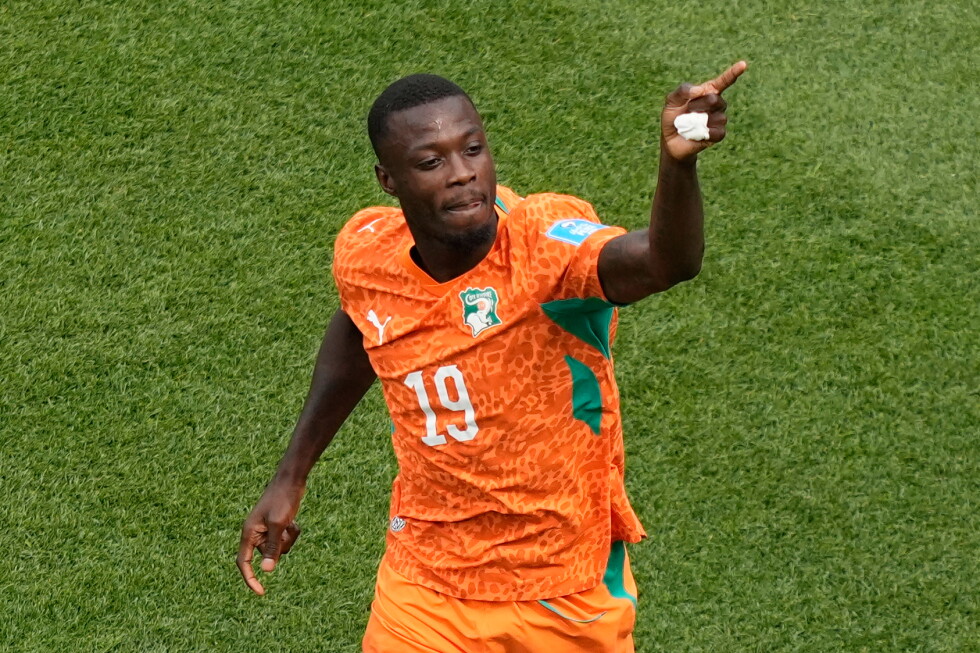
    PHILADELPHIA – In a historic night for West African football, Nicolas Pépé delivered a masterclass performance, scoring in both the first and second halves to lift Ivory Coast to a 2-0 victory over Curaçao on Thursday, punching the Les Éléphants’ first-ever ticket to the World Cup knockout stage.

    This breakthrough marks a milestone for Ivory Coast, which had failed to exit the group stage in its three previous World Cup appearances. The team’s path to the knockout round followed a tense Group E campaign: it opened the tournament with a dramatic 1-0 win over Ecuador at this very same Lincoln Financial Field stadium, then suffered a defeat to Germany in its second group match. Heading into Thursday’s decisive fixture, a draw was all Ivory Coast needed to advance, but the side came out firing from the opening whistle, never letting Curaçao gain a foothold in the match.

    Pépé, currently plying his trade with Spanish La Liga side Villarreal, killed any suspense of a Curaçao comeback just seven minutes into the game. The opening goal came from a Curaçao defensive mistake: the Caribbean side failed to clear a loose ball, which 19-year-old Yan Diomande – a prospect who moved to the United States four years ago speaking no English – intercepted and slotted through to Pépé, who tapped it easily past Curaçao goalkeeper Eloy Room to open the scoring.

    Buoyed by a raucous, home-like crowd at the NFL Philadelphia Eagles’ arena, Ivory Coast held onto its lead through the first half and extended it in the 64th minute. Pépé struck again with a clinical left-footed finish from the far corner of the box, sealing the three points and the historic qualification. Three minutes after his second goal, Pépé was substituted off to rest ahead of Ivory Coast’s upcoming knockout fixture, which is scheduled for June 30 against the runner-up of Group I – either France or Norway. The substitute striker received a standing ovation from the crowd of 68,324 fans, a number that equals roughly 40% of Curaçao’s entire population.

    Curaçao entered the match needing a full victory to advance, and came close to reaching a historic milestone of its own: a win would have made it the smallest nation by population ever to qualify for a World Cup knockout round. The autonomous Caribbean territory within the Kingdom of the Netherlands counts only around 156,000 inhabitants, and its national squad is made up almost entirely of players born and raised in the Netherlands. The Blue Wave came into Thursday’s fixture with momentum, after 37-year-old Room notched 15 spectacular saves against Ecuador to secure a 0-0 draw – the first World Cup point in Curaçao’s history – just three days prior.

    Ivory Coast’s strong connection to the Philadelphia area likely contributed to its warm welcome from the crowd. The team set up its pre-tournament training base in nearby Delaware, held practice sessions at the suburban home of Major League Soccer’s Philadelphia Union, and even played a friendly against the Union’s reserve squad during preparations. This local presence earned the side a growing group of adoptive fans, many of whom packed the stands in Ivory Coast’s iconic orange kit and erupted in celebration after each of Pépé’s goals.

    In team notes, Ivory Coast striker Elye Wahi, who is currently under investigation for alleged betting offenses during his time at French club Nice, came off the bench in the second half after being held out of the starting lineup for the Germany match. When the final whistle blew, Pépé was named Man of the Match for his decisive two-goal performance, capping off a historic night for Ivory Coast football.

  • Ecuador advances to World Cup knockout rounds, beats Germany 2-1 on Plata’s 77th-minute goal

    Ecuador advances to World Cup knockout rounds, beats Germany 2-1 on Plata’s 77th-minute goal

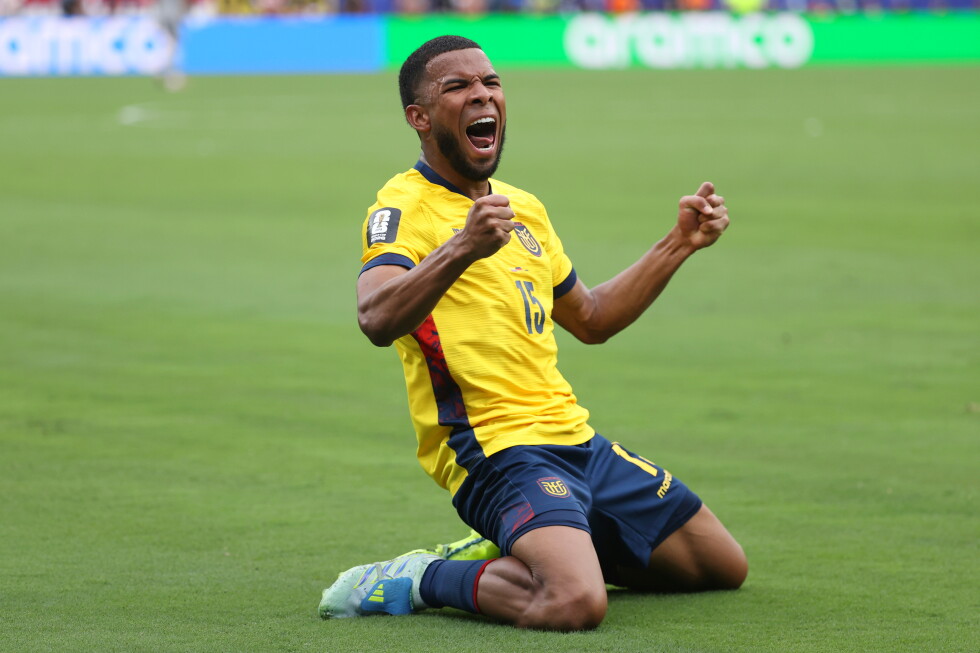
    In a thrilling, unexpected Group E showdown at New Jersey’s MetLife Stadium on Thursday, Ecuador pulled off a dramatic second-half comeback to secure a 2-1 victory over four-time World Cup champions Germany, punching their ticket to the tournament’s knockout round for only the second time in nation’s history.

    Germany, who had already locked in first place in the group with back-to-back wins to open the competition, got off to a blistering start. Just 110 seconds into the match, Leroy Sané netted his 18th international goal to put the European giants ahead early. The play unfolded after Aleksandar Pavlović collected a chested pass, found Florian Wirtz in open space, and Wirtz played a perfect centering pass to Sané inside the penalty area. Controversy briefly surrounded the opening goal, as Sané appeared to make contact with Ecuador’s Pedro Vite off a throw-in, but American referee Tori Penso allowed the goal to stand, despite loud protests from the Ecuadorian side.

    Ecuador did not let the early setback deflate their momentum, and answered back just seven minutes later. When Germany midfielder Felix Nmecha gave away possession cheaply in central midfield, Vite pounced on the mistake and slid a pass through to Nilson Angulo. The young winger dribbled toward goal, and fired a precise strike from just outside the 18-yard box that beat German goalkeeper Manuel Neuer at the far post, scoring Ecuador’s first goal of the 2026 tournament and leveling the score at 1-1.

    The game remained deadlocked through the first half, and an early second-half moment of drama tested both sides. Less than 30 seconds after the restart, Penso initially awarded Germany a penalty after Joel Ordóñez brought down Kai Havertz in the box. But a lengthy VAR review overturned the call, after officials spotted an earlier foul by Sané on Vite in the build-up to the play, wiping out Germany’s chance to retake the lead from the spot.

    The defining moment of the match came in the 77th minute, when Gonzalo Plata—who had already taken a hard blow to the head during Germany’s opening goal—delivered the match-winning strike. After Vite swung in a corner kick, Kevin Rodríguez flicked a header on toward the goal line. Neuer, the 40-year-old German veteran who came out of international retirement to feature in this World Cup, came off his line looking to claim the loose ball. But Plata got a toe to the ball before Neuer could wrap his hands around it, poking it into the empty net to put Ecuador ahead 2-1.

    The upset send Ecuadorian players, staff and the majority of the 80,666-strong crowd—most dressed in the nation’s iconic yellow kit—into wild celebration. Ecuadorian head coach Sebastián Beccacece even ran straight into the stands to share the moment with traveling fans after the winning goal.

    With the three points from the win, Ecuador finished the group stage with four points, enough to claim third place and advance to the knockout round. This marks just the second time Ecuador has moved past the group stage in World Cup history, with their first advance coming back in 2006, when they reached the round of 16.

    For Germany, the loss snapped an 11-game winning streak, leaving the side one win short of tying the national team record set between 1979 and 1980. Germany will now face off in the round of 32 on Monday at Foxborough, Massachusetts, with their opponent expected to be one of Paraguay, Australia or Sweden.

    Thursday’s match also helped the 2026 World Cup set an all-time attendance record. With the crowd at MetLife Stadium, the total tournament attendance through 56 games hit 3,587,539, surpassing the previous record set by the 1994 United States World Cup, which hosted 52 matches and drew a total of just under 3.58 million fans.

  • Trump wants $87.6 billion to pay for his war in Iran, etc.

    Trump wants $87.6 billion to pay for his war in Iran, etc.

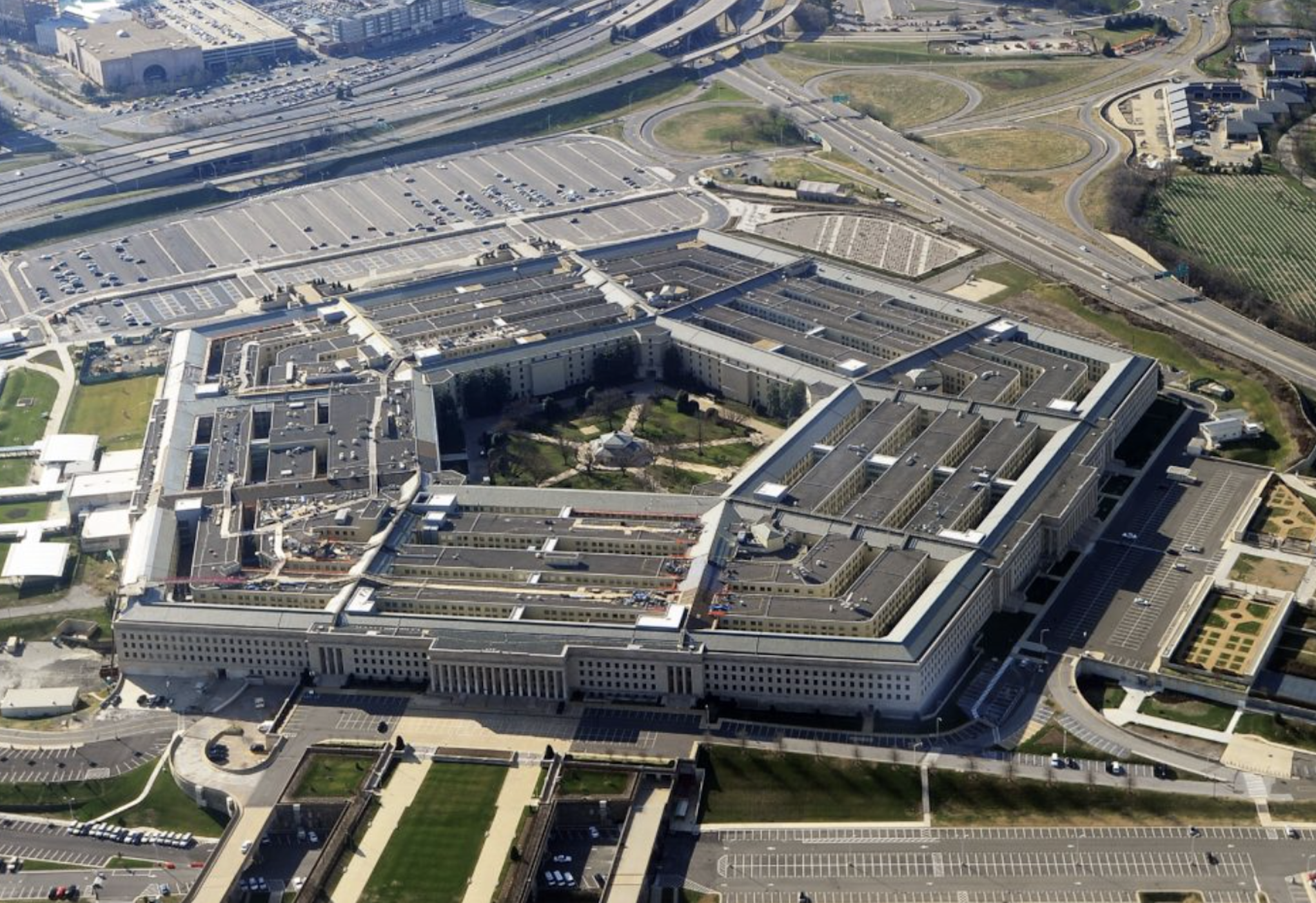
    WASHINGTON, D.C. – In a Wednesday submission to Capitol Hill, the Trump administration has formally requested $87.6 billion in emergency supplemental funding, with the largest share of the package earmarked for ongoing war-related operations in Iran and a wide array of additional federal priorities spanning agriculture, global health, infrastructure, and national security. The request has immediately run into partisan friction, as leading Democratic lawmakers have signaled strong opposition, arguing the package bundles unrelated pet projects for the Pentagon alongside funding for a conflict they frame as an unwise choice by the White House.

    Under the terms of the proposal, the largest allocation – $67.15 billion – is directed to the Defense Department to cover urgent operational needs tied to the Iran conflict. The remaining $20-plus billion is spread across 11 other federal agencies, covering priorities that range from domestic infrastructure to international public health. White House Office of Management and Budget Director Russ Vought outlined the scope of the request in a formal letter to Congress, noting that beyond defense needs, the package includes resources to support the U.S. response to the ongoing Ebola outbreak, financial relief for American agricultural producers, and investments in national nuclear security administered by the Department of Energy. Additional allocations include infrastructure projects in the nation’s capital, a $1 billion contribution to the modernization of New York City’s iconic Penn Station, pension benefit boosts for a group of retired Delphi Corporation workers affected by General Motors’ 2009 bankruptcy, upgrades to the World War II Memorial in Washington D.C., and classified operational funds for federal law enforcement and homeland security agencies.

    The request faces a uncertain path to passage, as it requires Democratic support to clear Congress. Senate Appropriations Committee’s top Democrat, Patty Murray of Washington, issued a sharp rebuke of the proposal in a public statement. Murray argued that the request is not merely a funding measure for the administration’s conflict in Iran – which she labeled a “disastrous war of choice” – but also a maneuver to secure tens of billions of dollars for unrelated Pentagon priorities that should be vetted through the regular annual congressional appropriations process. Murray noted that she would conduct a full review of the request and prioritize support for U.S. military service members, but made clear she would not approve the package without scrutiny. “I will not rubberstamp tens of billions more for this disastrous war of choice,” she wrote.

    Senate Appropriations Committee Chair Susan Collins, a Republican from Maine, took a more measured tone, announcing that she would conduct a thorough review of the proposal and planned to convene a full committee hearing to allow lawmakers to question senior administration officials directly about the funding request.

    The debate over the emergency funding comes on the heels of a recent development on Iran war policy: just ahead of the funding request, two Republican lawmakers flipped their votes to block a resolution that would have reined in the administration’s war powers for the Iran conflict, keeping the administration’s operational authority intact.

  • James doubtful for Panama but England hopeful on Rice

    James doubtful for Panama but England hopeful on Rice

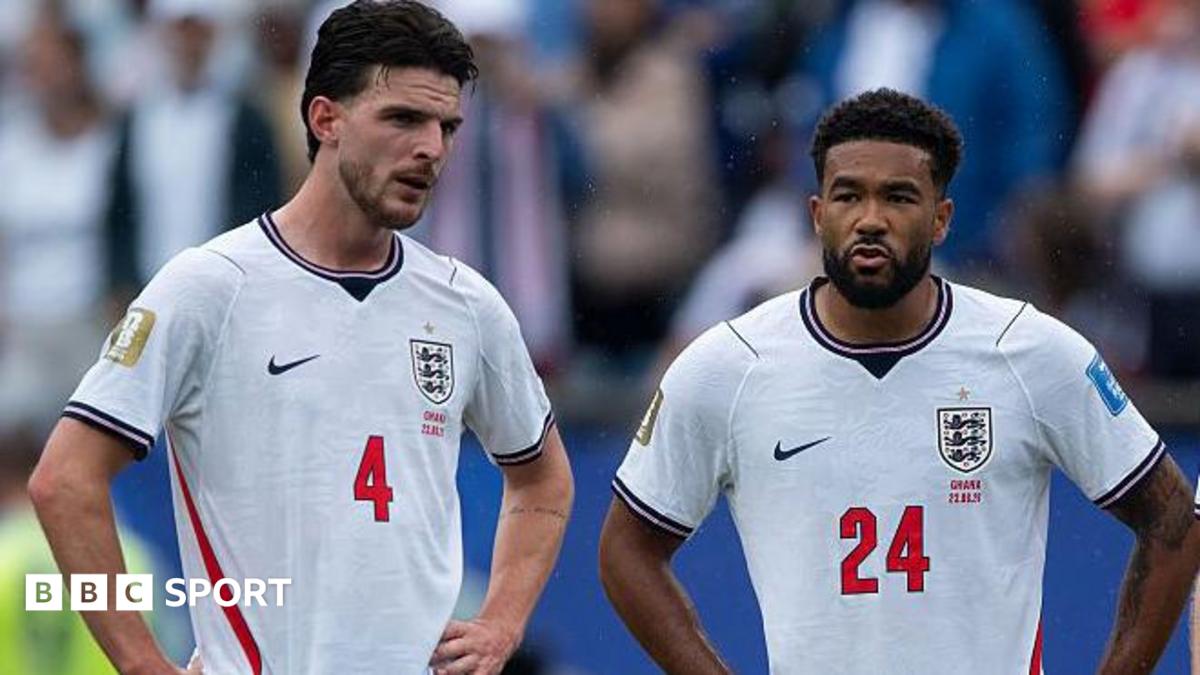
    As England prepares for its decisive final Group L match of the 2026 FIFA World Cup against Panama, two key first-team players have missed the squad’s pre-match training session, casting uncertainty over their availability for Saturday’s kickoff. The most pressing question hangs over 26-year-old starting right-back Reece James, who sustained a hamstring injury during England’s goalless draw with Ghana on Tuesday.

    James, a Chelsea star and a core fixture in manager Thomas Tuchel’s preferred starting eleven that has featured him in both of the Three Lions’ opening two World Cup matches, did not join his teammates for Thursday’s penultimate training session at England’s base in Kansas City. It is still unclear whether the defender will be fit enough to take the field against Panama, either in the starting lineup or as a substitute option when the two sides meet at New York New Jersey Stadium, with the match scheduled to kick off at 22:00 BST.

    Joining James on the absentee list from Thursday’s session was 27-year-old midfield anchor Declan Rice, who left the matchday stadium following the Ghana draw with medical strapping wrapped around his left calf. However, insider sources close to the England camp have indicated that Rice’s fitness status is far less of a concern than James’.

    Even with relatively minor fitness concerns, Tuchel still faces a selection dilemma over whether to start the Arsenal midfielder. Rice currently sits at risk of suspension for the knockout round of 32 after picking up a yellow card in the Ghana match, a factor that could push the manager to rest him for the final group fixture to avoid a suspension before the knockout stage.

    Heading into the final group match, England holds a narrow advantage at the top of Group L. The Three Lions sit above Ghana on goal difference, and hold a one-point lead over Croatia, the side they defeated 4-2 in their opening World Cup fixture. A positive result against Panama will secure England’s place in the knockout round, making fitness updates for the squad’s key stars all the more important ahead of the clash.

  • Two Republicans flip votes, blocking Iran war powers resolution

    Two Republicans flip votes, blocking Iran war powers resolution

    In a dramatic late-night reversal that capped a day of intense White House pressure and partisan friction, two Senate Republicans who had previously backed a measure calling for a withdrawal of U.S. forces from the ongoing conflict in Iran flipped their votes Wednesday, bowing to aggressive public and private berating from former President Donald Trump. Trump had lashed out at GOP lawmakers who supported the earlier resolution, branding them “losers” who were offering what he called “aid and comfort to the enemy.”

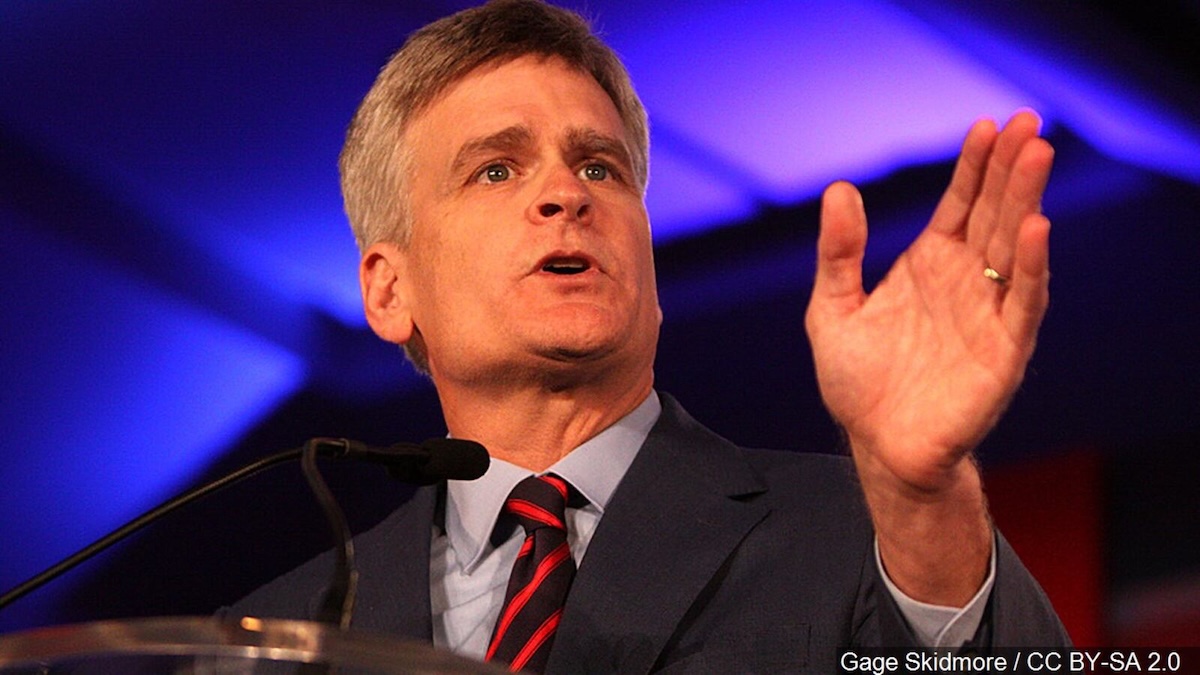
    Sen. Bill Cassidy of Louisiana, who was reported to have engaged in a shouting match with Trump over the Iran policy during a closed-door GOP lunch earlier the same day, ultimately joined nearly all other Senate Republicans in opposing the war powers resolution pushed by Democrats. Just one day prior, Cassidy had backed a separate, non-binding symbolic measure that called for the removal of U.S. troops from the Iran conflict. The second Republican, Sen. Rand Paul of Kentucky, also switched his position, moving to vote “present” after direct urging from the president.

    The hastily scheduled late vote was organized explicitly by Senate Republican leaders to placate Trump, who had publicly fumed over the initial symbolic resolution that passed the upper chamber earlier in the week. Sen. Tim Kaine of Virginia, the lead Democratic sponsor of the resolution that Republicans successfully blocked Wednesday, called the entire process nothing more than an effort to appease what he described as Trump’s “temper tantrum.”

    Kaine argued that after both chambers of Congress, when previously led by Republican majorities, took the historic step of voting to affirm that any expanded war against Iran would be illegal without explicit congressional authorization, Trump traveled to the Capitol to intimidate Republican senators who had upheld their constitutional oaths of office. Kaine emphasized that Wednesday’s flipped votes do not erase Congress’s formal stated position that further military action against Iran cannot proceed without a formal congressional vote of approval.

    Following the successful block of the resolution, Trump celebrated the outcome in a late-night post on his personal social media platform. He thanked top Senate Republican leaders and specifically highlighted the vote reversals by Cassidy and Paul as a key victory. Notably, Cassidy, who lost his re-election bid last month, had publicly stated just hours before the vote that he would not be bullied by the administration. After flipping his position, he said the White House had provided him with a thorough national security briefing on Iran that addressed many of his core concerns. Multiple reports indicate Trump called Cassidy a “lunatic” during their private confrontation at Wednesday’s lunch.

    Wednesday’s vote unfolded against the backdrop of fragile diplomatic negotiations between the U.S. and Iran, aimed at reaching a peaceful resolution to the conflict that Trump launched in late February. The military campaign has killed thousands of Iranians, disrupted global economic activity, and driven up consumer prices across the United States.

    Earlier on Wednesday, the White House formally submitted a request to Congress for an $87.6 billion emergency supplemental funding package, nearly $70 billion of which would go toward covering operational military costs incurred during the Iran war.

    Democratic lawmakers across the chamber have uniformly rejected the funding request, framing it as a waste of critical taxpayer resources that could be directed toward domestic priorities. Rep. Brendan Boyle of Pennsylvania, the top Democrat on the House Budget Committee, said in a statement that the tens of billions in military spending requested by the Trump administration could instead be used to shore up American healthcare, provide food assistance to hungry children, and ease the financial burden working families face covering basic daily needs. Boyle added that Trump is forcing American taxpayers to continue paying for a reckless, unnecessary war that has pushed gas and consumer goods prices sharply higher, put U.S. military personnel in unnecessary danger, and done nothing to improve security in the Middle East.

    Sen. Patty Murray of Washington, the top Democratic appropriator in the Senate, said she would refuse to rubber-stamp tens of billions more in funding for what she called a disastrous, unnecessary war of choice. She argued that the president tells the American public there is insufficient funding for core domestic priorities like healthcare, affordable housing, and childcare, while simultaneously claiming there should be unlimited taxpayer money for an unpopular war most Americans do not support.

  • Things to know about the Venezuela earthquakes

    Things to know about the Venezuela earthquakes

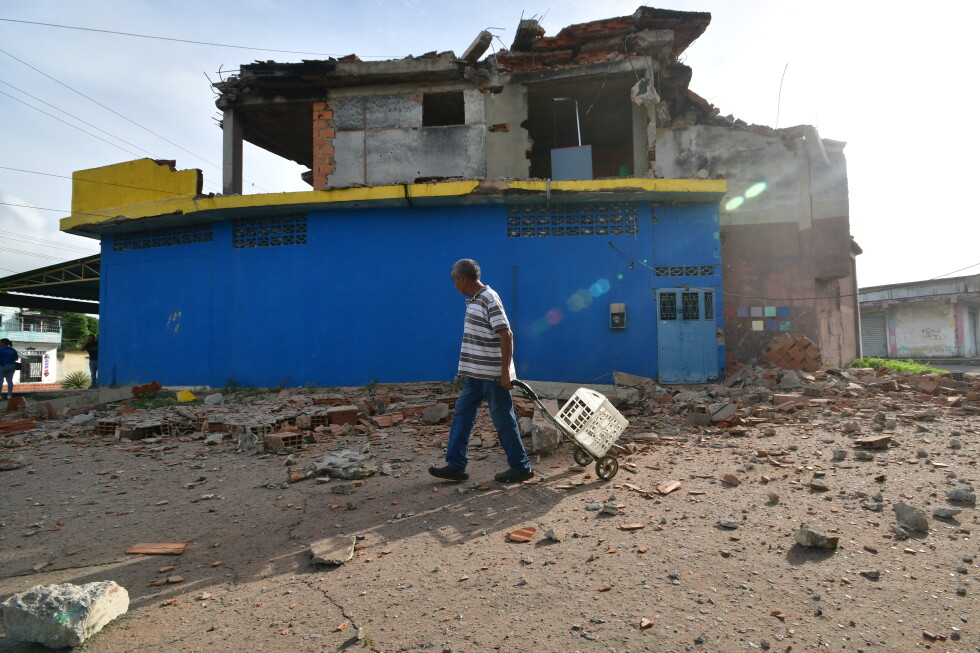
    On Wednesday, a rare and powerful double earthquake event, formally called an earthquake doublet, devastated northern Venezuela, leaving at least 188 people confirmed dead, more than 200 trapped under rubble, and over 1,500 injured. Thousands more are currently unaccounted for, with rescue officials warning that the death toll is almost certain to rise as search operations continue through collapsed infrastructure. One of the hardest-hit areas is La Guaira, a coastal region located just north of the capital city Caracas, where dozens of buildings have been completely leveled.

    According to data from the U.S. Geological Survey (USGS), the two major seismic events struck just 39 seconds apart along the San Sebastian fault on Venezuela’s northern Caribbean coastline. The first, a 7.2-magnitude foreshock, originated 22 kilometers (14 miles) deep, 170 kilometers (105 miles) west of Caracas near the coastal town of Morón. Barely half a minute later, a stronger 7.5-magnitude mainshock hit 10 kilometers (6 miles) deep, just 16 kilometers (10 miles) southwest of Morón. USGS experts confirmed that the back-to-back quakes, classified as a doublet due to their similar magnitude, close timing and proximity, resulted from shallow strike-slip faulting along the complex tectonic boundary between the Caribbean and South American plates. The event ranks among the most powerful seismic activity recorded in Venezuela in more than a century.

    Acting President Delcy Rodríguez has declared La Guaira, which sits around 165 kilometers (103 miles) east of the mainshock’s epicenter, a full disaster zone. Authorities have deployed all available rescue resources from across the country to the region, where civilian volunteers and first responders have worked around the clock to pull survivors from crumbled concrete. Footage from the scene shows survivors covered in dust and blood emerging from rubble, while distraught families grieve outside flattened homes. Grief-stricken residents have posted hundreds of missing-person flyers with photos of lost loved ones, and shared handwritten lists of unaccounted-for names across social media and community boards in a frantic search for information.

    Widespread damage extends far beyond La Guaira, reaching all the way into the capital Caracas and triggering evacuations as far away as Brazil’s Amazon region, more than 1,700 kilometers (1,050 miles) from the epicenter. In downtown Caracas, hundreds of residents spent the first night after the quake huddled in open public spaces including parks and parking lots, terrified to return to damaged, unstable structures for fear of aftershocks. Large swathes of the capital lost power and cellular connectivity immediately after the quake. Caracas’ main international airport sustained significant structural damage and has been closed to all traffic, subway operations across the city have been suspended, and natural gas service has been shut off as a safety precaution. Local officials have canceled classes at all schools for several days, repurposing the facilities as emergency public shelters and donation collection centers. In response to the disaster, Rodríguez announced the government has established a $200 million reconstruction fund to repair damaged hospitals and residential buildings.

    The disaster comes as Venezuela faces already severe political and economic challenges, adding an unprecedented new crisis to Rodríguez’ tenure. Rodríguez, a former vice president, assumed office in January after former President Nicolás Maduro was captured by U.S. authorities. Maduro and his wife Cilia Flores are currently jailed in New York City awaiting trial on drug trafficking charges. Rodríguez inherited a nation that has struggled with crippling economic turmoil for more than a decade, and her government already faces deep political division: large segments of the Venezuelan population reject the legitimacy of her ruling movement, even as some of her former loyalists have criticized her leadership and recent diplomatic warming toward the U.S.

    International support has already begun mobilizing to assist Venezuela’s response to the disaster. The U.S. government announced Thursday it would deploy two specialized urban search and rescue teams to the country, alongside $150 million in humanitarian aid distributed through independent nongovernmental organizations and the United Nations Office for the Coordination of Humanitarian Affairs. The United Nations confirmed that international search and rescue teams are expected to begin arriving in the country within hours of the announcement. Additional aid pledges have come from Qatar and Mexico, among other nations. Meanwhile, the large Venezuelan diaspora in the U.S. — which counts more than 770,000 people, with large concentrated communities in Florida, Texas and Utah — has moved quickly to organize grassroots donation drives to support disaster survivors.