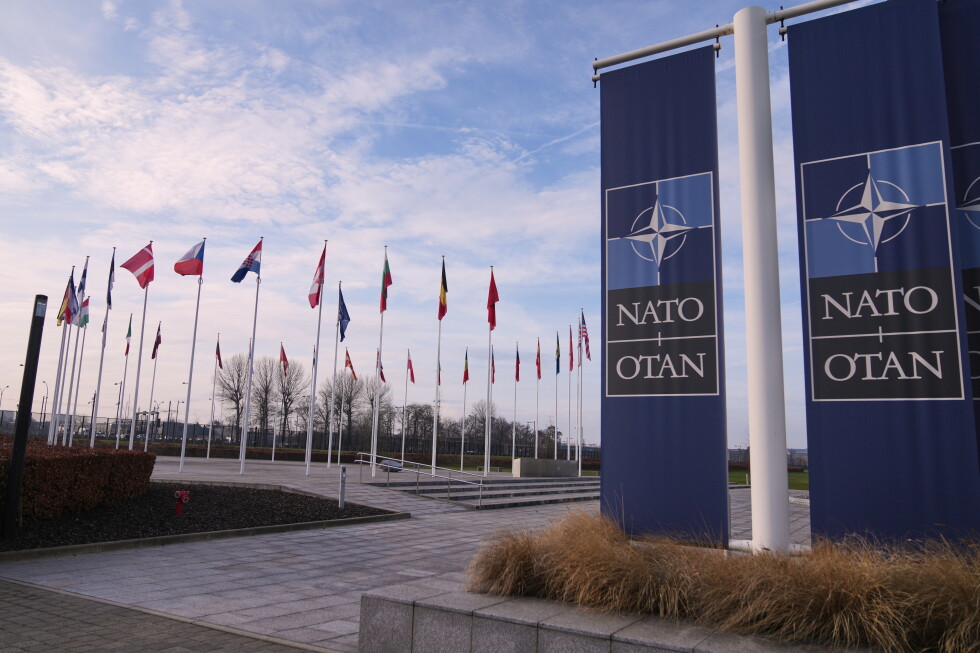
As Turkey prepares to host a high-stakes NATO summit next week in its capital Ankara, a pair of controversies surrounding press freedom and civil liberties have emerged, drawing sharp criticism from domestic and international watchdog groups ahead of the gathering of 32 alliance leaders. On Thursday, Turkish journalism advocacy organizations confirmed that multiple independent and opposition-aligned Turkish media outlets have been officially denied press accreditation to cover the July 7-8 summit, a move that press freedom groups decry as a direct attack on core journalistic rights. The outlets locked out of the event include some of Turkey’s most prominent independent and critical voices: Halk TV, Sozcu TV, Cumhuriyet newspaper, online news platform T24, and ANKA, one of the country’s oldest independent news agencies. According to the Turkish Journalists’ Association, which released the findings alongside other cross-organization media solidarity collectives, none of the affected outlets or journalists received a formal explanation for the accreditation rejection, nor were they granted any avenue to appeal the decision. “Preventing certain media outlets from covering events of critical public importance undermines fundamental freedoms of information and independent reporting,” the association said in its official statement. The group also called on global bodies to back their stated democratic commitments by addressing the restriction. U.S. President Donald Trump is among the heads of state set to attend the summit, where alliance leaders are scheduled to debate ongoing collective defense spending commitments and work to project a unified front amid ongoing global security challenges. When reached for comment on the accreditation issue, a NATO spokesperson addressed the alliance’s process for host nation summits in a statement posted to the social platform X. Allison Hart, NATO’s spokesperson, noted that for summit gatherings held outside the alliance’s permanent Brussels headquarters, local accreditation decisions fall under the purview of the host country. Still, Hart emphasized the alliance’s priority: “We are in contact with Turkish authorities on accreditation for the NATO Summit in Ankara. It is very important for NATO that media can attend major events in person.” As of Thursday, Turkish government officials have not issued any public response to questions about the accreditation denials. The accreditation controversy comes amid broad security crackdowns in Ankara in the lead-up to the summit, which have also sparked condemnation from rights groups. Earlier this week, Ankara’s chief prosecutor’s office confirmed that Turkish security forces had detained more than 200 people ahead of the gathering, with officials saying the detainees are suspected of having ties to extremist organizations. But opposition parties and independent Turkish media reports have pushed back on that framing, noting that the detained cohort includes a sitting opposition politician, academic, working journalist, prominent LGBTQ+ activist, and multiple human rights lawyers. Opposition and advocacy groups have called for the immediate release of all detainees. Human Rights Watch became the latest major international body to criticize the pre-summit detentions on Thursday, urging NATO to hold host nation Turkey to basic democratic standards for the duration of the summit. “The misuse of terrorism laws to conduct mass arrests and silence people in the run-up to a NATO summit flies in the face of the founding values of the alliance,” said Benjamin Ward, the group’s deputy director for Europe and Central Asia. “The authorities should immediately release those detained, and NATO should insist that peaceful expression and assembly must be permitted around the summit.” In response to the criticism, Turkey’s government Communications Directorate defended the detentions in a Thursday statement, maintaining that all detainees “were assessed to have been involved in activities connected to various terrorist organizations.”
Turkish journalism groups say independent outlets denied accreditation for a NATO summit in Ankara