博客

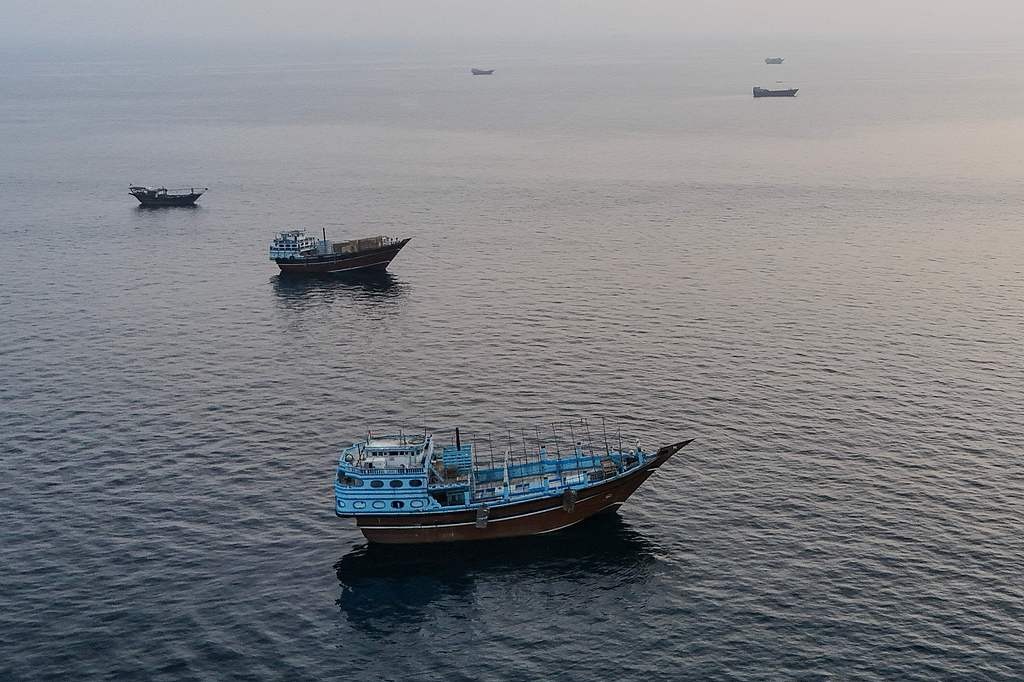
  • Truce comes under strain as US, Iran trade strikes

    Truce comes under strain as US, Iran trade strikes

    Less than two weeks after the United States and Iran signed a fragile interim ceasefire to end a four-month conflict that upended global maritime trade and roiled international energy markets, the hard-won truce is now facing severe strain. Fresh tit-for-tat strikes have reignited tensions between the two powers, with both sides accusing one another of violating the terms of the peace agreement in a dispute over shipping access through the strategically critical Strait of Hormuz.

    The cycle of violence began on Saturday, when the U.S. military carried out airstrikes against 10 Iranian military targets located in Sirik, Bandar-e Lengeh, and Qeshm Island. U.S. Central Command said the operation was launched in retaliation for an Iranian drone attack on the Panama-flagged oil tanker *Kiku* that occurred earlier the same day near the strait. According to Reuters reporting, the *Kiku* was attempting to traverse an alternative shipping lane along Oman’s coastline, a bypass route that operates separate from the waterway regulated by Iranian authorities.

    This attack was not an isolated incident. It followed another tit-for-tat exchange just three days prior, when a drone struck the Singapore-registered container ship *Ever Lovely* on Thursday. The U.S. responded to that incident with strikes near Sirik, and Iran retaliated by targeting American military outposts across the Persian Gulf.

    Shortly after Saturday’s U.S. strikes, U.S. President Donald Trump confirmed the operation in a social media post, noting that American forces had targeted Iranian missile and drone storage facilities as well as coastal radar sites. Trump warned that Washington could soon reach a breaking point where it would no longer act with restraint. “If that happens, the Islamic Republic of Iran will no longer exist!” he wrote.

    Early on Sunday, Iran launched its retaliatory attack, firing missiles and drones at U.S. military installations stationed in Kuwait and Bahrain. Within an hour of Iran’s assault, Kuwait’s army confirmed its air defense systems were engaging the incoming hostile missiles and drones, while Bahrain’s Interior Ministry reported air raid sirens had been activated across the country. Both Kuwait and Bahrain publicly condemned Iran’s attack, labeling it a clear violation of their national sovereignty.

    In a statement carried by Iran’s state-run Press TV, the Islamic Revolutionary Guard Corps (IRGC) emphasized that the U.S. strikes had already violated the ceasefire agreement. The IRGC warned that any additional American attacks would lead to the full suspension of all diplomatic negotiations aimed at securing a permanent end to hostilities. The IRGC Navy Command added that U.S. military bases across the region “will experience hell in the coming days” if hostilities continue.

    Iranian Foreign Minister Abbas Araghchi clarified Tehran’s position on Sunday, stressing that Iran retains full control and oversight of the Strait of Hormuz for the next 30 days. Once all outstanding barriers are resolved, he said, full shipping capacity through the waterway will be restored. “Any fresh military escalation will worsen the situation, delay the full reopening of the strait and push tensions even higher,” Araghchi added, issuing a warning to outside powers against interfering in the region’s affairs.

    The core dispute at the heart of the renewed tensions centers on shipping access through the Strait of Hormuz, a chokepoint that historically carries roughly one-fifth of the world’s total oil and natural gas shipments. Washington has pushed for the creation of a new southern shipping corridor off Oman’s coast to allow unregulated transit, while Tehran insists all vessels passing through the strait must use its designated shipping channel. Iran maintains that any attempt to use alternative routes directly violates the terms of the interim ceasefire.

    Even amid escalating tensions, the French shipping giant CMA CGM confirmed that one of its container ships, the *Galapagos*, successfully sailed out of the strait on Sunday morning. The company described the transit as “an important milestone in a regional context that remains complex.”

    While hostilities have reignited, some regional security analysts remain cautiously optimistic that the conflict can still be contained. Wolfgang Pusztai, a Vienna-based defense analyst, noted that the limited scope of retaliatory strikes from both sides indicates neither Washington nor Tehran is currently seeking full-scale war. “The scale of retaliatory strikes from both Iran and the US does not signal either side intends all-out war. To my mind, there remains room for a negotiated diplomatic settlement,” Pusztai told Al Jazeera, though he acknowledged that unintended full-scale escalation cannot be completely ruled out.

  • Pakistani airstrikes kill 36 civilians in Afghanistan and wound 160, officials say

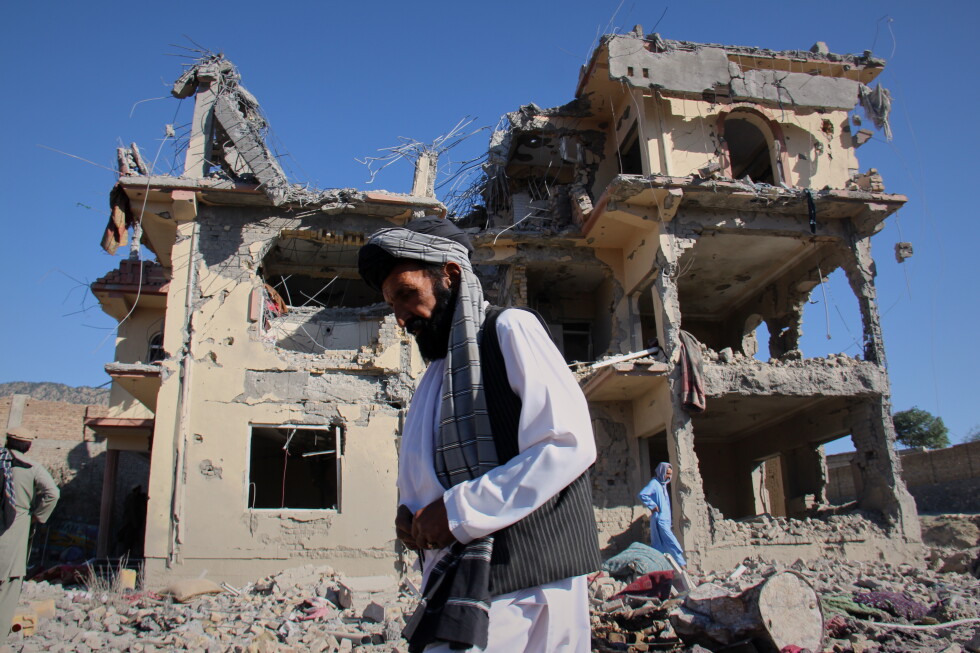
    Pakistani airstrikes kill 36 civilians in Afghanistan and wound 160, officials say

    Escalating tensions between neighboring Pakistan and Afghanistan have reached a new boiling point after a round of overnight cross-border ground operations and airstrikes launched by Pakistan left at least 36 Afghan civilians dead and more than 160 injured, Afghan government officials confirmed Monday. The deadly exchange has reignited a months-long cycle of tit-for-tat violence that has defied international mediation efforts, raising alarm over broader instability in South Asia.

    Pakistan’s account of Sunday’s operation frames it as a targeted counterterrorism action. Information Minister Attaullah Tarar told reporters that Pakistani security forces first carried out a ground sweep along the shared border before launching strikes on purported militant hideouts and safe havens inside Afghan territory, killing 29 suspected fighters. Tarar emphasized the operation was launched in direct response to a recent surge of militant attacks across Pakistan, culminating in an assault on the regional headquarters of Pakistan’s paramilitary Rangers force in Karachi that left three soldiers dead earlier this month. Three attackers were killed in the aftermath of the Karachi strike, and security forces captured a wounded assailant identified as an Afghan national. Jamaat-ul-Ahrar, a banned breakaway faction of the Tehrik-e-Taliban Pakistan (TTP), claimed responsibility for the Karachi attack.

    Tarar shared three videos on the social platform X that he says confirm strikes hit sprawling militant camps operated by Jamaat-ul-Ahrar and Fitna al-Khwarij across Afghanistan’s Paktia, Paktika, and Kunar provinces. He added that the strikes destroyed stockpiles of weapons and ammunition, and that Pakistan’s aggressive counterterrorism campaign will continue at full speed to eliminate what Islamabad calls the menace of foreign-backed terrorism operating from Afghan soil.

    Islamabad’s claim of foreign sponsorship centers on long-standing allegations that India funds and supports anti-Pakistan militant groups operating from Afghanistan, a charge New Delhi has repeatedly and forcefully rejected. Following Tarar’s statements, Indian Foreign Ministry spokesperson Randhir Jaiswal dismissed the claims as baseless, arguing that Pakistan should instead focus on addressing terror infrastructure within its own borders.

    Pakistan uses the term “Khawarij” to refer to the Indian-backed TTP and other affiliated militant groups. The TTP is a separate organization from the Afghan Taliban, which returned to power in Kabul following the 2021 withdrawal of U.S. and NATO forces, but the two groups maintain close ideological and operational ties.

    For Afghan authorities, the cross-border strikes are an unprovoked act of aggression that constitutes blatant brutality against innocent civilians. Hamdullah Fitrat, deputy spokesperson for the Taliban-led Afghan government, laid out details of the civilian casualties that challenge Pakistan’s narrative of targeted counterterrorism action. Fitrat said Pakistani forces first struck a private residential home in Paktia’s Chamkani district, killing an elderly man and a young child and wounding multiple other family members. When local residents gathered at the site to pull survivors from the rubble, Pakistani forces carried out a second strike on the area, killing 28 additional villagers and wounding 158 more.

    Additional strikes hit other civilian targets across the region, Fitrat said. A separate residential home in Paktika’s Giyan district was hit, killing six people, most of whom were women and children. In Kunar province, a strike on a civilian home caused no human casualties but killed roughly 30 head of livestock, leaving local families without their primary source of livelihood.

    Hayatullah Mohajer Farahi, deputy minister for publications at Afghanistan’s Ministry of Information and Culture, condemned the operation as a cowardly act of aggression by Pakistan’s military government. He made clear that Afghanistan would not let the attack go unanswered, saying retaliation would come at a time of Kabul’s choosing. “This will definitely be retaliated against in due time,” Farahi said. “The decisions of the [Afghan] regime are not made based on emotions, but rather serious measures are taken at the right time.”

    Sunday’s operation is just the latest escalation in a months-long cycle of cross-border violence that has killed hundreds of people on both sides since February, when Afghanistan launched retaliatory strikes after an earlier Pakistani incursion into Afghan territory. Sunday’s action came less than three weeks after Pakistan carried out another round of airstrikes on purported militant hideouts inside Afghanistan, ending a roughly month-long period of uneasy calm that followed Islamabad’s declaration of an “open war” against militants operating from Afghan soil.

    Multiple rounds of diplomatic talks have failed to produce a permanent ceasefire. In April, China hosted senior delegations from both Pakistan and Afghanistan for mediated talks, after which Beijing announced the two sides had agreed to avoid further escalation and work toward a negotiated solution to border and counterterrorism disputes. That agreement has failed to stop the violence, however.

    As of Monday, Pakistani officials reported that an uneasy calm had returned to the border region, though security forces remain on high alert for potential retaliatory attacks from Afghanistan or militant groups.

  • How the new Brazil is taking shape and why Cunha is key

    How the new Brazil is taking shape and why Cunha is key

    As the 2026 FIFA World Cup knockout stage approaches, Brazil’s national side is finally hitting its stride at the perfect moment, with head coach Carlo Ancelotti settling on a core starting XI that has grown sharper, more confident, and more cohesive with every group stage outing. Their next test, a Round of 32 clash with Japan, looms as a stiff challenge — but right now, everything feels like it is falling into place, and much of that success can be traced back to the unexpected standout of Brazil’s attack: Matheus Cunha.

    For decades, Brazilian football fans have demanded a traditional, out-and-out number nine leading their front line, a imposing goalscorer in the mold of legendary strikers like Ronaldo, Romario, and Adriano. Cunha does not fit that classic mold. Instead, he operates as a dynamic “nine-and-a-half” — a hybrid forward capable of holding the central striking role while also dropping deep to link play, create chances for teammates, and contribute to build-up play. With three tournament goals already to his name, he is far from a pure playmaker, but he brings a unique versatility to Brazil’s attack that no other center-forward in the team’s recent history has ever offered.

    In his movement off the ball, Cunha draws direct comparisons to former Liverpool and Brazil forward Roberto Firmino, constantly dropping into deeper areas to pull opposition center-backs out of their defensive shape. If a defender follows Cunha deep, it opens up acres of space in behind for Brazil’s flying wingers Vinicius Junior and Rayan to exploit. If the defender stays anchored to the goal line, Cunha is free to receive the ball between the lines, create attacking sequences, or test the goalkeeper from open play. He has also fully embraced the less glamorous side of his role, leading the team’s high press and even dropping into a position in front of midfield to disrupt opposition build-up, creating a critical balance that has unlocked Brazil’s attacking potential.

    Cunha’s rise to become Brazil’s starting center-forward came about almost by accident. Heading into the tournament, Ancelotti had no clear first-choice striker, having tested a host of options including Cunha, Igor Thiago, Endrick, Joao Pedro, and Richarlison during preparation. A late injury ultimately opened the door for the current combination that has clicked: when versatile attacker Raphinha picked up a hamstring injury in Brazil’s opening match against Morocco, he was replaced by Rayan, a winger who stays fixed to the right flank rather than drifting across the front line. With Vinicius Junior holding down the left and Rayan on the right, Cunha is left with all the space he needs to roam into his preferred deep-lying positions, a setup that plays directly to his strengths. Ancelotti still retains options for different match scenarios — Igor Thiago offers a more traditional target-man presence for when Brazil is chasing a game or facing a physically imposing defense — but fans back in Brazil have quickly embraced Cunha as the solution to the side’s long-standing striker question.

    Much of the credit for this successful evolution of Brazil’s side goes to Ancelotti himself, whose adaptability has reshaped what people expect from a Brazilian national team. The Italian manager is widely lauded for his elite man-management skills, but his tactical intelligence often flies under the radar. Unlike many modern sides that prioritize holding 70% or more of possession to control games, Ancelotti’s Brazil is comfortable ceding the ball to opponents, drawing them forward into vulnerable areas, then hitting them with organized, high-intensity counter-pressing. This trap worked to perfection against Scotland, where Brazil conceded possession but controlled the space, scoring two goals (one disallowed harshly) in a result that left Scotland’s knockout hopes all but dashed. The tactic was not a fluke, either: Brazil used the same approach to score similar goals in pre-tournament warm-up matches against Panama and Egypt. For Ancelotti, there is no need to force a fixed “team identity”; instead, the side adapts its style to fit the opponent and the flow of the match.

    This iteration of Brazil is a marked break from the nation’s classic footballing templates in more ways than one. For decades, Brazil built their success around attack-minded, overlapping full-backs from the legendary generation of Roberto Carlos, Cafu, and Dani Alves. This time around, Ancelotti has opted for more conservative full-backs who stay back to shore up the defense, a change that allows Vinicius Junior to stay higher up the pitch and stay fresher for attacking transitions. The backline has gelled into a solid unit, and Ancelotti has also tweaked his formation to fix early midfield issues: after 34-year-old Casemiro was left badly exposed playing as a lone defensive midfielder in the opening match against Morocco, the side shifted from a 4-2-3-1 to a 4-3-3, with Lucas Paqueta partnering Casemiro to cover when Bruno Guimaraes makes attacking runs forward. This adjustment has given Brazil much more solid control of the midfield, a critical improvement ahead of their game against Japan, a fluid, dangerous attacking side that will test Brazil’s center of the park.

    After three group stage matches, Brazil’s form speaks for itself: the side has conceded only one goal while netting seven, and a growing sense of optimism has replaced the pre-tournament anxiety that dominated back home. Right now, the Brazilian public is behind this new-look side, and the team is peaking at exactly the right time to make a deep run in the tournament.

  • South Korea unveils $1tn chip and AI investment plan

    South Korea unveils $1tn chip and AI investment plan

    Against the backdrop of a global AI boom that has sent semiconductor demand skyrocketing, South Korea has announced an ambitious, roughly $1 trillion investment strategy to scale up its domestic chip manufacturing and artificial intelligence ecosystem over the coming years. This initiative forms the core of the nation’s newly launched “Three Mega Projects”, which focuses on developing three cornerstone technology assets: new semiconductor production hubs, large-scale AI data centers, and advanced robotics infrastructure.

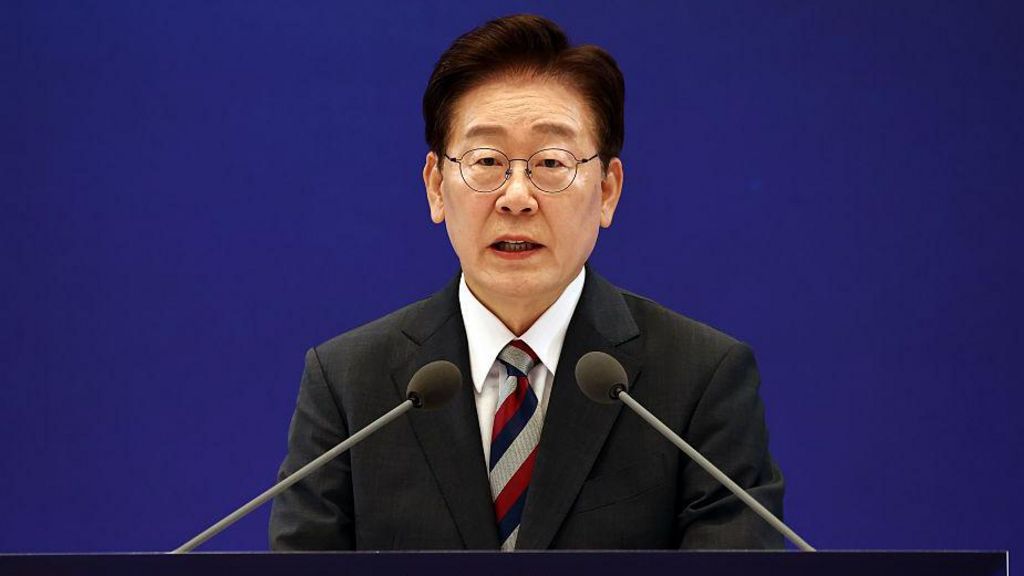
    In a televised national address on Monday, South Korean President Lee Jae-myung framed the initiative as more than a technology push—it is a strategy to revitalize regional economies outside the overconcentrated Seoul capital area, where the vast majority of the country’s advanced industrial capacity is currently clustered. “We must secure the core elements of AI faster than any other country,” Lee stated during the event. “Semiconductors, physical AI, and AI data centers are the triple axis for a great leap forward.”

    The announcement was joined by top executives from Samsung and SK Hynix, South Korea’s two largest semiconductor manufacturers, which are set to lead the development of a new massive semiconductor production hub in the country’s southwestern region. Beyond the chip hub, the plan outlines the construction of additional AI infrastructure nodes across non-capital regions to spread economic opportunity more evenly across the country.

    In pre-address remarks, Lee emphasized that the project is a matter of national economic survival, noting it addresses decades of rural decline driven by the concentration of industry and opportunity in Seoul. “Now, we must break this long-standing cycle of discrimination and marginalization—not only for the sake of justice and equity, but also to ensure sustainable and inclusive growth,” he wrote.

    For Samsung and SK Group, the timing of the investment aligns with a historic windfall from the global AI infrastructure boom. Both companies count leading AI chip designer Nvidia among their key customers, and they have emerged as two of the largest beneficiaries of surging global corporate spending on AI development. SK Hynix alone saw its public market valuation top $1 trillion in May, a surge driven directly by booming demand for AI-capable memory chips from data center operators worldwide.

    The current global market context underscores the urgency of South Korea’s push. U.S. tech giants including Google, Amazon, and Meta have collectively committed to $650 billion in AI technology spending this year alone. This unprecedented demand has triggered a global semiconductor shortage, pushing component prices higher across the industry. Just last week, both Apple and Microsoft raised prices on select consumer devices in response to elevated component costs.

    While the plan has broad government and industry backing, it has not been without market caution. Some global investors have raised concerns about the massive flood of capital pouring into the AI and semiconductor sectors globally, a trend that has contributed to a recent pullback in technology stock prices across major markets. Regional competitors including Taiwan, China, and Japan have also announced massive similar investment programs into chip manufacturing and advanced AI technology in recent months, intensifying global competition in the sector.

  • Watch: Australian charged with murder of Thai teen found in suitcase

    Watch: Australian charged with murder of Thai teen found in suitcase

    A shocking homicide investigation has unfolded in Thailand after authorities discovered the mutilated body of a 17-year-old girl stuffed inside a abandoned suitcase, leading to murder charges against an Australian citizen. In the early hours of Saturday morning, first responders were alerted to the suspicious bag left beside a stretch of railway tracks, where local police confirmed the grim discovery of the teenager’s remains. Law enforcement officials have not yet released additional details about the identity of the victim beyond her age and nationality, nor have they disclosed a potential motive for the killing, or the circumstances that led investigators to connect the Australian suspect to the crime. The discovery has sent shockwaves through the local community, with many residents expressing alarm over the brutal nature of the crime that unfolded in a normally quiet area near the transit corridor. Investigators are currently working to piece together the timeline of events leading up to the teen’s death, conducting forensic analysis on the suitcase and the crime scene, and interviewing witnesses who may have seen any suspicious activity near the railway tracks in the hours before the body was found.

  • Australian charged with murder of Thai teen found in suitcase

    Australian charged with murder of Thai teen found in suitcase

    A shocking homicide investigation in Thailand has resulted in murder charges against an Australian man, following the grim discovery of a 17-year-old Thai girl’s remains concealed inside a suitcase. The case, which has drawn cross-border attention, unfolded after authorities located the teenager’s body, launching an immediate probe that led to the identification and arrest of the foreign suspect. Law enforcement officials have not yet released additional details about the motive behind the killing, the exact location where the suitcase was found, or the circumstances of the victim’s death, as the investigation remains ongoing. The incident has sparked conversations about cross-border crime and traveller safety in the popular Southeast Asian nation, as legal proceedings prepare to move forward against the accused Australian national.

  • A long-awaited Australia-Vanuatu pact blocks China from building a military base

    A long-awaited Australia-Vanuatu pact blocks China from building a military base

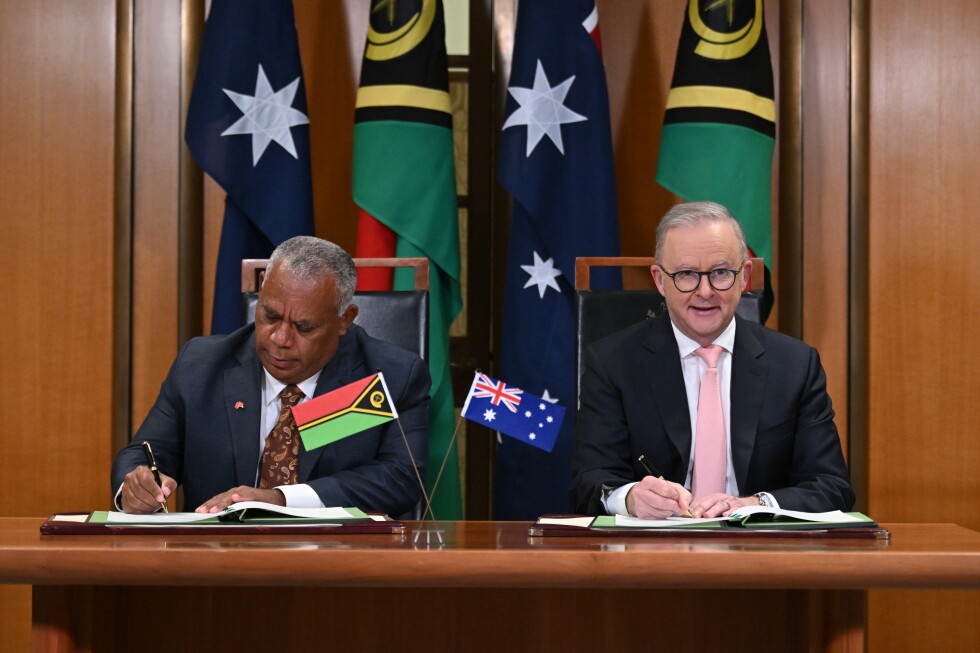
    CANBERRA, Australia – In a long-anticipated step that reshapes regional security dynamics in the South Pacific, Australian Prime Minister Anthony Albanese and Vanuatuan counterpart Jotham Napat have formalized the bilateral Nakamal Agreement, a sweeping security and economic partnership designed to block any third-party nation from establishing a permanent military foothold on Vanuatuan soil. The signing on Monday comes nine months after the Vanuatuan government walked away from an earlier draft of the treaty, raising questions about Canberra’s push to counter growing Chinese influence across the Pacific region.

    Vanuatu’s initial rejection of the 2023 draft stemmed from widespread domestic concerns that the original text would overly restrict the island nation’s ability to court global infrastructure investment, leaving it overly dependent on Australia. Key concessions in the revised version addressed these concerns: unlike the first proposal, Australia does not hold an official veto over third-party engagement in Vanuatu’s critical infrastructure, though the agreement requires Vanuatu to hold formal consultations with Canberra before moving forward with major third-party projects in strategic sectors.

    The core terms of the finalized accord remain clear: Vanuatu has formally committed to bar all foreign military bases or military-focused infrastructure on its territory, and pledged to protect its critical national infrastructure from foreign militarization, interference, or unauthorized access. In addition, the treaty outlines that when responding to large-scale natural disasters – a frequent risk for low-lying Pacific island nations – Vanuatu will prioritize coordination and support from Australia, New Zealand, and France. Vanuatu has also agreed to prioritize policing cooperation with members of the Pacific Islands Forum, a 18-member bloc of regional nations and territories that includes Australia, though the agreement does not ban existing engagement with Chinese police personnel. China has never maintained a permanent police presence in Vanuatu, which has a total population of roughly 350,000, but Chinese officers make regular visits to the country.

    In remarks to reporters following the signing, Albanese emphasized that the new agreement codifies Australia’s long-standing position as Vanuatu’s largest and most comprehensive partner across economic, security, and development cooperation. “This agreement reflects and confirms Australia’s role as Vanuatu’s largest and most comprehensive economic, security and development partner, a responsibility that we take seriously,” Albanese said.

    Napat echoed the framing of the partnership as a mutual, respect-driven alliance, noting “this pact reaffirms our shared commitment to continuing and strengthening the comprehensive partnership between our two countries, founded on mutual respect, trust and our common vision for a peaceful, stable and prosperous Pacific.”

    The Nakamal Agreement is just one of several regional security deals Australia has pursued or negotiated with Pacific neighbors in recent years, part of a broader strategy to limit expanding Chinese security influence in the strategically vital South Pacific. The original draft proposal offered Vanuatu 500 million Australian dollars (equivalent to roughly $344 million USD) in funding over 10 years, but Albanese confirmed that full details of the revised agreement’s funding commitments will not be released to the public until December.

    In a notable disclosure during Monday’s proceedings, Napat confirmed that Vanuatu continues to negotiate a separate broad cooperation agreement with China, dubbed the Namele Agreement, which he has previously characterized as a purely development-focused deal, not a security pact. Napat noted that the text of the Namele Agreement will be made public once it receives formal approval from Beijing, adding that the Vanuatuan government has nothing to hide regarding its diplomatic and economic engagements. “Currently, it’s not yet signed. We will share the (Namele) agreement. There is nothing to hide. Our government is transparent and I am so grateful that the Prime Minister (Albanese) has also given me the clearance to share with them (China) the Nakamal Agreement,” Napat said. Vanuatu has already received hundreds of millions in Chinese loans and development aid for public infrastructure projects, including government buildings, port wharves, and other key assets.

    The path to Monday’s signing has been fraught: last September, Albanese was notified just hours before he was scheduled to fly to Vanuatu for the signing of the original draft that the Vanuatuan cabinet had rejected the proposal, in a move that embarrassed the Australian government and drew global attention to competing great power interests in the Pacific.

  • Great stories, little jeopardy – does the new World Cup format work?

    Great stories, little jeopardy – does the new World Cup format work?

    The 2026 FIFA World Cup has arrived with a transformative new format, expanding the tournament field from 32 to 48 teams and restructuring the group stage into 12 four-team groups. While the change has delivered unforgettable underdog narratives that captured global football fans’ hearts, it has also sparked fierce debate about whether the overhaul has delivered on its promise of a more competitive, entertaining tournament. Now, as the first 48-team group stage wraps up and the expanded 32-team knockout round gets underway, analysts and fans alike are weighing the successes and shortcomings of FIFA’s bold experiment.

    The most compelling vindication of FIFA president Gianni Infantino’s expansion plan comes from the tiny Atlantic archipelago nation of Cape Verde. Written off by pundits before the tournament even began, Cape Verde pulled off one of the most remarkable underdog runs in World Cup history to claim a spot in the knockout rounds, ousting two-time champion Uruguay from their group alongside European champion Spain. A shutout draw against Spain, a 2-2 tie with Uruguay, and a final group draw against Saudi Arabia secured Cape Verde second place in the group with just three points, setting up a blockbuster round of 32 matchup against defending world champion Argentina in Miami this Friday.

    The story of Cape Verde’s run is intertwined with the viral rise of their 40-year-old goalkeeper Vozinha, a journeyman who spent his entire club career in lower-tier European leagues across Moldova, Cyprus, Slovakia, and Portugal. His heroic penalty-saving performance against Spain turned him into an overnight global sensation: his Instagram follower count skyrocketed from 50,000 before the match to over 16.7 million today, and enough fan support raised funds to fly his mother to the tournament from Cape Verde after she was initially unable to afford a U.S. visa. That kind of once-in-a-lifetime, emotional narrative is exactly what expansion proponents promised the new format would deliver, giving smaller nations the platform to create moments that resonate across the sport.

    Cape Verde is far from the only small nation that delivered memorable moments under the new format. Curacao, the smallest country to ever qualify for a World Cup, earned a credible draw against Ecuador despite failing to advance. DR Congo held defending champion Portugal to a 1-1 draw to sneak into the knockout rounds as one of the best third-placed teams, and Haiti’s Wilson Isidor scored what is already being called a contender for goal of the tournament against Morocco. For African football in particular, the tournament has been a historic breakthrough: nine of the 10 African qualifying nations advanced to the knockout round, a staggering show of strength that has validated arguments for expanding the tournament to give more African sides a shot at competing on the global stage. Six nations including Bosnia-Herzegovina, Canada, DR Congo, and South Africa have reached the knockout round for the first time in their history, a new milestone for global football representation.

    For all the heartwarming Cinderella stories, though, the new format has faced sharp criticism for its structural flaws that stripped much of the tension and competitive jeopardy from the group stage. The biggest issue is the rule that allows the top two teams from each group plus the eight best third-placed teams to advance to the knockout round, paired with FIFA’s decision to make head-to-head results the first tiebreaker for teams level on points, rather than overall goal difference. The result was that by the final matchday, four group winners had already secured their top spot with a game to spare, and five teams had already been eliminated before their final group fixture, leaving nine matches with nothing tangible to play for. Had FIFA retained goal difference as the primary tiebreaker, every side would have still had something to compete for going into the final round of group matches.

    This lack of stakes also created a lopsided dynamic that favored top elite nations, with almost no upsets of major sides in meaningful matches — a stark contrast to the 2022 World Cup, where Saudi Arabia stunned eventual champion Argentina in the group stage. Of the 12 tournament top seeds, only co-host Canada and Portugal failed to win their groups. Critics argue that the 12-group structure inherently reduces the risk of upsets, turning the 72-game group stage into a prolonged exercise to weed out the lowest-ranked teams before the real tournament begins. Even Ghana coach Carlos Queiroz, whose side advanced as a third-placed team, has spoken out against the format, calling it “vulgar and ordinary.”

    Another glaring flaw is the uneven advantage given to teams in later groups for third-place qualification. Scotland and South Korea both finished with three points and were eliminated, but were forced to wait three full days for the final group matches to conclude to learn their fate. In contrast, Senegal knew exactly how many goals they needed to score against Iraq to claim the last third-place spot ahead of their match, and secured their place with a 5-0 win. In the final group match, Austria and Algeria both knew that a draw would see both advance and eliminate Iran, leading to a match that fizzled out in the final 20 minutes with neither side willing to risk attacking play.

    On paper, the new format has delivered on one key promise: goals. This year’s group stage has averaged 2.99 goals per game, the highest average for any World Cup group stage since the 32-team format was introduced in 1998, and the highest overall across any World Cup since the 1958 tournament in Sweden. But much of this goal explosion has come in lopsided matches between elite and underdog sides: 18 group games were decided by three or more goals, compared to just five at the 2022 Qatar World Cup. Many of these lopsided wins came when the top side had already secured qualification and rotated their squad, or the weaker side had already been eliminated, leading to questions about how much this goal glut actually reflects a more competitive tournament.

    The performance of different confederations also reveals a mixed picture of expansion’s success. While African nations exceeded all expectations, other regions have underperformed sharply. Asia received eight automatic qualification spots, doubled from four in the 2022 format, plus one additional spot via playoffs, but only Australia and Japan advanced. Across 27 matches, Asian sides picked up just three wins, averaging only 0.67 points per game. For the North American, Central American and Caribbean confederation CONCACAF, all but one of the confederation’s 20 total points came from the three co-hosts: the three additional qualifier sides Curacao, Haiti, and Panama scored just three goals and conceded 21 combined.

    Now, after weeks of group stage play, the expanded 32-team knockout round is finally underway. For supporters of the new format, the Cape Verde Cinderella run and African breakout have already proven that expansion has opened up the World Cup to new stories and new talent. For critics, the structural flaws that reduce tension and create uneven advantages have turned the group stage into a prolonged, low-stakes warm-up for the knockout round that many describe as the “real World Cup” anyway. As the world watches the remaining teams compete for the 2026 trophy, the debate over whether the 48-team format is here to stay will only intensify.

  • China imposes export controls on 40 Japanese entities as tensions with Tokyo rise

    China imposes export controls on 40 Japanese entities as tensions with Tokyo rise

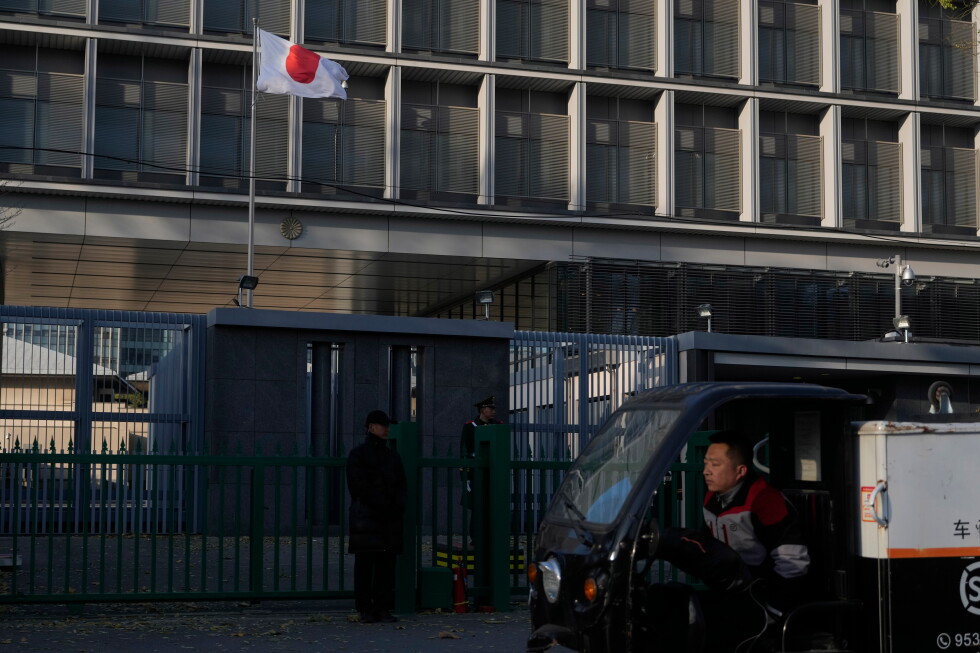
    Escalating long-simmering geopolitical tensions between Beijing and Tokyo, China announced new sweeping export restrictions on Monday targeting 40 Japanese entities that Beijing accuses of enabling Japan’s accelerating military buildup. According to an official statement released by China’s Ministry of Commerce, 20 Japanese firms — including multiple business divisions of the major Japanese conglomerate Mitsubishi Corporation — have been added to a formal control list. This designation bars both Chinese and foreign-based exporters from selling China-manufactured dual-use goods, products that have both civilian and potential military applications, to the listed entities.

    A further 20 Japanese organizations have been placed on a watch list for dual-use trade, the ministry confirmed. Notable entities on this secondary monitoring list include Mitsui E&S, a manufacturer of marine engines and key shipboard equipment, alongside selected divisions of technology giant Fujitsu and construction equipment producer Komatsu. For Chinese exporters seeking to conduct business with watch-listed firms, strict new regulatory requirements are now in place: exporters must obtain specialized government licenses, submit detailed third-party risk assessments of the Japanese entities, and file formal written guarantees confirming that the exported dual-use items will not be diverted to military end-uses.

    In its official statement, the Ministry of Commerce emphasized that the new measures are fully justified, procedurally reasonable, and compliant with both domestic Chinese law and international trade norms. The policy is explicitly framed as a targeted deterrent against what Beijing calls Japan’s “reckless push for new militarism.” The statement went on to urge Japanese leadership to acknowledge its policy missteps, reverse its current confrontational trajectory, pursue genuine reflection on historical actions, and return diplomatic and security relations to a cooperative path.

    The rift between the two Asian powers has widened sharply over the past year, after Japanese Prime Minister Sanae Takaichi’s administration suggested Japan could intervene militarily if China attempted to seize Taiwan by force. China claims the self-governing island democracy of Taiwan as an inalienable part of its sovereign territory, and has increased military pressure on the island in recent years.

    Beyond the Taiwan issue, Takaichi’s government has moved aggressively to expand Japan’s military offensive capabilities. Recent policy shifts include lifting longstanding restrictions on lethal weapons exports, deploying extended-range missiles to remote Japanese island outposts, and plans to revise national defense and security policy documents by December, a move that is widely expected to unlock further increases to Japan’s already growing defense budget. Just on Monday, Japan’s Ground Self-Defense Force confirmed it had deployed a Type-12 surface-to-surface missile launcher to Minamitorishima, Japan’s southernmost remote Pacific island, a move widely interpreted as a direct response to increased Chinese military and maritime activity in the Western Pacific.

    This round of export controls marks the second major trade action China has taken against Japanese entities this year. Back in February, Beijing added an identical 20 firms to its export control list and another 20 to the watch list. According to Monday’s statement, Japan has failed to course-correct following the February restrictions, instead doubling down on what Beijing calls its “wrong path” by accelerating remilitarization, deploying offensive weapons systems, and conducting missile test launches.

    Tensions have flared further in recent weeks over maritime claims in waters east of Taiwan. Earlier this month, the China Coast Guard conducted organized patrols in the region, which Chinese state media framed as a “pointed warning” to both Japan and the Philippines after the two nations announced plans to hold bilateral talks on overlapping maritime claims in waters Beijing asserts as its own. In an uncommon display of coordinated diplomatic pushback, the United Kingdom, Germany, and France released a joint statement last week condemning Chinese maritime activity east of Taiwan and reaffirming their opposition to any unilateral change to the cross-strait status quo between Beijing and Taipei.

    Reporting contributions for this article were provided by Mari Yamaguchi in Tokyo.

  • Asian shares are mixed as tech stocks fall in Japan and South Korea

    Asian shares are mixed as tech stocks fall in Japan and South Korea

    Global financial markets kicked off the trading week with sharp divergence on Monday, as a renewed pullback in high-flying artificial intelligence-focused equities pulled major benchmarks in Japan and South Korea lower, while offsetting gains in other regional indexes and stabilizing oil prices kept overall losses in check. The mixed trading session comes against a backdrop of rising geopolitical risk, after fresh escalations between the United States and Iran over the weekend stoked new uncertainty for the already fragile global economic outlook.

    Over the weekend, Iran responded to new U.S. airstrikes by launching a fresh wave of drone and missile attacks targeting Bahrain and Kuwait, ratcheting up tensions that have roiled global energy markets since the outbreak of conflict in late February. Currently, oil prices have edged higher in early Monday trading but remain near the levels they held before the latest Iran conflict began, even as analysts warn that complacency among traders could leave markets exposed to sudden price swings.

    Japan’s Nikkei 225, one of the Asian markets that has seen the most dramatic gains from the AI boom over recent quarters, dropped 1% to close at 68,704.70 on Monday, extending a 4.2% decline from the previous Friday. Japanese investment conglomerate SoftBank Group, which holds a major stake in leading AI developer OpenAI, led the downturn with a 5.9% drop, following a steep 12.5% fall in the previous trading session.

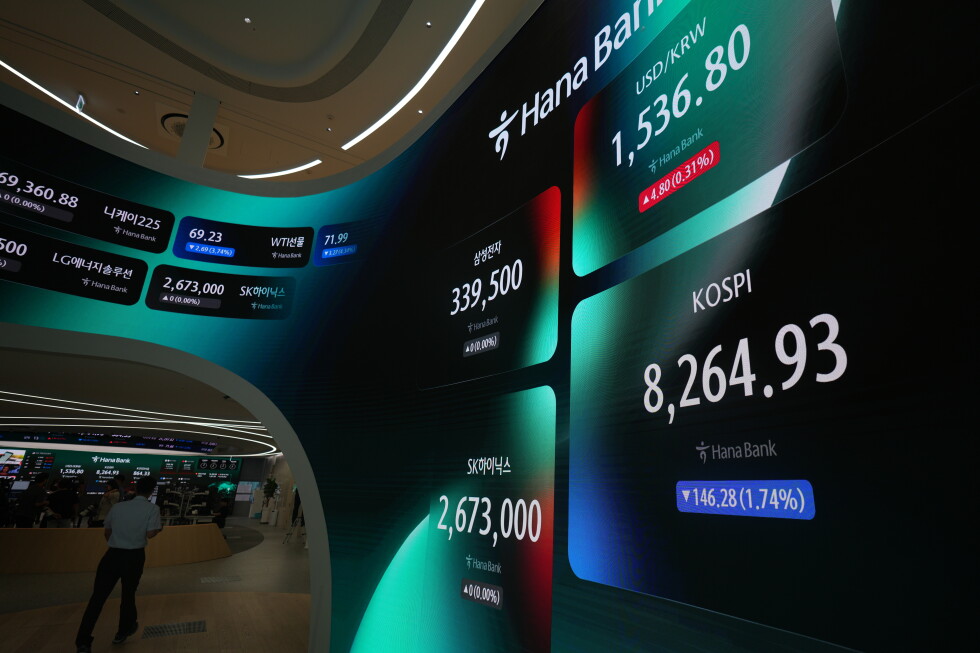
    South Korea’s Kospi index also underperformed, falling 2% to settle at 8,246.50 after a 5.8% loss on Friday. Tech giant Samsung Electronics slid 6%, while major memory chipmaker SK Hynix — whose core business relies heavily on demand for AI-related components — dropped 4.5%. Both Japanese and South Korean markets have seen massive rallies over the past year, driven by soaring demand for the semiconductors and high-end components that power generative AI systems, but a recent wave of valuation concerns has trimmed those double-digit gains across the board.

    Other major regional markets bucked the downward AI-driven trend, however. Taiwan’s Taiex index, which has also benefited heavily from the global AI boom thanks to its home to leading contract chipmaker Taiwan Semiconductor Manufacturing Company (TSMC), gained 1.1% on Monday to recoup a portion of the 3.6% loss it posted on Friday. Hong Kong’s Hang Seng Index jumped 2.1% to 23,153.89, while mainland China’s Shanghai Composite Index edged 0.2% higher to 4,034.08. Australia’s S&P/ASX 200 added 0.4% to close at 8,798.00, and India’s Sensex held nearly steady with minimal change.

    The pullback in AI-focused stocks that hit Asian markets on Monday originated on Wall Street last Friday, when valuation worries swept through the U.S. tech sector. By the close of trading on Friday, U.S. markets ended mixed: the S&P 500 slipped less than 0.1% to 7,354.02, the tech-heavy Nasdaq Composite dropped 0.2% to 25,297.62, and the Dow Jones Industrial Average fell 0.1% to 51,876.11. Major U.S. AI and chip stocks led the declines, with Micron Technology falling 6.7%, Intel dropping 3.4%, Nvidia sliding 1.6%, and Advanced Micro Devices (AMD) losing 2.1%. U.S. futures pointed to modest gains when U.S. markets reopen for the week.

    In energy markets, Brent crude, the global benchmark for oil prices, gained 0.7% to reach $73.27 per barrel in early Monday trading, while U.S. benchmark West Texas Intermediate crude rose 0.8% to $70.02 per barrel. Both benchmarks remain near the levels they traded at before the outbreak of the latest Iran conflict in late February, but analysts warn that significant upside risk remains for prices amid ongoing escalations.

    “There’s still plenty of risk facing the oil market over U.S.-Iran re-escalation,” ING commodities strategists Warren Patterson and Ewa Manthey noted in a client commentary released Monday. Recent attacks on commercial vessels have also raised new questions about navigation safety through the Strait of Hormuz, a critical chokepoint for a large share of global oil exports. The analysts argued that oil traders have become “too optimistic” about how quickly supplies from the Persian Gulf will recover following the outbreak of conflict, and that this complacency creates substantial exposure to sudden price jumps if supply recoveries lag or tensions escalate further.

    In foreign exchange trading, the U.S. dollar edged slightly higher against the Japanese yen, rising to 161.81 yen from 161.71 yen in previous trading. The euro held steady, remaining unchanged at $1.1386.