博客

  • New Zealand looks to wrap up series win over England on Stokes’ final day of international cricket

    New Zealand looks to wrap up series win over England on Stokes’ final day of international cricket

    NOTTINGHAM, England — A historic chapter of international cricket is poised to close at Trent Bridge this week, with two major storylines converging on the final day of the decisive third Test: New Zealand stands just one day away from its first Test series win on English soil in a quarter-century, while England’s charismatic captain Ben Stokes is set to wrap up his legendary international career on a potentially somber note.

    After two tightly contested matches, the series hangs in the balance heading into the final day. England resumes play at 103 runs for the loss of four wickets, still requiring a further 270 runs to reach the 373-run target set by New Zealand. The pitch has deteriorated rapidly over the course of the match, turning into a difficult surface for batting that heavily favors the bowling side, making England’s chase an uphill battle that most analysts consider all but lost.

    England’s slim hopes of a comeback now rest entirely on veteran batter Joe Root, who remains unbeaten on nine runs at the close of play on day four. Root is joined at the crease by Emilio Gay, who has notched six runs so far, and the pair are the only remaining specialist batters left in England’s batting order.

    For New Zealand, a win on Monday would secure a 2-1 series victory, marking the Black Caps’ first series win over England on home soil in a series of three or more Tests since 1999. The side enters the final day as overwhelming favorites to clinch the historic win, a milestone that would cement their status as one of the world’s top Test cricket nations.

    For the host nation, a defeat would bring an unwanted milestone of its own: it would be England’s first home series loss in a three-Test or longer series since 2012. It would also mark a disappointing end to the international career of Ben Stokes, the all-rounder who has reshaped English cricket over the past four years as captain.

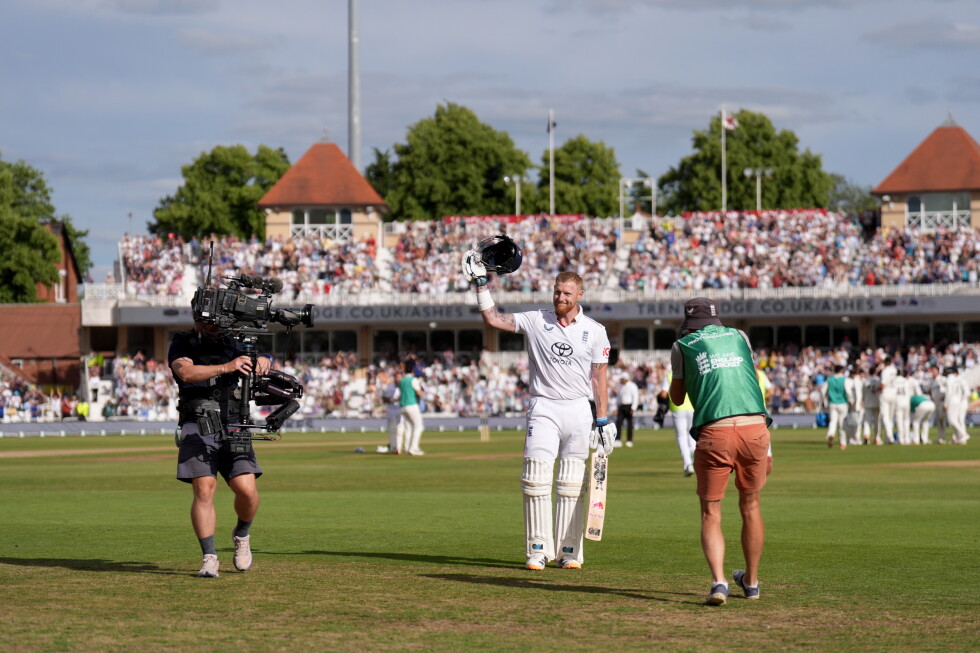
    Stokes dropped his bombshell announcement on Sunday, revealing his retirement plans first to his shocked teammates in the team dressing room ahead of the day’s play, before releasing a public statement to the wider cricketing world just ahead of the tea interval. The 32-year-old confirmed he would step down from the England captaincy after four years in the role and retire completely from international cricket with immediate effect after the conclusion of this Test.

    Stokes’ eventful, era-defining career with England is now down to its final hours. Already dismissed for 30 runs in England’s first innings, he is expected to spend the decisive final day watching from the dressing room balcony, as his side fights to avoid the defeat that would mark the end of his international tenure.

  • Andy Burnham to set out his economic vision as he speeds toward power in Britain

    Andy Burnham to set out his economic vision as he speeds toward power in Britain

    MANCHESTER, England — As the overwhelmingly likely next prime minister of the United Kingdom, Andy Burnham is preparing to lay out a bold plan to redistribute political power and economic opportunity away from London and the country’s overconcentrated southern region, with a major policy speech set for Monday in his longstanding political base of Manchester.

    Fresh off securing a parliamentary seat in a June 18 special election and just weeks away from an expected unchallenged Labour Party leadership victory that will put him in Downing Street by July 20, Burnham is moving quickly to solidify his policy agenda for voters, party colleagues, and global financial markets. The leadership contest was triggered by incumbent Prime Minister Keir Starmer’s surprise June 22 announcement that he would step down as soon as a successor is selected, capping a turbulent two-year term marked by repeated missteps that eroded his support among both the Labour base and the general public.

    Burnham’s core proposal is a 10-year national strategy he calls “good growth in every postcode,” designed to correct decades of geographic economic inequality that has left most of the UK’s wealth and political influence concentrated in London and the South East. Drawing directly from his nine-year tenure as Greater Manchester’s mayor, he plans to replicate the region’s public-private partnership model for investing in transportation, affordable housing, and core infrastructure across every region of the country.

    In a notable break from recent prime ministerial tradition, Burnham will also announce plans to relocate a portion of the prime minister’s official operational team permanently to Manchester, alongside a binding pledge to devolve far greater authority over housing, welfare policy, and education to elected regional mayors. His speech will also include commitments to create new high-quality industrial jobs, expand access to skilled educational opportunities, and push for reform of the UK’s privatized water and energy sectors, which have drawn widespread criticism for inefficiency and sky-high consumer costs.

    For his work turning around Manchester’s economy and revitalizing the region, Burnham has earned broad public praise, but critics note key risks to his national agenda. He has not held a national government post in nearly 20 years, and political observers debate whether the locally successful “Manchester model” can scale effectively to the entire country. He also inherits the same deep structural challenges that derailed Starmer’s tenure: a stagnant national economy, frayed public services, a persistent cost-of-living crisis, and binding 2024 Labour campaign pledges not to raise taxes on working households that limit his fiscal room to maneuver.

    On the international front, the UK faces growing pressure from NATO allies to dramatically boost defense spending to counter an increasingly assertive Russia amid growing uncertainty over the reliability of long-term U.S. security commitments. A long-delayed national defense investment plan, which triggered the June 11 resignation of Defense Secretary John Healey, is set to be released ahead of the July 7-8 NATO summit in Turkey, and Burnham will be expected to honor all commitments outlined in the document once he takes office.

    Opposition Conservatives have already rejected Burnham’s agenda as empty political restructuring. “Andy Burnham’s big idea is to shuffle power between politicians,” said Conservative Party Chairman Kevin Hollinrake. “Not fix the welfare system. Not cut the taxes strangling working families and British business. Not fund the defense our country desperately needed.”

    With no other candidates having entered the Labour leadership race as of yet, the contest is widely expected to result in Burnham being confirmed as prime minister without a vote, marking one of the fastest ascents to top office in modern UK political history.

  • South Korean tech giants to build a $518 billion chipmaking hub to serve soaring AI demand

    South Korean tech giants to build a $518 billion chipmaking hub to serve soaring AI demand

    Two of South Korea’s global semiconductor powerhouses, Samsung Electronics and SK Hynix, unveiled a landmark $518 billion (800 trillion won) investment plan Monday to construct a cutting-edge computer chip manufacturing hub in the country’s underdeveloped southwest, a move directly tailored to meet the explosive growth in chip demand spurred by the global artificial intelligence boom.

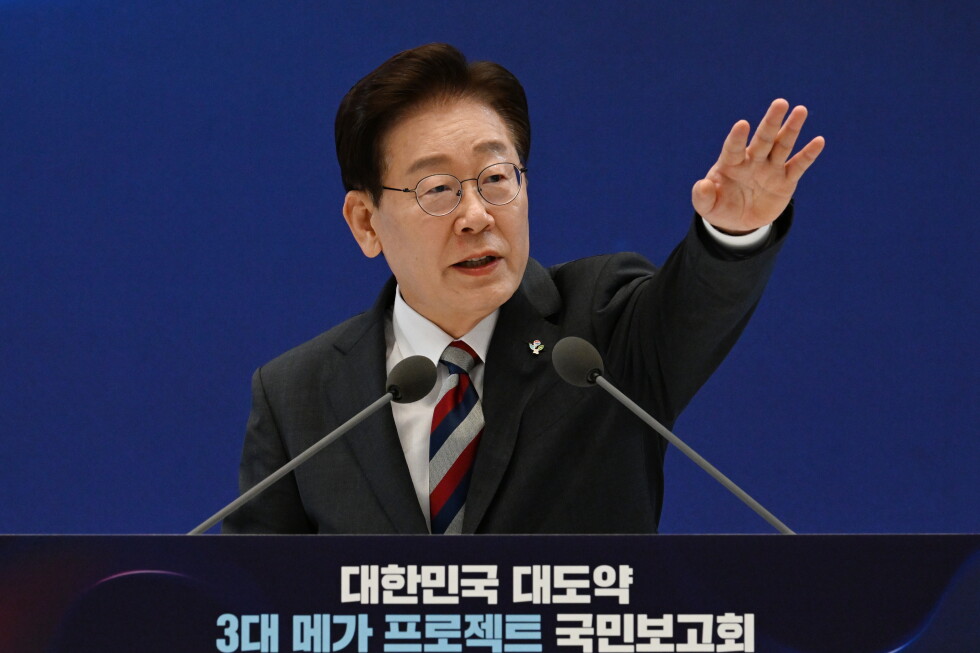
    The announcement was joined by South Korean President Lee Jae Myung and the executive chairs of both firms, marking a major win for the administration’s policy to spread high-value industrial investment beyond the Seoul metropolitan area — the nation’s current economic and semiconductor core that has long concentrated the country’s industrial wealth. The southwest region has historically lagged in economic development, lacking large-scale advanced industrial hubs, and it is a longstanding political stronghold for President Lee’s liberal Democratic Party.

    Together, Samsung and SK Hynix control roughly two-thirds of the global memory chip market, a component that has become indispensable for powering AI data centers, large language models, and next-generation smart devices. Under the new plan, each company will build two new fabrication plants (fabs) in the southwest, expanding their production footprint outside their existing clustered manufacturing complexes in Gyeonggi Province, just south of Seoul. Samsung’s new facilities will be located in the southwestern city of Gwangju, where multiple potential sites have already been identified — including land belonging to a military air base that is scheduled for relocation.

    Company leaders have not yet released a firm completion date for the new fabs, noting that large-scale semiconductor manufacturing projects carry massive infrastructure requirements. SK Hynix Chair Chey Tae-won emphasized that developing a major chip cluster is an extraordinarily complex undertaking, noting that the company’s existing major manufacturing base in Gyeonggi Province took nine years to complete. Even so, Chey added that rapid expansion of production capacity is non-negotiable to match the accelerating pace of global demand for AI-grade chips.

    Questions have been raised about whether the southwest region can support the massive power and water needs of advanced semiconductor fabs, which require consistent, high-volume utility access to operate. But South Korean government officials have pushed back on these concerns, noting that the region’s robust existing and planned renewable energy capacity will actually give the new hub a competitive advantage. Global chipmakers are facing growing international pressure to decarbonize their manufacturing processes and shift to low-carbon electricity sources, a requirement the new southwest location is positioned to meet.

    In recent months, both Samsung and SK Hynix have posted record-breaking profits, driven by the skyrocketing global investment in AI infrastructure, from cloud data centers to AI-enabled industrial hardware. Industry analysts and government leaders project that AI-driven chip demand will only continue to climb as the technology integrates into new use cases, including AI-powered industrial robots and autonomous vehicles. With that growth, experts warn that the companies’ existing Gyeonggi Province facilities could hit maximum production capacity much faster than initially projected.

    Alongside the private sector investment announcement, the South Korean government outlined a broader national strategy to build an end-to-end domestic semiconductor ecosystem. Under the plan, existing industrial hubs in the country’s southeast will scale up production of chip components and raw materials, the central Chungcheong region will specialize in advanced chip packaging technologies, and new AI data centers will be distributed across multiple regions nationwide.

    Speaking at Monday’s launch event, President Lee emphasized the strategic urgency of the project for South Korea’s long-term economic competitiveness. “We must establish the core building blocks of artificial intelligence faster than any other country. Semiconductors, physical AI and AI data centers are the three pillars of our next great leap forward,” he said.

  • US and Iran pause strikes but disagree over next steps on talks

    US and Iran pause strikes but disagree over next steps on talks

    Diplomatic chaos has emerged around potential new negotiations between the United States and Iran this week, after conflicting official statements from both capitals compounded rising tensions that threaten to unravel a fragile interim nuclear and energy deal in the Persian Gulf.

    Both nations confirmed Monday that they will dispatch delegations to Qatar, a key facilitator of the ongoing talks. But Iranian officials flatly rejected the U.S. claim that bilateral talks with Washington are scheduled to kick off Tuesday in Doha, creating deep uncertainty over the future of negotiations meant to de-escalate the regional conflict.

    U.S. President Donald Trump claimed Monday that Iran itself had requested a meeting with American negotiators, confirming the planned Tuesday session in the Qatari capital. White House Press Secretary Karoline Leavitt later told Fox News that U.S. Special Envoy Steve Witkoff and Jared Kushner, Trump’s son-in-law and senior advisor, were already en route to Qatar. Pakistan, another key mediator in the talks, also publicly confirmed that U.S.-Iran negotiations would resume Tuesday.

    However, Iran’s diplomatic team pushed back immediately against these claims. Senior Iranian negotiator Kazem Gharibabadi told Iranian state media that no talks with the U.S. had been confirmed, and Foreign Ministry spokesman Esmail Baghaei emphasized that Iran’s delegation was only traveling to Doha to discuss technical terms of the existing interim agreement, specifically the release of Tehran’s frozen assets, with Qatari mediators. “There are no negotiation meetings with the U.S. side at any level scheduled in the coming days,” Baghaei said. “The fact that U.S. representatives are traveling to Qatar has no connection with the visit of the Iranian delegation.”

    The diplomatic confusion comes on the heels of a sharp escalation of hostilities in the Strait of Hormuz, the critical global energy chokepoint that handles roughly one-fifth of the world’s oil shipments. Since the outbreak of cross-border conflict in late February, Iran’s attacks and threats of force had halted commercial shipping traffic through the strait, triggering a global energy crisis. After four days of tit-for-tat strikes over the weekend that included Iranian attacks on commercial vessels (including a Qatari crude tanker) and drone and missile strikes on Bahrain and Kuwait, both sides appeared to pause offensive operations on Monday. A senior anonymous U.S. official said the White House was operating under the assumption that both sides had stood down and commercial shipping could resume free passage through the waterway.

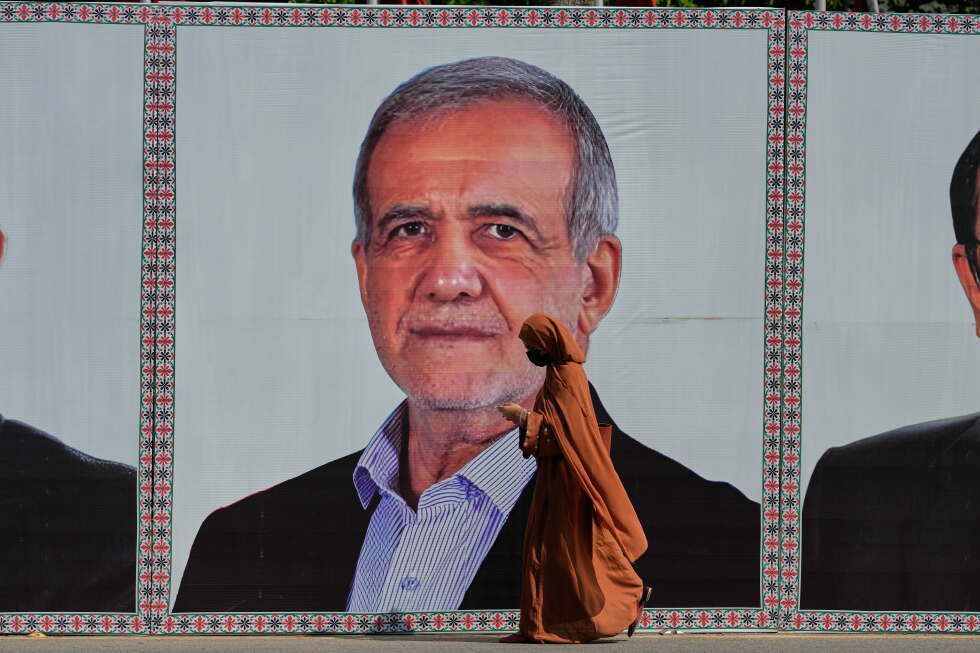
    The existing fragile interim agreement between Washington and Tehran, reached earlier this month, lays out a 60-day window to negotiate a broader permanent deal. Its terms require Iran to dilute its stockpile of enriched uranium, open the Strait of Hormuz to unimpeded commercial traffic, in exchange for the temporary lifting of U.S. sanctions and the release of billions in frozen Iranian assets held abroad. On Monday, both Iranian President Masoud Pezeshkian and a senior U.S. official confirmed that Qatar is set to release $6 billion in frozen Iranian funds, which will be allocated to purchasing American food and humanitarian goods for the Iranian public. Pezeshkian, a reformist leader within Iran’s theocratic system, called the pending release “a great victory for the Iranian people.”

    In parallel diplomatic developments Monday, multiple other regional initiatives tied to the Gulf crisis unfolded. Omani Foreign Minister Badr Albusaidi announced that Oman and Iran were discussing the possibility of charging service fees for commercial vessels transiting the Strait of Hormuz, covering costs for navigational assistance, pollution prevention, water safety and emergency response. Albusaidi clarified that Oman opposes outright transit fees, which he noted are forbidden under international maritime law, and only supports charges for concrete services provided.

    A separate diplomatic clash also broke out between Iran and France on Monday, after French President Emmanuel Macron announced on social media platform X that Paris and other international partners were coordinating mine-clearing operations in the strait. Gharibabadi, who also serves as Iran’s deputy foreign minister, warned France against “provocations,” noting that the interim agreement clearly assigns sole responsibility for demining the waterway to Iran. The clash came during a Paris meeting between Macron and Omani Sultan Haitham bin Tariq, where the two leaders issued a joint statement calling for “free, unconditional, and unrestricted navigation” in the Strait of Hormuz and announced plans to conduct joint demining operations in coordination with regional stakeholders.

    Further south in the Levant, another regional diplomatic development unfolded Monday: Lebanese President Joseph Aoun told top U.S. Middle East military commander Adm. Brad Cooper that Beirut remains committed to deploying its armed forces along the entire southern border with Israel as part of a new framework agreement signed Friday. The deal, which requires the Iran-backed Hezbollah militant group to disarm before Israel fully withdraws its troops from southern Lebanon, was rejected outright by Hezbollah. The group launched the current Israel-Lebanon conflict in early March when it fired cross-border rockets into northern Israel, and Hezbollah officials have warned that attempts to enforce the disarmament terms could trigger a Lebanese civil war. Under the initial terms of the agreement, Israel will first withdraw from small “pilot zones” where the Lebanese army will deploy, though no details have been released on how the process will work in practice.

    Reporting from Washington, with additional contributions from Associated Press journalists across Tehran, Beirut, Paris and Savannah, the developing situation remains fluid as mediators work to salvage the talks and prevent a full resumption of hostilities across the Middle East.
  • Three Irish people die in crash in Spain

    Three Irish people die in crash in Spain

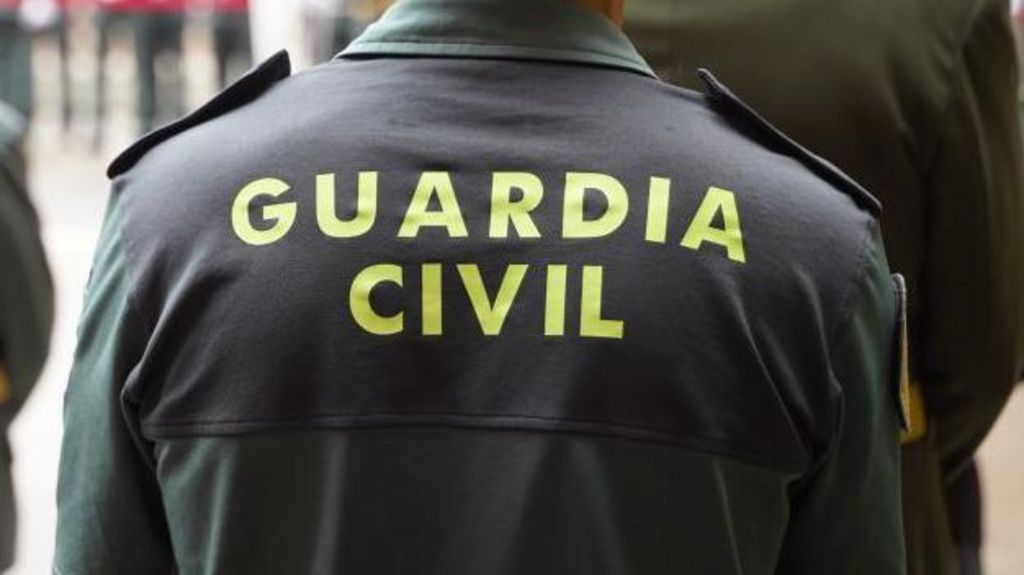
    A devastating early-morning car crash near the popular coastal tourist hub of Málaga, Spain, has claimed the lives of three people from Ireland, leaving a fourth individual with severe life-threatening injuries, according to reporting from Ireland’s national public service broadcaster RTÉ.

    The collision took place at approximately 2:30 a.m. local time on Sunday, in the area surrounding Málaga, a top tourist destination on Spain’s Andalusian coast that draws millions of international visitors each year. All four people involved in the crash are understood to hail from Mullingar, a town in County Westmeath, in the Republic of Ireland.

    In an official statement released following the incident, the Irish Department of Foreign Affairs and Trade confirmed that it has been notified of the fatal crash and is now actively engaged in providing consular support to the affected Irish families. Consular officials are working alongside local Spanish authorities to coordinate next steps and assist relatives through the traumatic aftermath of the accident.

  • Indian journalists condemn ‘denial’ of voting and passport rights of prominent editor

    Indian journalists condemn ‘denial’ of voting and passport rights of prominent editor

    A high-profile controversy has erupted in India over a national electoral roll revision exercise that has stripped a veteran former newspaper editor of his voting rights and blocked his passport renewal, drawing sharp condemnation from the country’s leading organization of editors and sparking widespread outrage across political and media circles.

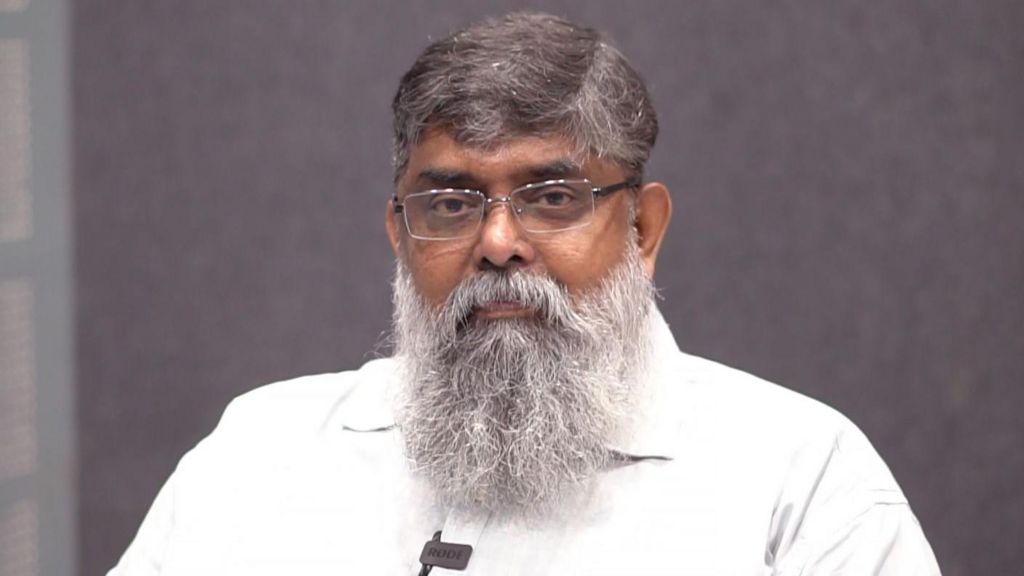
    R Rajagopal, who served as editor of the widely read Kolkata-based daily *The Telegraph* from 2016 to 2023, is one of millions of voters affected by the Election Commission of India’s (ECI) Special Intensive Revision (SIR), a nationwide effort launched to remove ineligible entries from voter registries. The exercise, which kicked off in November 2025 across 12 Indian states and union territories, has already resulted in roughly 60 million names being struck from electoral rolls, with nearly 9 million of those deletions coming from Rajagopal’s home state of West Bengal alone. A second phase of the revision is currently ongoing in 16 additional states and three union territories.

    In a personal account published by Indian news outlet *The Wire*, Rajagopal detailed that despite being a registered voter in Kolkata’s Ballygunge constituency since 2010 and residing in the area for over 25 years, his name was removed from the roll during the SIR process. The revision cross-references all current voter records against the 2002 national electoral roll—the last time a nationwide update of this scale was conducted—and Rajagopal’s entry was cut because neither his nor his father’s name appeared in the 2002 rolls. Even after submitting his matriculation certificate as proof of residency and identity to dispute the deletion, he says he received no formal explanation for the exclusion, and his appeal remains pending before a special tribunal established per Supreme Court guidelines.

    The fallout from the deletion extended far beyond losing his voting right: Rajagopal revealed that regional authorities have halted the police verification required for his passport renewal, explicitly citing his removal from the electoral roll as the reason. The veteran editor noted he has been unable to find any official regulation that lists a valid voter ID as a mandatory requirement for passport renewal, leaving his application in limbo with no clear timeline for resolution.

    The Editors Guild of India, the country’s leading journalists’ advocacy body, issued a formal statement on Sunday condemning the incident and using Rajagopal’s case to highlight broader flaws in the SIR process. “If an influential public figure like Rajagopal could be stripped of his voting rights, the plight of ordinary Indians was likely to be far worse,” the organization said, adding that the case exposes the unnecessary hardship the SIR has imposed on millions of eligible voters across the country.

    Critics of the electoral revision have long argued that the ECI’s process has wrongly disenfranchised millions of valid, eligible Indian voters—a claim the commission has repeatedly rejected. The ECI has not issued any public response to the specific allegations raised by Rajagopal, and representatives from the ECI have not yet responded to requests for comment from the BBC.

    Rajagopal’s case has quickly gone viral on Indian social media, drawing widespread expressions of solidarity from journalists, opposition politicians, and public figures. Veteran journalist Rajdeep Sardesai wrote on X that he stood in full solidarity with Rajagopal, noting “Scary part is this could happen to anyone!” Congress party spokesperson Supriya Shrinate claimed that Rajagopal was targeted as retaliation for his independent journalism and his work demanding accountability from the government. MA Baby, General Secretary of the Communist Party of India (Marxist), added that his party had long warned the SIR process would disenfranchise poor and marginalized communities, saying “But now, even an editor of repute and an acclaimed journalist like R Rajagopal has been denied his right to vote.” Rajagopal himself echoed that sentiment, noting that if a well-known professional journalist can face these barriers, the situation for ordinary marginalized voters must be far more dire. Thousands of affected voters, Rajagopal included, have already filed legal appeals to challenge their removal from the West Bengal electoral rolls.

  • Mum of newborn rescued from Venezuela rubble says baby motivated her to stay alive

    Mum of newborn rescued from Venezuela rubble says baby motivated her to stay alive

    In the wake of catastrophic twin earthquakes that ripped through Venezuela last Wednesday, leaving a trail of death and destruction across the nation, a stunning story of survival has captured global attention: 18-day-old Juan David and his mother Dayana Patino were pulled alive from the crumbled concrete of their collapsed apartment building, a miracle that has become a beacon of hope for a country grappling with unimaginable loss.

    The disaster has already claimed at least 1,450 lives, with tens of thousands more still unaccounted for. Venezuela’s interim president has called the event the worst natural catastrophe in the nation’s modern history, and while search and rescue operations continue across the hardest-hit regions, expectations of finding additional survivors have faded sharply. It was in this grim context that the story of Patino and her newborn emerged.

    Speaking to the BBC from a Caracas clinic just days after her rescue, Patino recounted the terrifying hours she spent trapped underground, clinging to her infant son against all odds. The young mother was doing dishes in her eighth-floor apartment in the northern coastal region of La Guaira when the first tremors struck. Initially expecting only a mild shake, she rushed immediately to cradle her only child, but the force of the quake threw her into a deep rubble pit, pinning her left leg under a heavy concrete slab and trapping her against rock.

    “For a moment I felt like I was flying, then like I was sinking into mud and water before I landed in that hole,” Patino told reporters. “I don’t know how I never let go of my baby, even when I was thrown into the dark. I was crushed against fallen furniture, and I could barely move.” After screaming for help to no avail, she quickly made the decision to conserve her strength, only calling out when she heard signs of search teams nearby. Trapped in total darkness, she drew strength from two small miracles: a bible that landed within reach beneath her, and the steady breathing of her newborn son.

    Juan David became her reason to hold on, Patino explained. “He gave me the motivation to stay awake and alert. As long as he was alive, I had to stay alive too. I would touch his nose every few minutes just to confirm he was still breathing,” she said. After hours trapped, she finally heard her brother calling her name from above the rubble. Summoning every last bit of her strength, she shouted back, and her family located her, launching a careful, hours-long rescue operation that pulled both mother and baby to safety on Thursday night.

    Patino suffered serious injuries to both legs in the collapse, but remarkably, 18-day-old Juan David walked away with only minor scrapes. Patino’s husband Gerson, who had survived the quake by jumping over a safety fence just moments after pulling his car into their driveway, had already given up hope of ever seeing his family alive again. When rescuers pulled the pair out of the rubble, the moment was overwhelming.

    “It was a full-on miracle,” Gerson told the BBC. “When I saw the building collapse, I thought they were gone. When I held my son in my arms, I felt like I was born again. I couldn’t believe it was real—life just came flooding back to me.” Footage of the emotional rescue, showing Gerson clinging to his newborn son with tears of relief, has been shared millions of times across social media around the world, turning the tiny baby into a global symbol of resilience amid disaster.

    While the family lost their home, every one of their possessions, and are still grieving the disappearance of their pet dog, they say they are focusing on the future. They are currently recovering in hospital, and plan to rebuild their lives from the ground up after the disaster. “We lost almost everything we had, but we are still here together,” Gerson said. “We will build back everything we lost, one step at a time.”

  • Top South African police officer survives assassination attempt

    Top South African police officer survives assassination attempt

    A high-ranking South African law enforcement official has escaped death in a targeted shooting in Johannesburg, just days before he was scheduled to give evidence under oath at a public commission examining widespread criminal infiltration of the national police service.

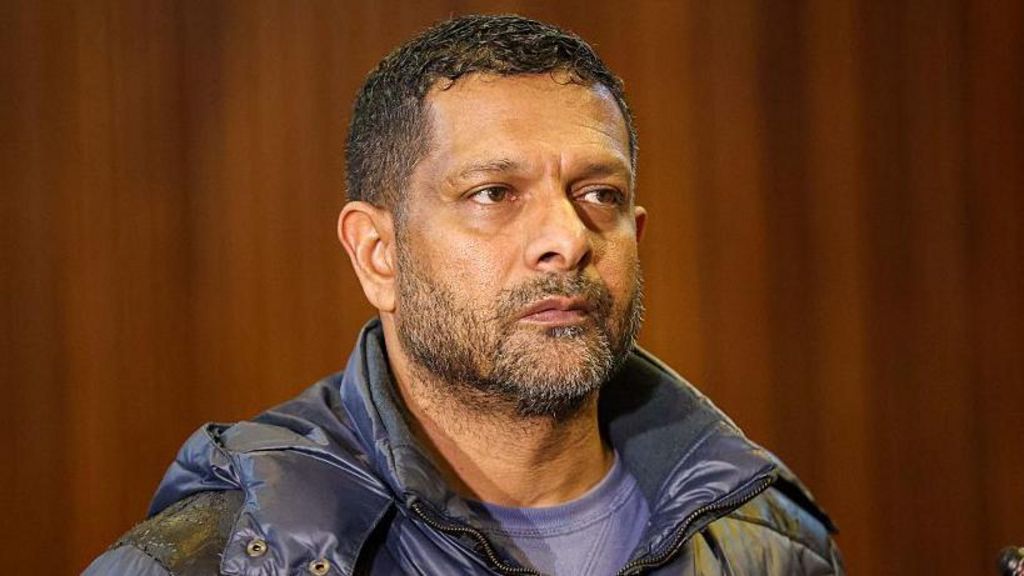
    Major-General Feroz Khan, Deputy Head of South Africa’s Crime Intelligence Division, was ambushed and shot multiple times while driving to his residence on Sunday evening, according to local media reports. He was immediately rushed to a nearby medical facility where he underwent urgent emergency surgery, as of Monday his current condition has not been updated by official authorities.

    The timing of the attack has sparked immediate public speculation, as Khan was expected to testify before the Madlanga Commission, a public inquiry established to probe systemic criminality and corruption within South Africa’s police force. The commission was convened last year after Lieutenant-General Nhlanhla Mkhwanazi, another senior police leader, publicly alleged that transnational organised crime syndicates had successfully infiltrated key levels of the South African government and law enforcement apparatus.

    In an official statement released to the public on Monday, South African Police Service (SAPS) spokesperson Brigadier Athlenda Mathe confirmed that a full investigation into the attempted assassination is already underway. Mathe cautioned against premature conclusions regarding the motive for the attack, noting that it would be irresponsible to link the shooting to Khan’s upcoming appearance at the corruption inquiry at this early stage of the investigation.

    The attack comes amid growing public concern in South Africa over the links between organised crime, corruption, and state institutions, with the Madlanga Commission tasked with uncovering the full extent of criminal penetration of the national police force. No suspects have yet been named or arrested in connection with Sunday’s shooting.

  • Truce comes under strain as US, Iran trade strikes

    Truce comes under strain as US, Iran trade strikes

    Less than two weeks after the United States and Iran signed a fragile interim ceasefire to end a four-month conflict that upended global maritime trade and roiled international energy markets, the hard-won truce is now facing severe strain. Fresh tit-for-tat strikes have reignited tensions between the two powers, with both sides accusing one another of violating the terms of the peace agreement in a dispute over shipping access through the strategically critical Strait of Hormuz.

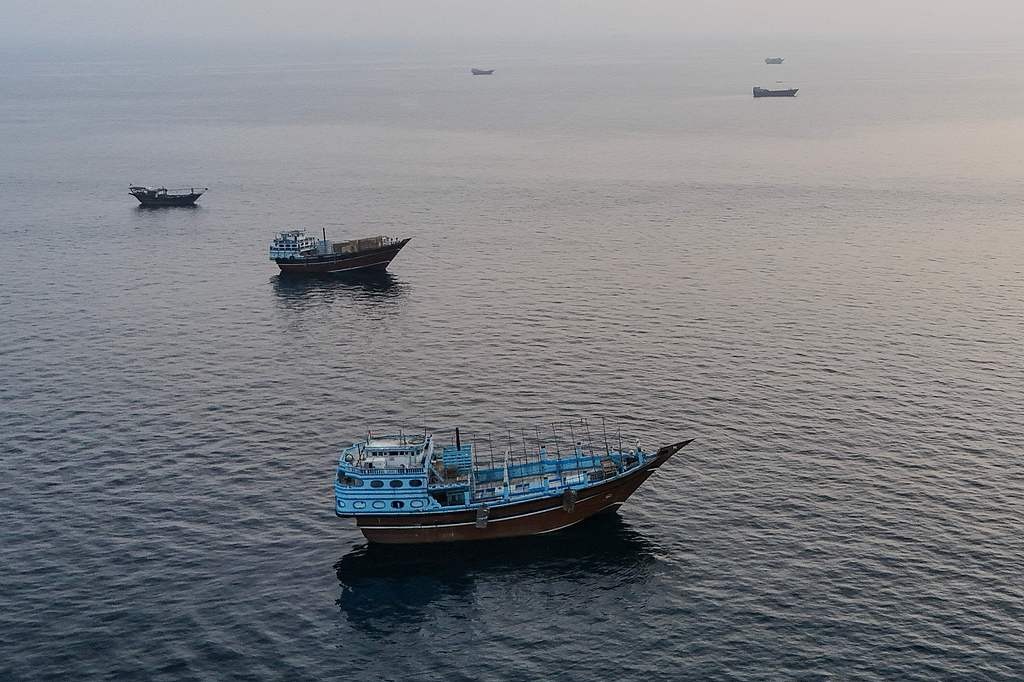
    The cycle of violence began on Saturday, when the U.S. military carried out airstrikes against 10 Iranian military targets located in Sirik, Bandar-e Lengeh, and Qeshm Island. U.S. Central Command said the operation was launched in retaliation for an Iranian drone attack on the Panama-flagged oil tanker *Kiku* that occurred earlier the same day near the strait. According to Reuters reporting, the *Kiku* was attempting to traverse an alternative shipping lane along Oman’s coastline, a bypass route that operates separate from the waterway regulated by Iranian authorities.

    This attack was not an isolated incident. It followed another tit-for-tat exchange just three days prior, when a drone struck the Singapore-registered container ship *Ever Lovely* on Thursday. The U.S. responded to that incident with strikes near Sirik, and Iran retaliated by targeting American military outposts across the Persian Gulf.

    Shortly after Saturday’s U.S. strikes, U.S. President Donald Trump confirmed the operation in a social media post, noting that American forces had targeted Iranian missile and drone storage facilities as well as coastal radar sites. Trump warned that Washington could soon reach a breaking point where it would no longer act with restraint. “If that happens, the Islamic Republic of Iran will no longer exist!” he wrote.

    Early on Sunday, Iran launched its retaliatory attack, firing missiles and drones at U.S. military installations stationed in Kuwait and Bahrain. Within an hour of Iran’s assault, Kuwait’s army confirmed its air defense systems were engaging the incoming hostile missiles and drones, while Bahrain’s Interior Ministry reported air raid sirens had been activated across the country. Both Kuwait and Bahrain publicly condemned Iran’s attack, labeling it a clear violation of their national sovereignty.

    In a statement carried by Iran’s state-run Press TV, the Islamic Revolutionary Guard Corps (IRGC) emphasized that the U.S. strikes had already violated the ceasefire agreement. The IRGC warned that any additional American attacks would lead to the full suspension of all diplomatic negotiations aimed at securing a permanent end to hostilities. The IRGC Navy Command added that U.S. military bases across the region “will experience hell in the coming days” if hostilities continue.

    Iranian Foreign Minister Abbas Araghchi clarified Tehran’s position on Sunday, stressing that Iran retains full control and oversight of the Strait of Hormuz for the next 30 days. Once all outstanding barriers are resolved, he said, full shipping capacity through the waterway will be restored. “Any fresh military escalation will worsen the situation, delay the full reopening of the strait and push tensions even higher,” Araghchi added, issuing a warning to outside powers against interfering in the region’s affairs.

    The core dispute at the heart of the renewed tensions centers on shipping access through the Strait of Hormuz, a chokepoint that historically carries roughly one-fifth of the world’s total oil and natural gas shipments. Washington has pushed for the creation of a new southern shipping corridor off Oman’s coast to allow unregulated transit, while Tehran insists all vessels passing through the strait must use its designated shipping channel. Iran maintains that any attempt to use alternative routes directly violates the terms of the interim ceasefire.

    Even amid escalating tensions, the French shipping giant CMA CGM confirmed that one of its container ships, the *Galapagos*, successfully sailed out of the strait on Sunday morning. The company described the transit as “an important milestone in a regional context that remains complex.”

    While hostilities have reignited, some regional security analysts remain cautiously optimistic that the conflict can still be contained. Wolfgang Pusztai, a Vienna-based defense analyst, noted that the limited scope of retaliatory strikes from both sides indicates neither Washington nor Tehran is currently seeking full-scale war. “The scale of retaliatory strikes from both Iran and the US does not signal either side intends all-out war. To my mind, there remains room for a negotiated diplomatic settlement,” Pusztai told Al Jazeera, though he acknowledged that unintended full-scale escalation cannot be completely ruled out.

  • Pakistani airstrikes kill 36 civilians in Afghanistan and wound 160, officials say

    Pakistani airstrikes kill 36 civilians in Afghanistan and wound 160, officials say

    Escalating tensions between neighboring Pakistan and Afghanistan have reached a new boiling point after a round of overnight cross-border ground operations and airstrikes launched by Pakistan left at least 36 Afghan civilians dead and more than 160 injured, Afghan government officials confirmed Monday. The deadly exchange has reignited a months-long cycle of tit-for-tat violence that has defied international mediation efforts, raising alarm over broader instability in South Asia.

    Pakistan’s account of Sunday’s operation frames it as a targeted counterterrorism action. Information Minister Attaullah Tarar told reporters that Pakistani security forces first carried out a ground sweep along the shared border before launching strikes on purported militant hideouts and safe havens inside Afghan territory, killing 29 suspected fighters. Tarar emphasized the operation was launched in direct response to a recent surge of militant attacks across Pakistan, culminating in an assault on the regional headquarters of Pakistan’s paramilitary Rangers force in Karachi that left three soldiers dead earlier this month. Three attackers were killed in the aftermath of the Karachi strike, and security forces captured a wounded assailant identified as an Afghan national. Jamaat-ul-Ahrar, a banned breakaway faction of the Tehrik-e-Taliban Pakistan (TTP), claimed responsibility for the Karachi attack.

    Tarar shared three videos on the social platform X that he says confirm strikes hit sprawling militant camps operated by Jamaat-ul-Ahrar and Fitna al-Khwarij across Afghanistan’s Paktia, Paktika, and Kunar provinces. He added that the strikes destroyed stockpiles of weapons and ammunition, and that Pakistan’s aggressive counterterrorism campaign will continue at full speed to eliminate what Islamabad calls the menace of foreign-backed terrorism operating from Afghan soil.

    Islamabad’s claim of foreign sponsorship centers on long-standing allegations that India funds and supports anti-Pakistan militant groups operating from Afghanistan, a charge New Delhi has repeatedly and forcefully rejected. Following Tarar’s statements, Indian Foreign Ministry spokesperson Randhir Jaiswal dismissed the claims as baseless, arguing that Pakistan should instead focus on addressing terror infrastructure within its own borders.

    Pakistan uses the term “Khawarij” to refer to the Indian-backed TTP and other affiliated militant groups. The TTP is a separate organization from the Afghan Taliban, which returned to power in Kabul following the 2021 withdrawal of U.S. and NATO forces, but the two groups maintain close ideological and operational ties.

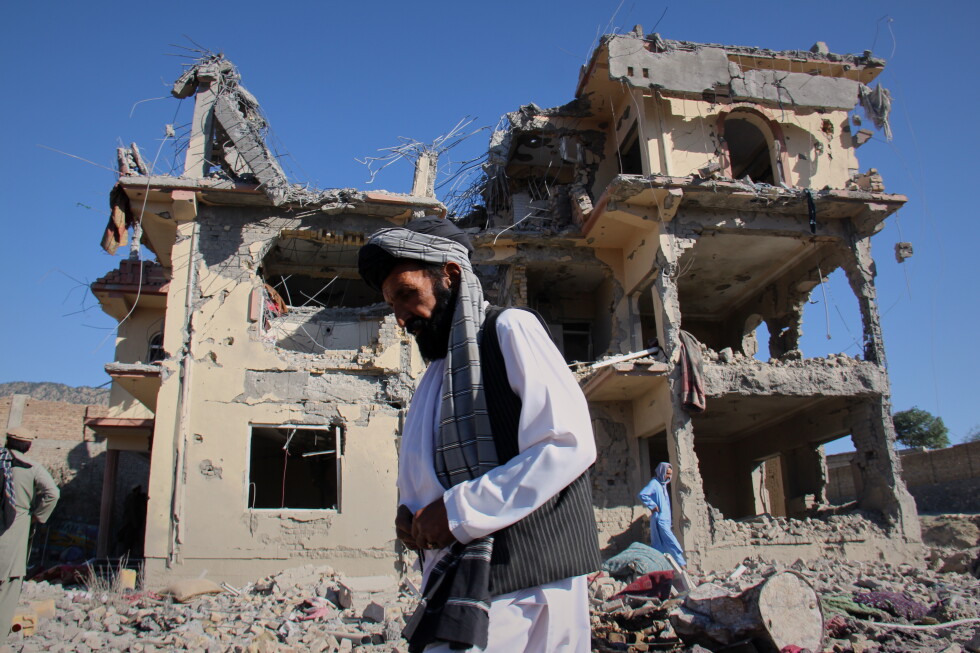
    For Afghan authorities, the cross-border strikes are an unprovoked act of aggression that constitutes blatant brutality against innocent civilians. Hamdullah Fitrat, deputy spokesperson for the Taliban-led Afghan government, laid out details of the civilian casualties that challenge Pakistan’s narrative of targeted counterterrorism action. Fitrat said Pakistani forces first struck a private residential home in Paktia’s Chamkani district, killing an elderly man and a young child and wounding multiple other family members. When local residents gathered at the site to pull survivors from the rubble, Pakistani forces carried out a second strike on the area, killing 28 additional villagers and wounding 158 more.

    Additional strikes hit other civilian targets across the region, Fitrat said. A separate residential home in Paktika’s Giyan district was hit, killing six people, most of whom were women and children. In Kunar province, a strike on a civilian home caused no human casualties but killed roughly 30 head of livestock, leaving local families without their primary source of livelihood.

    Hayatullah Mohajer Farahi, deputy minister for publications at Afghanistan’s Ministry of Information and Culture, condemned the operation as a cowardly act of aggression by Pakistan’s military government. He made clear that Afghanistan would not let the attack go unanswered, saying retaliation would come at a time of Kabul’s choosing. “This will definitely be retaliated against in due time,” Farahi said. “The decisions of the [Afghan] regime are not made based on emotions, but rather serious measures are taken at the right time.”

    Sunday’s operation is just the latest escalation in a months-long cycle of cross-border violence that has killed hundreds of people on both sides since February, when Afghanistan launched retaliatory strikes after an earlier Pakistani incursion into Afghan territory. Sunday’s action came less than three weeks after Pakistan carried out another round of airstrikes on purported militant hideouts inside Afghanistan, ending a roughly month-long period of uneasy calm that followed Islamabad’s declaration of an “open war” against militants operating from Afghan soil.

    Multiple rounds of diplomatic talks have failed to produce a permanent ceasefire. In April, China hosted senior delegations from both Pakistan and Afghanistan for mediated talks, after which Beijing announced the two sides had agreed to avoid further escalation and work toward a negotiated solution to border and counterterrorism disputes. That agreement has failed to stop the violence, however.

    As of Monday, Pakistani officials reported that an uneasy calm had returned to the border region, though security forces remain on high alert for potential retaliatory attacks from Afghanistan or militant groups.