博客

  • The Englishwoman who sketched India before photography took hold

    The Englishwoman who sketched India before photography took hold

    Decades before photography emerged as the dominant visual medium of British colonial rule in South Asia, a sharp-eyed and talented English artist and writer named Emily Eden traversed northern India, documenting the vast diversity of people she encountered with a curiosity and attention to detail rare among her 19th-century contemporaries.

    Born into one of Britain’s most politically powerful families, Eden journeyed across the Indian subcontinent between 1836 and 1842, accompanying her brother George Eden, the first Earl of Auckland and then Governor-General of India, on his official travels. Unlike many European artists of the era who focused almost exclusively on elite imperial figures or grand colonial landscapes, Eden’s sketchbook captured a far broader cross-section of Indian society: from ruling maharajas and Afghan nobles to Akali Sikh warriors, court servants, traveling Himalayan traders, common travelers, holy fakirs, hill communities, and even the exotic animals that moved with imperial processions.

    This extraordinary body of work is now the centerpiece of *Princes & People*, a new exhibition at Delhi’s DAG gallery curated by prominent art historian Mary Ann Prior. The show brings together the full published series of hand-colored lithographs created from Eden’s original field sketches, which were first released to the public in 1844 under the title *Portraits of the Princes and People of India*.

    Eden’s experience of India was not without struggle. When she first disembarked in Calcutta (now Kolkata) in March 1836, she was thrown into a chaotic schedule of official events and overwhelmed by the alien culture around her. Deeply homesick and disoriented, she did not pick up her sketching tools for three weeks, and waited two months before completing her first finished painting. Her small traveling party, which included her sister Fanny, nephew William, maids, a personal nurse, cook, valet, physician, and a collection of pets, helped lift her mood and adapt to her new surroundings.

    As Prior notes, the sea voyage to India had already begun to expand Eden’s creative perspective, as she encountered new communities, customs, and ways of life long before reaching shore. “The diversity of people and places motivated and improved Emily’s artistic output, and her natural curiosity sought out the unusual. She meticulously documented her observations through her sketches and paintings,” Prior explains. Rejecting the familiar European subjects of castles, churches, and pastoral English landscapes that dominated contemporary British art, Eden turned her full attention to the strangers, vibrant traditional costumes, distinct architecture, and uncharted landscapes that surrounded her.

    Traveling across northern India at a moment of massive impending political upheaval on the subcontinent, Eden’s sketches offer a uniquely intimate, unfiltered glimpse into a world on the brink of change. Most notably, her work captures the court of Maharaja Ranjit Singh, whose powerful Punjab Kingdom stood as one of the most influential states in South Asia at the time, documenting the final years of his reign just as the Victorian era began to reshape the region’s political future. She also sketched exiled Afghan Amir Dost Mohammad Khan and his family during their exile in India following British intervention in Kabul, offering a rare visual record of a key figure in the 19th-century “Great Game” rivalry between Britain and Russia for control of Central Asia.

    Beyond her skill as a visual artist, Eden was a gifted and engaging writer. Her lively personal journals are filled with dry humor and sharp observational detail, with place and personal names transcribed phonetically as they sounded to her English ear. Upon arriving in the holy city of Benares (now Varanasi), for example, her traveling party sailed along the Ganges before journeying to Ramnagar, where the local ruler maintained a country estate. The scene so captured Eden’s imagination that she wrote in her journal: “We mean to keep our steamer here and to go out sketching in it.”

    That warm enthusiasm took time to develop. In her first months in India, the deep cultural divide between her native England and her new home left Eden longing for her old life. She chafed at the heat, persistent mosquitoes, constant cacophony of street and wild animals, and the social customs that felt alien to her, confining her indoors for much of each day. But as months passed, she began drawing prolifically, and her work quickly found an audience: her paintings sold briskly at charity fairs in Shimla, won praise from the British colonial community, and were even copied by local Indian artists.

    Prior ranks Eden’s Indian sketches among the finest works produced by any British woman artist of the Regency and Victorian eras. Only two other British women artists working in India—botanical painter Charlotte Canning and later travel artist Marianne North—matched the scope and quality of her achievement, she says.

    Even as her observational skills and curiosity set her apart, Eden still reflected the common colonial biases of her social class and era. She held an unwavering belief in Britain’s so-called “civilising mission” in India, framing her years on the subcontinent as “an unwelcome ordeal to be endured for a higher purpose,” as Prior writes, and viewed colonial rule as a necessary obligation to “civilise” the country.

    The Eden family left India for Britain in 1842, eager to return to their home. Back in Europe, Emily continued to paint, but the urgent drive that pushed her to document unfamiliar people and landscapes in India had faded. Her later works were far fewer in number, and focused on the familiar English landscapes she had grown up with. Increasingly, writing became the medium through which she shared her Indian experiences with a broader British audience: her collection of lively travel letters *Up the Country* was published in 1866, followed by *Letters from India* in 1872. Though Emily Eden died in 1869, her reputation has outlasted the initial association of her work with her family’s role in the First Afghan War, and today her legacy rests on her own independent accomplishments as both a writer and a visual artist.
  • Outgoing Colombia minister warns climate gains could be at risk under new government

    Outgoing Colombia minister warns climate gains could be at risk under new government

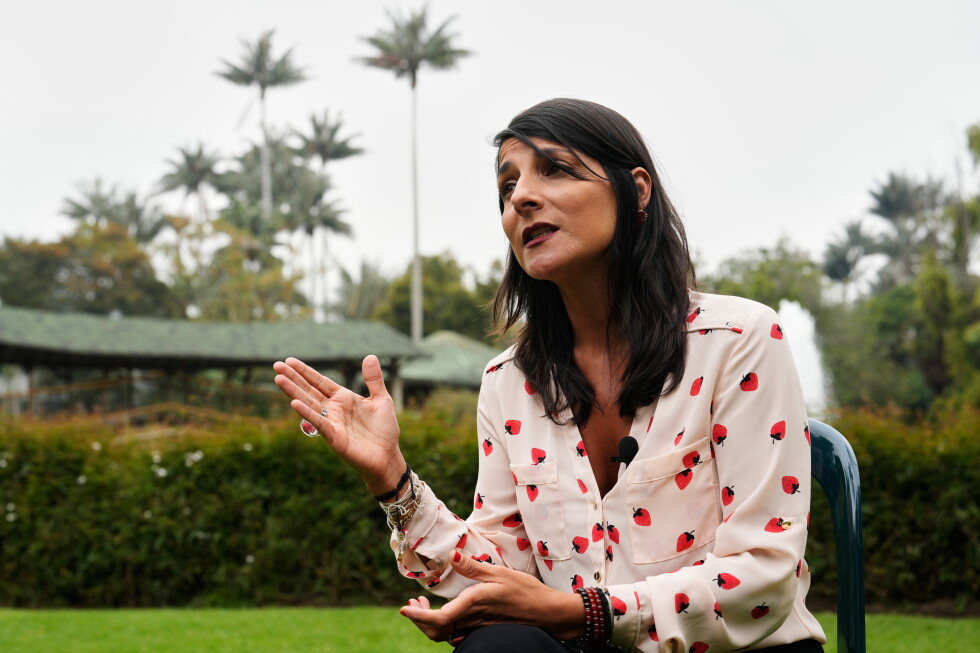
    BOGOTA, Colombia — As Colombian politics undergoes a sharp rightward shift ahead of the August 7 inauguration of President-elect Abelardo de la Espriella, outgoing Environment Minister Irene Vélez Torres has issued a stark public warning that the new administration could unravel years of hard-won progress on climate action and conservation. In an exclusive interview with the Associated Press, Vélez laid out multiple grave concerns about the incoming government’s policy priorities, which she argues put Colombia’s most fragile ecosystems and communities at immediate risk at a time when the country is already grappling with worsening climate impacts.

    Colombia is currently contending with the extreme weather effects of El Niño, the natural climate cycle that warms Pacific waters and triggers devastating droughts, severe flooding and record-breaking heat across much of the country. Against this backdrop of growing climate vulnerability, Vélez warned that the incoming administration’s open embrace of climate skepticism and fossil fuel expansion is a dangerous course for the nation. “Arriving with an attitude of climate denialism is absolutely dangerous,” Vélez emphasized.

    Over the past four years, the outgoing administration led by President Gustavo Petro positioned Colombia as a leading global voice on climate action, making the protection of the Colombian Amazon— which covers 42% of the country’s total territory— and a just transition away from fossil fuels central pillars of its environmental agenda. The government also made unprecedented strides in centering Indigenous territorial governance as a core strategy for rainforest protection, formally recognizing Indigenous authorities as key decision-makers on environmental issues and funding community-led conservation initiatives.

    But de la Espriella, who secured a narrow election victory with campaign backing from former U.S. President Donald Trump, campaigned on a platform centered on reviving Colombia’s stagnant oil sector, opening new areas to hydraulic fracturing (fracking), and leveraging the country’s abundant natural reserves to drive short-term economic growth. Environmental activists and Indigenous community leaders have repeatedly warned that an increased focus on extractive industries will bring unprecedented pressure to the Amazon and other environmentally sensitive ecosystems, undoing years of progress in curbing deforestation.

    For Vélez, one of the most pressing at-risk gains is the expansion of Indigenous environmental stewardship in the Amazon. She expressed deep fear that the new administration will walk back recent legal recognition of Indigenous decision-making power and slash funding for community-led territorial governance programs that have proven effective at reducing deforestation rates.

    Beyond Amazon conservation, Vélez also raised the alarm over the incoming government’s hints that it could resume the aerial spraying of glyphosate on illicit coca crops, a practice the previous administration ended over public health and environmental concerns. The World Health Organization has classified glyphosate as a probable human carcinogen, and decades of widespread spraying in Colombia have left lasting contamination of water sources and chronic health impacts for rural communities, according to multiple peer-reviewed studies.

    Vélez also warned that expanded fossil fuel exploration and industrial mining could be approved for Colombia’s unique páramos, high-altitude wetland ecosystems that act as natural water towers supplying clean drinking water to millions of Colombians across the country. These fragile mountain ecosystems support hundreds of endemic species and act as natural carbon sinks, making their protection critical to both climate adaptation and biodiversity conservation.

    The incoming administration has pushed back against some of Vélez’s characterizations. Fabio Arjona, a marine biologist tapped by de la Espriella to serve as the next environment minister, has argued that environmental policy debates have become overly ideological, criticized what he labels “environmental hysteria,” and defended fracking as a viable energy source so long as it is carried out under strict regulations and excluded from protected areas including national parks and páramos. As of publication, neither representatives for de la Espriella nor Arjona had responded to requests for additional comment on Vélez’s warnings.

    In closing, Vélez emphasized that the progress made over the past four years on cutting deforestation, restoring degraded ecosystems, and strengthening protections for the Amazon, páramos and wetlands should transcend political divisions. “We have a legacy that, despite our differences, should be preserved,” Vélez said. “It would be an unforgivable mistake to abandon this agenda simply because it comes from a different political sector. Social and environmental justice must remain at the center of the political agenda.”

  • Russia open to Turkey selling S-400 air defence systems to UAE, sources say

    Russia open to Turkey selling S-400 air defence systems to UAE, sources say

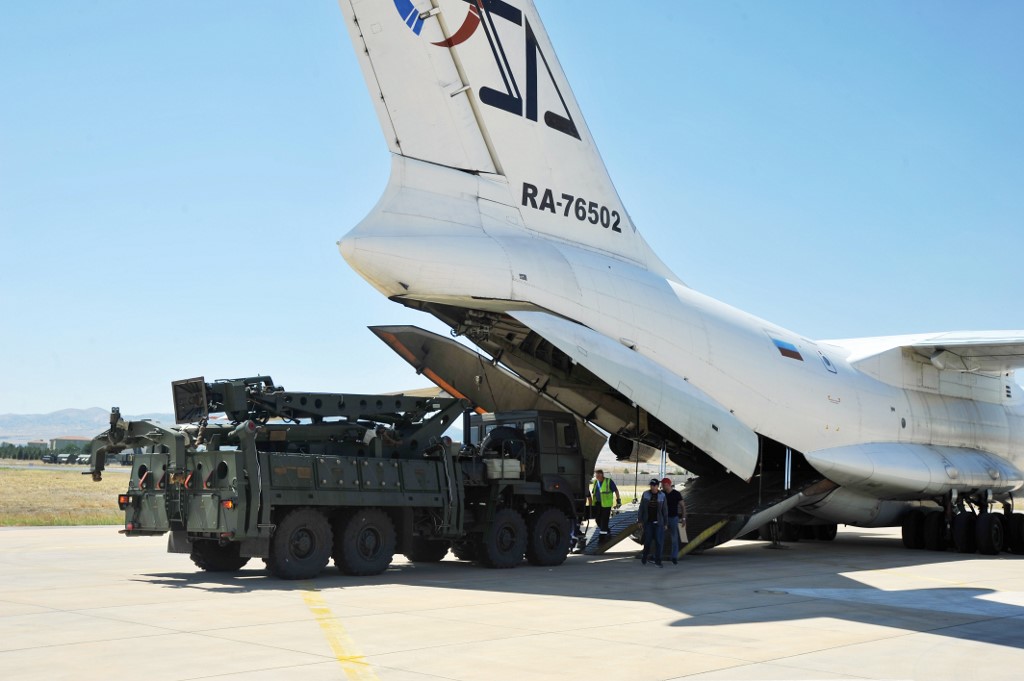
    For nearly six years, Turkey’s 2019 acquisition of Russian-made S-400 air defense systems has been a persistent thorn in bilateral relations between Ankara and Washington, derailing Turkey’s participation in the U.S.-led F-35 fifth-generation fighter jet program and triggering sweeping U.S. sanctions on Turkey’s defense industrial base. To this day, six F-35 jets earmarked for Turkey remain locked in U.S. storage, blocked from transfer by 2020 U.S. legislation that mandates Turkey fully relinquish its S-400 systems before any F-35 handover can proceed. Now, as Ankara and Washington work to reset ties following the 2025 return of Donald Trump to the U.S. presidency, resolving the S-400 impasse and clearing Turkey’s path back to the F-35 program has emerged as one of the most urgent priorities on the bilateral agenda. Multiple sources familiar with ongoing negotiations have told Middle East Eye that the most promising proposal currently on the table is a third-party resale of Turkey’s S-400 systems to the United Arab Emirates – a plan that has received a preliminary green light from Moscow. The Kremlin confirmed last Friday that it is engaged in consultations with Turkey over the potential third-party sale, with presidential spokesperson Dmitry Peskov noting that the issue remains highly sensitive and talks will continue in the coming weeks. “Moscow’s response to Turkey’s idea of selling the systems to a third country was: why not?” one anonymous Russian source close to the negotiations shared. “There are still technical and political details that need to be ironed out, and a final decision will ultimately come from President Vladimir Putin.” A core Russian commitment, the source added, is that any final deal would strictly honor the terms of the original 2019 contract between Moscow and Ankara, with Russia set to review all proposed terms before giving final approval. The path to this proposal began 18 months ago, when U.S. and Turkish officials first began exploring potential solutions to the S-400 deadlock. An early plan that would have disabled the systems by removing key components and storing them under joint U.S.-Turkish supervision was ultimately discarded, as it would only have secured a temporary waiver of U.S. sanctions rather than the full permanent lifting Ankara seeks. That rejection opened the door to negotiations over reselling the complete systems to the UAE, talks that have now been ongoing for months, according to Russian and Turkish sources. Turkish officials note that the UAE already has experience operating Russian air defense technology – most notably the Pantsir air defense system – and has actively pursued weapons procurement diversification from multiple global suppliers to bolster its national defense capabilities. Still, the deal faces underlying geopolitical headwinds: one European investor based in the region pointed out that the UAE has ongoing tensions with Russia over Moscow’s military and political support for Iran, which has launched drone and ballistic missile attacks targeting the UAE in recent years. Unlike direct arms sales from Russia to third parties, this proposed Turkey-UAE transaction would not be subject to existing U.S. sanctions, removing a major barrier to completion. Contrary to earlier unconfirmed reports, Moscow has rejected an option to take back the S-400 systems directly from Turkey, making the third-party resale the only viable path forward currently on the table. A planned public announcement by the Turkish government last Friday confirming that talks with a third country were underway was abruptly canceled at the last minute, though sources have not provided details on what prompted the cancellation. Experts and insiders are still parsing Russia’s strategic incentives for backing the deal, with Ankara-based sources speculating that Moscow is likely to seek key concessions from Turkey in exchange for its approval. One key outstanding issue is the renewal of Turkey’s critical natural gas supply deal with Russia, which is currently still under negotiation. All parties stress that no final agreement has been reached, and talks on both the S-400 deal and linked political and energy issues remain ongoing.

  • FIFA selling the field to be used for the World Cup final in $450 pieces

    FIFA selling the field to be used for the World Cup final in $450 pieces

    Global soccer governing body FIFA has ignited public debate over its latest monetization move for the upcoming 2026 FIFA World Cup, announcing it will sell segmented pieces of the natural grass pitch used for the tournament’s July 19 final at New Jersey’s MetLife Stadium for $450 per collectible.

    The commemorative items, marketed as a one-of-a-kind piece of soccer history for die-hard fans and collectors, each contain an original fragment of the final’s playing surface. The turf pieces are preserved in high-quality acrylic casing paired with a USB keepsake marked with an official authenticity film. Packaged in a premium rigid gift box with detailed UV finishing, FIFA positions the product as an exclusive memento for enthusiasts of the world’s biggest sporting event. However, the organization has left key details ambiguous: while FIFA’s official store lists the dimensions of each turf segment as 17.5 by 17.5 by 17.5, it fails to specify whether the measurement unit is inches, centimeters or millimeters. The Associated Press reported that FIFA did not immediately respond to requests for clarification on the product’s specifications as of press time. Shipping is also restricted, with the collectibles only available to customers with delivery addresses in the United States and Europe, and all orders will be fulfilled only after the final match concludes.

    This new commercial offering comes as FIFA already faces widespread criticism for exorbitant pricing for the 2026 World Cup held across North America, including the United States. Ticket prices for the final currently top out at $32,970 for standard seating, while premium hospitality packages that include food and beverage service are being sold for $32,500 to $34,500. The MetLife Stadium pitch itself has also been a point of contention: the venue normally hosts NFL games for the New York Giants and New York Jets on artificial turf, and players and coaches have already raised public concerns about the quality of the temporary natural grass surface installed for the World Cup final.

    The move to sell pieces of the final pitch marks one of the most high-profile examples of FIFA’s aggressive commercialization of the 2026 tournament, drawing attention to the growing gap between premium, high-priced World Cup experiences and average soccer fans seeking affordable access to the event.

  • Russia trains sights on schools, offices and buses in busy Ukrainian city

    Russia trains sights on schools, offices and buses in busy Ukrainian city

    Nearly four and a half years into Russia’s full-scale invasion of Ukraine, the southeastern city of Zaporizhzhia, a hub home to roughly 750,000 civilians just 24 kilometers from active front lines, has entered a new phase of unrelenting danger. June 2026 saw a dramatic surge in Russian strikes that have upended daily routines and turned ordinary mornings into life-or-death moments for residents.

    For IT specialist Anna Holovchenko, this new reality is personal. She was jolted awake at 5 a.m. one day last month by the impact of Russian glide bombs striking Zaporizhzhia’s suburbs. Barely an hour passed before a second wave of drone attacks echoed across the city, as Ukrainian air defense teams scrambled to intercept incoming unmanned aerial vehicles. “I realized I’m not getting any more sleep and started getting ready for work,” Holovchenko told reporters. A short time later, a Shahed drone crashed blocks from her office, shaking the building with a massive explosion, while another strike took out critical communications infrastructure and cut off internet access for hours. “That’s just another ordinary day in Zaporizhzhia,” she said.

    Strikes in recent weeks have targeted a wide range of civilian infrastructure, including public transit buses, private vehicles, fuel stations, schools, government administrative buildings, and residential neighborhoods. In one deadly attack on a civilian bus, three people lost their lives, according to local emergency services.

    Regina Kharchenko, Zaporizhzhia’s acting mayor, described the relentless pressure of the surge in attacks. Even in the middle of government work, she says the threat is unavoidable: during one particularly intense barrage, “I did not go to the shelter initially, but when it got too loud I took cover in the toilet.” Like most residents, Kharchenko lives an ordinary life without the protection of dedicated bomb shelters or security details: “I live in an ordinary high-rise, on the seventh floor. I’ve got no personal bunker with 10 bodyguards. Personally, I’m very afraid. At night she sometimes sleeps on the floor of her home corridor to reduce her risk of injury from falling shrapnel or broken glass.

    City leaders were forced to hold an emergency legislative meeting in an underground bomb shelter to address the rapidly deteriorating security situation, where Kharchenko condemned what she called “stepped up terror against civilians” that has even put children at direct risk. In response, local authorities have rolled out emergency mitigation plans: construction of new public bomb shelters across the city is already underway, anti-drone netting is being installed at high-traffic, vulnerable locations, and anti-shatter safety film is being applied to windows at all schools, hospitals, and public government buildings.

    Zaporizhzhia city holds unique strategic and symbolic weight in the ongoing conflict: it is the administrative capital of the Zaporizhzhia region, one of four Ukrainian regions that Russia unilaterally annexed in 2022 in a move that has not been recognized by the vast majority of the international community. Roughly 50 kilometers southwest of the city, in the portion of the region still under Russian occupation, sits Europe’s largest nuclear power facility, the Zaporizhzhia Nuclear Power Plant, whose safety has been a constant source of global concern since the invasion began.

    What makes the recent surge in attacks particularly notable, analysts say, is that it comes even after Ukrainian forces pushed Russian ground troops back several kilometers from the outskirts of Zaporizhzhia city. The intensification of strikes is not driven by a shift in frontline positions, but by new Russian drone tactics and technology that allow strikes to reach deeper into the city than before.

    Sam Cranny-Evans, a security analyst at the Royal United Services Institute, a leading London-based defense think tank, outlined three key factors behind the jump in successful attacks. First, Russian forces now regularly use longer-range “mothership” drones that deploy swarms of smaller, lethal first-person-view (FPV) drones. These smaller FPV drones were previously unable to reach Zaporizhzhia city, but when deployed from motherships launched closer to the front, they can scatter and hit targets that would otherwise be out of range. Second, Russia has started using mesh networking technology for its drone operations, which makes the signals far harder for Ukrainian electronic warfare systems to jam, and allows drones to relay signals between each other to extend their effective range. Third, Cranny-Evans notes that Ukraine’s electronic warfare capabilities, which have long been one of its most effective defenses against Russian drones, have been stretched thin: “reduced Ukrainian electronic warfare activity, because of a focus elsewhere and an equally increased focus from Russian units” on Zaporizhzhia has created openings for more Russian strikes to get through.

    Local defense authorities confirmed the scale of the assault: in just the last week of June, Ukrainian air defense and electronic warfare teams intercepted 884 Russian drones targeting the city. While Russian forces have been pushed back south of Zaporizhzhia, they have continued incremental advances in other sectors of the front, though their progress has slowed significantly in recent months. Analysts add that Russian operational momentum has been hampered by a sustained Ukrainian campaign targeting Russian energy and logistics infrastructure, including strikes on oil refineries, fuel storage depots, and supply routes in occupied Ukrainian territory.

    Despite the constant threat of attack, hundreds of thousands of Zaporizhzhia residents have chosen to remain in the city, rather than evacuate to safer regions of western Ukraine or abroad. For Holovchenko, the decision to stay is rooted in both pragmatism and defiance. “We’ve got food and fuel, why would I leave? Maybe I’m not the easily scared type,” she said. While she admits she has considered leaving, she refuses to let Russia drive her from her home: she does not want Zaporizhzhia to become another Ukrainian city emptied and destroyed by Russian occupation. “We’re just trying to stay safe and we’re doing all we can to survive until our victory,” she said.

  • Twelve men and 12 women enter a Buddhist temple – will the monks help them find love?

    Twelve men and 12 women enter a Buddhist temple – will the monks help them find love?

    Tucked into the misty, forested slopes of South Korea’s Palgongsan Mountain, an 8th-century Buddhist temple has stepped into an unexpected modern role: leading the fight against the country’s decades-long plummeting birth rate. For 30 hours, 24 carefully selected young singles traded crowded city offices and empty social calendars for back-to-back icebreakers, awkward talent shows, and quiet woodland walks, all on a mission to find a partner—with the ultimate goal of boosting the nation’s falling fertility.

    This is no scripted reality dating series. It is a grassroots matchmaking retreat organized by leaders at Donghwasa Temple, who frame their work as a continuation of the temple’s centuries-long history of stepping up during national crisis. “When our country faced external threats, Buddhist communities were always the first to act,” explains Yoo Cheol-ju, the retreat’s host, referencing the temple’s role as a base for monk militias that repelled Japanese invasions in the 16th century. “Today, the crisis is low birth rates, and we could not stand by and do nothing.”

    South Korea’s fertility crisis has deepened steadily alongside the country’s economic growth. By 2023, the national total fertility rate—the average number of children a woman will have over her lifetime—dropped to a record low 0.72, far below the 2.1 replacement rate needed to sustain a stable population. Multiple factors have driven this decline: skyrocketing urban housing costs, insufficient public childcare support, a growing number of women prioritizing independent careers, and a profound shift in social norms that has left many young people with fewer opportunities to meet potential partners.

    Studies confirm that young South Koreans are dating far less than previous generations. While some choose singlehood by choice, millions struggle to connect in a culture where casual small talk with strangers remains rare, dating apps have never gained widespread traction, and traditional social circles through school and work leave little room to meet new people. The South Korean government has spent more than $250 billion on pro-natal policies since 2006, offering expanded parental leave, cash bonuses for new parents, and subsidized housing for newlywed couples. Local governments and community groups have expanded these efforts with grassroots matchmaking events, and Donghwasa Temple’s retreat has emerged as one of the most unusual examples.

    The 24 participants who gathered at the temple beat incredibly competitive odds to attend: more than 1,600 people applied, and just 24 were selected based on application questionnaires and introductory selfie videos that screened for genuine commitment to finding a partner and starting a family. The retreat was open to people of all faiths, and every attendee shared a common experience: repeated difficulty meeting suitable partners.

    Kim Ah-kyung, a 28-year-old who goes by her Buddhist name Sunhyeji, relocated from the Seoul region to a southeastern province for an office job after graduating. “My routine is just work and home,” she explained. “I tried picking up hobbies, but all the activities I found were one-on-one. Everyone at my office is decades older than me. I have literally no chance to meet new men.”

    For 30-year-old Kwon Seung-oh, who goes by the name Enyo, online dating felt uncomfortable and untrustworthy, and 10 blind dates arranged by friends all ended as shallow, unfulfilling encounters. Working at a large dairy factory outside Daegu where 97% of his colleagues are men left him with no organic opportunities to meet women. Like Sunhyeji, he turned to the temple retreat as a last, hopeful option.

    The event kicked off with small, thoughtful gestures that set a warm tone: male participants rushed to greet arriving women and offered to carry their luggage to their rooms. The first day opened with an introduction round, where Enyo won over the crowd by handing out homemade French pastries he baked himself. Participants moved through a carefully structured schedule of one-on-one walks in the temple’s wooded grounds, group lunch dates, a much-anticipated (and slightly awkward) talent show, and speed dating rounds held over freshly brewed green tea that most participants were too nervous to drink.

    The talent show brought unexpected charm and chaos: a 32-year-old civil servant named Minho recreated the choreography for 2PM’s hit K-pop track *My House*, Sunhyeji grooved to a recent chart-topping pop single, Enyo belted a heartfelt ballad, a 28-year-old designer named Ruby wowed the crowd with a halting but endearing Spanish introduction, and one attendee played a flute solo from the animated film *KPop Demon Hunters*. By the end of the non-stop activities, most participants were exhausted, but the event pressed on to the final matching round.

    By the close of the 30-hour retreat, eight couples had formed—including two matches between event staff and participants—meaning 16 of the 24 attendees left with a potential romantic partner. While some left disappointed: Enyo was not selected by any participants, and Sunhyeji missed out on a match with Minho, who ultimately paired with Ruby, most walked away with meaningful gains even without a romantic connection.

    Sunhyeji, who stayed up until 3 a.m. gossiping with other female attendees, said she left with a close circle of new friends and a plan to meet for brunch in the coming weeks. “This felt like a fun sleepover, like being a teenager again,” she said. “I felt free to be spontaneous and bold, something I never get to be at work.” Enyo, while disappointed not to find a match, said he would jump at the chance to attend another retreat if organizers invited him back. Even the single attendees who left without a romantic match have continued to meet regularly, for casual meals and drinks that they never would have had without the retreat.

    After years of continued decline, South Korea’s birth rate has begun to edge upward slowly: the national average fertility rate is projected to hit 1.0 in 2026, up from 0.72 in 2023 and 0.8 in 2025. Officials attribute this small shift to pandemic-related delays to weddings and births, as well as a large demographic cohort of children of baby boomers reaching childbearing age. But community organizers like the monks of Donghwasa Temple point to a subtle shift in attitudes: a March 2026 survey found unmarried South Koreans are nearly 10% more favorable to marriage and parenthood than they were just two years ago, a shift many attendees linked to seeing more friends share wedding and baby announcements on social media. For the monks leading this unusual retreat, the mission is as much about shifting cultural attitudes as it is about matching couples—one awkward talent show and woodland walk at a time.

  • New dinosaur species with neck as long as cricket pitch discovered in Thailand

    New dinosaur species with neck as long as cricket pitch discovered in Thailand

    A groundbreaking paleontological discovery from northeastern Thailand has reshaped scientific understanding of sauropod dinosaur distribution across Asia, with researchers confirming the identification of an entirely new species that roamed the planet 150 million years ago. The new herbivorous species, named *Uragasaurus kalasinensis*, is a member of the Mamenchisauridae family — a group of massive sauropods defined by their extraordinarily elongated necks — and was uncovered from fossil deposits in Kalasin Province’s Phu Noi site.

    The story of the discovery stretches back to 2008, when a local resident stumbled upon unusual fossil fragments that looked like serpent scales, leading to the formal identification of the Phu Noi dig site. For more than 15 years, research teams from Mahasarakham University have systematically excavated the site, which has proven to be a rich Late Jurassic fossil bed where over 90 percent of recovered remains belong to various dinosaur species. While exploring the site, the team uncovered a range of fossilized teeth and bones, but it was a single well-preserved dorsal vertebra — a bone from the middle to upper back — that held the key to the new species identification, bearing distinct, never-before-documented anatomical features.

    Detailed CT scanning of the fossil confirmed its placement within Mamenchisauridae, a sauropod group whose members typically evolved extremely long necks to access vegetation across a wide range of heights, allowing them to exploit multiple food sources without repositioning their massive bodies. Prior to this find, nearly all confirmed Mamenchisauridae fossils had been discovered in China, making this the first confirmed instance of the family in Thailand. Scans also revealed unique structural traits, including a Y-shaped arrangement of supporting bone layers called laminae and a one-of-a-kind air cavity system that has not been observed in any other known dinosaur species.

    Dr. Apirat Nilphanaphan, lead researcher on the project from Mahasarakham University, shared his reaction to the discovery with BBC Thai, explaining that he was so excited when he confirmed the find that he accidentally broke his keyboard, describing the moment as a mix of overwhelming exhilaration and long-awaited relief. The team’s research was published in the peer-reviewed scientific journal Nature earlier this week. This discovery marks the second new species of large long-necked herbivorous dinosaur identified in Thailand in 2026, following the announcement of *Nagatitan* in May. That species, which tipped the scales at an estimated 27 tonnes — equal to the weight of nine adult Asian elephants — and stretched 27 meters long, is currently the largest dinosaur ever discovered in Southeast Asia.

    Paleontologists note that the back-to-back discoveries at Thai dig sites highlight the region’s understudied role in Jurassic dinosaur evolution, suggesting that Southeast Asia hosted far more diverse sauropod populations during the Late Jurassic than previously assumed.

  • Family mourn British teenager who died in Greece

    Family mourn British teenager who died in Greece

    A devastating travel tragedy has unfolded in Greece, where a 17-year-old British teenager has lost his life after falling from a hotel balcony in the northern Athens suburb of Chalandri. The incident occurred at 5 a.m. local time, 3 a.m. British Summer Time, on July 3, according to early Greek media reports. Immediately following the accident, emergency responders rushed the critically injured teen to Athens’ Red Cross Hospital, where medical teams were unable to save his life.

    In a moving statement released Friday through the UK’s Foreign, Commonwealth & Development Office, the teenager’s family opened up about their overwhelming grief at the sudden loss of their child. “It is not possible to put into words the shock and heartbreak we feel from the sudden loss of our beloved child,” the family said.

    They remembered their son as a uniquely talented young man whose light touched everyone around him. “He was a deeply loved son, an exceptional guitarist and a friend to so many. Full of laughter, he was someone who brought joy wherever he went. He will be missed beyond words,” the statement added. “There is a space in this world that was uniquely his, one that can never be filled by anyone else. His warmth, his spirit, and the happiness he brought to others will never be forgotten.”

    The family expressed their sincere gratitude to all those who have offered emotional and practical support during what they described as an “incredibly difficult time.” In an act of public care amid their own sorrow, they also issued a urgent advisory for other UK travelers visiting countries that participate in the European healthcare scheme: they urged all outbound British travelers to obtain a Global Health Insurance Card (GHIC), a document that streamlines access to state-provided healthcare for UK citizens visiting participating nations.

    At this stage, the teenager has not been publicly named to respect the family’s privacy. Greek law enforcement authorities have launched a formal investigation into the circumstances of the fall, which remains ongoing as officials work to establish a full account of the incident. The UK Foreign Office confirmed it is supporting the family and is in regular contact with local Greek authorities.

  • Global oil demand is dropping, but US drivers keep buying more gas

    Global oil demand is dropping, but US drivers keep buying more gas

    NEW YORK – The International Energy Agency (IEA) has projected that global oil demand will experience an annual decline in 2026, marking the first such drop since the peak of the COVID-19 pandemic in 2020. The projected contraction, estimated at 1 million barrels per day for the full year, stems from elevated energy prices and unevenly distributed supply disruptions rooted in the ongoing conflict between the United States and Iran.

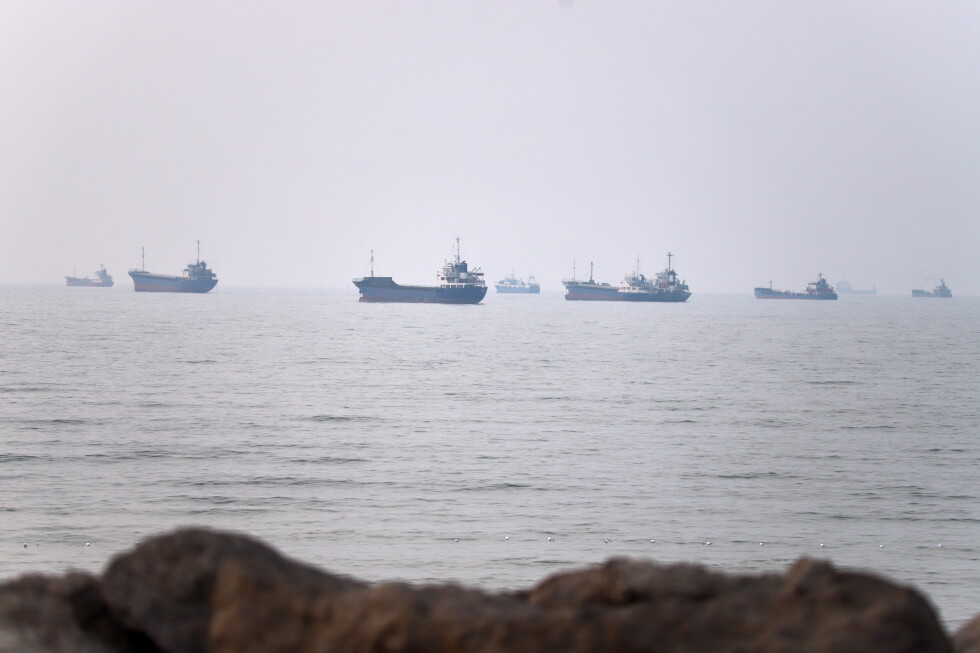
    The core of the supply disruption centers on the Strait of Hormuz, the world’s most critical chokepoint for global oil and gas shipments. For more than three months, dozens of crude-laden tankers have remained stranded in the Persian Gulf, unable to traverse the waterway safely amid heightened hostilities between the two nations. Today, the strategic passage faces greater uncertainty than at the outbreak of the conflict, according to Jim Burkhard, vice president and head of crude oil research at S&P Global Energy. He noted that while Iran continues efforts to assert full control over the strait, the U.S. has failed to reestablish pre-war shipping norms, making a full return to baseline operations increasingly unlikely.

    Recent demand data underscores the severity of the slowdown. Global average oil demand hit 97.9 million barrels per day in May 2026, a 5.3 million barrel per day drop from the same period one year prior. The steepest declines have been concentrated in Asia, a region heavily dependent on Middle Eastern energy imports. China alone accounts for a 1.5 million barrel per day reduction in demand – a 9% year-over-year drop, the largest of any major global economy.

    China’s demand cutback stems from a deliberate policy decision to draw down its large strategic reserves rather than purchase crude at inflated market prices during the spring crisis, Burkhard explained. The country cut its crude import volumes by roughly 50 percent, temporarily halting additions to its strategic petroleum reserve that had previously averaged nearly 1 million barrels per day, according to Daniel Sternoff, senior fellow at the Center on Global Energy Policy at Columbia University. The conflict has also accelerated existing demand trends tied to China’s rapid electric vehicle adoption, which is cutting into gasoline and diesel consumption. Sternoff projects that China could see a permanent reduction of between 500,000 and 600,000 barrels per day in road fuel demand from this transition alone.

    Counter to the global trend, the United States has seen unexpected growth in gasoline consumption during the second quarter of 2026, even as average pump prices rose 50% above pre-war levels to top $4.50 per gallon of regular gasoline in May, AAA data shows. Analysts point to two key factors for this anomaly: the share of U.S. household income devoted to gasoline has trended downward for decades, meaning even large price increases have a muted impact on driving behavior for most consumers. Additionally, the ongoing shift from remote work back to in-office office commutes has increased overall travel demand, offsetting any pullback from price sensitivity. “Even though it’s a really political price that people pay a lot of attention to, if you are in the higher quintiles of income in the U.S., you might grumble about it, but you’re not really driving less just because of that increase in prices,” Sternoff said.

    The conflict has also created a paradoxical dynamic in global oil pricing that has prevented the sharp price spikes many market observers initially predicted. A fragile ceasefire reached in June allowed stranded tankers to exit the Strait of Hormuz, flooding the market with additional crude and pushing prices lower. Even when tensions escalated again earlier this month, prices failed to spike, as the conflict has settled into a predictable “gray zone” that no longer shocks markets, according to Burkhard. Reduced overall global demand, led by China’s cutbacks, has also kept upward price pressure in check. Additional supply-side constraints have hit downstream markets: multiple Russian refineries have been knocked offline by Ukrainian drone strikes, and Middle Eastern refining capacity remains damaged from the wider regional conflict, leaving refined product prices for gasoline and diesel far more inflated than crude prices. “There’s this gush of supply of crude oil being made available to the market, and there’s simply less demand for that crude oil,” Burkhard summed up.

  • South African police arrest UK fugitive sought in alleged killings of his wife and 2 daughters

    South African police arrest UK fugitive sought in alleged killings of his wife and 2 daughters

    JOHANNESBURG — In a coordinated international law enforcement operation, South African police have apprehended a British citizen wanted by United Kingdom authorities for the alleged murder of his wife and two young children, law enforcement officials confirmed Friday.

    Ndodana Mkhanyisi Tshuma, a British national with Zimbabwean origins, was taken into custody in Kensington, a quiet suburban district of Johannesburg, following an intelligence-driven joint operation that included both the South African Police Service and Interpol.

    The manhunt for Tshuma was launched after the bodies of his family members were found at the family residence near Bedford, a town located just north of London. His victims are identified as 42-year-old Nothabo Zandile Tshuma, his wife, and their two minor daughters: 15-year-old Natalie and 5-year-old Nala.

    Speaking on the arrest, acting National Police Commissioner Lieutenant General Puleng Dimpane emphasized that the successful apprehension highlights the strong, ongoing cooperation between South African law enforcement and global policing bodies in hunting down cross-border fugitives. Dimpane made clear that South Africa will not tolerate becoming a refuge for individuals fleeing criminal justice.

    “This arrest demonstrates that South Africa is not a safe haven for fugitives,” Dimpane stated. “Anyone who believes they can evade justice by fleeing to our country should know that the South African Police Service will work tirelessly with international law enforcement partners to trace, locate and arrest them.”

    Brigadier Athlenda Mathe, a spokesperson for the South African Police Service, confirmed that legal teams are now moving forward with the formal extradition process alongside British authorities. While the U.K. and South Africa maintain a standing bilateral extradition treaty, local legal requirements mandate that all suspects arrested on South African soil must first appear in a domestic court before extradition can be finalized.

    Sources familiar with the internal proceedings of the case note that the identity of Tshuma’s legal representation will be publicly disclosed once the case is called in court. Tshuma is scheduled to make his first court appearance at a South African courthouse this coming Monday.