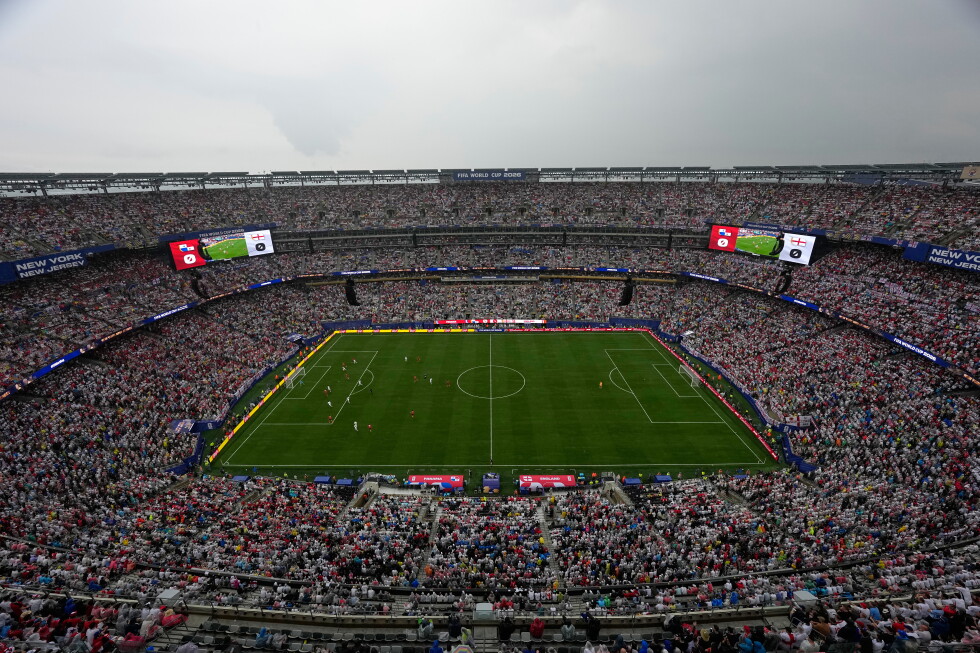
Global soccer governing body FIFA has ignited public debate over its latest monetization move for the upcoming 2026 FIFA World Cup, announcing it will sell segmented pieces of the natural grass pitch used for the tournament’s July 19 final at New Jersey’s MetLife Stadium for $450 per collectible.
The commemorative items, marketed as a one-of-a-kind piece of soccer history for die-hard fans and collectors, each contain an original fragment of the final’s playing surface. The turf pieces are preserved in high-quality acrylic casing paired with a USB keepsake marked with an official authenticity film. Packaged in a premium rigid gift box with detailed UV finishing, FIFA positions the product as an exclusive memento for enthusiasts of the world’s biggest sporting event. However, the organization has left key details ambiguous: while FIFA’s official store lists the dimensions of each turf segment as 17.5 by 17.5 by 17.5, it fails to specify whether the measurement unit is inches, centimeters or millimeters. The Associated Press reported that FIFA did not immediately respond to requests for clarification on the product’s specifications as of press time. Shipping is also restricted, with the collectibles only available to customers with delivery addresses in the United States and Europe, and all orders will be fulfilled only after the final match concludes.
This new commercial offering comes as FIFA already faces widespread criticism for exorbitant pricing for the 2026 World Cup held across North America, including the United States. Ticket prices for the final currently top out at $32,970 for standard seating, while premium hospitality packages that include food and beverage service are being sold for $32,500 to $34,500. The MetLife Stadium pitch itself has also been a point of contention: the venue normally hosts NFL games for the New York Giants and New York Jets on artificial turf, and players and coaches have already raised public concerns about the quality of the temporary natural grass surface installed for the World Cup final.
The move to sell pieces of the final pitch marks one of the most high-profile examples of FIFA’s aggressive commercialization of the 2026 tournament, drawing attention to the growing gap between premium, high-priced World Cup experiences and average soccer fans seeking affordable access to the event.