NEW YORK – The International Energy Agency (IEA) has projected that global oil demand will experience an annual decline in 2026, marking the first such drop since the peak of the COVID-19 pandemic in 2020. The projected contraction, estimated at 1 million barrels per day for the full year, stems from elevated energy prices and unevenly distributed supply disruptions rooted in the ongoing conflict between the United States and Iran.
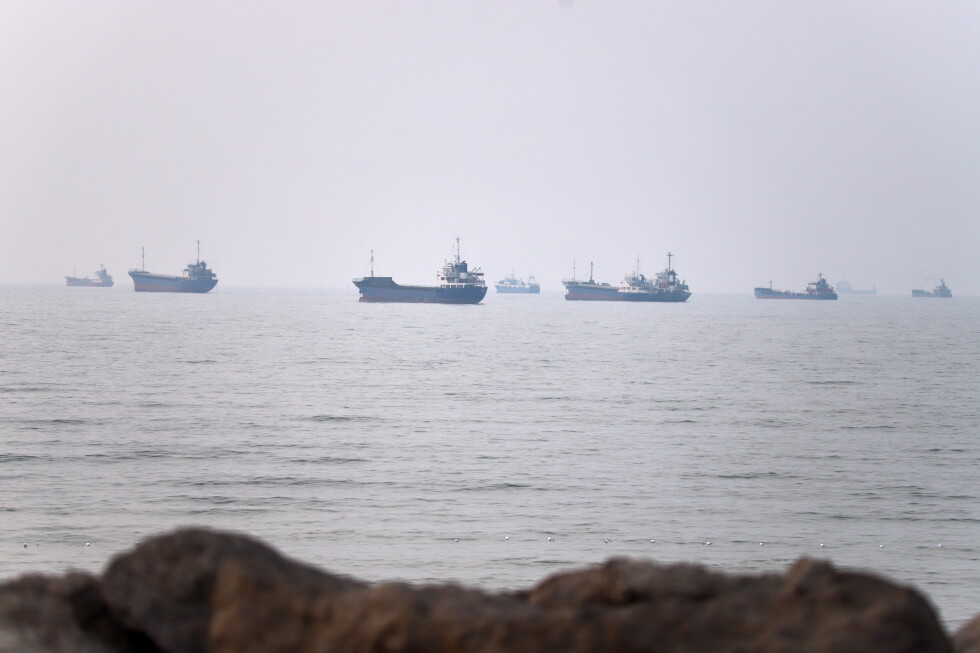
The core of the supply disruption centers on the Strait of Hormuz, the world’s most critical chokepoint for global oil and gas shipments. For more than three months, dozens of crude-laden tankers have remained stranded in the Persian Gulf, unable to traverse the waterway safely amid heightened hostilities between the two nations. Today, the strategic passage faces greater uncertainty than at the outbreak of the conflict, according to Jim Burkhard, vice president and head of crude oil research at S&P Global Energy. He noted that while Iran continues efforts to assert full control over the strait, the U.S. has failed to reestablish pre-war shipping norms, making a full return to baseline operations increasingly unlikely.
Recent demand data underscores the severity of the slowdown. Global average oil demand hit 97.9 million barrels per day in May 2026, a 5.3 million barrel per day drop from the same period one year prior. The steepest declines have been concentrated in Asia, a region heavily dependent on Middle Eastern energy imports. China alone accounts for a 1.5 million barrel per day reduction in demand – a 9% year-over-year drop, the largest of any major global economy.
China’s demand cutback stems from a deliberate policy decision to draw down its large strategic reserves rather than purchase crude at inflated market prices during the spring crisis, Burkhard explained. The country cut its crude import volumes by roughly 50 percent, temporarily halting additions to its strategic petroleum reserve that had previously averaged nearly 1 million barrels per day, according to Daniel Sternoff, senior fellow at the Center on Global Energy Policy at Columbia University. The conflict has also accelerated existing demand trends tied to China’s rapid electric vehicle adoption, which is cutting into gasoline and diesel consumption. Sternoff projects that China could see a permanent reduction of between 500,000 and 600,000 barrels per day in road fuel demand from this transition alone.
Counter to the global trend, the United States has seen unexpected growth in gasoline consumption during the second quarter of 2026, even as average pump prices rose 50% above pre-war levels to top $4.50 per gallon of regular gasoline in May, AAA data shows. Analysts point to two key factors for this anomaly: the share of U.S. household income devoted to gasoline has trended downward for decades, meaning even large price increases have a muted impact on driving behavior for most consumers. Additionally, the ongoing shift from remote work back to in-office office commutes has increased overall travel demand, offsetting any pullback from price sensitivity. “Even though it’s a really political price that people pay a lot of attention to, if you are in the higher quintiles of income in the U.S., you might grumble about it, but you’re not really driving less just because of that increase in prices,” Sternoff said.
The conflict has also created a paradoxical dynamic in global oil pricing that has prevented the sharp price spikes many market observers initially predicted. A fragile ceasefire reached in June allowed stranded tankers to exit the Strait of Hormuz, flooding the market with additional crude and pushing prices lower. Even when tensions escalated again earlier this month, prices failed to spike, as the conflict has settled into a predictable “gray zone” that no longer shocks markets, according to Burkhard. Reduced overall global demand, led by China’s cutbacks, has also kept upward price pressure in check. Additional supply-side constraints have hit downstream markets: multiple Russian refineries have been knocked offline by Ukrainian drone strikes, and Middle Eastern refining capacity remains damaged from the wider regional conflict, leaving refined product prices for gasoline and diesel far more inflated than crude prices. “There’s this gush of supply of crude oil being made available to the market, and there’s simply less demand for that crude oil,” Burkhard summed up.