博客

  • Japan’s space agency conducts first test flight for experimental reusable rocket

    Japan’s space agency conducts first test flight for experimental reusable rocket

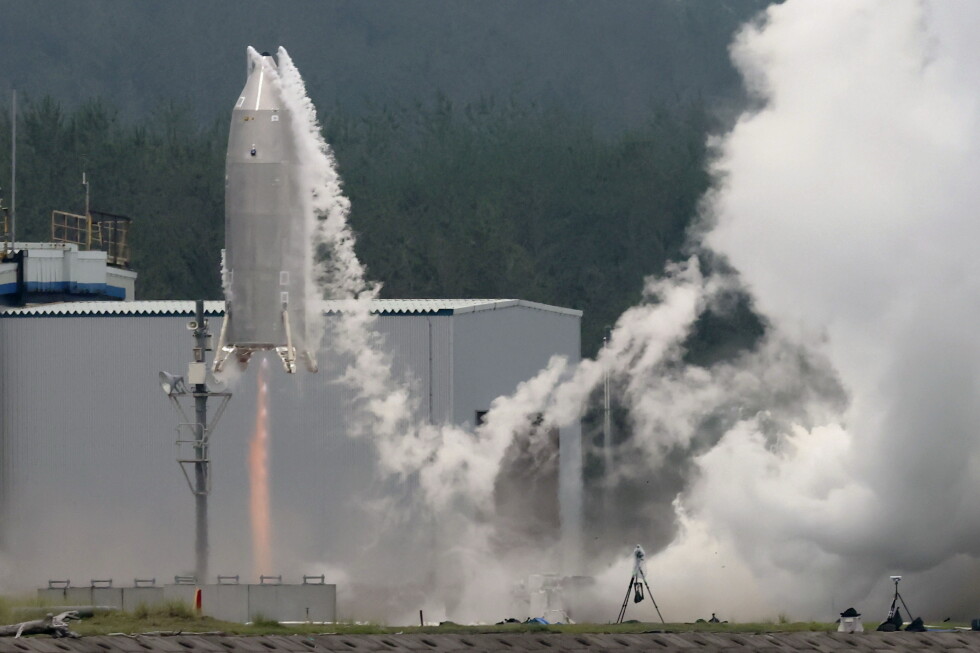
    In a landmark milestone for Japan’s commercial space ambitions, the country’s first experimental reusable rocket completed a successful short test flight Saturday, marking a critical step toward mastering the cost-cutting launch technology that has revolutionized the global space industry.

    Developed jointly by the Japan Aerospace Exploration Agency (JAXA) and Mitsubishi Heavy Industries, the small RV-X test vehicle executed a fully controlled flight lasting less than one minute at JAXA’s Noshiro Testing Center, located in northeastern Japan. The rocket completed all planned maneuvers: a vertical liftoff, stable hovering, controlled horizontal movement, and a precise vertical landing on the test site, with space enthusiast group NVS broadcasting the entire test live to a global online audience.

    Japan’s long-term goal in developing reusable rocket technology is to narrow the gap with industry leader SpaceX, which has flown and landed reusable first-stage rockets for more than a decade. Reusable rocket designs drastically cut launch costs by allowing core rocket components to be recovered, refurbished, and flown multiple times — a change that has allowed SpaceX to dominate the global commercial launch market in recent years.

    For Japan, mastering this technology is critical to upgrading its current mainstay launch fleet. The country’s existing H3 series, a replacement for the highly reliable but expensive single-use H-2A rocket, already brings modest cost improvements over its predecessor. But further reductions from reusability are required to make Japanese launch services competitive on the global open market.

    Saturday’s test comes just 24 hours after China announced its own first successful recovery of a reusable rocket first stage following a launch, marking a growing global race to expand access to low-cost commercial space access. JAXA, which is also collaborating with France and Germany on reusable rocket research, will hold a public online briefing later Saturday to share preliminary data and analysis from the test. The agency has already laid out plans for future development: upcoming test flights will push the RV-X to reach altitudes of roughly 100 meters, building on the success of Saturday’s initial short-duration test to validate full-scale reusable rocket systems.

    Japanese government officials have framed the development of a stable, commercially competitive domestic space launch capability as a core priority for both the country’s national space program and its national security, as access to reliable low-cost launch becomes an increasingly critical strategic asset globally.

  • Elon Musk’s X slammed by Bondi commission for ‘double standards’ on online hate

    Elon Musk’s X slammed by Bondi commission for ‘double standards’ on online hate

    Australia’s royal commission investigating the role of online hate and extremist content in the 2024 Bondi Junction Chanukah terrorist attack that left 15 people dead has hit a wall with major social media platforms, particularly Elon Musk-owned X, which has declined to participate in the inquiry despite its loud self-branding as a global champion of unconstrained free speech.

    Musk acquired the platform, then known as Twitter, for $44 billion in 2022, and has since enacted sweeping changes aligned with his free speech agenda: he reinstated hundreds of accounts banned for violating hate speech policies, cut nearly the entire online safety and content moderation staff, rejected the company’s responsibility to shield minors from violent and pornographic content, and publicly argued that both footage of the Bondi attack and offensive Holocaust-themed jokes should remain accessible to users on the platform.

    During a blistering 15-minute address to the commission on Friday, lead barrister Richard Lancaster called out X for its deliberate lack of transparency around its role in enabling the spread of terrorist, violent extremist, and virulently anti-Semitic content that puts Australian communities at risk. Lancaster highlighted the stark double standard at the heart of X’s actions: the platform actively participates in Australian regulatory and legal processes to advance its commercial interests and earns significant advertising revenue from Australian users, yet refuses to engage with an inquiry focused on improving online safety for the Australian public.

    “X decides to be active in Australia to fight for content to be available on X that would, if published, cause immense sadness and harm to the Australian Jewish community; yet the same company refuses to engage with an Australian royal commission that is inquiring into ways to make social media a better place for Australian end users,” Lancaster told the commission.

    Lancaster also condemned X for its use of pages of historical Holocaust imagery in a regulatory submission arguing that footage of Bondi attack victims should remain accessible on the platform. “It was extraordinary of X to deploy those images in my submission. They give no support to a contention that a video made in 2025 showing some of the deceased after the Bondi Chanukah attack should be permitted to be shown online, and the use of Holocaust imagery in that context should be unequivocally condemned,” he added. As of the commission’s proceedings, X has not issued any public response to the criticism, continuing its silence despite its insistence on defending open speech.

    The inquiry has also heard harrowing testimony from Arsen Ostrovsky, a survivor of the Bondi attack who was targeted by a widespread online smear campaign that spread deepfake fake images labeling him a “crisis actor” faking the attack. Ostrovsky described living through a “relentless tsunami of Jew hatred online” after the attack, and told the commission he filed formal content complaints with three major platforms: X, YouTube, and Meta Platforms (owner of Facebook and Instagram). While Meta moved quickly to remove the manipulated deepfake content from its platforms, both X and YouTube only confirmed receipt of the complaint and took no further action to remove the harmful material.

    Earlier this week, a senior YouTube executive defended the platform’s decision to leave up a video pushing the smear against Ostrovsky, in which four creators falsely claimed he was a paid propaganda asset for Israel. Rachel Lord, senior manager for YouTube Australia, told the commission the video was thoroughly reviewed at senior leadership levels and was deemed to violate no content policies, as it was classified as “non-violent” despite its harmful and misleading accusations.

    Meta, another major platform under scrutiny at the inquiry, also faced criticism for its lax content policies that allow a wide range of dehumanizing and hate speech to remain on its platforms Instagram, Facebook, and Threads. In a written submission to the commission, Meta argued that it is not the company’s role “to police offensiveness,” drawing a line between offensive speech and content that causes direct offline harm. As a result, a wide range of explicitly harmful sentiments are permitted on Meta’s platforms: the commission heard that statements including “White people are all Nazis”, “Immigrants are scum”, “Black people are more violent than whites”, “trans people don’t exist”, and “gay people are sinners” are all classified as non-violating and allowed to stay up. Meta also claimed it had already censored “too much content” in recent years, justifying its loosened policies.

    Beyond social media platforms, the week’s proceedings also put Australia’s two national public broadcasters, ABC and SBS, under the microscope for their coverage of the ongoing Middle East conflict. Jillian Segal, Australia’s anti-Semitism envoy, told the commission that many Australian Jewish communities feel the broadcasters’ coverage of the Israel-Gaza war lacks balance. She argued that poor and unbalanced coverage has exacerbated the spread of anti-Semitism across Australia by conflating Jewish identity with the actions of the Israeli state. Segal called for the creation of an independent external oversight body to monitor the editorial standards of both broadcasters, arguing that the current in-house ombudsman system lets outlets “mark their own homework” without sufficient independent accountability. Both ABC and SBS have pushed back on the criticism, noting their existing independent complaint processes that handle thousands of content complaints annually and publish public reports on their decisions.

  • How a fake presidential council ended up with a budget of almost $1m in Nigeria

    How a fake presidential council ended up with a budget of almost $1m in Nigeria

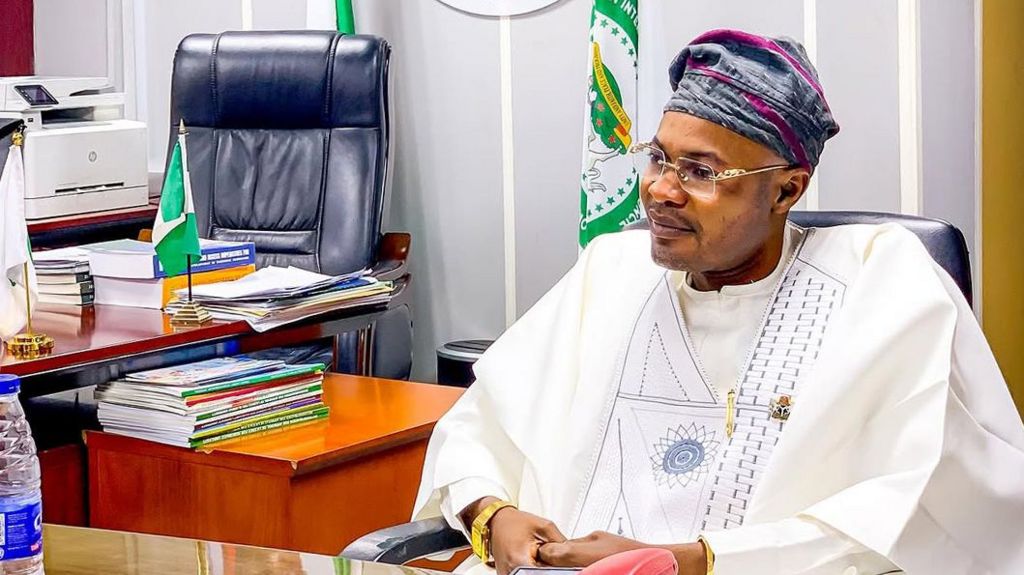
    For months in 2025, the Presidential Foreign Intervention Promotion Council (PFIPC) operated like any other official agency within Nigeria’s sprawling federal bureaucracy. Housed in the heart of Abuja’s Federal Secretariat, the body claimed a mandate to draw much-needed foreign investment to Africa’s most populous nation. Career civil servants were assigned to its ranks, it ran an official website on Nigeria’s government .gov.ng domain, and it even secured approval to hire more than 300 new workers at a time when the federal government had implemented a full public sector recruitment freeze. Though its official website has since been taken down, its Instagram account, managed by PFIPC Director General Prince Adeniyi Adeyemi Matthew, remains active.

  • UAE oil production hits record high after leaving Opec

    UAE oil production hits record high after leaving Opec

    The United Arab Emirates has reached an unprecedented all-time high in crude oil production just one month after withdrawing from the Saudi-led Opec alliance, new data shows, as the Gulf producer shrugs off geopolitical risks surrounding Iranian control of the Strait of Hormuz to seize full advantage of its new market autonomy.

    In a recently published report released Friday, data from the International Atomic Energy Agency confirms the UAE pumped 4.1 million barrels of crude per day in June. This marks a dramatic 600,000 barrel per day increase over the country’s 2025 average production of 3.5 million bpd, and it outstrips the UAE’s prior record output of 4 million bpd set in 2020, a period when the Opec+ alliance was fractured by a brutal price war between Saudi Arabia and Russia.

    The sharp production surge aligns with longstanding assessments from energy analysts that Abu Dhabi had long felt constrained by production quotas set under Saudi leadership within Opec. Over recent years, the UAE has poured billions of dollars into expanding its total oil production capacity, but repeatedly raised objections to Saudi Arabia’s coordinated supply cuts, which were designed to prop up global crude prices and blocked the UAE from maximizing its output.

    Abu Dhabi formalized its exit from Opec in May, a move that came amid a broader rift with Saudi Arabia that extends beyond energy policy to include sharp disagreements over conflicts in Yemen and Sudan, as well as diplomatic stances toward Israel. The withdrawal has already drawn public approval from the Trump administration, which has prioritized keeping global energy prices stable amid the ongoing US-Israeli military campaign against Iran.

    Geopolitical turmoil surrounding the Strait of Hormuz, a critical chokepoint through which roughly 20% of global oil supplies transit, has stirred widespread market volatility since the outbreak of the war in late February. At the peak of tensions earlier this year, when both Iran and the U.S. imposed blockades on the waterway, international benchmark Brent crude climbed above $100 per barrel. Contrary to the worst-case price spikes many analysts predicted, however, crude markets stabilized far faster than forecast.

    Analysts attribute the contained price growth to two key factors: a historic release of strategic petroleum reserves from Western nations, and a 30% cut to China’s crude import volumes, which reduced overall global demand. This combination of expanded supply and softened demand has acted as a critical buffer for the fragile global economy, though the market has not been entirely unscathed: prices for key refined products including liquefied petroleum gas, diesel, and jet fuel have rallied significantly. Additionally, Asian energy buyers, who rely heavily on Gulf oil exports, have faced far steeper price hikes than customers in the United States and Western Europe.

    The IAEA’s report also notes that while crude volumes are returning to global markets from the Gulf, refined product exports from the region remain less than 50% of pre-war levels. Despite this, the UAE’s ability to maintain consistent oil exports underscores its success in mitigating risks from Iranian control of the Strait of Hormuz.

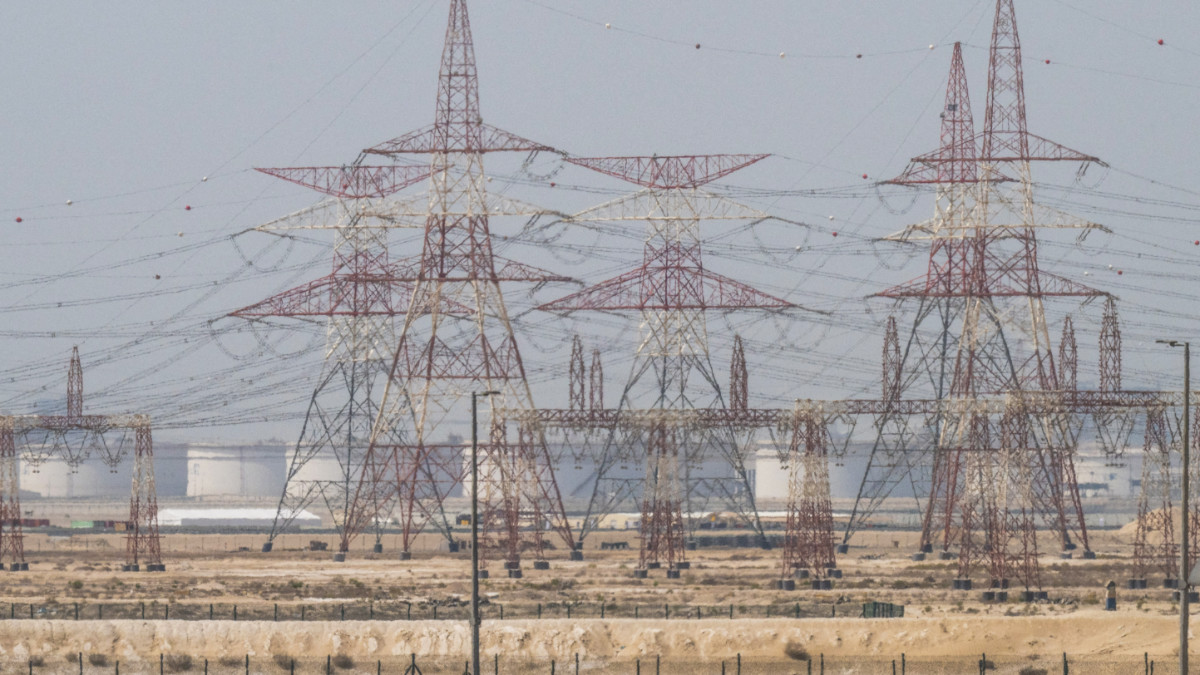
    The UAE operates a crude oil pipeline that bypasses the Strait of Hormuz entirely, delivering oil to the export terminal at Fujairah Port on the country’s east coast. The route is not entirely risk-free, however, as it remains vulnerable to potential Iranian drone attacks. In a June report, Reuters revealed the UAE paid billions of dollars to Iran in exchange for a halt to cross-border attacks, a major policy reversal for the country, which had joined the U.S. and Israel in launching dozens of strikes on Iranian targets since the outbreak of the war.

    Maritime intelligence sources add that the UAE has also moved oil through the Strait of Hormuz using so-called “dark vessels” that operate with their automatic identification transponders turned off to hide their movements. The country has built its own dedicated fleet of oil tankers for these operations, and has also secured capacity from independent shipowners willing to accept the risk of Iranian strikes in exchange for far higher shipping rates.

  • ‘We just disappeared’: Palestine Action defendant recalls ‘horrifying’ arrest

    ‘We just disappeared’: Palestine Action defendant recalls ‘horrifying’ arrest

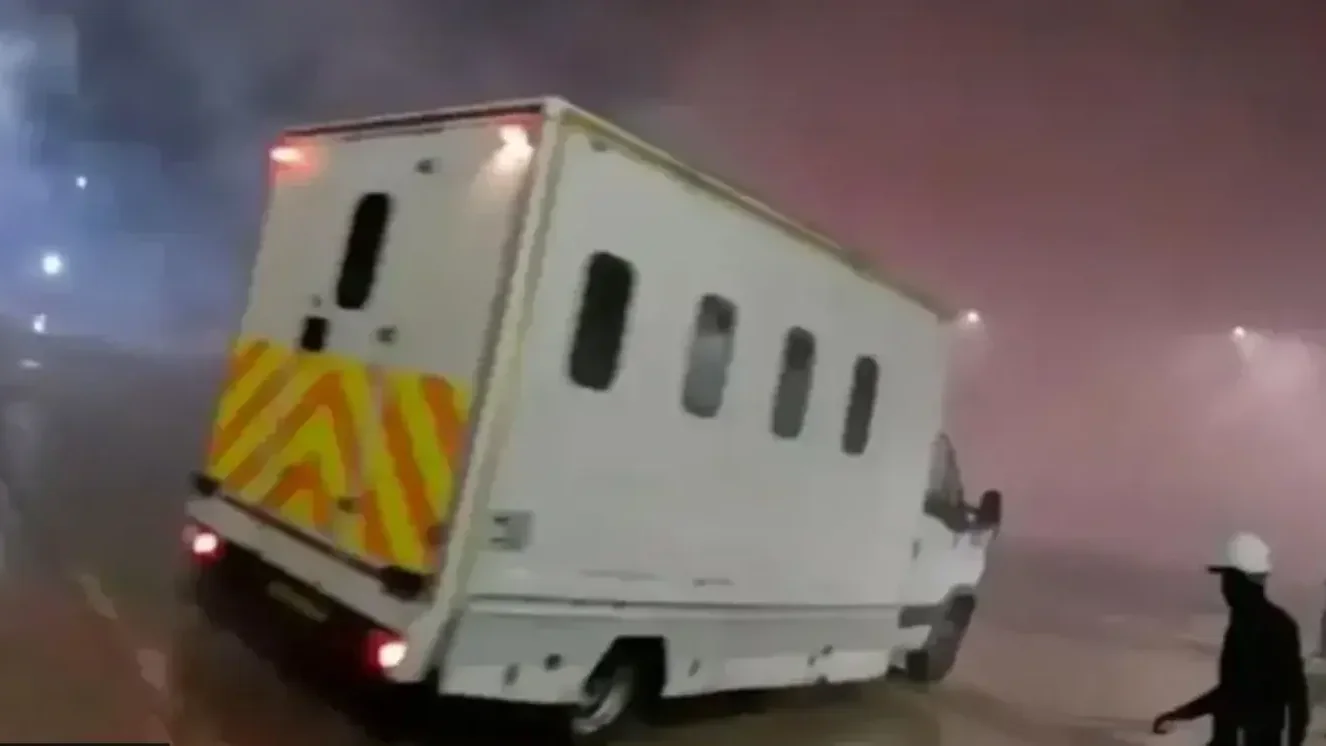
    Eight Palestine Action affiliates are currently on trial at London’s Old Bailey, facing charges of violent disorder and criminal damage linked to a 2024 raid on an Elbit Systems-owned Israeli arms manufacturing facility near Bristol, with one defendant already acquitted on the more serious charge. The case centers on allegations that the eight defendants coordinated the August 6 break-in at the Filton plant through pre-raid reconnaissance and equipment purchases, though none are accused of physically entering the factory site themselves. All defendants have pleaded not guilty to the charges, which are brought under the UK’s joint enterprise doctrine, a legal framework that allows prosecutors to hold co-conspirators liable for offenses committed by other participants in a planned action.

    One defendant, 53-year-old Edinburgh-based artist Hannah Davidson, broke down in tears while giving evidence this week, describing the traumatic aftermath of her August 7 counter-terrorism arrest as a trigger for chronic post-traumatic stress disorder that affects all co-defendants. Davidson recalled being transferred to a Newbury counter-terrorism detention unit after being taken from her home, where she said she was held incommunicado for days with no access to legal representation. While prosecutors later corrected her timeline, noting she first spoke to a solicitor 31.5 hours after arrest, Davidson told the court her perception of the experience was distorted by an autistic meltdown that left her disoriented and struggling to breathe. “It was just horrifying. We all just have really chronic PTSD about that period. We just disappeared,” she told jurors.

    Davidson also detailed to the court what drove her to become involved in pro-Palestinian direct action, tracing her activism back to the October 2023 escalation of Israeli military operations in Gaza. A former youth services worker who rebuilt her life as an artist after housing instability during the Covid-19 pandemic, Davidson described being completely shattered by graphic social media footage of civilian casualties in Gaza. She recalled quitting her job at a storage facility after spending hours daily crying while watching crisis updates, saying she turned first to traditional advocacy: writing to politicians and lobbying local government through the Gaza Genocide Emergency Committee in Edinburgh. The turning point, she said, came in February 2024, when Prime Minister Keir Starmer ordered Labour MPs to vote against a Scottish National Party parliamentary motion calling for an immediate ceasefire in Gaza. “It just made me realise that all of this letter writing was not going to work, it wasn’t going to happen,” she explained.

    Davidson told the court she attended a Palestine Action training day in Edinburgh in April 2024, and only agreed to take on a limited behind-the-scenes role as a driver for the Filton action days before the raid, after organizers said they were short on support staff. She acknowledged she was aware the action would involve criminal damage to the factory, but said she had no knowledge of plans for violent tactics and only reviewed planning documents related to her driving role. She denied prosecutors’ claims that she was a core coordinator of the raid, telling the court “It sounds terribly naive considering the trouble we’re in now, which I could not have foreseen.”

    Co-defendant Teuta Hoxha, 30, also took the witness stand Friday, tearfully describing her own path to activism after the October 2023 Gaza escalation. Before joining Palestine Action, Hoxha said she pursued traditional advocacy: writing to UK government departments, partnering with local mosques, and running fundraising stalls for Gaza. She said a graphic social media video of a Gaza father holding the dismembered remains of his children in plastic bags pushed her to join more direct action, calling the moment the “straw that broke the camel’s back.”

    Hoxha, who had previously participated in non-violent Palestine Action protests using the “lock-on” tactic where activists attach themselves to infrastructure, told jurors she had no idea the group planned violent action when she joined. Prosecutors accuse her of coordinating the Filton raid by conducting pre-action surveillance of the site, but Hoxha said any reconnaissance she completed was for a general pool of potential actions across the UK, not specifically for the Filton raid. She told the court she only traveled to Bristol days before the action to manage GoPro cameras for the protest, handling logistics like charging batteries and installing SIM cards for footage that would be used to publicize the action and document Elbit’s weapons work. Her trial testimony echoed Davidson’s: she denies any role in coordinating the raid.

    Last week, presiding judge Patrick Field acquitted defendant William Plastow, 35, of the violent disorder charge, ruling that prosecutors had failed to present sufficient evidence to support the allegation. Plastow still faces a separate charge of criminal damage in connection with the raid. The trial of the eight remaining defendants is ongoing.

  • ‘Devastating’ evidence against Charlie Kirk murder suspect laid out in court

    ‘Devastating’ evidence against Charlie Kirk murder suspect laid out in court

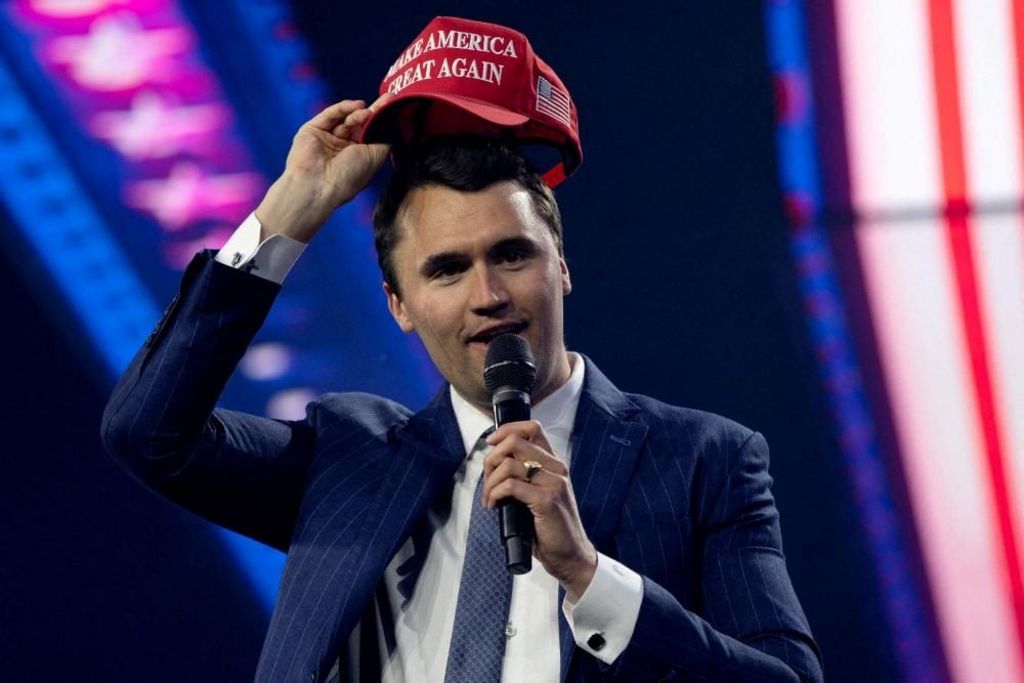
    Five days of high-stakes preliminary hearings for the 2024 assassination of prominent conservative political figure Charlie Kirk have wrapped up in Utah, with prosecutors presenting what they call overwhelming, devastating evidence linking 23-year-old trainee electrician Tyler Robinson to the killing, while the defense has worked relentlessly to undermine the case’s credibility.

  • At Canada’s biggest rodeo, the starting gun is fired in the fight over Alberta separation

    At Canada’s biggest rodeo, the starting gun is fired in the fight over Alberta separation

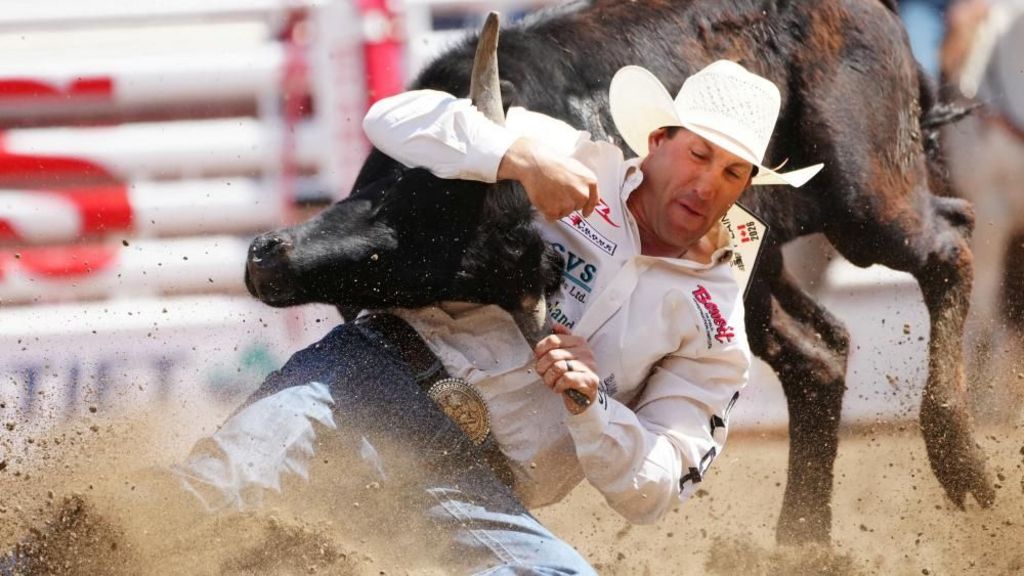
    Every summer, more than 1.4 million visitors from across Canada and around the world flood into Calgary for the Calgary Stampede, billed as the ‘Greatest Outdoor Show on Earth.’ This iconic western Canadian celebration draws crowds to witness heart-pounding chuckwagon races, lightning-fast First Nations horse relays, and all the rustic charm of cowboy culture, while also doubling as a test of political skill—leaders are expected to nail a pancake flip at community breakfasts and pull off a convincing cowboy look to win over voters.

    This year, however, the carnival music and festive energy of the Stampede grounds are overshadowed by a looming political battle: an upcoming October non-binding referendum that will ask Albertans whether they support holding a later binding vote on full independence from Canada. For both pro-unity and pro-separation advocates, the 2026 Stampede has become the first major public stage to make their case to voters, kicking off what all sides agree will be a hard-fought, divisive campaign for the province’s future.

    ‘You can feel it everywhere—this referendum is the cloud over everything we do,’ Corey Hogan, a Liberal Member of Parliament from Calgary, told reporters during the event. Hogan invited dozens of federal Liberal colleagues from across the country to the Stampede this year to rally for national unity, and in a public speech, he framed separatism as ‘a poison’ that has split families and communities across Alberta. ‘It underpins every other conversation we might want to have about healthcare, the economy, or climate action,’ he added. Prime Minister Mark Carney is scheduled to visit Calgary this weekend to deliver his own pro-unity message, joining a long list of federal leaders who see the October vote as a critical moment for Canadian national cohesion.

    While public polling currently projects that the pro-unity side will win the October referendum by a comfortable margin, many unity advocates say they are taking nothing for granted, haunted by the 2016 Brexit referendum, when a complacent pro-Remain camp ultimately lost to the leave campaign. ‘The shadow of Brexit hangs over every step of this campaign,’ said Andrew Kemle, a University of Calgary graduate student who attended Hogan’s Stampede unity breakfast. ‘We saw an entire country sleepwalk into an economic disaster we’re still dealing with. We can’t let that happen here.’

    The push for Alberta independence has its roots in decades of frustration among many Albertans who feel the oil-rich, landlocked province has been systematically overlooked and disrespected by federal decision-makers in Ottawa. Separatist organizers say that frustration grew during the COVID-19 pandemic, and reached a turning point during the 2021 Freedom Convoy protests, when then-Prime Minister Justin Trudeau invoked the never-before-used Emergencies Act to clear blockades in downtown Ottawa.

    Chris Scott, a pro-independence organizer from the small rural town of Mirror who took part in the 2021 convoy, said the federal government’s response to the protest completely reshaped his view of Canadian national identity. ‘I was raised believing this was a free country,’ Scott told the BBC from his rural cafe and truck stop, which is decorated with Alberta’s blue provincial flag and art commemorating the Freedom Convoy. ‘Trudeau’s actions that week showed me we don’t have a voice in Ottawa. When you’re not respected by the national government, it’s hard to respect that government back.’ For Scott, even Prime Minister Carney’s recent push to approve a long-sought west coast oil pipeline—one of Alberta’s top policy priorities for decades—is too little too late. ‘Ottawa is only reaching out now when they’re scared of losing us. It’s too late. We need to set our own rules,’ he said.

    Justin Perkins, a rural Albertan who shared his views with the BBC while refueling his car, echoed that sense of alienation. ‘I would say I’m 100% Canadian, but every year that feels less true,’ Perkins said. ‘People across the country write us off as hated rednecks, just for being born here. We didn’t do anything wrong, but we’re treated like the ugly cousin of Canada. What choice do we have but to go it alone?’

    Pro-unity advocates warn that separation would bring catastrophic political, economic, and social harm to Alberta, and they have launched a full-court press to convince voters ahead of October. Former Progressive Conservative Alberta legislator Thomas Lukaszuk, who leads the pro-unity group Forever Canadian, recently opened the organization’s campaign headquarters in Calgary, and has spent the past two months crisscrossing the province in a refurbished 1997 camper van covered in maple leaf decals, dubbed the ‘Unity Bus.’ He hands out pro-Canada pins and lawn signs, and speaks to small groups of voters in towns and cities across the province to lay out the risks of separation.

    Lukaszuk says the referendum debate has already torn communities apart. ‘You have neighbors not trusting neighbors, people checking which flag is flying on which porch,’ he said. ‘If it’s an Alberta flag, they automatically assume you’re a separatist. This is an incredibly divisive fight, and it has to end.’ Scott, meanwhile, says his community in rural Mirror is overwhelmingly pro-independence, a divide that highlights the deep urban-rural split on the issue across the province: while most major urban centers lean heavily pro-unity, rural areas are far more sympathetic to separation. Polls currently show only around 20% of all Albertans support full independence, but Scott says that number is growing fast, and he’s bought his own campaign van to rival Lukaszuk’s Unity Bus. No matter what happens in October, he says, independence is ‘inevitable.’

    A key barrier to an immediate binding separation vote has been the successful legal challenge brought by Alberta’s First Nations groups, who argued that separatist leaders never consulted them on a plan for independence, which would put their constitutionally protected treaty rights at severe risk. The courts ruled in favor of First Nations, delaying a binding referendum until the legal process is resolved. Chief Samuel Crowfoot of the Siksika First Nation, whose territory lies just east of Calgary near the 1877 signing site of Treaty 7, said his community’s future is far more secure within Canada.

    ‘These numbered treaties form the entire basis of our relationship with the Crown, and those treaties will be honored far more fully if we stay within Canada,’ Chief Crowfoot told the BBC. ‘Separatist leaders have not reached out to us, they haven’t talked to us about what an independent Alberta would look like for First Nations, and there is no guarantee our rights would be protected.’ Chief Troy Knowlton of the Piikani First Nation put it more bluntly: he would rather stick with ‘the devil that we know today’ than risk the uncertainty of independence. Chief Crowfoot added that without First Nations’ legal challenge, a binding separation referendum would already be moving forward, making Indigenous Albertans the most effective force holding Canada together so far.

    Alberta Premier Danielle Smith, who has navigated a separatist-leaning political base while remaining personally pro-unity, has defended the October vote, saying it is an important opportunity to give Albertans a direct voice on the issue. For pro-unity leaders like Hogan, even the non-binding ‘referendum on a referendum’ poses major risks. If the pro-exploration side wins, Hogan says, Alberta politics could be consumed by the separation fight forever. ‘Loss is not an option for us,’ Lukaszuk said. ‘We will do everything we possibly can to win this in October.’

    As the 10-day Calgary Stampede draws to a close this weekend, with cowboys heading back to their ranches and the fairground rides going quiet, both sides agree: this is only the opening round of a battle that will shape the future of Alberta and Canada for generations to come.
  • Lamine Yamal says France should fear Spain in their much-anticipated World Cup semifinal

    Lamine Yamal says France should fear Spain in their much-anticipated World Cup semifinal

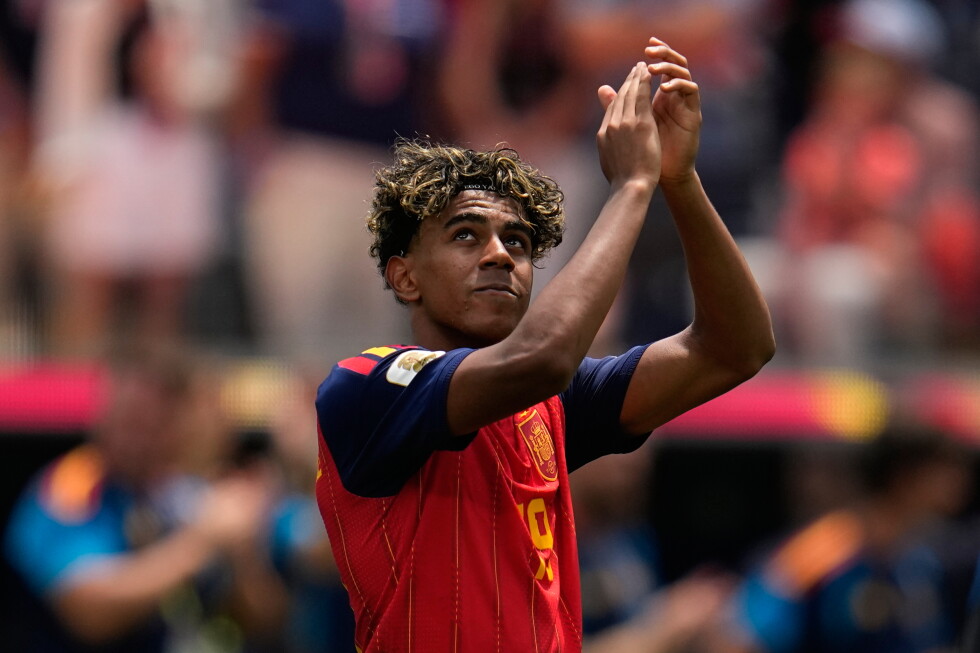
    INGLEWOOD, California – Fresh off Spain’s tense 2-1 quarterfinal victory over Belgium that booked the nation’s first World Cup semifinal spot since 2010, 18-year-old Spanish breakout star Lamine Yamal has issued a bold warning to defending champions France: the European powerhouse should be wary of his side when the two global football giants face off for a place in the World Cup final next week.

    Speaking to reporters immediately after Friday’s quarterfinal win at SoFi Stadium, the teenage sensation made his stance clear: “I believe if France has to fear anyone, it should be us, in my opinion. We were the ones who knocked them out before.”
    Yamal’s confidence is rooted in recent head-to-head history: Spain eliminated France in the 2024 European Championship semifinals, and the two sides have also faced off in Nations League competition in 2023, with Spain coming out on top once again. The young winger, who made history as the youngest goal scorer at the 2024 Euros, earned man of the match honors for his impactful performance against Belgium, and says his side enters the matchup with no intimidation.

    “We don’t fear anyone,” Yamal said. “It’s clear that we are two great teams, world-class national teams, and for me they are one of the best. We’ll see what happens.”
    The highly anticipated semifinal will take place at the home stadium of the NFL’s Dallas Cowboys, marking another high-stakes chapter between two of men’s football’s most talented national squads. France, the 2018 World Cup champions and 2022 runners-up, have been the tournament’s most prolific attacking side so far, notching 16 goals across six matches en route to the semifinal round. For Spain, Friday’s quarterfinal win was secured by a dramatic 88th-minute match-winner from substitute Mikel Merino, with Belgium’s late first-half strike marking the first goal La Roja has conceded throughout the entire 2026 World Cup.
    Spain’s current squad carries an unprecedented recent record: the team has gone 37 consecutive competitive matches without a loss dating back to March 2023, with the only blemish in that run coming via a penalty shootout defeat to Portugal in the 2023 Nations League final. It is just the second time Spain has reached a World Cup semifinal in the nation’s history, after their victorious 2010 campaign where they lifted the trophy.
    Though Yamal has only found the back of the net once in his debut World Cup, his dynamic playmaking and relentless energy down Spain’s right attacking flank has been a standout feature of the team’s run. He set the game’s first goal in motion against Belgium, combining in a quick one-two with right-back Pedro Porro to open space for the attack, ultimately leading to Fabián Ruiz’s rebound finish after Dani Olmo’s initial shot was saved. It was the second consecutive match Spain secured victory with a late match-winner, a trend that has tested the side’s resilience ahead of their biggest match of the tournament.
    Even with the tight wins, Yamal says his side has proven they are prepared to face France, the tournament’s most dominant attacking unit. He argued that Spain’s attractive, possession-based style has forced every opponent this tournament to abandon open play and sit deep in defense, making results harder to come by than they might appear.
    “I think we were much better (than Belgium),” Yamal said. “It seems like we’re playing very beautiful football, but in reality, there isn’t a team that plays against us on equal footing. Everyone drops back, and that makes it more difficult. Nobody has gone toe-to-toe with us. But in the end, we secured the win.”
    Yamal will turn 19 years old on Monday, the day before the two sides kick off their semifinal battle for a spot in the World Cup final.

  • Wife of Jean Nassif, Nisserine ‘Nissy’ Nassif tells court she was left broke, desperate

    Wife of Jean Nassif, Nisserine ‘Nissy’ Nassif tells court she was left broke, desperate

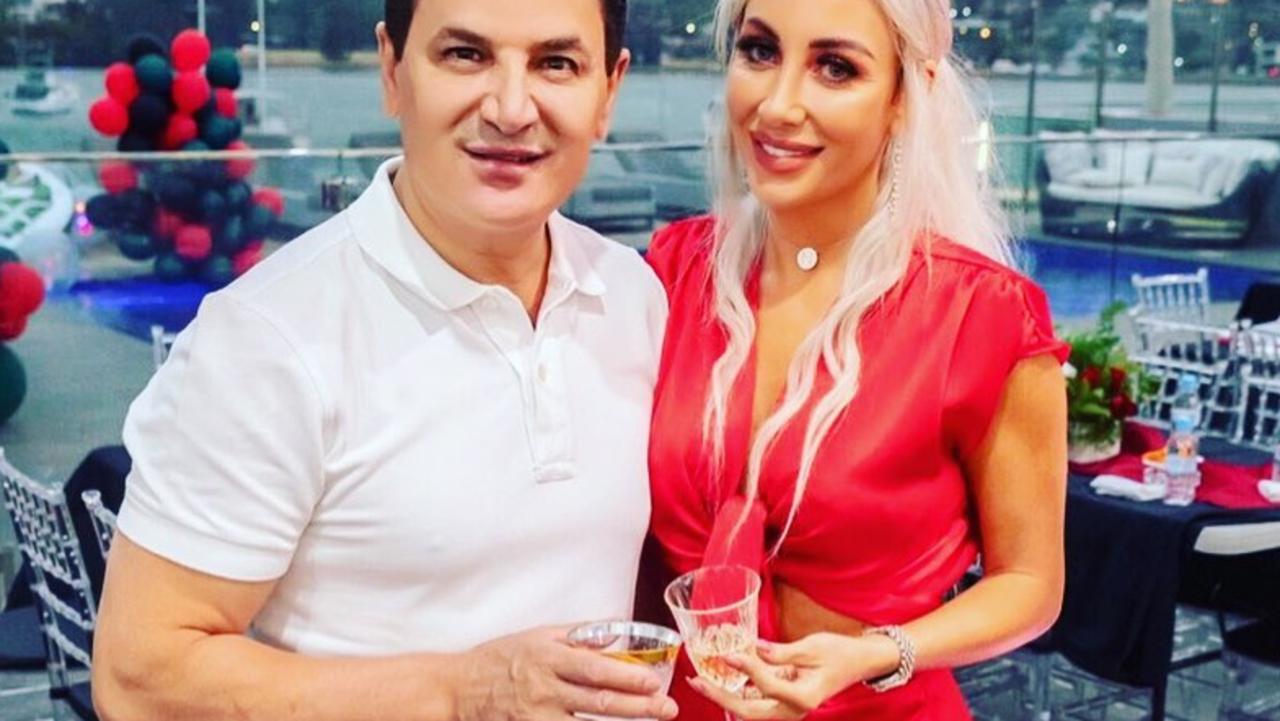
    A high-profile Sydney socialite, whose property developer husband is the subject of an international Australian police manhunt over alleged fraud, has revealed she has been left completely penniless, surviving on government welfare payments while navigating a bitter legal dispute over unpaid legal fees.

    Nisserine ‘Nissy’ Nassif, whose husband Jean Nassif—founder of collapsed property development firm Toplace—has been hiding overseas since June 2023 when fraud allegations emerged following his company’s collapse, made the claims in New South Wales Supreme Court proceedings earlier this month. The case centered on her failed request to pause former legal representatives’ efforts to recover outstanding legal costs from her.

    In court documents and testimony, Ms Nassif told justices she has been abandoned with no access to assets or steady income, raising three children alone while waiting for public housing allocation through the state Housing Commission. Justice Richard Cavanagh, who ultimately dismissed her application for a stay of proceedings, acknowledged he had no concrete evidence to verify her claims but said he would accept her assertion of severe financial hardship as accurate for the case.

    “I do not have evidence before me of those matters. However, I will assume the accuracy of what the plaintiff says, that is, that she is in a financially desperate position … It is only necessary to say that none of the matters raised by the plaintiff provide any basis for a stay of these proceedings,” Justice Cavanagh wrote in his ruling.

    The dramatic shift in Ms Nassif’s financial circumstances marks a stark fall from grace. In 2019, she went viral on social media after her husband gifted her a bright yellow Lamborghini for Valentine’s Day, catapulting her into the spotlight as a prominent fixture of Sydney’s upper social circle.

    Beyond the fraud charges that led to Jean Nassif’s disappearance, the disgraced developer is also set to be a central figure in a high-stakes corruption inquiry launched by New South Wales’s Independent Commission Against Corruption (ICAC). Dubbed Operation Rosney, the inquiry is scheduled to begin public hearings on July 27 and is expected to run for eight weeks.

    The investigation will examine a web of allegations centered on unlawful campaign financing, linking individuals connected to the New South Wales Liberal Party, Catholic Schools NSW, a local hotelier, sitting Strathfield municipal councillors, and Jean Nassif himself. Critically, the inquiry will probe whether Nassif and Toplace made illegal political donations between 2020 and 2023, when the company was barred from making political contributions, and whether those donations were tied to efforts to place allies within the Liberal Party’s membership ranks.

    Jean-Claude Perrottet, brother of former New South Wales Premier Dominic Perrottet, is also among the individuals named in the probe. ICAC has stressed that none of the parties named in the investigation have been formally found guilty of wrongdoing, and the inquiry is solely to examine the credibility of the existing allegations.

  • ‘Shared ambitions’: Canada, Saudi Arabia sign deals on defence, investment, and AI

    ‘Shared ambitions’: Canada, Saudi Arabia sign deals on defence, investment, and AI

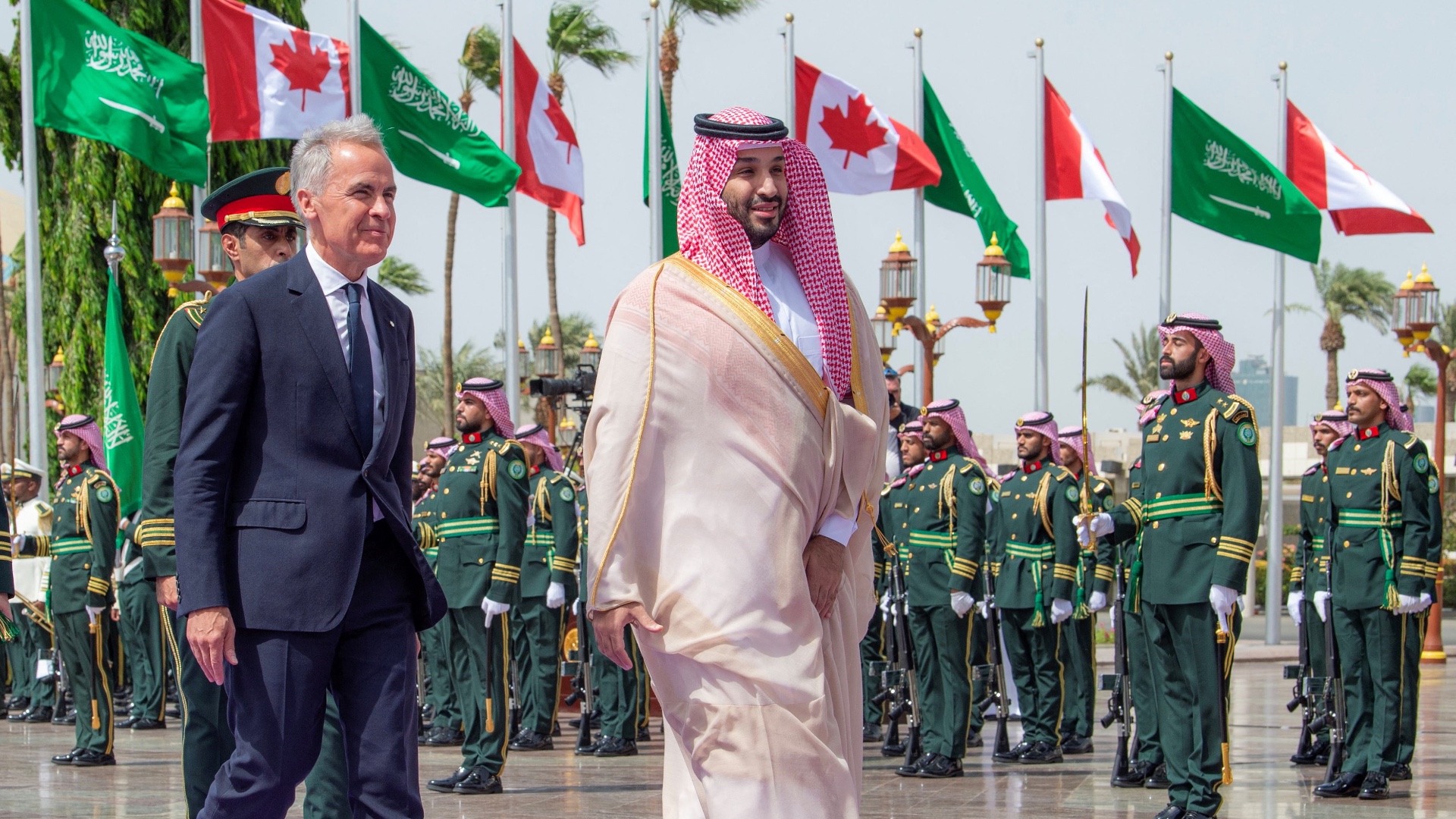
    In a landmark step that reshapes Canada’s diplomatic and economic footprint in the Middle East, Canadian Prime Minister Mark Carney has become the first Canadian head of government to visit Saudi Arabia in more than 26 years, capping the trip with 13 new commercial agreements and memoranda of understanding valued at $700 million spanning multiple key sectors.

    Carney’s visit to Riyadh came immediately after he attended the 2026 NATO Leaders’ Summit in Ankara, Turkey, a gathering that saw U.S. President Donald Trump praise regional Middle Eastern leaders while publicly criticizing long-standing traditional Western allies. Against a backdrop of steadily souring Canada-U.S. relations following Trump’s inauguration last year, Carney has actively pursued a strategy to reduce Canada’s heavy economic dependence on its southern neighbor, turning to cash-rich Gulf Cooperation Council nations in a push for diversified trade partnerships. This trip marks the second such high-profile visit to a Gulf state under Carney, following his January 2025 trip to Qatar—the first visit to that country by a sitting Canadian prime minister.

    “The global landscape is shifting rapidly, creating widespread uncertainty for national economies, private businesses, and working people across the world,” Carney noted in an official statement released Thursday. “In response, Canada is focusing on the elements we can control: building domestic economic strength, expanding our network of trade partnerships, and forging a robust web of new global connections. That means deepening ties with the world’s largest, most dynamic economies, including Saudi Arabia.”

    Today, Saudi Arabia stands as Canada’s second-largest trading partner in the Middle East, with cumulative bilateral trade surpassing $15 billion since 2020. By International Monetary Fund estimates, Saudi Arabia’s total GDP stands at just under $2 trillion, while Canada’s economy totals just over that mark—a comparable size that frames the two nations as mutually viable economic partners. Carney emphasized that the two countries have “complementary economies with shared ambitions” for long-term growth.

    The new agreements cover a wide range of collaborative initiatives: Canadian firms will support mining, critical minerals extraction, and clean energy projects across Saudi Arabia; domestic infrastructure companies will participate in large-scale development projects tied to Riyadh’s Vision 2030 reform agenda, including new road and rail construction; and Canadian health technology firms will provide the kingdom with cutting-edge intelligent medical diagnostic and treatment tools. The two sides also agreed to deepen cooperation on liquefied natural gas development, utility-scale renewable energy projects, and carbon capture and storage technology.

    In the emerging technology space, Canada and Saudi Arabia will collaborate on building specialized sovereign artificial intelligence infrastructure to support next-generation frontier AI models, working through their respective national AI entities: Canada’s Cohere and Saudi Arabia’s HUMAIN. To facilitate greater cross-border investment, Carney and Saudi Crown Prince Mohammed bin Salman announced that negotiations for a bilateral Foreign Investment Promotion and Protection Agreement will conclude by early 2027, and new talks have been launched to finalize a double taxation agreement aimed at eliminating duplicate tax burdens for businesses and workers operating in both countries. A new Canada-Saudi Arabia Coordination Council will oversee the implementation of all new collaborative projects.

    On the defense front, Carney announced the appointment of a permanent Canadian defense attaché to Riyadh, a move designed to boost exports of Canadian-made military equipment. Canada’s defense sector specializes in artillery systems, light armored vehicles, and component manufacturing for F-35 fighter jets.

    Diplomatically, the two leaders aligned on a range of pressing regional issues. Both issued a joint condemnation of the July 7 attacks in the Strait of Hormuz, which ultimately led to the collapse of the U.S.-Iran ceasefire announced by Trump last Friday. Both Carney and Mohammed bin Salman have expressed public support for the U.S. military campaign against Iran that launched February 28, though Saudi Arabia has privately pushed for a new ceasefire to end hostilities. On Yemen, Canada formally backed the Saudi-supported, internationally recognized Presidential Leadership Council based in Aden, while calling for renewed security and stability in the Red Sea, where Iran-aligned Houthi forces have disrupted international commercial shipping in response to U.S. and Israeli military actions in Gaza. Carney also confirmed that Saudi Arabia has welcomed Canada’s formal recognition of the State of Palestine, and he joined calls for the safe, urgent, and unimpeded delivery of life-saving humanitarian aid to civilians in Gaza. On Sudan, both leaders reaffirmed that the country’s sovereignty, unity, and territorial integrity must be fully respected, and called for an end to external actions that fuel ongoing conflict and undermine stability. Since Sudan’s 2023 civil war broke out, Canada has processed approximately 27,000 temporary and permanent residency visas for Sudanese citizens, and has committed more than $150 million in humanitarian aid to Sudan through United Nations agencies and the international charity Save the Children as of April 2026.

    The reset in Canada-Saudi relations comes after years of tension stemming from a 2018 diplomatic row that upended ties between the two nations. In August of that year—two months before the killing of journalist Jamal Khashoggi at the Saudi consulate in Istanbul drew global condemnation—Saudi Arabia cut all scholarship funding for Saudi students in Canada and recalled all Saudi citizens studying in the country, after Canada’s then-foreign minister called for the release of jailed Saudi human rights activists including Samar Badawi.

    Samar Badawi’s brother, Raif Badawi, a prominent liberal reformer who co-founded the website Free Saudi Liberals to push for political change in the kingdom, had been arrested in 2012 on charges of “insulting Islam through electronic channels.” He was initially sentenced to seven years in prison and 600 lashes, a sentence that was extended to 10 years and 1,000 lashes in 2014. His wife and children have lived in Canada since 2015, and his case drew widespread international attention, with human rights groups calling on then-prime minister Justin Trudeau to publicly advocate for his release.

    In the wake of the 2018 dispute, more than 1,000 Saudi medical trainees and residents were ordered to leave Canada within weeks to continue their training elsewhere, a move that sparked chaos for both the trainees and Canadian healthcare systems. In some Canadian hospitals, Saudi trainee doctors made up as much as 85% of the resident physician workforce, providing care to patients under Canada’s publicly funded universal healthcare system. For decades, Saudi Arabia had operated a postgraduate training program that allowed its medical graduates to receive specialized training in Canada as visa trainees.

    Diplomatic ties only began to heal after Samar Badawi was released from prison in 2021 and Raif Badawi was released in 2022. Full diplomatic relations were formally restored, with ambassadors reappointed to both Ottawa and Riyadh, in May 2023. Both Badawi siblings remain subject to a Saudi travel ban, preventing them from leaving the kingdom to join family abroad.