As a strengthening El Niño builds across the Pacific Ocean, governments throughout Latin America have begun mobilizing emergency resources and activating contingency frameworks to brace for a wave of coming climate disruptions, from crippling drought and extreme heat to devastating floods and landslides. Meteorologists have confirmed the climate phenomenon is already active, with projections indicating it will continue to gain intensity through the final months of 2024. Unlike sudden natural disasters such as hurricanes or earthquakes, El Niño develops gradually over months, offering governments a critical window of preparation before its most severe impacts hit. However, climate experts warn regional authorities have a long track record of failing to translate early scientific forecasts into actionable, proactive measures, leaving open questions about whether the region will avoid the widespread damage that marked past major El Niño events.
Past strong El Niño cycles inflicted billions of dollars in economic damage across Latin America. The climate system shifts bring uneven impacts: some regions face extreme, long-lasting drought, while others get pounded by excessive rainfall that triggers floods and deadly landslides. In previous events, El Niño disrupted regional agricultural production, strained already limited drinking water supplies, fueled large-scale out-of-control wildfires, and cut hydroelectric power output in hydrology-dependent nations, leading to widespread energy shortages. The World Meteorological Organization’s representative for North America, Central America and the Caribbean, Rodney Martinez, emphasized that the confirmed, ongoing event requires urgent action now, not delayed planning. “El Niño is confirmed. El Nino is ongoing. It’s not simply a possibility,” Martinez said. “Now is the time for decisions, for effective preparedness and the political consistency to really be proactive this time.”
Martinez urged countries to use the remaining window before impacts peak to shore up alternative energy supplies, protect high-vulnerability communities, and pre-position resources to handle strain on critical public services. For nations heavily reliant on hydropower such as Ecuador, this means activating thermal power generation capacity to offset falling reservoir levels during extended dry periods, and completing all required maintenance and procurement well ahead of potential shortages. He pointed to 2023’s widespread energy crisis in Ecuador, where severe drought drained hydroelectric reservoirs and left millions without power for days, as a clear warning of what could come this year.
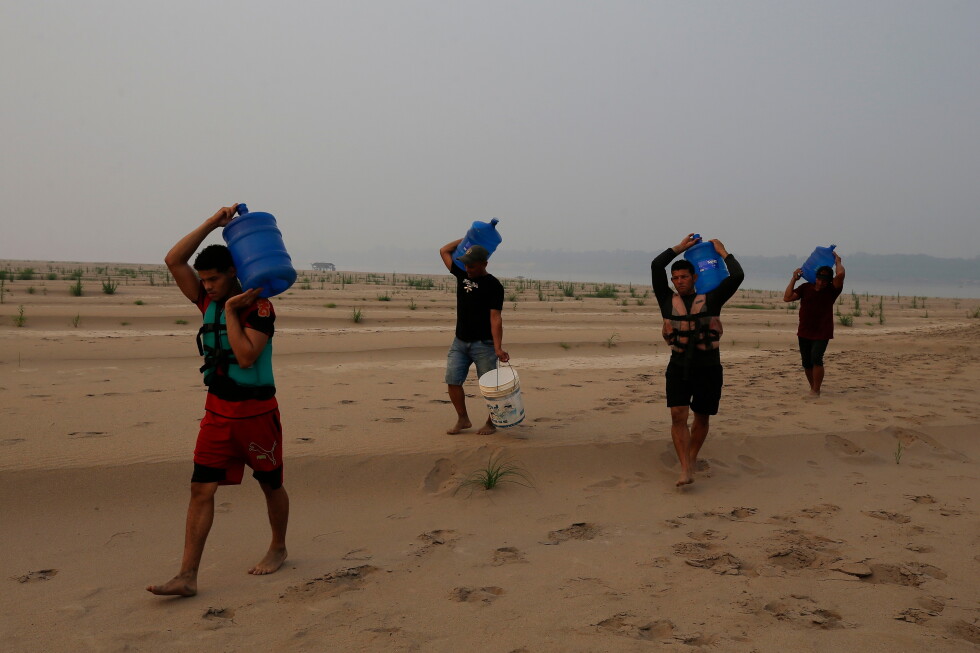
According to WMO data, Central America, parts of the Caribbean and northern South America are already recording far drier conditions than the historical average, changes directly linked to the developing El Niño. These dry conditions are projected to spread into large swathes of the Amazon basin, stoking urgent concerns over drinking water access, agricultural productivity, and elevated wildfire risk. Threat levels and types vary dramatically across the region, leading to targeted preparation efforts:
In Brazil, Colombia and much of Central America, the top priorities are preparing for drought, potable water shortages, and an unusually intense wildfire season. Brazil has already deployed more than 4,600 federal personnel to support wildfire prevention and response, expanded professional firefighting brigades, and pre-positioned aerial firefighting aircraft ahead of what officials warn could be one of the worst fire seasons on record. Colombia, for its part, has activated continuous national water level monitoring systems, upgraded wildfire response preparedness, and issued guidance to local governments to pre-plan for potential water shortages.
In other parts of the region, governments are gearing up for catastrophic flooding. Historically, strong El Niño events bring intense, damaging rainfall to Ecuador’s Pacific coast, prompting the national government to order local authorities to draft tailored contingency plans and allocate millions of dollars for flood mitigation infrastructure, emergency response deployments, and post-disaster agricultural recovery. Local teams have already begun clearing blocked drainage channels, stabilizing landslide-prone hillsides, and setting up stocked emergency shelters for displaced residents. Costa Rica has rolled out more than 200 separate actions under a national contingency plan, ranging from protecting drinking water reserves to expanding backup renewable energy capacity to prepping for severe wildfires. Peru has upgraded its national monitoring and early warning systems and expanded its on-the-ground meteorological observation network to track changing conditions in real time. Panamanian officials have also developed specific contingency plans to protect operations at the Panama Canal, one of the world’s busiest and most economically critical trade routes, where reduced rainfall can lower water levels enough to disrupt shipping transits.
The WMO warns that El Niño’s impacts will stretch beyond immediate environmental disruption: prolonged drought and extreme heat threaten food security across Central America’s Dry Corridor, while excessive rainfall and flooding in other regions can damage critical infrastructure, contaminate drinking water supplies, and increase the risk of widespread infectious disease outbreaks.
Despite the months of early advance warning, experts warn preparation efforts remain deeply uneven across the region. Martinez noted that many authorities still delay critical planning and investment, even as scientific forecasts grow more certain about El Niño’s intensity. Some officials wait for additional confirmation of the event’s track, while others wrongly assume their countries will avoid the worst impacts. “The reality is that this preparation doesn’t happen until they have the emergency,” he said. Postponing action, he warned, will leave governments scrambling to respond once droughts, floods and heat waves reach their peak intensity.
Colombia’s Environment Minister Irene Vélez told the Associated Press that while El Niño is a recurring climate event, its current intensity is unprecedented, bringing new risks of longer duration and a broader geographic reach than past events. Research on past major El Niño events has found the economic damage can linger for years, with the most severe cycles ultimately costing the global economy trillions of dollars in cumulative losses. For governments that have not yet acted, Martinez’s message is clear: “Be prepared in advance, in a serious way. The information is there. Now is the time for decisions.”
Vélez added that the challenge goes far beyond responding to a single extreme climate event, arguing that governments across the region must implement long-term systemic adaptation to address increasingly frequent and intense extreme conditions driven by human-caused climate change. “Climate change is here to stay,” she said.
博客
-
Latin American governments prepare for El Nino as drought, floods and heat loom
-
A Brazilian bay’s surprise shark nursery sparks conservation project
Nestled along the sparkling emerald waters of southeastern Brazil’s Ilha Grande Bay, a small fishing community has undergone a profound shift in its relationship with one of the ocean’s most misunderstood predators: the blacktip shark. Where locals once viewed these sharks as a readily available source of food, a groundbreaking scientific discovery has transformed the region into a unexpected hub for global shark conservation efforts.
The turning point came when a team of researchers uncovered that Piraquara de Fora, a sheltered local cove, serves as a regular gathering ground for dozens of pregnant blacktip sharks. This finding launched the Sharks of Ilha Grande Bay project, run under the Brazilian Institute for Nature Conservation, which is working to turn community attitudes toward shark protection.
Brazil holds a uniquely important position in global shark conservation: it boasts the highest national shark meat consumption in the world, while its extensive coastline supports an extraordinary diversity of shark species and hosts critical habitats for many populations already classified as threatened. The International Union for Conservation of Nature (IUCN) warns that sharks rank among the most at-risk groups of vertebrates on the planet, with more than one-third of all species facing extinction due to overfishing, habitat destruction, and climate change. That makes protecting Brazilian shark habitats a global priority.
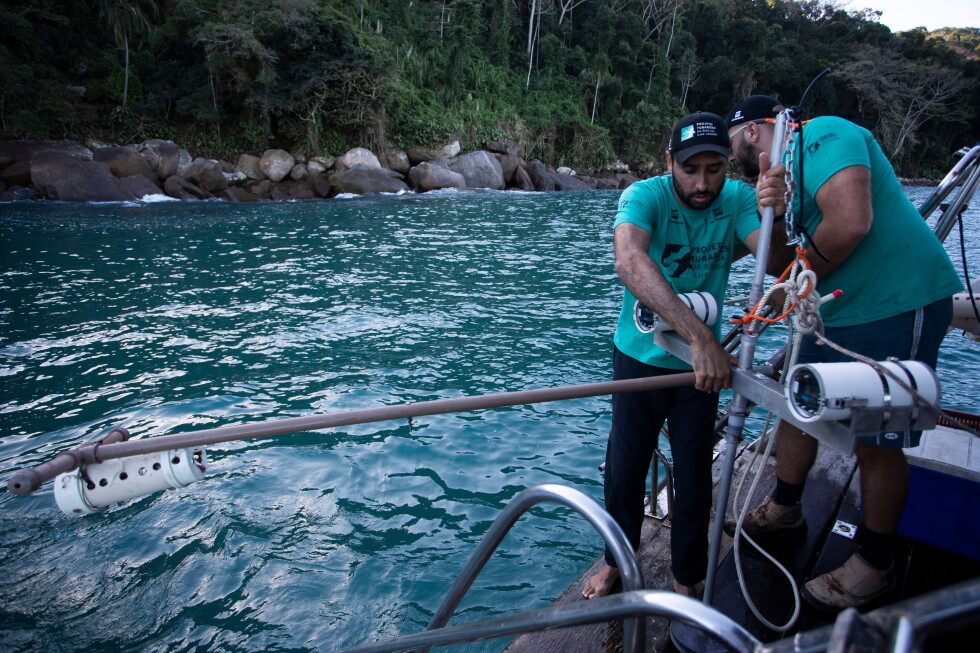
Experts leading the project emphasize that identifying and safeguarding shark nurseries is the backbone of effective long-term conservation. Unlike most bony fish, sharks have extremely slow reproductive rates, producing far fewer offspring per breeding cycle, which leaves their populations especially vulnerable to population collapse. “Breeding areas are fundamental to ensuring the species survives throughout this Atlantic ecoregion,” explains Leonardo Mitrano Neves, who leads the project’s scientific team. To build robust data to support protection efforts, Neves and his team recently conducted on-site monitoring, submerging camera-equipped monitoring devices across the cove, baited to attract sharks, before analyzing collected footage and drone imagery in a laboratory.
While blacktip sharks are the most common species in the cove, the project also extends conservation work to other at-risk local species, including sand tiger sharks and hammerhead sharks. Beyond scientific research, the initiative focuses on deep, community-centered engagement, including rolling out environmental education programs in local schools to reframe sharks as a valued part of the region’s natural heritage, rather than prey. Outreach materials also stress that local shark species pose no threat to humans, noting that no unprovoked shark attacks have ever been recorded in the area.
The project also addresses a key regulatory gap that continues to threaten shark populations across Brazil. While Brazilian law bans targeted fishing of protected shark species, incidental bycatch of non-protected sharks is still permitted, and loose labeling rules allow unregulated shark meat to be sold under the generic market name “cação”, making it almost impossible for consumers to identify what they are buying. Conservation teams are working to educate locals about the dual risks of eating shark meat: the harm it causes to already endangered populations, and the direct health hazards for consumers. As apex predators, sharks accumulate dangerous levels of toxic heavy metals including mercury, arsenic, and lead in their tissues over their lifetimes; a 2024 study even detected traces of cocaine in some Brazilian sharpnose sharks tested off the country’s coast.
Project coordinator José Truda Palazzo reports that these community outreach efforts are already delivering tangible results. “We hope that more and more people come to understand that cação is shark, and shark meat is toxic, in addition to the fact that sharks are endangered animals,” he said.
Beyond conservation, the project is opening up new economic opportunities for the remote, resource-limited local community. Conservation leaders predict that shark watching—from coastal vantage points on forested mountains, from boats, or even for underwater diving excursions—could grow into a sustainable ecotourism industry that provides consistent alternative income for residents.
Marlene Fernanda do Nascimento Martins, a 35-year-old local community leader who currently fishes and sells ice to support her three children, said the prospect of ecotourism is a welcome development for the area. “We’re a remote community with very limited resources. So anything that comes along that can help us preserve our village is a good thing,” she explained.
For long-time locals, the shift in attitudes has become intergenerational. Reinaldo Dias da Rocha, another resident of the community, noted that his father already encouraged him to avoid hunting sharks, but the project has reinforced the importance of protecting the animals. “We pass the information on to our nephews, to tourists who come to discover this place and enjoy our beautiful beaches, and further labor the point that what we call cação isn’t to be eaten,” he said.
-

Suzhou to add red light wait times to delivery schedules to reduce unsafe driving
Starting this August, two districts in Suzhou, a major city in eastern China’s Jiangsu province, will roll out a trailblazing traffic safety reform for food delivery riders that reworks how delivery deadlines are calculated. The new initiative, which has not been tested at this scale before in China, will add mandatory red light waiting time to official delivery route schedules, addressing a long-standing flaw that has pushed thousands of riders to prioritize speed over road safety.
For years, delivery platform algorithms have calculated estimated delivery times based only on travel distance and average moving speed, completely ignoring the unpredictable minutes riders inevitably spend stopped at red traffic lights. This systemic gap created an impossible choice for gig delivery workers: either run red lights, drive against oncoming traffic, or cut other safety corners to meet their deadlines and avoid penalty fees for late deliveries, or accept lost income and customer complaints for arriving on time but after the algorithm’s inaccurate deadline. Suzhou traffic officials note that this pressure has been a leading cause of traffic accidents involving delivery riders across Chinese cities for years.
The new pilot program solves this dilemma by connecting real-time municipal traffic signal data directly to major food delivery platforms, so that waiting time at red lights is automatically added to a rider’s allocated delivery window. Beyond the core scheduling change, the reform introduces a suite of additional measures designed to reduce fatigue-related unsafe driving: all platforms will be required to force riders to take a mandatory break after four consecutive hours of working, and automatically log riders out of the delivery system after 12 hours of continuous work to prevent overwork and impaired reaction times.
To further encourage long-term safe riding habits, Suzhou authorities have also partnered with local delivery platforms to launch a monthly incentive scheme. The program uses a point-based system: riders receive penalty points for confirmed traffic violations, while earning bonus points for consistent compliance with road rules. Accumulated positive points can be redeemed for a range of tangible benefits, including direct cash rewards, mobile phone bill subsidies, and discounted or subsidized housing privileges for local riders.
Local transportation experts say if the pilot proves successful in reducing traffic violations and accidents among delivery riders, the policy is likely to be expanded to all of Suzhou and replicated by other major Chinese cities grappling with the same gig delivery road safety challenge.
-
US Republicans accuse Canada of wildfire inaction
A devastating season of Canadian wildfires has triggered a sharp diplomatic standoff between U.S. lawmakers and Canadian officials, as hazardous smoke continues to blanket large swathes of the United States, triggering public health emergencies and disrupting daily life.
As of last Friday, official data from the Canadian Wildland Fire Information System recorded more than 890 active wildfires burning across Canada, with over half of these blazes classified as out of control. To date, the infernos have consumed nearly 3 million hectares of Canadian land, making this one of the most destructive wildfire seasons on record for the North American nation.
The far-reaching impact of the blazes has crossed international borders, with a dense, toxic blanket of smoke spreading south into multiple U.S. states, stretching from Minnesota and Michigan in the Midwest to Pennsylvania, Ohio and New York on the East Coast. Hazardous air quality warnings have been activated across the entire affected region, forcing the cancellation of dozens of outdoor public events and forcing residents indoors to avoid exposure.
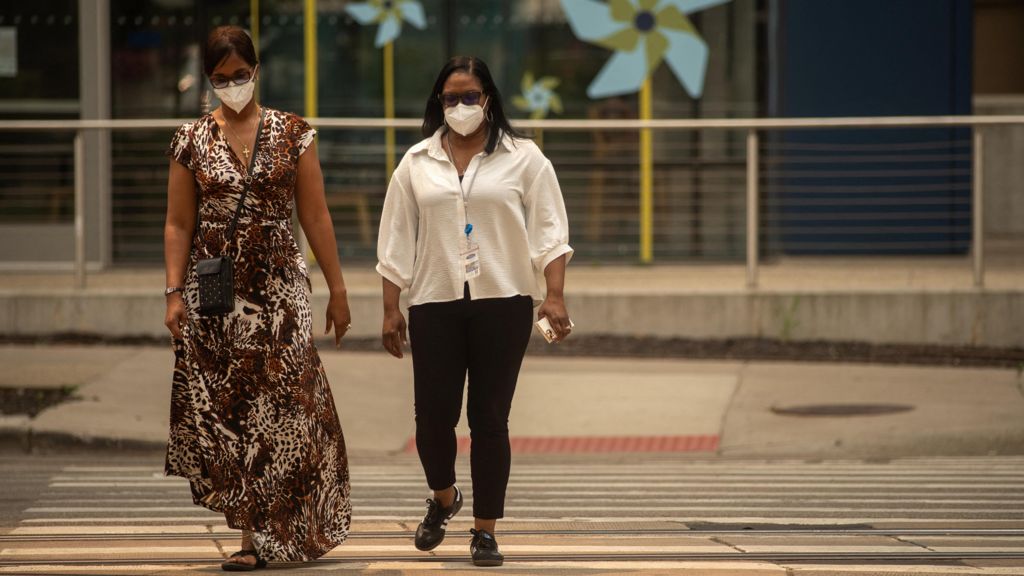
On Friday, global air quality tracker IQAir ranked Chicago, Illinois as the city with the worst air quality on the planet, with Detroit, Michigan — one of the U.S. cities hardest hit by the pollution — claiming second place, followed by Washington D.C., Toronto and New York City. On Thursday last week, thick smog completely obscured iconic New York City landmarks including the Empire State Building and the Statue of Liberty, prompting city officials to extend existing heat emergencies and activate full air quality emergency protocols. Hundreds of cooling centers have been opened across the five boroughs, and free KN95 masks are being distributed to residents to help reduce smoke inhalation.
The poor air quality has sparked fierce criticism from four Republican members of the U.S. Congress representing districts in Michigan. In a joint open letter addressed to Canadian Prime Minister Mark Carney, the lawmakers — John James, John Moolenaar, Jack Bergman and Lisa McClain — said their patience with Canadian inaction on the wildfire crisis has run out.
“We are done accepting apologies in place of action,” the letter read, adding that the delegation warned the U.S. could move forward with direct cross-border intervention for wildfire management and firefighting operations if Canada failed to take meaningful steps to address the root of the crisis. The lawmakers accused Canada of failing to follow through on 2023 promises to treat the wildfire risk with urgency, claiming that “American lungs are paying the price for Canadian inaction, year after year.” They specifically cited unaddressed issues including chronic underinvestment in preventative measures such as forest thinning, fuel load reduction and controlled prescribed burns, as well as insufficient enforcement to prevent arson.
Prime Minister Carney did not directly respond to the specific accusations in the letter, but used a recent Ontario press conference to push back on the framing of the crisis. Speaking in French, Carney emphasized that “Climate change is everyone’s responsibility — truly everyone’s — including the United States.” He added that his federal government maintains constant close communication with provincial authorities and local affected communities to coordinate response efforts.
Ontario Premier Doug Ford also dismissed criticism of his provincial government’s wildfire response, noting that more than 150 fire crews are already deployed on the ground battling active blazes. “We will spend whatever it takes,” Ford stated, to bring the fires under control and support affected communities.
A large cluster of active blazes in northwestern Ontario is the primary source of the smoke drifting south into the U.S. Thick plumes of toxic smoke have already rendered air quality unsafe across Thunder Bay and Toronto in Ontario, before spreading over the Great Lakes and settling over the Northeastern U.S., creating persistent hazy conditions as far south as New York. Beyond the cross-border smoke impacts, the wildfires have already displaced dozens of Indigenous residents from First Nations communities in northern Ontario. Some communities have been forced to evacuate the remote region by boat, and Namaygoosisagagun First Nation Chief Helen Paavola told local outlet CityNews that an aerial survey of her community confirmed it has been “burnt to ashes.”
Data from Canada’s National Forestry Database shows that roughly half of all annual Canadian wildfires are ignited by lightning strikes, while the remaining half are caused by human activity. Climate experts from both Canada and the U.S. have previously warned that rising global temperatures driven by climate change are drying out forest landscapes across North America, creating far more flammable conditions that increase the frequency and severity of major wildfire seasons. When asked by the BBC earlier this year whether Canada could be doing more to curb wildfire risk and resulting smoke pollution, cross-border expert consensus concluded that there is little more Canada could do to stop the large-scale blazes driven by current climate conditions.
-

German politician faces calls to resign over surrogacy child
A leading German center-right politician is facing widespread condemnation from across the political spectrum, including members of his own party, over accusations of blatant hypocrisy after he confirmed he and his husband welcomed a child via a surrogate mother in the United States.
Jens Spahn, 46, who currently serves as parliamentary group leader for the joint Christian Democratic Union (CDU) and Christian Social Union (CSU) bloc, made the announcement Wednesday that his son Georg had been born through international surrogacy. “Georg is our greatest joy. This feeling is almost impossible to put into words,” Spahn told German tabloid *Bild*. His husband Daniel Funke later shared a photo of the couple walking with a pram on Instagram, captioning the post “We Are Family.”
The controversy stems from Germany’s longstanding national ban on surrogacy, a policy that Spahn has repeatedly and publicly supported for years. Enshrined in the 1990 Embryo Protection Act, commercial and altruistic surrogacy within Germany carries penalties of up to three years imprisonment or significant fines. While German law does not criminalize raising a child born to a surrogate abroad, the CDU reaffirmed its unwavering support for the domestic ban as recently as this February, arguing the prohibition is necessary to prevent surrogacy from becoming a exploitative commercial industry.
Critics have highlighted two key past positions Spahn has taken that contradict his recent personal choice: In 2020, while serving as Germany’s Federal Minister of Health, Spahn rejected a proposal from the free-market Free Democratic Party (FDP) to relax the country’s surrogacy ban. Five years earlier, in 2015, he wrote publicly that “as a gay man and a Christian I find it personally very hard to warm to the idea of a rented womb.”
Spahn is not the first CDU politician to face this controversy: Earlier in 2025, fellow party member Hendrik Streeck also revealed he had become a father via a U.S.-based surrogate.
Across Germany’s political landscape, figures from multiple parties have called out Spahn’s actions as a breach of political credibility. Greens parliamentary leader Felix Banaszak offered personal well wishes to the new parents but argued Spahn has an obligation to publicly address the significant ethical questions at hand, noting that surrogacy’s moral complexities are “not trivial.” His Green colleague Janosch Dahmen, the party’s health spokesperson, went further, emphasizing that the dispute is not about the child’s birth, but about political consistency. “Anyone who advocates for rules politically should be able to explain clearly why those rules apparently do not apply to them personally,” Dahmen said.
FDP politician Henning Höne echoed the criticism, saying he cannot respect politicians who pass domestic laws only to “evade them internationally with money and contacts.”
The most damaging rebuke has come from within Spahn’s own conservative bloc. Marion Rosin, a CDU member of the Thuringia state parliament and activist with the party’s Women’s Union, argued that “politicians who set standards for others must be measured by them too. If that credibility is gone, resignation is a matter of consequence.” Daniel Peters, a senior CDU politician in the northern state of Mecklenburg-Western Pomerania, went on the record to *Bild* stating that Spahn’s position as parliamentary leader is “no longer tenable and he must resign,” arguing it is fundamentally wrong for a lawmaker to disregard the legal framework he upholds politically by acting one way in private while supporting different rules for the public.
Klaus Holetschek, a senior leader of the CDU’s Bavarian sister party the CSU, told Germany’s DPA news agency that while the party respected Spahn’s private choice and congratulated the couple, the bloc’s political stance remains unchanged: “what is banned in Germany remains banned – and we won’t waver on that.”
Surrogacy, an arrangement where a woman carries and gives birth to a child for intended parents who cannot conceive on their own, is banned across multiple major EU member states including Germany, France, Italy, and Spain. Policy on the recognition of international surrogacy has shifted in recent months: France’s highest court, the Court of Cassation, ruled earlier in July 2025 that children born via surrogacy abroad must be legally recognized as the children of their intended parents in France. By contrast, Italy’s right-wing government led by Giorgia Meloni introduced a new law in 2024 that criminalizes Italian citizens pursuing surrogacy abroad, even in countries where the practice is legal.
For many German couples, both same-sex and heterosexual who cannot conceive through traditional means, international surrogacy has become a common workaround for the country’s strict domestic ban.
-

World Cup beer sales are hopping. Brewers hope the stout demand outlasts the tournament
The 2026 FIFA World Cup co-hosted across North America has delivered a welcome short-term boost to beer sales in host cities and across the U.S., but industry analysts and leaders remain divided over whether the historic tournament can reverse a years-long global downward trend in beer consumption.
From packed Boston taprooms to sold-out stadium stands in Philadelphia, the scale of fan demand caught even seasoned industry operators off guard. FIFA organizers confirmed that fans purchased a total of 290,000 stadium beers across the six matches held in Philadelphia, while Boston bars reported scrambling to arrange emergency beer restocks to avoid running dry on high-traffic game days. Jim Koch, founder and CEO of Boston Beer Co., the maker of Samuel Adams, recalled that at the company’s downtown Boston taproom, staff poured a Sam Adams Boston Lager every 12 seconds when Scottish fans flocked to the venue for a match, requiring two emergency deliveries to keep up. What struck Koch most, however, was the return of in-person social connection that has been slow to rebound after the pandemic: “I didn’t see a single soul on their phone. They had a beer in their hand and they were talking to each other. They were doing what beer is meant to do, which is helping people enjoy each other’s company.”
Official data from the Beer Institute bears out this temporary surge: between the tournament’s opening four weeks, on-venue beer sales at bars, restaurants, stadiums and other public locations rose 14% in U.S. host cities compared to the same period in 2025, with a 4% uptick recorded across the entire country. This open, fan-centric drinking culture stood in stark contrast to the 2022 Qatar World Cup, where alcohol sales were banned inside all match venues. Major brewers leaned heavily into the 2026 tournament to capitalize on the moment: AB InBev, the global brewing giant that owns Budweiser and Michelob Ultra and serves as the tournament’s official beer sponsor, rolled out widespread marketing support for local bars and hosted more than 200,000 public watch parties across 40 countries. Rival Molson Coors boosted its marketing budget for June and July by 60% compared to 2025, and launched a novelty limited-edition soccer ball container that holds 12 cans of Miller Lite to draw in fans.
For casual fans like Maybell Romero, a Tulane University law professor who watched matches from bars in Mexico City, the World Cup has been a rare opportunity to enjoy beer over all-day viewing events. Romero, who typically favors cocktails, noted that beer’s lower alcohol content makes it ideal for extended match watch parties, a trend that has driven some of the temporary sales growth. But even she acknowledges the bump will likely fade once the tournament wraps: “I might order an occasional beer once the World Cup ends but expects to go back to mostly drinking cocktails.”
The collective post-elimination lull after Mexico and Brazil exited the tournament already offered a preview of how quickly demand can cool: shares of major brewers AB InBev and Constellation Brands, which holds U.S. rights to top Mexican brands Corona and Modelo, tumbled immediately following the two teams’ eliminations, as investors priced in falling consumer activity across North American markets. Romero confirmed the mood shift on the ground in Mexico City: “The city is collectively depressed. Everything is a lot quieter, and people aren’t going out as much.”
Beneath the temporary World Cup hype lies a stubborn, long-running decline that has impacted major beer markets across every inhabited continent. Data from the U.S. Craft Brewers Association shows domestic beer consumption has fallen steadily for 10 consecutive years, a trend mirrored in Statistics Canada data for the Canadian market and industry figures from the Brewers of Europe for the European Union.
Three core shifts are driving the ongoing decline. First, growing consumer focus on wellness has pushed many people to cut back on alcohol consumption: 2025 marked the first time in Gallup’s polling history that a majority of U.S. adults (53%) said consuming one or two drinks daily carries negative health impacts. While non-alcoholic beer sales have grown steadily in recent years, the segment still accounts for just 1% of the total U.S. beer market, according to the Beer Institute, too small to offset declines in full-strength beer sales.
Second, widespread economic anxiety and affordability concerns have dragged down overall alcohol consumption across categories. Data from beverage industry research firm IWSR shows total U.S. alcohol consumption across beer, wine and spirits fell 5% in 2025, with affordability cited as a primary driver of the decline.
Third, changing social habits have pulled consumers away from the beer-centric social gatherings that have long driven bulk sales. Craig Purser, president and CEO of the National Beer Wholesalers Association, argues that the rise of at-home streaming entertainment like Netflix and constant smartphone use has encouraged “cocooning” — a trend of staying home and socializing less in public groups, which directly cuts into on-premise beer sales. “If you have this behavior where we’re cocooning and we’re not spending time with other folks, that’s going to affect beer consumption,” Purser explained.
Despite these headwinds, many industry leaders remain optimistic that large-scale live events like the World Cup can reignite consumer demand for beer over the long term, pointing to a pipeline of major global sporting events coming to North America in the coming years. Purser noted that the 2028 Summer Olympics in Los Angeles will offer another massive opportunity to draw crowds back to public gatherings, while expanding sports schedules for college and professional football have already created more regular occasions for group viewing with beer. He added that the growing variety of low- and no-alcohol beer options is also helping widen beer’s consumer base to include more health-conscious drinkers.
A recent policy shift has also opened new opportunities for the industry: in May 2026, the NCAA reversed its decades-long ban on alcohol advertising during the March Madness college basketball tournament, allowing beer, wine, spirit and hard seltzer brands to sponsor the event starting in the 2027 season. Koch, for his part, said he is not concerned about the long-term future of the industry, pointing to beer’s 10,000-year history as a core part of human social life. “People worry that the beer business has declined for a few years, and I always remind them that beer has been a part of human society, human civilization, for 10,000 years,” Koch said. “Beer will always be a part enhancing our enjoyment of our lives and the time we spend on this earth.”
-
Spanish Prime Minister Pedro Sánchez to attend World Cup final against Argentina
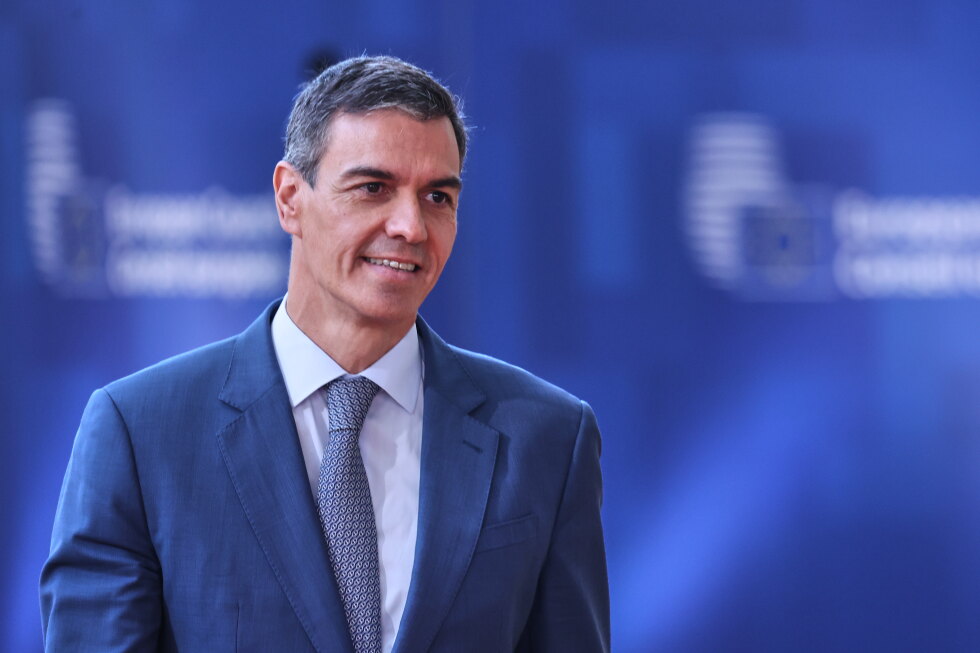
MADRID – In a surprising convergence of global politics and elite soccer, the office of Spanish Prime Minister Pedro Sánchez announced Friday that he will travel to the United States to attend Sunday’s highly anticipated World Cup final between Spain and Argentina.
Sánchez will not be the only high-profile dignitary in the stands at the East Rutherford, New Jersey venue: Spanish King Felipe VI has also confirmed his planned attendance at the match, while former U.S. President Donald Trump has also been slated to appear for the title decider.
The gathering sets up a high-stakes public meeting between two leaders who have a long history of sharp public disagreements on major global issues. Sánchez and Trump have clashed repeatedly on the international diplomatic stage over multiple divisive topics, ranging from escalating tensions around the Iran conflict to disputes over Spain’s required defense spending commitments to NATO, and most recently, over Washington’s unwavering backing of Israel’s military campaign in Gaza following the 2023 Hamas attacks.
Notably, Argentine President Javier Milei – a well-known political ally of Trump – will skip the in-person final. The leader has explained his absence as rooted in personal sports superstition, saying he will follow the match from his private residence in Argentina instead. Sunday’s final will be a historic clash between two of global soccer’s most decorated programs: Argentina, which enters the match as the defending three-time World Cup champion, will face off against 2010 tournament winner Spain as both sides compete to lift the sport’s most prestigious trophy.
-

A Putin critic is convicted on charges that will keep him from campaigning for Russia’s parliament
On a Friday in mid-2024, a Moscow suburban court delivered a verdict that effectively removes one of Russian President Vladimir Putin’s most vocal domestic critics from the upcoming national parliamentary race. Sixty-three-year-old Boris Nadezhdin, who has openly condemned Moscow’s military operation in Ukraine and attempted to challenge Putin in the 2024 presidential election, was found guilty of displaying prohibited “extremist symbols” in a 2023 online interview.
The conviction stems from a brief appearance of an image of late opposition leader Alexei Navalny during that interview. At the time of the conversation, Navalny was already serving a 19-year prison sentence on widely discredited extremism charges that global observers and human rights groups uniformly labeled as politically motivated. Navalny, who had been the most prominent opposition figure to challenge Putin’s rule for years, died in February 2024 under suspicious circumstances while detained in a remote Arctic penal colony.
Nadezhdin has repeatedly dismissed the conviction as a baseless, absurd political maneuver, arguing that Russian authorities are deliberately blocking him from participating in September’s scheduled parliamentary election. The court in Dolgoprudny, the Moscow outer suburb where Nadezhdin resides, handed down a 1,000 ruble fine (equivalent to roughly $13) alongside the guilty verdict. While the fine is minor, the conviction carries profound political consequences that permanently block Nadezhdin from holding public office.
This legal action marks the latest in a string of restrictions placed on the Putin critic over the past several months. Just one week prior to the verdict, Russia’s Justice Ministry added Nadezhdin to its controversial “foreign agent” registry, a designation that brings heavy social stigma, constant state surveillance, and formal bars on running for public office. Prior to Friday’s ruling, Nadezhdin had still been permitted to pursue a symbolic, low-profile campaign for a parliamentary seat; that option is now fully closed.
During the court hearing, Nadezhdin reported feeling unwell, forcing proceedings to pause briefly so an ambulance team could conduct a medical evaluation. Before the session began, he told reporters he had considered traveling abroad for medical treatment and political safety, but Russian authorities have already imposed an exit ban barring him from leaving the country.
Nadezhdin’s exclusion from electoral politics follows a pattern of opposition crackdown that played out earlier this year during the 2024 presidential race. In January 2024, he drew widespread public support by openly calling for an immediate ceasefire in Ukraine and collected more than the required number of voter signatures to qualify for the ballot. However, Russia’s Supreme Court ultimately disqualified him, ruling that over 9,000 of his submitted signatures were invalid — a margin just large enough to remove him from the March 2024 race. Putin ultimately won a fifth presidential term with only token, widely compliant opposition on the ballot, a result that drew international criticism for lack of democratic competition.
The conviction of Nadezhdin comes amid a broader ongoing crackdown on anti-government dissent that accelerated after the Kremlin launched its full-scale invasion of Ukraine in February 2022. Since that time, Russian authorities have dramatically expanded restrictions on freedom of speech and political opposition, targeting independent journalists, human rights organizations, civil society leaders, LGBTQ+ activists, and minority religious groups with sweeping legal penalties. Hundreds of dissidents have been jailed on politically motivated charges, while thousands more have fled the country to avoid persecution.
In a parallel development on the same day as Nadezhdin’s verdict, another former supporter-turned-critic of Putin was taken into custody in St. Petersburg. Ilya Remeslo, a pro-Kremlin blogger and activist who publicly broke with the government earlier this year, was arrested on charges of spreading “false information” about the Russian military — a criminal offense that has become one of the most common tools used to target government critics. The state-run Tass news agency confirmed that Remeslo will be transferred to Moscow for an upcoming court hearing. Remeslo first publicly criticized the military campaign in Ukraine and called for Putin’s resignation in March 2024; shortly after that announcement, he was involuntarily committed to a psychiatric clinic for a month, a move he described as retaliation for his public comments.
-

How the World Cup made an ‘NFL-obsessed’ American a football fan
The 2026 FIFA World Cup, co-hosted by the United States, has ignited a sudden and widespread wave of new soccer enthusiasm among American viewers, turning casual onlookers into die-hard fans and driving measurable growth in participation and viewership across the country.
One of the thousands of newly converted fans is Jamie Druley, a 51-year-old car salesman from Indiana and self-proclaimed lifelong NFL fanatic. His journey into soccer fandom began when he learned about the boisterous, widely documented celebrations of Scotland’s iconic Tartan Army fan contingent during their time in Boston for the tournament. Curious about what drew thousands of fans to travel thousands of miles and spend thousands of dollars just to cheer on their national teams, Druley decided to tune into the matches.
What started as a casual experiment quickly turned into a full-blown obsession. Druley’s passion grew so intense that his wife eventually texted him from their bedroom asking him to lower his volume as he yelled at match broadcasts from the living room. On slow work days, Druley and his colleagues would stream matches directly in the car dealership’s showroom; the tense semi-final match between England and Argentina sparked such heated friendly banter and shouting between coworkers that it ended with a formal bet between Druley and his boss ahead of the tournament’s final. Today, Druley is even considering purchasing season tickets for his local minor league side Fort Wayne FC, which opened a new 9,200-seat stadium earlier this year.
Druley is far from alone in this newfound love for soccer. Countless Americans with little to no prior interest in the sport have jumped on the World Cup bandwagon, driving record-breaking viewership numbers across major US broadcasters. Nielsen Media Research data shows that an average of 5.1 million American viewers tuned in to watch each of the 72 matches broadcast across Fox, FS1, and Tubi – a 92% increase in average viewership compared to the 2022 World Cup in Qatar. The broadcast of the United States’ knockout stage loss to Belgium drew 30 million viewers alone, making it the most-watched English-language soccer broadcast in US history, according to Fox.
Courtney Silbaugh, a 33-year-old mother from Pennsylvania who describes herself as “not a sports spectator at all,” is among the scores of newly minted fans. Silbaugh had never connected with traditional American sports: she tried watching American football with no success, and struggles to follow baseball due to impaired vision that makes it hard to track the ball. But since the World Cup kicked off, she has watched every match except six, and now calls soccer her favorite sport. “I’m understanding the game more while watching the World Cup… versus watching recreational leagues,” she explained.
Another new fan is 54-year-old Indiana banker and grandmother Heather Earhart. While her son-in-law works as a high school soccer coach and her grandchildren play youth soccer, Earhart had long felt confused by the sport’s rules and flow, leaving her unengaged even when attending her grandchildren’s games. That all changed during the 2026 tournament, when she found herself fully caught up in England’s World Cup run, even falling in love with the fan favorite chants *Hey Jude* and Oasis’s *Wonderwall*. She now streams the songs while cleaning her kitchen, checks match highlights on YouTube first thing every morning, and has even watched beginner tutorials to learn the sport’s rules and basic skills, from bending free kicks to offside regulations. Earhart says she is now considering following a Manchester club and Real Madrid to watch English star Jude Bellingham, and is eager to visit a local soccer bar in Indianapolis to watch matches now that she understands the action.
The surge in interest extends far beyond living room viewership, according to soccer industry insiders across the US. Nate Roberts, a 40-year-old soccer coach and fitness instructor who moved to Connecticut from Lincoln, England more than a decade ago, says his organization has been flooded with inquiries from people eager to play. In response, he is launching a new adult pickup “beer league” (with alcohol restricted to those of legal drinking age) in the coming weeks to meet unanticipated demand. Roberts says he now receives 10 to 20 personal emails a week from prospective players and parents looking to sign their children up for youth programs, with double that number of inquiries coming through social media. “We’re noticing players that are looking for that rec experience or that first opportunity to start their soccer journey,” he explained.
Much of the new enthusiasm for the sport among American fans stems from the unique atmosphere of the co-hosted tournament, which brought thousands of international fans to cities across the US. Many new fans say they were struck by the widespread positivity, good sportsmanship, and cross-cultural camaraderie on display as fans from every corner of the globe celebrated together in North American host cities.
Druley, who is now considering following Manchester City and MLS clubs alongside his NFL fandom, summed up the sentiment: “It sounds cliche as can be, but the whole world getting along, in the way that I saw them doing while here in America, visiting for the World Cup, was just eye-opening to me. As silly as a game or a sport may be to some people, seeing people come together the way that they did over this was just truly amazing to me. It was… maybe what the world needs right now, you know?”
For all his newfound love of the sport, however, Druley is standing firm on one longstanding American tradition: he will not be calling it “football.” “I know that the entire world outside of us pretty much calls it football, but I am so ingrained in American football that I just cannot call it anything but soccer,” he said. “I have my limits.”
-
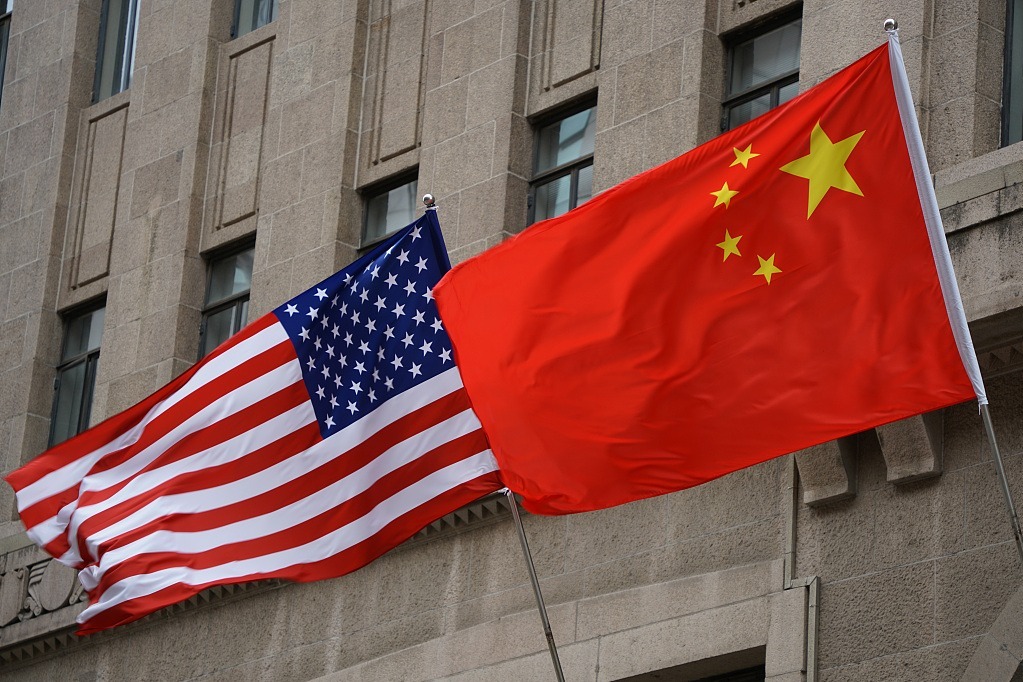
Dialogue remains key to Sino-US ties
On a Thursday in New York, over 100 senior business executives, policymakers and academic scholars gathered for a landmark forum focused on resetting the trajectory of US-China economic relations, hosted by the China General Chamber of Commerce-USA (CGCC) and the CGCC Foundation. Titled “The Path Forward 2026: Mutual Benefit, Uncovering New Opportunities for US-China Economic and Trade Relations”, the event brought together cross-sector stakeholders to explore collaborative pathways for the world’s two largest economies, at a time of rising global geopolitical turbulence.
Against a backdrop of growing strategic competition between Washington and Beijing, participants universally highlighted sustained dialogue as an irreplaceable foundation for productive bilateral relations. Susan Elliott, CEO of the National Committee on American Foreign Policy, argued that calls for full economic decoupling between the two nations are neither practical nor beneficial for either side. “We have to figure out how to rebalance our economic ties in a way that supports sustainable growth, systemic resilience and long-term shared prosperity,” Elliott explained. “These adjustments will not be easy; they demand open, honest difficult conversations across all sectors. A healthier, more sustainable bilateral economic relationship will ultimately benefit not just our two countries, but the entire global economy.”
Elliott emphasized that competition between the two powers does not erase the urgent need for consistent communication, nor should ideological or policy disagreements block progress in areas where both sides stand to gain. “Moving forward requires patience, pragmatic problem-solving, and an unwavering commitment to keep talking,” she added.
Chen Li, China’s Consul General in New York, outlined the deep, mutually beneficial interconnectedness that still defines the bilateral economic relationship, noting vast untapped potential for both subnational and broad-based commercial collaboration. “US companies have long recognized the immense value of China’s massive consumer market and robust, comprehensive industrial supply chain support,” Chen said. “On the other side of the equation, Chinese firms seek to grow their operations in the United States within a stable, predictable regulatory environment, while simultaneously contributing to local communities and delivering better services to American consumers.”
Chen called on both governments to uphold the core principle of mutual benefit, ensuring cooperation delivers shared gains rather than one-sided advantages. He urged both sides to approach each other’s concerns with open minds and good-faith judgment, and to maintain momentum for ongoing dialogue and practical collaboration. “Going forward, China will continue to streamline processes for foreign trade and investment, protect the legitimate rights and interests of international businesses operating within our borders, and cultivate a world-class business environment,” he said. “We hope US companies will seize these opportunities and achieve stronger growth by tapping into the momentum of China’s ongoing development.”
Beyond national-level cooperation, participants highlighted that subnational engagement between cities, states and local business communities delivers tangible, immediate benefits for local economies on both sides. Steven Fulop, president of Partnership for NYC and former mayor of Jersey City, pointed to the decades-long contributions of Chinese international students to New York City’s economic growth. Student demand for housing has sustained local real estate development, while their everyday consumer spending has provided a steady boost to local small businesses and the city’s broader economy, he noted.
Glori Norwitt, Connecticut’s international engagement envoy at AdvanceCT, added that her state has already built deep people-to-people and commercial ties with China, with enormous room for further expansion. Connecticut is currently home to roughly 80,000 Chinese residents and nearly 2,000 Chinese-owned businesses, ranging from small local startups to large multinational corporations. “We have been actively building these connections, and we strongly encourage these relationships to continue and deepen moving forward,” Norwitt said.
New data from the latest CGCC Annual Business Survey underscored the resilience of Chinese firms operating in the United States, even amid a generally cautious broader business outlook. The survey found that around one-third of responding Chinese companies reported year-over-year revenue growth in 2025, while 81 percent remained profitable. Most notably, 79 percent of respondents said they plan to reinvest their profits back into their US operations — the highest share recorded in the history of the survey, a clear signal of Chinese businesses’ long-term commitment to the US market.