The 2026 FIFA World Cup, co-hosted by the United States, has ignited a sudden and widespread wave of new soccer enthusiasm among American viewers, turning casual onlookers into die-hard fans and driving measurable growth in participation and viewership across the country.
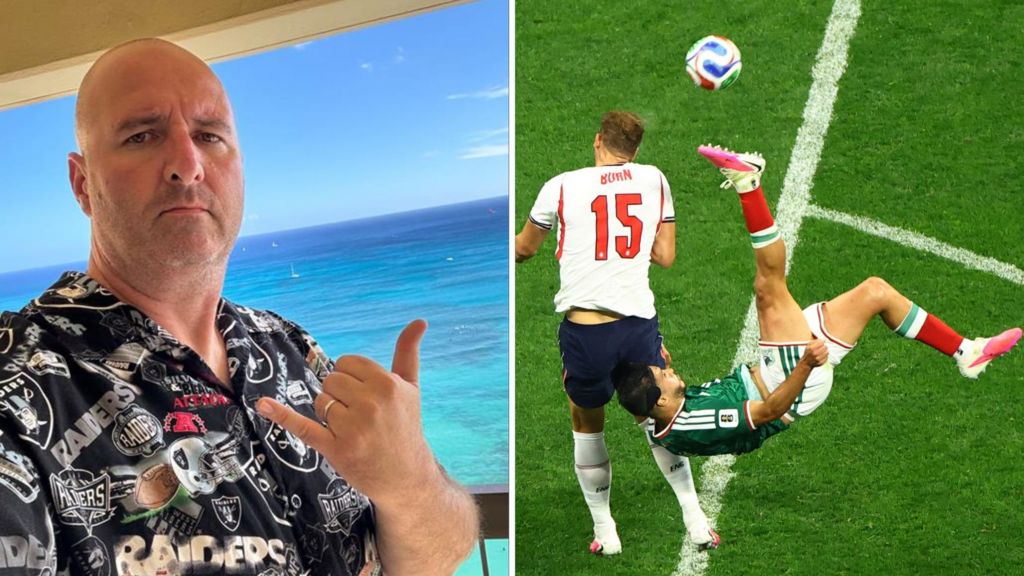
One of the thousands of newly converted fans is Jamie Druley, a 51-year-old car salesman from Indiana and self-proclaimed lifelong NFL fanatic. His journey into soccer fandom began when he learned about the boisterous, widely documented celebrations of Scotland’s iconic Tartan Army fan contingent during their time in Boston for the tournament. Curious about what drew thousands of fans to travel thousands of miles and spend thousands of dollars just to cheer on their national teams, Druley decided to tune into the matches.
What started as a casual experiment quickly turned into a full-blown obsession. Druley’s passion grew so intense that his wife eventually texted him from their bedroom asking him to lower his volume as he yelled at match broadcasts from the living room. On slow work days, Druley and his colleagues would stream matches directly in the car dealership’s showroom; the tense semi-final match between England and Argentina sparked such heated friendly banter and shouting between coworkers that it ended with a formal bet between Druley and his boss ahead of the tournament’s final. Today, Druley is even considering purchasing season tickets for his local minor league side Fort Wayne FC, which opened a new 9,200-seat stadium earlier this year.
Druley is far from alone in this newfound love for soccer. Countless Americans with little to no prior interest in the sport have jumped on the World Cup bandwagon, driving record-breaking viewership numbers across major US broadcasters. Nielsen Media Research data shows that an average of 5.1 million American viewers tuned in to watch each of the 72 matches broadcast across Fox, FS1, and Tubi – a 92% increase in average viewership compared to the 2022 World Cup in Qatar. The broadcast of the United States’ knockout stage loss to Belgium drew 30 million viewers alone, making it the most-watched English-language soccer broadcast in US history, according to Fox.
Courtney Silbaugh, a 33-year-old mother from Pennsylvania who describes herself as “not a sports spectator at all,” is among the scores of newly minted fans. Silbaugh had never connected with traditional American sports: she tried watching American football with no success, and struggles to follow baseball due to impaired vision that makes it hard to track the ball. But since the World Cup kicked off, she has watched every match except six, and now calls soccer her favorite sport. “I’m understanding the game more while watching the World Cup… versus watching recreational leagues,” she explained.
Another new fan is 54-year-old Indiana banker and grandmother Heather Earhart. While her son-in-law works as a high school soccer coach and her grandchildren play youth soccer, Earhart had long felt confused by the sport’s rules and flow, leaving her unengaged even when attending her grandchildren’s games. That all changed during the 2026 tournament, when she found herself fully caught up in England’s World Cup run, even falling in love with the fan favorite chants *Hey Jude* and Oasis’s *Wonderwall*. She now streams the songs while cleaning her kitchen, checks match highlights on YouTube first thing every morning, and has even watched beginner tutorials to learn the sport’s rules and basic skills, from bending free kicks to offside regulations. Earhart says she is now considering following a Manchester club and Real Madrid to watch English star Jude Bellingham, and is eager to visit a local soccer bar in Indianapolis to watch matches now that she understands the action.
The surge in interest extends far beyond living room viewership, according to soccer industry insiders across the US. Nate Roberts, a 40-year-old soccer coach and fitness instructor who moved to Connecticut from Lincoln, England more than a decade ago, says his organization has been flooded with inquiries from people eager to play. In response, he is launching a new adult pickup “beer league” (with alcohol restricted to those of legal drinking age) in the coming weeks to meet unanticipated demand. Roberts says he now receives 10 to 20 personal emails a week from prospective players and parents looking to sign their children up for youth programs, with double that number of inquiries coming through social media. “We’re noticing players that are looking for that rec experience or that first opportunity to start their soccer journey,” he explained.
Much of the new enthusiasm for the sport among American fans stems from the unique atmosphere of the co-hosted tournament, which brought thousands of international fans to cities across the US. Many new fans say they were struck by the widespread positivity, good sportsmanship, and cross-cultural camaraderie on display as fans from every corner of the globe celebrated together in North American host cities.
Druley, who is now considering following Manchester City and MLS clubs alongside his NFL fandom, summed up the sentiment: “It sounds cliche as can be, but the whole world getting along, in the way that I saw them doing while here in America, visiting for the World Cup, was just eye-opening to me. As silly as a game or a sport may be to some people, seeing people come together the way that they did over this was just truly amazing to me. It was… maybe what the world needs right now, you know?”
For all his newfound love of the sport, however, Druley is standing firm on one longstanding American tradition: he will not be calling it “football.” “I know that the entire world outside of us pretty much calls it football, but I am so ingrained in American football that I just cannot call it anything but soccer,” he said. “I have my limits.”