博客

  • Underdogs, history and late goals – Africa’s World Cup

    Underdogs, history and late goals – Africa’s World Cup

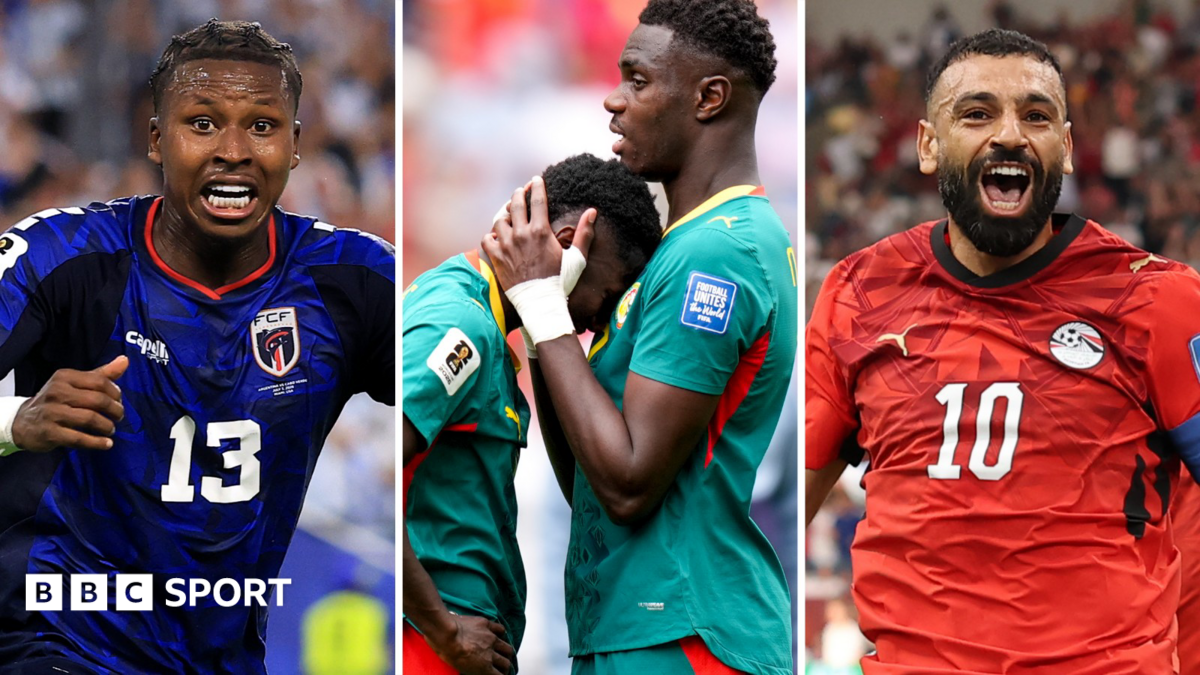
    The 2026 FIFA World Cup marked a watershed moment for African football, as the continent sent its largest ever delegation of 10 teams to the global tournament following the competition’s expansion to 48 sides. What emerged was a mixed narrative of unprecedented breakthroughs, crushing late-stage exits, and lingering structural questions that African football must address ahead of the 2030 World Cup, which Morocco will co-host alongside Spain and Portugal.

    Confederation of African Football (Caf) president Patrice Motsepe celebrated the early success of the continent’s teams after nine of the 10 African entrants advanced from the group stage, a result that he said made Africa’s 1.6 billion people proud. However, the knockout stage brought a string of devastating exits for most sides, with only Morocco progressing to the quarter-finals. Five different African teams were knocked out after conceding late goals, including high-profile collapses that saw Senegal and Egypt surrender two-goal leads in dramatic fashion.

    The standout story of the tournament for African football was undoubtedly the debut campaign of Cape Verde, the small island nation that defied all pre-tournament expectations to reach the round of 32. The Blue Sharks secured creditable draws against Spain, Uruguay and Saudi Arabia to advance from the group stage, then pushed defending champions Argentina to extra time before succumbing 3-2, having twice fought back from a one-goal deficit.

    Cape Verde’s 40-year-old goalkeeper Vozinha became a global viral sensation for his string of spectacular saves, with his Instagram follower count jumping from 50,000 to more than 29 million by the end of the tournament. His breakout performance even earned him the unusual honor of having a newly discovered species of sea slug named after him. Defender Roberto ‘Pico’ Lopes said the side’s run proved that even small African nations could compete with the world’s best. “We’ve put ourselves on the map,” Lopes told BBC Sport. “We’re a small nation but with big hearts and we showed what is possible – and if you believe, you can achieve.”

    Morocco, the 2022 Qatar World Cup semi-finalists, once again cemented their status as Africa’s leading men’s national side by becoming the first African team to reach consecutive World Cup quarter-finals. While they could not replicate their 2022 run to the final four, falling to France just as they did four years prior, the Atlas Lions showed signs of a bright future under new manager Mohamed Ouahbi, who has shifted the side to a more expansive playing style. Eighteen-year-old midfielder Ayoub Bouaddi emerged as a breakout star, earning links to some of Europe’s top clubs after a series of impressive displays. Ouahbi emphasized that his young side is still building for future success: “We have a young team who want to grow, who will continue to do so. We have talented players who will enable us to grow.”

    The most troubling trend to emerge from the tournament was the repeated pattern of late concession that saw multiple African sides throw away winning positions. Former Ivory Coast defender Emmanuel Eboue had warned before the tournament that African sides were often vulnerable to late goals due to lapses in concentration, and his assessment appeared to be borne out across the knockout stage.

    DR Congo and Ivory Coast both conceded winning goals in the 86th minute of their round of 32 ties, while Canada scored in second-half stoppage time to eliminate South Africa. Senegal held a 2-0 lead over Belgium in the 85th minute of their last-32 match, only to concede three late goals and lose 3-2, with Belgium scoring the latest winning goal in World Cup history from a 125th-minute penalty. Egypt held a 2-0 lead over Argentina late in their round of 16 tie, only to concede twice in five minutes before falling to a 92nd-minute winner from Enzo Fernandez.

    However, Dr Nikita Rowley, a chartered sport psychologist at Coventry University, argued that the pattern was not evidence of an inherent weakness in African football, but rather a natural result of the pressure and fatigue that comes with closing out historic results. “I wouldn’t say it was a trend. I think it’s just unlucky,” Rowley told BBC Sport Africa. “Every team is more susceptible to mistakes in the closing stages of a match. By that point players are experiencing both physical and cognitive fatigue. That cognitive fatigue can affect attention, decision making, communication and makes more lapses more likely. The closer you get to something historic, the more psychologically demanding it can become.”

    Alongside the heartbreak, the tournament also delivered a long list of firsts for African football. Egypt and DR Congo earned their first ever wins at the World Cup finals, while Cape Verde, Ivory Coast and South Africa all advanced to the knockout stage for the first time in their histories. Ghana also reached the knockout stage for the first time since 2010, though they drew criticism for their overly defensive approach that left them with only four shots on target across four matches.

    Tunisia was the clear disappointment of the tournament, sacking manager Sabri Lamouchi — hired just six months prior — after a 5-1 opening defeat to Sweden, and failing to turn their fortunes around even after appointing two-time Afcon winning manager Herve Renard, who lost all three of his matches in charge.

    The expansion of the World Cup to 48 teams clearly benefited African nations, increasing the continent’s guaranteed spots from five to nine before DR Congo won an intercontinental playoff to make it 10. But Gambian coach and FIFA talent identification expert Mattar M’Boge noted that most African players lack consistent access to the high-stakes competitive matches that European and South American players take for granted, a gap that is only beginning to be addressed by the upcoming introduction of an African Nations League with promotion and relegation. “The reality is that the vast majority of the players in African national teams are not used to these high-stakes games,” M’Boge said. “Within Africa, as we continue to grow, develop and gain experience, eventually we will have teams used to this collective responsibility.”

    Off the pitch, the tournament was not without controversy for African participants. U.S. visa rules blocked many fans from Senegal and Ivory Coast from attending the tournament, while fans from several African nations were required to pay deposits of up to $15,000 to secure travel visas. Top African referee Omar Artan was denied entry to the U.S. just five days before the tournament began, despite holding what he said were all the correct credentials. UEFA quickly moved to appoint Artan to officiate the upcoming UEFA Super Cup, while FIFA faced heavy criticism for the decision and for a separate controversial decision to lift a suspension for U.S. striker Folarin Balogun. Caf declined to issue a public rebuke of FIFA over either incident, unlike its European counterpart.

    With FIFA president Gianni Infantino already floating a further expansion to a 64-team World Cup that would open up even more spots for African teams, the 2026 tournament has given the continent a clear set of lessons to implement ahead of the 2030 tournament, when the World Cup returns to African soil for the first time since 2010.
  • Russian strikes kill 4 in Ukraine as Zelenskyy’s defense shake-up sparks anger

    Russian strikes kill 4 in Ukraine as Zelenskyy’s defense shake-up sparks anger

    Kyiv, Ukraine – As Russia unleashed a wave of deadly overnight airstrikes across multiple Ukrainian regions that claimed at least four civilian lives and left 20 others wounded, Ukrainian President Volodymyr Zelenskyy finds himself grappling with an unprecedented domestic political crisis triggered by his abrupt dismissal of the nation’s popular defense minister.

    The sweeping government reshuffle announced Thursday, which also included the nomination of a new prime minister, has sown divisions within Ukraine’s top military command and sparked widespread public outrage, just as Kyiv has begun to gain incremental ground in its defense against Russia’s full-scale invasion that began more than four years ago.

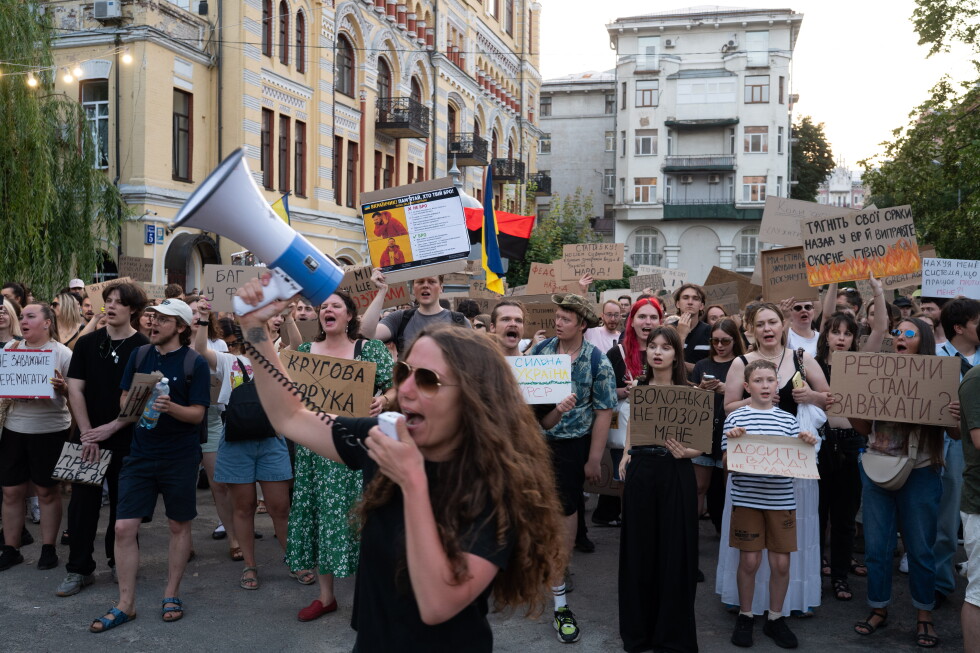
    The sudden ouster of 35-year-old Mykhailo Fedorov, who had served in the defense portfolio for just six months, drew thousands of demonstrators into streets across Ukraine on Thursday, with additional organized protests planned for Friday. A young, widely admired figure within the Zelenskyy administration, Fedorov has been widely credited as the driving force behind Ukraine’s rapid, transformative technological military innovations and aggressive anti-corruption reforms within the defense sector – initiatives that had renewed public hope for victory amid the grinding war.

    According to President Zelenskyy, irreconcilable tensions between Fedorov and General Oleksandr Syrskyi, Ukraine’s armed forces commander who launched his military career in the former Soviet Union, left Fedorov’s position untenable.

    To replace Fedorov, Zelenskyy has tapped Major General Yevgen Khmara, the acting head of Ukraine’s State Security Service (SBU) and a highly respected special operations veteran, to take over defense ministry responsibilities. The president confirmed late Thursday that he will formally submit Khmara’s nomination to Ukraine’s parliament for mandatory legal approval, though the appointment faces multiple bureaucratic delays. Ukrainian law requires the defense minister to be a civilian, meaning Khmara must first retire from active security service before he can be sworn in. Additionally, national lawmakers are currently in summer recess that runs through mid-August, further pushing back any final vote on the nomination.

    Khmara has led the SBU since January 2025, after previously commanding the agency’s elite Alpha special forces unit. He is best known as one of the key architects of Operation Spiderweb, Ukraine’s high-profile 2024 strike against Russian air bases that marked one of Kyiv’s most successful asymmetric attacks of the war. A veteran of the Alpha unit since 2011, Khmara rose to commander of the force in 2023 and was promoted to major general the following year.

    Parallel to the unfolding political upheaval in Kyiv, Moscow continued its pattern of intensifying strategic bombing of Ukrainian civilian infrastructure, a response to battlefield setbacks and Kyiv’s ongoing strikes on Russian oil facilities that have triggered severe domestic fuel shortages in Russia.

    Local officials confirmed the human cost of the overnight attacks: in southern Ukraine’s strategic port city of Odesa, two people were killed and 10 more wounded – including several children – in a Russian missile strike. One of the fatalities was a woman killed while walking in a public park with her children, who escaped the attack unharmed, regional military administrator Oleh Kiper confirmed. Zelenskyy added that two additional civilians died in strikes on the Zaporizhzhia region, where five people were injured, while three more people were wounded in Russian shelling of the northeastern Kharkiv region. Additional injuries were reported in Russian strikes across five other Ukrainian regions.

    For its part, Russia’s Defense Ministry announced Friday that its air defense systems intercepted and destroyed 243 Ukrainian drones launched overnight into Russian-held and Russian territory. In occupied parts of Ukraine’s Kherson region, Vladimir Saldo, the Moscow-appointed regional administration head, claimed that three civilians had been killed and seven wounded in Ukrainian drone strikes over the preceding 24 hours.

  • Clark ‘a political football’ says NBA chief Silver

    Clark ‘a political football’ says NBA chief Silver

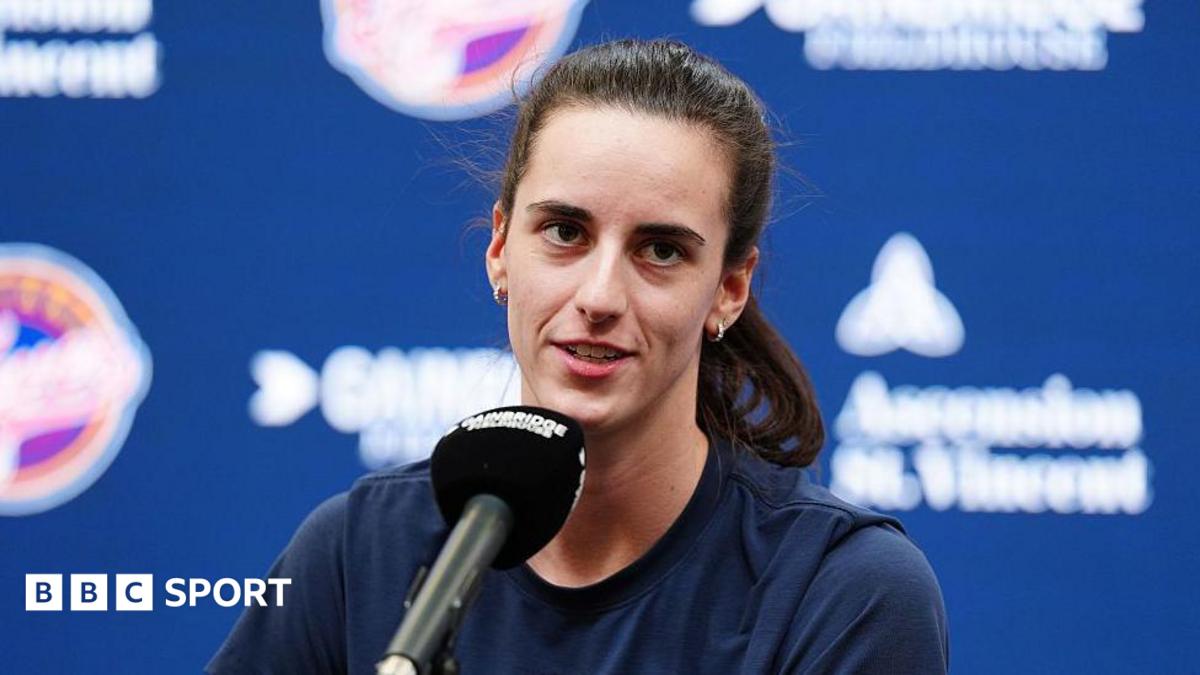
    The ongoing controversy surrounding star Indiana Fever rookie Caitlin Clark, the top overall pick in the 2024 WNBA Draft, has spiraled far beyond basketball officiating and become a divisive political talking point in the United States, according to NBA Commissioner Adam Silver. Since entering the league, 24-year-old Clark has emerged as one of the WNBA’s biggest mainstream draws, drawing massive public attention to how opposing defenders and game officials interact with the high-scoring guard. The latest wave of debate was sparked by an on-court incident last month between Clark and Phoenix Mercury forward Alyssa Thomas, who later received a retroactive one-game suspension and $1,000 fine for kneeing Clark in the groin and shoving a fist into her neck while competing for a loose ball.

    In the aftermath of the incident, Fever head coach Stephanie White publicly slammed WNBA officiating for games involving Clark, calling the treatment of the star “egregious” and “utterly disrespectful.” Thomas, meanwhile, revealed she had received death threats and racist abuse in response to the play, turning what began as an in-game foul into a national cultural flashpoint. A group of 11 Republican lawmakers amplified the controversy by sending an open letter to WNBA Commissioner Cathy Engelbert, demanding the league take formal accountability and claiming repeated physical attacks against Clark may be driven by racial bias. Right-leaning political analysts have echoed that framing, arguing mistreatment of Clark stems from both racism and professional jealousy among other WNBA players.

    Speaking during a panel discussion at a New York event earlier this week, Silver pushed back on framing the debate as a simple officiating dispute. The NBA chief, who has built a public relationship with Clark, made clear that the discourse surrounding the young star has become tangled in broader U.S. political and cultural divides, rather than focusing on the rules of basketball. “That particular incident is not about whether a foul should have been called at the time of the game or whether that was ultimately a flagrant non-review,” Silver explained. “I’ve come to know Caitlin really well. She’s an incredible player and also an incredible person. And she wants to focus on being the best player she can. And she’s become a bit of a political football in this country, and I think it’s incredibly unfair to her.”

    When asked to confirm widespread reports that he pressured WNBA Commissioner Engelbert to suspend Thomas following the incident, Silver declined to comment. He did acknowledge that WNBA officiating as a whole needs visible improvement, but reaffirmed that the outsized focus on Clark-related incidents is no longer about basketball, describing it as a game of “political ping-pong” that punishes the young athlete. “She’s a young woman who’s trying to improve her game and focus on being the best player she can be,” Silver added. “I don’t even think it’s fair to her that this has become a separate storyline about whether a foul should have been called at the time or whether it should have been ruled a flagrant foul after the fact.”

    Engelbert, who appeared alongside Silver on the New York panel, also addressed the growing toxicity around the league, saying, “The vitriol and everything that our players receive is unacceptable.” Coach White has previously echoed that sentiment, pointing to a sharp rise in “toxicity, racism, homophobia” directed at WNBA players, particularly in online social media discussions. Clark herself has spoken out against the harassment that has accompanied the national attention. Earlier this month, the rookie called out “the harassment, the hate” surrounding the ongoing debate, noting that “none of that is OK. That goes for the opposing teams we play, that goes for my team-mates, that goes for my coaches.” Her frustration boiled over publicly earlier this week, when she yelled at a referee and used an expletive after a series of unfavorable calls went against the Fever.

  • Surprise British Open leader Jackson Suber faces another breezy day on the Birkdale links

    Surprise British Open leader Jackson Suber faces another breezy day on the Birkdale links

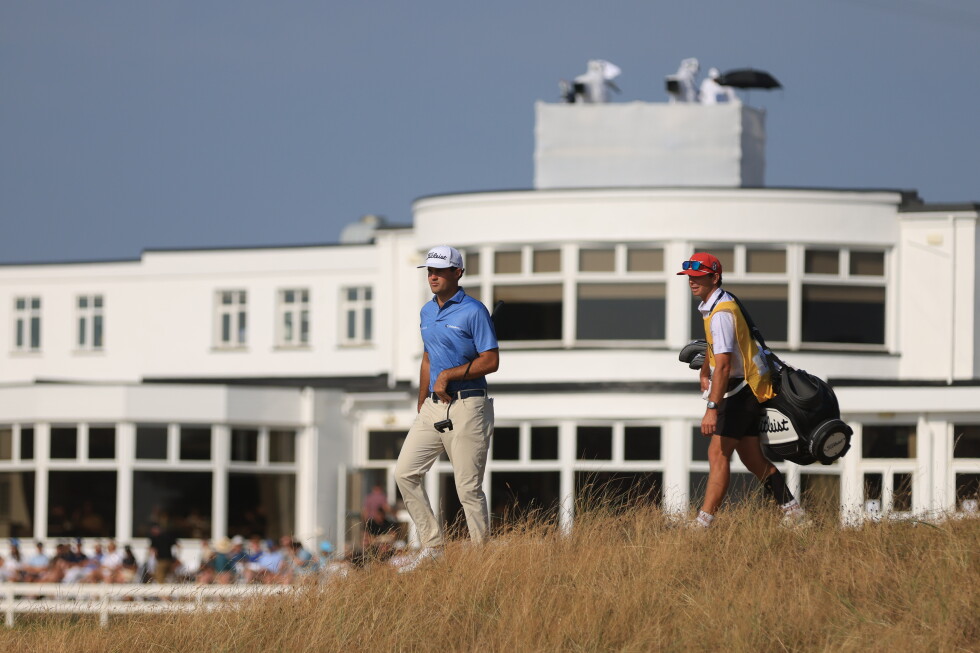
    Southport, England — Few in the packed galleries lining the dunes of Royal Birkdale expected to see an unknown American rookie atop the British Open leaderboard when the first round wrapped up Thursday. But that is exactly where Jackson Suber landed after a blistering 5-under-par 65 that turned the 2025 Open Championship on its head, capping a meteoric rise that has brought the golfer to Europe for the first time in his career, just days after he first played links-style golf for the first time ever.

    Suber’s rapid ascent up the leaderboard came together in a flash of exceptional play: the 29-year-old sank back-to-back birdie and eagle in quick succession to surge past a field of 36 golfers who finished the opening round under par, clinching a one-shot lead heading into Friday’s second round. It is a story for the ages in major golf: not only had Suber never teed off on a links course until three days before tournament play began, this week marks his first ever appearance at the British Open, and his first trip to the European continent at all. Even adjusting to local driving customs has been a new experience; Suber joked Thursday that he has refused to get behind the wheel on the right-hand side of the car, saying “I’m trying to make it here for four days.”

    The opening momentum carried into Friday’s early play, with Suber picking up another birdie on the second hole to hold his position near the top. Wind picked up across the Birkdale links as the day went on, however, and the American dropped three strokes off his lead by the middle of the round. Currently ranked 115th in the Official World Golf Ranking and 81st in the PGA Tour FedEx Cup standings, Suber has notched three top-10 finishes on the Tour this season, including a tied-fourth result at the Canadian Open that earned him his spot in the Royal Birkdale field. This week is just his third appearance at a major men’s professional championship.

    Suber’s surprise run is far from unprecedented in the history of major golf. Over the decades, unheralded players have repeatedly stepped into the opening round lead, sending fans scrambling to search up their biographies. In the 2003 British Open at Royal St. George’s, South African Hennie Otto, then ranked 200th in the world, opened with a 6-under 66 to claim the first-round lead. More recently, Andrew Landry made his major debut at the 2016 U.S. Open at Oakmont and shot a 4-under 66 to hold a one-shot lead over eventual champion Dustin Johnson after 18 holes. Amateurs have even claimed a share of the first-round lead twice in the last 25 years, most recently Christo Lamprecht at Hoylake in 2023. In 1981, Nick Job, a journeyman who never finished higher than 25th on the European Tour Order of Merit, claimed the opening-round lead and held his position through the first two days before a 75-74 weekend dropped him down the standings.

    Despite his lack of links experience, Suber has expressed steady confidence in his game ahead of the remainder of the tournament. “I feel like I’ve just been playing good the last few months,” he said Thursday. “Just knowing that good golf is going to take care of everything, and really trusting my caddie to figure out where we’re going to hit it.”

    While Suber grabbed headlines, other top contenders got off to uneven starts at Royal Birkdale. Four-time major champion Rory McIlroy, one of the early starters on Thursday, carded an opening round 2-over 72, dragged down by six bogeys and a series of missed short putts that left him seven strokes off Suber’s pace. Defending Open champion Scottie Scheffler fared better, finishing the afternoon opening round at 3-under 68, four strokes ahead of McIlroy and within striking distance of the lead. Local favorites also had a slow start: England’s Tommy Fleetwood mounted a late rally to climb the leaderboard, while Justin Rose faltered, leaving the home contingent with work to do over the remaining three rounds.

  • Stepson sentenced for leaving man to rot in bed for 14 months

    Stepson sentenced for leaving man to rot in bed for 14 months

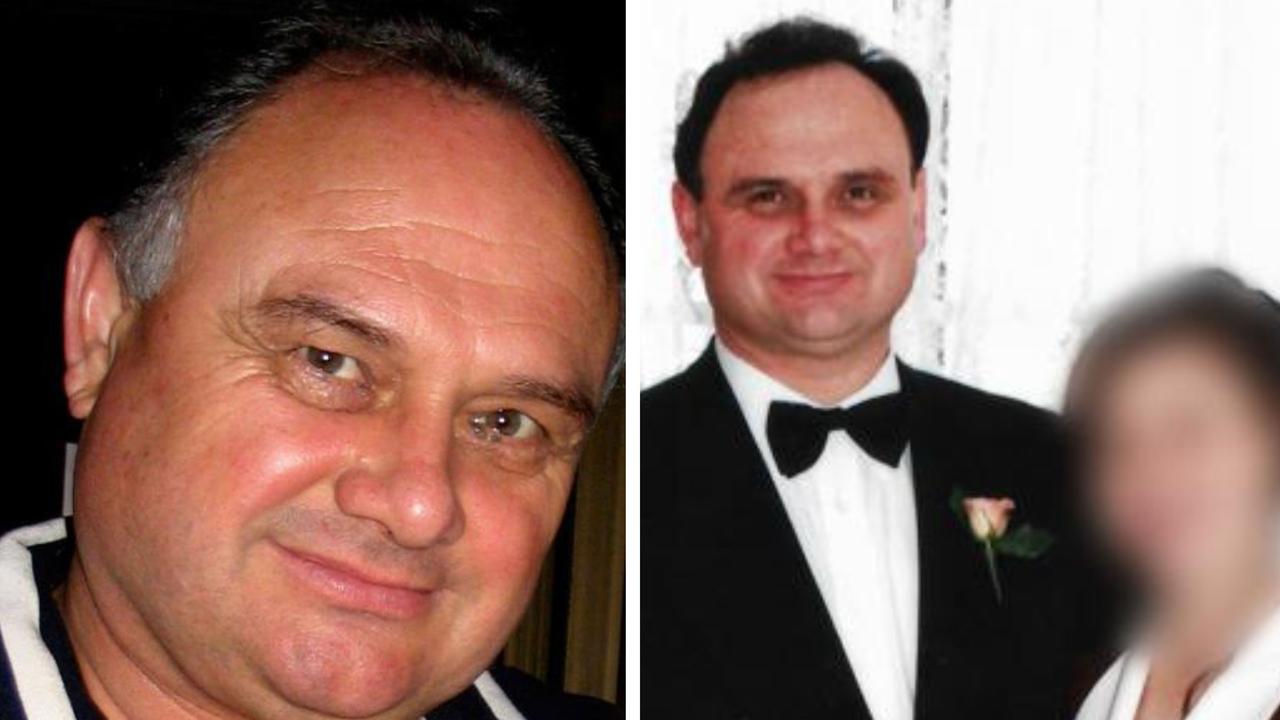
    A shocking case of concealed death and neglect has unfolded in Brisbane’s Supreme Court, where a 51-year-old man has been sentenced for the manslaughter of his stepfather, a beloved Yugoslavian migrant who built a new life in Australia. Tomislav Nemes, 69, a retired successful businessman who helped countless new arrivals settle in the country, was discovered mummified and decomposing in his Gold Coast bedroom in early 2023 – 14 months after he died in February 2022.

    Court documents detail that for more than a year, Nemes’ stepson Nikola Golem lied to family members, telling relatives that the ailing Nemes was under medical care for a coma and gradually recovering. Prosecutors revealed that for months after Nemes’ death, his wife of nearly 30 years – Dragica Nemes, who was never charged – slept beside his remains, believing the overwhelming stench of decomposition was just toxin release from herbal treatments she and Nemes, both devout Jehovah’s Witnesses who rejected Western medicine, were using. As the odor grew impossible to ignore, Golem stuffed towels along the bedroom door frame to trap it inside the room, court was told.

    When authorities finally entered the home, they found Nemes’ body in an advanced state of decay: his upper body had mummified to the point his face was unrecognizable, his lower half had decomposed into the mattress, his right hand bones were exposed, and the room was infested with insects and littered with animal droppings.

    The tragedy traces back to 2021, when Nemes – who already lived with diabetes – suffered a serious fall that left him bedbound, reliant on Golem and his mother for daily care. Crown prosecutor Stephanie Gallagher told the court that while Nemes received basic food and pain relief, his severe untreated medical needs were ignored. He developed large, gaping bedsores that likely led to sepsis before his death. Though an exact cause of death could not be confirmed, Gallagher argued that Golem’s deliberate denial of medical care accelerated the death of the already vulnerable man. She added that Golem, who had seized Nemes’ phone months before his death over suspicions he was wasting family money on bad investments, chose to hide the death from his “mentally fragile” mother after Nemes passed.

    Nemes was only located after persistent pressure from his two daughters from a previous marriage, Suzanna Beljanski and Elizabeth Marzano, who lived interstate and had not heard from their father in months. When their 2019 last contact stretched into silence, the sisters raised alarms. During a Gold Coast holiday, Beljanski demanded access to the home, but was turned away by Golem and Dragica Nemes. She spent days contacting police and hospitals begging for a welfare check, and finally convinced an officer to climb over the property fence to investigate, leading to the grim discovery.

    In emotional statements to the court, the sisters described the lingering trauma of their father’s death. “There is no word in English or in my father’s own language about what it is to have your dad hidden in his bed for 14 months while you search for him,” Beljanski said. Marzano added that she is haunted by the details of his death: “When I think of my father today, the first image that comes to mind is no longer the wonderful life that he lived but the way he died.”

    The sisters also painted a portrait of their father as a hardworking, generous man who arrived in Australia as a young migrant from the former Yugoslavia (now Croatia) with next to nothing, and built a successful business while making a point of supporting other new migrants. “Even today, decades later, people still approach our family and tell us their lives in Australia began because dad gave them a chance,” Marzano said. The court also heard that Nemes had raised Golem as his own son for nearly 30 years, helping him through his own lifelong health challenges.

    Defense barrister Martin Longhurst explained that Golem suffers severe long-term cognitive impairments after being run over by a lawnmower as a young child. Golem, who uses a wheelchair and wears a padded skull cap after brain surgery to insert a shunt that also causes regular seizures, had no ill will toward Nemes, Longhurst argued. He told the court that Golem was only following Nemes’ own wishes to avoid Western medicine, and became trapped in a web of lies to calm his mother’s concerns, fearing he would face punishment if he revealed Nemes’ death. Longhurst conceded that Golem’s decision to hide the body for more than a year remains “markedly inexplicable” and deeply disturbing.

    Justice Rebecca Treston, who called Golem’s actions – particularly the concealment of the body after death – “truly difficult to understand”, noted that the helpless Nemes “was quite simply left to rot.” She sentenced Golem to nine years in prison, with eligibility for parole on August 21, 2026, giving Golem credit for the almost three years he has already spent in pre-sentence custody.

  • Andy Burnham to become UK Labour leader in last step before taking over as prime minister

    Andy Burnham to become UK Labour leader in last step before taking over as prime minister

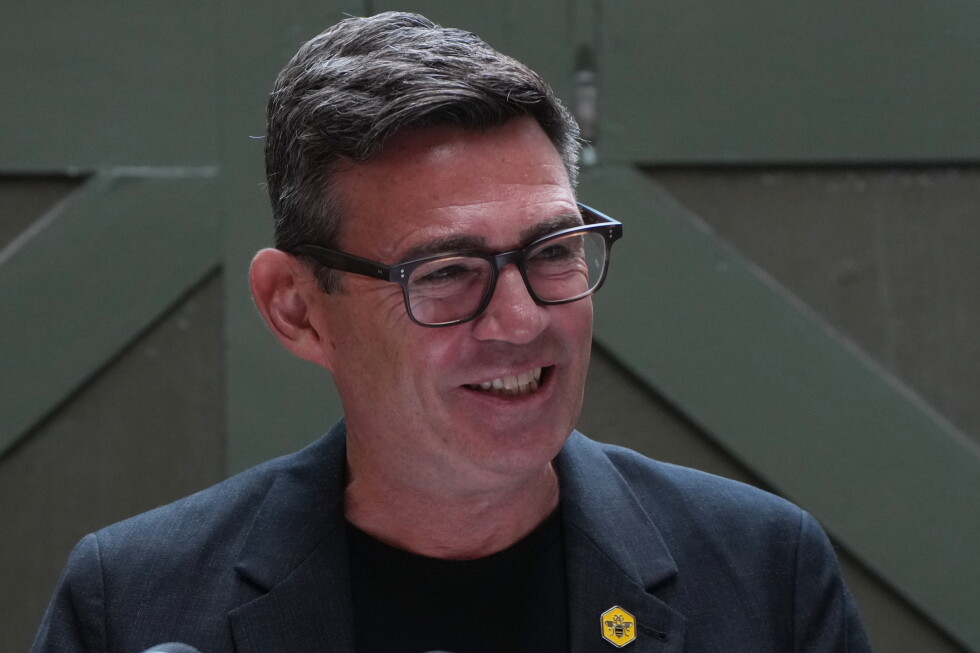
    LONDON — Britain is on the cusp of a Downing Street transition, with Andy Burnham set to formally assume the leadership of the country’s governing Labour Party on Friday, clearing the final procedural step before he takes office as prime minister next week. The center-left party will officially confirm the outcome of the leadership contest to replace outgoing prime minister Keir Starmer, a race where Burnham stood as the only candidate. As of Thursday evening, the former Greater Manchester mayor had secured the backing of 379 out of 403 sitting Labour Members of Parliament in the House of Commons, locking in his expected victory.

    For weeks, Burnham has held the unofficial title of prime minister-in-waiting, but he has released few concrete details of his policy agenda to date. One month ago, after winning a by-election to secure a seat in Parliament, he pledged to build a new brand of British politics “rooted in unity and hope” and craft an economic framework that spreads balanced growth evenly across every region of the United Kingdom. To this point, he has avoided formal press conferences and granted only a small number of interviews, meaning he will enter 10 Downing Street as a largely unfamiliar figure to most voters outside of his northern Manchester base.

    Burnham brings a far more approachable, relaxed leadership style compared to the stern demeanor of his predecessor Starmer, and is widely regarded as one of the Labour Party’s most skilled communicators. However, he will inherit many of the same urgent challenges that defined Starmer’s tenure, including sluggish national economic growth, a persistent cost-of-living crisis exacerbated by ongoing armed conflicts in Ukraine and the Middle East, and chronically overstretched public services that have struggled to recover after the COVID-19 pandemic.

    According to statements from Burnham’s office, he will outline his core policy priorities for the first time as Labour leader in his inaugural address on Friday. In the speech, he is expected to frame his administration as one that has the “courage to fix the big issues that successive political leaders have neglected.” Key areas of focus will include national economic renewal, expanding public ownership of critical infrastructure sectors, and creating new, high-quality modern industrial jobs. Burnham will argue that Britain took “a series of wrong turns in the 1980s”, when successive governments centralized political power in Westminster and pursued mass privatization of national economic assets – policies implemented by Conservative Prime Minister Margaret Thatcher that fundamentally reshaped the UK’s economic and social landscape.

    In a pre-recorded social media video released late Thursday, Burnham added that improving access to consistent social care for people requiring support due to age, chronic illness or disability will also be a top legislative priority. The issue, which has confounded both previous Labour and Conservative governments, has grown increasingly pressing as the UK’s population continues to age, leaving millions of vulnerable citizens and their families without reliable support.

    Starmer first announced his resignation last month, ending a two-year tenure marked by repeated missteps and public judgment errors that eroded his support among both Labour Party members and the general public. Currently, the governing Labour Party consistently trails the anti-immigration Reform UK party in national opinion polls, and the party suffered catastrophic losses in May’s local government elections – a result that built irresistible pressure for Starmer to step down.

    Starmer will remain in the role of caretaker prime minister until Monday, when he will formally tender his resignation to King Charles III. Following Starmer’s exit, the monarch will invite Burnham to form a new government, in line with UK constitutional convention. Under Britain’s parliamentary democratic system, governing parties are permitted to replace their leader and sitting prime minister without triggering a snap general election; the next scheduled national election is not required to be held until 2029.

    This leadership transition marks a continuation of a trend of frequent prime ministerial turnover in the UK that has reshaped British politics in recent years. When Burnham takes office, he will become the seventh person to hold the role of prime minister since 2016.

  • Argentina await FIFA decision over displaying World Cup Falklands banner

    Argentina await FIFA decision over displaying World Cup Falklands banner

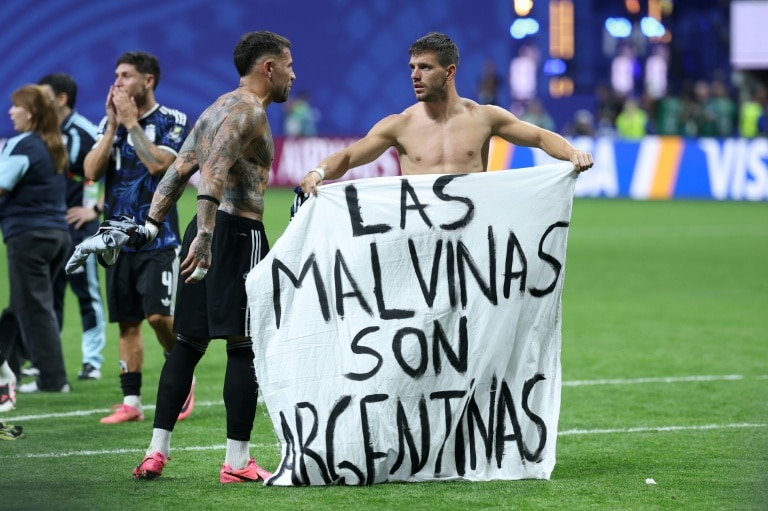
    A geopolitical firestorm has erupted in the wake of Argentina’s 2-1 semi-final victory over England at the FIFA World Cup, after the Argentine squad displayed a banner asserting national sovereignty over the Falkland Islands — a long-disputed territory that has fueled tensions between the UK and Argentina for nearly 200 years. Now, global football’s governing body is weighing disciplinary action over the incident, which has reignited longstanding debate over the separation of sport and politics.

    In the hours after the match concluded in Atlanta, a senior British government minister called on FIFA to launch a formal investigation into the banner, which carried the Spanish phrase “Las Malvinas son Argentinas”, translated as “The Falklands are Argentine”. By late Thursday, FIFA confirmed it had begun the standard assessment process in a public statement.

    “FIFA’s independent disciplinary committee is currently assessing the match reports and considering the relevant circumstances before deciding on potential further steps based on the FIFA disciplinary code,” the statement read.

    The call for action was led by UK Business Minister Peter Kyle, who labeled the display an “egregious violation” of FIFA regulations that explicitly ban political symbols from being displayed on the pitch during official matches. Downing Street, the official office of UK Prime Minister Keir Starmer, quickly issued its backing for Kyle’s demand, doubling down on the UK’s territorial claim.

    “The World Cup might not be ours, but the Falkland Islands definitely are,” a Downing Street spokesperson said.

    The dispute over the South Atlantic archipelago is one of the longest-running territorial conflicts in modern history. The UK first occupied the islands in the 19th century, and has administered them as a British Overseas Territory ever since. The conflict escalated into full-scale war in 1982, when the Argentine military invaded the islands. Then-UK Prime Minister Margaret Thatcher dispatched a naval taskforce to retake control, and the brief conflict ended with British victory. The 10-week war left 649 Argentine and 255 British service members dead.

    Top Argentine officials have rallied firmly behind the national team’s gesture, rejecting any criticism of the display. Argentine President Javier Milei called the squad’s action “perfectly valid and legitimate” in an interview with El Observador radio, noting the sentiment of sovereignty over the islands is shared by all Argentines.

    “It’s a feeling that exists within all Argentines. The Malvinas are Argentine, we’re going to recover them, and we will do it through diplomatic means,” Milei said.

    The tension had already been stoked ahead of kick-off on Wednesday, when Argentine Vice President Victoria Villarruel referred to the English as “usurping pirates”. The latest diplomatic clash between the two nations comes even after the match, as Argentina’s Foreign Minister Pablo Quirno announced Buenos Aires had filed a formal protest over the recent passage of British warship HMS Medway through waters Argentina claims as its own near the islands. Quirno posted on social platform X to voice “the strongest rejection” of what Argentina calls the “unconsulted and illegal” passage.

    This is not the first time Argentina’s national football association has faced FIFA punishment over the same sovereignty message. In 2014, the governing body fined the association £20,000 ($27,000) after players posed with an identical banner ahead of a friendly match against Slovenia, ruling the gesture violated FIFA rules banning political action and team misconduct.

    Kyle emphasized in his comments to BBC Television that the core principle of separating sport and politics is a central tenet of the World Cup itself, saying “Politics needs to be separate from football. In fact, the World Cup has one of its central tenets that politics is separate from football.”

  • Substandard work and evasion of oversight helped fuel deadly Hong Kong fire, investigators told

    Substandard work and evasion of oversight helped fuel deadly Hong Kong fire, investigators told

    As an independent public inquiry into Hong Kong’s worst fire disaster in decades wrapped up its evidentiary hearings Friday, closing arguments laid bare how a cascade of regulatory gaps, industry malpractice and irresponsible corner-cutting turned a small blaze into a catastrophe that claimed hundreds of lives and upended thousands of lives.

    The tragedy unfolded last November at Wang Fuk Court, a sprawling residential complex in Hong Kong’s suburban Tai Po district. When the fire ignited, the site was mid-way through a large-scale building renovation project. It rapidly raged across seven connected apartment blocks, leaving 168 residents dead and forcing thousands more to flee their homes permanently. Many of those displaced remain in temporary government housing months after the disaster.

    In his closing address to the inquiry committee led by High Court Justice David Lok, lead investigating counsel Victor Dawes outlined the core failures that turned a contained fire into an inferno. Dawes argued that the use of unapproved, non-fire-retardant scaffolding netting, a cost-cutting choice by the project’s contractors, was almost certainly the primary factor enabling the fire’s explosive spread across the building’s exterior. Compounding this danger, he added, was the decision to board up staircase ventilation windows with untreated wooden planks, which turned escape routes into toxic smoke traps that trapped residents and blocked emergency responders.

    Dawes pulled no punches in assigning blame to the project’s key industry players: lead consultant Will Power Architects Company and general contractor Prestige Construction & Engineering Co. According to his arguments, the two firms intentionally cut corners on both workmanship and material quality, while deliberately misleading regulatory bodies and the Wang Fuk Court homeowners’ association that hired them. The inquiry heard evidence of widespread falsified inspection compliance documents, with mandated professional inspectors signing off on substandard work as a meaningless “rubber stamp” rather than conducting proper oversight.

    Dawes also levied criticism at Hong Kong’s government regulatory framework, noting that authorities relied entirely on a voluntary honor-based system to oversee renovation works. This approach, he argued, created a fatal gap that collapsed completely when confronted with bad-faith actors cutting corners for profit. “When faced with dishonest bad actors, the entire system collapsed,” he told the hearing.

    Representatives of Hong Kong’s government pushed back against these claims on Thursday, during the earlier phase of closing arguments. Government counsel Jenkin Suen acknowledged that the existing oversight system has clear structural vulnerabilities, but argued it would be inaccurate and unfair to frame government departments as the direct cause of the tragedy. He instead placed the blame on industry professionals and contractors, who exploited a public safety-focused mechanism to cut corners and betrayed the public trust placed in them.

    Emotions ran high during Friday’s concluding hearing, with multiple affected residents breaking down in tears as the details of the tragedy were rehashed. Jeffrey Tam, a legal representative for nine affected Wang Fuk Court residents, told reporters after the hearing that many survivors and family members of victims had chosen to give evidence despite the deep emotional trauma the process triggered. Tam added that many residents had grown angry watching witnesses attempt to deflect blame for the disaster onto other parties. “Deflecting responsibility like this would not help the city find out the truth,” Tam stressed.

    The independent inquiry committee, which was convened to unpack the fire’s root causes, identify systemic regulatory gaps, and assess whether existing fire safety regulations and penalties are sufficient, is expected to publish a final report with policy and regulatory recommendations once all deliberations are complete. No firm timeline has been announced for the release of the committee’s findings. Critically, the inquiry’s mandate does not extend to determining legal liability for the tragedy; that process is already underway via separate criminal investigations led by Hong Kong law enforcement agencies.

    Back in June, Hong Kong authorities laid formal charges against seven individuals and both Will Power Architects and Prestige Construction & Engineering Co. The charges include severe offenses ranging from manslaughter to conspiracy to defraud, marking one of the largest criminal cases linked to a building safety disaster in the city’s recent history.

  • At least 20 children and 1 adult killed in a Uganda elementary school bus crash

    At least 20 children and 1 adult killed in a Uganda elementary school bus crash

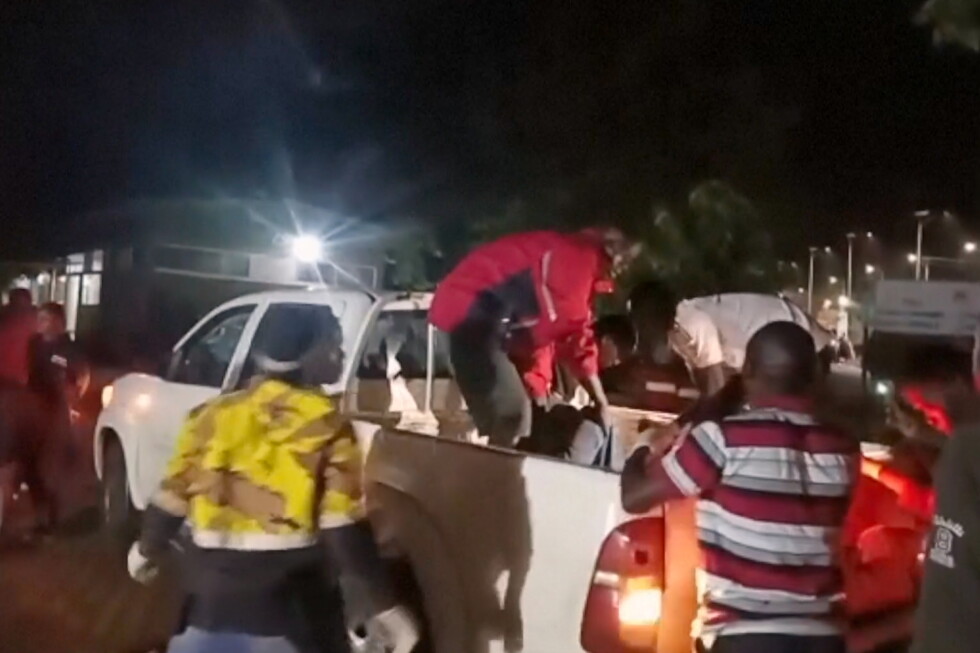
    KAMPALA, UGANDA – A devastating road crash in eastern Uganda has claimed the lives of 21 people, among them 20 elementary school students and their school’s founder, after an educational outing to a popular regional waterfall turned to tragedy Thursday, national police confirmed Friday.

    The accident occurred after the King David Junior School bus, carrying students and staff returning from a guided tour of Sipi Falls in Kapchorwa District, veered from its route and overturned. According to preliminary police accounts posted to the social platform X, the driver lost control of the vehicle, which struck a large rock before flipping onto its side. Official investigations into the exact root cause of the collision are still ongoing.

    Local villagers were the first to arrive at the crash site, acting as emergency first responders to pull survivors from the wreckage and rush injured victims to nearby medical facilities, said Uganda’s Minister of Local Government Balaam Barugahara Ateenyi, in a separate statement shared on X. Multiple survivors, including three adult staff members and an unknown number of children, were transferred to area hospitals. At least nine of the child patients remain in critical condition, Barugahara added.

    Photographs released by police show the crumpled wreckage of the bus resting on its side, its entire roof torn completely away to expose twisted, mangled seats. Personal belongings, student luggage and scattered clothing litter the roadside surrounding the vehicle.

    The private elementary school involved in the crash is based in Kampala, Uganda’s capital. The deceased adult victim has been identified as its founder and head, Barugahara confirmed.

    Tragic mass casualty road accidents are not an uncommon occurrence across Uganda, and reflect a broader regional crisis that has left Africa with the world’s deadliest road safety record. Frequent contributing factors across the continent include poorly maintained infrastructure, unaddressed vehicle wear and tear, dangerous speeding, and hazardous road conditions. Earlier this month alone, another bus collision in a remote region of northern Uganda killed 14 people.

    Global health and safety data underscores the severity of the crisis. According to the World Health Organization and United Nations, Africa records more than 300,000 road fatalities annually, equal to roughly 26 deaths for every 100,000 people. By comparison, Europe – which hosts far higher volumes of road traffic – sees roughly 20,000 annual road deaths, a rate of nine deaths per 100,000 people.

  • Economists likened to climate deniers in Irish unity debate

    Economists likened to climate deniers in Irish unity debate

    A fierce political clash has erupted in Ireland’s lower parliamentary chamber, the Dáil Éireann, over the projected fiscal costs of unifying the Republic of Ireland and Northern Ireland, after a senior Sinn Féin lawmaker compared independent economists predicting high initial unification costs to climate change deniers.

    Thomas Gould, a Sinn Féin Teachta Dála (TD), made the controversial remarks during a scheduled debate focused on the tax and public spending ramifications of a potential united Ireland. The core of the disagreement centers on wildly varying projections from academic analysts, who have arrived at drastically different cost estimates based on differing core assumptions about post-unification governance and public spending.

    Gould argued that some commentators are deliberately leveraging fabricated data and inaccurate figures to undermine support for Irish unification. He specifically called out Professor John Fitzgerald, an economist who co-published a 2024 study examining how Northern Ireland’s current public service funding requirements would translate to a unified Irish state. Fitzgerald’s study put forward a central projection of €11 billion (£9.4 billion) in annual net initial costs for unification, equal to roughly 5% of the Republic of Ireland’s total national income. That estimate would require the new unified state to implement unpopular policy adjustments: tax increases, higher government borrowing, or cuts to public spending.

    That projection was directly challenged by political scientist Professor John Doyle, who used an alternate set of assumptions to calculate a far lower annual initial cost of approximately €2.5 billion.

    In defending his criticism of high-cost projections, Gould drew a parallel to decades of climate change denial. “For years, when we talked about climate change, climate change deniers were rolled out to give their opinions, even though all the science was against them,” Gould told the Dáil. “Now, we have that happening here, where we know the data and the positive implications Irish unity could have but we are allowing false data to come in to skew the conversation.”

    Irish Deputy Prime Minister and Finance Minister Simon Harris offered a more nuanced perspective earlier in the debate, acknowledging that the transition to a united Ireland would bring with it significant fiscal costs and logistical complexity, while pushing back on efforts to sum up the full impact in a single figure. Harris argued that the economic effects of unification would shift over time rather than remaining static, and that the public debate should focus on what the island’s two divided economies can collectively build after integration.

    “The fiscal position in year one would, of course, not remain static. Over time, costs and revenues would evolve as both economies adapt, grow and become integrated,” Harris said. “How these opportunities are managed, and the extent to which these benefits are realised, will be the key determinant of the long-term fiscal impact. In other words, these outcomes are not predetermined. They will be shaped by the policy choices we make, the policies we pursue and the decisions we make.”

    The debate comes just one week after the two governing parties of the Republic of Ireland – Harris’ Fine Gael and coalition partner Fianna Fáil – defeated a Sinn Féin proposal that would have started formal state planning for unification. The proposal included two key elements: the creation of a citizens’ assembly bringing together 99 randomly selected citizens to debate the advantages and drawbacks of Irish unity under the guidance of an independent moderator, and a requirement for the Taoiseach (Irish Prime Minister) to draft a public green paper outlining cross-government preparations for unification, covering everything from economic policy to public health and housing.