The 2026 FIFA World Cup co-hosted across North America has delivered a welcome short-term boost to beer sales in host cities and across the U.S., but industry analysts and leaders remain divided over whether the historic tournament can reverse a years-long global downward trend in beer consumption.
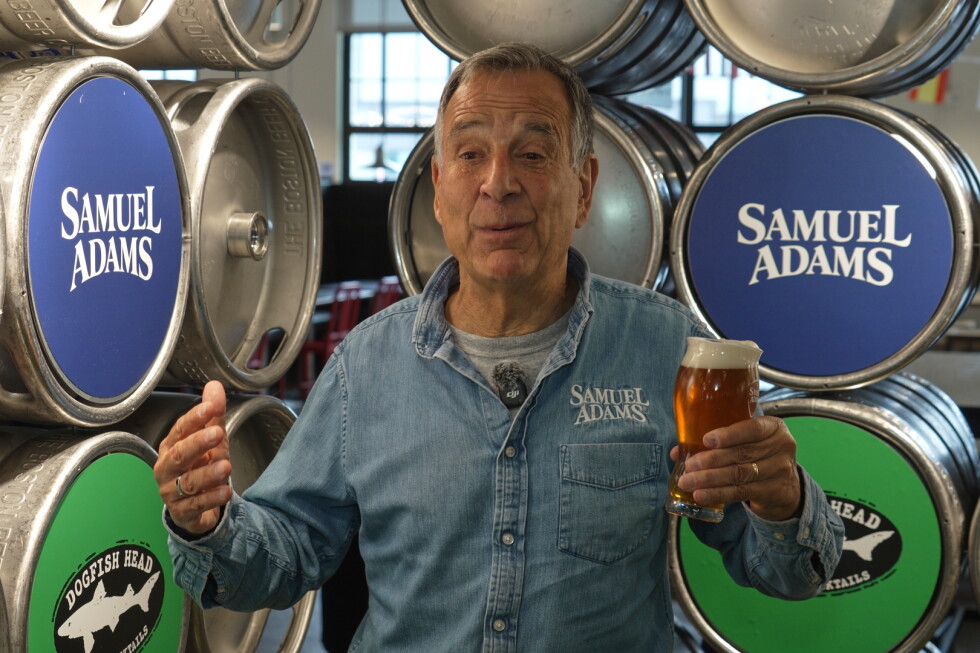
From packed Boston taprooms to sold-out stadium stands in Philadelphia, the scale of fan demand caught even seasoned industry operators off guard. FIFA organizers confirmed that fans purchased a total of 290,000 stadium beers across the six matches held in Philadelphia, while Boston bars reported scrambling to arrange emergency beer restocks to avoid running dry on high-traffic game days. Jim Koch, founder and CEO of Boston Beer Co., the maker of Samuel Adams, recalled that at the company’s downtown Boston taproom, staff poured a Sam Adams Boston Lager every 12 seconds when Scottish fans flocked to the venue for a match, requiring two emergency deliveries to keep up. What struck Koch most, however, was the return of in-person social connection that has been slow to rebound after the pandemic: “I didn’t see a single soul on their phone. They had a beer in their hand and they were talking to each other. They were doing what beer is meant to do, which is helping people enjoy each other’s company.”
Official data from the Beer Institute bears out this temporary surge: between the tournament’s opening four weeks, on-venue beer sales at bars, restaurants, stadiums and other public locations rose 14% in U.S. host cities compared to the same period in 2025, with a 4% uptick recorded across the entire country. This open, fan-centric drinking culture stood in stark contrast to the 2022 Qatar World Cup, where alcohol sales were banned inside all match venues. Major brewers leaned heavily into the 2026 tournament to capitalize on the moment: AB InBev, the global brewing giant that owns Budweiser and Michelob Ultra and serves as the tournament’s official beer sponsor, rolled out widespread marketing support for local bars and hosted more than 200,000 public watch parties across 40 countries. Rival Molson Coors boosted its marketing budget for June and July by 60% compared to 2025, and launched a novelty limited-edition soccer ball container that holds 12 cans of Miller Lite to draw in fans.
For casual fans like Maybell Romero, a Tulane University law professor who watched matches from bars in Mexico City, the World Cup has been a rare opportunity to enjoy beer over all-day viewing events. Romero, who typically favors cocktails, noted that beer’s lower alcohol content makes it ideal for extended match watch parties, a trend that has driven some of the temporary sales growth. But even she acknowledges the bump will likely fade once the tournament wraps: “I might order an occasional beer once the World Cup ends but expects to go back to mostly drinking cocktails.”
The collective post-elimination lull after Mexico and Brazil exited the tournament already offered a preview of how quickly demand can cool: shares of major brewers AB InBev and Constellation Brands, which holds U.S. rights to top Mexican brands Corona and Modelo, tumbled immediately following the two teams’ eliminations, as investors priced in falling consumer activity across North American markets. Romero confirmed the mood shift on the ground in Mexico City: “The city is collectively depressed. Everything is a lot quieter, and people aren’t going out as much.”
Beneath the temporary World Cup hype lies a stubborn, long-running decline that has impacted major beer markets across every inhabited continent. Data from the U.S. Craft Brewers Association shows domestic beer consumption has fallen steadily for 10 consecutive years, a trend mirrored in Statistics Canada data for the Canadian market and industry figures from the Brewers of Europe for the European Union.
Three core shifts are driving the ongoing decline. First, growing consumer focus on wellness has pushed many people to cut back on alcohol consumption: 2025 marked the first time in Gallup’s polling history that a majority of U.S. adults (53%) said consuming one or two drinks daily carries negative health impacts. While non-alcoholic beer sales have grown steadily in recent years, the segment still accounts for just 1% of the total U.S. beer market, according to the Beer Institute, too small to offset declines in full-strength beer sales.
Second, widespread economic anxiety and affordability concerns have dragged down overall alcohol consumption across categories. Data from beverage industry research firm IWSR shows total U.S. alcohol consumption across beer, wine and spirits fell 5% in 2025, with affordability cited as a primary driver of the decline.
Third, changing social habits have pulled consumers away from the beer-centric social gatherings that have long driven bulk sales. Craig Purser, president and CEO of the National Beer Wholesalers Association, argues that the rise of at-home streaming entertainment like Netflix and constant smartphone use has encouraged “cocooning” — a trend of staying home and socializing less in public groups, which directly cuts into on-premise beer sales. “If you have this behavior where we’re cocooning and we’re not spending time with other folks, that’s going to affect beer consumption,” Purser explained.
Despite these headwinds, many industry leaders remain optimistic that large-scale live events like the World Cup can reignite consumer demand for beer over the long term, pointing to a pipeline of major global sporting events coming to North America in the coming years. Purser noted that the 2028 Summer Olympics in Los Angeles will offer another massive opportunity to draw crowds back to public gatherings, while expanding sports schedules for college and professional football have already created more regular occasions for group viewing with beer. He added that the growing variety of low- and no-alcohol beer options is also helping widen beer’s consumer base to include more health-conscious drinkers.
A recent policy shift has also opened new opportunities for the industry: in May 2026, the NCAA reversed its decades-long ban on alcohol advertising during the March Madness college basketball tournament, allowing beer, wine, spirit and hard seltzer brands to sponsor the event starting in the 2027 season. Koch, for his part, said he is not concerned about the long-term future of the industry, pointing to beer’s 10,000-year history as a core part of human social life. “People worry that the beer business has declined for a few years, and I always remind them that beer has been a part of human society, human civilization, for 10,000 years,” Koch said. “Beer will always be a part enhancing our enjoyment of our lives and the time we spend on this earth.”