博客

  • Hungary probes deal with China’s BYD carmaker after ex-foreign minister takes job there

    Hungary probes deal with China’s BYD carmaker after ex-foreign minister takes job there

    BUDAPEST, Hungary — Hungary’s new government has opened a wide-ranging official investigation into a major Chinese electric vehicle investment by global industry leader BYD, a project that was negotiated by former foreign minister Péter Szijjártó — who resigned from parliament last week to take a senior executive role at the automaker. The sudden career move has sparked fierce accusations of conflict of interest, and thrown a spotlight on the hundreds of billions of forints in public support Szijjártó helped secure for BYD while he held public office.

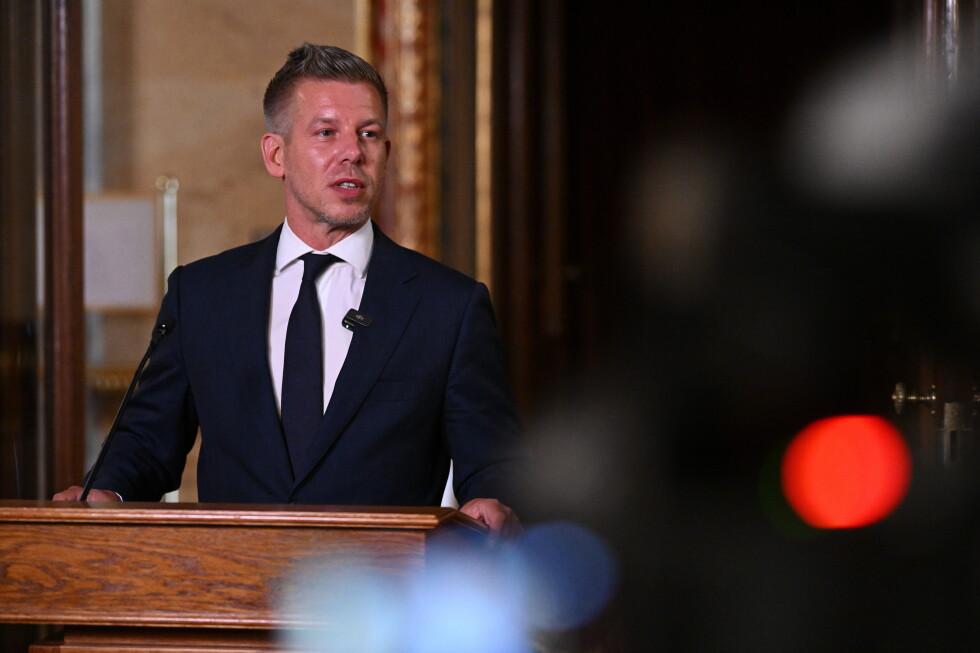
    Prime Minister Péter Magyar outlined the scope of the probe to Hungarian lawmakers on Monday, noting that Szijjártó, a long-time close ally of former prime minister Viktor Orbán, backed BYD’s expansion in Hungary with hundreds of billions of forints in public funding, diplomatic backing, and state-supported infrastructure development. “We will examine every decision, every negotiation, and every state commitment that Péter Szijjártó made that is connected to the BYD Hungary investment,” Magyar stated.

    The investigation will not be limited to the BYD deal alone. Magyar confirmed that reviewers will scrutinize all subsidies, tax incentives, construction permits, environmental regulatory exemptions, and public-paid infrastructure projects granted to large multinational corporations over the course of Orbán’s 12-year tenure in office. “We will look into who made these calls, who drafted the policies, what expert warnings were overlooked, and what burdens these decisions have left for Hungarian taxpayers, workers, local communities, and the natural environment,” Magyar added.

    To date, neither Szijjártó nor BYD have issued a public response to the conflict of interest allegations leveled by the prime minister. Szijjártó has previously framed his new role at BYD as a prestigious opportunity to contribute to what he calls one of the most successful modern stories in the global automotive sector.

    During his time in government, Szijjártó was the central figure in courting Chinese foreign direct investment for Hungary, including landing the BYD projects that have now come under scrutiny. In 2023, he announced BYD would build its first European manufacturing plant in the country, a move that lets the company avoid the European Union’s punitive import tariffs on Chinese-built electric vehicles, which were enacted to protect the bloc’s domestic auto industry. Two years later, in 2025, he revealed plans for BYD to locate its European headquarters and a new research and development center in Budapest, in exchange for 20 billion forints ($63.7 million) in direct government assistance.

    The BYD investments are part of a broader strategy carried out by the Orbán administration to position Hungary as a global hub for lithium-ion battery manufacturing, a push that has centered heavily on attracting Chinese battery firms to build a string of new production facilities across the country. This policy has already sparked widespread pushback from local residents, environmental activists, and opposition politicians, who have raised concerns that the expanding new industry will worsen existing environmental degradation, strain Hungary’s limited freshwater supplies, and increase the country’s economic dependence on China.

    The BYD probe is not the only investigation Szijjártó is facing. The former foreign minister has long drawn international controversy for his close ties to the Kremlin, which he maintained even after Russia launched its full-scale invasion of Ukraine in February 2022. Breaking with nearly all other EU foreign ministers, Szijjártó made repeated trips to Moscow to negotiate energy purchase agreements for Russian oil and natural gas, and repeatedly met with his Russian counterpart Sergey Lavrov, whom he has publicly referred to as a personal friend.

    He became a major point of contention during Hungary’s 2026 election campaign after the Washington Post published a report alleging that he provided live updates on discussions during high-level EU meetings to Lavrov via regular phone calls. Szijjártó has denied the core of the report, though he has acknowledged that he consulted with Lavrov before and after EU foreign minister gatherings to discuss meeting agendas and policy outcomes. During a government press briefing last week, Magyar confirmed that a separate investigation into Szijjártó’s ties to the Russian government has already been launched, “as far as I know.”

  • AliExpress fined record €550m by EU for allowing sale of illegal goods

    AliExpress fined record €550m by EU for allowing sale of illegal goods

    In a landmark enforcement of the European Union’s landmark Digital Services Act (DSA), Chinese e-commerce giant AliExpress has been issued a record €550 million penalty for systemic failures to stop the sale of counterfeit and unsafe products across its platform to millions of European consumers. The penalty, the largest ever handed down under the DSA, follows a two-year investigation that uncovered widespread gaps in AliExpress’s risk assessment and product compliance systems, regulators announced Wednesday.

    AliExpress, a subsidiary of Chinese tech conglomerate Alibaba, boasts 193 million monthly active users across the European Union — a larger user base than competing Chinese fast-fashion platforms Shein and Temu, according to EU data. The investigation concluded that the platform’s automated detection tools for illegal products failed to flag thousands of dangerous and counterfeit listings, while flagged items often remained active on the site for weeks before being removed. Regulators also found that AliExpress did not enforce meaningful penalties against third-party sellers offering illegal goods, and that basic compliance checks could be easily bypassed by bad actors.

    EU Digital Commissioner Henna Virkkunen emphasized that the circulation of harmful counterfeit goods is not an inevitable downside of e-commerce, but a direct result of AliExpress’s failure to meet its legal obligations under EU law. “The spread of counterfeit clothing, unsafe toys, dangerous cosmetics and other illegal and harmful products is not an unavoidable cost of shopping online — it is a failure by AliExpress to comply with its obligations,” Virkkunen said in a statement.

    The DSA, which went into full effect for large online platforms last year, requires major tech providers to implement rigorous due diligence to remove illegal and harmful content from their services, with maximum fines reaching 6% of a company’s global annual turnover. Alibaba reported €122 billion in global turnover last year, meaning the maximum possible fine could have exceeded €7 billion, making the €550 million penalty far lower than the allowed cap.

    AliExpress has pushed back against the ruling, calling the fine disproportionate and arguing that it does not reflect the proactive upgrades the company has already made to its compliance systems. “We disagree with today’s decision and the disproportionate fine, which does not adequately reflect our established framework and the significant, proactive enhancements we have made,” a company spokesperson said. The platform added that it is currently reviewing the commission’s ruling and evaluating all legal options to challenge the penalty. AliExpress is required to pay the fine and submit a corrective action plan addressing the identified breaches to the European Commission by October 20.

    This penalty marks the latest in a series of high-profile enforcement actions against large online platforms under the DSA. Earlier this year, competitor Temu was fined €200 million for failing to curb sales of unsafe children’s products, and last year Elon Musk’s social media platform X was hit with a €120 million fine over deceptive verification practices that exposed users to widespread scams.

  • Guyana launches criminal probe as crews scour waters for survivors after ferry capsizes

    Guyana launches criminal probe as crews scour waters for survivors after ferry capsizes

    GEORGETOWN, Guyana — Rescue teams extended their search efforts for missing passengers of the capsized MV Barima ferry into Monday, following the weekend disaster that has already thrown the South American nation’s lax maritime safety regulations into sharp relief. As the operation enters its third day, hopes of pulling more survivors from the Atlantic Ocean are fading rapidly, with government officials confirming only two fatalities have been recovered so far and the true number of people on board remains unknown.

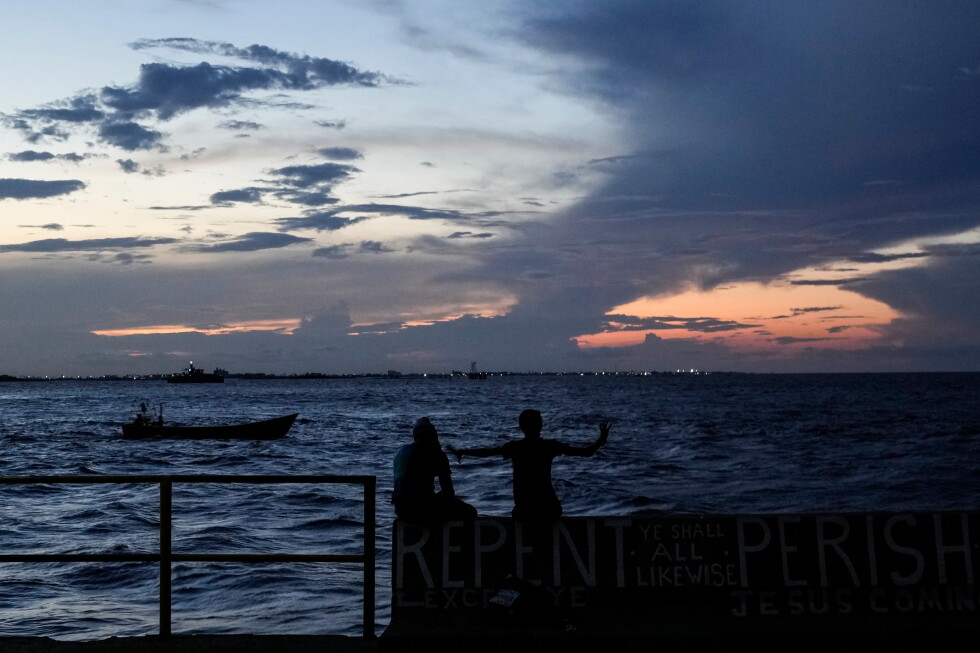
    The decades-old vessel — constructed more than 80 years ago, and most recently dry-docked for major repairs earlier this year with another round of major work scheduled for October — capsized Saturday evening off Guyana’s Essequibo Coast. It was traveling from the capital Georgetown to Port Kaituma, a remote community in the country’s northwest region near the Venezuelan border, a route heavily relied on by locals due to the country’s sparse overland road network and lower cargo costs compared to domestic air travel.

    Prime Minister Mark Phillips confirmed to reporters Sunday evening that official records list 116 passengers and 17 crew members on the vessel’s manifest, but preliminary investigations indicate the actual number of people aboard was far higher. Of the 67 people rescued from the capsizing, 35 do not appear on the official passenger list at all. This discrepancy lines up with longstanding complaints from passengers about a pervasive informal scheme at state-owned piers, where ferry clerks sell unrecorded off-the-books seats to passengers for cash, skirting official safety limits and manifest requirements for extra personal income.

    The revelations of misconduct do not end there: the rescued captain and at least one other crew member have tested positive for marijuana, and both are currently in police custody as authorities open a formal criminal investigation into the incident. Phillips emphasized that the government is launching an urgent, full-scale probe covering every factor that may have contributed to the disaster, from manifest accuracy and cargo loading practices to compliance with mandatory safety rules and the pre-voyage conduct of the captain and crew.

    “Let me be absolutely clear: Where negligence, misconduct or criminal wrongdoing is established, those responsible will face the full force of the law,” Phillips said. “There will be no exceptions and no tolerance for actions that placed innocent lives at risk.”

    Public Works Minister Juan Edghill described the incident as the worst marine disaster Guyana has seen in decades, saying he was devastated by the tragedy and the failures that allowed it to happen. “We have a zero tolerance for members of the crew drinking or smoking while at work. And for us to have positive tests from the captain, this is serious,” Edghill said. “People’s lives are at risk, and those matters will be dealt with.”

    Edghill echoed the prime minister’s condemnation of the unrecorded passenger scheme, noting that the inaccurate manifest has already hampered critical search and rescue operations. “Nobody for the want of a few extra dollars can cheat a system and compromise the entire search-and-rescue operation,” he said. “To be confronted with a reality that despite an official manifest given to us, persons who were rescued were not manifested, that is a criminal action.”

    Multiple passengers who survived the disaster reported on social media that they noticed water seeping into the vessel’s cargo area long before the MV Barima capsized, as the aging ferry struggled along its coastal route to Port Kaituma.

  • Oystercatchers, known for sharp bills and beady eyes, are making a comeback thanks to conservation

    Oystercatchers, known for sharp bills and beady eyes, are making a comeback thanks to conservation

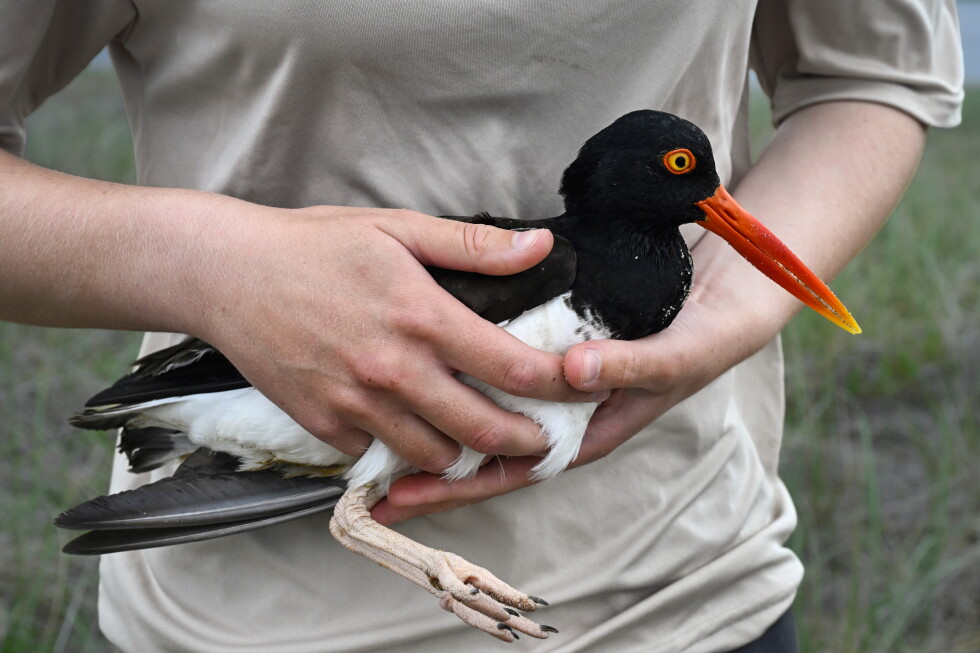
    On a sun-dappled, untouched Rhode Island beach where seabirds call constantly over the sound of rolling waves, a team of conservation biologists crept quietly across warm sand in mid-June 2026, their nets ready to capture two young American oystercatchers at the Trustom Pond National Wildlife Refuge in South Kingstown.

    The chase nearly ended before it began: one chick, already the size of a football with the species’ signature bright-orange bill and long pale legs, bolted into the adjacent coastal salt pond, while the other burst into a short, awkward flight, sending the entire team sprinting across the refuge’s 2.4-kilometer shoreline. Senior conservation biologist Alan Kneidel, who works with Manomet Conservation Sciences, laughed as he watched the pursuit, noting a simple, unexpected hurdle: “There is a problem. They can fly.”

    After a determined hunt, biologists from the U.S. Fish and Wildlife Service secured both chicks, tucking each gently into soft white pillowcases to carry them to a sheltered sand dune. There, the team took detailed body measurements and clipped identifying metal bands to the birds’ peach-colored legs, part of a decades-long, cross-continental initiative to rebuild the American oystercatcher population across the coasts of the Americas.

    Once nearly eradicated from New England by the early 1900s due to unregulated hunting and widespread egg collection, the distinctive shorebirds are now staging a remarkable comeback. Over 10 years, the collaborative recovery campaign raised $10 million and brought together 35 coastal conservation organizations across 16 U.S. states to address the species’ unique needs.

    Much of the work has focused on public outreach, educating beachgoers about the quirky, charismatic birds—known for their piercing, sharp calls and the ability to use their razor-edged bills to pry open oysters and mussels. Teams have also implemented targeted protections for the birds’ ground-level nesting sites, which are typically located on beaches, sand dunes, salt marshes, and tide wrack deposits, shielding nests from predators and off-leash pets that frequently disturb breeding areas.

    The effort has delivered impressive results: between 2008 and 2023, the American oystercatcher population along the U.S. Atlantic and Gulf coasts grew by 45%. This recovery stands out as a rare conservation win, as a 2023 study found that the vast majority of North American shorebird populations are still in steady decline.

    “It’s amazing and it’s a great conservation success story,” said Maureen Durkin, a U.S. Fish and Wildlife Service wildlife biologist based at the Rhode Island National Wildlife Refuge Complex, who led the June banding effort. “It does really demonstrate how much you can accomplish when there is a dedicated group of partners that can come together, identify the needs of the species and implement conservation actions. It also shows that conserving imperiled species is not easy and takes a sustained and committed effort.”

    Kneidel explained that the campaign’s success grew from a key insight: researchers identified low chick survival as the primary driver of the species’ historic population decline. The work was spearheaded by Shiloh Schulte, a conservation biologist with the American Oystercatcher Working Group who died last year in a helicopter crash while conducting shorebird conservation research in Alaska. Schulte’s initial aerial surveys confirmed the species had experienced double-digit population declines, laying the groundwork for the targeted recovery strategy. Because threats vary widely across breeding sites, the working group developed customized plans for each region.

    “At one site, it might be recreational disturbance, at another site it might be predators, at another site it might be sea level rise or loss of dune structure that’s causing overwash events that are causing nest failure,” Kneidel explained during a walk along nearby Moonstone Beach, where flocks of squeaking least terns wheeled overhead.

    On Massachusetts’ Martha’s Vineyard, for example, teams install seasonal low fencing made of chicken wire at the entrance to key oystercatcher breeding grounds to keep egg-eating skunks and raccoons off the beach, while colorful educational signs teach visitors to avoid disturbing nesting areas. The island hosted the first documented returning nesting oystercatchers in Massachusetts as the species began to recover, and breeding pairs there have increased by 77% since 2009.

    The birds have also benefited from existing protections for piping plovers, a threatened shorebird that shares the same coastal nesting habitat. During plover nesting season, vehicle access and dog activity are restricted or banned entirely near nesting sites, creating a safe buffer that also protects oystercatcher nests.

    “With a little bit of focused effort and attention on this really charismatic bird, you can teach the public how to share the shore,” said Luanne Johnson, founder of the conservation nonprofit BiodiversityWorks, a key partner in the recovery effort.

    Further down the Atlantic coast, South Carolina has roped off nearly 30 dedicated breeding sites to protect nesting habitat. Georgia and North Carolina use similar roped-off protections, and also trap and remove invasive predators such as foxes, raccoons and coyotes during breeding season. North Carolina’s breeding population has grown by nearly 20% to 402 pairs, and some long-bandled individual birds have even become local minor celebrities among birdwatchers.

    Lindsay Addison, a coastal biologist with Audubon North Carolina, noted the project proves the value of proactive conservation: “If you focus conservation efforts on a species, especially before it becomes endangered to the point that you’re considering listing, you can actually sort of head off trouble at the pass.”

    Retired North Carolina State University emeritus professor Ted Simons, who began studying oystercatchers on the state’s Outer Banks in 1995, said the recovery is also a testament to the species’ own remarkable adaptability. Oystercatchers have been documented nesting on urban rooftops in the U.S., while related species in Europe nest in farm pastures and feed on worms, and one pair even nested in a bus station pothole in Iceland.

    “If these were really highly specialized birds that needed an exact prescription for survival, that would have been harder,” Simons said. “But what we found is that these birds are incredibly adaptive.”

    Despite the impressive progress, major threats to the species’ long-term survival remain. The most pressing challenge is climate change, which is driving sea level rise and coastal erosion that frequently flood and wash out oystercatcher ground nests. To counter this, coastal states have implemented creative solutions: Georgia has built elevated nesting platforms made of oyster shells, and uses dredged material from shipping channels to create and maintain new nesting islands, while Audubon North Carolina is replenishing shell rakes—old oyster shell beds that are the birds’ preferred nesting habitat—along the Cape Fear River.

    “Climate change, sea level rise, it’s a big challenge not only for oystercatchers but for all kinds of interests on the coast,” Addison said. “There’s going to be loss of habitat due to sea level rise so we have to make sure that we do what we can to provide the habitat that we can so they can get through this next bottleneck.”

    A second, more immediate threat has emerged from recent changes to the U.S. Endangered Species Act, which environmental groups say could weaken habitat protections, particularly in states with limited local safeguards. The new rules allow oil and gas drilling, mining, logging and other development in critical wildlife habitats as long as individual animals are not directly killed or injured. Environmental organizations filed a lawsuit June 2026 to block the changes, warning that the policy will open the door to widespread habitat destruction that could push already vulnerable species to extinction.

    “It’s a direct attack on the protections that have allowed many of these shorebird species to recover,” Kneidel said.

    This reporting is part of the Associated Press’ ongoing climate and environmental coverage, which receives financial support from multiple private foundations. AP maintains full editorial control over all content, with public standards for philanthropic partnership available on AP.org.

  • Lamine Yamal celebrates World Cup win with little brother who charmed fans

    Lamine Yamal celebrates World Cup win with little brother who charmed fans

    After Spain secured a historic 1-0 extra-time win over Argentina in the 2026 FIFA World Cup final at New Jersey’s MetLife Stadium, it is not 19-year-old breakout star Lamine Yamal who is dominating social media feeds — it is his adorable three-year-old younger brother Kenye that has captured the hearts of football fans worldwide.

    Footage of Kenye’s unbridled, joyful celebration from the sidelines immediately went viral across major social platforms on Sunday, turning the toddler into an unexpected internet sensation overnight. From playful tongue-out gestures captured on the stadium’s big screen to wild, enthusiastic cheers for his older brother, Kenye has quickly been crowned one of the most beloved unplanned breakout stars of the entire 2026 World Cup tournament.

    For Lamine Yamal, the World Cup victory cements his place in football history: at 19, he is now the youngest player ever to claim both a European Championship title and a World Cup trophy. The historic final also carried deep symbolic weight, marking the first time Yamal went head-to-head on the world’s biggest football stage against Argentine legend Lionel Messi — a full circle moment nearly two decades in the making. Back in 2007, when Yamal was just an infant, his mother won a competition to meet the Barcelona first team, and a 20-year-old Messi was photographed cradling the newborn baby. Ahead of the 2026 final, the 39-year-old Messi praised Yamal as one of the world’s best current players, noting his incredible talent at such a young age, before the final whistle confirmed Spain’s victory, with the two legends of different generations sharing a warm embrace on the pitch.

    Kenye is no stranger to Lamine’s fans, having already become a regular fixture in the footballer’s social media content, including frequent appearances on his TikTok account that have long charmed audiences. The toddler, who is the son of Lamine’s mother Sheila Ebana, has already shown early signs of following in his older brother’s football footsteps. In previous comments to media outlets, Lamine opened up about his deep love for his younger brother, saying, “I’m moved when I see my little brother this happy, as well as seeing my mum and friends living the life they always dreamed of. My little brother means everything to me. I am in love with him; it feels like he is my son.”

    In the moments after the final whistle, as golden confetti rained down on the pitch to celebrate Spain’s second World Cup title, photos captured Kenye relaxing amid the confetti, sharing a sweet fist bump with Lamine in front of the iconic trophy, and grinning after receiving a hat from a police officer on site. Images of the toddler’s playful, unscripted celebrations quickly spread across news outlets and social media, with fans flooding comment sections to share their affection for the young breakout star. For a tournament defined by historic generational clashes and record-breaking achievements, the biggest surprise viral star of 2026 remains the three-year-old who just could not contain his joy for his older brother’s historic win.

  • Will the Tate brothers be extradited from the US to the UK?

    Will the Tate brothers be extradited from the US to the UK?

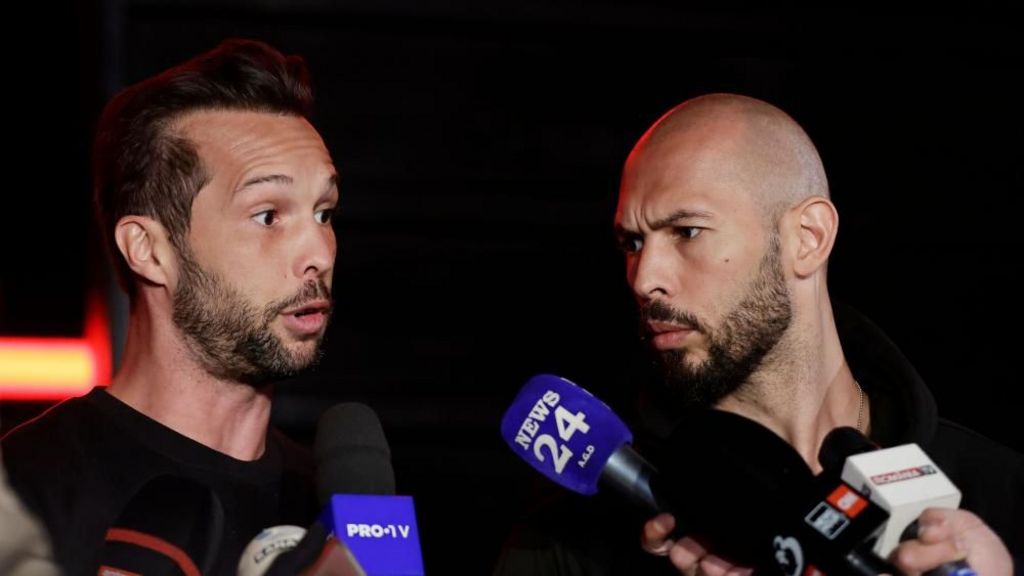
    Controversial social media personalities Andrew and Tristan Tate have been taken into custody in Miami by U.S. Marshals, after Britain’s Crown Prosecution Service (CPS) brought 38 new criminal charges against the pair, launching a formal push to extradite them from the United States to the United Kingdom to face trial.

    The brothers, dual British-U.S. citizens who rose to global fame and notoriety through their polarizing social media content, have repeatedly denied all allegations of wrongdoing against them. They are scheduled to make their first appearance at a U.S. federal court this week as the extradition process moves forward.

    Andrew Tate, 39, first entered the public spotlight in 2016 as a contestant on the U.K. edition of the reality show *Big Brother*, where he was removed after just six days following the leak of a video appearing to show him assaulting a woman. Tate has long maintained the footage was selectively edited and fabricated to damage his reputation. A former professional kickboxer, he has since built a massive global online following, currently boasting more than 10 million followers on X (formerly Twitter). He became infamous for his openly misogynistic views, which got him banned from multiple major social media platforms for several years, though he has since been reinstated on X. He often flaunts an ultra-luxury lifestyle of private jets, high-end sports cars and yachts across his online content. Tristan Tate, 37, Andrew’s younger brother, has frequently appeared alongside his sibling in public and online content.

    Details of the new charges released by the CPS on Sunday show Andrew Tate faces seven additional counts of rape, three counts of arranging or facilitating trafficking for sexual exploitation, three counts of assault occasioning actual bodily harm, and 19 charges linked to indecent images of a child and extreme pornography. Tristan Tate faces two new counts of rape, one count of sexual assault, and three counts of arranging or facilitating trafficking for sexual exploitation. The alleged offenses are said to have occurred between July 2010 and August 2017. Combined with charges brought by the CPS last year, Andrew Tate now faces a total of 42 charges in the U.K., while Tristan Tate faces 17 total charges.

    Malcolm McHaffie, head of the CPS Special Crime Division, confirmed the new charging decision came after investigators received an additional evidence file from Bedfordshire Police, bringing the total number of alleged victims in the case to seven.

    The brothers have primarily been based in Romania since rising to fame, where they remain active in an ongoing local criminal investigation into similar allegations. In 2024, Bedfordshire Police obtained European arrest warrants for the pair, which will allow them to be extradited to the U.K. once Romanian legal proceedings conclude. Early this year, Romanian authorities lifted travel restrictions imposed on the brothers, allowing them to travel to the United States.

    A U.S. Department of Justice spokesperson confirmed the Saturday arrests were carried out in compliance with ongoing extradition proceedings. The U.K. and U.S. are bound by an extradition treaty that allows for the transfer of individuals accused of offenses that carry a minimum one-year prison sentence under both countries’ laws. Under the formal process, the CPS drafts the extradition request, which is first certified by a U.K. judge, reviewed and approved by the Home Office, then sent through official diplomatic channels to the U.S. Once received, the request undergoes judicial review in U.S. courts, and a final extradition decision rests with U.S. Secretary of State Marco Rubio.

    Joseph McBride, the lead attorney representing the Tate brothers, announced the pair would appear in court first thing Monday U.S. time. In a public statement posted to X shortly after the arrests, McBride insisted the brothers are innocent, and claimed the new U.K. charges amount to a political hit job targeting the pair. He further alleged the charges were filed to disrupt a defamation lawsuit the Tates have filed in the U.S. against their accusers. “We are confident that once a competent judge sees the facts, and once the Department of Justice confronts this egregious abuse of its own authority, Andrew and Tristan Tate will walk free,” McBride wrote. “America does not do Britain’s political dirty work.”

  • Rare identical quadruplets born in Australia

    Rare identical quadruplets born in Australia

    In an extraordinarily rare medical event, a 34-year-old Australian mother has given birth to four identical quadruplets conceived naturally, a milestone that medical professionals describe as nearly unheard of. Jenitar Na’amoana and her husband Jortham, who already share four children between the ages of one and 10, received the life-changing news of their quadruplet pregnancy with overwhelming surprise, according to officials from Brisbane’s Metro North Health, which oversees the Royal Brisbane and Women’s Hospital where the birth took place.

    The four baby girls, delivered via caesarean section on July 14 at 28 weeks and four days gestation, are monozygotic quadruplets, meaning they developed from a single fertilized egg that split into four separate embryos. What makes this case even more exceptional is that all four fetuses shared the same placenta—a combination that maternal-fetal medicine specialist and obstetrician Dr. Alexa Bendall, who managed Na’amoana’s care from the earliest stages of pregnancy, calls unprecedented. Medical data puts the odds of naturally conceived identical quadruplets at roughly one in 15 million pregnancies, with naturally conceived quadruplets of any type already carrying odds of just one in 700,000 births globally.

    From the outset, the pregnancy was classified as extremely high-risk. To ensure constant monitoring of both mother and fetuses, the hospital admitted Na’amoana as an inpatient when she reached 25 weeks gestation. “We always said that if we could get her to 28 weeks, we would be doing well,” Bendall explained in a statement following the birth. “So the fact that we’ve got four beautiful, healthy babies born at 28 weeks and four days is incredible and we’re very happy to be a part of it.”

    Remarkably, Na’amoana avoided every major complication that typically comes with such a high-risk pregnancy, defying all medical expectations. “Jenitar has taken everything in her stride from day one… she has somehow dodged every complication and risk for both herself and her babies,” Bendall added.

    In a touching tribute to the medical team that guided her through the pregnancy, Na’amoana named one of the four girls after Bendall. The newborns are called Emily, Harriet, Catherine, and Alexa—and Bendall says the honor left her deeply moved, calling it “a beautiful tribute.”

    Currently, all four infants are being cared for in the hospital’s neonatal intensive care unit, where they will remain until they reach full term development. Bendall confirmed that as of the latest updates, all four babies “are currently doing extremely well.”

    In the wake of the births, Na’amoana has launched an online crowdfunding campaign via GoFundMe to cover the cost of a new 10-seat van, a necessary adjustment to accommodate her expanded family of 10. Already, the campaign has raised more than 37,000 Australian dollars, equivalent to roughly 19,261 British pounds. In her message accompanying the fundraiser, Na’amoana expressed that while the family is overjoyed by their new additions, caring for four newborns at once has brought unforeseen practical challenges. “Our four precious miracles have arrived safely, and while our hearts are overflowing with gratitude, the reality of caring for four newborns at once has brought challenges we never could have imagined,” she wrote. Both parents have said their gratitude to the medical team and the community that has supported them is overwhelming.

  • Why are thousands of people protesting in Delhi?

    Why are thousands of people protesting in Delhi?

    What started as a lighthearted online parody has rapidly grown into one of the most high-profile youth-led mass movements India has seen in recent years. Tens of thousands of Gen Z demonstrators flooded the streets of New Delhi on Monday, demanding the immediate resignation of the country’s top education official and sweeping systemic reforms to India’s troubled higher education examination system.

    The unexpected rise of the Cockroach Janta Party (CJP), or Cockroach People’s Party, traces back to an offhand comment made by India’s Chief Justice Surya Kant. During a public court hearing, Kant allegedly compared unemployed young people who turned to journalism and activism to cockroaches and parasites. The justice later walked back the remark, clarifying he was only referring to individuals holding fraudulent academic credentials, not the broader Indian youth population. Even so, the comment struck a nerve. Movement founders reclaimed the derogatory label, and built the group’s name as a playful parody of the ruling Bharatiya Janata Party (BJP), Prime Minister Narendra Modi’s party which has held national power since 2014.

    CJP founder Abhijeet Dipke, a 30-year-old political communications strategist and former Boston University student, originally launched the movement as a joke. He shared a simple Google Form to collect sign-ups for the satirical group, never expecting the overwhelming response that would follow: tens of thousands of young Indians signed on almost immediately, transforming the parody project into a bona fide protest organization that channels widespread frustration among India’s disaffected youth.

    The catalyst for Monday’s mass capital demonstration was the forced detention and hospitalization of prominent Indian engineer and activist Sonam Wangchuk. The 59-year-old activist had been conducting a 20-day hunger strike at Delhi’s historic Jantar Mantar, a centuries-old public space that has long hosted peaceful political protests, in solidarity with the CJP movement. When authorities forcibly removed Wangchuk and transported him to a hospital on the preceding Saturday, Dipke issued a call for demonstrators to march on India’s national parliament, sparking the mass gathering.

    At the core of the CJP’s demands are long-simmering grievances over India’s broken higher education entrance exam system, most recently highlighted by a high-stakes leak scandal involving the National Eligibility cum Entrance Test (NEET), the country’s mandatory entrance examination for admission to all national medical colleges. In May of this year, nearly 2.3 million aspiring medical students sat for the notoriously difficult exam, after months and often years of intense preparation. Just days after the test was administered, authorities were forced to cancel the entire exam following widespread confirmed allegations of question paper leaks. Students were required to retake the exam weeks later under heavy security, a devastating blow that left countless candidates reeling. The CJP and affected student families claim that around 20 aspirants died by suicide as a direct result of the distress caused by the cancelled exam. This is not an isolated incident: the NEET exam was rocked by an identical leak scandal back in 2024, amplifying public anger over the lack of accountability in the system.

    Beyond demanding Wangchuk’s immediate release, the CJP is calling for a full overhaul of India’s education system, stricter accountability for repeated exam mismanagement and leaks, and the resignation of Education Minister Dharmendra Pradhan. In the wake of Wangchuk’s detention, Dipke, who has launched his own hunger strike in protest, expanded the demands to call for Prime Minister Narendra Modi to step down as well. Young movement volunteers have embraced the group’s cockroach identity in creative ways: many have appeared at clean-up drives and protests dressed as the insect, turning the derogatory comparison into a unifying rallying symbol.

    While it remains uncertain whether the CJP will achieve its stated policy and leadership goals, the movement has already left an indelible mark on India’s national political landscape. Monday’s demonstration marks the largest mass protest against the Modi government in the national capital in recent years, and has drawn high-profile public support from multiple major Indian opposition parties. Congress party president Mallikarjun Kharge condemned the police use of baton charges against protesting students, calling the crackdown an “attack on democracy.” All India Trinamool Congress MP Mahua Moitra joined demonstrators on the streets of Delhi before heading to parliament for official business, and Samajwadi Party chief Akhilesh Yadav released a statement affirming that the gathered students and protesters deserve to be treated with dignity and respect.

  • Police block thousands of ‘cockroach’ protesters marching on India’s parliament

    Police block thousands of ‘cockroach’ protesters marching on India’s parliament

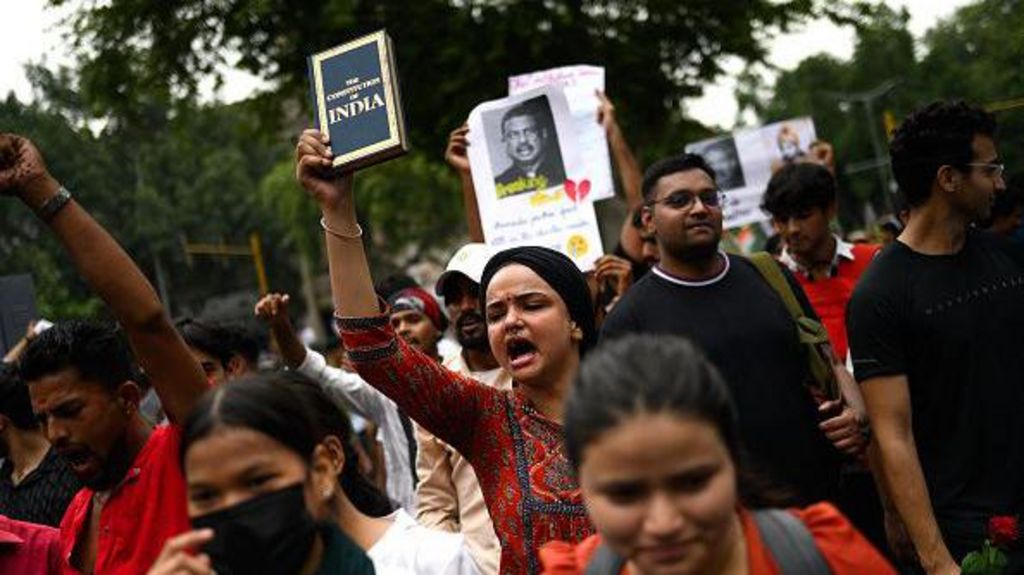
    On a rain-soaked Monday in India’s capital Delhi, tens of thousands of demonstrators gathered to participate in a mass protest organized by the youth-led Cockroach Janta Party (CJP), defying an official police ban to march toward India’s parliament and call for the resignation of the nation’s education minister. What began as a localized movement sparked by widespread allegations of public exam paper leaks has ballooned into one of the most significant displays of public opposition to Prime Minister Narendra Modi’s sitting government in recent years, uniting students, working professionals, parents, and teachers behind a broader platform demanding systemic education reform and greater accountability for public officials.

    The CJP’s unexpected momentum received a major boost over the preceding weekend, when Delhi police intervened to forcibly transfer prominent activist Sonam Wangchuk to a hospital on the 21st day of his hunger strike in solidarity with the movement. Wangchuk, who has continued his fast despite medical intervention, formally appealed to attending physicians to discharge him so he could join Monday’s march, a request that was ultimately denied. The movement’s unusual name itself carries a charged origin story: it was adopted after India’s chief justice drew widespread public condemnation for comparing unemployed young Indians to “cockroaches” during a public court hearing. Though the justice later retracted the remark, CJP founder Abhijeet Dipke reclaimed the label, transforming the insect into the movement’s official symbol of grassroots resistance.

    Despite explicit police warnings that no permission would be granted for a march to parliament, crowds began assembling at Delhi’s historic Jantar Mantar observatory before dawn, with thousands more joining through the morning even as steady rain soaked the protest site. The contrast between the peaceful gathering at the observatory and the heavy security lockdown surrounding parliament was stark: while young demonstrators draped in Indian national flags queued for volunteer-distributed food, painted protest placards, and posed for photos, rows of uniformed police and paramilitary personnel blocked every road leading to the legislative complex, with barricades stretching across all major access points. Movement organizers repeatedly urged participants to avoid violent confrontation with law enforcement, even as patriotic protest songs blared from speakers across the site.

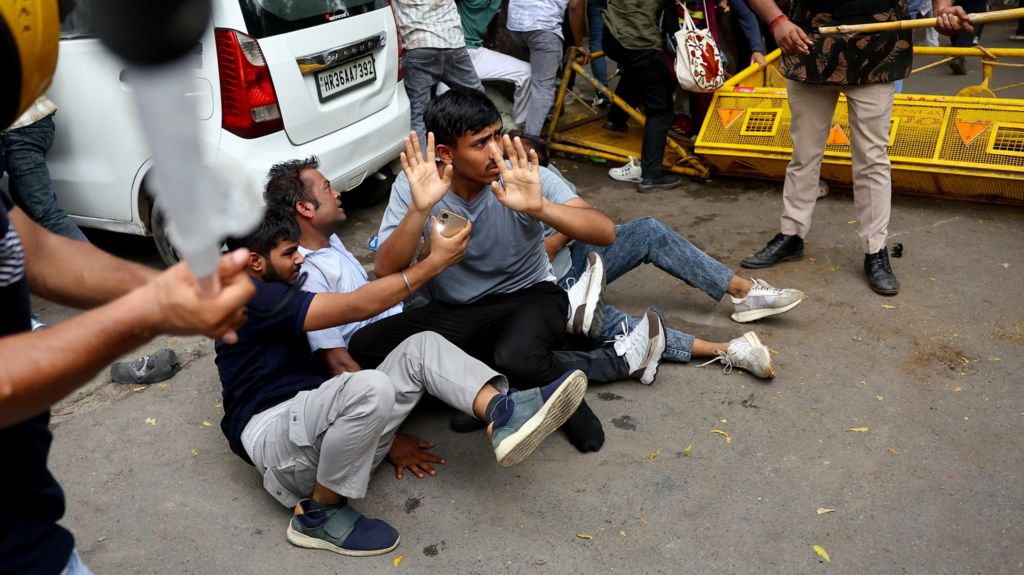
    When the march officially got underway, protesters spilled onto surrounding streets only to be stopped at successive layers of police barricades. Large groups sat down on paved roads, waving national flags and chanting demands for reform, while smaller splinter groups attempted to reach parliament by navigating narrow residential side streets. Inside the legislative complex, the opening day of parliament’s annual monsoon session was repeatedly adjourned as opposition lawmakers joined the outcry over the alleged exam leaks and broader education system failures.

    As police moved to push back crowds attempting to breach barricades, reports of injuries quickly began to spread across social media. Multiple protesters told reporters they had been injured in police baton charges, with dozens returning to the Jantar Mantar site bleeding from head wounds or suffering limb injuries. Volunteer medical worker Gaurish Batra, treating injured demonstrators on site, told the BBC that his team had provided care to at least 10 injured people, including one man with a severe head wound and a woman with a suspected broken leg. Delhi Police have not issued any formal comment on the allegations of excessive force. Authorities also suspended mobile internet service across large parts of central Delhi, cutting off many demonstrators from reliable access to messaging apps and social media platforms.

    By early afternoon, two senior CJP representatives met with Union Health Minister JP Nadda after waiting for roughly two hours outside his official residence. CJP spokesperson Saurav Das confirmed that the delegation submitted a formal letter outlining the movement’s core demands, and that Nadda gave assurances he would bring the group’s concerns to the full Union Cabinet. Shortly after the closed-door meeting, Nadda posted a public statement on the social platform X urging protesters to disperse and help restore “normalcy” to the capital. The meeting and minister’s statement did little to defuse tensions, however, with thousands of demonstrators remaining at Jantar Mantar through the afternoon, committed to seeing their demands addressed.

    Even when heavy rain intensified, the protest barely slowed. Volunteers stretched blue tarpaulins to shelter crowds, and chants continued as soaked demonstrators waited for updates from police lines. Among the out-of-town participants was commercial pilot Samrat Khanna, who rearranged his professional flying schedule to attend the demonstration. “I felt I had to be here,” Khanna said. “I couldn’t just watch from the sidelines.” For most demonstrators, the original trigger of the alleged exam leaks has become a symptom of deeper frustrations, rather than the movement’s only goal: protesters say the leaks are just one example of systemic failures around employment access, economic opportunity, and government transparency that have left young Indians disillusioned.

    Since its first small public protest in June, the CJP has grown at an extraordinary rate, expanding from a fledgling online campaign to a national movement with chapters in major cities across the country, drawing support from a broad cross-section of Indian society. By Monday evening, the situation shifted again when riot police entered the Jantar Mantar protest site, announcing over loudspeakers that protesters had lost permission to remain in the area. Officers began pushing crowds back, prompting some demonstrators to flee while others linked arms to resist eviction. Brief confusion emerged around founder Abhijeet Dipke’s location after the CJP initially announced he had been detained by police, before clarifying that officers had attempted to take him into custody but were blocked by crowds of protesters. Delhi Police later issued a statement calling the detention claims “entirely false.” As of Monday evening, thousands of demonstrators remained committed to the movement, with protests continuing to draw crowds across the capital.

  • The hunger-striking engineer demanding education reforms in India

    The hunger-striking engineer demanding education reforms in India

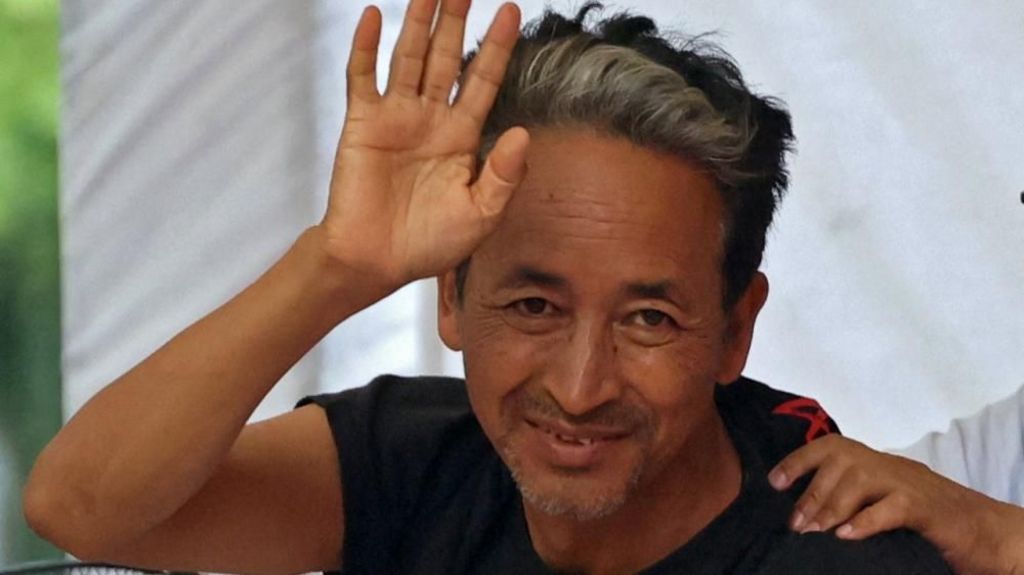
    One of India’s most high-profile grassroots advocates, 59-year-old Sonam Wangchuk, has become the center of a growing national political firestorm after launching an open-ended hunger strike in New Delhi to back youth-led demands for sweeping overhaul of India’s crisis-plagued education system. Since starting his fast on June 28, Wangchuk has survived only on salt and water, shedding more than 9 kilograms as his health has declined sharply, prompting police to forcibly admit him to a hospital on July 18 – a move that escalated tensions between authorities and thousands of supporting protesters.

    Wangchuk’s protest is anchored in backing the Cockroach Janta Party (CJP), a viral online satirical youth movement that draws its provocative name from a comment by India’s most senior Supreme Court justice, who labeled young critics of the government with that term. The CJP emerged in response to a string of high-profile education controversies, most recently repeated leaks of public examination question papers that have thrown the academic careers of millions of young Indians into chaos. Political analysts now frame the movement as one of the most significant displays of public dissent against Prime Minister Narendra Modi’s national government, which has held power since 2014.

    A household name across India, Wangchuk commands widespread public respect that stretches far beyond the protest movement. A revered educator, engineer and innovator from the disputed Indian-administered region of Ladakh, he won the 2018 Ramon Magsaysay Award – widely known as Asia’s equivalent of the Nobel Prize – for his community development work. His life and innovations even served as the inspiration for the lead character in *Three Idiots*, the 2009 blockbuster Bollywood film that remains one of the most popular Indian movies of all time, and he has appeared as a celebrity guest on India’s top-rated game show *Kaun Banega Crorepati*. This public standing has turned his hunger strike into a national crisis: as his health has worsened, opposition politicians, fellow activists, A-list Bollywood stars and prominent musicians have publicly urged him to end his fast, but Wangchuk has refused three non-negotiable conditions for stopping: government accountability for recent systemic failures in education, a meeting between CJP leaders and members of parliament where lawmakers commit to taking up reform, or a personal visit from lawmakers to his hospital bed with the same assurance.

    This is far from Wangchuk’s first act of political protest via fasting, a tactic long rooted in India’s political and cultural history, where many major faiths frame voluntary self-denial as a moral act of conscience. Just one year ago, he staged two multi-week hunger strikes to draw attention to the environmental threats facing Ladakh, a high-altitude cold desert in the Himalayas that sits at the center of a long-running border dispute between India and China. Before launching that protest, Wangchuk and hundreds of supporters marched hundreds of kilometers from Ladakh to New Delhi to demand greater regional autonomy and constitutional safeguards for Ladakh’s fragile ecosystem. He argues that the Indian federal government’s accelerated push for large-scale infrastructure development – including new highways, power projects and military installations, built in response to the region’s strategic importance bordering both China and Pakistan – is irreparably damaging the Himalayan environment without any meaningful consultation with local communities. “We don’t oppose development. We want sustainable growth,” Wangchuk has said, noting that Ladakh’s unique ecology cannot accommodate the one-size-fits-all development model imposed by the national government on other Indian states.

    Wangchuk’s lifelong advocacy for education reform stems from his own childhood experiences in the Indian education system. As a young boy from Ladakh studying in Srinagar, where lessons were taught only in English, Urdu and Hindi, he recalled being mocked as a “dumb boy from the mountains” who could not fluently speak the dominant languages. That experience shaped his decades-long critique of India’s centralized education system, which he says fails to meet the needs of regional and indigenous communities. In the 1980s, he began organizing protests against the use of Delhi-published textbooks written in unfamiliar languages, full of cultural and environmental references that made no sense to Ladakhi children – examples ranging from ships and oceans to coconut trees and monsoon rains, concepts unrecognizable to most children growing up in the high Himalayan desert. He co-founded a local school focused on adapting curricula to Ladakh’s unique cultural and environmental context, working for decades alongside local communities and government officials to center regional needs in education.

    Beyond his education advocacy, Wangchuk has earned acclaim as a pioneering innovator focused on sustainable, low-cost solutions for Himalayan communities. After a relative noticed his early experiments using concave mirrors to heat dark mountain homes and cook food, he went on to study mechanical engineering. In recent years, he developed an affordable, passive-heating mud house that maintains a steady 15°C internal temperature even when external winter temperatures drop to -15°C, cutting reliance on carbon-intensive heating fuel for remote communities. He also designed the ice stupa, an artificial glacial spring shaped like a traditional Buddhist hemispherical monument that stores glacial meltwater for use by farmers during the critical late spring planting season, when water supplies often run dry.