博客

  • UN secretary-general race: What it takes to be the world’s top diplomat

    UN secretary-general race: What it takes to be the world’s top diplomat

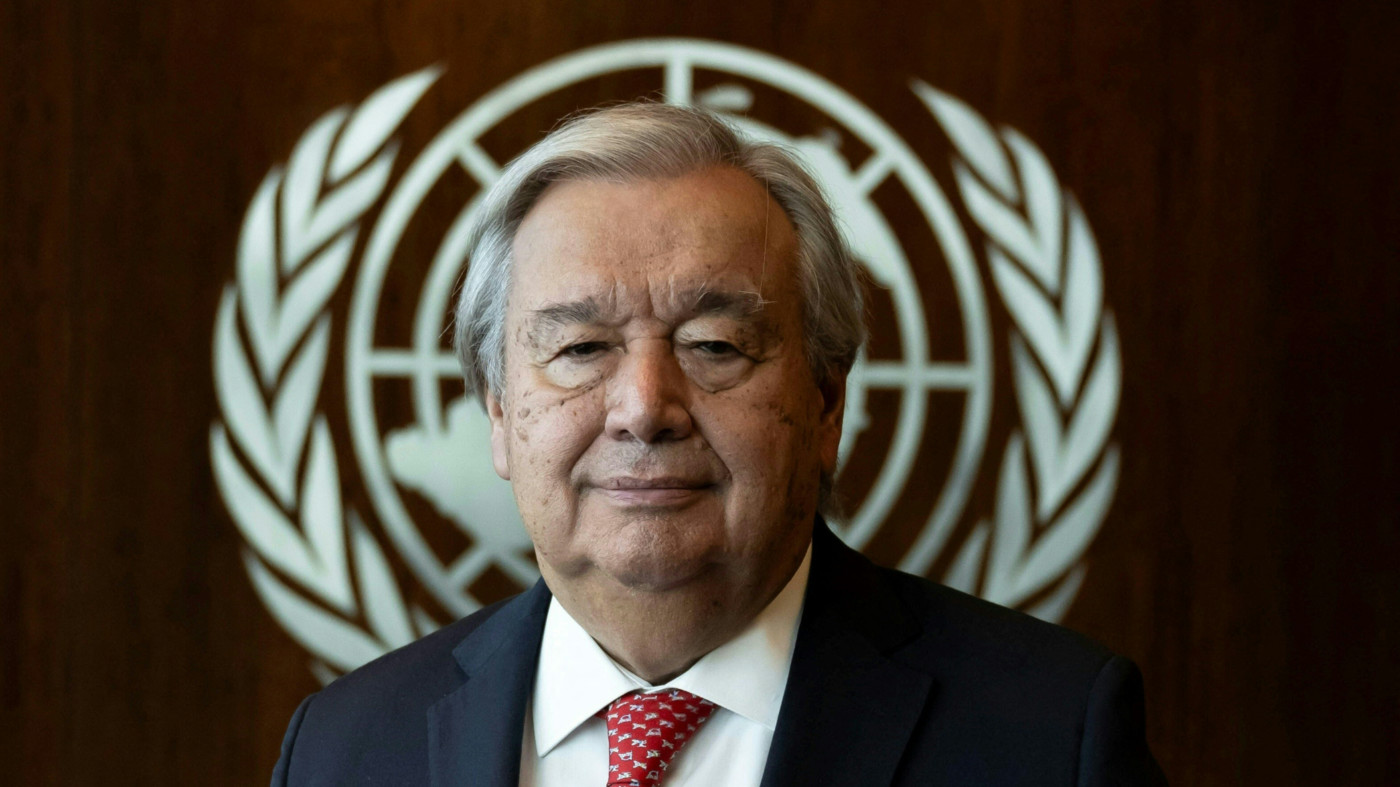
    For nearly eight decades, the office of United Nations Secretary-General has stood as one of the most consequential yet constrained positions on the global stage. Unlike heads of state or military commanders, the UN’s top leader commands no armed forces and holds no legal authority to compel sovereign nations to act. Yet from averting full-scale conflict to brokering landmark peace deals and coordinating global responses to catastrophic humanitarian crises, successive secretaries-general have shaped the course of international relations since the UN’s founding in 1945. Today, as current incumbent António Guterres prepares to wrap up his second five-year term on December 31, 2026, the world body is in the final stages of selecting its 10th secretary-general, a process unfolding at a moment of unprecedented challenge to the UN and the rules-based international order it was built to uphold.

    Defined by the UN Charter simply as the UN Secretariat’s “chief administrative officer” rather than a formal political leader, the role of secretary-general has evolved dramatically over its 81-year history, shaped by the actions and priorities of the nine men who have held the post to date. A long-standing informal tradition bars candidates from the UN Security Council’s five permanent veto-wielding members – the United States, United Kingdom, France, China and Russia – ensuring the role always goes to a national from a middle or smaller power not aligned with any of the major global blocs.

    The office’s trajectory was set early on by its second holder, Dag Hammarskjöld of Sweden, who expanded its political scope after taking office in 1953. Hammarskjöld pioneered the practice of preventive diplomacy, leveraging the secretary-general’s “good offices” to mediate in disputes that split the major powers, turning the Charter into a framework for launching fact-finding missions and deploying UN peacekeeping forces. His tenure cut short by a 1961 plane crash while en route to resolve the Congo conflict – a crash that remains mired in conspiracy theories of targeted attack – Hammarskjöld posthumously received the Nobel Peace Prize, and his expansion of the role laid the foundation for all future holders.

    Every successive secretary-general built on that foundation: Myanmar’s U Thant defused the 1962 Cuban Missile Crisis through quiet diplomacy; Austria’s Kurt Waldheim advanced shuttle diplomacy in the Middle East, Cyprus and Namibia; Peru’s Javier Pérez de Cuéllar mediated a permanent ceasefire to end the 1988 Iran-Iraq War; Egypt’s Boutros Boutros-Ghali mapped out a new agenda for UN peace operations in the post-Cold War era; Ghana’s Kofi Annan, the first secretary-general to rise through the UN’s internal ranks, shared the 2001 Nobel Peace Prize with the entire organization; South Korea’s Ban Ki-moon made climate change a top global priority; and current leader Guterres has steered the UN through an era of crippling funding cuts and repeated Security Council deadlock, driven by permanent member vetoes, over catastrophic conflicts in Gaza, Ukraine and Sudan.

    Time and again, secretaries-general have stepped in to act when the Security Council is split along major power lines. During the 1956 Suez Crisis, after Britain, France and Israel invaded Egypt following the nationalization of the Suez Canal, Hammarskjöld oversaw the creation of the United Nations Emergency Force – the UN’s first armed peacekeeping operation – which oversaw the invading forces’ withdrawal by early 1957 and set a enduring precedent for global peacekeeping. In 1988, Pérez de Cuéllar spent a year mediating between Iran and Iraq to turn a Security Council ceasefire resolution into a lasting end to their eight-year war. In 1998, Kofi Annan brokered a landmark memorandum of understanding with Saddam Hussein’s government that secured access for UN weapons inspectors and averted an immediate U.S.-British invasion. Most recently, in December 2023, Guterres made the first explicit formal invocation of Article 99 of the UN Charter in decades, bringing the catastrophic Gaza war before the Security Council with a warning that it threatened global peace and security. Though his push for a ceasefire was ultimately vetoed by the United States and drew calls for his resignation from Israel’s UN envoy, the move underscored the unique platform the secretary-general holds to highlight pressing global threats.

    Article 99 remains the only explicit independent political power granted to the secretary-general in the UN Charter, allowing the holder to bring any issue they deem a threat to international peace and security directly before the Security Council. It has been formally invoked only a handful of times in history. In practice, the role is defined by four core functions: mediating between conflicting parties, publicly or privately; setting the global agenda as the UN’s official global spokesperson; administering the Secretariat and appointing senior officials and special envoys; and raising early warnings of emerging threats before the Security Council takes formal action. All of these functions depend entirely on the cooperation of UN member states, particularly the five permanent Security Council members that hold veto power.

    Three long-standing informal rules govern the selection process. The first is informal regional rotation: while the UN has no official rotation policy, the post has cycled between world regions for decades, and the last holder from Latin America and the Caribbean left office 35 years ago. That has created widespread pressure for the next secretary-general to come from the region, a dynamic reflected in the current candidate pool: five of the six official candidates hail from Latin America and the Caribbean. The second rule, as noted, bars permanent Security Council members from putting forward their own nationals. The third requires that any candidate be acceptable to all five permanent members, each of whom can veto a candidate during the Security Council selection process. The only exception in modern history came in 1996, when the U.S. vetoed a second term for Boutros Boutros-Ghali, citing concerns that he operated too independently of U.S. interests and clashed with Washington over UN interventions in Somalia and the Balkans.

    The 2026-2027 selection process follows a six-step framework laid out in General Assembly resolutions, culminating in the new secretary-general taking office on January 1, 2027. The process began in November 2025, when the presidents of the Security Council and General Assembly formally invited member states to submit nominations. All nominations were submitted by mid-June 2026, with each candidate put forward by one or more member states (self-nominations are not permitted) and required to submit a CV, policy vision statement and campaign finance disclosure. Candidates have already completed public interviews before the General Assembly, civil society groups and other stakeholders, and all six will participate in a full public debate in the UN General Assembly Hall on July 23, 2026, hosted by General Assembly President Annalena Baerbock.

    After the debate, the Security Council will begin holding informal secret straw polls, where the 15 council members mark each candidate as “encourage,” “discourage” or “no opinion.” Permanent members use colored ballots distinct from non-permanent members, allowing negotiators to identify early which candidates face an eventual veto. Polling continues until one candidate emerges with no veto from a permanent member and at least nine total votes from the 15-member council. The Security Council is expected to formally forward its recommended candidate to the General Assembly between September and early October 2026, aligning with the timeline of the General Assembly’s 81st session and annual high-level general debate. The 193-member General Assembly will then hold a final vote, and has never rejected the Security Council’s recommendation. The winner will receive a five-year term, renewable once for a maximum of 10 years in office.

    The current candidate pool marks a potential historical turning point for the UN: of the six candidates, four are women, a first for an organization that has only ever had male leaders. The candidates are: Michelle Bachelet, former president of Chile and former UN High Commissioner for Human Rights; María Fernanda Espinosa, former president of the UN General Assembly from Ecuador; Rafael Grossi, Argentine head of the International Atomic Energy Agency; Rebeca Grynspan, Costa Rican secretary-general of the UN Conference on Trade and Development; Carolyn Rodrigues-Birkett, Guyana’s permanent representative to the UN; and Macky Sall, former president of Senegal (the only candidate from outside Latin America and the Caribbean).

    Whoever takes office will inherit an organization at a crossroads, grappling with overlapping crises that threaten its very viability. The UN currently faces a record financial shortfall, driven in large part by U.S. funding cuts and withheld dues. Under the second Trump administration, the United States – which has long been assessed to contribute 22 percent of the UN’s regular core budget – has withdrawn from 66 UN bodies and international organizations, including the World Health Organization, UNESCO and the UN Human Rights Council, and withheld billions in mandated contributions. By the end of 2025, outstanding unpaid dues across the UN system hit a record $1.57 billion, forcing the organization to cut its 2026 regular budget by more than 15 percent and reduce staffing by nearly 19 percent. In early 2026, Guterres warned member states that the UN faced “imminent financial collapse” and could run out of operating cash by July 2026.

    Beyond the funding crisis, the UN faces growing gridlock in the Security Council, where permanent member vetoes have blocked action on ongoing conflicts that have killed hundreds of thousands and displaced millions. Critics increasingly question the legitimacy of a post-WWII international order designed to prevent global war, at a time when the United States – the primary architect of that system – has itself emerged as one of the greatest threats to the rules and institutions it built.
  • Messi says ‘pain is immense’ after losing World Cup final

    Messi says ‘pain is immense’ after losing World Cup final

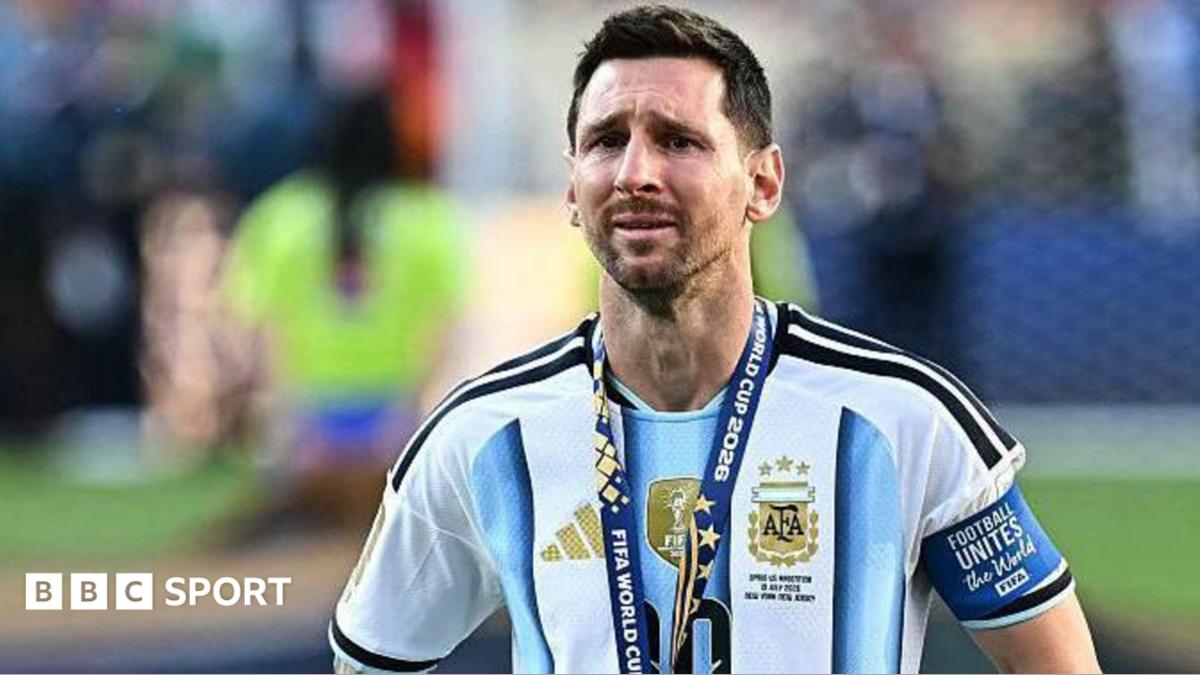
    The 2026 FIFA World Cup has closed out with a historic second title for Spain, but the post-final narrative is dominated by raw emotion from Argentina captain Lionel Messi, who opened up about the crushing heartbreak of falling short of defending their 2022 crown.

    Spain claimed a 1-0 extra-time victory over Argentina in the July 11 final, with Ferran Torres’ late strike securing the win that ended Argentina’s bid for back-to-back world titles. For Messi, the defeat marks his second World Cup final loss, adding to the 1-0 defeat he suffered against Germany in the 2014 tournament. He only won one of the three World Cup finals he has competed in throughout his iconic international career, claiming the long-awaited title in Qatar four years ago.

    At 39 years old, the prospect of Messi featuring in the 2030 World Cup hosted across three continents is extremely slim, though the global football icon has not yet formally confirmed whether he will retire from international football. In a heartfelt social media post shared shortly after the final whistle, Messi opened up about the weight of the defeat while also reflecting on his team’s achievements.

    “The pain is immense, and this wound will take time to heal. But I also hold onto all the good things,” Messi wrote. “The matches we turned around by giving it our all – moments that will remain in our memories forever – and the support of an entire country which, combined with this group’s hard work and effort, brought us back among the world’s elite once again. It is hard to fully appreciate our achievement right now, but this group reached two consecutive World Cup finals.”

    Messi also emphasized the unity the Argentine squad brought to the nation throughout the tournament, thanking fans for their unwavering support and formally congratulating Spain on their championship win. “Thank you from the bottom of my heart for every greeting and message,” he added. “Once again, we managed to unite as a country and stand together, sharing the immense pride of being Argentine. I also want to congratulate Spain on winning the championship.”

    Across the tournament, Messi delivered a historic individual performance, contributing eight goals and four assists to drive Argentina to their third World Cup final in the last four editions. He played an instrumental role in Argentina’s comeback knockout stage wins against Egypt and England, but his side could not break through a resolute Spanish defense that conceded only one goal across the entire 2026 tournament.

    Argentina midfielder Enzo Fernandez, who was sent off in second-half injury time after picking up a second yellow card for a late challenge on Spain’s Pau Cubarsi, also shared his thoughts on social media. He noted that he and his teammates “defended these colors with pride, humility, and commitment,” adding that the squad had always represented Argentina with integrity. “For years, this group has represented us in the best possible way,” Fernandez wrote. “It teaches that competing isn’t just about winning; it’s about giving your all for the jersey and never giving up.”

    In the wake of post-match tensions between the two squads at full-time, FIFA’s Disciplinary Committee has announced it has appointed a disciplinary and ethics prosecutor to launch an official investigation into the altercations. The 2026 World Cup marks the end of another historic chapter for men’s international football, with coverage of ongoing club and international football set to continue on BBC Sport.

  • Tate brothers appear in US court for extradition proceedings

    Tate brothers appear in US court for extradition proceedings

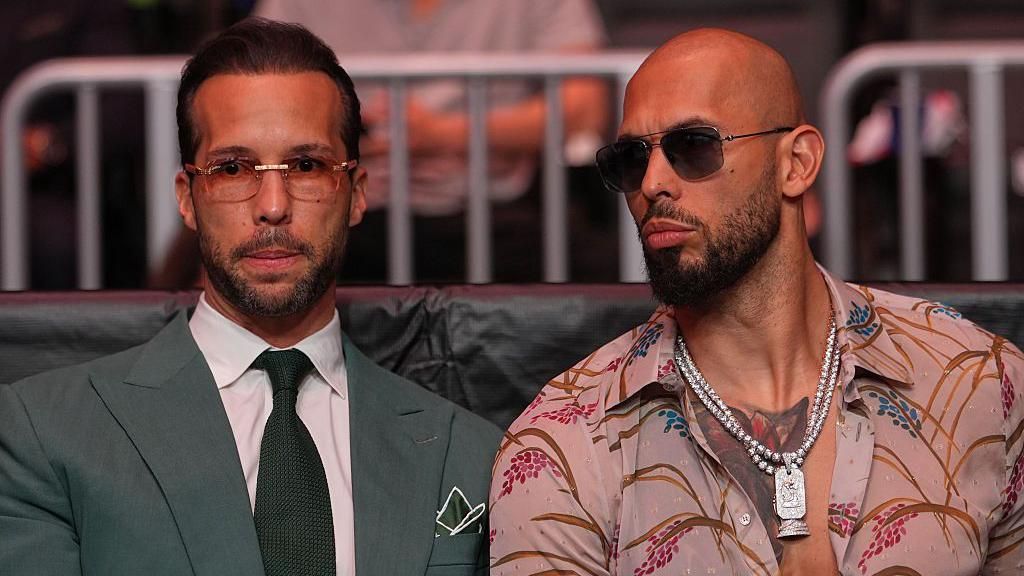
    The explosive legal saga of controversial social media influencers Andrew and Tristan Tate took a major turn this week, as the two brothers appeared before a federal judge in Miami to open formal extradition proceedings that will send them to the United Kingdom to face 38 newly filed charges including rape and sex trafficking.

    Both men, who hold dual British and American citizenship, have been held in a Miami-area jail since their arrest over the weekend. The arrest came shortly after the Crown Prosecution Service (CPS), the body that oversees criminal prosecutions across England and Wales, expanded the existing case against them by adding the new charges. The pair relocated to Florida from Romania earlier this year, after Romanian authorities lifted a travel ban that had kept them in the country for more than two years amid their separate local charges of human trafficking and organized sexual exploitation. They have repeatedly maintained their innocence on all counts in every jurisdiction.

    During the brief Monday hearing, the Tate brothers appeared in standard light brown prison uniforms, with cuffs on their wrists and shackles securing their waists and ankles. They only spoke once throughout the proceeding, responding in unison when the judge asked if they understood their legal rights, answering, “yes your honour”.

    Speaking to reporters outside the federal courthouse after the hearing, the brothers’ lead defense attorney Joe McBride doubled down on his clients’ insistence of innocence, and confirmed they plan to mount a vigorous challenge to the extradition request. “They’ve never done anything wrong. They shouldn’t be extradited for crimes they didn’t commit,” McBride told assembled press. He went on to label the charges against the brothers as baseless, claiming the entire case is a politically motivated setup, drawing a parallel between the proceedings against the Tates and the ongoing legal cases against former US President Donald Trump, which he described as a “witch hunt.” He even went so far as to characterize the UK’s extradition attempt as “political kidnapping.”

    When asked about the expected timeline for the legal battle, McBride estimated that the full extradition process would take approximately 60 days to resolve. The judge has scheduled the next procedural hearing for July 27, and any final ruling on whether the brothers will be surrendered to UK authorities will ultimately be made by the current US presidential administration.

    Malcolm McHaffie, head of the CPS Special Crime Division, explained that the new charges stem from an updated evidence file submitted to prosecutors by Bedfordshire Police. This new evidence brings the total number of alleged victims in the UK case to seven, raising the total number of criminal charges the brothers currently face in the UK to 59. The alleged offenses date back to a period between July 2010 and August 2017, according to official court documents.

    The brothers were taken into custody Saturday near a Florida event venue where Andrew Tate was scheduled to co-host a professional bare-knuckle fighting competition. Beyond the UK and Romanian cases, the pair also face ongoing legal action in the US: a civil lawsuit filed by a woman who claims the brothers coerced her into sex work before launching a defamation campaign against her after she provided evidence to Romanian investigators.

    Andrew Tate first rose to viral fame across major social media platforms a decade ago, building a massive following by leaning into a polarizing persona of extreme wealth and aggressive hyper-masculinity, and even openly identifying as a misogynist. He was permanently banned from most major platforms in 2022 after making widely condemned comments claiming women must “bear responsibility” for being sexually assaulted, though he has since been reinstated on multiple platforms.

  • Iran ready to ‘welcome’ US ground invasion as tit-for-tat attacks continue

    Iran ready to ‘welcome’ US ground invasion as tit-for-tat attacks continue

    A dangerous cycle of retaliatory military strikes between the United States and Iran has plunged the Middle East into escalating tension, following the deaths of three American service members in attacks blamed on Iran earlier this month. This outbreak of open hostilities has disrupted critical global energy shipping through the Strait of Hormuz and pushed regional security to its most fragile point in years, even as behind-the-scenes diplomatic efforts continue to de-escalate the crisis.

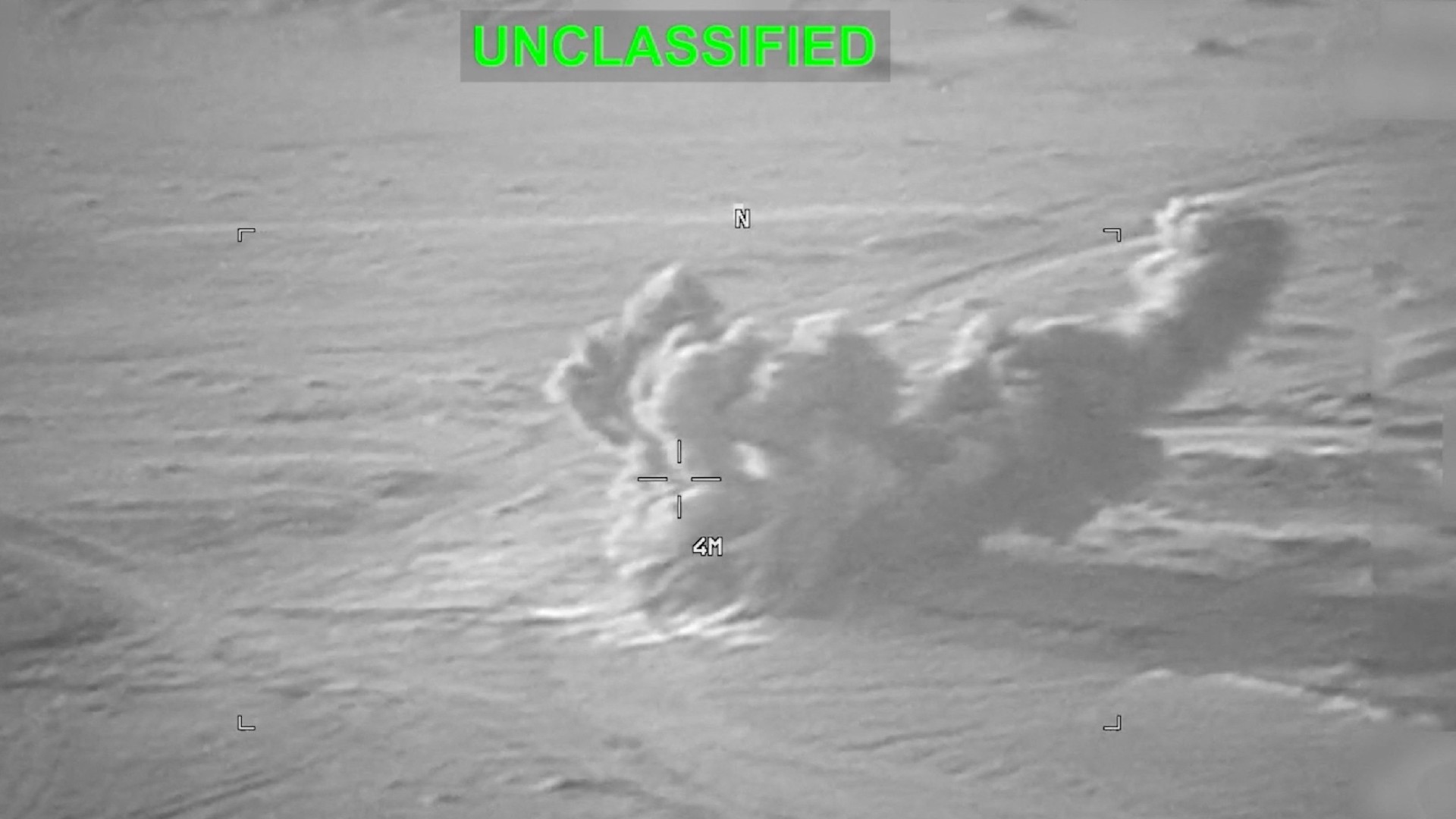
    The current spiral of violence began on July 17, when an Iranian drone and ballistic missile attack targeted two key US military installations in Jordan and northern Iraq. US officials confirmed that 25-year-old Lieutenant Tyler James Feehan from Hawaii, 19-year-old Private First Class Isabella Gonzales from Texas, and one additional American soldier were killed in the attacks, with dozens more service members wounded. In response, the US Central Command (Centcom) launched nine straight nights of airstrikes targeting Iranian military assets across Iran, marking one of the largest sustained US military campaigns on Iranian territory in modern history.

    In the early hours of Monday, the US military detailed that its latest round of strikes hit a range of key Iranian military infrastructure: command centers, coastal surveillance outposts, air defense sites, missile and drone launch facilities, and military communications networks. US President Donald Trump told reporters that the “very hard” strikes were carried out to honor the fallen American troops, claiming “those who died were fighting so that Tehran cannot have a nuclear weapon.” Trump added that Iran’s military capacity has been left heavily damaged, saying “they’ve lost everything almost – militarily. They’ve got some missiles, some drones, some manufacturing ability, not much.”

    Shortly after Centcom announced the latest strikes, Iranian state media reported widespread explosions across multiple Iranian cities, including the southern ports of Bandar Mahshahr, Bandar Imam Khomeini, Bushehr, and Chabahar, as well as the northwestern city of Tabriz. One civilian was killed and several others were wounded in strikes near Tabriz, according to Iran’s semi-official Mehr News Agency. Strikes also hit multiple locations near Bushehr, home to Iran’s primary operational civilian nuclear power plant, while an under-construction nuclear facility at Darkhovin in southwestern Iran was also hit in earlier strikes. Tehran has called on the International Atomic Energy Agency to condemn the attack on Darkhovin, with Iran’s Atomic Energy Organization denouncing the strike as a clear violation of international law.

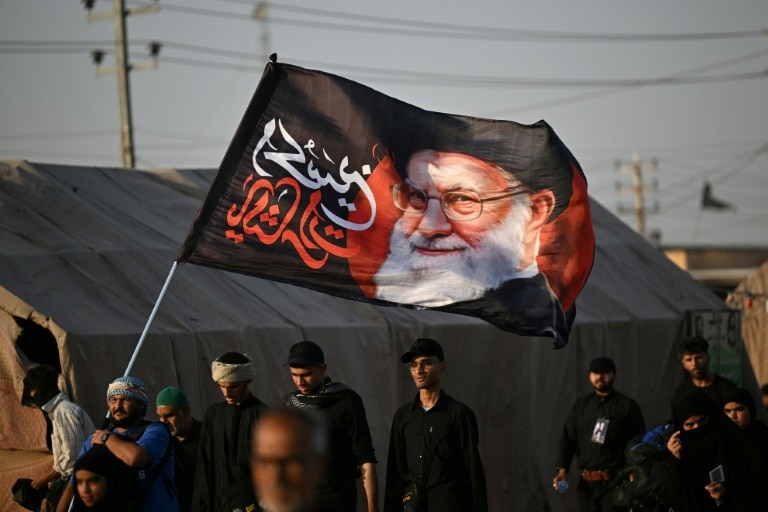
    Iranian officials have issued a fiery response to the US attacks, with Foreign Ministry spokesperson Esmaeil Baghaei stating that Iran’s leadership is “counting down the minutes to welcome” any US ground invasion. Baghaei also emphasized that the terms of the Pakistan-brokered interim deal signed between Washington and Tehran in June are “completely clear,” leaving “no excuse” for the US to violate the agreement. Despite the military escalation, Baghaei confirmed that diplomatic backchannels between the two sides remain active, with mediators continuing to exchange proposals to end the fighting.

    In the wake of US strikes, Iran’s Islamic Revolutionary Guard Corps (IRGC) launched a wave of retaliatory attacks against US military assets and infrastructure across US-allied states in the region, including Jordan, Kuwait, Syria and Bahrain. The IRGC claimed that it targeted US aircraft at Aqaba airport in Jordan with ballistic missiles, inflicting severe damage on multiple planes, and also struck 20 US troop shelters at Jordan’s Muwaffaq Salti Air Base, claiming to have killed dozens of American personnel. Anonymous US officials confirmed that dozens of US troops have been wounded and multiple helicopters damaged in Iranian strikes in Jordan over the past week.

    In Kuwait, the IRGC said it targeted US military facilities at Ali Al Salem Air Base, striking an aviation warehouse and a hangar housing US MQ-9 surveillance drones and setting multiple aircraft on fire. Kuwaiti officials reported that a civilian desalination plant was struck for the second consecutive day, condemning the attack as a deliberate strike on critical civilian infrastructure, and activated air defense systems across the country to intercept incoming projectiles. The IRGC also carried out a surprise strike on a US-allied command center at al-Tanf in southern Syria, saying the attack was revenge for recently killed IRGC soldiers in southeastern Iran. Air defense sirens also sounded in Bahrain’s capital Manama, with local state media confirming that air defense systems intercepted incoming Iranian attacks.

    The escalating conflict has directly threatened the Strait of Hormuz, the world’s most critical energy chokepoint through which roughly 20% of global oil supplies pass daily. The IRGC has issued a stark warning that “not a single drop” of oil will be allowed to transit the strait if US attacks continue, and has already disrupted shipping in the region. The IRGC claimed that it disabled two “offending” oil tankers south of the strait that were attempting to transit the waterway under US coercion, while the UK Maritime Trade Operations reported an unexplained fire on a cargo ship just off the coast of Oman. Shipping data confirms that traffic through the strait has already dropped by 50% amid the violence, falling from eight transiting vessels on July 18 to just four on July 19. Global oil prices initially spiked sharply following the outbreak of hostilities, but fell back below $90 a barrel on Monday following confirmation of ongoing diplomatic talks.

    US Secretary of State Marco Rubio accused Iran of using the strategic strait as a bargaining chip to coerce the international community, calling on global powers to step up efforts to protect commercial shipping. Despite the ongoing exchange of attacks, Rubio reaffirmed that the United States remains open to a diplomatic resolution to the ongoing crisis. In a public statement, the IRGC doubled down on its opposition to US presence in the region, saying: “This is our land, and the intervention of the American terrorist army from thousands of kilometers away has no legal basis and will be dealt with with certainty. As long as America’s evil deeds continue in the region, this passage will not be safe for the passage of chemical fertilisers or even a single drop of oil and gas.”

  • Israeli ministers lead march calling for settlements in Gaza

    Israeli ministers lead march calling for settlements in Gaza

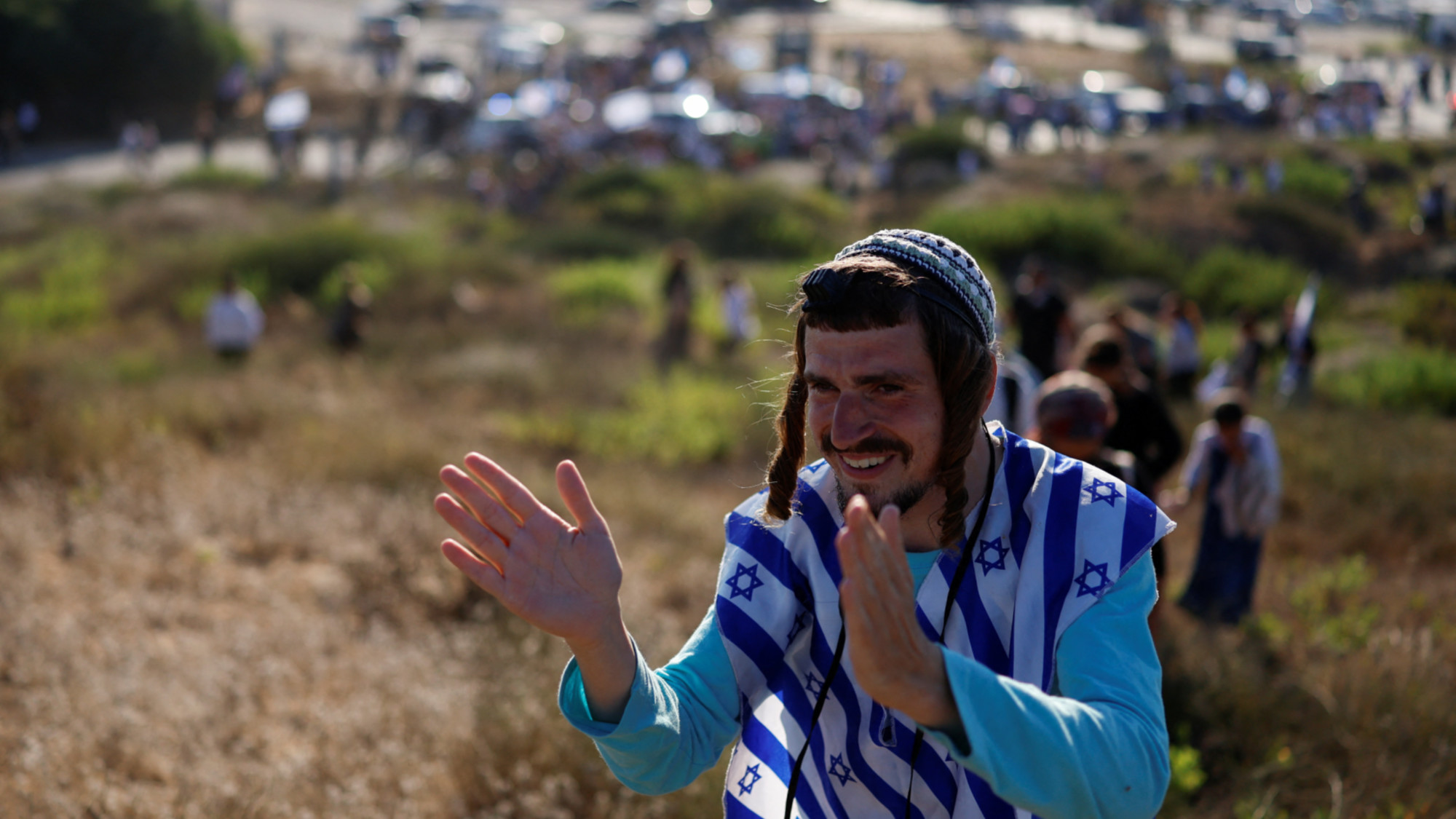
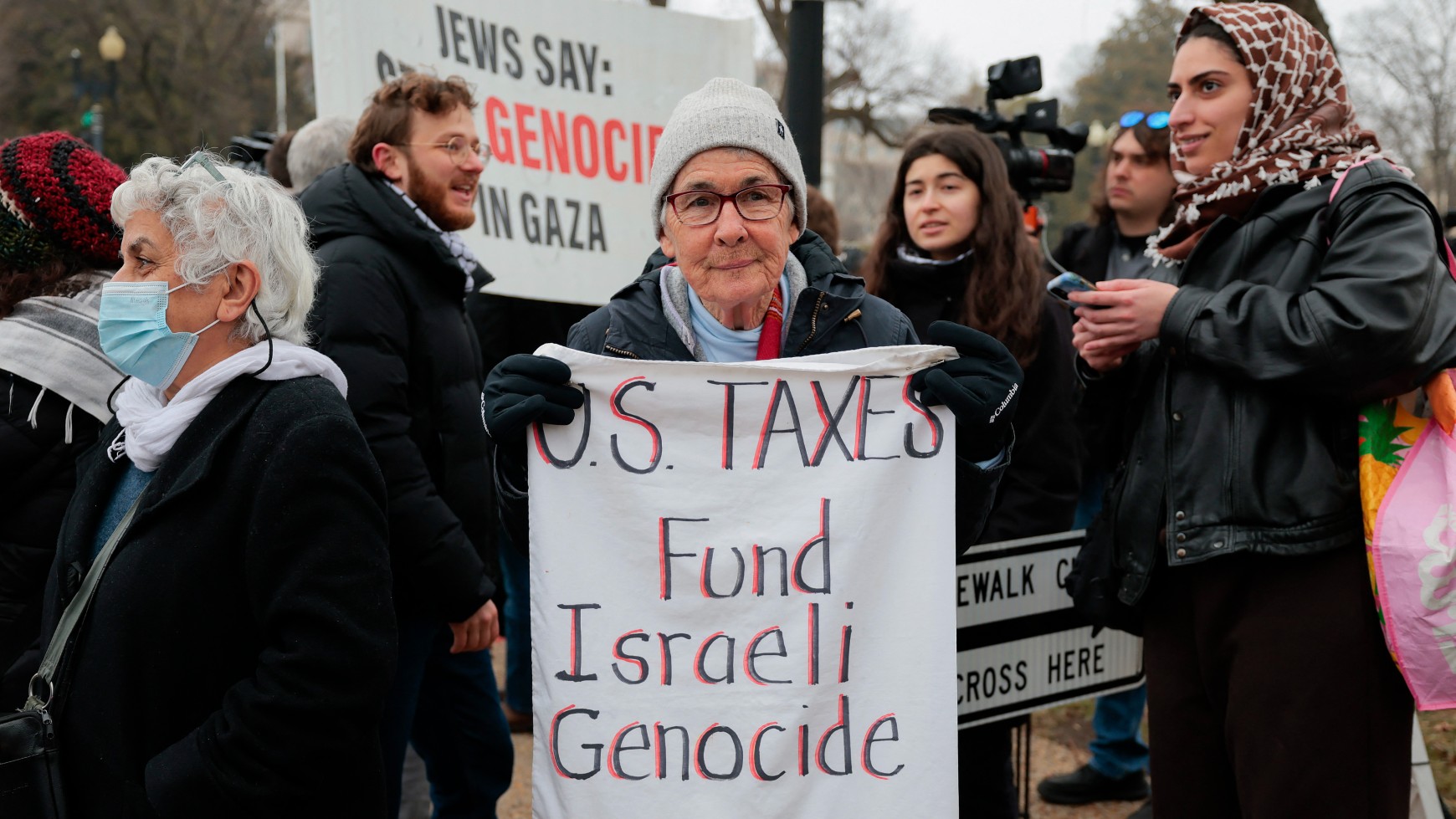
    On a Sunday in mid-July 2026, thousands of Israeli demonstrators, headed by senior cabinet ministers and sitting lawmakers, rallied near the boundary with the Gaza Strip to push for a dramatic policy shift: the re-establishment of Israeli Jewish settlements in the Palestinian enclave, 21 years after Israel pulled all its settlers and military forces out of the territory.

    The demonstration was organized by Nachala, a hardline settler advocacy movement, which adopted the rallying slogan “Returning home after 21 years” in direct reference to Israel’s 2005 disengagement from Gaza, when the state dismantled all 21 existing Israeli settlements in the enclave. Organizers confirmed that at least 28 sitting ministers and members of Israel’s parliament took part in the event, including two of the most far-right figures in Prime Minister Benjamin Netanyahu’s governing coalition: Finance Minister Bezalel Smotrich and National Security Minister Itamar Ben Gvir. Multiple legislators from Netanyahu’s own Likud party also joined the march.

    Addressing the assembled crowd, Nachala’s founder and leader Daniella Weiss issued an explicit, controversial remark when responding to a common question about the future of Palestinian residents currently living in Gaza. “There will be no more Arabs in Gaza,” she declared, drawing applause from sections of the crowd.

    Speaking to his supporters, Smotrich framed the push for resettlement as a correction of what he called a historic mistake. “We erased the disgrace of the expulsion in northern Samaria, and with God’s help, we will do the same here in the Gaza Strip,” he said, referencing the recent re-establishment of Israeli settlements in parts of the northern occupied West Bank that were also evacuated as part of the 2005 disengagement.

    Ben Gvir doubled down on the demand for full Israeli control of Gaza, stating bluntly, “There will be Jewish settlements in all of Gaza.” He went on to echo common far-right talking points about encouraging the mass departure of Palestinians from the territory, adding, “Encourage voluntary immigration [of Palestinians to other countries], send those who need it to their countries. And we return home. Gaza is ours.”

    Weiss summed up the core goal of the demonstration, telling attendees, “We are walking today to tell the government of Israel and show all the world that this land belongs to us.”

    Prior to the scheduled march, the Israel Defense Forces had declared the entire area along the Gaza boundary a closed military zone in an attempt to restrict access to the border. Despite the order, hundreds of participants bypassed Israeli army roadblocks and reached locations within close proximity of the security fence that separates Israel from Gaza. As of initial reports, no demonstrators crossed into Gaza territory itself.

    Many attendees brought family members, including children, to join the demonstration. Local reporting from the *Times of Israel* notes that many participants wore stickers printed with the phrase “Gaza is ours forever”, while a number of activists carried flags calling for the construction of a Third Temple on the site of Jerusalem’s Al-Aqsa Mosque, a site that is the third holiest in Islam and is also the holiest site in Judaism.

    In a post-rally statement, Nachala celebrated the turnout, writing, “Thank you to the tens of thousands who came as close as possible to the Gaza border with a clear call: we are settling Gaza now!”

    Calls for resettling Gaza have grown dramatically louder among Israeli far-right political circles and settler organizations since Israel launched its large-scale military campaign in Gaza in October 2023, following the Hamas-led cross-border attack that killed roughly 1,200 people and took around 250 hostages. The original text of this report references the campaign as a “genocide”, and notes that resettlement advocacy has intensified significantly over the course of the conflict.

    Nachala has previously stated that more than 1,000 Israeli families are already “ready to actually settle in Gaza”, and claim that a large share of the Israeli public supports the return of Jewish settlements to the enclave.

    Beyond Gaza, there are currently roughly 250 Israeli settlements spread across the occupied West Bank and East Jerusalem, home to an estimated 700,000 Israeli settlers. Under long-standing principles of international law, all Israeli settlements built on occupied Palestinian territories are classified as illegal, a position that has been repeatedly affirmed by the United Nations and most of the international community.

  • Canadian wildfires rage as Trump warns Carney again over ‘poisoning’ US air

    Canadian wildfires rage as Trump warns Carney again over ‘poisoning’ US air

    A widespread Canadian wildfire crisis has spilled beyond national borders, igniting a sharp diplomatic rift between longtime North American neighbors Canada and the United States after former President Donald Trump demanded Canada compensate the U.S. for smoke-related damages and threatened new import tariffs. The confrontation unfolded publicly Sunday, when Trump raised the issue directly to Canadian Prime Minister Mark Carney as the two attended the World Cup Final in Qatar.

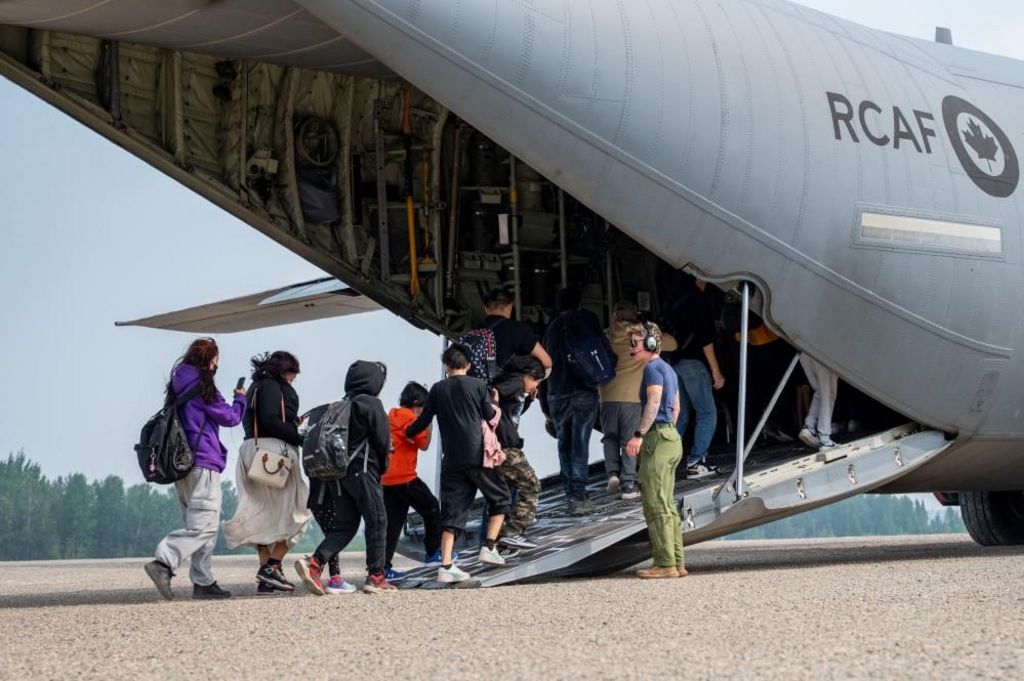
    Right now, more than 900 active wildfires are burning across vast swathes of Canada, having already scorched roughly 28,000 square kilometers of forest and land. The fast-moving blazes have forced thousands of residents to flee their homes, leveled entire communities, and sent thick plumes of toxic smoke drifting south across the U.S. border, blanketing major East Coast cities including Washington D.C. and New York City in hazardous air.

    Trump’s latest remarks came one week after he first raised the prospect of tariffs, repeating the threat on social media Friday as smoke obscured skies across a large portion of the eastern U.S. “If we can help them, we’ll help them. But maybe they should pay some damages or something,” Trump told Carney during Sunday’s event.

    Ontario Premier Doug Ford pushed back forcefully on the comments during a Monday press briefing, calling on Trump to extend emergency support to Canada, a close U.S. ally, instead of leveraging the crisis to push for trade penalties. “Why don’t you start helping us?” Ford questioned, pushing back against what he called “a bunch of rubbish” from the U.S. leader. Ford reminded Trump that Canada has repeatedly stepped in to support the U.S. during its own major natural disasters, including the 2024 Hurricane Helene and devastating California wildfires in recent years. “Maybe one day you’re going to need our help,” Ford warned.

    The wildfire crisis has already inflicted severe damage across Ontario, where 1,800 residents have been evacuated from high-risk areas. Over the weekend, the Whitewater Lake First Nation community, a culturally significant gathering site for the Indigenous group centered around seasonal hunting, fishing and recreational camps, was completely destroyed by the blaze. “It was full of beaches, sand beaches, good fishing, good hunting – the wildlife was beautiful. We had eagles that were always there,” Whitewater Lake First Nation Chief Pauline Drake told CBC News Sunday. “I don’t know how the wildlife is now. That’s very concerning, because they were part of our upbringing there.”

    During a visit to hard-hit Thunder Bay, Ontario over the weekend, Ford pledged the provincial government would commit unlimited resources to protect residents and respond to the crisis: “We will do and spend whatever it takes to protect people from these devastating wildfires.”

    The crisis is not limited to Ontario. In western Canada’s British Columbia province, the entire city of Kimberley has been placed under a mandatory evacuation alert, putting roughly 9,000 residents on notice to prepare to leave their homes at a moment’s notice.

    Prime Minister Carney released an official statement Sunday noting that his government had already mobilized a massive emergency response to the blazes, deploying more than 5,000 professional firefighters, nearly 300 waterbombers, helicopters and evacuation aircraft to contain and suppress the fires. “It’s an enormous, complex effort that ultimately depends on dedicated and brave individuals who work relentlessly to keep Canadians safe,” Carney said.

    The cross-border smoke impacts and Trump’s aggressive rhetoric have ratcheted up existing trade and diplomatic tensions between the two nations, turning a domestic natural disaster into a pressing international issue.

  • US-Iran strikes: latest developments

    US-Iran strikes: latest developments

    Escalating cross-border strikes between the United States and Iran have plunged the Middle East into deepening instability, with Iranian President Masoud Pezeshkian openly confirming his nation is engaged in a “full-scale war” against Washington. As military confrontations expand from Iranian territory to neighboring Gulf states, multiple interconnected developments unfolded on Monday that have shifted the trajectory of the crisis.

    One of the most consequential announcements came from Yemen’s Iran-aligned Houthi movement, which declared a new maritime blockade against Saudi Arabia. The move marks a major escalation after the two regional rivals exchanged direct fire last week for the first time in several years, ending a years-long truce. While the Houthis have not yet outlined concrete measures to enforce the embargo, a fully implemented blockade would threaten critical Saudi infrastructure: the kingdom’s Red Sea ports have served as key alternative export routes for oil shipments redirected away from the already volatile Strait of Hormuz, creating significant new risks to Saudi Arabia’s oil-dependent economy.

    Separately, maritime security authorities reported a vessel attack off the coast of the United Arab Emirates. The UK Maritime Trade Operations agency confirmed the incident took place 17 nautical miles east of Dibba, just a short distance from the strategic Strait of Hormuz, through which nearly a fifth of global oil supplies pass daily.

    Former U.S. President Donald Trump issued a stark warning to Tehran following the Pentagon’s announcement that three American service members had been killed and one remains missing in recent attacks tied to Iran-aligned groups. “Every time Iran kills an American Soldier they will pay for that killing many times over!” Trump wrote on his Truth Social platform, adding that the directive had been communicated to Secretary of War Pete Hegseth, Joint Chiefs of Staff Chairman Daniel Caine, and all senior U.S. military leadership.

    In southern Lebanon, the Lebanese military launched new security operations in three key border villages identified as “pilot zones”: Froun, Srifa, and Zawtar al-Gharbiya, according to an announcement from the U.S. State Department. The deployment comes as tensions along the Israel-Lebanon border have risen alongside the broader US-Iran crisis.

    French authorities also leveled serious accusations against Iranian security services, with Foreign Minister Jean-Noel Barrot confirming that two French diplomats stationed in Iran were subjected to an “extremely serious act of intimidation,” including physical abuse against one of the envoys.

    Two Gulf states that host U.S. military installations, Bahrain and Kuwait, confirmed they were targeted by Iranian drones over the weekend. Bahrain reported that Iranian unmanned aerial vehicles struck its air navigation systems, though air traffic operations continued without disruption. Both nations have faced repeated attacks since the latest round of US-Iran hostilities began earlier this month.

    Global energy markets reacted sharply to the escalating tensions, with benchmark Brent crude prices surging above $91 per barrel to hit a one-month high not seen since June 11. Prices partially retreated later in the day after Iranian officials confirmed that diplomatic negotiations with Washington were still ongoing through third-party mediators, easing some fears of a full regional conflict that would disrupt global oil supplies.

    In a move linked to ongoing mediation efforts, Iran’s Interior Minister Eskandar Momeni is scheduled to travel to Islamabad, the capital of Pakistan, which has repeatedly served as a mediator between Washington and Tehran. A Pakistani interior ministry source confirmed the upcoming visit to AFP, though no details were provided on whether talks would specifically focus on de-escalating the current conflict.

  • ‘If only people knew what a tick could do’ – the deadly meat allergies caused by tick bites

    ‘If only people knew what a tick could do’ – the deadly meat allergies caused by tick bites

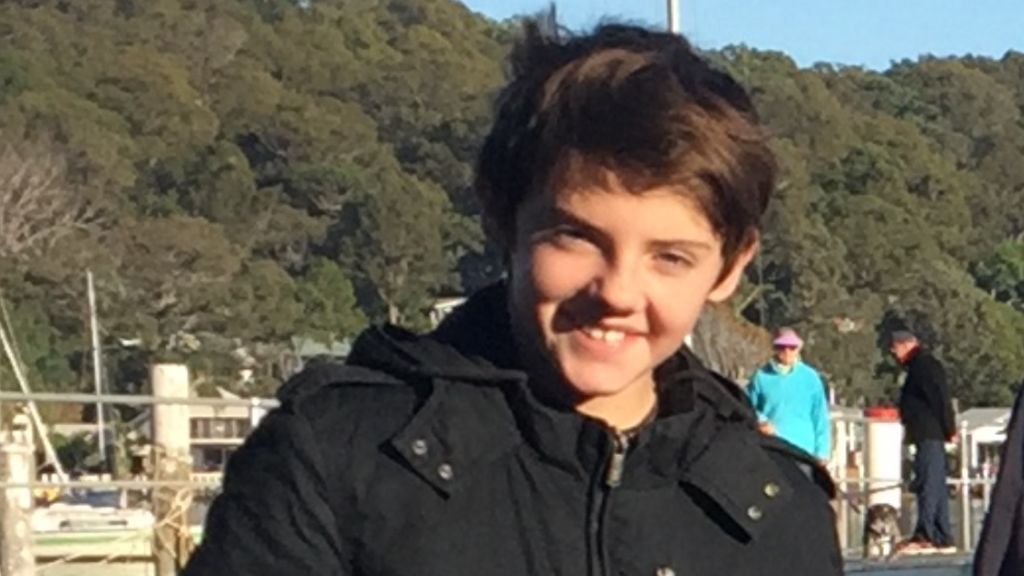
    Five years after a misdiagnosed allergic reaction nearly killed her 15-year-old son, Myfanwy Webb carries a quiet, heavy regret, looking back at the birthday lunch that set off a chain of missed warnings. Hours after the celebration, Jeremy Webb, a lifelong asthma sufferer, developed severe breathing trouble and vomiting. Paramedics rushed him to hospital, where clinicians flagged a possible meat allergy but ultimately chalked the episode up to an asthma flare-up, sending him home the next day without additional testing or a life-saving EpiPen.

    “I made the wrong decision,” Webb said in an interview, reflecting that she should have pushed for more comprehensive testing. Had clinicians confirmed the reaction was anaphylaxis, her son would have left the hospital with the emergency adrenaline auto-injector that could have saved his life a little over a year later.

    In June 2022, 16-year-old Jeremy died on a coastal camping trip north of Sydney, Australia, after eating a single beef sausage. The death was initially ruled an asthma attack, but a coroner’s inquest pushed by the Webb family delivered a final, groundbreaking ruling in February: Jeremy’s death was caused by tick-induced mammalian meat allergy (MMA), also known as alpha-gal syndrome. His death marks the first globally documented fatal case of MMA directly triggered by eating meat, shining a harsh new light on a little-understood, fast-growing allergy that public health experts warn poses an underrecognized deadly threat.

    Decades before Jeremy’s death, in 2007, Australian allergist Professor Sheryl van Nunen first made the landmark connection between tick bites and MMA, after noticing a clear correlation between exposure and patient symptoms at her Sydney clinic. Australia’s east coast, particularly the region north of Sydney where Jeremy grew up surrounded by dense bushland, is one of only two confirmed global hotspots for the condition — the other is the southeastern United States, though cases have now been recorded on every continent where ticks live.

    In Australia, MMA is caused by bites from the eastern paralysis tick, *Ixodes holocyclus*. Professor van Nunen explains that after two bites, half of all people develop antibodies to alpha-gal, a sugar molecule found in tick saliva. Once sensitized, 15 to 20% of these people develop an allergic reaction to red meat and other mammalian products.

    Tick expert Dr. Alex Gofton, who recently led a major study into MMA’s spread in Australia, says there are several leading hypotheses for why the east coast has become such a concentrated hotspot. Over the past three decades, the population of tick-endemic coastal bush regions has grown dramatically, bringing more humans into regular contact with ticks. The 2020–2023 La Niña years, which brought record rainfall to eastern Australia, created ideal breeding conditions for tick populations, while the COVID-19 pandemic pushed thousands of city residents to relocate to regional bush areas, further increasing exposure.

    Diagnosed cases of MMA have risen 22% annually in Australia since 2000, and Dr. Gofton’s research using national lab data confirms more than 5,000 confirmed and suspected cases across the country — a figure he says is a massive undercount of the true prevalence of the condition. In some hotspot areas, rates exceed 700 cases per 100,000 people.

    Despite the growing spread, diagnosing MMA remains notoriously difficult. Symptoms typically develop three to six hours after eating red meat, meaning they often appear overnight, long after most people have finished their evening meal. For asthma sufferers, anaphylaxis symptoms are frequently mistaken for an asthma attack, as was the case with Jeremy, and the allergy is unpredictable: reactions do not happen after every exposure, and severity varies wildly based on factors including the cut of meat, how it is cooked, whether the person drinks alcohol with the meal, exercises after eating, or is sleep deprived. Professor van Nunen calls MMA an “anytime but not every time allergy.”

    For people with severe hypersensitivity, even indirect exposure can trigger life-threatening anaphylaxis. Sensitized people can react to mammalian derivatives ranging from cow’s milk and gelatin to lanolin in beauty products and laundry softeners, and even stearic acid found in some supermarket plastic bags. Fumes from cooking red meat at barbecues, or close contact with domestic pets that have eaten mammal-based pet food, can also trigger reactions.

    Elizabeth Rowley, a mother of three living in the New South Wales mid-north coast, spent more than 15 years seeking a diagnosis for a mysterious set of symptoms that included memory loss, chronic brain fog, chest pain, full-body aches, and frequent fainting from breathing difficulties. Many clinicians dismissed her symptoms as hypochondria, telling her “it’s not anaphylaxis, get over it.”

    “It was just mentally horrendous more than anything, just trying to find out what it was. I thought I was going crazy,” Rowley said. After finally receiving an MMA diagnosis, she launched a popular Facebook support group for undiagnosed and misdiagnosed sufferers. For many, the condition upends every part of daily life: Rowley was forced to leave multiple bookkeeping jobs after workplace triggers, from restaurant fumes in shopping centers to a boss’s daily morning toast with butter, triggered constant severe reactions. Social events like barbecues and restaurant dinners, core parts of Australian community life, are often off-limits, making casual gathering nearly impossible.

    For 23-year-old Sydney psychology student Remy Williams, who was diagnosed with MMA as a child, the constant need for vigilance around food triggered an eating disorder. She says the most traumatic experience was watching her mother, who also lives with MMA, suffer two near-fatal anaphylactic attacks on commercial flights, one of which almost killed her in front of Remy. “It was incredibly scary,” she said.

    Professor van Nunen’s greatest public health concern is the 85% of people who have developed alpha-gal antibodies — meaning they are sensitized to MMA — but have never experienced a reaction after eating meat, and have no idea they carry the allergy. These asymptomatic sensitized people are still at risk of life-threatening anaphylaxis from medical products containing mammalian derivatives, including gelatin-based vaccines and some cancer treatments. At least two confirmed deaths have already been linked to these hidden triggers: one colon cancer patient died after anaphylaxis triggered by the drug cetuximab, and another died after a blood transfusion contaminated with alpha-gal. Professor van Nunen says the true number of MMA-related deaths is far higher than officially recorded, with only two cases well-documented to date: an American commercial pilot who died after eating a hamburger in 2024, and Jeremy Webb.

    Professor van Nunen notes a critical takeaway from Jeremy’s death: 94.8% of people who die from food allergy-induced anaphylaxis have pre-existing asthma, and the allergic reaction triggers a severe, rapid-onset asthma attack called status asthmaticus that can cause respiratory arrest in as little as four minutes without emergency intubation.

    Since her son’s death, Myfanwy Webb has turned her grief into action, drawing on Jeremy’s own famously positive approach to life to drive public health change. “He fitted everything into it, wouldn’t waste a minute,” Webb said of her son, who loved restoring old car motors. Today, she is working to raise global awareness of MMA, improve clinical diagnostic protocols, and prevent other families from enduring the same loss. She has collaborated with the hospital that misdiagnosed Jeremy to develop new clinician training for MMA, and is co-authoring a research paper with Professor van Nunen that will be presented at an international allergy conference later this year.

    “Now Jeremy’s positive spin is actually helping people, even though he’s passed,” Webb said. “I think he’d be really pleased with us.”

    Public Health Guidance to Prevent Tick Bites and MMA:
    1. When visiting bushland or tick-endemic areas, wear long clothing, tuck socks into trousers, and choose light-colored fabrics to make ticks easier to spot quickly
    2. Avoid lying or picnicking directly on bare ground
    3. Use EPA-approved insect repellents containing DEET or picaridin
    4. Check your entire body (and your pets) for ticks after spending time in tick territory
    5. If bitten by a tick, follow the “freeze don’t squeeze” rule: use a commercial tick-killing spray to kill the tick and let it detach on its own, rather than squeezing it with tweezers, which can force additional toxins and alpha-gal into the bloodstream

  • ‘A triumphant failure’: How Israel’s use of social media influencers to win back support backfired

    ‘A triumphant failure’: How Israel’s use of social media influencers to win back support backfired

    Against the backdrop of Israel’s ongoing military campaign in Gaza that has drawn widespread global condemnation, a multi-hundred-million-dollar investment in social media public diplomacy—known locally as Hasbara—has failed to reverse plummeting support for Israel across Western nations, particularly among younger demographics, regional analysts have confirmed in an interview with Middle East Eye.

    A March Pew Research Center survey underscores this shifting sentiment: 60% of the American general public now holds an unfavorable view of Israel. The trend crosses partisan lines among younger voters, with 57% of Republicans under 50 and 84% of Democrats under 50 registering unfavorable opinions. Analysts broadly attribute this shift to the growing reliance of young people on social media for news, rather than mainstream Western outlets that have historically maintained overwhelmingly pro-Israel framing.

    To counter this grassroots shift in public opinion, Israeli lawmakers approved a historic $730 million Hasbara budget in March 2025—nearly five times the previous year’s allocation, which itself was 20 times higher than pre-2023 levels. In September 2025, Israeli Prime Minister Benjamin Netanyahu met with a group of high-profile American influencers in New York to recruit them to amplify pro-Israel messaging to U.S. audiences. During the meeting, Netanyahu framed social media as the most critical battlefield for Israel’s public relations campaign, noting “We have to fight with weapons that apply to the battlefields in which we’re engaged in and the most important ones are on social media.” He also praised the recent acquisition of TikTok’s U.S. operations by American billionaire Larry Ellison and other pro-Israel business leaders, calling it “the most important purchase going on right now.”

    As part of its coordinated propaganda campaign, Israel has launched covert public relations initiatives, including a secret operation code-named the “Esther Project,” which hired global corporate public relations firms to manage networks of paid influencers. U.S. Foreign Agents Registration Act (FARA) filings show Israel paid participating influencers up to $7,000 per post through its contractor Bridges Partners, which partnered with global advertising giant Havas Media Group Germany on the formal “Influencer Campaign.” Havas also signed a $15 million contract with Clock Tower X, a firm founded by former Trump campaign manager Brad Parscale. That contract was recently exposed as backing a covert social media campaign targeting the Biden administration’s ceasefire agreement with Iran on Israel’s behalf.

    Last week, Time Magazine published a report revealing that participating influencers received detailed scripting guidance for posts on platforms including X, Instagram, and TikTok in private group chats, with payouts reaching up to $4,250 per approved post. Separately, Wall Street Journal reporting documented a proposal from a U.S.-based group called Show Faith by Works to spend more than $3 million pushing pro-Israel messaging to megachurch attendees and Christian college students across the American Southwest, with a planned reach of 4 million people through partnerships with churches, pastors and Christian social media creators. Group founder Chad Schnitger later confirmed the organization has scrapped those plans.

    Additional details about Israel’s global Hasbara infrastructure emerged in April 2025, when Ella Kenan, a former captain in Israeli military intelligence, disclosed at a New York conference that she had coordinated with a network of 60,000 international influencers to shape public narratives in Israel’s favor after the October 7, 2023 attacks. Kenan founded the organization Bright Mind to counter what she frames as misinformation about Israel, and claimed her network’s content—much of it produced for non-Jewish influencers to share—has amassed nearly 3 billion views across social platforms. She also took credit for coining the slogan “Hamas is ISIS,” which was later adopted by global leaders including former U.S. President Joe Biden.

    The Israeli Foreign Ministry has also launched targeted outreach to right-wing American creators, funding an Israel tour for influencers associated with the Make America Great Again (MAGA) movement through a $86,000 contract with nonprofit Israel365. The trip brought 16 U.S.-based influencers under 30 to Israel to encourage them to share messaging aligned with the Israeli government with their large followings of young conservative Christians.

    One high-profile misstep in this outreach came recently when U.S. right-wing influencer Clavicular—real name Braden Eric Peters, a leading figure in the male “looksmaxxing” internet subculture—faced widespread backlash after visiting Israel to address past accusations of antisemitism. Clavicular had previously appeared alongside self-described misogynist Andrew Tate and white nationalist Nick Fuentes while singing lyrics from Kanye West’s song “Heil Hitler.” During the visit, which was promoted as “Israelmaxxing” by pro-Israel right-wing outlet The Free Press, Clavicular appeared on a livestream with Shira Braun, a soldier in the Israeli army’s Spokesperson Unit (the military’s official propaganda wing), and asked her if he would be paid $7,000 for sharing pro-Israel posts. Braun was subsequently removed from her role as social media coordinator and barred from continuing the position. Clavicular was also publicly confronted by Israeli citizens over his past antisemitic comments, and the entire incident failed to produce the polished positive publicity Israeli officials had planned for.

    Marc Owen Jones, associate professor of media analytics at Northwestern University, explained to Middle East Eye that modern pro-Israel propaganda campaigns have shifted away from reliance on official government accounts, instead operating through hybrid networks that blend state institutions, advocacy groups, private donors, diaspora organizations and independent content creators, blurring the line between official public diplomacy and decentralized grassroots digital advocacy. “The strategy contains an inherent trade-off: influencers derive much of their persuasive power from perceived authenticity, yet overt coordination or sponsorship can undermine that credibility and generate backlash,” Jones said, pointing to the Clavicular incident as a clear example of this flaw.

    Rachel Lester, a former Israeli military spokesperson who spent four years producing social media content for the Spokesperson Unit’s international branch, acknowledged in an interview with The Media Line that Israel cannot win the online battle against rising anti-Israel sentiment. “Our enemies are too good at manipulating the world’s emotions,” she said, adding that the “biggest challenge that we face is that you can’t really fight photos of dead children.” Lester explained that her branch’s core goal was convincing global audiences that Hamas does not care about Palestinian civilians in Gaza, and even the highest-performing pro-Israel content focused on civilian suffering in Gaza failed to shift broader public opinion, because “the international community doesn’t really have much sympathy for Israel.”

    Miriyam Aouragh, professor of Digital Anthropology at the University of Westminster in the U.K., told Middle East Eye that most of Israel’s influencer recruitment attempts have backfired. Not only have they failed to move public opinion, but they have also drawn unwanted attention to the covert infrastructure behind the messaging, turning the propaganda operation itself into the central story. She frames the strategy as a “triumphant failure”: even as Israel has consolidated control over mainstream media and gained leverage over major social media platforms, it has been unable to reverse the shifting cultural zeitgeist and growing organized pro-Palestine movement pushing for change.

    Aouragh noted that Israel faces an inherent messaging conflict between its domestic and international audiences: to maintain public support among its own population for continuing the occupation and conflict, it relies on colonial framing that radicalizes the public around ethnic supremacy, a narrative that directly undermines Israel’s longstanding international branding as “the only democracy in the Middle East.”

    “Palestine has become our generation’s… political cause like Vietnam was in the 60s and 70s,” she said. “It is impossible to break through the zeitgeist with money and influence. There are some things that money cannot buy.”

    This shift in attitudes among younger Americans poses a long-term existential challenge to Israel, which has depended on consistent bipartisan support from elected U.S. officials to maintain the billions of dollars in annual military aid it receives. However, recent Democratic midterm primary elections have seen multiple openly pro-Palestine candidates defeat establishment incumbents whose ties to pro-Israel funding have come under growing scrutiny from voters.

    One high-profile example is Abdul El-Sayed, who is running in Michigan’s Democratic Senate primary against incumbent Haley Stevens. According to pro-Israel lobbying watchdog TrackAIPAC, pro-Israel political action committees have spent more than $20 million to support Stevens’ campaign. The United Democracy Project, the super PAC aligned with the American Israel Public Affairs Committee (AIPAC), launched a barrage of attack ads against El-Sayed claiming he has “a history of disrespecting women” after multiple polls showed El-Sayed leading the race ahead of the August 4 primary. A Jewish influencer recently revealed he received a confidential recruitment offer from Stevens’ campaign, offering $1,500 to share pro-Stevens talking points under a non-disclosure agreement he ultimately refused to sign. Middle East Eye reached out to the Stevens campaign, Clavicular, and the Israeli army for comment, but received no response prior to publication.

    During the campaign, El-Sayed faced criticism for meeting with Hasan Piker, a prominent political commentator and Twitch streamer who is one of the most influential pro-Palestine voices for younger American audiences. Piker was recently the target of a coordinated smear campaign by U.S. mainstream media, but a rally with Piker boosted El-Sayed’s polling numbers, increasing his name recognition and cementing his standing as the anti-establishment candidate voters were seeking. A similar trend benefited Piker himself after he was banned from the U.K., a move he says was “at the behest of Israel.” The ban increased his popularity, an example of what Piker calls the “Streisand effect,” where attempts at censorship draw greater public attention to the censored viewpoint.

    Unlike Israel’s network of paid influencers, Aouragh noted that independent pro-Palestine content creators set the media agenda and understand how to build social media traction that can operate parallel to mainstream media, and even drive mainstream news coverage. She added that efforts to ban creators like Piker are a dangerous development: “every erosion of citizen liberal rights is one too many, and creates… new rules of engagement” that normalize the suppression of free speech.

    Abeer al-Najjar, professor of media and journalism studies at the American University of Sharjah, told Middle East Eye that Israel’s campaign to silence pro-Palestine creators and buy support from other influencers is almost guaranteed to fail, and may in fact accelerate the shift in public opinion that Israel fears. Pro-Israel influencers act as “the ‘organic-looking’ front of a professionalised state operation” whose official channels have already lost credibility, she explained, with the core goal of “laundering state messaging as peer culture.”

    “Israel’s real problem is the gap between message and reality; you cannot ‘explain’ a livestreamed genocide,” al-Najjar said. “The Clavicular episode exposes the model’s limit; even funded, curated trips can’t manufacture the authenticity they’re buying.” Instead of winning over young audiences, Israel can expect “diminishing returns, visible backlash like the Clavicular fiasco, and deepening cynicism among the very youth being targeted,” she added.

  • Guardiola in reported talks with Italy – would England come calling?

    Guardiola in reported talks with Italy – would England come calling?

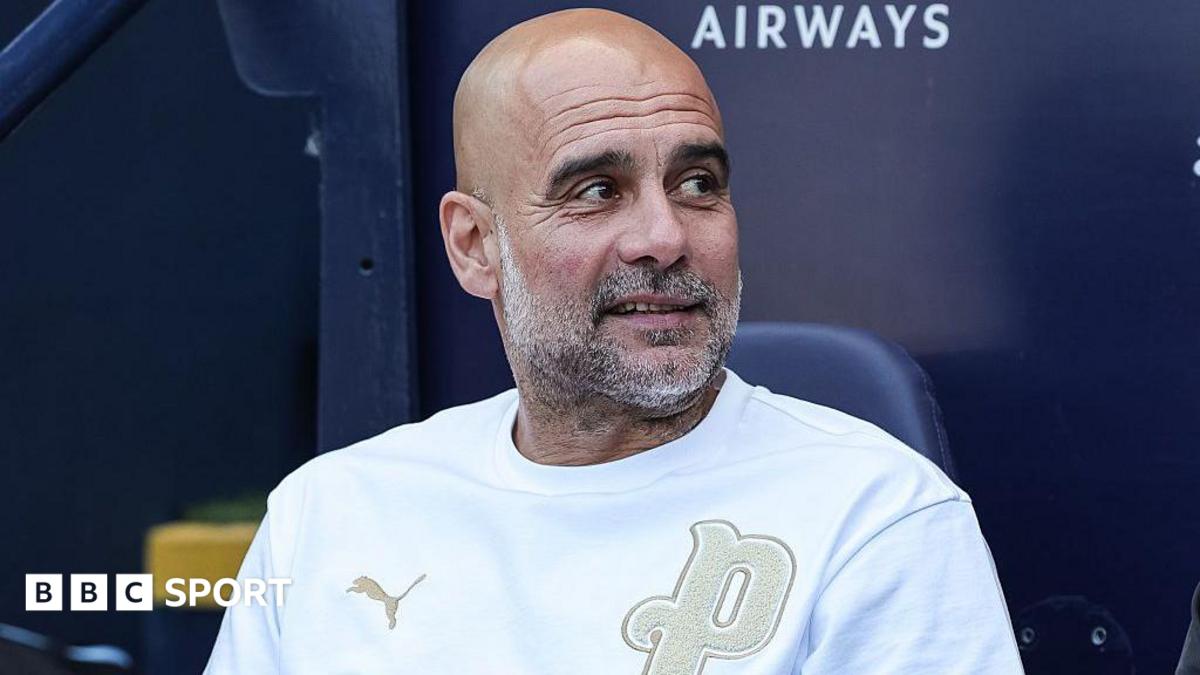
    One of the most decorated club managers in modern football history, Pep Guardiola, is at the center of emerging speculation linking him to the vacant head coaching role of the Italian men’s national team, just months after he wrapped up a legendary 10-year tenure at Manchester City. Italian outlet Sky Italia has reported that the Italian Football Federation (FIGC), led by newly appointed technical director and Italian football icon Paolo Maldini, has held multiday talks with Guardiola in Barcelona to persuade him to take the national team job. Maldini was accompanied by his advisor and former AC Milan and Italy international Leonardo during the meetings. If Guardiola accepts the position, he will become only the second non-Italian manager to lead the Azzurri, and the first foreign head coach to take the role since the 1960s. Other high-profile candidates including former Italy managers Roberto Mancini and Andrea Pirlo remain in contention for the role. A return to the dugout for Guardiola this autumn would mark an extraordinarily quick comeback to the sport, following his departure from Manchester City in May after a decade that transformed the club into a dominant global force. This would not be Guardiola’s first experience with Italian football, however. The 55-year-old, who speaks fluent Italian, spent two seasons playing in Serie A between 2001 and 2003, turning out for Brescia across two separate spells and earning another stint at AS Roma. Italy’s search for a new permanent head coach comes after a string of disappointing results for the once-dominant global powerhouse. The Azzurri claimed a famous European Championship title over England in the 2021 final, but have now failed to qualify for three consecutive FIFA World Cup tournaments. Former AC Milan and Napoli manager Gennaro Gattuso stepped down from the role in April after Italy suffered a penalty shootout defeat to Bosnia-Herzegovina in a European play-off, which saw them miss out on the 2026 World Cup hosted by North America. Beyond the Italian speculation, there is also growing chatter linking Guardiola to a potential move to the England national team job, following the Three Lions’ impressive third-place finish at the 2026 World Cup — their best finish in a major men’s tournament since they lifted the World Cup trophy on home soil in 1966. Despite the historic high finish, current England manager Thomas Tuchel has faced widespread criticism after his side collapsed to a 2-1 semi-final defeat against Argentina. Tuchel’s late defensive substitutions were widely blamed for blowing the team’s 1-0 lead, costing them a place in the tournament final. Tuchel, 52, was appointed in January 2025 and signed a two-year contract extension just three months later, and he retains the official backing of the Football Association (FA). However, former England captain Wayne Rooney has publicly suggested that the FA would move quickly to appoint Guardiola if he became available. “I don’t see anyone else out there at the minute, unless you go and get Pep Guardiola. If Pep is available, then maybe you go and get him,” Rooney explained on his podcast following the semi-final loss. “If we sack him [Tuchel], what managers are we going to bring in? And I don’t think there’s anyone out there who’s as good as Thomas Tuchel, unless Guardiola.” History shows the FA has previously been interested in Guardiola: the governing body approached him before appointing Tuchel in 2025, with multiple reports suggesting a verbal agreement was in place for Guardiola to take the role — before he ultimately chose to remain at Manchester City for his final contracted season. Over his 10-year tenure with Manchester City, Guardiola built one of the most successful domestic runs in English football history, lifting 20 major trophies. That haul includes six Premier League titles, three FA Cups, five League Cups, three Community Shields, the 2022-23 UEFA Champions League, a UEFA Super Cup, and a FIFA Club World Cup. Guardiola’s trophy-laden managerial career extends far beyond his time in England. He began his senior managerial career at Barcelona, the club where he spent the bulk of his playing career, before moving to Bayern Munich for three dominant seasons. At Bayern, he won the Bundesliga every year he was in charge, added two German Cups, and claimed one UEFA Super Cup and one FIFA Club World Cup. At Barcelona, he led the first team after a spell coaching the club’s B side, lifting three La Liga titles, two Champions Leagues, five domestic cups, and two UEFA Super Cups and two FIFA Club World Cups. To date, Guardiola has claimed 12 top-flight league titles across his managerial stints in Spain, Germany, and England, a record that cements his status as one of the greatest managers of all time. Guardiola said an emotional goodbye to Manchester City fans following the final match of the 2025-26 season, a 2-1 home defeat to Aston Villa. He opened up about his mental and physical exhaustion after a decade of relentless elite-level competition, saying: “I am so tired. Seriously, I am so tired. I did everything. We did it. The memories I have of Barcelona and Bayern Munich are unbeatable but the luggage of memories I have from here from 10 years is more than any other. Without the trophies I would have been sacked but it is not looking at the trophies in the cabinet at home that makes me happy. It is the memories and connections I had since day one with the city, the backroom staff and the players.” He added that stepping away after a decade at the Etihad Stadium was the right decision for him at this stage of his career, noting: “It is the right time. I will not miss it for the while, that’s for sure.” Guardiola explained after his departure that he needed an extended break to recharge, saying he no longer had the energy required to compete for trophies at the club level, where matches come every three days amid constant high expectations. But the question now being asked across European football is whether the less intense schedule of international management could be the ideal gentle return to the sport for the legendary manager. If appointed by Italy, Guardiola’s first major task would be guiding the Azzurri to qualification for UEFA Euro 2028, which will be co-hosted by the United Kingdom and Ireland, with qualifiers kicking off in 2027. There would be no extended grace period, however: Italy’s next competitive fixture is a Nations League clash against Belgium at Rome’s Stadio Olimpico — the same ground where Guardiola played during his stint at Roma — on September 25. After that opening fixture, Italy face a packed schedule, with five more Nations League matches between September and November, drawn alongside Group opponents Turkey and 2026 World Cup semi-finalists France. Throughout his career, Guardiola has never shied away from a new challenge. For one of the greatest managers the game has ever seen, a return to the top tier of football could come just a few months after he said goodbye to the club game.