博客

  • Yemenis turn to ‘Ruqyah’ faith healers as medical healthcare remains in crisis

    Yemenis turn to ‘Ruqyah’ faith healers as medical healthcare remains in crisis

    Deep in the heart of Taiz, Yemen, the rhythmic cadence of Quranic recitation drifts through every floor of a four-century residential building, broadcast from a decades-old cassette player tucked away on the second level. While recitations of the Quran are traditionally tied to funeral rituals across the country, this daily gathering serves a far different, more urgent purpose: hundreds of people travel from every corner of Yemen to wait for hours, just for a chance to meet with a sheikh offering Ruqyah Shari’ah, a form of divine spiritual healing through Quranic recitation. Many of these visitors also receive cupping therapy (Hijama) alongside recitations, with patients seeking relief from ailments ranging from routine headaches to late-stage, life-threatening cancer. For most who arrive, their turn to spiritual healing is not a matter of choice, but necessity born of a collapsed national healthcare system.

    Take 60-something Fatima, who is fighting an aggressive stomach cancer. When she first developed symptoms, she sought care at every major hospital across Taiz Governorate, even making the long journey to Aden in search of a diagnosis and effective treatment. Her search yielded nothing. With no other options left, she followed her sister’s advice to visit a Ruqyah sheikh, after her sister reported feeling better following similar treatment. For six months, Fatima returned weekly, paying the sheikh 12,000 Yemeni riyals – roughly $7 – each week, a sum that drained her limited resources while doing nothing to stop her cancer’s progression. The sheikh repeatedly told her her illness was caused by the evil eye and that healing required patience, but as months passed, Fatima’s condition deteriorated until she could no longer eat and the pain became unmanageable. It was only when her illness reached a critical stage that the sheikh finally urged her to see a specialist tumor. “It was then that I realised the sheikh couldn’t actually do anything; he was just trying to make money by reciting the Quran over patients,” Fatima explained in an interview.

    Today, Fatima’s case remains incomplete: she has never had a full scan to check if her cancer has spread to other parts of her body. Cancer care in Yemen is already nearly inaccessible for most: without advanced diagnostic equipment or specialized treatment available domestically, only patients wealthy enough to travel abroad for care can access life-saving treatment, while low-income patients are left to die at home. Fatima’s story is far from unique across a country where decades of armed conflict and catastrophic funding shortfalls have left the national healthcare system in complete ruins. According to the World Health Organization, more than half of all Yemeni health facilities are completely non-functional, and 18 percent of the country’s districts have no doctors at all. Most highly skilled medical professionals have fled the country for better opportunities abroad, leaving Yemen with just 0.1 doctors per 1,000 residents – a figure that is a fraction of the regional average of 1.1, the global average of 1.9, and even the average 0.5 doctors per 1,000 people seen in other conflict-affected fragile states. Overall, more than 20 million Yemenis – nearly half the country’s total population – lack access to basic medical care.

    With affordable clinical care out of reach for most, unregulated Ruqyah centers have spread rapidly across every Yemeni governorate, with rural women making up the vast majority of patients, a gap widened by widespread limited access to education in marginalized rural areas. Fifty-year-old Khadijah al-Ghaili, who struggles with chronic shortness of breath, traveled 80 kilometers from her remote village to see a well-known Ruqyah sheikh who also offers cupping therapy. While she acknowledges that formal care is available at private hospitals, the cost is far beyond what she can afford. “Private hospitals require a lot of money that I simply cannot afford, so I chose to come to this sheikh as an alternative,” al-Ghaili said. “This is a good alternative because it was recommended by our Prophet, and our grandparents used it back when there were no hospitals.” After three cupping sessions across six treatment areas, she says her shortness of breath remains, but the accompanying pain has faded, and she remains confident she will recover once she completes her treatment plan with the sheikh.

    The rising popularity of unregulated Ruqyah healing has sparked debate among both practitioners and medical professionals, who emphasize that the issue is not the religious practice itself – which is widely recognized in Islam – but the exploitation of desperate patients by unqualified actors looking to profit. Abu Ahmed, a 60-year-old Ruqyah practitioner with more than 20 years of experience who uses a pseudonym for privacy, notes that the practice is meant to address spiritual afflictions such as the evil eye, envy, or jinn possession, not to replace evidence-based clinical care for physical illness. “If I see that a patient is not suffering from the evil eye, envy, magic, or jinn possession, I advise them to visit a hospital to seek medical healthcare, as we cannot help every case,” he explained. He also acknowledged that the lack of any licensing or regulatory framework for Ruqyah centers has opened the door for bad actors: “This work should, first and foremost, be a voluntary act for the sake of Allah. Those who can afford to pay should only pay a small amount, and it should be entirely free for those who cannot.”

    Dr. Adel, a Yemeni tumor specialist who also uses a pseudonym to avoid conflict with fraudulent practitioners, says he regularly sees patients who only seek formal medical care after spending months consulting unregulated Ruqyah sheikhs, by which point their conditions have already deteriorated to untreatable stages. “I am not speaking about all Ruqyah sheikhs, as Ruqyah is part of Islam. I am talking about the fraudsters who claim they can treat physical diseases like tumours, deceiving patients for months until their conditions become critical,” he said. Just this month, he treated a female patient with a facial tumor who came to him after months of unsuccessful Ruqyah treatment, but her cancer had progressed too far for any intervention to save her. “It is the needy who fall victim to both the collapse of the healthcare system and the deception of these religious traders,” he added, noting that wealthy patients almost always seek clinical care first before traveling abroad for treatment, leaving only low-income patients exposed to exploitation.

    Mohammed Abdulkhaleq, director of health awareness and media at the Taiz health office, confirms that widespread poverty and the sky-high cost of formal medical care are the primary drivers pushing patients to seek out Ruqyah sheikhs instead of hospital care. “Ruqyah is a religious practice and is absolutely not a replacement for medical healthcare. However, there are several factors, including the two I mentioned, that prevent people from seeking hospital care,” he explained. The biggest public health risk, he notes, is that patients delay seeking formal care until their condition is already untreatable. “We urge anyone who is sick to go to whatever hospital they can afford as early as possible.”

    For her part, Fatima, who continues to fight her cancer, is now speaking out to warn other Yemeni patients to avoid the trap she fell into. “Those who need medical help should avoid Ruqyah sheikhs, and head straight to hospitals to seek medical treatment from the early stages of their illness,” she said. “Ruqyah is for spiritual healing. It is not for someone who has tumours in their body.”
  • Fifa opens investigation into Argentina post-final trouble

    Fifa opens investigation into Argentina post-final trouble

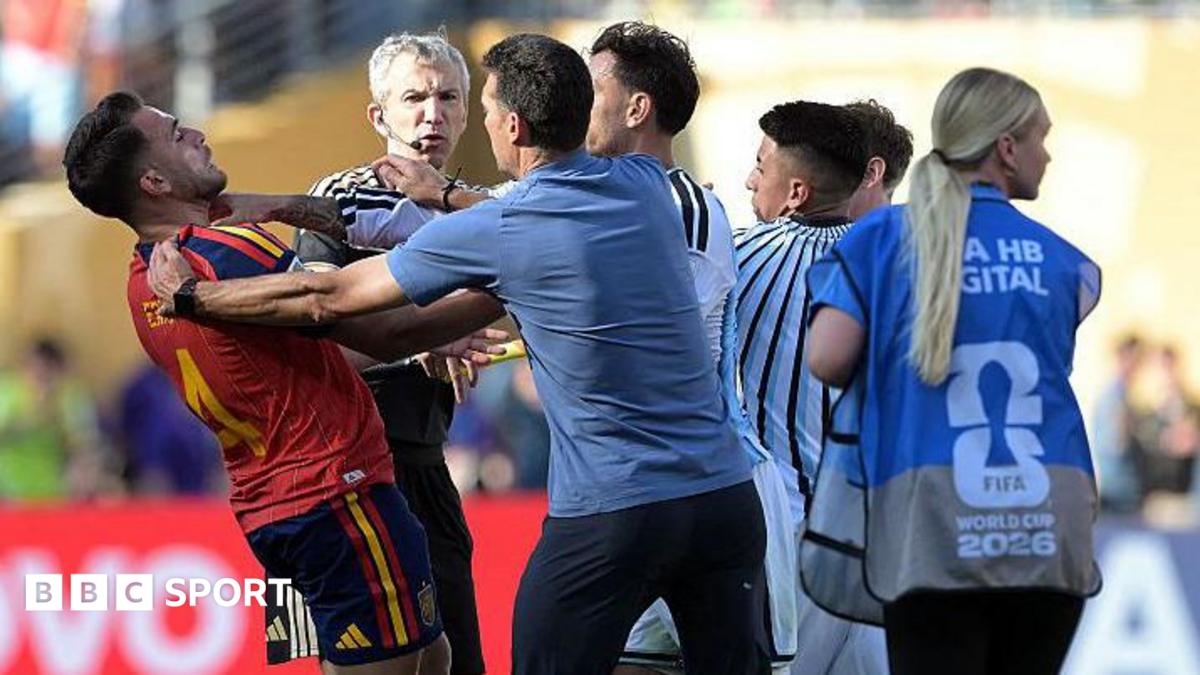
    After Spain secured a 1-0 victory over Argentina in the 2026 FIFA World Cup final at New Jersey’s MetLife Stadium, chaotic post-match violence has triggered an official disciplinary probe from global football’s governing body. FIFA confirmed Tuesday that its disciplinary committee has named a dedicated disciplinary and ethics prosecutor to examine the full sequence of events that unfolded immediately after the final whistle, with potential sanctions ranging from player and coach suspensions to heavy fines for the Argentine Football Association (AFA).

    The trouble ignited when Spain’s Rodri, a substitute who had already been pulled from the game in extra time, ran past Argentina defender Nahuel Molina while heading to join his celebrating teammates. Molina appeared to punch the Manchester City midfielder in the arm or torso, setting off a chain of aggressive confrontations that quickly spread across the pitch. When Spain’s Eric Garcia stepped in to support Rodri, Argentina’s Leandro Paredes intervened and jabbed Garcia in the throat. Unused Spain substitute Gavi attempted to de-escalate the clash, only to be thrown to the ground by Argentina’s Thiago Almada, before Paredes pushed Gavi further by shoving his hand into the player’s face. Argentine assistant coach Roberto Ayala was also filmed appearing to grab Garcia around the throat and strike Spain midfielder Dani Olmo.

    Early erroneous reports circulated via FIFA’s commentator information system claimed Paredes had been sent off during the incident by referee Slavko Vincic for the altercation with Garcia. FIFA later clarified to BBC Sport that no on-field disciplinary action was issued against any player during the chaos, and the incorrect red card entry was quickly removed from official records. Argentina already had one player sent off during the match itself, with Enzo Fernandez receiving a second yellow card in second-half stoppage time.

    This is not the first time the AFA has faced FIFA scrutiny over controversial player behavior at this tournament. Following Argentina’s 2-1 semi-final win over England, several players displayed a banner asserting Argentina’s territorial claim to the Falkland Islands, a move that already triggered preliminary disciplinary proceedings. The AFA has a long pattern of similar incidents in recent years: after the 2022 World Cup final win over France, the organization was fined £18,300 for unsporting behavior that included a lewd gesture from goalkeeper Emiliano Martinez and a mocking post-match video aimed at Kylian Mbappe. In 2024, Enzo Fernandez was forced to apologize for a racist, discriminatory chant referencing the 2022 final, and Martinez received a two-game ban for offensive behavior during World Cup qualifiers. A 2014 friendly against Slovenia also resulted in a £20,000 fine when Argentine players displayed the same Falklands banner currently under investigation.

    FIFA’s disciplinary framework gives the appointed prosecutor broad authority to review all conduct related to the final brawl, beyond just violent behavior. Under Article 13 of FIFA’s disciplinary code, the actions of Argentine players and staff could be ruled a violation of fair play principles, offensive conduct, and bring the sport of football into disrepute. The prosecutor will weigh both aggravating and mitigating circumstances before issuing charges, and any guilty ruling can result in globally enforced suspensions. Precedent for harsh sanctions exists: former Spanish Football Federation president Luis Rubiales received a three-year global ban for non-consensually kissing player Jenni Hermoso after the 2023 Women’s World Cup final, while Uruguay striker Luis Suarez was handed a four-month suspension for biting Giorgio Chiellini at the 2014 World Cup. Analysts do not expect the Argentine individuals involved in the 2026 final brawl to receive bans of that length, however.

    FIFA has not set a public deadline for the investigation to conclude, referencing past disciplinary probes that have taken months to reach a final ruling. For context, a recent investigation into alleged homophobic abuse by a Benfica player against Real Madrid’s Vinicius Jr. took more than two months to result in a six-match ban. The ongoing probe adds another layer of controversy to a World Cup final that already saw Spain claim its latest major trophy, cementing its status as one of the world’s dominant men’s football nations.

  • Notorious drug cartel leader Ismael Zambada sentenced to life in US prison

    Notorious drug cartel leader Ismael Zambada sentenced to life in US prison

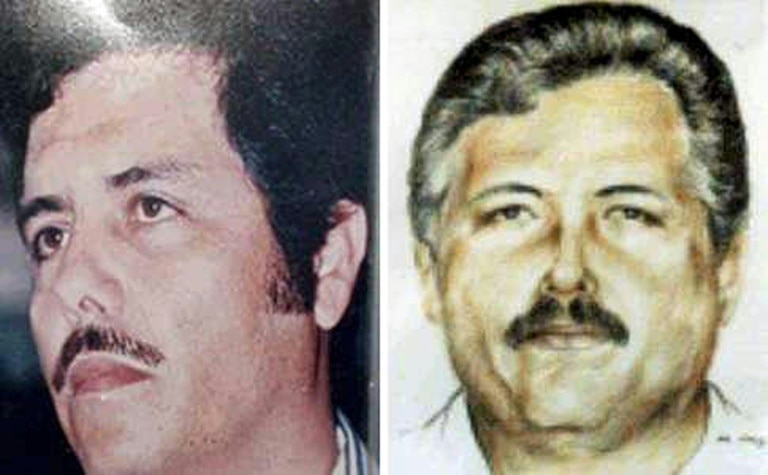
    Nearly two years after a complex cross-border sting operation pulled one of the world’s most infamous drug kingpins into US custody, a federal judge has handed down a permanent life sentence to Ismael “El Mayo” Zambada, co-founder of Mexico’s powerful Sinaloa Cartel. The 76-year-old defendant, who built one of the most expansive drug trafficking networks in modern history alongside the equally notorious Joaquin “El Chapo” Guzmán in the late 1980s, learned his fate during a sentencing hearing held Monday at Brooklyn federal court, overseen by US District Judge Brian Cogan.

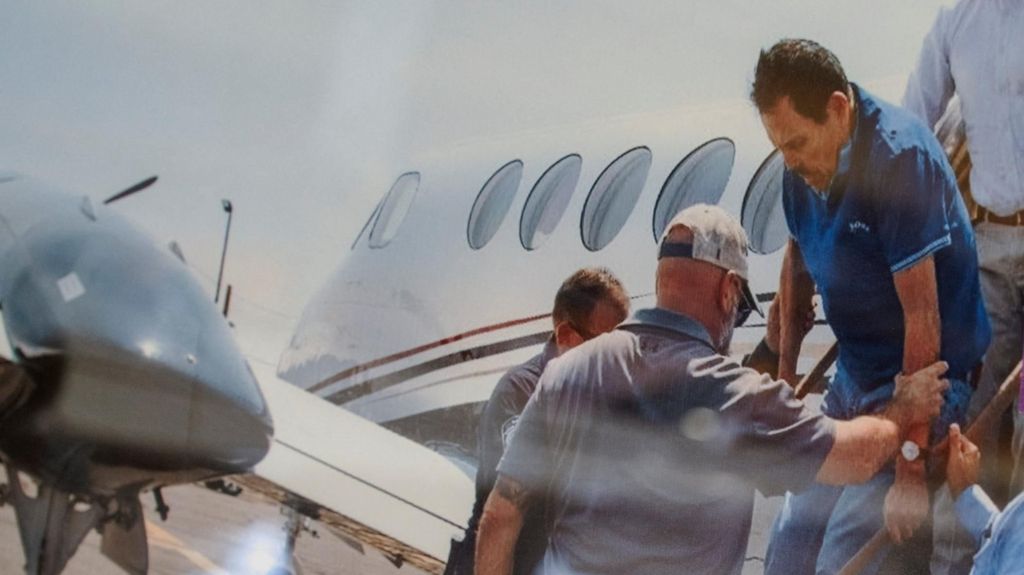
    Zambada’s arrest, which unfolded in July 2024, was a carefully engineered operation led by Joaquin Guzmán López, El Chapo’s own son, who convinced the cartel leader they were traveling to northern Mexico to inspect secret airstrips for drug shipments. Instead, their aircraft diverted and landed in Texas, where US law enforcement immediately took Zambada into custody. Guzmán López was also arrested during the same operation, and has since entered a guilty plea on federal drug trafficking charges, though his sentencing has not yet been scheduled.

    Following his arrest, Zambada struck a plea deal with federal prosecutors in 2025, confessing to charges of drug smuggling and criminal conspiracy in exchange for the US government removing the possibility of a death penalty. Under the terms of his guilty plea, a mandatory life sentence was already required, a detail confirmed by Reuters reporting on the hearing. Through his plea agreement, Zambada formally acknowledged his central role in building the Sinaloa Cartel, a criminal enterprise that has flooded the United States with hundreds of tons of cocaine and other illicit narcotics for more than three decades.

    Prosecutors have described Zambada as one of the most prolific and powerful narcotraffickers to ever operate, according to statements shared by CBS News, the US partner of the British Broadcasting Corporation. His conviction and sentencing have already triggered massive upheaval in the criminal underworld he helped build. Since his arrest in 2024, the Sinaloa Cartel has fractured into warring factions, triggering a wave of deadly violence that has spread across the northwestern Mexican state of Sinaloa. Hundreds of people have been registered as missing amid ongoing factional fighting, a pattern that mirrors the chaos that erupted after El Chapo’s 2016 arrest and extradition to the US, where he is also serving a life sentence. That earlier power vacuum sparked bloody clashes between rival groups vying for control of lucrative smuggling routes and territory.

    A major unresolved question remains: where will Zambada serve his life sentence? The cartel leader has formally requested placement in a federal prison medical facility, arguing that his advanced age and age-related chronic health conditions require regular, specialized medical care. But federal prosecutors have pushed back against this request, urging authorities to place Zambada in a high-security federal correctional facility. They argue that even in incarceration, Zambada retains enough influence and connections to continue directing illegal drug operations from behind bars, posing a ongoing threat to public safety. The final decision on his placement will be made by the US Federal Bureau of Prisons.

    The conviction comes amid a sharp escalation of US pressure on Mexican drug cartels, enacted shortly after US President Donald Trump returned to office. Trump has announced new measures to increase pressure on both the Mexican government and cartel organizations, including a plan to formally designate these criminal groups as foreign terrorist organizations. The US administration has also leveled accusations of conspiracy with drug traffickers against the governor of Sinaloa state. In response to rising cross-border tensions and ongoing cartel violence, the Mexican government has also ramped up its own counter-cartel operations, deploying thousands of military troops to Sinaloa to regain control of unstable regions.

  • Mexican drug lord ‘El Mayo’ sentenced to life in prison

    Mexican drug lord ‘El Mayo’ sentenced to life in prison

    In a landmark ruling that caps decades of pursuit of one of the world’s most notorious drug traffickers, 76-year-old Ismael “El Mayo” Zambada, co-founder of Mexico’s powerful Sinaloa Cartel, was sentenced to life imprisonment by a United States federal court on Monday. The conviction closes a major chapter in the global fight against transnational drug trafficking, following a years-long investigation and a controversial 2024 arrest that sent shockwaves through Mexican criminal networks.

    Zambada, long the top partner to infamous Sinaloa leader Joaquin “El Chapo” Guzman—who is already serving a life sentence in a Colorado maximum-security prison—was taken into custody under murky circumstances in July 2024 at a Texas airport. Allegations have circulated that he was kidnapped by Joaquin Guzman Lopez, one of El Chapo’s sons, before being transported across the border on a private jet, a claim that has never been formally confirmed by US authorities. His arrest, paired with the detention of Guzman Lopez just weeks later, triggered brutal internal conflict within the cartel, pitting factions loyal to the Guzman family against those aligned with Zambada. The infighting has left more than a thousand people dead or disappeared across Mexico, deepening the country’s ongoing cycle of organized crime violence.

    During Monday’s sentencing in a packed New York federal courtroom, the white-haired, frail Zambada, dressed in a tan correctional jumpsuit, made a rare public acknowledgment of his wrongdoing. Speaking through a prepared statement delivered in Spanish, he called on young people to reject the life of crime that shaped his own decades-long career. “I stand before you today knowing that my actions caused harm,” he told the court. “I chose this path and I understand that today I’m being held accountable for those decisions. I grew up in an environment where violence and crime seemed normal, but now I know that is no excuse. To the next generation I say this: Choose a different path.”

    In addition to the life sentence, Judge Brian Cogan—who also presided over the 2019 trial of El Chapo—ordered Zambada to forfeit $15 billion in illicit profits earned from nearly 40 years of drug trafficking. The judge ruled that the staggering volume of drugs trafficked by the cartel under Zambada’s leadership, paired with the hundreds of killings linked to the organization, made the life sentence fully justified. Zambada had pleaded guilty to multiple conspiracy and trafficking charges in August 2025 under a plea deal that spared him from the possibility of the death penalty, a deal that did not require him to cooperate with authorities by providing information on other cartel members or complicit Mexican officials, a point his defense attorney Frank Perez emphasized during the hearing. Perez also noted that the elderly former drug lord suffers from multiple chronic, unspecified health conditions.

    US law enforcement officials framed the sentencing as a major victory against the transnational criminal networks fueling the ongoing opioid crisis in the United States. The Sinaloa Cartel, founded in the 1980s, is one of Mexico’s oldest and most powerful criminal organizations, infamous for its ability to infiltrate high levels of the Mexican government and build a global supply chain for illicit narcotics. The cartel was formally designated a global terrorist organization during the administration of former US President Donald Trump, and US authorities have repeatedly blamed it for flooding the country with deadly fentanyl, a synthetic opioid that contributes to tens of thousands of overdose deaths across the US each year. “Ismael Zambada Garcia spent nearly four decades poisoning American communities to make billions of dollars in profit and ordering the murders of anyone who stood in his way,” Joseph Nocella Jr., US Attorney for the Eastern District of New York, said in a statement following the sentencing.

    The outcome of the case leaves a major power vacuum at the top of the Sinaloa Cartel, experts say, and is likely to fuel further violence as competing factions fight to seize control of the cartel’s lucrative drug trafficking routes and markets.

  • ‘Legendary’ former Liverpool and England star Keegan dies aged 75

    ‘Legendary’ former Liverpool and England star Keegan dies aged 75

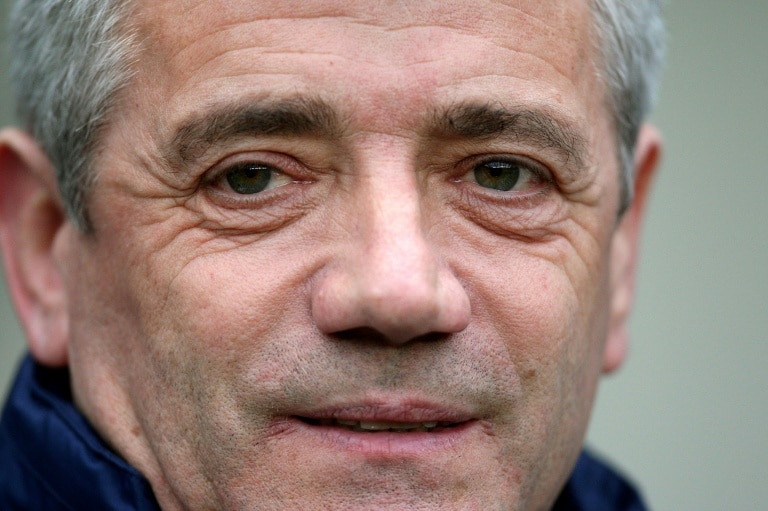
    Global football is in mourning this week after the announcement that Kevin Keegan, one of the most celebrated English footballers and managers of the 20th century, has passed away at the age of 75 following a battle with stage four cancer. His family confirmed the news in a public statement released on Monday, revealing that Keegan died surrounded by his closest loved ones at the end of his months-long treatment for the disease.

    Widely regarded as one of the most gifted players of his generation, Keegan’s decades-long connection to football began with humble origins: he launched his professional career at fourth-tier side Scunthorpe United before earning a move to Liverpool in 1971, where he would cement his legacy as a club icon. Over his six-year spell at Anfield, the dynamic striker, nicknamed “Mighty Mouse” for his compact, energetic playing style, claimed three First Division titles, an FA Cup, and a European Cup, establishing himself as a core part of one of Liverpool’s most successful squads. In a statement confirming Keegan’s passing, Liverpool FC paid tribute to his lasting impact, saying “His indomitable spirit and remarkable contribution will be forever etched in our history and his legacy will live on.”

    Keegan’s success extended far beyond his time in Merseyside. In 1977, he made the move to West German side Hamburg, where he added a Bundesliga title and a European Cup final appearance to his trophy list, and made history by winning the Ballon d’Or in both 1978 and 1979 — making him just one of four English players to ever claim the prestigious award, and one of few to win it twice. Hamburg’s official statement honored Keegan as an “English football icon,” signing off “Rest in peace, ‘Mighty Mouse’.”

    After leaving Hamburg, Keegan returned to England to finish his playing career with spells at Southampton and Newcastle United, retiring from play in 1984 after helping Newcastle earn promotion to the top flight. His 63-cap England career as a player also saw him score 21 times for his country.

    Transitioning to management in 1992, Keegan once again left an indelible mark on English football, most notably at Newcastle United. He led the Magpies to promotion to the newly formed Premier League in 1993, and built an exciting, attacking side dubbed “The Entertainers” that challenged for the Premier League title in the 1995-96 season, finishing runners-up to Alex Ferguson’s Manchester United. His fiery public clash with Ferguson during that title race, which included his iconic “I’d love it if we beat them” rant, remains one of the most memorable moments in Premier League history. For Newcastle supporters, Keegan was far more than a manager: in a statement following his death, the club called him “the beating heart of Newcastle United for generations of supporters,” adding “Kevin gave supporters hope and pride, and led a team whose style, spirit and passion captured the imagination of football fans around the world.”

    Keegan went on to manage Fulham, then took the helm of the English national team from 1999 to 2000, a tenure that ended shortly after a defeat to Germany at Wembley that saw England fail to progress out of the group stage at Euro 2000. He later spent four successful years as manager of Manchester City, where the club credited him with transforming their trajectory, before a brief final spell back at Newcastle in 2008 closed out his managerial career.

    Tributes have poured in from across the football world following the announcement. Prince William, Patron of the Football Association, noted that Keegan was “a truly remarkable footballer and manager who inspired generations with his talent, passion and love of the game.” The FA shared its own condolences, saying it was “incredibly saddened” by the loss.

    Former players who worked with Keegan have also paid homage to his legacy. Ex-Liverpool defender Jamie Carragher called him “one of the greatest players this country has ever produced, a double Ballon d’Or winner shows he was an absolute giant of the English game.” Alan Shearer, the Newcastle and England legend who played under Keegan at both club and country, called Keegan his hero, writing simply: “My Hero. My manager. My friend. Sleep easy Boss.”

    In their statement, Keegan’s family remembered him as a much-loved husband, father, and grandfather, beside his many achievements in football.

  • West Africa signs off $25bn mega gas-pipeline plan

    West Africa signs off $25bn mega gas-pipeline plan

    After nearly 10 years of diplomatic negotiations and technical planning, one of Africa’s most ambitious cross-border energy infrastructure projects has cleared its final major political hurdle. West African regional leaders gathered in Freetown on Sunday to formally sign off on the Nigeria-Morocco Atlantic Gas Pipeline, a transformative initiative that experts say could reconfigure the continent’s energy economy and strengthen Africa’s position in global energy markets.

    “Don’t be surprised when the gas comes your way,” Julius Maada Bio, Sierra Leone’s president and current chair of the Economic Community of West African States (ECOWAS), joked following the endorsement ceremony, reflecting the widespread optimism among participating nations for the long-awaited project.

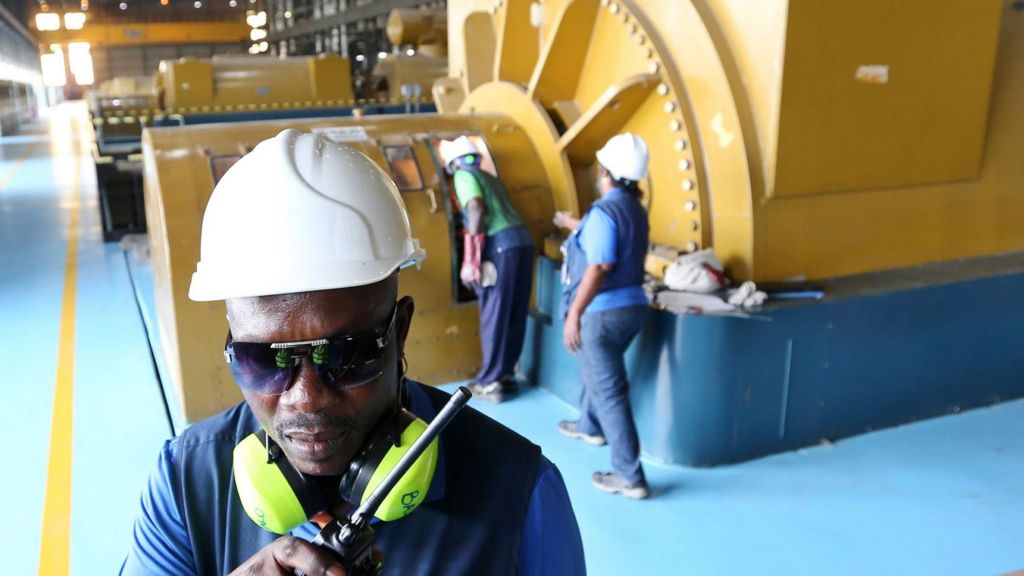
    Stretching 6,000 kilometers along Africa’s Atlantic coast, the massive pipeline will traverse the territory of 14 African countries. It will carry natural gas from Nigeria — home to Africa’s largest proven natural gas reserves — north to Morocco, where it will connect to existing European gas infrastructure via a link to Spain. If executed according to plan, the pipeline will transport up to 30 billion cubic meters of natural gas annually, serving more than 400 million consumers across West Africa, North Africa and Europe, and ranking among the longest offshore gas pipelines in the world.

    Construction is currently scheduled to break ground in 2028, with an estimated total price tag of $25 billion. Unlike the existing Trans-Saharan Gas Pipeline that crosses the Sahel region through Niger and Algeria, the Atlantic coastal route avoids the Sahel’s most politically unstable and insecure areas, though extensive offshore construction drives up the project’s overall costs.

    Energy analysts and African academics frame the pipeline as a break from the exploitative energy model that has long defined resource extraction on the continent. For decades, African gas has typically been extracted locally, shipped abroad for processing, then sold back to African nations at markups of 300% to 400%, Charles Majomi, an energy expert and former advisor to the Nigerian government, explained to BBC Focus on Africa. That cycle, he argues, devalues the abundant natural resources that African nations are endowed with, and it must end.

    When leveraged strategically, proponents argue the pipeline will deliver far-reaching benefits beyond simple energy export. It will stimulate regional industrial development, expand access to affordable energy for domestic consumers, and strengthen Africa’s negotiating power in global energy forums. “In terms of Africa’s regional security and its ability to negotiate and have a seat at the global table, if you will, it does need this measure of usefulness to countries in Europe and Asia potentially,” Majomi noted.

    Beyond energy security, the project will position West Africa as a strategic energy corridor connecting global supply and demand, according to Professor Ganiyat Adejoke Adesina-Uthman of the National Open University of Nigeria. She called the project a powerful symbol of what African nations can accomplish through cross-border collaboration.

    For nations across the Atlantic coast that currently rely on overpriced imported fuel, the pipeline will open new opportunities to build domestic power generation facilities, fertiliser production plants, petrochemical facilities and manufacturing hubs, driving inclusive economic growth across the region. For Nigeria, the project unlocks a clear path to monetise its vast untapped gas reserves while strengthening economic and political ties between West and North Africa.

    Sunday’s agreement establishes the formal legal and governance framework for the project, clearing the last major political barrier before moving forward with financing and construction planning. First proposed in 2016, the initiative has now advanced further into political and technical development than at any previous point. To reduce initial risk, the project will be built in sequential phases rather than all at once, with construction starting along the Morocco-Mauritania-Senegal corridor first, before extending east to Ghana and Côte d’Ivoire, and finally connecting to Nigeria to begin gas flows.

    Feasibility and front-end engineering design studies are already complete, and the pipeline’s route has been agreed by all participating parties. Still, major obstacles remain before construction can begin. The $25 billion cost projection could rise due to ongoing global inflation, and securing the 6,000-kilometer route across 14 jurisdictions will require coordinated security efforts from all member states, including the use of drone surveillance and engagement with local host communities to prevent attacks on infrastructure. Analysts also note that competing export projects, including existing liquefied natural gas (LNG) initiatives and the alternative Trans-Saharan Gas Pipeline, could draw investment away. Long-term uncertainty also remains around European gas demand, as the continent accelerates its transition to renewable energy sources.

    Despite these challenges, proponents remain upbeat about the project’s long-term potential. “Nigeria has the gas and there’s market access from Morocco to Europe. It’s not just extracting energy, it will lead to access to clean energy for many countries with Morocco as a gateway,” Adesina-Uthman said. “It will also create industries, job opportunities and ultimately a global market. It’s not just for regional integration but a global project.”

    The project is jointly led by Nigeria’s state oil company and Morocco’s national mining body, with support from regional and international institutions including ECOWAS, the Islamic Development Bank and the OPEC Fund for International Development.

  • Israeli fire kills two Palestinians during settler assault on West Bank town

    Israeli fire kills two Palestinians during settler assault on West Bank town

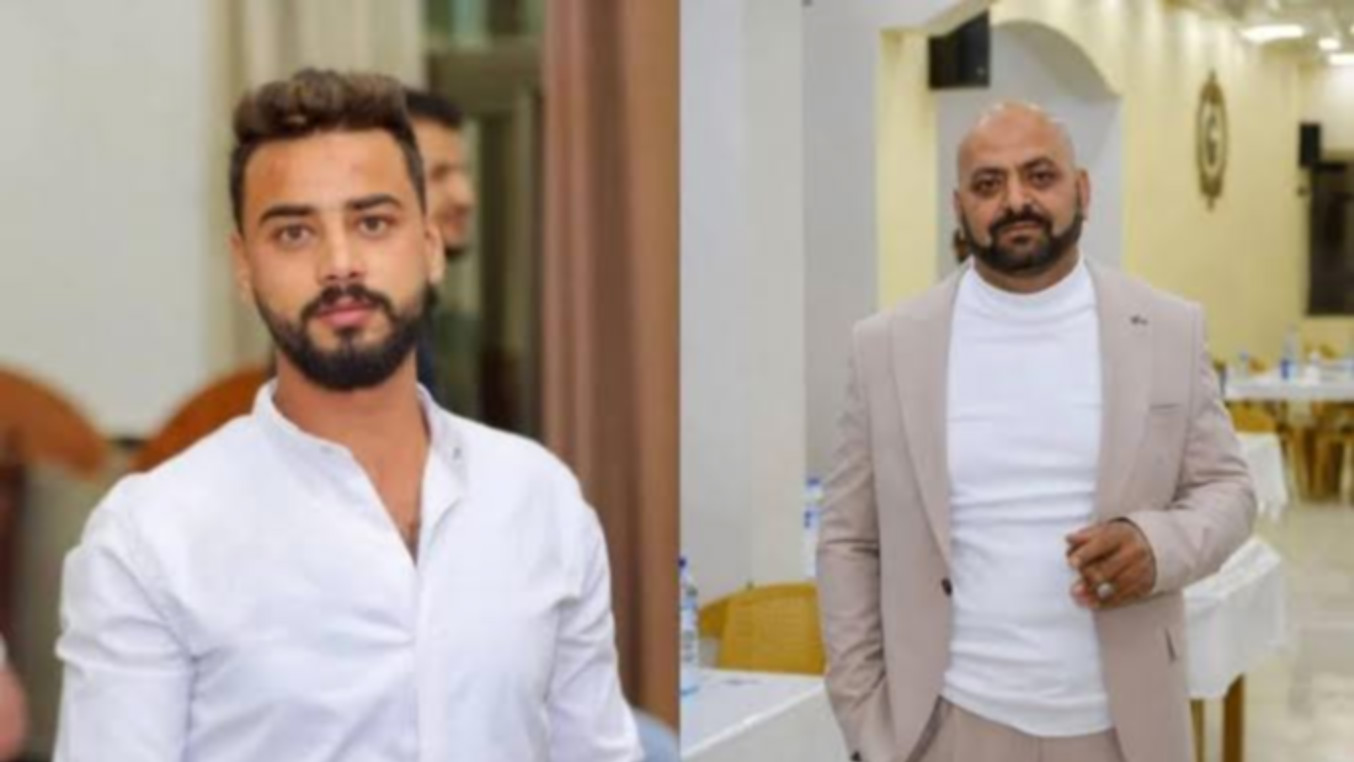
    Two Palestinian men have been killed by live fire during a coordinated attack carried out by Israeli settlers and backed by regular Israeli military forces in the occupied West Bank on Sunday, according to local Palestinian officials. The Palestinian Ministry of Health has publicly identified the deceased victims: 26-year-old Ahmad Adel Abu Mukho and 53-year-old Odeh Abdul Rahim Odeh Farakhneh.

    The assault unfolded after nightfall in Deir Jarir, a small town located northeast of Ramallah, when a group of armed Israeli settlers entered the populated area, local Palestinian media reports confirm. Eid Hammad, who leads the Deir Jarir village council, told reporters that settlers first broke into a residential property in the town’s old quarter and stole a flock of sheep belonging to the local homeowner. When local residents mobilized to intervene and halt the incursion, settlers and accompanying Israeli soldiers opened live fire on the crowd, Hammad said.

    Hammad added that Israeli military forces blocked emergency medical ambulances from reaching the shooting site to treat the wounded. The Palestine Red Crescent Society further confirmed that Israeli troops also opened direct fire on one of its ambulances responding to the incident, endangering medical personnel.

    Settler violence targeting Palestinian communities has been a persistent reality for Palestinians living in the occupied West Bank for decades, but UN and Palestinian official data shows that attacks have spiked dramatically since the outbreak of the Gaza war in October 2023. Today, settlers carry out near-daily assaults on Palestinian towns and villages, ranging from arson and property vandalism to violent physical attacks and efforts to forcibly displace local communities. Most of these attacks occur with explicit military protection from Israeli forces, according to multiple international investigations.

    The escalation of violence continued in the days leading up to the Deir Jarir attack: on Saturday, settlers set fire to a privately owned Palestinian home in the village of Tell, southwest of Nablus, while Israeli military forces burned dozens of mature olive trees— a critical source of income for many Palestinian agricultural families— in Deir Qaddis, west of Ramallah.

    Last month, the UN Independent International Commission of Inquiry on the Occupied Palestinian Territory released a report documenting an unprecedented, sustained surge in settler violence against Palestinian civilians across the West Bank. The commission concluded that the Israeli government actively facilitates these attacks through direct financial backing, logistical support, and military protection for settler groups. “Violence by settlers is the direct outcome of Israeli policies that support, enable and protect their actions,” said Srinivasan Muralidhar, the commission’s chair.

    The UN report recorded that settlers killed seven Palestinians and injured 832 more in 2025, representing a 130 percent increase in fatal attacks compared to 2024. This sharp upward trend has continued into 2026, with documented attacks reported on an almost daily basis. Official data from the Palestinian Authority’s Colonization and Wall Resistance Commission shows that at least 50 Palestinians have been killed by Israeli settlers since October 2023, with at least 15 of those fatalities recorded in the first half of 2026.

  • How Beckham became the advertising face of this World Cup

    How Beckham became the advertising face of this World Cup

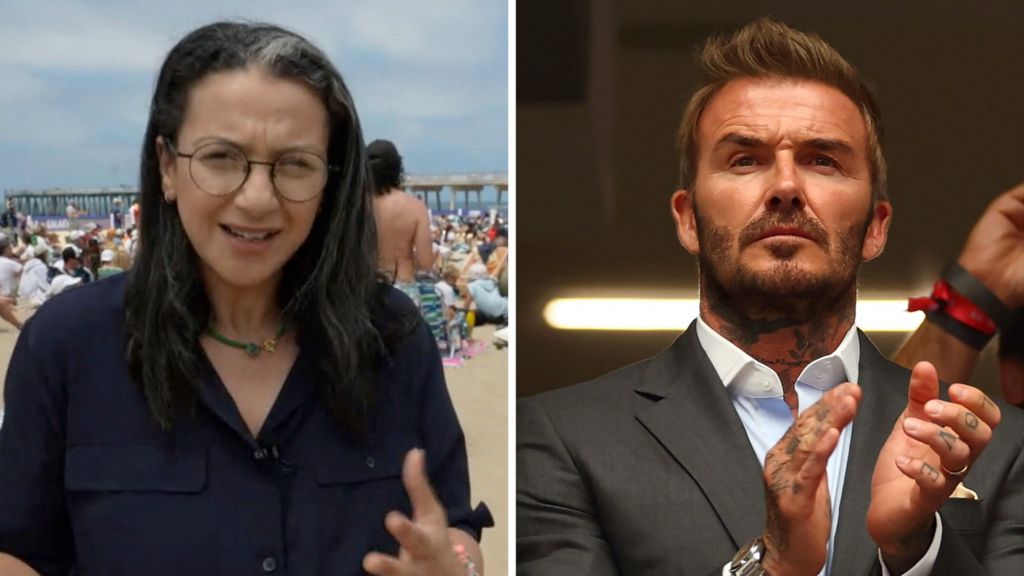
    It has been more than ten years since David Beckham last laced up his boots to compete in a professional football match, yet across the United States, no other public figure commands the same branding power that has cemented the former England captain as the undisputed face of 2022 World Cup advertising campaigns.

    Long celebrated for more than just his on-pitch talent, Beckham built an unparalleled global brand over his decades in the public eye, combining his iconic sporting legacy with a carefully curated public image that blends charisma, style, and broad cross-cultural appeal. Unlike active players whose brand recognition can fluctuate based on recent match performance or team form, Beckham’s post-retirement career has only strengthened his standing as a dependable, recognizable asset for global brands looking to connect with diverse audiences during the world’s biggest sporting event.

    Even without stepping onto the World Cup pitch this tournament, his face dominates billboards, television commercials, and social media campaigns across North America, with marketers leaning into his decades-long reputation as a global cultural icon that resonates with both long-time football fans and casual viewers alike. This unusual position – a retired player outperforming active athletes as the face of the tournament’s advertising push – underscores the lasting power of Beckham’s personal brand, built over a career that transformed him from a sports star into a household name across every continent.

  • Ten killed as Russian attacks on merchant ships in Black Sea intensify

    Ten killed as Russian attacks on merchant ships in Black Sea intensify

    Escalating military pressure in the Black Sea has reached a deadly new peak, after a Russian cruise missile strike on a civilian cargo vessel off Ukraine’s Odesa coast pushed the death toll to 10, marking the deadliest attack on commercial shipping in the region since Moscow ramped up its campaign to cut off Kyiv’s last active maritime export route.

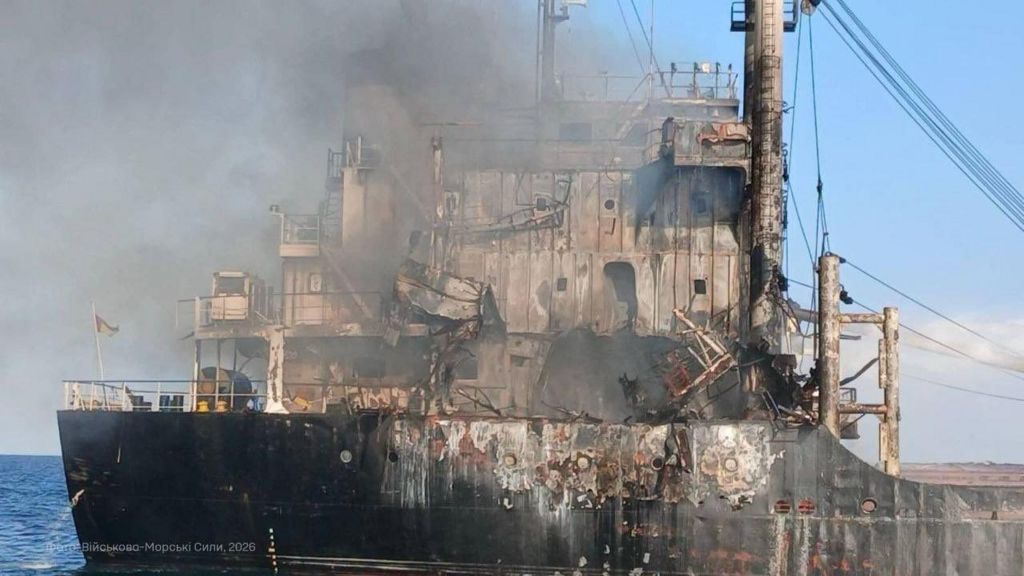
    The Guinea-Bissau-flagged cargo ship *Golden Leo* was struck in Sunday’s attack, which ignited a large fire on board, the Ukrainian Air Force confirmed. An overnight search and rescue operation concluded Monday morning, with Ukraine’s seaports authority confirming nine crew members and one Ukrainian maritime pilot were killed in the strike.

    The attack is part of a sharp uptick in Russian targeting of commercial ships in the Black Sea, a campaign designed to disrupt the only remaining maritime export route Ukraine still controls. This unofficial corridor, which runs along the coastlines of Romania and Bulgaria before reaching international shipping lanes off Turkey, relies almost entirely on foreign-flagged vessels with international crews to move Ukrainian cargo to global markets.

    Maritime exports are the backbone of Ukraine’s agricultural trade, accounting for more than two-thirds of all annual farm shipments worth approximately $9 billion. For Kyiv’s war-battered economy, these export revenues remain a critical, irreplaceable source of state funding.

    For most of the four and a half years since Russia launched its full-scale invasion of Ukraine, military operations in the Black Sea remained largely stalemated. Russia controls most of Ukraine’s southern coastline, confining Ukrainian commercial and military shipping to waters immediately surrounding Odesa. In turn, successful Ukrainian drone strikes have forced the Russian Black Sea Fleet to keep most of its major assets anchored in protected eastern Black Sea naval bases, far from the contested corridor.

    In recent weeks, however, that stalemate has broken down as Moscow has doubled down on attacks against commercial shipping. The Odesa region alone has faced nonstop bombardment: Odesa regional governor Oleh Kiper confirmed Monday that 28 people have been killed in Russian strikes across the region in July alone. Sunday’s attack on the *Golden Leo* is the deadliest targeting of a cargo ship in this new campaign to date.

    Moscow’s escalation is widely interpreted as an effort to force international shipping companies to abandon the corridor, driving up insurance costs and discouraging global buyers from purchasing Ukrainian grain and other exports. In response to the rising threat, Ukrainian Prime Minister Serhiy Koretskyi announced Sunday that Kyiv’s government and military command are developing new measures to boost navigation safety and protect civilian vessels and seafarers operating in the area.

    Even amid constant bombardment, Odesa’s coastline remains a popular summer holiday destination for Ukrainians. Kiper noted earlier this month that 40 public beaches across the region have opened for the season with new air raid shelters installed, but he repeatedly warned that coastal areas carry heightened risk, as Russian drones and missiles are regularly launched from Black Sea waters.

    Ukraine has responded to Moscow’s escalation by ramping up its own attacks on Russian military and commercial assets across the Black Sea and Sea of Azov. On Monday, Ukrainian drone forces commander Robert Brovdi claimed that 183 Russian vessels had been struck by Ukrainian drones in July. While that number has not been independently verified, satellite imagery reviewed by the BBC confirms visible damage to multiple vessels in both bodies of water.

    The escalating maritime violence comes amid a broader surge in civilian casualties across Ukraine in recent months. Separate Russian strikes on eastern and southern Ukrainian cities killed five additional people on Monday. According to United Nations data, June 2026 saw the highest number of civilian killed and injured in Ukraine since April 2022, with at least 293 civilians killed and another 1,990 wounded across the country.

    Cross-border strikes have also intensified on Russian territory. On Monday, Kyiv launched a large drone attack targeting logistics infrastructure and an oil depot in Russia’s Moscow region. Moscow mayor Sergei Sobyanin said 400 drones were fired at the region overnight, with most shot down by Russian air defenses. Still, local authorities reported 10 injuries from the strike. Further south, in Russia’s Belgorod region bordering Ukraine, local officials said a Ukrainian drone strike on a civilian bus killed five people, including one child. Ukraine has not yet issued an official comment on the Belgorod attack.

  • US-Iran strikes: latest developments

    US-Iran strikes: latest developments

    The long-simmering confrontation between the United States and Iran erupted into broader open hostilities this Monday, with both sides ramping up military operations even as behind-the-scenes diplomatic talks continue through third-party mediators. The rapid escalation has sent ripples across global energy markets and drawn neighboring Gulf states into the conflict, while regional powers work to prevent the crisis from spiraling into a full regional war.