博客

  • Man charged over incident where car rams into crowd

    Man charged over incident where car rams into crowd

    A violent incident that left three teenagers injured and sparked widespread social media circulation of footage has led to a dangerous driving charge against a 29-year-old man in coastal County Dublin, Republic of Ireland. The event unfolded on Saturday afternoon along Harbour Road in the seaside town of Skerries, according to official court proceedings and Irish law enforcement details.

    Video recordings of the incident, which quickly spread across major social media platforms after being uploaded by witnesses, capture chaotic scenes of public fighting in the area before a car is seen accelerating directly toward a gathered group of people. Within hours of the incident being reported, Irish national broadcaster RTÉ confirmed that three local teenagers — two girls and one boy — had been transported to nearby Dublin hospitals for treatment. All three were described as having non-life threatening injuries, a detail that has eased community concerns over fatalities.

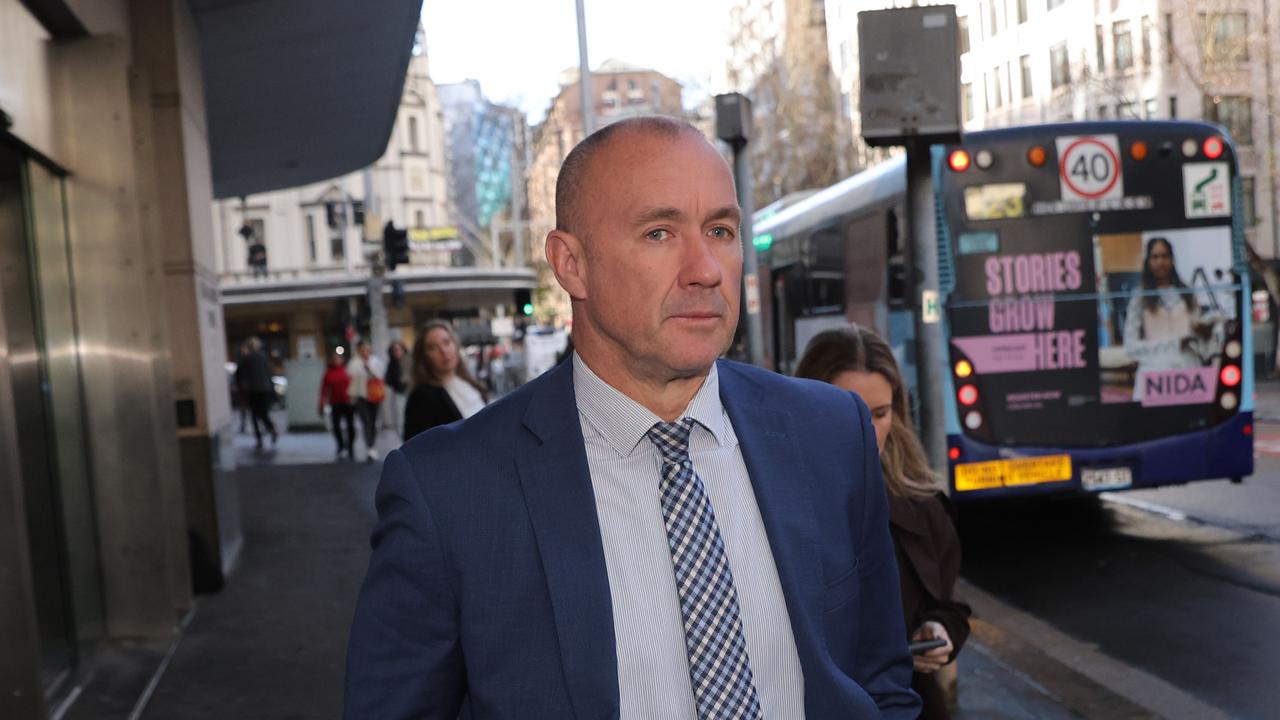
    Following a day-long investigation by Garda, the Republic of Ireland’s national police service, suspect Sean McGlone, a resident of Beechwood Drive in Drogheda, was taken into custody at his private residence at approximately 18:00 local time on Sunday. Law enforcement officials initially detained him on suspicion of dangerous driving causing endangerment, before formal charges were filed during processing at a local Garda station.

    McGlone made his first court appearance on Monday at Balbriggan District Court, where his defense team submitted an application for pretrial bail. Representing the Garda, the investigating officer did not oppose the bail request, provided a series of strict restrictive conditions were enforced by the court.

    Presiding Judge Stephanie Coggons approved the bail application, granting McGlone release on his own personal bond of €5,000, with a required cash lodgement of €1,000 ahead of his release. The 29-year-old, who works as a van driver professionally, is required to comply with multiple ongoing conditions for the duration of his pretrial release: he must check in with local law enforcement three times each week, he is strictly barred from entering the Balbriggan and Skerries areas entirely, he is prohibited from making any contact with witnesses connected to the case, he is forbidden from consuming alcohol, and he must maintain good behavior throughout the legal process.

    Local residents have reported heightened tension in Skerries in the days since the incident, particularly as footage of the event circulated widely among local social media groups, though no additional unrest has been reported as of Monday’s court proceedings.

  • An unwinnable standoff at Hormuz

    An unwinnable standoff at Hormuz

    Five months after joint US-Israeli airstrikes that killed Iran’s Supreme Leader and triggered a broader regional conflict, the 21-mile-wide Strait of Hormuz has emerged as the most intractable front line of the war, where overwhelming military asymmetry collides with total diplomatic gridlock.

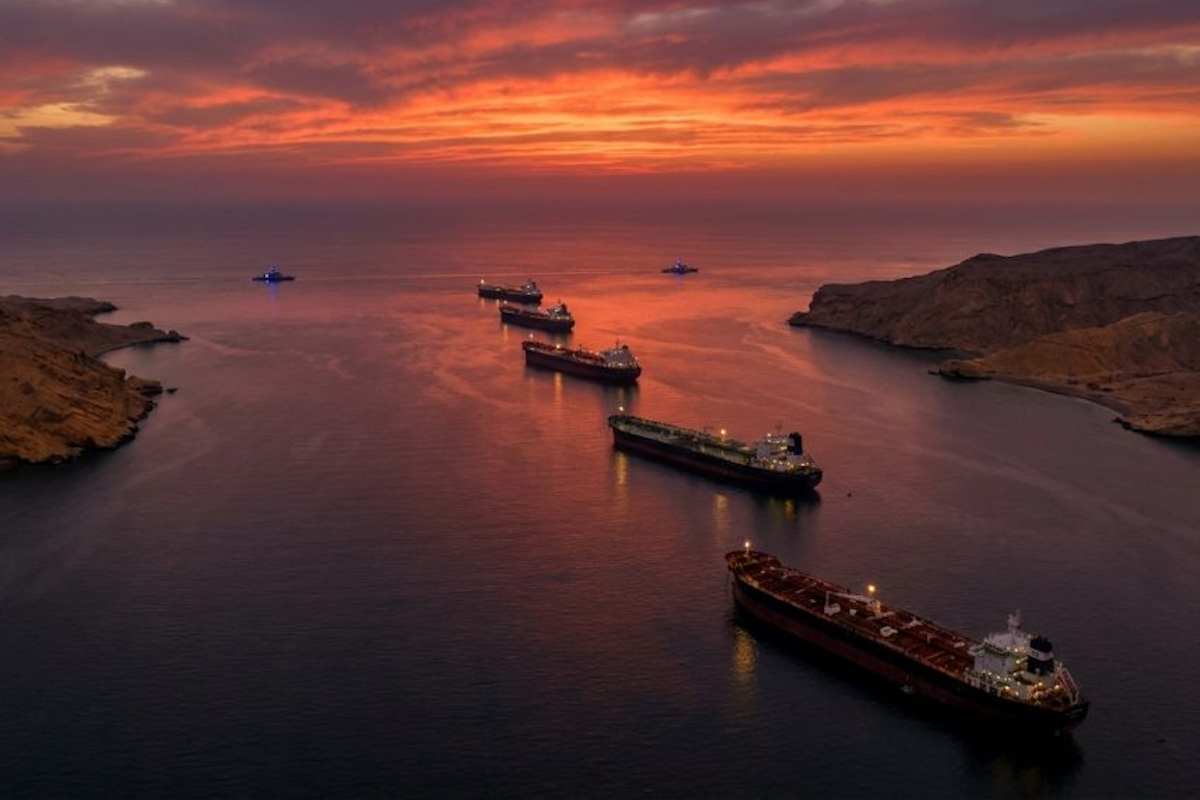
    By mid-July, a deadly, predictable cycle of violence had solidified. Night after night, the United States carries out targeted strikes on Iranian coastal military infrastructure, including radar systems, drone launch sites, and missile depots, framing each operation as a necessary measure to safeguard international commercial shipping passing through the critical waterway.

    Iran has responded in kind: its forces have targeted commercial tankers, including two vessels flagged to a US-aligned Gulf state that were attacked within Omani territorial waters, and has repeatedly threatened to close the strait to all shipping that it has not explicitly authorized to transit.

    A ceasefire negotiated earlier this spring has already collapsed, follow-up indirect negotiations have broken down, and leaders of both nations have exchanged increasingly sharp public threats. What began as a slow-burning regional standoff has evolved into an active, if intermittent, war centered entirely on control of the strait.

    The question on every analyst’s mind is why neither side can break the deadlock to secure a decisive victory. Military strategy offers the clearest explanation for this prolonged stalemate.

    Washington possesses the advanced firepower to systematically degrade Iran’s coastal defense networks, and has already done so on multiple occasions. But as US Vice President JD Vance recently acknowledged, even after eliminating Iran’s large-scale military assets along the coast, Tehran retains the ability to disrupt shipping via asymmetric tactics: small fast-attack boats, sea mines, and short-range artillery fire, none of which require the sophisticated capabilities the US has been targeting.

    For Iran, the math is equally prohibitive: Tehran cannot defeat the superior US Navy, nor can it keep the strait fully closed for an extended period. A complete shutdown of the waterway would immediately cut off Iran’s own critical oil export revenues and open the door to far more devastating US retaliation. What both sides *can* do is make the strait so risky that commercial shipping largely avoids it – and that is exactly what has come to pass: daily transits have dropped to a tiny fraction of pre-war levels.

    Diplomatic efforts to break the impasse have failed again and again for deep structural reasons, not mere bad timing. Iran’s foreign ministry has explicitly ruled out new formal negotiations, and previous rounds of indirect talks collapsed before producing any lasting agreement.

    Compounding the challenge is the fact that new points of conflict emerge faster than existing disputes can be resolved. For example, Iran recently floated a proposal to charge tolls for transiting the strait, framing the fee as compensation for maritime security services it provides. The proposal has been rejected outright by both the US and the International Maritime Organization, which notes that no single nation has legal authority to impose tolls on an international strait. While the toll dispute is a minor issue compared to the broader war, it highlights the pattern: both sides continually introduce new demands that make de-escalation far harder to achieve, even when both nominally favor reducing tensions.

    The stakes of this stalemate extend far beyond Iran and the United States. The strait carries roughly one-fifth of the world’s seaborne oil trade and an equal share of global liquefied natural gas (LNG) exports, making its safety critical to energy markets worldwide. A multilateral Persian Gulf Strait Authority has been formed in an attempt to collectively manage the waterway’s security, but it has yet to reverse the ongoing disruption.

    Washington has publicly appealed to major maritime powers including China, Japan, South Korea, and European nations to deploy naval vessels and share the burden of keeping the transit lane open, a tacit acknowledgment that unilateral American military power has proven insufficient to guarantee safe passage for shipping. Meanwhile, neutral Gulf states such as the United Arab Emirates are already bearing direct costs of the conflict: damaged tankers, killed civilian crew members, and disrupted commercial activity in waters over which they have no control, and in which they never chose to fight.

    What does this prolonged stalemate reveal about the trajectory of the broader regional war? The Hormuz standoff is not a temporary impasse waiting for the right diplomatic breakthrough; it is the product of a fundamental structural mismatch. US airstrikes can punish Iran and degrade its military capabilities, but they cannot permanently secure open transit through the strait. Iranian attacks can disrupt global shipping and intimidate commercial operators, but Tehran cannot close the strait on its own terms or sustain its current campaign without inflicting severe damage on its own economy.

    Without a negotiated settlement that neither government currently appears willing to accept, the near-term future is likely to look much like mid-July: repeated cycles of airstrikes, tanker attacks, brief lulls in violence, and commercial shipping volumes that never return to pre-conflict levels.

    The most urgent question hanging over the region today is not which side will ultimately claim victory at Hormuz. It is how long global energy markets and neighboring Gulf states can continue absorbing the costs of a conflict that neither principal party can end decisively.

  • Philippines condemns Chinese coast guard for injuring Filipino sailor in disputed shoal

    Philippines condemns Chinese coast guard for injuring Filipino sailor in disputed shoal

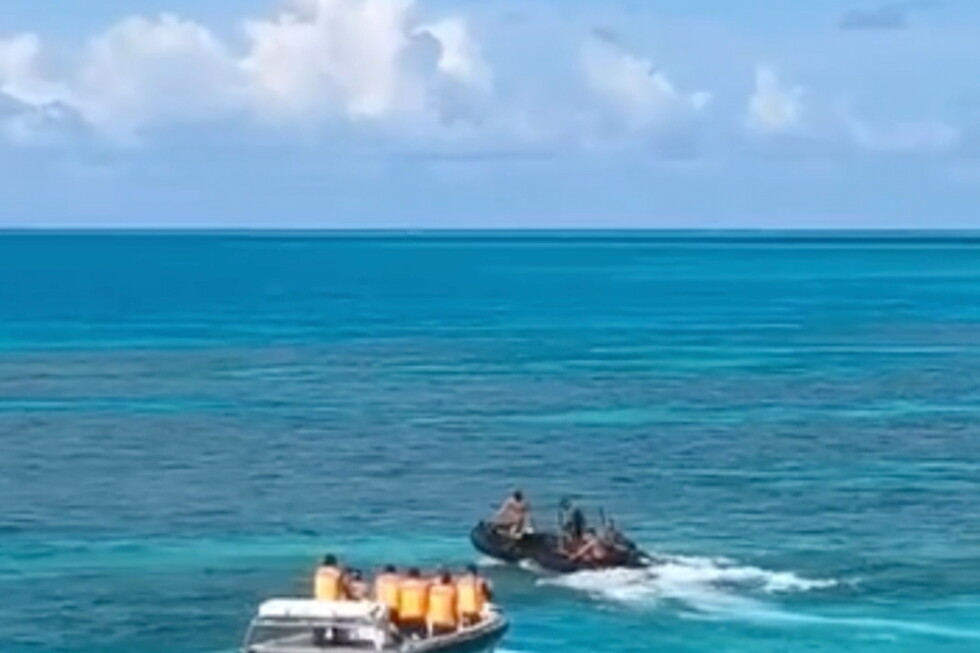
    A violent confrontation at the disputed Second Thomas Shoal in the South China Sea has reignited long-simmering territorial tensions between the Philippines and China, after the Philippine military confirmed a Filipino navy sailor was repeatedly beaten on the head with a wooden baton by Chinese coast guard personnel on Monday. The attack, which also left the sailor’s small rubber patrol boat damaged, was recorded on camera by other Filipino crew members in the area, triggering immediate and sharp condemnation from senior Philippine government officials.

    Philippine authorities have emphasized that their personnel acted with restraint throughout the encounter to avoid any further escalation of hostilities. According to the Philippine military’s official account of the incident, a large Chinese coast guard vessel deployed an inflatable motorboat carrying eight personnel to approach the BRP Sierra Madre — a decommissioned Philippine navy ship that has been intentionally grounded on the shoal since 1999 to serve as a permanent, if fragile, Philippine territorial outpost. The Chinese craft maneuvered in close proximity to the outpost while its crew captured photos and video of the site, prompting two small teams of Filipino sailors on rubber boats to approach and request the Chinese side move to a safer distance in a non-confrontational manner.

    Instead of complying, the Chinese coast guard personnel responded with immediate aggression. “The Chinese coast guard vessel personnel reacted violently and aggressively by striking a Philippine Navy personnel on the head with a wooden baton, causing injury and damaging the navy rubber boat,” the Philippine military confirmed in its statement. As of Monday, medical teams were still evaluating the extent of the injured sailor’s wounds to determine whether he requires evacuation for advanced medical care.

    China has not yet issued an official public response to specific allegations related to the Monday assault, but it has consistently maintained its territorial claim over Second Thomas Shoal and nearly the entire expanse of the South China Sea, a strategic waterway that carries more than $3 trillion in global trade annually. For years, China has demanded that the Philippines withdraw the BRP Sierra Madre, whose small rotating crew of Filipino navy personnel maintain a constant Philippine presence on the disputed atoll.

    Philippine officials have rejected any demands to remove the outpost, and framed the latest attack as part of a growing pattern of hostile behavior from Beijing. “No act of coercion or aggression will deter us from carrying out our constitutional mandate or exercising the Philippines’ lawful rights in the West Philippine Sea,” the military said, using the Philippine government’s official name for its claimed portion of the South China Sea.

    The Philippine Department of National Defense issued a particularly harsh rebuke of the incident, stating: “The latest act of violence and harassment committed by the China coast guard against Philippine navy personnel … adds to a clear pattern of provocative and hostile behavior and further contributes to the People’s Republic of China’s deficit of trust and credibility.”

    The clash comes at a sensitive diplomatic moment, as top foreign ministers from the Association of Southeast Asian Nations (ASEAN) and Chinese foreign minister Wang Yi are gathering in Manila this week for annual talks, where the long-running South China Sea territorial dispute is a top agenda item. Multiple regional governments, including Brunei, Malaysia, Vietnam and Taiwan, hold overlapping territorial claims across different parts of the waterway, creating one of the most volatile geopolitical flashpoints in the Indo-Pacific.

    In recent years, ASEAN and China have been engaged in ongoing negotiations for a formal nonaggression pact designed to prevent open armed conflict over the disputed territories. A major conflict in the region would almost certainly draw in the United States, which has a mutual defense treaty with the Philippines and has repeatedly vowed to deter Chinese expansionism and protect freedom of navigation in the heavily trafficked sea lane.

  • Spain’s World Cup champions head home for a royal welcome and a parade through Madrid

    Spain’s World Cup champions head home for a royal welcome and a parade through Madrid

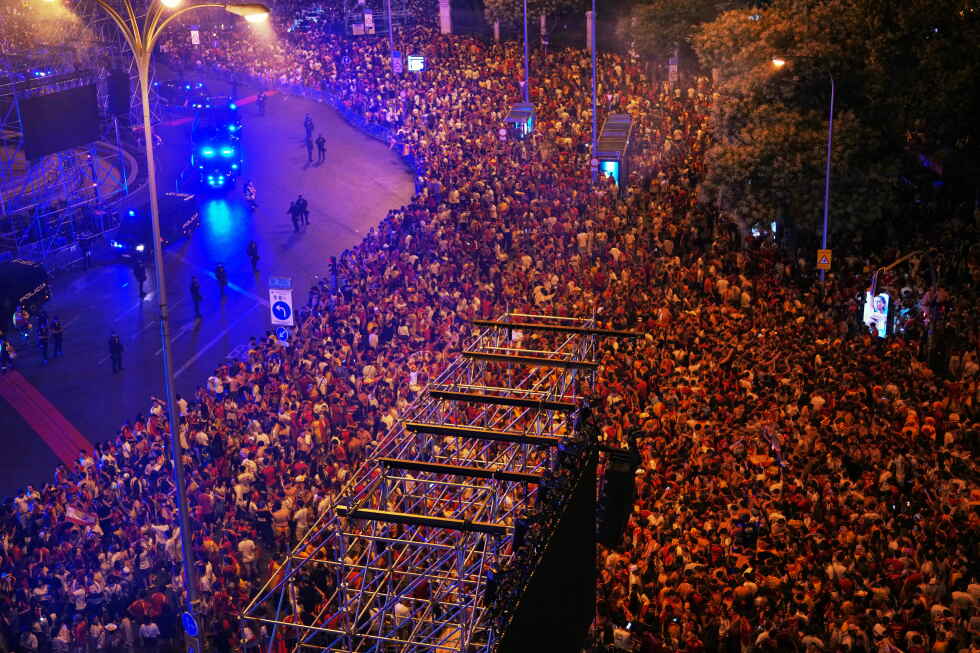
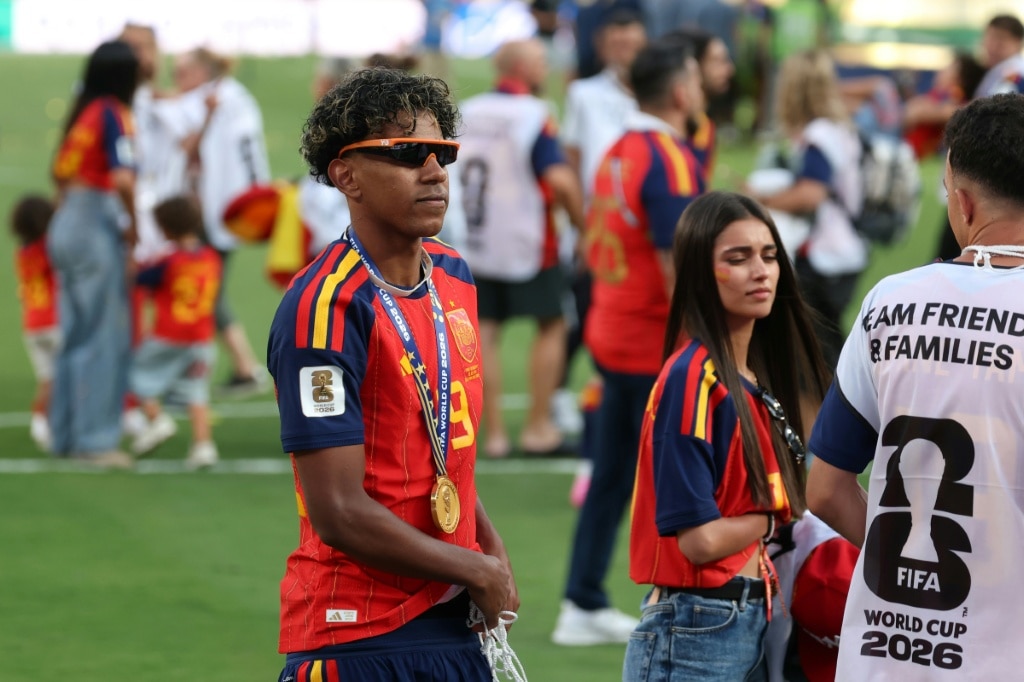
    MADRID — Fresh off a historic World Cup win that cemented Spain’s status as the first nation to hold both men’s and women’s senior World Cup trophies simultaneously, the country’s champion men’s squad is scheduled to arrive back on Spanish soil Monday afternoon. The 11-time title-winning side will first attend official welcomes at the Royal Palace of Spain and by Prime Minister Pedro Sánchez, before departing for an open-top bus parade through downtown Madrid scheduled for the evening.

    Massive crowds of elated fans are projected to line the parade route, which runs from the vicinity of Moncloa Palace, the prime minister’s official residence, to Cibeles Square, a landmark that has long served as the traditional gathering spot for Spanish national teams and their supporters to mark major tournament victories. A formal celebratory ceremony featuring the full squad will be held at the square following the parade.

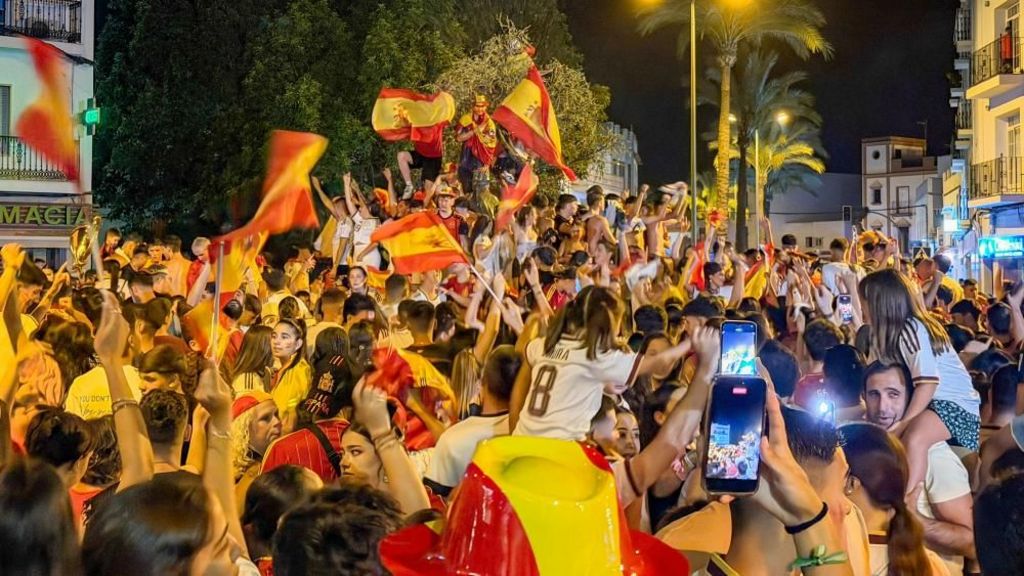
    Spain claimed the World Cup crown with a 1-0 victory over defending champion Argentina in the final held Sunday in East Rutherford, New Jersey. This historic win marks only the second men’s World Cup title for Spain, following the team’s breakthrough victory at the 2010 tournament hosted in South Africa. Within moments of the final whistle blowing, celebrations erupted across the Spanish capital, as thousands of fans flooded out of bars, restaurants and homes onto Madrid’s streets. Many supporters wrapped themselves in Spanish national flags or wore the team’s iconic red and navy kits, packing major public spaces including Puerta del Sol to sing, dance, set off celebratory flares and honk car horns in a raucous display of national pride. Celebrations continued well into the early hours of Monday for many fans across the country.

    For a generation of young Spanish soccer supporters, this victory marks the first time they have ever seen the men’s national team lift the sport’s biggest prize, adding extra weight to the historic moment. Speaking early Monday, 19-year-old fan Victor Álvarez captured the widespread excitement, saying, “I’m very happy. I’ve slept three or four hours, but for the team, I’ll do whatever it takes.”

    Even before the team’s official arrival, hundreds of dedicated fans had already gathered in the arrivals hall of Madrid’s Barajas Airport, decked out in team gear and waving flags to greet the champions. By late Monday morning, groups of supporters had already begun staking out prime viewing spots along the parade route near Cibeles Square, coming prepared with sun protection to endure forecasted high temperatures that were expected to hit 35 degrees Celsius (95 Fahrenheit) through the afternoon.

    This historic win comes on the heels of Spain’s 2023 Women’s World Cup victory, making Spain the first country in soccer history to hold both the men’s and women’s world titles at the same time — a milestone that has amplified the country’s nationwide celebration.

    However, the collective joy has been tempered by a tragic incident connected to the celebrations. Local authorities confirmed that a 13-year-old boy died in Salamanca, a city located northwest of Madrid, after a fountain he and his friends had climbed onto to watch celebrations collapsed. The tragedy has cast a shadow over what is otherwise a landmark moment for Spanish soccer.

  • Tributes paid to influential soul singer Ray King

    Tributes paid to influential soul singer Ray King

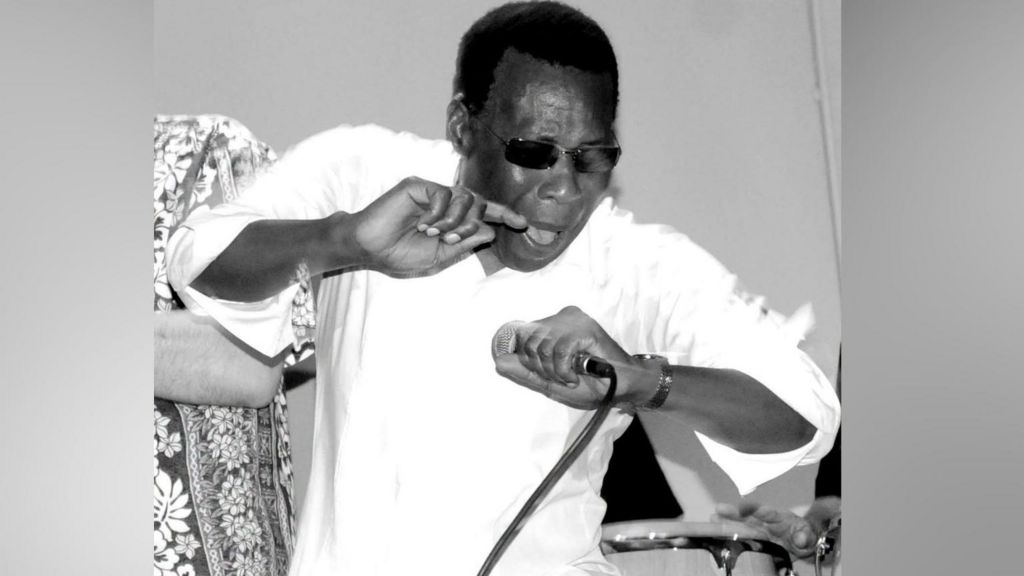
    The UK music community is mourning the passing of Ray King, a foundational figure in the development of ska and 2 Tone music whose work shaped generations of iconic British bands. After his death was announced earlier this week, peers, protégés, and music historians have shared heartfelt tributes celebrating King’s extraordinary talent, magnetic stage presence, and lasting impact on Coventry’s world-famous music scene.

    Born Vibert Cornwall in St Vincent and the Grenadines, King immigrated to the United Kingdom in 1961. He first settled in Northampton, but relocated to Coventry just two years later after friends in the music industry told the aspiring performer the midlands city offered the best opportunities to build a singing career. That move would reshape not only King’s life but also the trajectory of British popular music.

    Pete Chambers, founder of the Coventry Music Museum, remembered King as a performer with a commanding stage presence that drew comparisons to soul legend James Brown. “He was the kind of guy who controlled the stage with just one look, one little movement of the arm or whatever,” Chambers recalled. “He was a real professional and such a lovely guy and an influential guy.”

    In a 2010 interview with Coventry’s Herbert Art Gallery and Museum, King shared that his own musical style was shaped by a diverse range of artists, from American soul greats Sam Cooke and Nat King Cole to rock ‘n’ roll icon Elvis Presley and mid-century pop stars Pat Boone and Doris Day. Drawing on these varied influences, King launched his own group, the Ray King Soul Band, which quickly became a staple of Coventry’s live music circuit. The band played their first show at the city’s Walsgrave Club, and steadily built a reputation for tight, high-energy performances that drew crowds across the region.

    The band’s growing popularity and professional reputation earned them a coveted six-month residency at London’s iconic Playboy Club, where King got the chance to share the stage with some of the biggest names in 1960s rock, including Jimi Hendrix and Paul McCartney, who joined the group for impromptu jam sessions during its run.

    By the 1970s and 1980s, as the 2 Tone scene emerged in Coventry, King’s influence could be felt across the genre’s most iconic acts. Dozens of young local musicians cut their teeth watching his performances, and went on to form bands that would bring 2 Tone to global audiences. Among his most famous protégés was Lynval Golding, founding member of genre-defining ska band The Specials. Speaking to BBC CWR in a 2019 documentary about 2 Tone music, Golding called King “an amazing foundation for all of us musically — he’s the roots. He’s the guy we learn from.”

    Beyond The Specials, King also influenced the founding members of another iconic 2 Tone band, The Selecter. In recognition of his pivotal role in nurturing local talent and bringing together the musicians who would form these world-famous groups, King was honored with a dedicated plaque on the Wall of Fame at Coventry’s 2 Tone Village, an affiliate of the Coventry Music Museum, in 2012.

    Today, Chambers says King’s legacy remains woven into every corner of Coventry’s thriving music scene. “His legacy would be as a prime Coventry musician who did so much and cared so much about his home city,” Chambers noted. For fans and musicians alike, King’s contributions to British ska and 2 Tone will long be remembered as a foundational pillar of the genre.

  • Ryanair profits drop as Iran war puts off passengers and lifts fuel costs

    Ryanair profits drop as Iran war puts off passengers and lifts fuel costs

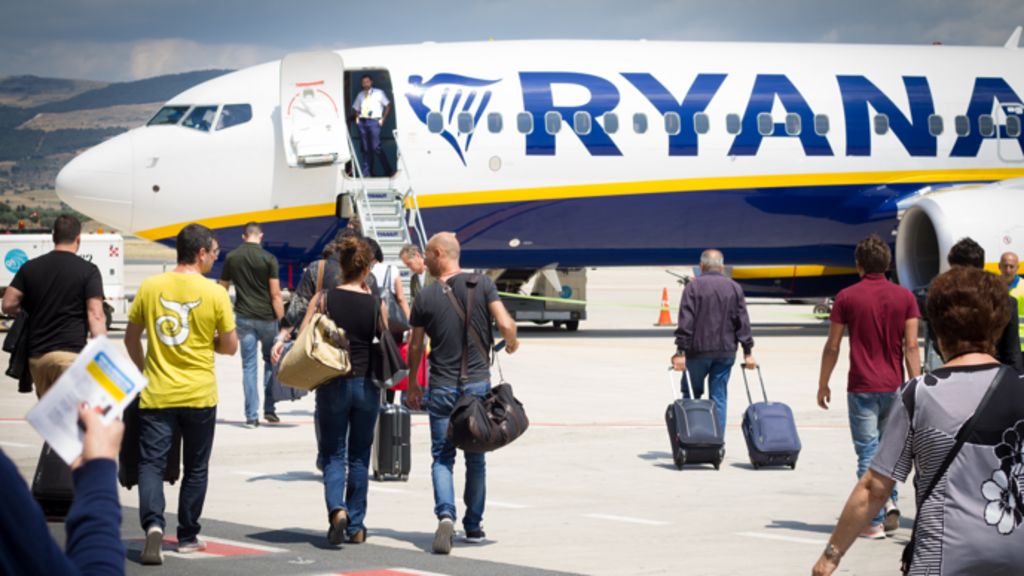
    Europe’s largest low-cost carrier Ryanair has reported a sharp 34% year-on-year drop in pre-tax profits for the first quarter of its financial year (April to June), as the resurgent conflict in the Middle East sends jet fuel costs soaring and sparks widespread consumer hesitation to book air travel in advance. The Irish airline posted pre-tax profits of €593 million (£503 million) for the three-month period, with overall revenue seeing almost no growth, edging up just 1% to €4.4 billion, as the carrier was forced to slash ticket prices to stimulate flagging demand amid geopolitical uncertainty.

  • Eight worshippers die in crush at Burundi preacher’s gathering

    Eight worshippers die in crush at Burundi preacher’s gathering

    A devastating crowd crush at a massive evangelical religious gathering in Bujumbura, Burundi’s most populous city, has left eight people dead and nine others injured, according to local police and witness accounts. The tragedy unfolded on Saturday night at the Senior Technical School of Kamenge, where thousands of worshippers had gathered to hear a sermon from well-known Burundian preacher Chris Ndikumana, whose charismatic ministry draws massive crowds across multiple African nations.

    As the religious service concluded late in the evening, the large crowd surged toward the venue’s exit simultaneously. Eyewitnesses and law enforcement confirm that the external wall lining the exit collapsed under the pressure of the pushing crowd, triggering a chaotic stampede that left multiple people trampled and trapped. A school teacher who works at the event venue told Agence France-Presse that the sheer volume of attendees all attempting to exit at once created the dangerous conditions that led to the disaster.

    Local law enforcement released a formal statement breaking down the casualty toll: six deaths, including five women and one man, were recorded at Bujumbura’s King Khaled Hospital, where four injured people remain receiving treatment. The remaining two fatalities were documented at a nearby military hospital, which is also caring for five other injured people. Police officials noted that most of the casualties showed no visible external trauma, indicating suffocation caused by the compressed crowd was the primary cause of death and injury.

    Ndikumana, who leads the popular Kanguka (Wake Up) evangelical ministry and boasts more than 1 million subscribers to his YouTube channel, has not yet issued any public comment on the incident, nor have representatives of the event’s organizing committee. Many of the preacher’s followers believe his prayers hold the power to cure illnesses, which regularly contributes to the huge turnout he draws for public events.

    Tragic crowd crushes at large religious gatherings are a recurring hazard across the African continent. In 2020, a similar incident in neighboring Tanzania killed at least 20 people when attendees rushed forward to receive anointing with blessed oil at an outdoor service. Two years later, 31 people lost their lives in Nigeria’s southern city of Port Harcourt during a food distribution event at a local church that drew crowds of hungry people who had waited overnight for aid. The same year also saw 29 people, including 11 children, killed in a crush in Liberia after thieves began robbing attendees leaving a large evangelical gathering, triggering a panicked surge. Additional reporting for this story was contributed by Bernard Bankukira.

  • Boy, 13, dies during World Cup celebrations in Spain

    Boy, 13, dies during World Cup celebrations in Spain

    Hours after Spain secured its historic second FIFA World Cup title with a 1-0 extra-time victory over Argentina on Sunday, what should have been a night of nationwide joy turned into an unthinkable tragedy in the northwestern Spanish region of Salamanca. A partial collapse of the iconic Árbol Gordo fountain in Ciudad Rodrigo, where crowds of young fans had gathered to celebrate the national team’s win, left one 13-year-old boy dead and two additional young people injured. Emergency services confirmed the incident unfolded around 00:30 local time, shortly after the final whistle of the championship match. According to local media reports, the structural failure occurred after dozens of fans climbed onto the aged fountain to get better views of celebrations and capture celebratory content for social media, putting excess weight on the weakened structure that caused a section of the stone monument to give way. The emergency coordination system for Castilla y León, the autonomous community that contains Ciudad Rodrigo, confirmed it received multiple urgent calls from witnesses immediately after the collapse. First responders, including local police, the Spanish Civil Guard, regional fire brigades and emergency medical teams, were dispatched to the scene within minutes, with a mobile intensive care unit and a basic life support ambulance sent to treat the injured. Despite rapid medical intervention, the 13-year-old victim was pronounced dead at a local health center. Regional authorities have ordered the Civil Guard to launch a full investigation into the incident to determine liability and identify any pre-existing structural weaknesses that contributed to the collapse. Psychological support services have also been activated to support the boy’s grieving family, as well as other witnesses who were present at the time of the collapse. One injured child was transported to a local hospital with a suspected fractured leg bone, while the second injured person was treated for minor injuries at the scene. Ciudad Rodrigo’s town hall confirmed the devastating turn of events in an official social media post shortly after the incident, writing: ‘What was supposed to be a celebration for the victory of the Spanish National Football Team’s World Cup has turned into a tragedy.’ The local municipal council extended its deepest condolences to the victim’s family and friends in an official statement, adding that it ‘hopes for a speedy recovery of the others who have been affected by the incident.’ Thousands of miles away from the Ciudad Rodrigo tragedy, crowds of elated Spanish fans flooded city streets across the country to celebrate the long-awaited win: photos captured in Los Palacios, Seville, more than 400 kilometers south of Salamanca, showed packed streets full of singing, cheering revellers hours after the final. Sunday’s win marks the first World Cup title for Spain in 16 years, following their historic championship win in 2010. Forward Ferran Torres scored the match-winning goal in extra time, securing the narrow win over two-time defending champions Argentina. This tragedy is not the only fatal incident tied to 2026 World Cup final celebrations: earlier this month, three people died from suffocation in a crowd crush during watch party celebrations in Mexico City, while a 30-year-old man died from an epileptic crisis triggered by overcrowding and excitement during the same event.

  • David Blackbourne accused of raping 17-year-old girl at NSW police station

    David Blackbourne accused of raping 17-year-old girl at NSW police station

    More than 25 years after the alleged crimes took place, a former New South Wales police officer has gone on trial, charged with multiple counts of sexual assault and official misconduct against a 17-year-old girl at a rural border police station, a popular tourist region straddling the NSW-Victoria line.

    Fifty-six-year-old David Robert Blackbourne, who was 28 and an on-duty serving NSW Police constable at the time of the alleged offenses, has entered not guilty pleas to all five charges against him: two counts of indecent assault, two counts of non-consensual sexual intercourse, and one count of misconduct while holding public office.

    Prosecutors laid out their opening case to the jury at Sydney’s Downing Centre District Court this week, laying out a timeline of alleged interactions that stretch back to late 1998. The court was told the accused and the teen complainant—who cannot be named publicly due to legal protections for sexual assault survivors—first crossed paths on multiple occasions when Blackbourne was working on an unrelated case, with the teen only knowing him by the first name “Dave”.

    Per the Crown’s account, the first recorded contact between the pair came when Blackbourne and an unidentified second officer offered the teenager and her friend a ride home as the pair walked through the town. The officers told the girls they would need to detour to the local police station first before dropping them off. Once at the station, prosecutors say Blackbourne and his colleague gave the teens drinks from a stash of alcohol police had previously seized from another incident, before giving them a tour of the station’s holding cells and eventually driving them to their destination.

    A few months after that interaction, the Crown alleges Blackbourne picked the recently 17-year-old complainant up from a local public house in his marked police patrol vehicle. Prosecutors say he then handcuffed both of her wrists and forced non-consensual kissing on her. A separate alleged incident that same October saw the teen attend the police station to borrow a police hat for a costume event, in a pre-arranged meeting with Blackbourne. It was here that the most severe allegations arose: while in uniform, Blackbourne allegedly told the teen she could not leave yet, again forced non-consensual kissing, before committing non-consensual sexual intercourse.

    The case remained unreported to NSW Police for nearly two decades: the alleged survivor first brought forward her account to Victoria Police in 2016, and NSW Police only launched a formal investigation into the claims in November 2021. Blackbourne was arrested and formally charged in 2023, with his trial scheduled to run for five court days.

    In the defense’s opening address to the jury, senior barrister Matthew Johnston forcefully rejected all allegations against his client. Johnston confirmed the defense does not dispute that Blackbourne was a serving officer at the time of the alleged events, but denies every claim of sexual misconduct, non-consensual contact, and abuse of office. The defense has highlighted the significant passage of time since the alleged events as a core challenge to the prosecution’s case, arguing that the reliability and accuracy of the complainant’s memory must be scrutinized closely by the jury. Johnston questioned whether the complainant’s current account reflects genuine independent recollections of the 1998 events, or whether the narrative has been shaped by conversations with law enforcement in the years after the incident, including a 2020 phone call with investigating officers.

    Presiding Judge Huw Baker SC reminded the jury of their legal obligations at the opening of the trial, noting that the burden of proof rests entirely with the Crown, which must prove every allegation beyond a reasonable doubt. The trial is ongoing as of Monday’s opening.

  • Superb Spain worthy winners of World Cup dominated by superstar names

    Superb Spain worthy winners of World Cup dominated by superstar names

    The 2026 FIFA World Cup, the first edition of men’s football’s flagship competition expanded to 48 participating nations, will be remembered as a tournament dominated by the sport’s biggest global superstars. Yet when the final whistle blew on Sunday’s title decider at MetLife Stadium, it was a disciplined, defensively ruthless Spanish side that lifted the trophy, capping off a campaign that delivered what many analysts agree is a fully deserved world championship.

    This expanded tournament delivered record offensive output, with an average of 2.96 goals per match – the highest goals per game average recorded at a World Cup since the 1970 edition in Mexico. Many of the sport’s highest-profile attacking talents lived up to their billing, with France’s Kylian Mbappe claiming the Golden Boot after netting 10 tournament goals, Argentina’s Lionel Messi finishing second with eight, and elite forwards including Erling Haaland, Jude Bellingham, Ousmane Dembele, and Harry Kane all ranking among the top scorers.

    But Spain’s path to glory was built not on free-scoring attacking flair, but on unprecedented defensive solidity. La Roja conceded just a single goal across their eight matches, with their only blemish coming in a quarter-final clash against Belgium. That stout backline was anchored by captain Rodri, who was named the tournament’s best player – an honor that went to the defensive anchor rather than the global attacking superstars who dominated pre-tournament headlines. The result echoes Spain’s 2010 World Cup triumph in South Africa, where a similarly water-tight defense carried the side to their first ever world title.

    In the final, Spain faced defending champions Argentina, who were aiming to become the first team since Brazil in 1962 to successfully defend a World Cup crown. Spain completely outclassed the defending champions, holding Messi and his teammates to zero shots on target throughout the entire 120 minutes of play. It took a 106th-minute strike from substitute Ferran Torres to break the deadlock and secure a 1-0 extra-time win, giving Spain their second World Cup title.

    The result continues a remarkable 20-year run of success for Spanish men’s international football. Since 2008, Spain has now claimed two World Cups, three European Championships, and one UEFA Nations League title, fully shaking off its historic reputation as underachievers on the global stage. The current side also boasts a bright long-term future: 19-year-old winger Lamine Yamal – one of the tournament’s most talked-about young talents despite struggling with fitness and only scoring one group-stage goal against Saudi Arabia – and fellow 19-year-old defender Pau Cubarsi are now among only 10 players in history to win a World Cup before their 20th birthday.

    Spain’s success also reflects the steady leadership of head coach Luis de la Fuente, who took over the role following Spain’s disappointing round-of-16 exit at the 2022 World Cup. The 65-year-veteran has guided the side to rapid, impressive results and holds a contract through Euro 2028, with many of his high-profile peer coaching counterparts falling short of expectations at the tournament: Carlo Ancelotti’s Brazil, Thomas Tuchel’s England, Mauricio Pochettino’s United States, and Julian Nagelsmann’s Germany all exited earlier than predicted.

    “These players are exceptionally talented and it is an honour to accompany them,” De la Fuente said, crediting his squad for the historic win. Spanish full-back Marc Cucurella, who recently completed a high-profile transfer from Chelsea to Real Madrid, summed up the side’s collective philosophy: “When you don’t concede I think it is much easier to win. We attack together and defend together, and that is one of the key things about this team.”

    Goalkeeper Unai Simon joked of his underworked gloves through the tournament: “If you could speak to all the gloves I have worn in this World Cup, I think they would tell you they didn’t have much work to do.”

    With the title secured, Spain now has the unique opportunity to defend their crown on home soil in 2030, a historic first for World Cup holders. Before that, the side will return to action in just two months for Nations League fixtures against England and Croatia, but for now, the squad can savor their place as the new rulers of world football.