博客

  • ‘He launched me in the air’ –  Grandfather recounts terrifying Yellowstone Park bison attack

    ‘He launched me in the air’ – Grandfather recounts terrifying Yellowstone Park bison attack

    A 65-year-old survivor of a brutal Yellowstone National Park bison attack is sharing his harrowing experience to warn other visitors after walking away with life-altering injuries. Carl Isom-McDaniel, who is currently recovering from surgery at Bozeman Health in Montana, described the chaotic moment when the 2,000-pound animal singled him out as a target during a mid-July visit.

    Isom-McDaniel’s July 10 encounter quickly went viral after footage of the incident circulated online. The clip shows the retiree and his grandson pausing to snap a photo of the bison, which appeared resting near a tree. Moments later, the massive animal sprang to its feet, immediately began charging, and launched Isom-McDaniel into the air before he could escape.

    In a roughly three-minute interview video released by the hospital, Isom-McDaniel reflected on the near-death experience from his hospital bed. “Even though I was on the ground, he could have stomped me, he could have gored me, he could have done anything,” he recalled. “He wasn’t showing aggression or anything like that until it picked a target. That target happened to be me.” Contrary to common assumptions, the retireo said the bison’s initial impact was not the source of his severe injury – instead, the hard landing after being thrown into the air caused the extensive damage to his hip.

    Dr. Eric Lowe, a treating physician at Bozeman Health, confirmed the severity of Isom-McDaniel’s injury, pointing to X-ray scans that show the hip broken into multiple fragments. “It was definitely clear that he had a pretty painful injury,” Lowe noted, highlighting the clear fracture lines and loose bone fragments visible in the imaging.

    Wildlife experts explain that even though the pair appeared to maintain a safe distance in footage of the attack, the timing of the incident put them at heightened risk. The attack took place during bison mating season, a period when male bison experience elevated testosterone levels and far higher levels of aggression than usual.

    The National Park Service has long warned visitors about the underestimated danger bison pose in the park. Its official website notes that while bison often appear slow and docile to tourists, they have injured more people in Yellowstone than any other native animal species. The agency mandates that all visitors stay at least 25 yards (23 meters) away from bison at all times, and explicitly prohibits approaching the animals to capture photos, a rule that many tourists overlook for the sake of a viral snapshot.

  • Canada’s Carney faces tough choice on US trade – fight back or hold steady

    Canada’s Carney faces tough choice on US trade – fight back or hold steady

    Just days after a cordial public appearance alongside their Mexican counterpart at the 2026 World Cup final in New Jersey, a surprise trade escalation has upended relations between the United States and Canada – one of America’s closest long-term trading partners.

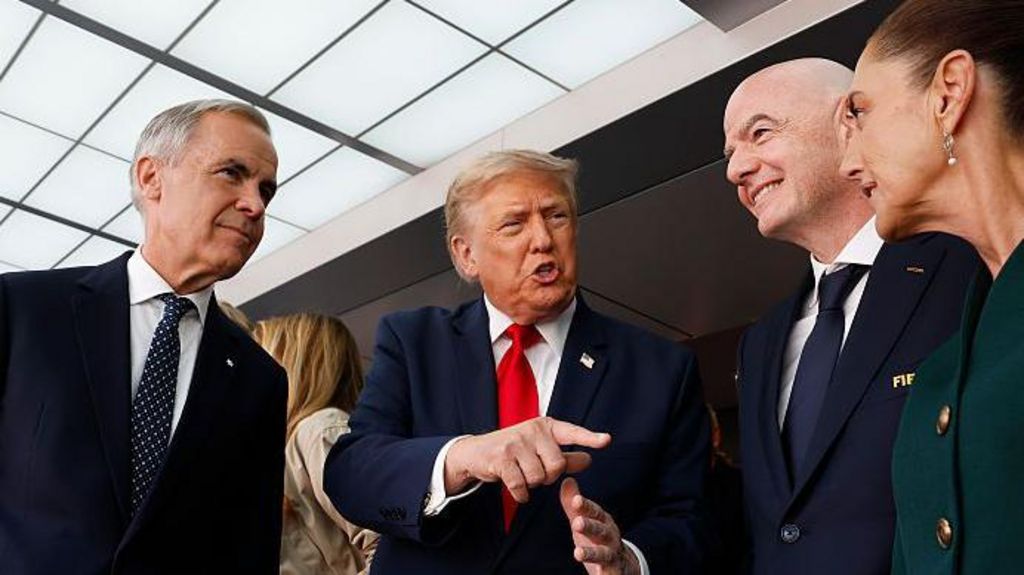
    On Monday, mere hours after photographers captured US President Donald Trump and Canadian Prime Minister Mark Carney smiling and conversing in the stadium stands during the final match of the co-hosted North American World Cup (a tournament that has been broadly deemed a success despite widespread criticism of exorbitant ticket prices and travel costs), the Trump administration announced a sweeping new round of 50% tariffs on a quirky range of Canadian goods, spanning from hockey sticks to candles and synthetic wigs. The levies are scheduled to go into effect on August 19.

    The sudden announcement arrives at a pivotal moment for North American trade: after months of stop-start negotiations to renew the trilateral United States-Mexico-Canada Agreement (USMCA), talks are finally back on track. Just this week, the long-delayed Gordie Howe International Bridge – a critical infrastructure project designed to boost cross-border trade between the automotive hubs of Windsor, Ontario and Detroit, Michigan – is set to open, after Canada agreed to revised revenue-sharing terms with the US. Prior recent threats, including tariffs on Canadian civilian aircraft and demands for restitution over wildfire smoke drifting south from Canada, were widely written off as empty political posturing from Trump.

    Washington has framed the new tariffs as a response to what it calls “unequal treatment” of American automobiles, dairy products and alcohol in the Canadian market. Trade analysts and insiders, however, widely interpret the move as a calculated pressure tactic to force Canada into concessions on the stalled USMCA renewal talks.

    “This is nothing more than a strong-arm play from the Trump administration to gain maximum leverage ahead of a final deal,” explained Mahmood Nanji, a fellow at Western University’s Ivey Business School, in an interview with the BBC. “He’s pulling every trick out of the book to tilt the negotiations in his favor.”

    Stakeholders tracking the trade negotiations have not been caught completely off guard. US officials have repeatedly vented publicly about their frustration with Canada’s existing retaliatory tariffs, noting that Canada is the only country besides China that has maintained countermeasures against previous US levies. Candace Laing, CEO of the Canadian Chamber of Commerce, acknowledged in a statement that her organization had anticipated trade talks would get rockier before reaching a final resolution.

    This latest move marks a significant escalation of the ongoing trade friction between the two neighbors, stacking new barriers on top of existing trade restrictions. The US already imposes tariffs ranging from 15% to 50% on Canadian steel, aluminum and copper, a 35% duty on Canadian softwood lumber, and a 25% tax on non-US automotive parts. In response, Canada has levied its own 25% counter-tariffs on select US imports of steel, aluminum and vehicles, and most Canadian provinces pulled American alcohol products from store shelves last year. Canada is currently seeking relief from these existing sectoral tariffs as part of the ongoing USMCA talks.

    The timing also adds extra pressure on Prime Minister Carney: parallel US trade talks with Mexico are progressing far faster than negotiations with Ottawa, and US Trade Representative Jamieson Greer is in Mexico this week for a new round of formal discussions. Last week, Greer told the Aspen Security Forum that while US negotiators speak weekly with their Canadian counterparts, “we just haven’t seen a lot of movement” on key sticking points.

    The US was also the only party to decline an immediate long-term renewal of the USMCA – the agreement that underpins roughly $2 trillion in annual trilateral trade – this month. Without a long-term extension, the deal will enter a cycle of annual reviews before expiring in 10 years.

    The new tariff announcement also signals that the Trump administration is gearing up for a broader expansion of global tariffs, analysts warn. Canada has historically been an early target for US trade actions that are later expanded globally, making it a key indicator of future American trade policy direction. On Tuesday, Greer appeared to confirm this trajectory, telling CNBC that more global US tariffs would be announced soon, though he declined to share a specific timeline, citing obligations to brief Congress and stakeholders first.

    In response to the announcement, Carney told reporters Tuesday that he had already spoken with Trump, and the two leaders had agreed to intensify ongoing trade talks. Carney stressed that Canada would “explore all possible response options” if the new tariffs take effect next month, and reaffirmed his long-standing position that “no deal is better than a bad deal” on trade, while noting that Canada’s core goal remains reaching a comprehensive, mutually beneficial agreement. The prime minister is scheduled to meet with Canadian provincial premiers Tuesday afternoon to coordinate a response to the new US pressure, and some provincial leaders are already pushing for a strong retaliation.

    Ontario Premier Doug Ford, one of the most vocal Canadian critics of Trump’s trade agenda, said Tuesday: “We can’t keep rolling over, we can’t keep backing down, we have to go full tilt.” Lawrence Herman, a trade expert with the independent Canadian think tank CD Howe Institute, echoed that call, arguing that making concessions now to appease Washington would be a strategic mistake that damages Canada’s national pride and global standing.

    Public opinion polling suggests Carney has broad public support to take a hard line. Pollster David Coletto, CEO of Abacus Data, notes that most Canadians have already grown accustomed to weathering trade disputes with the Trump administration, and deep distrust of Washington is widespread. “Most Canadians hold the view that they cannot trust the Trump administration,” Coletto explained. “There is deep anger over what the public sees as unfair treatment from the US, and most people do not want Prime Minister Carney to give in.” The latest tariff move, he added, has only hardened that public resolve.

    As the August 19 implementation deadline approaches, Canada faces difficult choices: Nanji argues that Canada may need to concede on some remaining sticking points to secure long-term trade certainty, but Ottawa must also clearly define its red lines. While Canada is currently signaling calm and avoiding panic, Nanji says a breaking point could be reached soon. “Canada will likely retaliate, but right now they’re trying to stay cool and avoid escalation,” he said. “But there will come a point where we have to draw a line: you cannot cross this.”

  • ‘It’s frustrating’ – Canadians react to new US tariffs

    ‘It’s frustrating’ – Canadians react to new US tariffs

    A wave of discontent has swept across Canada after former U.S. President Donald Trump announced sweeping 50% tariffs on a broad array of Canadian goods, a move billed as retaliation for what the Trump administration labeled “unequal treatment” of American products entering the Canadian market. The announcement immediately drew sharp criticism from Canadian producers, consumers and trade analysts alike, with many residents describing the new trade measure as deeply frustrating. The tariff hike, which covers a wide swath of Canadian exports to the United States, has raised immediate concerns about disrupted cross-border supply chains, increased costs for businesses on both sides of the 49th parallel, and strained bilateral trade relations that have long been a cornerstone of North American economic integration. Trade experts note that the sudden imposition of such a steep tariff rate marks a significant escalation in trade tensions between the two neighboring countries, which have historically enjoyed one of the world’s largest and most mutually beneficial trade relationships. For Canadian businesses that rely on access to the huge U.S. consumer market, the new 50% tariff threatens to make their goods less competitive, forcing layoffs, reduced production and even closures in some of the country’s key export sectors. Canadian consumers are also bracing for indirect impacts, as trade friction can drive up prices on imported goods and domestic products alike, adding additional strain to household budgets. While the Trump administration framed the measure as a necessary correction to unfair trade practices, many observers argue that the broad scope of the tariffs will ultimately harm both U.S. and Canadian economic interests, underscoring the volatility of bilateral trade policy in recent years.

  • Aoun seeks Trump backing for Israel pullback as south Lebanon ‘pilot zones’ begin

    Aoun seeks Trump backing for Israel pullback as south Lebanon ‘pilot zones’ begin

    As the first phase of a US-mediated truce framework between Lebanon and Israel kicks off in southern Lebanon, Lebanese President Joseph Aoun has arrived in Washington for a landmark meeting with US President Donald Trump — a diplomatic trip widely billed as the most consequential of his young presidency.

    This White House summit marks the first visit by a sitting Lebanese head of state to the US presidential residence in nearly 20 years. It comes more than a decade after the highest-level previous meeting between a Lebanese leader and a US president, when then-Prime Minister Saad Hariri hosted talks with Barack Obama in 2011. Ahead of his Tuesday sit-down with Trump, Aoun held an initial working meeting with US Secretary of State Marco Rubio on Sunday, where Rubio reaffirmed Washington’s commitment to upholding the June trilateral framework agreement and backing Lebanon’s push to deliver lasting security and improved livelihoods to its citizens.

    Aoun’s trip comes on the heels of six rounds of US-mediated direct negotiations between Beirut and Jerusalem aimed at ending their ongoing conflict. The fifth round, held in Washington, produced the foundational framework agreement on June 26, while the sixth and most recent round of talks concluded last week in Rome.

    For the Lebanese presidency, this visit is far more than a routine diplomatic gesture. Sources close to Baabda Palace told Middle East Eye that Lebanese officials spent months working to secure the high-profile meeting, framing it as a critical opportunity to bolster Aoun’s domestic political standing and demonstrate that the direct negotiation process can deliver tangible progress.

    Per those close to Aoun, his core argument is that diplomacy can deliver outcomes that years of open conflict have failed to achieve: a permanent end to hostilities, the safe return of displaced Lebanese residents to their southern homes, the full deployment of the Lebanese armed forces across the border region, and a full Israeli pullback from occupied southern Lebanese territory — a step the framework text refers to as “redeployment” rather than an explicit withdrawal.

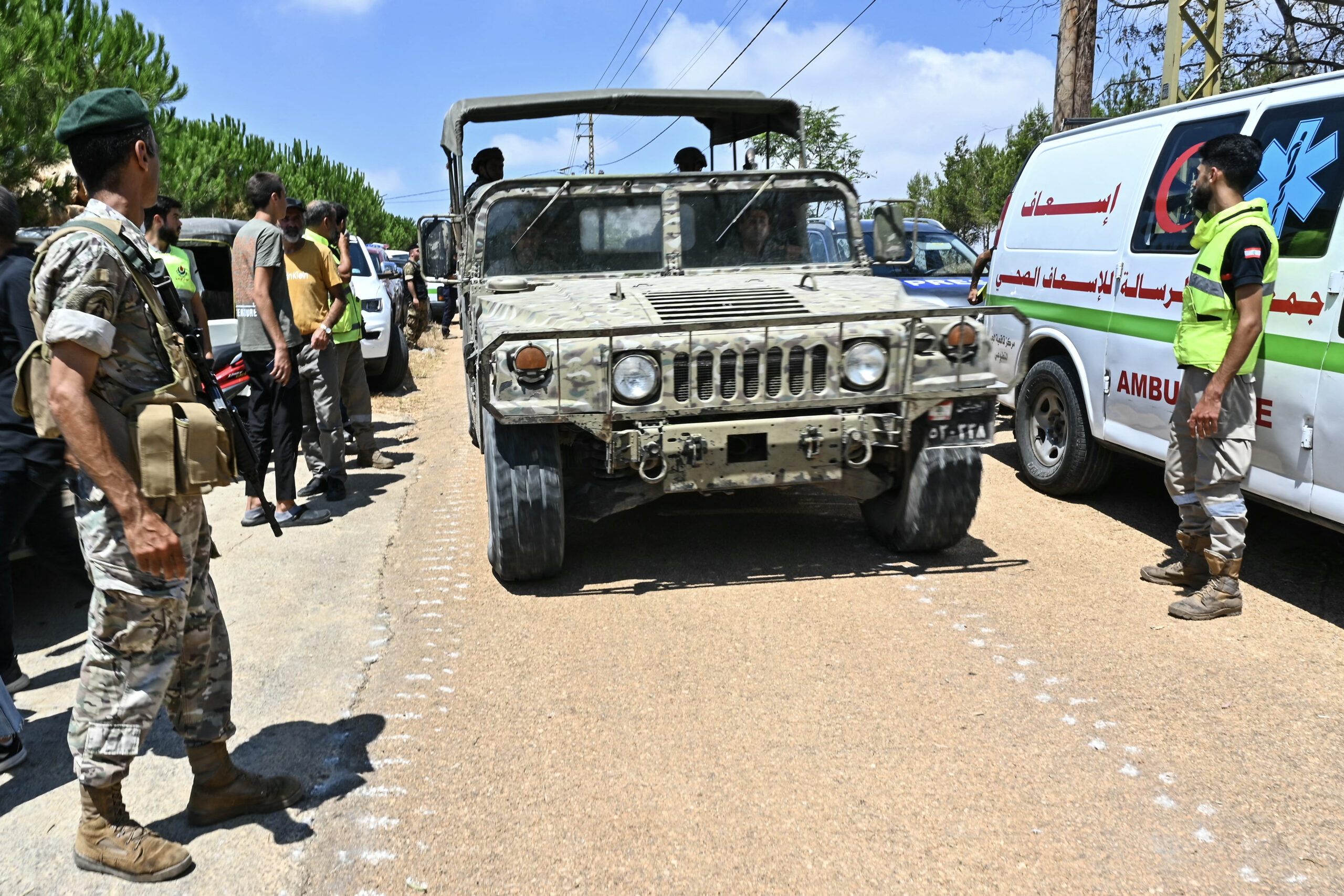
    Under the terms of the agreement, the Lebanese army will deploy to “pilot zones” that Israel has evacuated, with the military taking over responsibility for disarming Hezbollah fighters in the area. On Monday, US State Department spokesperson Tommy Pigott confirmed that initial pilot operations had officially launched in three southern Lebanese villages: Froun, Srifa and Zawtar al-Gharbiyeh. The operations are being overseen by the newly created US-led Military Coordination Group for Lebanon. Shortly after the US announcement, the Lebanese army confirmed its units had begun moving into Zawtar al-Gharbiyeh following coordinated planning through the new oversight body. The military issued a public advisory urging civilian residents to avoid returning to the area until security is fully stabilized, and to follow all guidance from deployed troops.

    A senior Lebanese military official noted that security conditions vary across the three pilot zones. Froun and Srifa have never held a permanent physical Israeli troop presence, and the Lebanese army already maintains forward deployments there, though the areas still fall under Israeli military oversight and control. In contrast, Israeli forces still hold a physical presence in parts of Zawtar al-Gharbiyeh, with the Lebanese army’s full deployment tied to ongoing incremental coordination through the US-led group.

    A senior Lebanese official briefed on Aoun’s Washington talks told Middle East Eye that US negotiators have shown receptiveness to Lebanon’s core demand: that visible, concrete steps from Israel are required to frame the framework as a mutual achievement for Lebanon, rather than a list of one-sided obligations for Beirut. During his meeting with Trump, Aoun is expected to urge the US president to leverage Washington’s extensive diplomatic and military influence over Israel to ensure full, timely implementation of the agreed pilot zone deployment.

    Yet Lebanese officials harbor lingering concerns that Israel will seek to slow implementation of the pilot program, adopting a gradual “wait-and-see” approach: it will first withdraw from Zawtar al-Gharbiyeh, assess the Lebanese army’s success in removing Hezbollah infrastructure, and only then decide whether to proceed with redeployment from the remaining two zones. This staggered approach has deepened skepticism in Beirut that Israel intends to use the framework as a path to full withdrawal, or if it will instead leverage the process to test the Lebanese army’s capabilities, increase pressure on Hezbollah, and justify a permanent long-term military presence in what Israeli officials have framed as a necessary border security zone.

    The US-brokered framework has already deepened sharp domestic political divides within Lebanon. Hezbollah leader Naim Qassem has openly rejected the agreement, framing it as an unconditional surrender of Lebanese sovereignty and opposing any requirement that ties Israeli withdrawal to Hezbollah’s disarmament. Other cross-party critics have pointed to the absence of the term “withdrawal” in the official agreement text and the lack of binding enforcement mechanisms to guarantee Israel complies with its obligations. Many Lebanese political figures have also criticized the deal for placing enforcement authority almost entirely in the hands of Washington — Israel’s closest and most powerful military and diplomatic ally. Prominent Druze leader Walid Jumblatt has further criticized the framework for failing to explicitly reference the 1949 Armistice Agreement, which Jumblatt argues remains the foundational legal basis for Lebanese-Israeli relations and is enshrined in Lebanon’s constitutional and government policy frameworks.

    Supporters of the agreement, however, push back that the framework formalizes Lebanon’s sovereign authority over its entire territory and creates a critical first stepping stone to restoring full state control across the south. Aoun’s domestic political base argues that even with heavy political costs, direct negotiations are the only viable available path to end the conflict and restore state authority to the border region.

    Aoun’s opponents, meanwhile, warn that the negotiation process will ultimately force unfavorable Israeli terms on Lebanon, erode the country’s legal and diplomatic bargaining power, and push the Lebanese army into a violent direct confrontation with Hezbollah. One Lebanese source briefed on the closed-door negotiations warned that the core risk of the current framework is that Israel will use any delay, minor friction, or incomplete Lebanese deployment as evidence that Beirut cannot uphold its end of the agreement. That outcome would allow Israel to claim that continued occupation of southern Lebanese territory is justified until the Lebanese state can prove it is capable of exercising full sovereign control and preventing Hezbollah from reestablishing its military presence in the border region.

    In short, Aoun’s Washington visit carries stakes that stretch far beyond the symbolic value of a White House photo opportunity. If Trump uses US leverage to press Israel for full, timely implementation of the pilot zones and commits to a clear timeline for full withdrawal, Aoun will return to Beirut with tangible proof that his high-stakes diplomatic bet has paid off. But if the implementation process stalls, or if Israel reframes the pilot zones as an open-ended test of the Lebanese army’s willingness to confront Hezbollah, the visit will only deepen the dangerous domestic political faultlines Aoun is seeking to manage.

    For Lebanon, this diplomatic push could mark the first step toward a negotiated end to years of conflict. But it could also set the country on an unavoidable collision course between Israeli security demands, US diplomatic pressure, Hezbollah’s non-negotiable red lines, and the already stretched institutional capacity of Lebanon’s fragile government.

  • Ethiopian police arrest alleged leader of multi-million-dollar trafficking ring

    Ethiopian police arrest alleged leader of multi-million-dollar trafficking ring

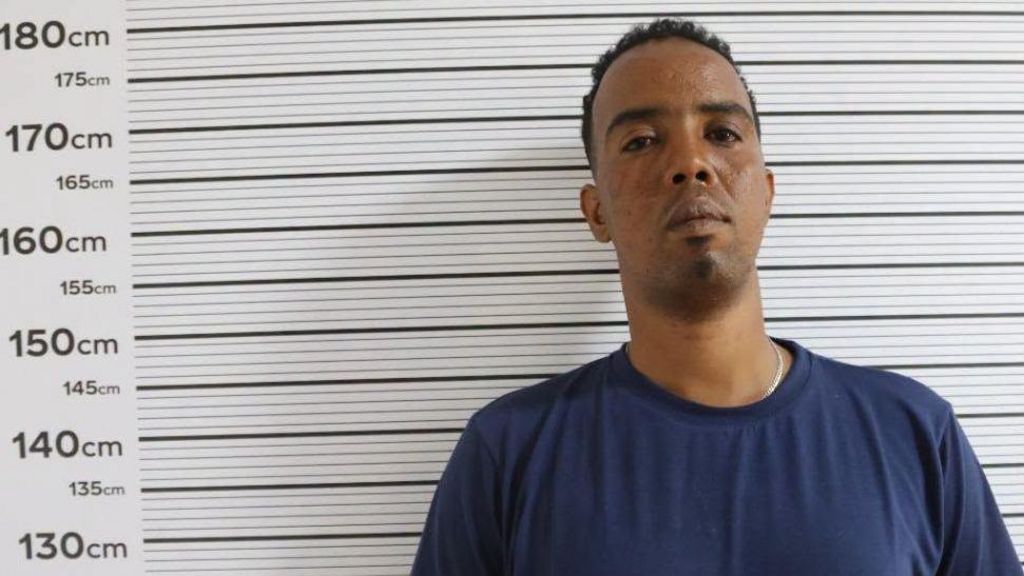
    Ethiopian law enforcement officials have announced a major breakthrough in the fight against cross-border human trafficking, with the arrest of 17 suspects believed to be part of a multi-million-dollar criminal ring responsible for dozens of migrant deaths and widespread abuse. The operation, which unfolded over 15 days targeting locations in Ethiopia’s capital Addis Ababa and the eastern city of Harar, netted the alleged ringleader Mohammed Tahir, who is also known by the alias “Wordi”.

    According to Ethiopian Federal Police, the criminal network stands accused of a string of heinous crimes that date back years, including the deaths of at least 60 migrants, sexual abuse of multiple female trafficking victims, and systematic torture of Ethiopian migrants held in facilities in Yemen. Authorities estimate the gang illegally extracted more than 1 billion Ethiopian birr, equivalent to approximately $6.1 million, from vulnerable migrants and their families over the course of their operations. As of the latest update, neither Tahir nor any of his co-accused have appeared before a court to enter pleas or issued any public response to the allegations brought against them.

    On Tuesday, law enforcement published photographs of all 17 suspects to their official Facebook page, as part of their public confirmation of the arrests. Court documents and police statements outline that the gang’s trafficking route moved thousands of Ethiopian migrants from the country through Djibouti and Yemen, before ultimately delivering them to Saudi Arabia. In total, investigators allege the network facilitated the irregular movement of more than 40,000 Ethiopian migrants through this route.

    The criminal group operated out of unregulated detention warehouses in Yemen, a country that has been decimated by years of civil war, leaving a power vacuum with virtually no functional rule of law. Yemen is currently classified as facing one of the world’s worst ongoing humanitarian crises by global human rights watchdog Human Rights Watch, a context that the traffickers exploited to carry out their abuse undetected. In one of the most disturbing details of the case, police confirmed that gang members recorded videos of torture inflicted on detained migrants, sending the footage to the victims’ families back in Ethiopia to extort additional ransom payments.

    After concluding the 15-day arrest operation, investigators have finalized the case file and submitted it to Ethiopia’s Ministry of Justice for prosecution. The evidence package supporting the charges includes witness testimony collected from survivors located in both Saudi Arabia and Ethiopia, along with documentary evidence linking the suspects to the network’s operations. Both the Ethiopian Federal Police and the Ministry of Justice have declined repeated requests from the BBC for additional context on the operation, including details of how the suspects have pleaded to the charges.

    This high-profile arrest is part of a broader, intensified crackdown on human trafficking networks launched by the Ethiopian government in recent months. Just three months prior, in April, police announced the arrest of a separate trafficking ring accused of luring thousands of Ethiopian migrants with false promises of passage to Europe via Libya. According to police spokesperson Jeylan Abdi, who first shared details of the latest arrest with BBC News Amharic, that previous case is now progressing through the national court system.

    For additional reporting from across the African continent, audiences can visit BBCAfrica.com, and follow BBC Africa’s social channels on Twitter, Facebook and Instagram for the latest updates.

  • ‘America killed my son’: The Ethiopians bombed by US in Yemen prison strike

    ‘America killed my son’: The Ethiopians bombed by US in Yemen prison strike

    # A Year After Deadly US Air Strike on Yemeni Migrant Detention Center: Grief and Unmet Demands for Justice for Ethiopian Victims

    For tens of thousands of young Ethiopians trapped between persistent poverty at home and limited legal pathways to work abroad, the dangerous smuggling route across the Red Sea to Yemen is often seen as the only shot at a better future. Many set out with little more than a dream: to earn enough to lift their families out of hardship, build a stable life, and return home with dignity. For dozens of these young men, that dream ended abruptly on April 28, 2025, when a United States air strike hit a migrant detention facility in Saada, a Houthi-held region of northwest Yemen, leaving at least 68 people dead and dozens more permanently injured.

    All of those killed were Ethiopian men, most in their early 20s, who had already endured years of peril and uncertainty before the strike. Among them was 20-something Hiwot Mehari, who grew up in the war-ravaged Tsirae district of Ethiopia’s Tigray region. Born into crushing poverty with almost no access to economic opportunity in his hometown, Mehari made the fateful choice to take the smuggling route out of Ethiopia, crossing the Red Sea to Yemen with plans to eventually reach Saudi Arabia for work. He spent two years in Rago, the lawless, violence-plagued border region between Yemen and Saudi Arabia, before being captured by Saudi border security and detained in the Saada facility.

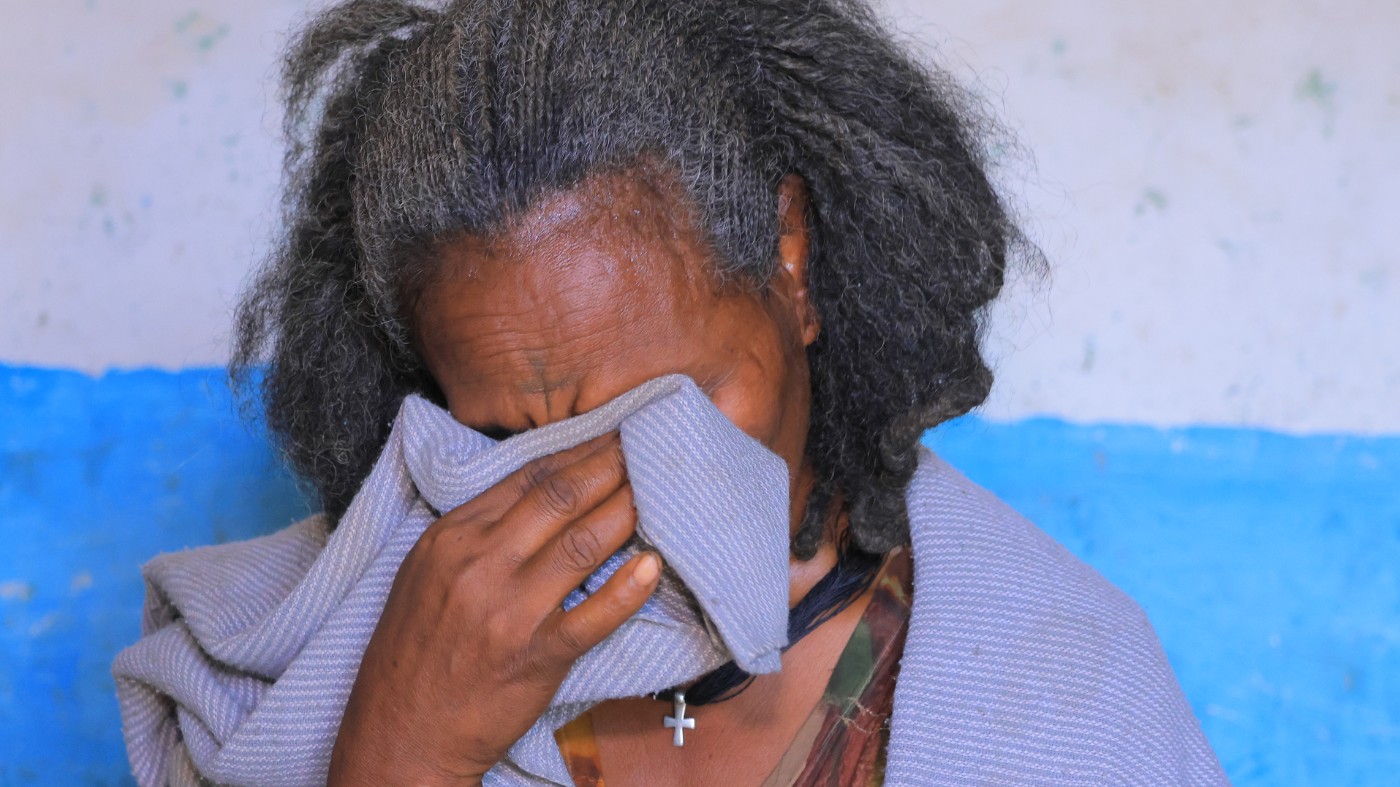
    Just 24 hours before the strike, Mehari spoke to his parents, telling them confidently, “They will release us soon and we will reunite.” The next day at noon, a neighbor delivered the devastating news to his family at their Tigray home. Mehari’s father, Mehari Akeza, says he still cannot process the loss of his son, who he waits for still. “I still can’t accept that my son is gone. I sometimes keep telling myself he will come back, and I wait for his call. How could I believe it? I wasn’t even able to properly bury my son,” Akeza told Middle East Eye in an interview, sitting alongside his heartbroken wife. His son’s mother, Mebrat Gebre, summed up the family’s agony with a question that remains unanswered: “America killed my son, my pride, why? I have never heard of a government killing prisoners for no reason.”

    Mehari’s family is far from alone in their grief. The tragedy has mirrored the pain of hundreds of other Ethiopian families who have lost young relatives to the risks of irregular migration, a crisis that continues to drive thousands of young Ethiopians toward the Gulf each month despite its dangers. Another victim of the strike, 22-year-old Tsiruy Hailu, had left Ethiopia for Yemen in 2022 to fulfill his dream of supporting his family after his father died when he was a child. As the eldest of four children, Hailu had become the family’s sole breadwinner after his father’s death. “My soul is broken, he was my all,” his mother Berhan Akeza, 47, told reporters. “He wasn’t only my son, but also the one who carried the burden of the family after his father’s death 12 years ago.” Akeza’s pain was deepened after she saw graphic footage of the destroyed detention center, showing bodies crushed under rubble. Having already survived the Tigray war, which saw United Arab Emirates drone strikes kill countless civilians, she says the trauma of her son’s death haunts her constantly: “I saw the horrific footage on someone’s mobile phone. Sometimes, I picture my son lying with his body dismembered. I can imagine how drones kill a human being.”

    Beyond the dozens killed, the strike left dozens more survivors facing permanent disability, lifelong trauma, and shattered futures. Middle East Eye spoke to three severely injured survivors, two still stranded in Yemen and one who has returned to Ethiopia, all dependent on others for basic care. Twenty-seven-year-old Haben Tuemzgi, who migrated to Yemen seven years ago hoping to save enough to open a business back home, suffered catastrophic injuries to both his legs and hands, with shrapnel still embedded in his bones that continues to cause worsening pain due to a lack of adequate medical care in Yemen. Speaking from Aden via WhatsApp, Tuemzgi described his existence as a limbo between life and death: “I am like a man between death and life. Sometimes I wish I had died instead of living like this. When I left my home, I had two legs and now I have to go back on a stretcher. Trump’s America has made all my dreams evaporate into thin air. What else can I do, I am poor. Who can sue the world’s most powerful?”

    Twenty-five-year-old Haile Wolday, another survivor, lives with constant pain from wounds to his leg and hand, saying he sees no path forward. “I have no future to see. I came here to make money and feed my family but now people are feeding me,” he said. A third survivor, who returned home to Tigray’s Gulomekeda district and requested anonymity, suffers from severe injuries to his leg and eye that require ongoing treatment he cannot afford. “I was a man with a big dream before America turned my life upside down,” he said. “I never thought that I could be a burden to my family.”

    More than a year after the strike, no progress has been made toward holding anyone accountable, providing answers to grieving families, or delivering compensation to victims and their relatives, according to Amnesty International. “One year on, US officials have failed to hold anyone accountable or even to clarify the status or outcome of the investigations they had announced a year earlier,” Erika Guevara Rosas of Amnesty International said in April. “Families of those killed in the attack on the detention centre in Yemen are still being denied basic information about what happened, [and] remain without justice for their loved ones.” The US State Department has not responded to requests for comment on the strike.

    For the families of the victims, who live in remote rural areas of northern Ethiopia that are still recovering from years of brutal war, the silence from global powers has only deepened their pain. “The world seems to have forgotten our children’s death. We want compensation,” said Hiwot Mehari’s father Mehari Akeza. Girmachew Adugna, an Ethiopian migration scholar specializing in the Horn of Africa, says the demands of grieving families are clear: “The families of Ethiopian migrants who were killed in the strike deserve justice, including a transparent investigation, accountability and appropriate compensation where warranted.” He added that Ethiopia’s current migration framework fails young men who are pushed toward dangerous irregular routes: “Existing bilateral labour agreements largely provide opportunities for domestic work for women, leaving many young men with few legal migration options. Ethiopia’s labour migration strategy should place greater emphasis on protecting the rights, safety and wellbeing of migrant workers from when they depart to when they return.”

    The strike has drawn attention to the growing irregular migration crisis in the Horn of Africa. In recent years, the Ethiopian government has sought to crack down on unregulated migration and signed bilateral agreements with Gulf states to improve working conditions for Ethiopian laborers, with the country’s labor and skills ministry reporting that more than 500,000 workers were legally dispatched abroad in 2025, and the government facilitates the repatriation of thousands of vulnerable migrants each year with the support of humanitarian groups. Still, the combination of limited decent work opportunities at home, post-conflict economic collapse in regions like Tigray, and a lack of legal migration pathways for young men continues to push thousands to take the dangerous route through Yemen. Data from the International Organisation for Migration shows that irregular migration to Yemen is rising: in June 2025 alone, more than 13,300 migrants entered Yemen, 95 percent of them from Ethiopia. Many of these migrants end up detained, abused, or killed before they ever reach their destination. For the families of the 68 young men killed in the Saada strike, the wait for justice and answers will continue, as the world’s most powerful nation remains unaccountable for their deaths.

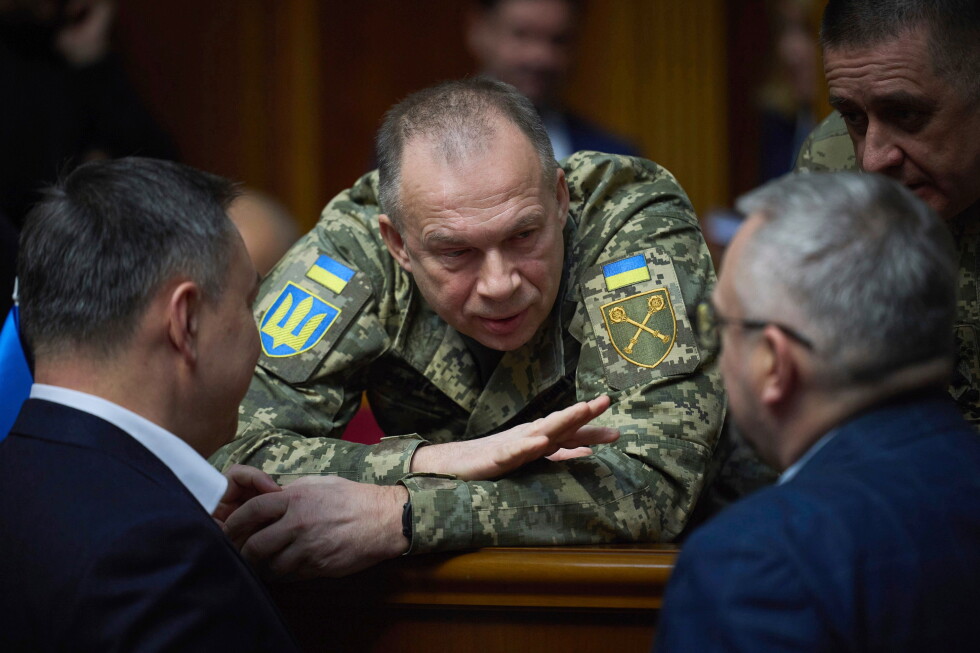
  • Zelensky sacks Ukraine’s top army commander after days of protests

    Zelensky sacks Ukraine’s top army commander after days of protests

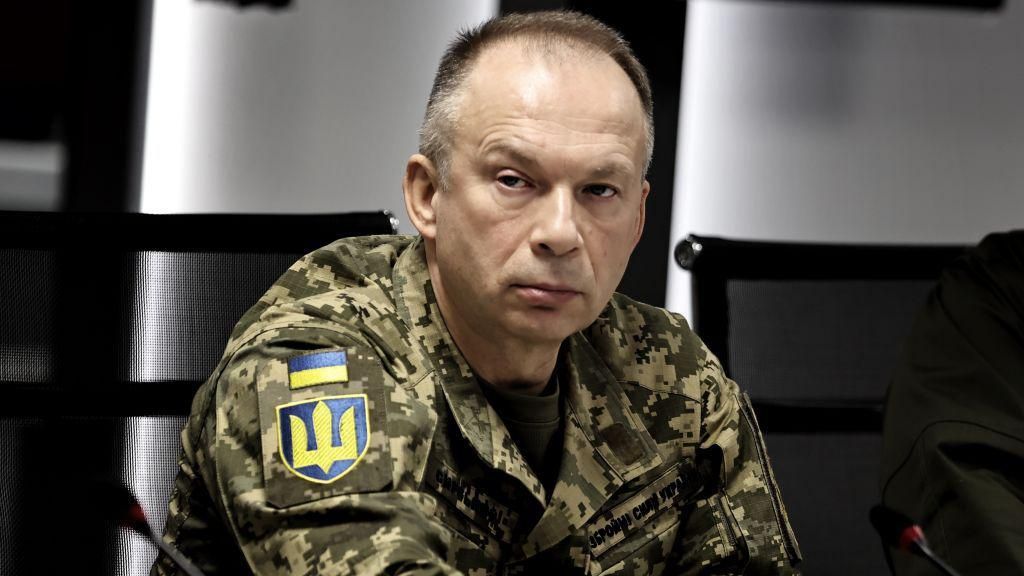
    In a sudden shake-up of Ukraine’s top military leadership that comes on the heels of widespread public unrest following a previous high-level dismissal, Ukrainian President Volodymyr Zelensky has removed Commander-in-Chief Oleksandr Syrskyi from his post. The leadership change unfolds just days after Zelensky ousted popular Defense Minister Mykhailo Fedorov, a move that already prompted spontaneous street demonstrations across multiple Ukrainian cities.

    Early speculation that tensions between Fedorov and Syrskyi contributed to Fedorov’s departure from the defense ministry has since been officially confirmed. At 35 years old, Fedorov earned broad public and political acclaim during his tenure for his work revitalizing Ukraine’s defense apparatus, modernizing the country’s armed forces, and spearheading aggressive anti-corruption initiatives within the military establishment. In contrast, 60-year-old Syrskyi has long been framed by many Ukrainian observers and political figures as a commander trained in Soviet-era military doctrine, who has repeatedly resisted calls for sweeping, modernizing reforms to Ukraine’s military structure.

    In a social media statement published late Tuesday, Zelensky publicly acknowledged Syrskyi’s service to Ukraine, specifically highlighting his critical role leading the successful defense of Kyiv during the opening days of Russia’s full-scale invasion in 2022, alongside his contributions to other key military campaigns. Syrskyi will be succeeded by Mykhailo Drapatyi, a well-respected battle-tested general who has already gained significant popular support across Ukraine. “All decisions will be formalised tomorrow,” Zelensky added in his social media post, leaving room for further details of the leadership reshuffle to be released in the coming 24 hours.

    The series of rapid leadership changes comes at a highly sensitive moment for Ukraine, as the country continues to grapple with the ongoing full-scale war with Russia, growing domestic pressure for military reform, and public scrutiny of corruption within the country’s defense sector. Analysts note that the dismissals signal a significant shift in Kyiv’s military leadership ahead of anticipated new frontline developments in the war.

  • ‘All we wanted was to bury him’: How a Gaza family struggled to recover their dead son

    ‘All we wanted was to bury him’: How a Gaza family struggled to recover their dead son

    The tragic case of Muhammed Abu Khammash, a 29-year-old Palestinian father of three with long-standing severe psychosis, lays bare the deadly human cost of Israel’s post-October 2023 military controls and territorial division of the Gaza Strip, even after the formal ceasefire took hold.

    For years before the war began, Muhammed’s family managed his condition — marked by paranoia, delusions, and unpredictable episodes — with consistent care from the Gaza Community Mental Health Centre. During acute episodes, he would receive 2 to 4 weeks of inpatient monitoring and treatment that kept his symptoms stable. But when Israel launched its military campaign in October 2023, relentless airstrikes and widespread attacks on Gaza’s healthcare infrastructure destroyed access to this life-sustaining care. Forced to flee their home and live in overcrowded displacement tents, Muhammed’s relatives became his sole caregivers.

    As the war dragged on, Muhammed’s mental state deteriorated dramatically. Two devastating family losses pushed his condition past the breaking point: first, 20-year-old brother Marwan was killed by Israeli forces while trying to collect flour for the family during Gaza’s worsening hunger crisis, and four months later, another younger brother Osama died in an Israeli airstrike while securing aid for a local orphanage. Grief unmoored Muhammed completely. He began repeatedly begging for death, shouting Osama’s name, and attempting to slip away to the Yellow Line — the de facto boundary that splits Gaza into Israeli-controlled and Palestinian-held territories — saying he wanted to find his brother or avenge his death.

    Nine family members took turns standing constant watch over Muhammed to stop him from entering the restricted zone, a precaution that reflected the well-known risk: any Palestinian who approaches or crosses the Yellow Line is routinely shot on sight by Israeli soldiers. Yet even round-the-clock care could not hold him forever. One day, Muhammed slipped away from his family’s camp. He never came back.

    The Yellow Line, established by Israeli forces on October 10, 2023, divides more than 60% of Gaza’s total territory off-limits to most Palestinians, confining the enclave’s population of roughly 2 million people to a shrinking sliver of land where overcrowding and humanitarian need have reached catastrophic levels. Israeli forces have marked the boundary with yellow concrete blocks, in some cases extending the restricted zone further into Palestinian-held territory than the original line. Dozens of Palestinians have been killed along the boundary since the ceasefire went into effect, and the true death toll remains unknown because Israeli restrictions bar families and humanitarian workers from recovering most victims’ remains, leaving bodies to decompose in open areas for weeks or months.

    Three days after Muhammed disappeared, his father Oda Abu Khammash received the devastating confirmation: Muhammed had walked toward the Yellow Line, and Israeli soldiers had fired a shell that killed him instantly. What followed was a weeks-long ordeal to retrieve his body that Oda says was more painful than the loss of his son itself.

    Access to the killing zone was completely blocked by the Israeli military, so the family turned to intermediaries with connections to Israeli-backed armed militias that operate along the Yellow Line. First acknowledged publicly by Israeli Prime Minister Benjamin Netanyahu in June 2025, these militias were activated by Israel to undermine Hamas in controlled areas of Gaza, and have been widely accused of human rights abuses against Palestinian civilians, including extrajudicial killings, abductions, and looting of humanitarian aid. Though the militias were able to locate Muhammed’s remains, they told the family they could not recover the body without formal approval from the Israeli army — a request that was initially denied.

    As Muhammed’s body lay exposed in the open for nine days, his mother refused to accept the impasse. Defying explicit orders to stay away and the constant threat of being shot, she carried a white flag and walked to the Yellow Line every day at dawn, staying until sunset to search for her son’s remains. Again and again, Israeli forces ordered her to turn back, warning they would open fire if she advanced. Each time, she refused: “If you want to shoot me, then shoot me. I’m not leaving until I bring back my son’s body,” she told soldiers through a quadcopter loudspeaker. She returned to a relative’s home near the line each night empty-handed, her anguish captured in a Facebook post by Oda, who wrote, “I haven’t seen her for two days. Before that, I avoided seeing her so she wouldn’t ask me: ‘What kind of life is this that we have, and what meaning does it hold?’ I am tired of being pitied.”

    Nine days after Muhammed was killed, the Israeli army finally granted approval for his remains to be retrieved. The family was able to bury his remains in a grave that had been left open, waiting, for days. Photographs from local journalists show Muhammed’s mother clutching a black plastic bag holding his decomposed remains, the trauma of the ordeal still raw for the entire family.

    “ I don’t exaggerate when I say the ordeal of recovering him was even harder than losing him,” Oda told Middle East Eye, a story that reflects the widespread, underreported suffering of Gaza’s families trapped between post-ceasefire military restrictions and unrelenting loss.

  • Ukraine’s Zelenskyy fires military chief after protests and names a replacement

    Ukraine’s Zelenskyy fires military chief after protests and names a replacement

    KYIV, Ukraine — In a major shakeup to Ukraine’s military leadership amid widespread public pressure, President Volodymyr Zelenskyy announced the dismissal of Gen. Oleksandr Syrskyi from his post as commander-in-chief of Ukraine’s armed forces on Tuesday. The leadership change comes after multiple days of large-scale public demonstrations across Kyiv and other Ukrainian cities, where demonstrators gathered explicitly to call for Gen. Syrskyi’s removal from the top military role.

    Shortly after confirming the dismissal via an official social media statement, Zelenskyy named Mykhailo Drapatyi as Syrskyi’s successor to lead the country’s armed forces.

    In remarks accompanying the leadership announcement, Zelenskyy emphasized that the core priority of Ukraine’s leadership and military remains unchanged: securing a full victory over invading Russian forces and shaping frontline conditions and international pressure strong enough to compel Russia to enter into negotiations for a just peace. “A significant path has been traveled, the defense of Ukraine continues, and every warrior deserves dignified treatment,” Zelenskyy added, reaffirming the country’s ongoing commitment to defending its territorial sovereignty and supporting its service members.

    The unexpected leadership shakeup marks one of the most high-profile changes to Ukraine’s military command structure in recent months, coming as the country continues to navigate a grinding war of attrition against Russian forces and shifting public sentiment over the progress of the conflict.

  • Russian warship asked to ‘clarify its intentions’ off British coast

    Russian warship asked to ‘clarify its intentions’ off British coast

    In a development that underscores rising regional military tensions in Northern European waters, the British Broadcasting Corporation (BBC) has obtained exclusive audio recording capturing a direct confrontation between a French military aircraft and a Russian warship operating off the United Kingdom’s coastline.

    The encounter unfolded when the Russian naval vessel entered the maritime area near the British coast, prompting regional military authorities to request that the warship clarify its operational intentions in the area. The recorded exchange, captured by the French aircrew patrolling the region, documents the back-and-forth communication between the French aircraft crew and the Russian warship’s command during the incident.

    This encounter comes amid a period of heightened military activity by Russian naval forces near the territorial waters of NATO member states in recent years. Defense analysts note that such close-quarters interactions between Russian military assets and Western military units have become more frequent, raising concerns about accidental escalation or miscalculation that could lead to unintended conflict.

    The BBC’s release of the exclusive audio provides a rare, unfiltered look at the kind of routine-but-tense interactions that play out over European waters as geopolitical tensions remain elevated between Russia and the Western alliance. Neither Russian defense officials nor NATO command have issued additional public comments on the specifics of this encounter beyond the exchanges captured in the recording.