博客

  • Novel follows 5 lives changed forever by Iran Islamic revolution

    Novel follows 5 lives changed forever by Iran Islamic revolution

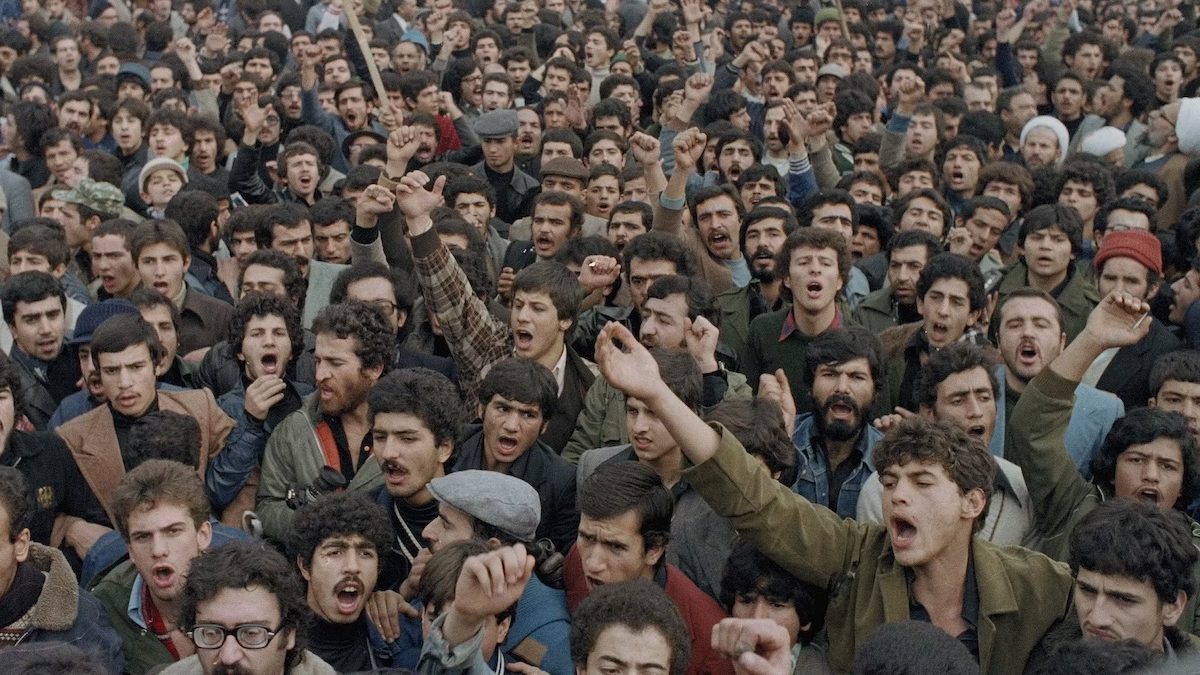
    Nominated for the 2026 International Booker Prize, Shida Bazyar’s *The Nights Are Quiet in Tehran* uses the 1979 Islamic Revolution not as a backdrop for grand historical drama, but as the quiet, unrelenting force that reshapes the fates of five ordinary family members across generations. Translated by Ruth Martin and published by Scribe, the multi-voiced, polyphonic narrative skips across decades between its four chapters, opening with a prologue that holds out hope for a free Iran in a not-too-distant future. Unlike many historical works centered on major political upheavals, this novel prioritizes the stories that official records often erase — stories that would disappear entirely without the framework of fiction.

    The story opens in the early aftermath of the revolution, following young communist teacher Behzad and his two political allies, Sohrab and Peyman, who all dream of building what they call the “real revolution” — a people-driven transformation of Iran’s core institutions that would deliver a prosperous, sovereign nation. But the divide between Peyman’s worldview and that of his comrades lays bare the roots of Iran’s repeated failed attempts at democratic reform.

    Peyman, an artist by instinct who always carries a camera, only turned to politics after the 1979 upheaval. Before that, he cared little for the ideological texts and flyers his friends championed. A pragmatic realist, he argues that the only foundations for a meaningful people’s revolution are basic needs: food, clean water, and accessible education. When the shah’s portraits are removed from classroom walls, he rejects the idea of hanging any individual’s image in their place. Behzad and Sohrab, by contrast, envision new portraits of Marx, Engels, Mao, and Lenin — ideological figures far removed from the daily lives and beliefs of most Iranians.

    Behzad, an atheist who approaches ideology with the fervor of a true believer, devotes himself to studying past revolutions and advocating for armed struggle. He dismisses the general Iranian population as uneducated and superstitious, claiming he and his comrades already understand the people — and that they themselves are the authentic voice of the people. He argues that violence is a necessary tool for political change, failing to recognize that violence committed in the name of “the people” is no different from violence committed in the name of God: both ultimately serve to prop up illegitimate power. It is only a decade later, living in exile in Germany, when Behzad learns that Peyman has been executed that he finally confronts the true human cost of the violence he once championed. Peyman’s death — of a man who understood rational truth but could not persuade others to follow him — becomes a haunting metaphor for the death of reason itself in a nation where ideological believers of all stripes treat violence as the only solution.

    As the story shifts to life in German exile, the narrative moves to Behzad’s wife Nahid, whom he married before the couple fled persecution. Plagued by a suffocating, constant loneliness as she struggles to adapt to what she calls the “cold language” of her new home, Nahid’s experience echoes the words of Polish poet Czesław Miłosz: “Language is the only homeland.” Her deep melancholy stems from the untranslatable nature of culture and identity — a rift that even her own daughter, Laleh, recognizes, once saying “I really don’t want to know what it feels like to be Mama.” Just as a poem can never retain all its nuance when moved to another language, migrants can never fully integrate into a new culture without losing a core part of themselves. Nahid reflects that a translated poem of the 14th-century Persian poet Hafez, exiled to a foreign tongue, mirrors her own exile: even if the words are there, the essence is lost. A once-educated and confident woman, she feels like a child again in Germany, unable to navigate the unspoken rules of her new society and even afraid she will pass on mistakes to her daughter while helping with homework.

    This intergenerational rift of identity and belonging deepens with Laleh’s perspective. In 1999, when a reformist Iranian president opened the country to limited travel, Laleh returns to Iran with Nahid. Though she is welcomed and cherished by her extended family, she feels like an outsider. Even in Germany, the only country she has ever truly known, she faces constant small reminders that she does not fully belong: a magazine seller questions whether she can read German; she worries others dismiss her father because of his grammatical mistakes; she fears strangers will recognize the family as foreigners and set fire to their car on a road trip. While she does not experience the crippling loneliness her mother endures, her identity is fractured between two worlds, with no single place that feels fully like home.

    As with any work of historical fiction, the novel carries small inconsistencies that readers familiar with Iranian culture and history will notice. For example, a passing claim that premarital sex carries the death penalty in Iran is inaccurate, as capital punishment for sexual offenses is only applied to adultery and rape. Another anecdote about a schoolgirl having her fingernails pulled out for wearing nail polish feels exaggerated outside the context of political imprisonment, and a small scene of a young man courting Laleh in a cafe lacks logical consistency. But these minor flaws do little to undermine the novel’s core power.

    Novelist Toni Morrison once wrote that official historical accounts erase the interior lives of ordinary people, and that fiction acts as a form of “literary archaeology” — a practice that can reconstruct lost pasts and revive the voices of those silenced by larger political forces. That is exactly what Bazyar achieves with her sharp, incisive prose in *The Nights Are Quiet in Tehran*. This book does not just tell a story of revolution and exile: it gives voice to the people history forgets.
  • Zelensky to press Trump on air defences while in Washington

    Zelensky to press Trump on air defences while in Washington

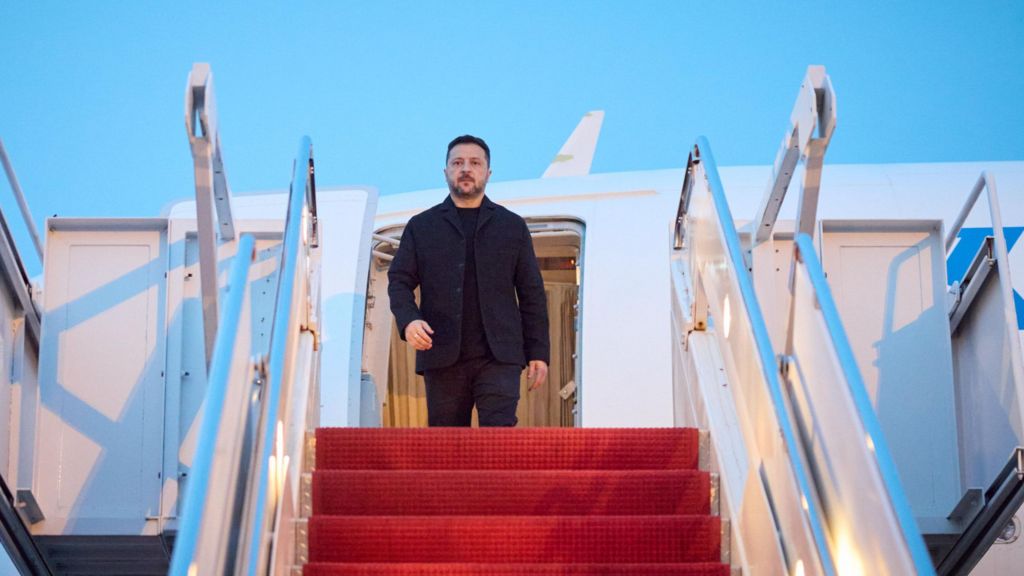
    As Volodymyr Zelenskyy touches down in Washington for high-stakes talks with U.S. President Donald Trump at the White House, the Ukrainian leader is prioritizing one urgent, long-sought goal: locking in firm commitments to strengthen Kyiv’s air and ballistic missile defense capabilities amid a sharp escalation of Russian long-range attacks.

    The visit comes at a pivotal moment in Russia’s full-scale invasion of Ukraine, with both sides ramping up cross-border drone and missile strikes. In overnight operations this week, Moscow reported that more than 390 Ukrainian drones targeted the Russian capital and surrounding regions between 8:30 p.m. Monday and 6:30 a.m. Tuesday local time. Russian air defense systems intercepted most of the unmanned aerial vehicles, but verified footage from BBC Confirm shows damage to a high-rise residential building in Chekhov, south of Moscow, and a large fire at a warehouse in the western Moscow suburb of Berezhki. Local authorities confirmed no fatalities or serious injuries from the strikes.

    Since Zelenskyy’s last conversation with Trump in early July, Ukrainian forces have increasingly targeted Russian logistics infrastructure, including four warehouses belonging to major Russian e-commerce retailer Wildberries. The strikes have worsened operational disruptions for small and medium-sized businesses across multiple regions of Russia.

    Zelenskyy’s top ask at this week’s White House meeting is moving forward on a previously floated plan to grant Ukraine a license to domestically produce Patriot air defense interceptors. Russian forces have dramatically stepped up deadly ballistic missile attacks on Ukrainian cities in recent weeks, and Zelenskyy has repeatedly emphasized that Kyiv faces a critical shortage of interceptors to protect civilian infrastructure. While Patriot systems have topped Ukraine’s military assistance wishlist for years, global stockpiles of the U.S.-made interceptors have been depleted by ongoing conflicts in both Ukraine and the Middle East, leaving very limited supplies available for transfer.

    Turning a license agreement into full co-production of the advanced PAC-2 and PAC-3 Patriot variants on Ukrainian territory will require navigating a complex web of political, legal and technical hurdles, a process that could take many months to complete. Still, there are early signs of movement: a delegation from Raytheon, the U.S. defense manufacturer that produces Patriot systems, traveled to Kyiv last week, and Zelenskyy said the company has expressed readiness to deepen bilateral defense cooperation.

    The Washington visit is not limited to talks between Zelenskyy and Trump. Both Zelenskyy and Israeli Prime Minister Benjamin Netanyahu are in the U.S. capital to attend the funeral of longtime Republican Senator Lindsey Graham, who passed away earlier this month at the age of 71. After meeting with Zelenskyy, Trump will hold his first in-person meeting with Netanyahu since the outbreak of the U.S.-Israel war with Iran in late February.

    Tensions between the two conflict zones spilled over over the weekend, when Ukrainian forces struck an Iranian cargo vessel operating in the Caspian Sea. Kyiv has labeled Iran a direct accomplice to Russia’s invasion, claiming it has evidence that Russia has shared classified satellite intelligence with Tehran that has enabled Iranian attacks on U.S. military installations and Gulf Arab states. When asked about the allegation last week, Trump said he would question Russian President Vladimir Putin to verify the claim, but added that even if it proved true, it would not change U.S. policy at this time.

    On the Russian side, President Putin struck a defiant tone during remarks to the Russian State Duma on Monday, framing recent Ukrainian strikes on Russian territory as “terrorist methods” targeting civilians that would never break the spirit of the Russian people. “We will achieve our objectives and will together do everything for victory, for Russia,” Putin told lawmakers.

    The war took an unexpected diplomatic turn over the weekend, when Kazakh President Kassym-Jomart Tokayev, a longstanding Russian ally, publicly questioned Moscow’s war aims. Tokayev said that the roots of the full-scale invasion remained “not understandable” to him, and called for an immediate cessation of hostilities to open the door for peace negotiations. He proposed revisiting the 2022 Istanbul negotiation framework, labeled “Istanbul formula 2.0,” as a starting point for talks. But Kremlin spokesman Dmitry Peskov rejected the proposal on Monday, saying that a freeze in hostilities was impossible under current conditions “given Kyiv’s position.”

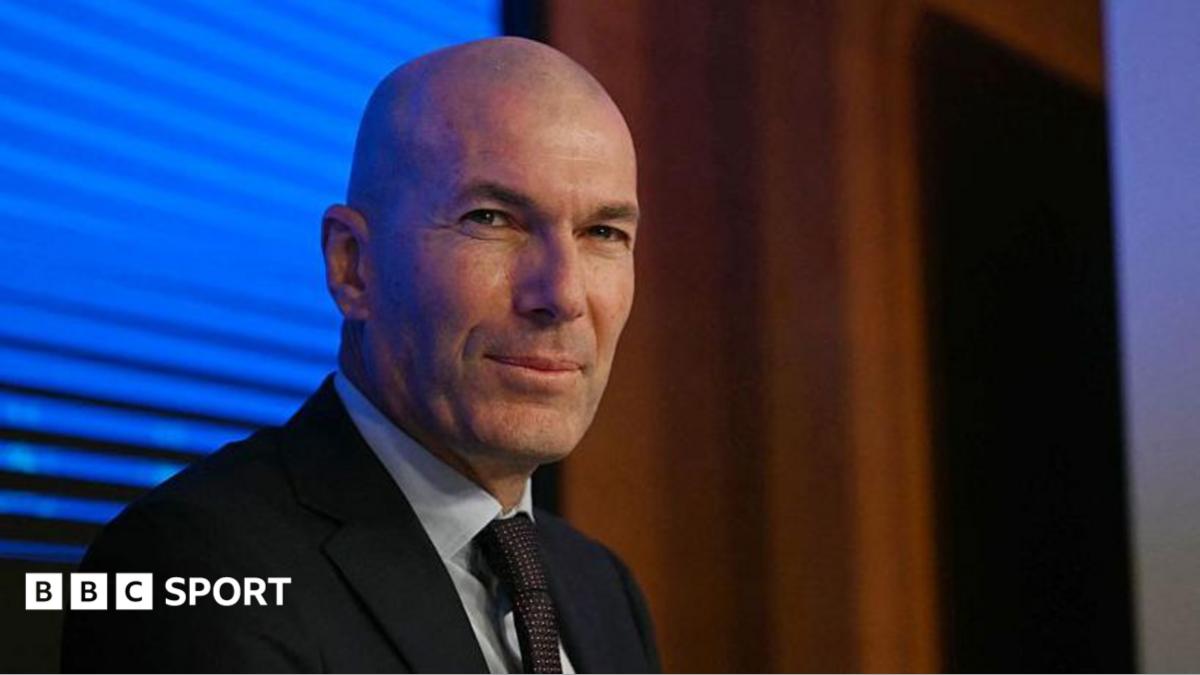
  • ‘Only job I wanted’, says new France coach Zidane

    ‘Only job I wanted’, says new France coach Zidane

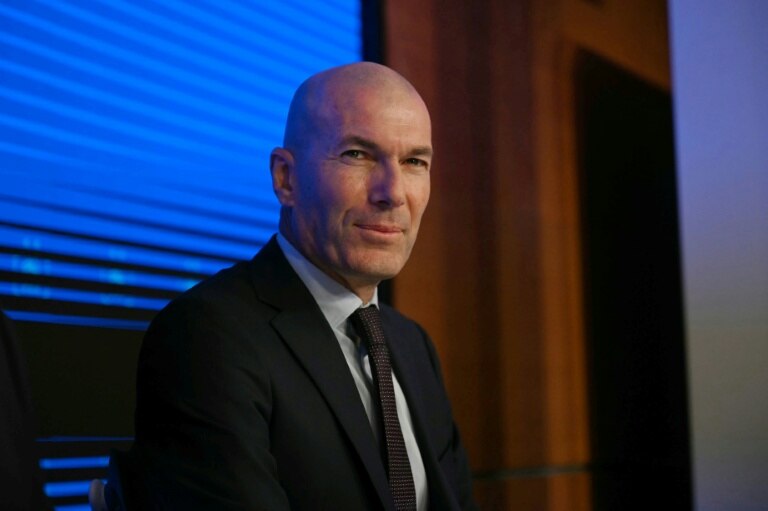
    In a widely anticipated appointment that has dominated French football headlines for months, the French Football Federation (FFF) officially announced Tuesday that legendary former French midfielder Zinedine Zidane will take the reins as the new head coach of the men’s national team, signing a four-year contract that extends through the 2030 FIFA World Cup co-hosted by Spain, Portugal and Morocco.

    The 54-year-old coaching icon, who has been tipped as the favorite for the role ever since former manager Didier Deschamps stepped down earlier this month following France’s fourth-place finish at the 2026 World Cup, has spent years patiently waiting for an opening to lead Les Bleus. Deschamps, who held the national team post since 2012, leaves behind a formidable legacy: he guided France to a World Cup title in 2018 and a runners-up finish at the 2022 tournament.

    Speaking at his official unveiling in Paris Tuesday, Zidane opened up about the overwhelming emotion of landing the only role he ever wanted in management after stepping away from Real Madrid in 2021. “For me, it’s an immense joy… being able to become the coach of this French team. I don’t have any other words,” he said. “I’m holding myself back because I have so many emotions inside me. I’m ready for the challenge, that’s what drives me today.”

    A decorated winner for France as a player, Zidane scored two iconic goals in the 1998 World Cup final against Brazil to secure France’s first-ever world title, and later lifted the UEFA European Championship trophy with the national side in 2000. He was also a teammate of Deschamps during that 1998 World Cup triumph, and becomes the third former 1998 champion to manage the national team, following Deschamps and Laurent Blanc, who held the role from 2010 to 2012.

    Notably, Zidane turned down every club coaching offer he received over the past four to five years to hold out for the France job. “The France job was the only one I wanted,” he confirmed, after meeting with fans outside FFF headquarters, signing autographs and posing for photos with waiting supporters. “I’ve had offers over these four or five years to take charge of a club and I turned them all down for the French national team.”

    Zidane’s entire club coaching career to date has been spent at Real Madrid, where he cemented his place in Champions League history by leading the Spanish giants to three consecutive UEFA Champions League titles between 2016 and 2018 — a historic achievement that has never been matched in the modern era of the competition. While he acknowledges that leading a national team is a far different challenge than club management, he said the new test does not faze him. “I think it’s a completely different job, that’s for sure. I’ve experienced the club side of it. Now this is something new for me, but it doesn’t scare me,” he explained.

    Staying true to his own approach while building on the success of his predecessors is Zidane’s plan moving forward. “’DD’ (Deschamps) is ‘DD’, Blanc was Blanc and ‘Zizou’ is Zizou,” he said, referencing his well-known nickname. “I will do things the way I know how to do them.” His core priority remains clear: continuing France’s legacy as one of the world’s top international football sides. “I’m going to give everything so that this team keeps on winning. That’s it, the only thing that drives me is being able to work for this France team and making sure it keeps on winning.”

    FFF President Philippe Diallo revealed that talks with Zidane first began back in February 2025, shortly after Deschamps initially announced he would step down following the 2026 World Cup. Diallo said one line from their first conversation ultimately sealed the deal for Zidane’s appointment. “There was one thing that struck me, that perhaps ultimately made the difference. During the conversations we had, he said to me, ‘President, I know how to win.’ When he said that, I saw someone who had both the desire and the self-belief needed to lead France. That is what it takes for our national team to remain successful in the years ahead.”

    Zidane will make his debut on the France sidelines later this year, with his first match in charge an away UEFA Nations League fixture against Turkey on September 25. His first home game at the iconic Stade de France will follow a week later on October 2, when France hosts Italy.

  • NATO member Romania shoots down stray drones from Ukraine war after years of incursions

    NATO member Romania shoots down stray drones from Ukraine war after years of incursions

    For nearly two and a half years, the full-scale Russian invasion of Ukraine has created a persistent, dangerous headache for one of its closest neighbors: Romania, an Eastern European member of both the European Union and NATO. Repeated incursions by stray drones originating from cross-border attacks on Ukraine have violated Romanian sovereignty, damaged property, and even injured civilians, forcing a long-controversial policy shift: Bucharest has formally approved shooting down unauthorized drones entering its airspace, and has already made good on this new strategy.

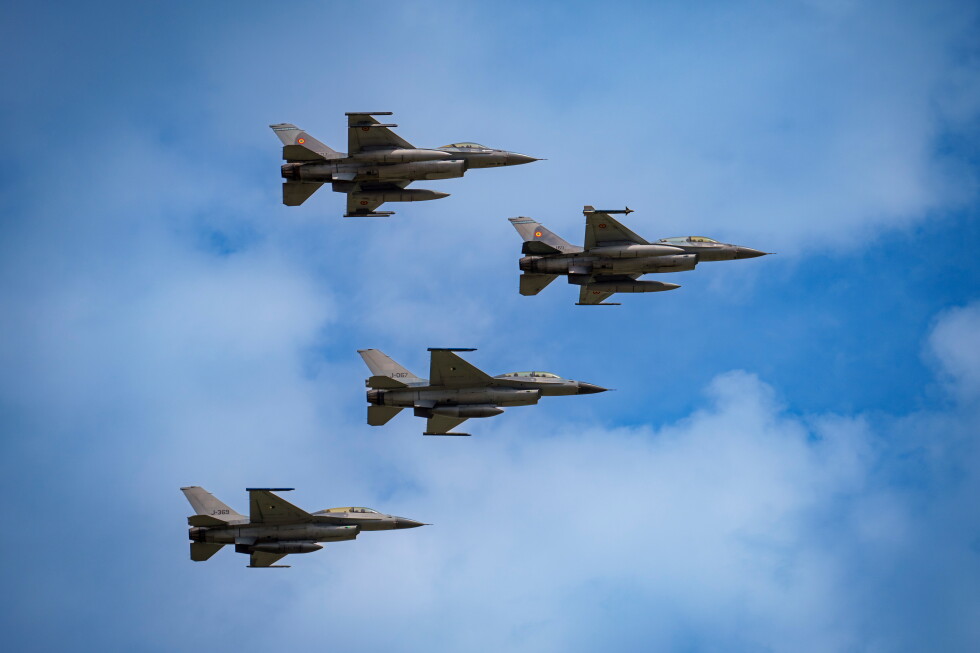
    Starting last Friday, Romanian pilots flying F-16 fighter jets intercepted and shot down three unidentified drones in three consecutive days, as Russia ramped up missile and drone strikes on Ukrainian infrastructure near the shared border. After military forensics confirmed the downed aircraft were of Russian origin, Romanian officials took swift diplomatic action: on Monday, they summoned Russia’s ambassador to Bucharest to deliver a formal protest, and ordered one Russian diplomatic staff member expelled from the country, giving the individual five days to depart.

    This marks a sharp break from Romania’s previous approach to drone incursions. For years after the full invasion began in February 2022, Romanian authorities responded to intrusions by scrambling jet fighters to intercept aircraft, collecting downed debris and fragments, constructing emergency fallout shelters along the border, and issuing repeated diplomatic reprimands to Moscow. Late last year, following a wave of incursions across NATO’s eastern flank, Romania and neighboring Poland jointly acquired the MEROPS counter-drone system, a short-range defensive tool designed to disable or destroy incoming stray unmanned aircraft. Even after passing legislation authorizing the military to shoot down incursive drones last year – a move that faced fierce opposition from nationalist domestic political parties – Bucharest held off on implementing the policy until recently.

    Drones and drone fragments have crossed into the territory of multiple European Union nations since the war began, but the issue has been uniquely persistent for Romania. Official data from Romania’s Ministry of National Defense shows that at least 19 drones have violated Romanian airspace in 2024 alone, and a total of 50 confirmed incidents of drones or drone debris ending up on Romanian territory have been recorded since the war launched in February 2022. The most high-profile prior incident came in May 2024, when a stray drone crashed into an apartment block in the eastern Danube River port town of Galati, leaving a mother and her child injured.

    Military analysts say that Galati incident acted as a critical psychological turning point for Romanian authorities. Speaking to reporters, Romanian military analyst Radu Tudor explained that the civilian injuries changed the government’s long-standing approach, adding, “This was somehow a kind of psychological trigger, in order to say: ‘OK, enough is enough.’” Tudor also noted that the policy shift likely reflects a broader change across NATO, rather than just a unilateral Romanian decision. “Until now, it probably was an Allied decision in NATO not to respond with firepower, because it was somehow a danger of escalation,” he said. “I think it’s not only a change of attitude of Romania, I think it’s a change of attitude in NATO.”

    This is not the first time Romanian forces have shot down a stray drone in the region. Back in May, Romanian pilots, who rotate through deployments in Lithuania as part of NATO’s collective eastern flank defense capabilities, shot down a stray Ukrainian drone over Estonian airspace. That interception provided critical tactical experience that the Romanian military used to refine its procedures for downing incursive drones. “We recorded more than 100 attacks with drones near our border with Ukraine, and many of them resulted in debris or even drones that penetrated our airspace,” Cristian Popovici, head of public relations for the Romanian defense ministry and a former air defense officer, told the Associated Press. “Our pilots and our air force, we developed the tactics, procedures, and now we can face and we can eliminate this threat.” Popovici added that after the Estonian interception, the military applied the lessons learned, resulting in a 100 percent success rate for the three intercepts carried out last week.

    Romanian President Nicusor Dan publicly praised the pilots following the interceptions, and firmly placed blame for the incursions on Moscow. “It is unacceptable and intolerable for the Russian Federation to continue violating Romanian airspace,” Dan said. To date, Romania has become the only NATO member on the eastern flank to shoot down four incursive drones: three on its own territory and one over Estonia. The tough stance from Bucharest aligns with a recent message from NATO Secretary-General Mark Rutte during the alliance’s summit in Ankara, Turkey earlier this month: “Don’t play with us.”

    Moscow has rejected all accusations of responsibility for the incursions. In a statement posted to its official Facebook page, the Russian embassy in Bucharest denied the claims, saying Russia “has never directed and does not direct combat drones” to Romanian territory, and called the allegations “completely unfounded.” The embassy also warned that the unprovoked expulsion of a Russian diplomatic staff member “will not go unanswered.”

    Despite its new hardline approach to stopping incursions, Romanian officials have emphasized that the country has no intention of being drawn directly into the ongoing Russia-Ukraine war. “We are in a peacetime, we are not involved in this fight,” Popovici said. “If Russia wants to escalate with NATO, it’s up to them. I’m not sure it’s a wise move now.”

  • Magnitude 7.1 quake in Japan leaves several injured

    Magnitude 7.1 quake in Japan leaves several injured

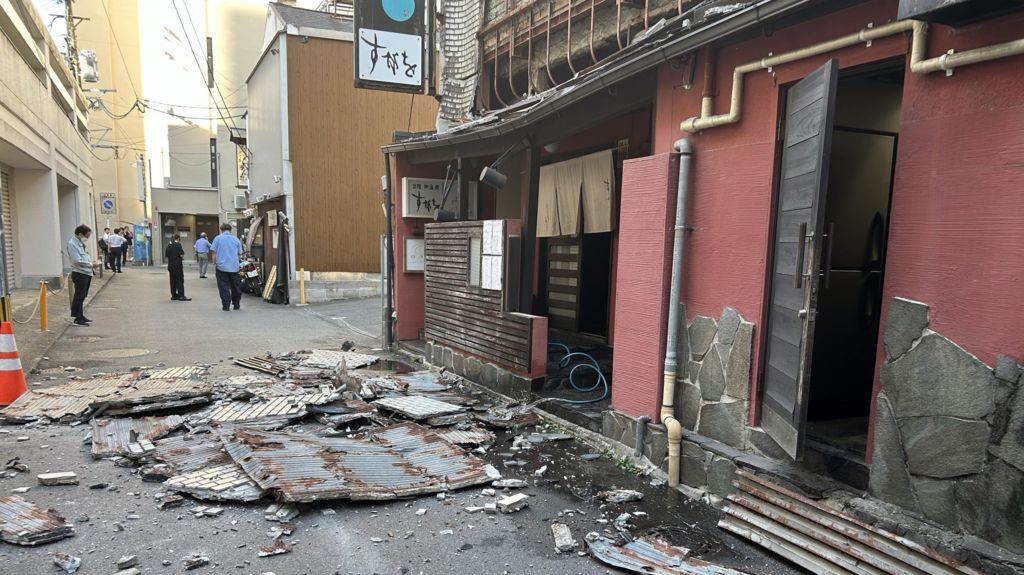
    On a Tuesday afternoon local time, a powerful magnitude 7.1 earthquake jolted inland southwestern Japan’s Kumamoto City on Kyushu Island, triggering immediate emergency responses across the region. The seismic event hit at 16:27 local time (07:27 GMT), with a shallow epicenter just 10 kilometers below the Earth’s surface – a geological detail that has left national weather officials warning of potential strong aftershocks in the coming days.

    Shortly after the quake struck, authorities issued a temporary tsunami advisory for coastal areas of the island, but the alert was fully lifted within an hour. Despite the quick end to the tsunami warning, damage has already been documented across the affected region: national public broadcaster NHK aired raw footage showing fractured road surfaces, damaged bridge infrastructure, and multiple active structure fires in populated areas.

    As of the latest official updates, more than 150,000 residents have been ordered to relocate to designated emergency evacuation shelters. Dozens of people have been confirmed injured, with NHK reporting that 10 of those hurt are residents of a local elderly care facility, and at least 50 injured people are currently receiving inpatient care at regional hospitals. Prime Minister Sanae Takaichi confirmed that emergency teams are still conducting widespread damage assessments to tally the full scope of injuries and property destruction.

    Critical public services have been disrupted across the hardest-hit zones: regional passenger rail services have suspended all operations, and power outages have cut electricity service to thousands of residential properties. Chief Cabinet Secretary Minoru Kihara announced that multiple first responder units have already been deployed to the region, including personnel from the Japan Self-Defense Force, national fire services, and the Japanese Coast Guard.

    In a public statement, Kihara urged residents in high-severity shaking zones to remain vigilant. “We urge residents in areas where the shaking was particularly severe to pay close attention to evacuation information issued by local authorities via radio, television and the internet, and to act calmly,” he said.

    Japan’s location along the geologically active Pacific Ring of Fire makes it one of the most earthquake-prone nations on the planet, with an average of 1,500 detectable seismic events recorded annually. This latest quake comes on the heels of recent seismic activity in the country: a magnitude 7.5 earthquake that struck northeastern Japan last December left 30 people injured, and the 2011 Great East Japan Earthquake – a magnitude 9 event off the country’s eastern coast – triggered a catastrophic tsunami that claimed more than 18,000 lives. Additional reporting for this story was provided by Chie Kobayashi in Tokyo.

  • Ebola cases in Congo top 3,200, nearing record of the country’s worst outbreak

    Ebola cases in Congo top 3,200, nearing record of the country’s worst outbreak

    In an overnight statement released by the Democratic Republic of Congo’s Ministry of Health, confirmed cases of the ongoing Ebola outbreak in the country’s eastern region have climbed to 3,262 — a figure that puts it nearly on par with the 2018-2020 outbreak, the second-largest Ebola event recorded in Congo’s history. Of the total confirmed cases, 1,437 patients have already succumbed to the virus, marking the fastest-moving Ebola outbreak the country has ever faced, with transmission heavily concentrated in Ituri province. To contextualize the scale of the current crisis, the 2018-2020 outbreak, which spread across Congo and into neighboring Uganda, unfolded over roughly 24 months, ultimately recording just over 3,400 cases and more than 2,200 deaths, per data from the U.S. Centers for Disease Control and Prevention. Globally, the deadliest Ebola outbreak on record remains the 2014-2016 West African epidemic, which claimed more than 11,000 lives among 28,000 confirmed cases.

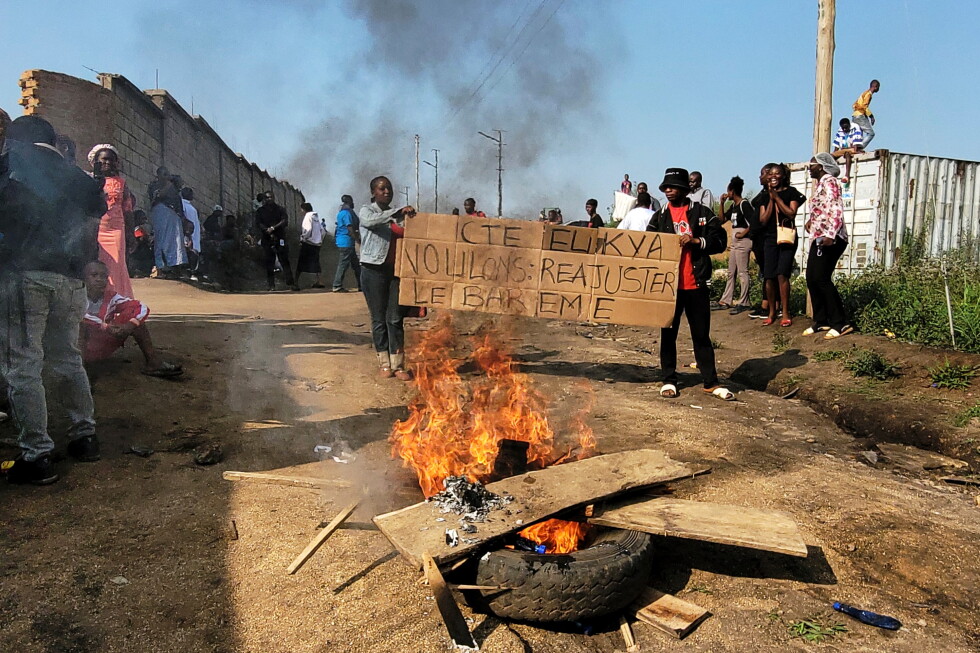
    The alarming speed of the current outbreak, which was first declared on May 15, stems from a cascade of overlapping challenges that have hampered containment efforts. Unlike most previous Ebola events, this outbreak is driven by the Bundibugyo virus, a strain for which no specifically approved vaccines or targeted treatments currently exist. Beyond the lack of medical countermeasures, response teams have been forced to operate amid widespread instability: rebel violence in eastern Congo, delayed wage payments that have triggered strikes among frontline health workers, and safety concerns that have left many high-risk communities either entirely cut off from care or abandoned by responders. Attacks by armed groups and disgruntled local residents have further disrupted efforts to reach vulnerable populations.

    Adding to the complexity of containment, public health officials have yet to identify patient zero, the initial case that sparked the outbreak. Large-scale population displacement caused by ongoing armed conflict, combined with the presence of unregulated illegal mining operations in the region, has made contact tracing for thousands of people exposed to the virus nearly impossible to complete. As a result, the virus has continued to outpace the ability of health teams to track and isolate new cases, even as international and local response efforts have expanded.
    “In just 10 weeks, we have reached nearly the same number of cases recorded over an almost two-year outbreak. This is alarming and should stop us in our tracks,” Onesphore Bangenza, Mercy Corps’ response team lead based in Bunia, the capital of Ituri province, told reporters Tuesday. “There is no doubt that the virus is moving faster than we can contain it.”

    Despite the grim trajectory of the outbreak, small signs of progress have begun to emerge in recent days. Early in the crisis, deep distrust between local communities and health workers fueled resistance to response efforts, but that tension has softened in some of the hardest-hit areas. In Mongbwalu, a major mining town at the epicenter of the outbreak where residents burned down multiple Ebola treatment centers earlier this year, community leaders now say they are ready to collaborate with response teams.
    “We can never again wage war against the Ebola teams. We have lost members of our families. As a community, we have a vested interest in fighting Ebola to return to normal life,” said Fabrice Mumbesa, a long-time resident of Mongbwalu.

  • Firefighters on offensive in France, Spain as new heatwave arrives

    Firefighters on offensive in France, Spain as new heatwave arrives

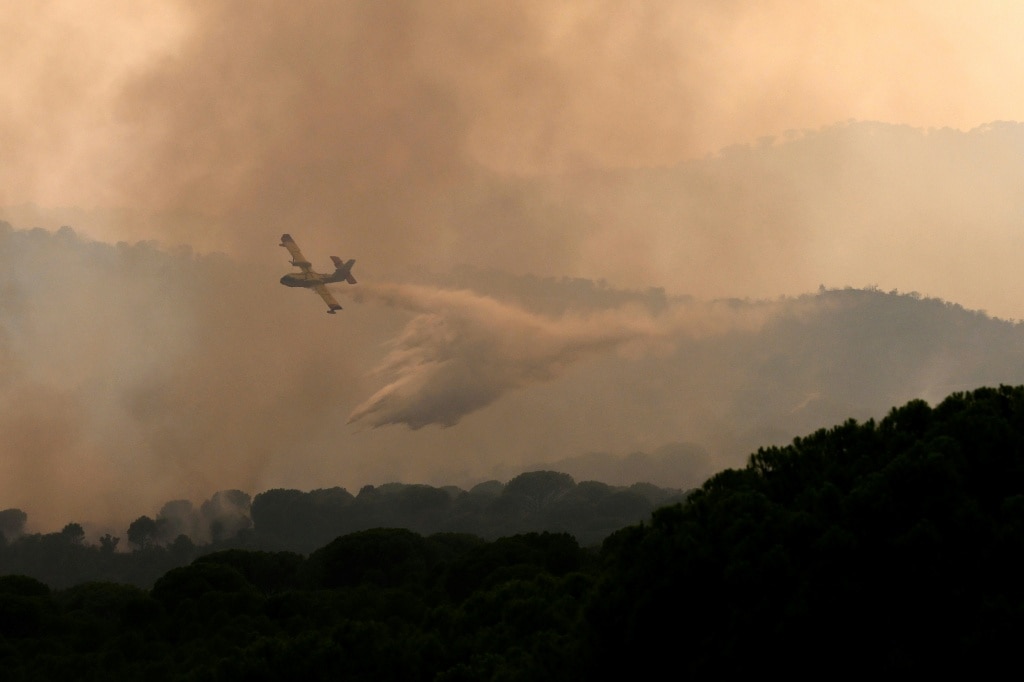
    As Western Europe braces for a second blistering heatwave this week, firefighters across France and Spain are working around the clock to corral the most destructive wildfires the region has seen in decades, leveraging a narrow window of slightly cooler conditions before soaring temperatures return to fan the flames.

    The fast-spreading infernos have already carved a devastating path through thousands of hectares of forest, reducing hundreds of residential structures to ash and forcing mass evacuations that have displaced tens of thousands of residents. With meteorologists forecasting a return of oven-like heat — starting Tuesday in France and Wednesday in Spain — emergency crews are locked in a race against time to get existing blazes under control before extreme conditions return.

    On France’s Cap Ferret peninsula, where civilian volunteers have helped carve a massive 50-meter-wide, 25-kilometer-long firebreak to contain the blaze near Bordeaux, regional fire commander Eric Pitault said crews were holding the line against the inferno, though he acknowledged that teams were growing exhausted after six straight days of battle. Since the blaze ignited, it has scorched more than 42,000 hectares (103,000 acres) of land, forced 220,000 people to flee their homes, and destroyed 240 dwellings. While overnight flare-ups were reported in the northern part of the peninsula, French authorities confirmed these outbreaks have been contained, and the total burned area has not expanded.

    In Spain, the toll is even greater: wildfires burning primarily west of Madrid have already consumed 77,000 hectares (190,000 acres) — an area nearly as large as New York City — and forced 60,000 residents to evacuate. Outside the Madrid-region town of Aldea del Fresno, displaced locals waited in lines of cars at roadblocks on Monday, hoping for permission to return to their homes to check on properties and rescue stranded pets. But Spanish civil security forces blocked re-entry, citing extreme risks from toxic wildfire smoke. Galia Borisova, a 55-year-old domestic worker waiting to reach her animals in nearby Picadas, said authorities had warned even masks could not filter the thick smoke, a risk she could see firsthand from her position at the roadblock.

    The ongoing crisis is the latest manifestation of a broader trend of extreme weather that has gripped Europe throughout 2024, with consecutive back-to-back heatwaves and a widespread continental drought that scientists directly link to human-caused climate change. Years of rising global temperatures have created the ideal conditions for catastrophic wildfires: the preceding wet, mild winter and spring allowed vegetation to grow thick and lush, but months of extreme heat have dried that vegetation out, turning vast swathes of the European countryside into a massive tinderbox ready to ignite at the smallest spark.

    Leaders of both nations have acknowledged the new reality of climate change that is driving these repeated disasters. Spanish Prime Minister Pedro Sanchez described the ongoing wildfire crisis as “the most painful expression of a climate emergency,” while French President Emmanuel Macron warned the public that “the coming weeks will be tough and we have to hold out.”

    The crisis is already stretching European emergency resources thin, and EU crisis management commissioner Hadja Lahbib warned that the danger is not limited to France and Spain. Extreme fire risk is also building across central and eastern Europe, with conditions expected to worsen in Hungary, Slovakia, the Czech Republic, and Portugal in the coming days. “Extreme conditions are looming for Hungary, Slovakia and the Czech Republic, in addition to France, the Iberian Peninsula… where the situation is expected to worsen, including in Portugal starting today,” Lahbib said.

    Spain’s national meteorological agency AEMET has confirmed the new heatwave will last through at least the end of this week, with forecasts calling for temperatures as high as 42°C (107.6°F) in the country’s northeast and 39°C (102.2°F) in central regions. For its part, MeteoFrance is forecasting high temperatures of up to 40°C (104°F) across the country starting Tuesday, paired with dry, gusty winds that will only increase fire risk. Spanish Interior Minister Fernando Grande-Marlanka said Sunday that the next 48 hours would be “absolutely decisive” for containing the large wildfires burning outside Madrid before the new heatwave hits.

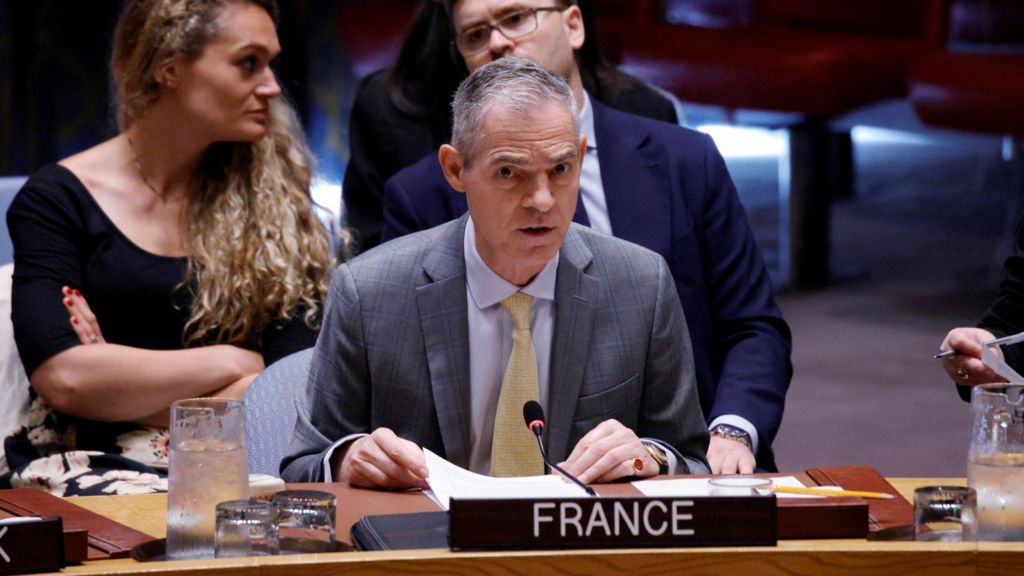
  • US walks out of UN Security Council meeting during France’s remarks

    US walks out of UN Security Council meeting during France’s remarks

    A sharp diplomatic dispute erupted between the United States and France at the United Nations this week, culminating in a full walkout by the US delegation during an emergency Security Council session focused on the ongoing Ukraine-Russia war. The confrontation traces its roots back to a General Assembly vote late last week that renewed the term of Volker Turk, the UN High Commissioner for Human Rights.

    During that vote, the United States broke ranks with most of the international community, joining a small bloc of opposing states that included North Korea and Russia. Just 10 nations voted against extending Turk’s tenure, while 144 supported his reappointment and 13 abstained. Within hours of the vote, France’s UN mission issued a sharp rebuke of Washington’s position on the social platform X, declaring that the United States, once widely viewed as a global beacon for human rights, could no longer claim that mantle, and drawing an explicit comparison between Washington’s vote and those of authoritarian regimes.

    The critique did not go unanswered. US ambassador Mike Waltz fired back, claiming that France had backed a human rights chief who repeatedly lectured democratic nations while cultivating close ties to what he described as the world’s worst oppressors. Waltz did not offer additional details to support his accusation, though Turk has drawn international attention for his public criticism of two high-profile conflicts: Russia’s full-scale invasion of Ukraine, and Israel’s military operations in the Gaza Strip.

    Tensions boiled over on Monday, when the US delegation left the chamber mid-speech during an emergency Security Council meeting on the Ukraine war. France’s UN ambassador Jerome Bonnafont, who was delivering the address at the time of the walkout, has been one of Turk’s most prominent defenders, describing the human rights chief as an unflinching voice of global conscience who displayed unwavering rigor and impartiality throughout his first term in office.

    Following the walkout, US ambassador Dan Negrea made clear that the protest was intentional, stating that Washington would continue similar actions until France formally renounces what Negrea called condescending and disrespectful rhetoric against the United States.

    The dispute over Turk’s reappointment lays bare long-simmering tensions between the current US administration and the United Nations system. Echoing policies first implemented during the previous Trump administration, US officials have signaled they are ready to cut funding and reduce engagement with UN bodies they view as unaligned with American interests. After last week’s confirmation of Turk’s second term, US ambassador Jeff Bartos warned that the General Assembly’s decision to approve the renewal, which Bartos claimed was marred by procedural overreach, backroom deals and misuse of UN positions, would carry tangible consequences. Bartos added that the United States would immediately launch a full reassessment of its level of engagement, participation, and funding for relevant UN bodies.

    UN officials have maintained a cautious stance on the diplomatic clash. Deputy UN spokesperson Farhan Haq declined to comment directly on the US walkout, noting only that the United Nations expects all member states to respect the formal outcome of the General Assembly vote.

  • Shenzhen maps plan for mangrove management

    Shenzhen maps plan for mangrove management

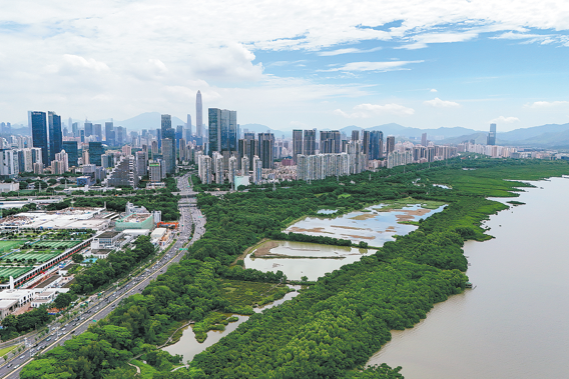
    Nestled along the shores of Shenzhen Bay, between one of China’s most densely urbanized regions and a critical migratory bird corridor, the Futian Mangrove Wetland stands as a groundbreaking model of how thriving megacities can coexist with fragile coastal ecosystems. Facing Hong Kong’s Mai Po Nature Reserve across the narrow bay, this urban wetland has evolved into both a national showcase of ecological restoration and a global hub for cross-border cooperation on mangrove protection.

    As part of the Guangdong Neilingding-Futian National Nature Reserve, first established in 1984 and granted national-level status four years later, the 367.64-hectare site holds the distinction of being China’s only national-level mangrove reserve located within a major city’s core urban zone. It was officially designated a Wetland of International Importance under the Ramsar Convention in 2022.

    Today, the reserve hosts 20 distinct mangrove species across 9 plant families and provides critical habitat for 273 recorded bird species. The 2026 global synchronized census of waterbirds counted 341 endangered black-faced spoonbills in the greater Shenzhen Bay area (including adjacent Hong Kong waters), accounting for approximately 4.4% of the species’ entire global population.

    This conservation success story was not a given. Decades ago, the site faced a major threat when the planned Binhai Avenue was originally routed straight through the reserve’s core protected zone. In a landmark decision that prioritized ecological protection over rapid infrastructure development, city authorities shifted the highway alignment 200 meters north to avoid damaging the wetland. That choice kicked off a decades-long series of targeted protections: a 500-meter noise barrier to reduce disturbance to roosting birds, strict height limits for new development surrounding the reserve, a full fishing ban across Shenzhen Bay implemented in 2014, and China’s first bird-friendly urban planning standard released by the city in 2025.

    This local progress aligns with national efforts to reverse decades of mangrove loss across China’s coastlines. The country has enacted a national Wetland Protection Law, launched sustained national campaigns for wetland conservation, large-scale mangrove restoration, and control of the invasive smooth cordgrass (Spartina alterniflora) that outcompetes native mangrove species. During the 14th Five-Year Plan period (2021-2025), China exceeded its restoration target ahead of schedule, planting 9,200 hectares of new mangroves and bringing the country’s total national mangrove area to approximately 30,300 hectares.

    Shenzhen has expanded this domestic progress to a global stage through the International Mangrove Center (IMC), an initiative first proposed by China at the 14th Meeting of the Conference of the Contracting Parties to the Ramsar Convention on Wetlands in November 2022. As of June 2026, Myanmar became the 21st signatory to the IMC establishment agreement, according to the center’s interim secretariat.

    Since 2024, the IMC has organized six international training workshops, bringing together 137 delegates from 30 countries around the world. Each two-week workshop combines classroom lectures, peer discussion panels, and hands-on field visits to the Futian reserve, with participants drawn from government environment agencies, intergovernmental organizations, research institutions, and protected area management teams. Workshop topics cover a full spectrum of mangrove protection priorities: national policy frameworks, ecological restoration techniques, blue carbon accounting, community co-management of coastal resources, and transboundary conservation cooperation. In June 2026, a regional workshop for Asia-Pacific economies hosted 24 delegates from 10 economies, alongside partners from the East Asian-Australasian Flyway Partnership and the Ramsar Regional Center — East Asia.

    Based on input from participating member states and workshop attendees, the IMC is currently developing two key global resources: a comprehensive Global Mangrove Status and Key Issues Report, and open-access mangrove conservation datasets for all signatory countries. The center is also conducting research on blue carbon policy frameworks, market-based conservation mechanisms, and best practices for governance, local community engagement, and sustainable conservation financing.

    The Futian reserve provides a real-world case study for these global exchanges to draw on. To date, Shenzhen has invested more than 300 million yuan ($44.2 million) into estuary and coastal mangrove restoration, traditional fishpond rehabilitation, and improved habitat management across the Shenzhen Bay region. These investments have covered 220 hectares of coastal land, including more than 30 hectares of new mangrove planting.

    Since 2016, the reserve has transformed nearly 40 hectares of abandoned tidal shrimp ponds into high-quality waterbird habitat. Restoration work included clearing invasive reeds and overgrown vegetation, reconnecting historic tidal waterways, creating new intertidal mudflats, and constructing circular deep-water zones that serve as safe roosting spots during high tide. The results speak for themselves: the number of black-faced spoonbills roosting overnight in the restored Futian fishponds now exceeds 150, hitting a record high in recent years. Across the entire Shenzhen Bay area, counted numbers of the endangered species have surged from just 82 individuals in 1994 to 328 in 2025.

    Modern digital technology has further refined the reserve’s management practices. Since 2020, the reserve has installed 27 high-definition video monitoring systems and 50 infrared trail cameras. Integrated with AI-powered bird species identification, automatic image sorting, and intelligent sluice gate management, the system allows reserve managers to adjust water levels in real time and continuously track bird population and activity patterns without disturbing wildlife.

    Shenzhen has also pioneered new market-based mechanisms to fund conservation and connect mangrove protection to broader ecological value. In September 2023, China held its first ever auction of mangrove conservation carbon credits in the city, with credits selling for 485 yuan per metric ton; all proceeds from the auction are earmarked for future mangrove restoration projects. Public engagement has also been a core priority: by the end of 2025, nature education programs based at the Futian reserve had attracted more than 1 million students from over 300 schools across the country.

    As coastal communities around the world face intensifying storm damage, accelerating habitat loss, and growing pressure on fisheries, mangroves are increasingly recognized as natural, cost-effective infrastructure that mitigates climate impacts while supporting biodiversity. China’s experience, from the innovative urban mangrove management model at Futian to the global knowledge sharing and capacity building work of the IMC, demonstrates that effective mangrove conservation succeeds when it integrates legal protection, scientific research, digital monitoring, public education, market-based blue carbon mechanisms, local livelihood support, and cross-border international cooperation as interconnected components of a single holistic system.

  • Zidane confirmed as France head coach

    Zidane confirmed as France head coach

    One of the most decorated figures in global football, Zinedine Zidane, has officially been named the new head coach of the French men’s national team, filling the vacancy left by long-serving manager Didier Deschamps following the 2026 FIFA World Cup.

    Deschamps, France’s longest-tenured senior team manager, stepped down from his role after 14 years at the helm, ending his tenure following France’s semi-final elimination against eventual tournament winners Spain at the 2026 World Cup, where Les Bleus ultimately finished fourth. Over his 14-year reign, Deschamps steered France to three major international finals, including a historic second World Cup title in 2018, cementing his legacy as one of the most successful managers in French football history.

    For Zidane, a legendary figure for French football both as a player and a coach, the appointment marks the end of a five-year break from management and the culmination of nearly two decades of speculation linking him to the top job with Les Bleus. The 54-year-old, who is widely regarded as France’s greatest ever player, has not held a senior coaching role since leaving Real Madrid for the second time in 2021, following a trophyless domestic campaign. He will now sign a contract that runs through the 2030 FIFA World Cup qualifying cycle, with his first competitive test coming on 25 September, when France travels to Turkey for a UEFA Nations League fixture. Zidane will also lead the team through European Championship 2028 qualifying.

    Speaking after his official appointment, Zidane expressed overwhelming pride in taking on the role of leading his home nation. “I’ve often said it: there’s nothing greater than the French national team. So it’s a joy and obviously a great source of pride to become the manager of this French national team,” he said. “It’s also a responsibility. I want to thank [French Football Federation] president Philippe Diallo, the executive committee, and the French Football Federation for their confidence. I also acknowledge the 14 years of incredible service from Didier and his entire staff. I have high ambitions for the French national team, there is no doubt about that.”

    Diallo echoed Zidane’s sentiment, framing the appointment as a historic milestone for French football. “The appointment of Zinedine Zidane as head coach of the French national team is a source of immense pride for the French Football Federation,” he said. “It marks the meeting of a legend in the history of Les Bleus, who has become one of the most decorated and respected coaches of his generation, and a team with rare potential, driven by the highest ambitions.”

    Zidane’s path to the top job with France has been decades in the making, starting with a legendary playing career that reshaped the global game. Born in Marseille, he launched his professional career in 1989 with Cannes, before moving to Bordeaux and eventually Italian giants Juventus in 1996. As an attacking midfielder, he guided Juventus to back-to-back Serie A titles and consecutive Champions League finals, earning a then-world-record £66 million transfer to Real Madrid in 2001, where he became a centerpiece of the club’s iconic Galacticos era alongside superstars including Ronaldo, Luis Figo and David Beckham. He delivered one of the most iconic goals in Champions League history in the 2002 final, a stunning volleyed winner against Bayer Leverkusen that secured Madrid’s ninth European crown.

    As a player for France, Zidane’s legacy is unmatched. He scored two iconic headed goals in the 1998 World Cup final on home soil in Paris, leading France to a 3-0 victory over Brazil for the nation’s first ever World Cup title, and earned the Ballon d’Or later that year. He added a UEFA Euro title to his international honors in 2000, before retiring from international play in 2004. He came out of international retirement to help France qualify for the 2006 World Cup, and steered Les Bleus to another final against Italy, where he scored the opening goal with a deft Panenka penalty before his tournament ended in infamy with a red card for a headbutt on Marco Materazzi; Italy went on to win the title on penalties.

    Zidane transitioned to management nearly a decade after retiring as a player, taking charge of Real Madrid’s reserve side Real Madrid Castilla in 2014. He was promoted to first team manager in January 2016, and immediately delivered Champions League glory, defeating city rivals Atletico Madrid in a penalty shootout in the final. That victory was the first of three consecutive Champions League titles for Zidane and Madrid, making them the first club to win back-to-back Champions League titles in the modern era, and the first to claim three straight European crowns since Bayern Munich in 1976. He also won La Liga in the 2016-17 season before stepping down in 2018, citing a need for change at the Santiago Bernabéu.

    He returned to Real Madrid in March 2019 to turn around a poor run of form, and claimed another La Liga title in the 2019-20 season, while overseeing a major transfer spending spree that included the signings of stars like Eden Hazard and Rodrygo. He departed for the second time at the end of the 2020-21 campaign, which ended without a major trophy, and has not managed at any level since. Speculation linking Zidane to the France national team manager job dates back to 2010, when France suffered a humiliating group stage exit at the World Cup; 16 years later, he has finally stepped into the role he has long been linked to.