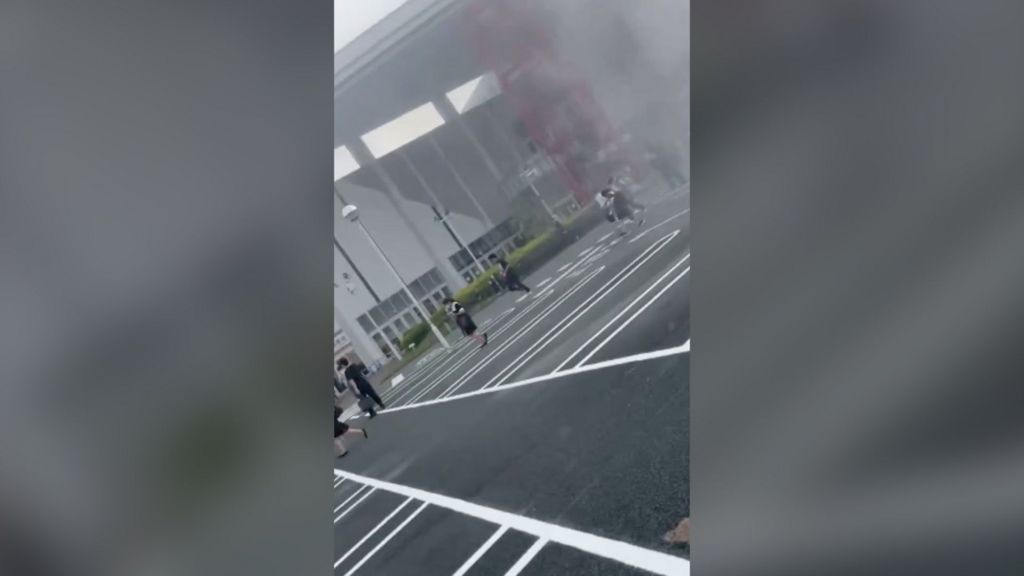
The provided news resource comes in the form of an MP4 video file hosted at the specified URL: http://news-minio.triplec.cc/news/2026/07/28/6d8c786877629822c13baa2fae547314.mp4. No readable text content of the news story is included alongside the link, only a notification directing audiences to access live updates for the developing story. At present, text-based analysis and full content reconstruction of the reported event cannot be completed without access to the transcribed or written details of the video coverage. Readers are advised to follow the linked prompt for real-time developments related to this unspecified news story.
博客
-
Investigators find apparent claim of responsibility after Berlin Pride attack
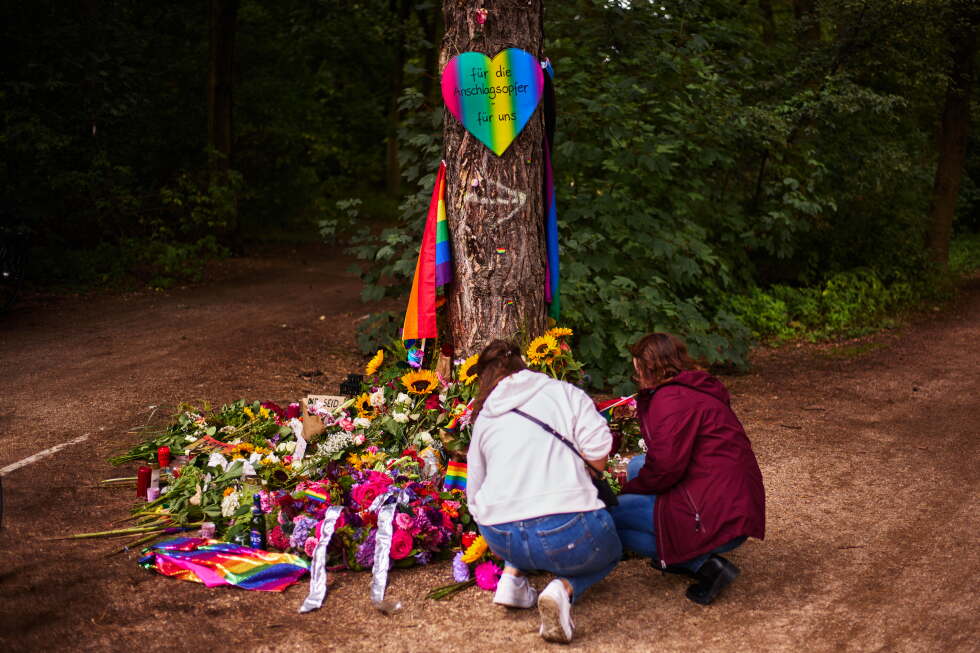
BERLIN — German law enforcement officials announced Tuesday that investigators have discovered what investigators assess to be a claim of responsibility from the perpetrator of a fatal violent assault near Berlin’s annual Pride festival, an incident that left one person dead and more than two dozen others injured. The 21-year-old suspect, Abdul Ballout, was shot and killed during a confrontation with responding police officers on Sunday, just one day after investigators say he carried out the coordinated attack: ramming a rented van into a crowd of festival attendees gathered near the event’s closing celebration, then charging at bystanders with a machete to inflict additional harm. A Polish national was killed in the attack, and 31 additional people suffered injuries of varying severity, authorities confirmed.
In a public briefing this week, German Interior Minister Alexander Dobrindt outlined that investigators have been conducting a forensic analysis of a cellphone recovered from the suspect’s van, where a pre-recorded video containing a possible claim of responsibility was located. Dobrindt noted the individual appearing in the video is heavily disguised, but forensic profiling and voice analysis have led investigators to conclude the speaker is almost certainly Ballout. The German federal prosecutor’s office later formally confirmed the video’s contents: it explicitly states the suspect’s intent to carry out a deadly attack and includes a formal pledge of allegiance to the Islamic State (IS) extremist group. The existence of the video was first reported by Germany’s mass-circulation daily *Bild*, before official confirmation.
Additional evidence tying the attack to extremist ideology was recovered during a search of Ballout’s private apartment, Dobrindt added, with clear links to the Islamic State network, though he declined to provide further specific details about the nature of that evidence to avoid compromising the ongoing investigation. Berlin-based prosecutors have previously outlined that Ballout, a German-born citizen of Lebanese descent, attempted to travel to Syria in 2025 via Lebanon to join IS ranks, and successfully established contact with multiple individuals believed to be active members of the extremist network.
The attack has sparked growing public and political scrutiny of Germany’s counterterrorism oversight systems, as Ballout had already been convicted on previous charges linked to his efforts to connect with IS, yet remained free to plan and carry out the large-scale assault. Addressing these questions Tuesday, Dobrindt argued that individuals formally classified as terror threats should not be released with suspended sentences, and questioned the decision to apply juvenile justice procedures to Ballout’s case, which was the legal framework used in his earlier prosecution. Dobrindt also stated that mandated electronic monitoring via ankle bracelets should be standard practice for high-risk terror suspects to restrict their movement, though he acknowledged that even the most robust monitoring systems cannot deliver “absolute security” against the threat of lone-actor extremist violence.
-

Why is Ukraine rolling out the red carpet for a US far-right influencer?
In a surprising move that has sparked widespread discussion across political circles, Ukraine has opened its doors and extended rare, extensive on-the-ground access to Laura Loomer, a polarizing far-right American influencer closely aligned with former US President Donald Trump and the Make America Great Again (MAGA) movement. What makes the decision particularly striking is Loomer’s public history as an open critic of Ukraine in the past, a background that makes the red carpet treatment extended to her stand out even more sharply against the country’s usual outreach to international visitors. As a prominent voice in the MAGA ecosystem, Loomer has built a large following by leaning into hardline conservative rhetoric and aligning closely with the core priorities of Trump’s political base, which has increasingly shifted toward a more skeptical stance on US military and financial aid to Kyiv amid the ongoing full-scale Russian invasion. Political analysts have noted that Ukraine’s decision to court Loomer reflects a growing, pragmatic push by Kyiv to build support across the entire spectrum of American politics, not just among traditional liberal and establishment conservative backers of aid. With Republicans in the US Congress holding up new multi-billion dollar aid packages for Ukraine, Kyiv’s leadership has made it a priority to engage with high-profile right-wing voices that can help shift public opinion among Trump’s base, a key voting bloc that will play a critical role in the 2024 US presidential election and future congressional decisions on aid. While some critics have questioned the wisdom of engaging with a figure as controversial as Loomer, Ukrainian officials have signaled that outreach to unconventional allies is a necessary step in their ongoing global campaign to maintain international support for their war effort against Russia.
-

India names Jasprit Bumrah and Ravindra Jadeja in Sri Lanka cricket test squad
MUMBAI, India – Cricket fans across the subcontinent have received fresh confirmation that two of India’s most impactful international stars, pace spearhead Jasprit Bumrah and elite all-rounder Ravindra Jadeja, have been included in the 15-man Test squad set to travel to Sri Lanka for a high-stakes two-match series kicking off August 15. The fixtures, to be held at the iconic Galle International Stadium and Colombo’s R. Premadasa Stadium, carry critical weight as counting fixtures toward the 2025–2027 ICC World Test Championship (WTC), a tournament where both sides sit on the cusp of qualification for the 2027 WTC final.
Current WTC standings place India in 5th position, with Sri Lanka just one spot behind in 6th. Both nations enter the series desperate to claim the valuable ranking points that will keep their campaigns on track for a spot in the decider, set to take place in two years.
Sri Lanka enters the contest coming off mixed recent results: the side claimed a 1–0 home series win over Bangladesh in June 2025, before dropping an away series 1–0 to the West Indies earlier this July. For India, the lead-up has also been uneven: the side suffered a disappointing 2–0 home series defeat at the hands of South Africa early in 2025, before bouncing back with a comfortable solo Test win over Afghanistan in June. That Afghanistan match, however, did not count toward WTC standings, and both Bumrah and Jadeja were rested as part of the team’s ongoing workload management strategy.
Not all roster spots are finalized ahead of the tour, however. Both Bumrah and rising batting prospect Sai Sudharsan will be required to pass a formal fitness assessment before they are cleared to join the traveling touring party. Behind Bumrah, India’s pace attack includes experienced international campaigners Mohammed Siraj and Prasidh Krishna, alongside up-and-coming fast bowler Gurnoor Brar, who recently turned heads with a 10-wicket haul for India A in an unofficial second Test against Sri Lanka A in Galle.
In the spin department, selectors made a late adjustment to the squad, calling up 33-year-old off-spinning all-rounder Saransh Jain to replace Washington Sundar, who suffered a hamstring injury during India’s tour of England earlier in July. Jain, who has consistently performed at the domestic level over the past season and previously featured for India A, brings a strong first-class track record to the squad, having claimed 188 wickets across 54 first-class matches to date. He joins Ravindra Jadeja, Manav Suthar – who picked up seven wickets on his debut against Afghanistan in June – and star left-arm chinaman bowler Kuldeep Yadav in the spin group. Notably, the squad carries three left-arm spinners, marking a strategic choice tailored to Sri Lanka’s traditionally spin-friendly turning pitches.
Leading the Indian side will be captain Shubman Gill, with veteran batsman Lokesh Rahul stepping into the role of vice-captain. Wicketkeeping duties will be split between experienced international keeper Rishabh Pant and young prospect Dhruv Jurel. This tour will mark India’s first Test visit to Sri Lanka since 2017, when the side swept a three-match series 3–0 in a dominant performance.
The full 15-member India Test squad for the Sri Lanka tour is: Shubman Gill (captain), Lokesh Rahul, Yashasvi Jaiswal, Rishabh Pant, Sai Sudharsan, Dhruv Jurel, Ravindra Jadeja, Kuldeep Yadav, Manav Suthar, Jasprit Bumrah, Mohammed Siraj, Prasidh Krishna, Gurnoor Brar, Devdutt Padikkal, Saransh Jain.
-
Criminal gangs increasingly lure people to work in online scam centers, UN migration agency warns
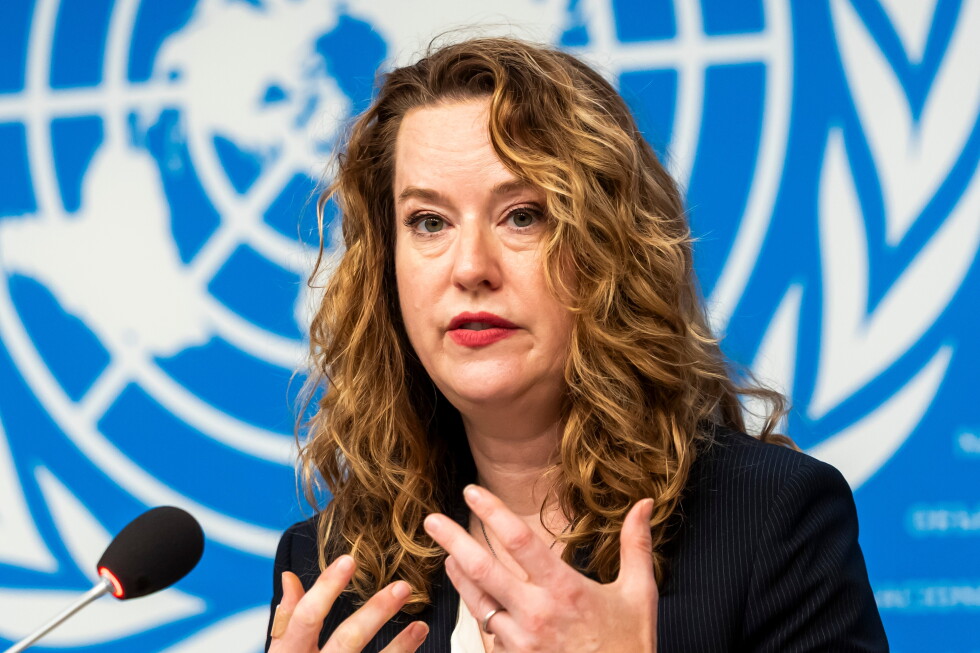
GENEVA — A growing global criminal enterprise that traffics vulnerable people into forced labor at cross-border online scam hubs is reaching alarming new levels, the United Nations’ migration body has cautioned. In a press briefing with reporters in Geneva on Tuesday, International Organization for Migration (IOM) Director-General Amy Pope outlined the disturbing scale of the exploitation, noting that victims are now being sourced from more than 80 nations worldwide. Unlike many common trafficking profiles, the rings specifically target educated, fluent English speakers—often holders of graduate degrees—to carry out their fraudulent schemes.
Pope explained that most victims are lured into the trap through deceptive recruitment tactics spread across social media platforms. Fake job postings advertise well-paying professional positions abroad, drawing in job seekers who are eager for new opportunities. Once the victims arrive at their supposed work destinations, they are immediately detained, stripped of their passports and other identity documents, and coerced through violence, intimidation, and a system of debt bondage to run online scams. This form of forced criminality leaves deep physical and psychological scars on survivors, who face severe consequences even if they manage to escape.
The majority of these criminal scam operations are concentrated across Asia, according to the IOM’s data. The United Nations Office on Drugs and Crime estimates that the scams generated up to $114 billion in illegal losses for victims across East Asia, Australia and New Zealand in 2024 alone. It is believed that hundreds of thousands of trafficked people are currently held against their will in fortified scam compounds scattered throughout the region.
Between 2022 and early 2025, the IOM has provided direct support and reintegration services to more than 3,500 survivors of this type of trafficking. The data collected through these assistance programs shows that the most affected origin countries include Indonesia, India, Sri Lanka, Ethiopia, Kenya and Bangladesh, though victims from nearly 40 nations have been recorded to date. Pope’s warning underscores the transnational nature of this crisis, which requires coordinated cross-border law enforcement action, greater public awareness of fake job recruitment scams, and expanded support for survivors to address the growing threat. -
Law student charged after bomb discovery in car will be bailed
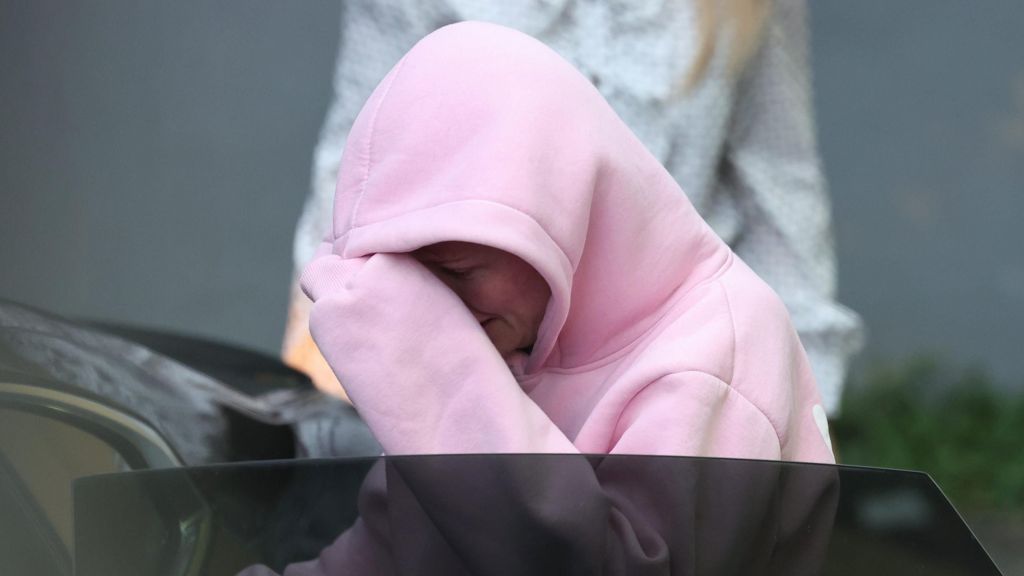
A 25-year-old Irish law student charged in relation to the discovery of an explosive device in a County Monaghan vehicle has been approved for release on bail, after a weeks-long verification process for her proposed surety was completed.
Isobella Perrie Sullivan, a resident of Abbeylands Park in Clane, County Kildare, saw her initial bail application put on hold last week while authorities carried out thorough background and financial checks on a €15,000 independent surety put forward for her release. The surety, an individual based in County Mayo, submitted all required banking documentation to the court to verify the assets, clearing the final hurdle for bail approval.
Sullivan did not attend Tuesday’s session at Cavan District Court, either in person or via remote video link, for the final ruling on her application. During the short hearing, representatives of An Garda Síochána, Ireland’s national police service, requested that an additional condition be added to Sullivan’s bail terms: a complete ban on any direct or indirect contact with her co-accused in the case, as well as any associates of that co-accused.
Judge Brian Sheridan ruled that the request put forward by gardaí was already explicitly covered by the standard bail conditions that were laid out during Sullivan’s first court appearance on the previous Friday. As a result, no changes to the initial bail terms were required ahead of her release.
Sullivan is next scheduled to appear for a preliminary hearing at Monaghan District Court in August, where the case against her will proceed through the Irish legal system. No additional details about the nature of the explosive device, or the identity of the co-accused, have been released to the public as the investigation remains ongoing.
-
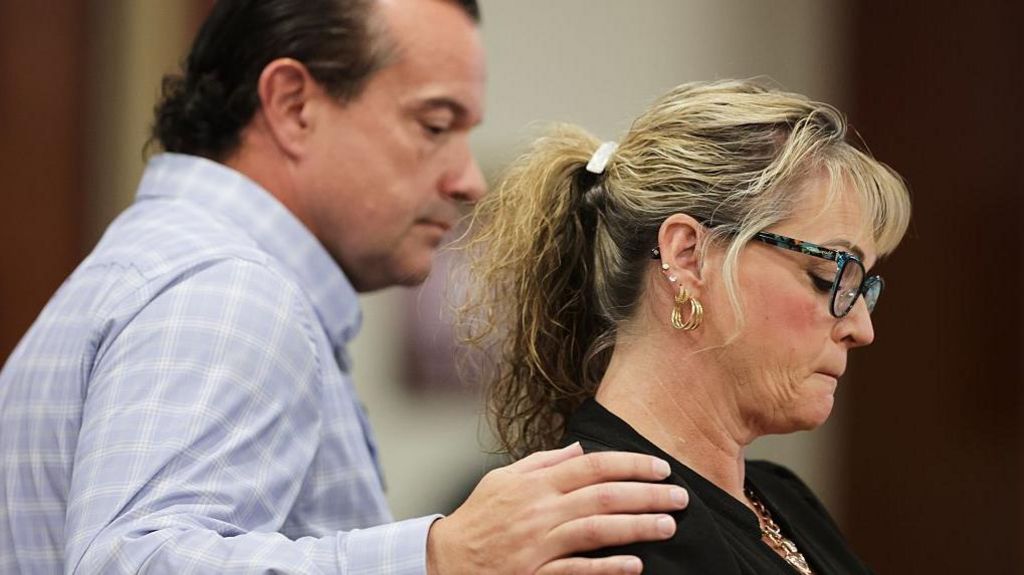
‘A narcissist’: Family hit out at Bryan Kohberger for challenging murder conviction
More than three years after four University of Idaho students were brutally stabbed to death in their off-campus Moscow home, a shocking new development has reignited agony for the victims’ loved ones. Bryan Kohberger, the former criminology PhD student from Washington State University who was sentenced to four consecutive life terms last year for the November 2022 killings, has announced he is withdrawing his guilty plea – a deal he originally accepted to escape the possibility of capital punishment. In an exclusive interview with *The New York Times*, Kohberger claimed his original 2023 plea was based on “false promises and blatant disinformation” from his legal team, and he now intends to enter a plea of not guilty. He even went so far as to say prosecutors are welcome to pursue the death penalty against him again if they wish. For the family of Kaylee Goncalves, one of the four young victims killed in the attack, Kohberger’s latest move is nothing more than the manipulative act of a narcissist who is once again stealing the spotlight from the people whose lives he cut short. In a scathing public statement, the Goncalves family pointed out that Kohberger voluntarily made the choice to forego a jury trial, turning over control of his fate and the presentation of the case’s facts to the court. They emphasized that in the two years preceding his sentencing, Kohberger and his legal team had full access to all discovery materials, reviewing every piece of evidence compiled in the case. At no point prior to the sentencing did he raise objections to the process, claim he was pressured or misinformed, or challenge the evidence shared with his defense. “The real tragedy,” the family wrote, “is that Kohberger continues to receive an outsize amount of public attention, all at the expense of the four victims who can no longer speak for themselves.” The 2022 murders sent shockwaves through the tight-knit college community of Moscow, Idaho, and dominated national news headlines for nearly two months before Kohberger’s arrest in December 2022. To this day, investigators have not identified a clear motive for the attack: Kohberger had no documented connection to any of the four victims, and he has never publicly explained why he drove across state lines to the University of Idaho campus to carry out the brutal stabbing. While prosecutors never established a personal link between Kohberger and the victims, they did present overwhelming forensic and circumstantial evidence that placed him at the off-campus home where the killings took place, leading to his conviction. Idaho Attorney General Raúl Labrador has expressed solidarity with the grieving families, acknowledging that they have already “endured unimaginable loss” and now must grapple with fresh, devastating pain from Kohberger’s decision to reverse his plea. “My office stands ready to do whatever is necessary to ensure justice is fully carried out,” Labrador said in a formal statement reaffirming the state’s commitment to upholding the original conviction. Separately, one of the victims’ aunts has made public a surprising personal revelation, saying she has already forgiven Kohberger for the killing of her niece – a stance that has added another layer of complexity to a case that continues to grip the American public.
-
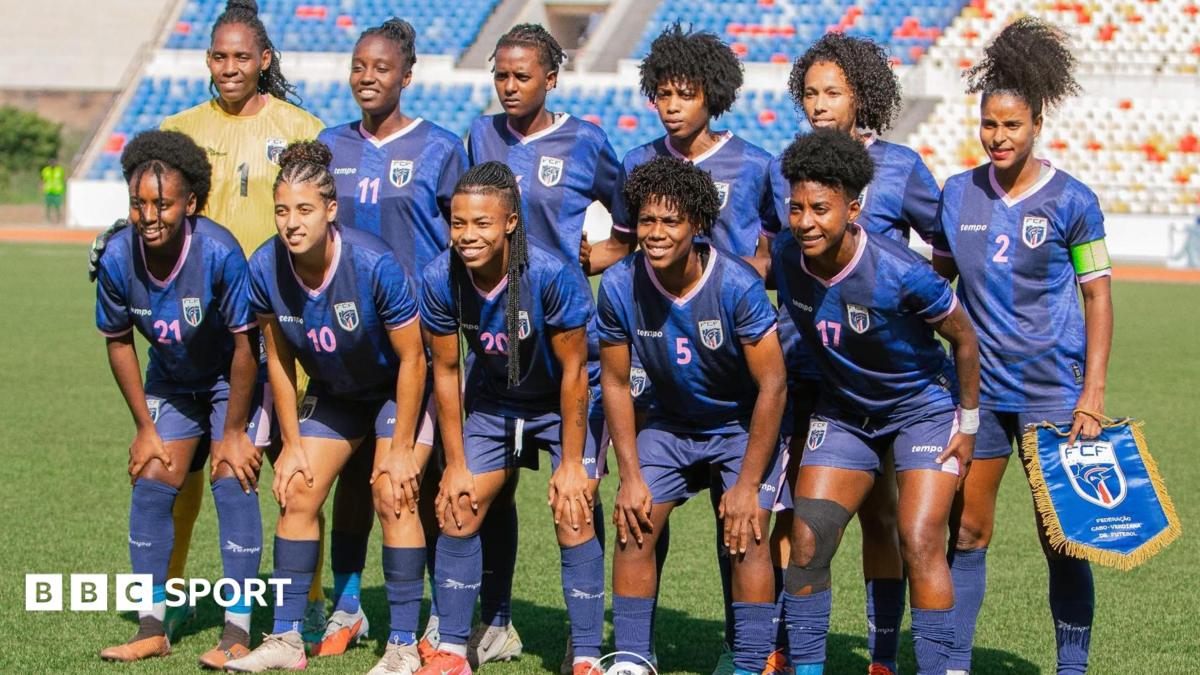
Can lightning strike twice? Cape Verde set for Wafcon debut
As Cape Verde prepares to make its historic debut at the 2026 Women’s Africa Cup of Nations (Wafcon) in Morocco, star forward Sandra Martins is warning opponents and football fans alike: do not write off the underdog Blue Sharks before a ball is kicked. The Atlantic archipelago nation’s women’s team is one of the youngest international sides in global women’s football, only contesting their first official senior match in 2018 and skipping both the 2020 (ultimately canceled by COVID-19) and 2022 Wafcon tournaments entirely. But the side defied expectations in qualification, putting six goals past Guinea across two legs to advance before pulling off a stunning upset against Mali to seal their spot at Morocco 2026.
Drawn into Group D, Cape Verde will kick off its Wafcon campaign against Ghana on Tuesday at 17:00 GMT, followed by back-to-back matches against familiar qualifying foe Mali and Cameroon to close out the group stage. For Martins, who currently plies her trade with England’s fourth-tier side London Bees, the squad is far more prepared than most observers give them credit for as first-time participants. “I think we would do well, probably better than what people would think as new participants,” Martins told BBC Sport Africa ahead of the opening match. “We are aiming to win two games [and] possibly go into the quarter-finals. I think if everyone applies themselves and we really work together, we could stand a chance of going to the next stage.”
This year’s Wafcon doubles as African qualification for the 2027 FIFA Women’s World Cup in Brazil, adding extra stakes to every fixture. The four tournament semi-finalists will secure automatic spots in the global showpiece, while the four losing quarter-finalists will compete for two additional berths in intercontinental play-offs. The tournament was originally scheduled to kick off in March, but the Confederation of African Football (CAF) drew widespread criticism when it postponed the event just 12 days before the opening match, citing a need to “ensure the success” of the continental competition. For Cape Verde, currently ranked 120th in the world and among the four lowest-ranked teams at the tournament, the delay proved far more beneficial than anyone could have predicted, Martins said. “I think [it] was actually a blessing in disguise. We were talking about it as a group and we needed more time to prepare. We recently played twice against Ivory Coast in friendlies and these two games were really useful for us. We worked on a few different things, had a few new team-mates and they blended super well into the team. Spending the extra time together has really allowed us to understand each other more on the pitch.”
The road to Wafcon has been a decades-long journey for Martins herself. Born in Portugal to Cape Verdean parents, she picked up football at age six and moved to the United Kingdom at 15, building a club career that includes stops at Leeds United, AFC Wimbledon, Dorking Wanderers, a spell in the U.S. with Charlottesville Blues, and her current role at London Bees, where she has notched four goals in 17 appearances this season. Though she grew up speaking Portuguese and Cape Verdean Creole, representing her parents’ homeland on the international stage was always a distant dream. “The dream was there but how to get there was the part that was not so clear,” she explained. “You just take it season by season. Eventually I started doing well and picking up on my own performance patterns and said ‘What do I need to work on?’.”
Her breakthrough came after a friendly tournament appearance, when she caught the eye of the Cape Verdean Football Federation’s technical director, who was actively scouting talented diaspora players to strengthen the nascent national program. Martins felt an immediate connection with the squad from her first day in camp. “Meeting the girls for the first time, it was surprisingly very easy. I broke the ice and was like ‘Girls, yes I speak Creole but I live abroad. I have a different twang’. They laughed at my accent but that was fine. They were really welcoming and we just laughed straight away.”
Martins won her first senior international cap in the first leg of the Wafcon qualifier against Mali last October, a 1-0 home defeat in Praia. She missed the dramatic second leg in Bamako after falling ill, where the Blue Sharks fought back to win 4-2 despite a second-half floodlight failure that halted play. “When the final whistle went it was amazing. Everyone was euphoric, screaming how happy we were. A true sisterhood has formed. When we got back to Praia loads of locals travelled to the airport to celebrate what we had achieved.”
2026 is already a landmark year for Cape Verdean football, following the men’s senior team’s dream debut at the 2026 FIFA World Cup earlier this year. The men’s side became the tournament’s darling underdog story, stunning the football world by reaching the round of 16 and pushing defending champions Argentina all the way to extra time before a narrow 3-2 defeat. Now, Martins hopes the women’s team’s Wafcon debut will build on that momentum to grow the women’s game across the Cape Verde islands. “The popularity (of women’s football) has definitely grown. I think we picked up a lot of momentum from the men’s [qualification]. In general, any time there’s a sport event going on, the country does well in getting behind any team. On social media, everyone’s being supportive. I hope some of them can come to watch us in Morocco, but if not I’m pretty sure that energy will come all the way across to Morocco.”
-
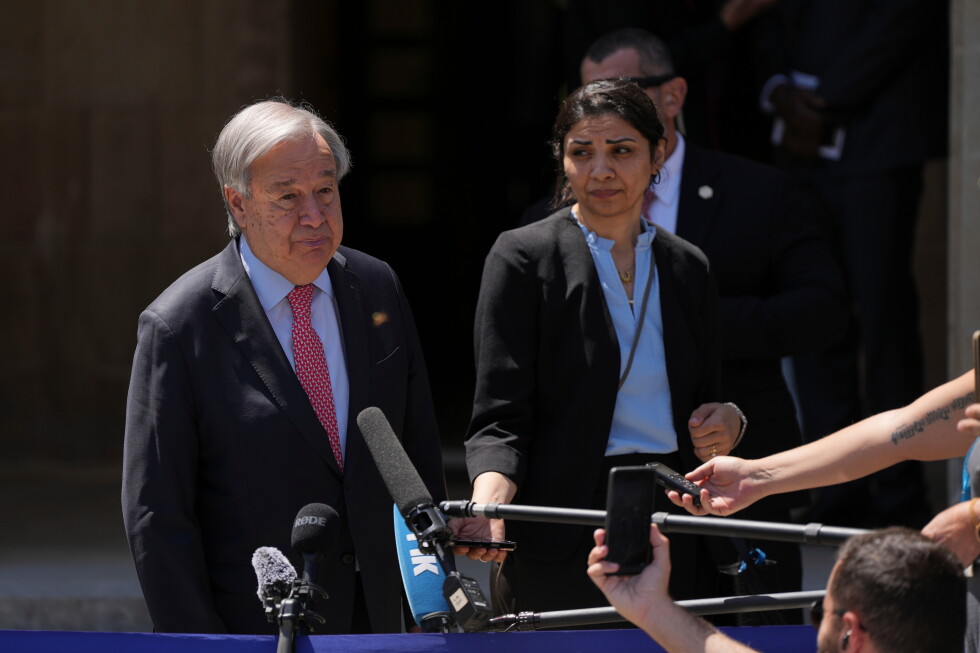
UN chief makes rare Cyprus visit to help ease decades-old ethnic division
In a landmark diplomatic trip that marks the first visit by a sitting United Nations Secretary-General to Cyprus in 16 years, António Guterres arrived on the divided island nation this Tuesday to reignite efforts to resolve a 50-year ethnic split that has shaped regional geopolitics since the mid-1970s. Though long-held political rifts have kept expectations of an immediate breakthrough to a lasting peace accord low, Guterres emphasized his unwavering personal and institutional commitment to facilitating a deal between the island’s two competing communities.
Following an initial closed-door meeting with Greek Cypriot President Nikos Christodoulides, Guterres told reporters he would spare no effort to support both Greek Cypriot and Turkish Cypriot leadership at this critical juncture for the peace process. The UN chief later held separate talks with Turkish Cypriot leader Tufan Erhurman, with scheduled joint negotiating sessions planned for the remainder of Tuesday and all of Wednesday.
This new diplomatic push comes after nearly a decade of stalled formal peace talks. The last high-stakes negotiation effort, which Guterres himself mediated back in 2017, fell apart amid bitter mutual recriminations over which side bore responsibility for the resulting impasse. Now, just months before Guterres’ second UN term comes to an end, the Secretary-General is working to convene a broader high-level meeting that will include top diplomatic representatives from Cyprus’ three international guarantor powers: Greece, Turkey, and the United Kingdom. The goal of this gathering is to formally announce the resumption of full peace talks, building momentum that Guterres’ successor can carry forward to a final resolution.
A successful reunification deal for Cyprus carries far-reaching strategic and economic benefits beyond the island itself. Analysts and diplomats widely agree that a peaceful settlement would unlock massive untapped natural gas reserves in the Eastern Mediterranean, opening a new critical energy supply route for Europe and global markets at a time of widespread energy security uncertainty. A deal would also ease long-simmering regional tensions that stem from competing overlapping claims to energy resources, territorial waters, and regional influence among global and local powers.
Cyprus’ division dates back to 1974, when a Greek Athens-backed coup aimed at unifying the entire island with Greece prompted a Turkish military invasion. The intervention split the island along ethnic lines, with Turkish Cypriot communities consolidating control over the northern third of Cyprus. Turkish Cypriots declared formal independence in 1983, a move that has only received diplomatic recognition from Turkey, which currently stations more than 35,000 troops in the northern territory. The internationally recognized Greek Cypriot government of the south brought the entire island into the European Union in 2004, though only the southern region enjoys the full benefits of EU membership.
Guterres underscored the far-reaching implications of a peace deal in his remarks after meeting Christodoulides, noting that a resolution would not only transform the lives of Cypriots on both sides of the divide but also bring much-needed stability to a region facing unprecedented geopolitical turmoil.
Cyprus government spokesman Constantinos Letymbiotis framed Guterres’ in-person visit, a rare display of personal commitment from a top UN official, as a positive signal that incremental progress is within reach. Still, significant political hurdles remain that threaten to derail the revived peace process. A UN-endorsed framework for a reunified federal Cyprus, made up of two ethnically based self-governing zones, has existed for decades, but the passage of time has hardened negotiating positions on both sides and widened the political gap between the two communities.
Turkish Cypriot leaders argue that Greek Cypriots, who make up the island’s overall majority, have consistently refused to agree to equal power-sharing arrangements even under the proposed federal model. Earlier this month, Turkish Vice President Cevdet Yilmaz reaffirmed Ankara’s longstanding call for a two-state solution that would grant full international recognition to the breakaway Turkish Cypriot state. Yilmaz also issued a thinly veiled warning to the Greek Cypriot government against using its EU membership and deepening strategic ties with Israel to gain greater diplomatic leverage over Ankara in upcoming talks.
For their part, Greek Cypriot leaders have repeatedly ruled out accepting any two-state agreement, saying such a deal would formalize the island’s permanent partition and entrench the Turkish military presence that Greek Cypriots view as an existential threat to their sovereignty.
-
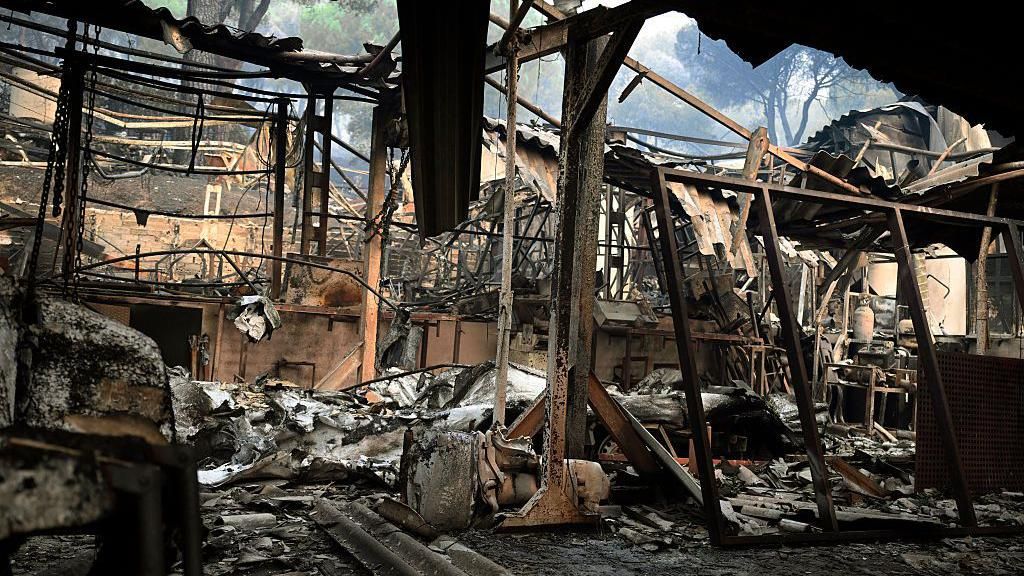
‘It’s a hell of a situation’: Spain grapples with devastating wildfires
For seven consecutive days, hundreds of firefighters across Spain have battled an unprecedented outbreak of destructive wildfires that have swept through rural landscapes, put dozens of populated communities at severe risk, and displaced more than 90,000 residents from their homes. As emergency crews work to contain the spreading blazes, forecasters warn a new, prolonged heatwave will descend on the country starting Wednesday, creating dangerous conditions that threaten to undermine weeks of hard-won progress.
Three large, fast-moving fires burning in the Madrid region have emerged as the primary focus of national concern. On Monday, regional president Isabel Díaz Ayuso visited the scorched affected areas alongside Spanish Prime Minister Pedro Sánchez, where she described the unfolding crisis as a hellish landscape that has turned affected regions into what resembles a war zone. Ayuso has previously characterized the outbreak as the single largest natural catastrophe in Spain’s modern history.
As of Tuesday, the national scale of displacement remains staggering: more than 56,500 residents have been evacuated from the Madrid region alone, with an additional 27,800 ordered to shelter in place under lockdown. Four Madrid municipalities remain under full lockdown, while 12 others have been fully evacuated. Evacuation orders have also been issued for communities across Ávila, Toledo, and Valencia, bringing the national total of displaced people to over 90,000.
Speaking to reporters on Tuesday, Prime Minister Sánchez acknowledged that the coming hours and days would bring extraordinary challenges for emergency crews, but noted that there is now a glimmer of hope at the end of the tunnel. The prime minister officially designated all wildfire-affected regions as disaster zones, and used the briefing to issue a sharp call for national unity in addressing climate change, saying “the climate emergency is worsening year after year, and we are required to be united to fight against fire, as well as in prevention and reconstruction. Climate denial is the worst fuel for the fight against the climate emergency.”
Spain’s national meteorological agency Aemet forecasts that temperatures will climb as high as 40C across many regions in the coming days, with the heatwave expected to persist at least through Sunday. The agency has warned that rising temperatures will push fire danger to extreme levels, creating dangerous working conditions that will slow containment efforts. The Madrid region is already under a red-level weather alert, with forecasts calling for highs of 35C in mountain areas and 38C across lower-elevation parts of the region.
Despite the looming threat of extreme heat, emergency officials have reported incremental progress in containing the blazes. Interior Minister Fernando Grande-Marlaska told state broadcaster La 1 that overnight firefighting operations on Monday delivered relatively positive results. “This morning, we are very satisfied with the work done. We are going to consolidate the work that has been done,” he said, adding “we must be positive; we have the emergency under control” while conceding that “weather conditions are not helping us at all.” Ayuso also noted on social media platform X that the situation is improving little by little, and that some displaced residents could be allowed to return to their homes in the near future.
Local leaders in evacuated Madrid communities have echoed the call for continued vigilance ahead of the heatwave. Mayors of two affected towns described the unpredictable blazes as “a kitten by night and a lion by day”, noting that fire activity dies down overnight but surges dramatically with daytime heat. Robledo de Chavela mayor Fernando Casado said his community would continue fighting “with their knives out”, while Valdemaqueda mayor Ricardo Meneses added that “we can’t let our guard down and we’re on high alert because now is the time to stop the fire.”
On-the-ground reporting from the affected region paints a grim picture of the destruction. Spanish journalist Juan Navarro, reporting from Cebreros, a town 40 miles west of Madrid, told the BBC that local residents are gripped by fear as they wait for the incoming heatwave. Driving through nearby burned villages, Navarro said “everything is black”, leaving little intact after the passing of the flames.
As of the latest government update, the massive fire burning in the Madrid region remains active and uncontrolled, with Tuesday’s firefighting operations focused on increased surveillance and cooling hot spots in preparation for the forecast heat surge. Ecological Transition Minister Sara Aagesen confirmed that the wildfires have already burned roughly 77,000 hectares (190,000 acres) of land across Spain, with the Ávila-area blaze ranking as the largest wildfire in Spain’s recent history. More than 50,000 hectares have burned in Ávila alone, though officials reported “quite favourable” progress overnight, with only small new flare-ups that are now being closely monitored by emergency crews.
In eastern Spain, the Valencian regional government has lifted lockdown orders for the town of Vall D’Uixo, where a fire that broke out on July 25 forced 16,000 residents from 20 nearby municipalities to evacuate. The crisis has also spread beyond Spain’s borders: neighboring Portugal is currently battling a large wildfire with three active fronts in the eastern Guarda region, where local firefighters are working around the clock to contain the spread.