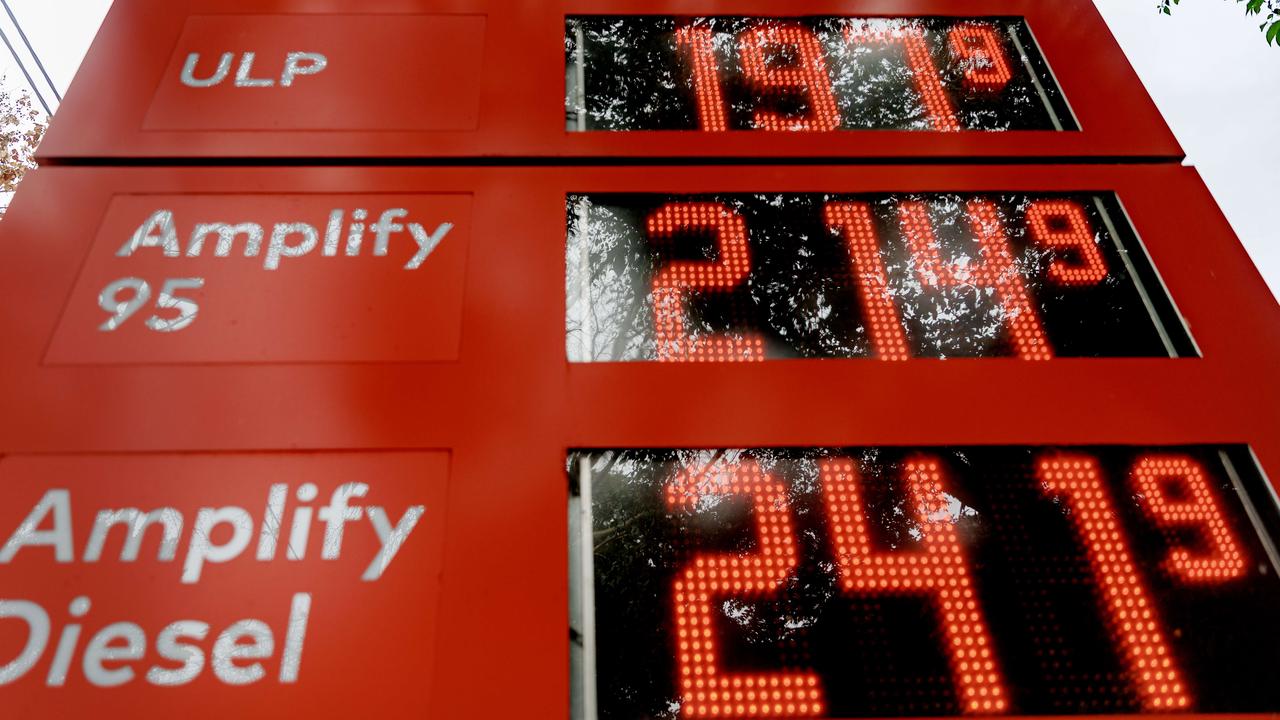
Australia’s Albanese government is moving forward with its planned phase-out of temporary fuel tax cuts, with the remaining excise relief set to expire at midnight on August 2, a senior cabinet minister has confirmed. Health Minister Mark Butler, speaking to media outlet News24, warned that motorists should prepare for gradual fuel price increases over the coming days, rather than an immediate, sharp jump at petrol bowsers.
The emergency excise cut was first introduced three months ago, when escalating conflict in the Middle East sent global oil prices soaring, placing intense cost-of-living pressure on Australian households. The original 32 cent per litre discount was halved in June, and is set to be fully removed when the clock strikes midnight on Monday. Butler noted that when the first half of the cut was rolled back last month, prices rose incrementally over multiple days, and consumers should expect the same pattern this time around.
“The government has been transparent about what this change will mean for pump prices,” Butler said. “Once the excise returns to its normal level, deflationary trends will balance out as the market returns to standard conditions.” When asked whether the government had considered extending the popular relief measure to ease ongoing household cost pressures, Butler confirmed that officials had monitored market conditions closely in recent weeks, but ultimately decided to stick to the original timeline for returning the tax to pre-relief levels. “Relief for households has been a priority, but it is also important to manage a smooth transition back to normal fiscal and market settings,” he explained. “We have to return to business as usual at some point, and we are moving forward with the plan we set out previously.”
Butler also acknowledged that fuel prices have already climbed in recent weeks, driven by renewed geopolitical instability between the United States, Iran and Israel following a surprise offensive launched February 28. He emphasized that these recent gains are not tied to the government’s excise policy, but are a direct consequence of global market volatility sparked by Middle Eastern conflict. “All Australian consumers are paying the price for this war, which cannot end soon enough,” he added.
The end of the temporary cut will also impact the heavy vehicle road user charge, which will revert to its standard 32.4 cents per litre for liquid fuels like diesel from Monday, up from the reduced 16.2 cent rate that has applied during the relief period. As of July 26, the national average retail price for petrol stood at 182.3 cents per litre, a figure that industry analysts expect will climb steadily as the tax change works its way through the supply chain to retail consumers.
Opposition energy spokesperson Dan Tehan echoed the government’s call for a peaceful end to the Middle East conflict, noting that the months-long period of relief has given the domestic fuel supply chain time to adjust to shifting market conditions. Tehan called on the Albanese government to shift its policy focus to cutting overall government spending and reducing broader cost-of-living pressures for Australian households. “If the government prioritizes bringing down general costs across the economy, that will leave Australian households better positioned to absorb the fuel price increase that will come when the excise relief expires,” Tehan said.