博客

  • Israeli settler who took part in brutal assault on Palestinians released from house arrest

    Israeli settler who took part in brutal assault on Palestinians released from house arrest

    A Israeli settler implicated in a brutal pre-dawn assault on a Palestinian village in the occupied West Bank that left multiple residents injured and humiliated has been released from house arrest, the Israeli military confirmed in a public statement issued Monday.

    Tal Yinon Dardik, who is alleged to have participated in the March 13 attack on the small Palestinian community of Khirbet Humsa, will no longer be confined to his place of residence, but is required to check in at a local police station twice a day under the terms of the court ruling that cleared his release.

    The decision to end Dardik’s house arrest followed a ruling by the Jerusalem District Court that the original terms of his detention were unworkable. Dardik had been held under house arrest at his mother-in-law’s home in Adei Ad, a Israeli settlement located in the central West Bank, but the court found the arrangement unsustainable after Dardik’s mother-in-law refused to continue hosting him.

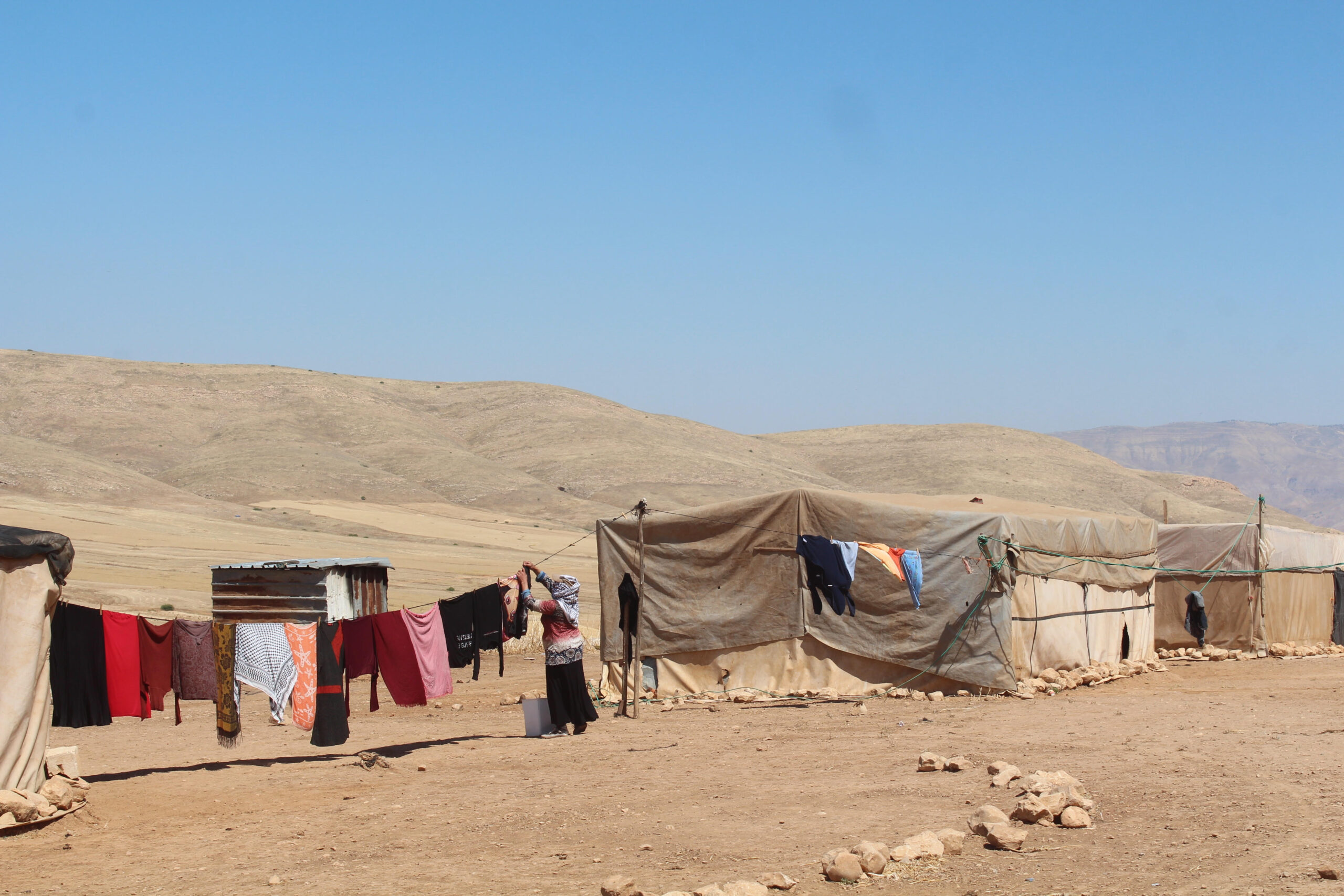
    Dardik has become a cause célèbre for Israeli settler activist groups and right-wing political figures, who mounted a sustained public campaign to push for his release. He has repeatedly denied any involvement in the attack, which unfolded when dozens of masked settlers stormed Khirbet Humsa before sunrise, targeting multiple Palestinian residents including women, children and elderly people in a coordinated assault that left dozens traumatized.

    One of the most severe assaults targeted 29-year-old Qusai Abu al-Kebash, who has told reporters that settlers stripped him naked, bound his arms and legs, fastened a plastic zip-tie around his genitals, and paraded him through the village in front of his family and neighbors. An American peace activist who was staying in the village at the time of the attack gave a firsthand account of the violence to Israeli newspaper Haaretz earlier this year, describing being attacked as she slept in a tent.

    “Six masked Israeli settlers armed with heavy wooden sticks swarmed me while I was asleep,” the activist recalled. “They immediately beat the three of us to the ground, smashing our faces with their fists and clubs. They zip-tied our hands and feet, and were yelling things like, ‘We are going to kill you!’” During the attack, she said, settlers pulled down Abu al-Kebash’s pants, poured cold water over him, and beat him repeatedly into the dirt. “All he could do was curl into a fetal position and scream when they beat him with their clubs,” she added.

    Multiple village residents confirmed the assault lasted roughly an hour, and estimated that as many as dozens of masked settlers took part in the incursion. A Palestinian woman who was in the village during the attack said she was beaten, dragged out of her home, had her head covering torn off and portions of her clothing ripped. “They pulled the girls out and beat them, even the little ones. They mocked us and celebrated our humiliation,” she told Haaretz. A 74-year-old resident added that three attackers beat him repeatedly on his head, hands and stomach, while another destroyed the village’s security cameras, internet router and outdoor lighting.

    The release of Dardik comes after months of political pressure from senior Israeli figures, including Defense Minister Israel Katz, who has openly criticized the original restrictions placed on Dardik and ordered government and military officials not to renew his detention. Katz visited Dardik in prison last month while Dardik was conducting a hunger strike to protest his detention. He also previously threatened to fire Major General Avi Bluth, head of the Israeli military’s Central Command, after Bluth appealed a court ruling that would have allowed Dardik to move his house arrest to a location of his choosing. Katz ultimately backed down from the threat after widespread public outcry.

    The attack is one of a sharp rising tide of settler violence targeting Palestinian communities in the occupied West Bank in recent years. The International Court of Justice has repeatedly ruled that all Israeli settlements built in the occupied West Bank and East Jerusalem violate international law, yet more than 700,000 Israeli citizens currently reside in these illegal settlements. United Nations data shows that attacks on Palestinian herding communities like Khirbet Humsa have spiked dramatically in recent years, with at least 5,910 Palestinians internally displaced by settler violence between January 2023 and April 2024.
  • Iran says US went from demanding surrender to seeking talks as oil price rises

    Iran says US went from demanding surrender to seeking talks as oil price rises

    A months-long confrontation between Iran, the United States, and Israel has sent shockwaves through the Middle East, crippling global shipping through the critical Strait of Hormuz and pushing international oil prices sharply upward. At the center of regional debate this week, Iranian Foreign Minister Abbas Araghchi delivered a defiant address asserting that Tehran’s sustained resistance against the US-Israeli campaign has cemented Iran’s status as an unbreakable global power.

    Speaking during a televised press conference Tuesday, as reported by Iran’s semi-official Tasnim News Agency, Araghchi shared that international officials have repeatedly told him that Iran has defied all global expectations. “No one thought that Iran could resist America like this,” he noted, pointing out that Washington launched its campaign alongside broad backing from Israel, Western nations, and other international partners. He reminded audiences that at the opening of the conflict, the US president publicly called for Iran’s “Unconditional surrender” on social media. Two decades later, that same opposing force is now seeking diplomatic negotiations, he said.

    Araghchi’s assertive remarks were echoed in warnings from Anwar Gargash, senior diplomatic advisor to United Arab Emirates President Mohammed bin Zayed Al Nahyan, who cautioned Tuesday that the Middle East cannot sustain its current stalemate of “neither war nor peace.” In a post on the social platform X, Gargash argued that the region’s core priority must be a transition toward long-term, sustainable stability guided by transparent, mutually agreed international rules. The veteran Emirati diplomat stressed that any future agreement between Washington and Tehran cannot be built on “shaky foundations or arrangements detached from international law,” and called for a broad regional settlement rooted in “peaceful coexistence, respect for sovereignty, and the logic of peace.” His comments come as bilateral talks between the US and Iran remain stalled, with both sides repeatedly warning that large-scale fighting could resume at any time.

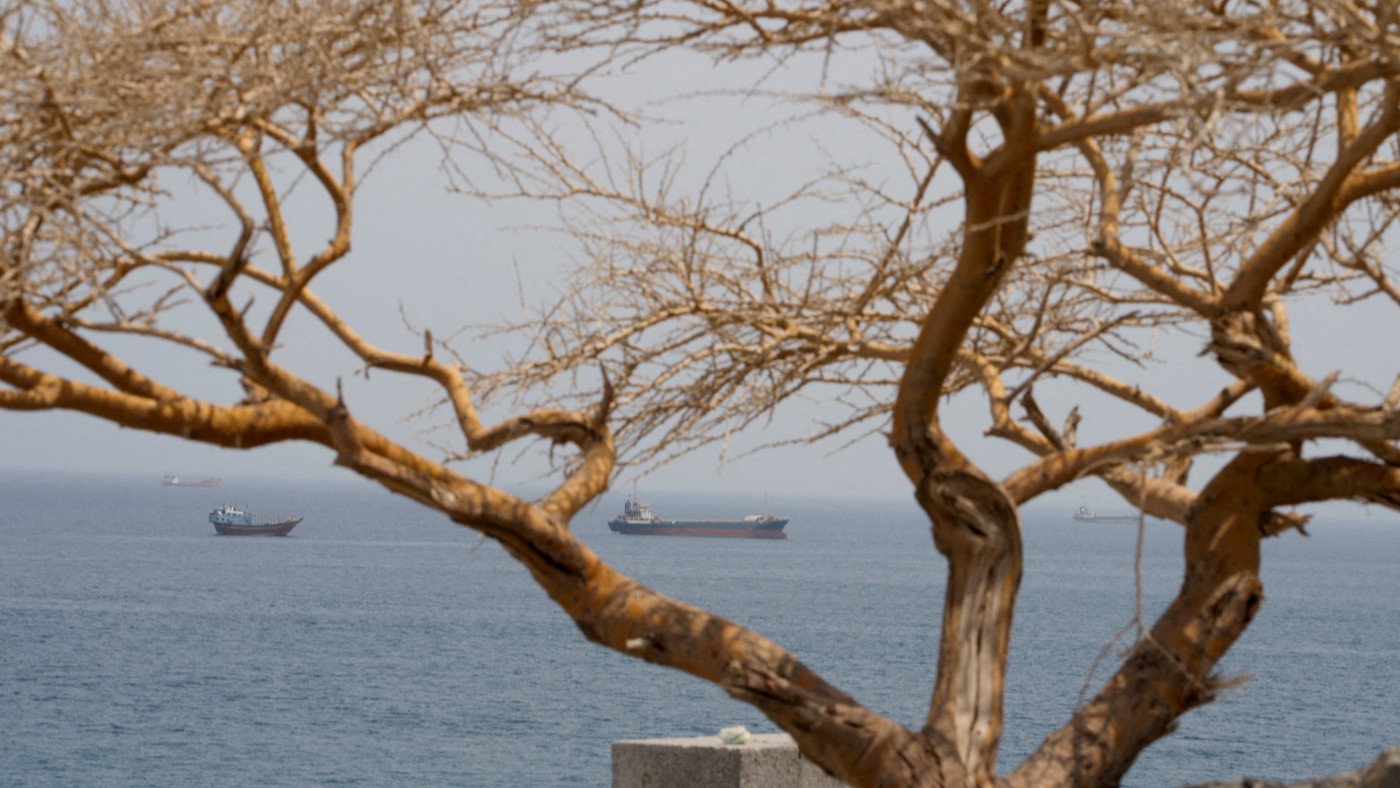
    The ongoing conflict has already inflicted severe disruption on the Strait of Hormuz, the world’s most vital chokepoint for global oil and commodity trade. Data from analytics firm Kpler, cited by Reuters, shows that only six vessels transited the strait on Monday, a dramatic drop from the previous 10-day average of 11 ships. Before the outbreak of war, the waterway accommodated between 130 and 140 commercial vessels daily. The sharp decline in shipping has already triggered measurable shifts in the global energy market: by Tuesday, Brent crude climbed to nearly $90 per barrel, while US West Texas Intermediate crude crossed the $84 per barrel threshold.

    For Iran’s domestic economy, the maritime blockade imposed by the US-led coalition has created an existential economic challenge, leading top Iranian business figures to push for urgent action to end the disruption. Majid Reza Hariri, a prominent Iranian business leader, warned that Tehran cannot simply adapt to the ongoing blockade, telling local outlet Khabar Online that the restriction must be lifted by any means necessary. “Whether through negotiations, requests, threats, or even using force and starting a war again, this maritime blockade must end,” Hariri said.

    He calculated that rerouting all imports to overland transportation instead of maritime shipping would add an estimated $18 billion annually to Iran’s total import costs. To illustrate the gap, he noted that shipping a single container from China costs roughly $3,000 by sea, compared to $12,000 overland. “The worst thing that could happen today is to think we can bypass the maritime blockade and try to run the country despite it,” Hariri argued. “We must not allow our economy – or the enemy – to get used to the maritime blockade.”

    The conflict has also sparked fresh domestic political friction in the United States, where top congressional Democrat Chuck Schumer, Senate Minority Leader, launched a sharp rebuke of former President Donald Trump’s handling of the war. Schumer accused Trump of launching an illegal conflict with no clear exit strategy, writing on X that “Donald Trump got us into an illegal war, is losing his illegal war, and has no way out of his illegal war.” He added that Trump’s “lack of strategy, discipline, and any ability to seriously negotiate is endangering our troops and raising prices for everyday Americans.”

    Separately, regional tensions expanded this week as Israel dramatically escalated military attacks on southern Lebanon, violating a US-brokered ceasefire framework reached between the two parties in June. Lebanon’s National News Agency reported intensive concentrated artillery barrages on the Ali al-Taher hills near the southern Lebanese city of Nabatieh. On Monday, Israeli armored units advanced into the border towns of Zawtar el-Charqiyeh and Zawtar al-Gharbiyeh, where Israeli engineering vehicles demolished residential homes, local reports confirmed.

    Data from the United Nations Interim Force in Lebanon (Unifil) underscores the scale of the escalation: between Friday and Sunday, the force recorded 455 Israeli artillery projectiles fired into Lebanon and 97 separate violations of Lebanese airspace, marking the heaviest bombardment in months. Unifil noted that Saturday’s 229 projectiles marked “the highest single-day total since 21 June.”

    Iranian Foreign Ministry spokesperson Esmaeil Baghaei issued a swift response, “strongly condemn[ing] the brutal attacks” that have killed and injured civilian residents and destroyed critical civilian infrastructure. The latest escalation comes just after the seventh round of Lebanese-Israeli diplomatic talks held in Rome, laying bare the growing gap between US-led diplomatic efforts to de-escalate and Israel’s ongoing military expansion along the Lebanese border.

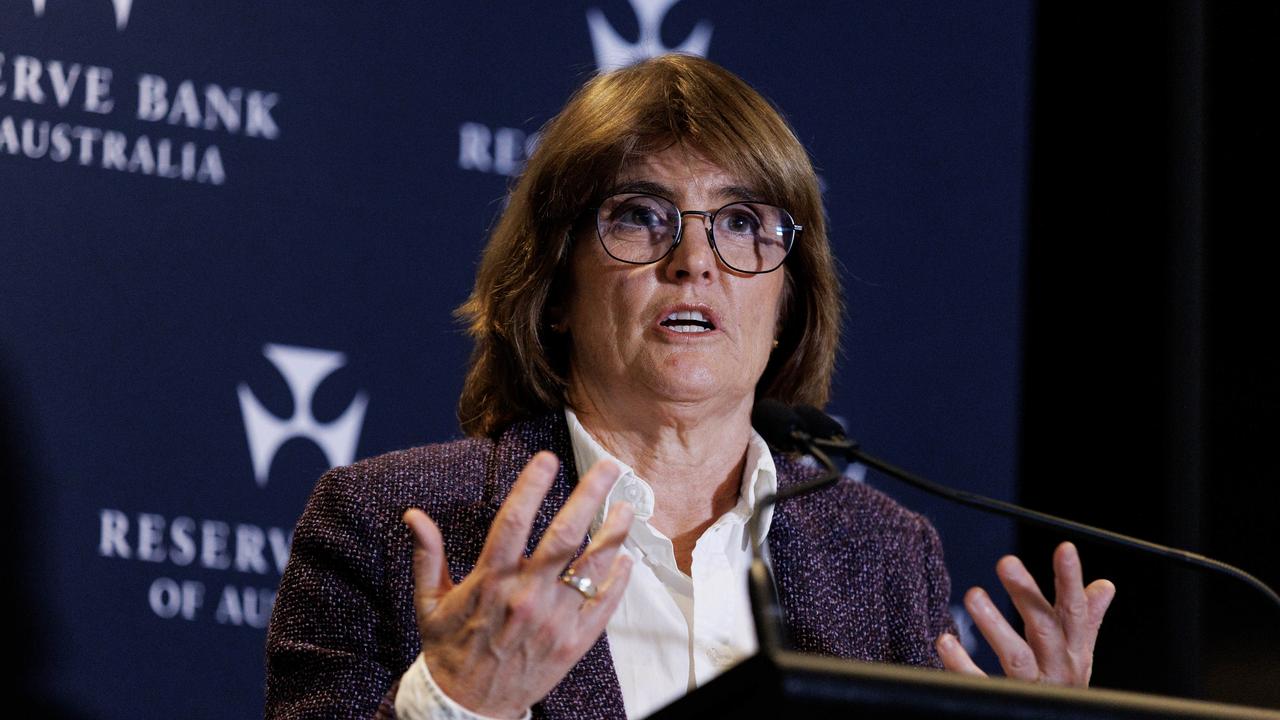
  • Reserve Bank governor reveals board discussed rate hike at latest meeting

    Reserve Bank governor reveals board discussed rate hike at latest meeting

    Australian mortgage borrowers caught a brief reprieve this week, but the prospect of additional interest rate increases has re-emerged as a clear and present risk after the Reserve Bank of Australia’s latest monetary policy decision. On Tuesday, the RBA board voted to keep its benchmark official cash rate steady at 4.35%, ending immediate speculation of a May hike. But accompanying remarks from RBA Governor Michele Bullock made clear that further monetary tightening remains firmly on the table as the central bank doubles down on its fight to curb persistent above-target inflation.

    In post-announcement comments, Bullock confirmed that the RBA board actively debated a rate increase at this month’s meeting — a departure from the bank’s May session, when a hike was not discussed. She emphasized that the central bank remains fully committed to taming inflation, rejecting criticism that policymakers have moved too slowly to address price pressures. “We’ve raised three times. And we raised before any other central bank did. And some others are now raising,” Bullock told reporters. “So I think we’ve demonstrated that we will react when we need to and we’re serious about it.” Crucially, she added that board members did not entertain any discussion of interest rate cuts during the session, only evaluating the case for another upward adjustment.

    Financial markets reacted swiftly to the central bank’s messaging, revising up their expected probability of a rate hike by the end of 2024 from 15% prior to the announcement to 47% by Tuesday’s market close. Even with that adjustment, however, industry analysts warn that investors are still significantly underestimating the risk of additional tightening.

    Russel Chesler, head of investments and capital markets at global asset manager VanEck, argues that current economic data leaves the RBA with a strong case to move rates higher again before the end of the cycle. “While the market is not predicting another increase to the cash rate this year, we think that the market could very well be wrong,” Chesler said. He points to the RBA’s preferred trimmed mean inflation measure, which excludes the most volatile 15% of price movements in both directions, that currently sits at 3.8% — still well above the central bank’s official 2-3% annual inflation target.

    Chesler noted that Australia’s inflation pressures are broad-based and driven by domestic fundamentals, rather than temporary, one-off price shocks that the central bank can overlook. “Housing remains the biggest pressure point, rising 6.8 per cent over the year to 30 June 2024, driven by electricity prices increasing 22.4 per cent, new dwelling costs rising 5.8 per cent and rents climbing 3.6 per cent,” he explained.

    Brendan Rynne, chief economist at professional services firm KPMG, echoed Chesler’s outlook, noting that the RBA is caught in a high-stakes balancing act. The central bank aims to return inflation to its target range without triggering unnecessary harm to the country’s labour market, but Rynne pointed out that price stability remains the RBA’s core legal mandate. “On balance, we would not be surprised to see another rate increase in the coming months if inflation and labour market data remain stubbornly strong,” Rynne said.

    Upcoming economic releases are expected to play a decisive role in the RBA’s next policy moves, and analysts say new data could reinforce the case for a hike. The Albanese government’s temporary fuel tax cut, which saved motorists 32 cents per litre at the peak of 2024 petrol price surges, has already been wound back and will fully expire in August. That means upcoming consumer price index (CPI) data from the Australian Bureau of Statistics will reflect a full rebound in fuel costs, pushing headline inflation higher. Additional upward pressure comes from this year’s 6% minimum wage increase, which could feed into broader core inflation, while Australian household spending has remained far more resilient than many forecasters predicted just months ago.

    Chesler reiterated that Bullock has explicitly signaled the RBA’s willingness to make unpopular policy moves to get inflation under control. “Michelle Bullock has explicitly warned that the board remains prepared to make “difficult decisions “and implement further rate hikes if inflation fails to come down as expected,” he said. “So, there could very well be one more rate hike in this cycle.” The RBA’s next policy moves will depend heavily on two key upcoming releases: second quarter wage growth data and July CPI figures, both due for publication later this month.

  • Looking to see the solar eclipse from North America? Here’s where and when to catch a sliver

    Looking to see the solar eclipse from North America? Here’s where and when to catch a sliver

    After back-to-back blockbuster total solar eclipses that drew millions of skywatchers across North America in 2017 and 2024, the cosmic spotlight has shifted to Europe for this week’s highly anticipated celestial event.

    On Wednesday, a total solar eclipse will carve a path across parts of the Northern Hemisphere, bringing the rare phenomenon of midday darkness to regions that have not experienced totality in more than two decades. Totality will first touch down near the North Pole before tracking southeast across Greenland, Iceland, mainland Spain, and a small section of northern Portugal. At maximum duration, the total phase of the eclipse will last just a couple of minutes at any given location — far shorter than the nearly four-and-a-half-minute maximum totality that crossed North America in April 2024. Even so, this event marks the first time a total solar eclipse has been visible from continental Europe since 1999, with the next longer totality set to cross Spain, North Africa and the Middle East in August 2026.

    While the full total phase is restricted to the European path of the eclipse, skywatchers in far northern parts of the United States and Canada will still have the opportunity to view a partial eclipse, when the moon will appear to take a visible “bite” out of the sun’s surface. NASA has released detailed viewing information for major population centers across North America, outlining local start, peak, and end times, along with the expected percentage of the sun covered by the moon.

    Among the cities included in NASA’s data, St. Johns in Newfoundland and Labrador will see the most significant partial eclipse, with 53% of the sun obscured at peak, which is scheduled for 3:35 p.m. local time. Anchorage, Alaska, follows with an expected 28% coverage at 8:21 a.m. local time, while Bangor, Maine, will see 24% coverage peaking at 1:53 p.m. Montreal, Quebec, will observe an 18% partial eclipse at 1:45 p.m., with other centers seeing smaller coverage percentages: New York City at 9% (peak 1:54 p.m.), Toronto at 8% (peak 1:40 p.m.), Philadelphia at 7% (peak 1:53 p.m.), Winnipeg at 5% (peak 12:02 p.m.), Washington, D.C. at 4% (peak 1:53 p.m.), and Detroit at 3% (peak 1:36 p.m.).

    North American skywatchers waiting for another coast-to-coast total eclipse will need to be patient: the next total solar eclipse stretching from the Pacific to the Atlantic coast of the contiguous United States will not occur until 2045. NASA reminds all skywatchers that even during a partial eclipse, looking directly at the sun without certified solar viewing glasses can cause permanent eye damage, so proper safety precautions are required for anyone planning to observe the event.

    This reporting is produced by the Associated Press Health and Science Department, which receives educational funding support from the Howard Hughes Medical Institute’s Department of Science Education and the Robert Wood Johnson Foundation. The AP retains full editorial control over all content.

  • UN says 2 staff arrested by Afghan intelligence agency

    UN says 2 staff arrested by Afghan intelligence agency

    On Tuesday, the United Nations confirmed that two Afghan employees of its mission in Afghanistan, UNAMA, have been taken into custody by the country’s de facto intelligence service, with UN representatives barred from contacting the detained men for 48 hours as of the announcement.

    In an official statement, the mission confirmed the arrests took place Sunday, August 9, in Afghanistan’s western Herat Province, targeting two male local staff members assigned to UNAMA. The de facto Afghan Taliban authorities have not issued any public comment on the detentions, and did not immediately respond to a request for comment from Agence France-Presse.

    The office of UN Secretary-General António Guterres has publicly called for the immediate recognition of the UN staff’s protected legal status, a core requirement under international agreements governing UN operations worldwide. “We have not been informed of the charges against them or permitted to see them,” said Farhan Haq, Guterres’ chief spokesman. “We call on the de facto authorities to ensure compliance with the privileges and immunities of the UN and its officials.”

    The detentions come just six days ahead of the fifth anniversary of the Taliban’s return to full control of Afghanistan, following the fall of Kabul to the group on August 15, 2021. Today, multiple UN agencies maintain active operations across Afghanistan, delivering critical support in public health, emergency humanitarian response, and development programs for a population grappling with widespread economic collapse and international isolation.

    Just this week, UNAMA released a new policy report calling on Taliban security institutions to clarify binding rules governing the use of force, police powers of arrest and detention, and strengthen mechanisms for civilian accountability for state actions—recommendations that contextually frame the current detention of UN staff.

    Over the nearly five years of Taliban rule, the de facto government has enforced a strict interpretation of Islamic law that has imposed sweeping restrictions on civil rights, particularly for women and girls. Currently, all Afghan women, including those employed by the UN, are barred from entering UN facilities across the country, a restriction that has severely disrupted the organization’s ability to deliver aid to half the Afghan population.

    This is not the first incident of UN-affiliated personnel being detained by Taliban security forces in Herat Province this year. In June, roughly 20 aid workers, including staff from organizations that partner with UN operations, were detained by the country’s morality police near the Iranian border over claims their beards did not meet the Taliban’s required length. All of the detained workers were eventually released after diplomatic negotiations.

    That same month, dozens of Afghan women were detained by morality police for allegedly violating mandatory dress codes, which require all women to wear full-body coverings such as a chador or burqa. Among those detained was a hospital employee working for Doctors Without Borders (MSF), an international medical humanitarian organization that issued a harsh public condemnation of the arrest.

    When a rare public protest broke out against these restrictive policies earlier this year, UN observers confirmed that Taliban security forces violently dispersed the demonstration, leaving at least two protesters dead.

    Beyond ongoing rights restrictions, Afghanistan is currently grappling with cascading humanitarian and economic crises. Deep cuts to international development aid following the Taliban’s return to power have gutted the country’s economy, leaving more than half the population dependent on humanitarian assistance. In recent years, the country has also absorbed millions of Afghan refugees deported from neighboring Iran and Pakistan, adding additional strain to already overstretched basic services.

  • In shattered Cali, residents search for loved ones and signs of hope

    In shattered Cali, residents search for loved ones and signs of hope

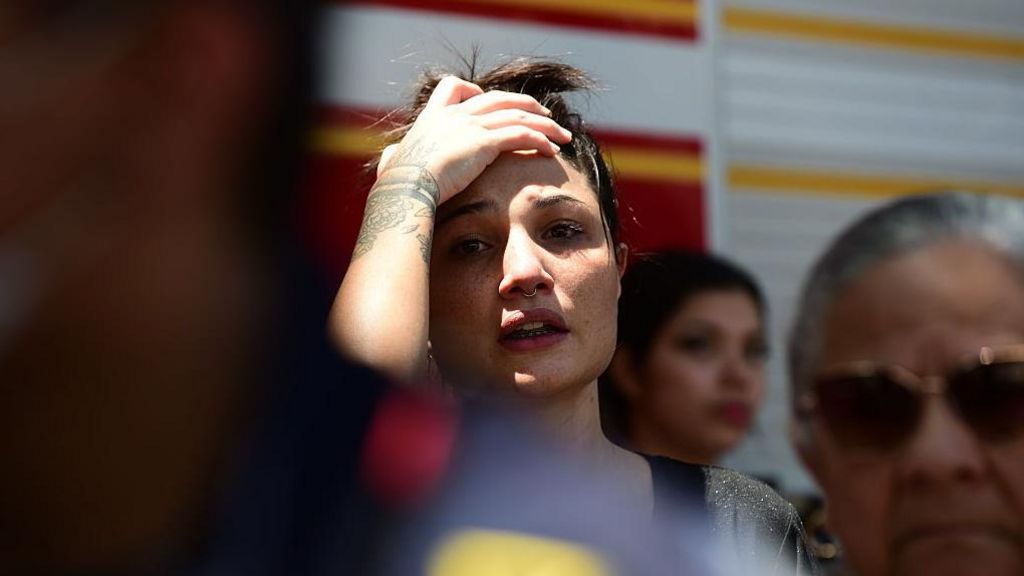
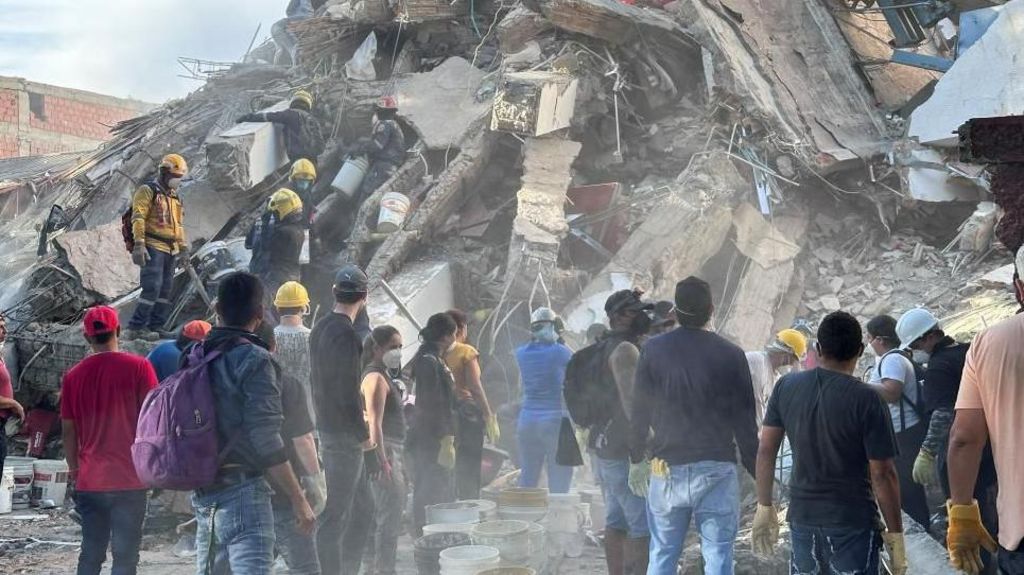
    In the wake of a devastating 7.4-magnitude earthquake that tore through southwestern Colombia, the hard-hit city of Cali — the nation’s third most populated urban center — has been left in ruins. Local residents are now walking through piles of crumbled concrete and twisted metal, their hearts heavy with worry as they comb through the wreckage searching for any trace of missing family members and friends. Emergency response teams have deployed heavy machinery and trained search crews across the city, working around the clock to pull trapped survivors from the remains of collapsed buildings, even as the death toll continues to climb in this already traumatized community. For many locals, every small sign of life, every faint signal from under the rubble, becomes a fragile beacon of hope that keeps them searching, even as the grim reality of the disaster settles across the shattered city.

  • All Blacks crush the Sharks 54-0 in rain-soaked Durban as McKenzie limps off

    All Blacks crush the Sharks 54-0 in rain-soaked Durban as McKenzie limps off

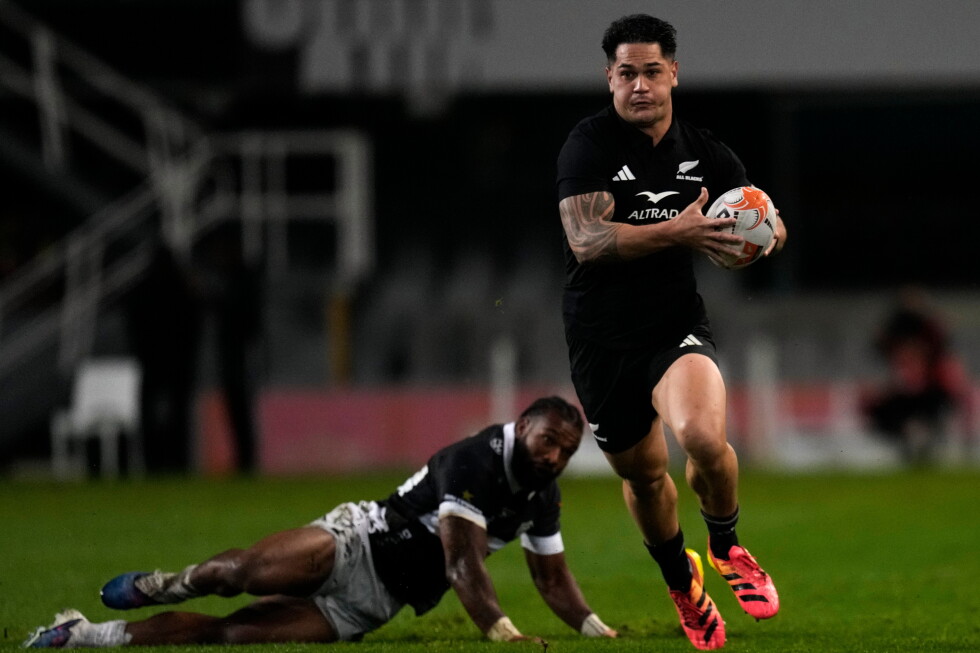
    DURBAN, South Africa – New Zealand’s All Blacks have secured their second consecutive victory on their 2024 South African tour, delivering a lopsided 54-0 defeat to the Sharks at a rain-soaked Kings Park stadium on Tuesday. The dominant win comes as a promising confidence boost for the side 11 days ahead of their upcoming test series, though a first-half injury to starting fullback Damian McKenzie has cast a small shadow over the result.

    McKenzie, who was already playing with a heavily strapped left ankle, suffered a re-aggravation of the injury early in the match when he landed awkwardly while taking a mark. The test regular crossed for a try in the 28th minute, but was pulled from the pitch shortly after in what coaching staff confirmed was a precautionary substitution to avoid further damage ahead of the high-stakes test series.

    Played under gloomy, wet conditions that left the pitch saturated from persistent rain right up to kickoff, the match pitted a half-strength All Blacks test XV against the Sharks, the lowest-ranked of the four South African provincial sides the New Zealand side is scheduled to face on tour. Even with a mixed lineup, the All Blacks outclassed their hosts from the opening whistle, fixing the clear tactical flaws that were on display during their tighter 38-21 win over the Stormers in Cape Town last Friday.

    The All Blacks showed marked improvement across all key areas of the game: their maul defense successfully shut down two early five-meter lineout drives from the Sharks, their scrum held solid against constant pressure, and on-field discipline saw a major upgrade. The side finished the match without conceding a single yellow card, and cut their penalty count significantly from the Stormers game, even on a slippery pitch that complicated ball handling and defensive positioning.

    The match delivered a memorable pre-game moment before kickoff: after the All Blacks performed their traditional pre-match haka led by Ruben Love, the Sharks responded with an unprecedented solo haka from 44-year-old rugby legend Ma’a Nonu. Nonu, a former All Black who earned 104 caps for New Zealand between 2003 and 2015, only signed with the Sharks one week prior, and the match marked his first time facing his former national side. The veteran came off the bench for a late cameo appearance when the All Blacks already held a commanding 42-0 lead in the final quarter.

    After weathering an early spirited push from a heavily depleted Sharks side, the All Blacks opened their try account in the 19th minute, when winger Fehi Fineanganofo crossed the line after a high bomb from Jordie Barrett. McKenzie had a try ruled out minutes later for an accidental knock-on, but five minutes on, he scored a legitimate try in the right corner, diving through a puddle after a kick-pass from Barrett to Fineanganofo set up the opportunity. He exited the pitch immediately after the score.

    New Zealand took a 14-0 lead into halftime, and gradually extended their advantage through the second half, overwhelming the Sharks’ defense with consistent attacking pressure. Second winger Caleb Clarke scored from a long miss-out pass from No. 8 Wallace Sititi, then turned provider to offload for Fineanganofo’s second try of the night. First-time All Blacks captain Luke Jacobson set up a try for Jordie Barrett, and a break from Quinn Tupaea was finished off by scrumhalf Kyle Preston. Late tries from Timoci Tavatavanawai and Sam Darry pushed the All Blacks past the 50-point mark, with Ruben Love converting seven of the side’s eight total tries – including four difficult sideline conversions and one that bounced off the post and through.

    The All Blacks will next face the Bulls in Pretoria this coming Saturday as they continue their preparation tour ahead of the upcoming test series against South Africa.

  • Rescuers scramble for survivors with 180 dead in Colombia earthquake

    Rescuers scramble for survivors with 180 dead in Colombia earthquake

    A catastrophic 7.4-magnitude earthquake struck western Colombia early Monday morning, triggering a massive race against time for rescue teams working to pull trapped survivors from collapsed buildings and rubble piles across the hardest-hit regions.

    The powerful tremor hit at 7:34 a.m. local time (12:34 GMT), with shaking felt across hundreds of miles of Colombian territory. As of Tuesday, more than 70 aftershocks have already been recorded by Colombia’s geological service, including two 3.6-magnitude tremors that struck early Tuesday in San José del Palmar and Santander, leaving communities on edge and disrupting early recovery efforts.

    Discrepancies have emerged in official casualty counts: the national confirmed death toll stands at 181, but aggregated data from local authorities puts the fatalities higher, at more than 240. Nearly 2,600 people have been confirmed injured across the country, and almost 200 people remain unaccounted for. The disaster has also left a massive trail of infrastructural damage: more than 1,100 homes have been completely destroyed, and an additional 8,000 have suffered partial damage. Thousands of residents spent Monday night camping outdoors in affected cities including Cali and Pereira, either because their homes were destroyed or out of fear of additional structural collapses driven by aftershocks.

    The worst damage has been concentrated in two major cities: Cali, a population center of 2.2 million, has recorded 95 fatalities, while nearby Pereira has reported 79 deaths. In Cali, local authorities have established a unified command center to coordinate inter-agency rescue efforts. Mayor Alejandro Eder confirmed that as of Tuesday, 239 people remained trapped in rubble, 949 residents had been injured, and 45 structures across the city had fully or partially collapsed. One of the most tragic incidents unfolded at a city hospital, where several upper floors — including units dedicated to pediatric care — caved in, trapping multiple patients. In the northern Cali neighborhood of Calima, a section of the local Gimnasio Calima school collapsed, killing four children and seriously injuring dozens more; 30 children in total were transferred to emergency care centers. To prevent looting amid the chaos, Mayor Cadavid of the municipality has implemented an overnight curfew that runs from 8 p.m. local time through 6 a.m. Wednesday.

    In Pereira, the second hardest-hit city, officials have declared a car-free day to clear streets for unimpeded search-and-rescue operations, with hundreds of volunteer responders joining professional rescue teams to clear rubble. A resident of the city’s Parque Industrial neighborhood described widespread chaos and shock to BBC Mundo, saying, “It’s impossible to get around the city center. In Bolívar Square, at least one building collapsed. Furthermore, there are structures where buses and trucks are trapped, and people are afraid those structures will collapse as well. We’re all in shock. It was really awful.”

    Smaller casualties and damage have been recorded in other nearby municipalities: Manizales Mayor Jorge Eduardo Rojas confirmed five deaths and 60 partially or fully collapsed buildings. Rojas urged residents to avoid spreading unconfirmed chain messages and social media posts from unknown sources, warning that false information could stoke unnecessary public panic amid ongoing aftershock risks.

    In response to the disaster, Colombian President Abelardo de la Espriella has declared a national state of emergency, and toured the hardest-hit area of Pereira on Tuesday to deliver an official update on the response. The international community has already begun offering support: UN Secretary-General António Guterres issued a statement expressing solidarity with the Colombian people and government, confirming UN teams are working to support national response efforts. The U.S. administration, which backed President de la Espriella’s election earlier this year, has announced a $15.5 million emergency donation to support recovery. Spain’s Foreign Ministry confirmed that 164 Spanish citizens remain unaccounted for, though there are no confirmed reports of Spanish fatalities or injuries. Offers of assistance have also been extended by neighboring countries including Ecuador, Brazil, El Salvador, and Venezuela.

  • Turkey suspects Israel fabricated Trump Air Force One assassination plot to derail US-Iran deal

    Turkey suspects Israel fabricated Trump Air Force One assassination plot to derail US-Iran deal

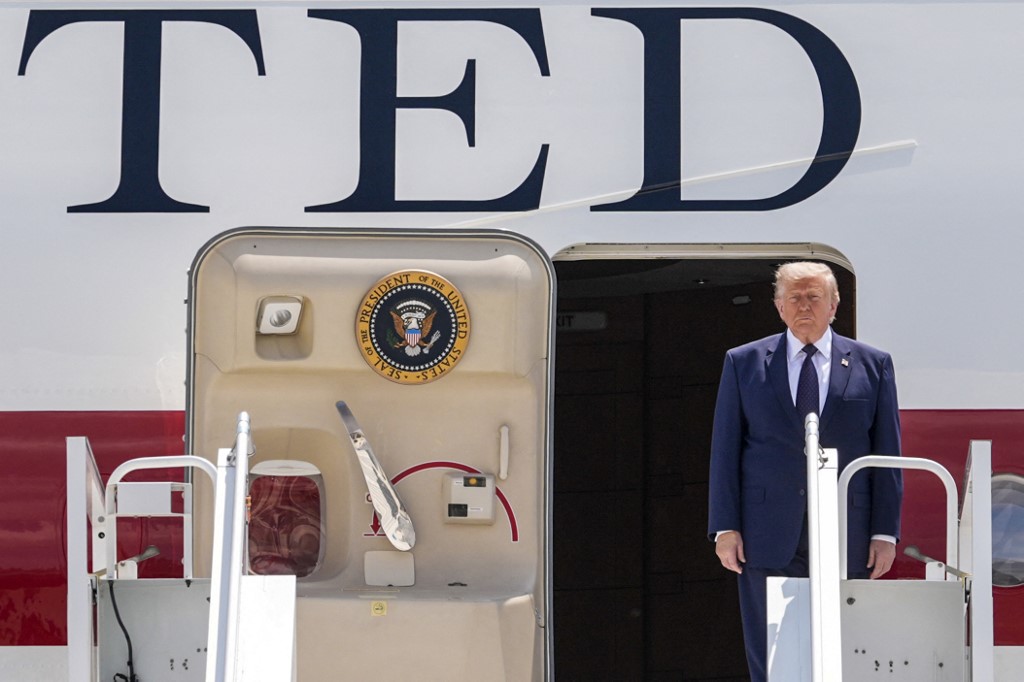
    In the weeks following the July NATO summit held in Ankara, Turkish government officials have privately concluded that an Israeli intelligence report warning of an Iranian plot to assassinate then-U.S. President Donald Trump during the event was a deliberate fabrication designed to disrupt ongoing U.S.-Iran negotiations, multiple sources familiar with the internal discussions told Middle East Eye.

    The high-stakes summit, held on 7 and 8 July, put Ankara on total security lockdown. The Turkish government rearranged civilian schedules, granting all public servants a full week of administrative leave to clear city streets, blocked major roadways and pedestrian corridors, and repurposed the military-controlled Etimesgut Air Base (dubbed Ankara Airport for the summit) to cut travel time for visiting heads of state from the tarmac to the summit venue to just 10 minutes. On 8 July, around 2:00 p.m., reporters on the ground already noted an unusual increase in security deployments around the airbase, where Trump’s presidential aircraft was parked.

    It was shortly after this visible buildup that U.S. intelligence officials shared the Israeli-originated threat assessment with their Turkish counterparts: the report claimed an Iranian covert operations unit planned to target Trump’s new Air Force One with Man-portable air-defense systems (Manpads) fired from within a 1-kilometer radius of the runway. Unlike Ankara’s main international hub Esenboga Airport, the repurposed Ankara Airport is ringed by civilian residential and commercial buildings, some sitting as close as 500 meters from the runway, creating an immediate vulnerability that pushed security teams to act fast.

    The U.S. Secret Service, which already viewed the threat as credible amid two prior alleged Iranian plots targeting Trump, moved quickly to revise security arrangements. First, officials shifted Trump’s departure point from Ankara Airport to Esenboga Airport, where civilian structures sit much farther from airport perimeters. They then swapped the new, unprotected Air Force One for the older model, which is outfitted with integrated air defense systems. According to reporting from The Washington Post, the Secret Service went a step further: after Trump boarded the older Air Force One, he was secretly moved to an accompanying U.S. government C-32 transport plane via a borrowed Turkish catering vehicle, a movement captured in a viral social media post from journalist John Hudson.

    Turkish officials, who coordinated last-minute landing approvals for the extra C-32 and accommodated the abrupt schedule changes, told MEE that the chaotic last-minute shifts immediately raised red flags in Ankara. The threat arrived at an unusually sensitive moment for regional diplomacy: Trump was actively engaged in negotiations with Iran to end the ongoing war and reopen the strategically critical Strait of Hormuz, a position that ran directly counter to the agenda of Israeli Prime Minister Benjamin Netanyahu, who had publicly pushed for a resumption of full hostilities against Iran, including expanded strikes on Iranian energy infrastructure and a renewed campaign of targeted assassinations against Iranian leadership.

    During Trump’s pre-summit meeting with Turkish President Recep Tayyip Erdogan, sources present told MEE that Trump repeatedly stated the war with Iran was effectively over and expressed optimism about the outcome of ongoing negotiations. Trump also signaled he was prepared to roll back U.S. sanctions imposed on Turkey over its 2019 purchase of Russian-made S-400 air defense systems, and move forward with a long-delayed sale of F-35 fifth-generation fighter jets to Ankara – a move Netanyahu has repeatedly opposed, arguing it would erode Israel’s decades-held Qualitative Military Edge in the Middle East.

    Turkish assessments of the Israeli intelligence report conclude it was likely a deliberate ploy by Netanyahu’s government to position itself as a trusted ally warning Trump of danger, derail the nascent U.S.-Iran negotiations, and damage the warming relationship between Trump and Erdogan. While Turkish security teams took the threat seriously and coordinated fully with U.S. counterparts to implement new precautions, senior Turkish officials quickly became convinced the plot could not be real.

    Ankara’s skepticism is rooted in decades of regional security dynamics: though Iran has targeted exiled dissidents on Turkish soil with small-scale attacks using simple firearms, it has never attempted a complex, high-profile operation involving heavy weaponry like Manpads in Turkish territory. Pulling off such an attack would require moving man-portable missiles through multiple layers of NATO summit security checkpoints and roadblocks, establishing safe houses and covert transit routes in a city under total lockdown – a feat that Turkish intelligence views as functionally impossible. Any successful attack would also force Turkey into an open conflict with Iran, a neighbor with which Ankara has maintained stable diplomatic relations throughout the war, and for which Iran has already thanked Turkey for refusing to back what it calls a Western-backed Kurdish insurrection in western Iran.

    An Ankara-based security insider added that the timed leak of the Secret Service’s emergency security operation just one month after the summit only reinforced Turkish suspicions. “I guess they need heroes for an attack that never happened and, most likely, was never planned,” the insider told MEE.

    Middle East Eye has reached out to the White House and Israeli Foreign Ministry for comment on the allegations, and had not received a response at the time of publication.

  • Former judge removed by Orbán elected Hungarian president

    Former judge removed by Orbán elected Hungarian president

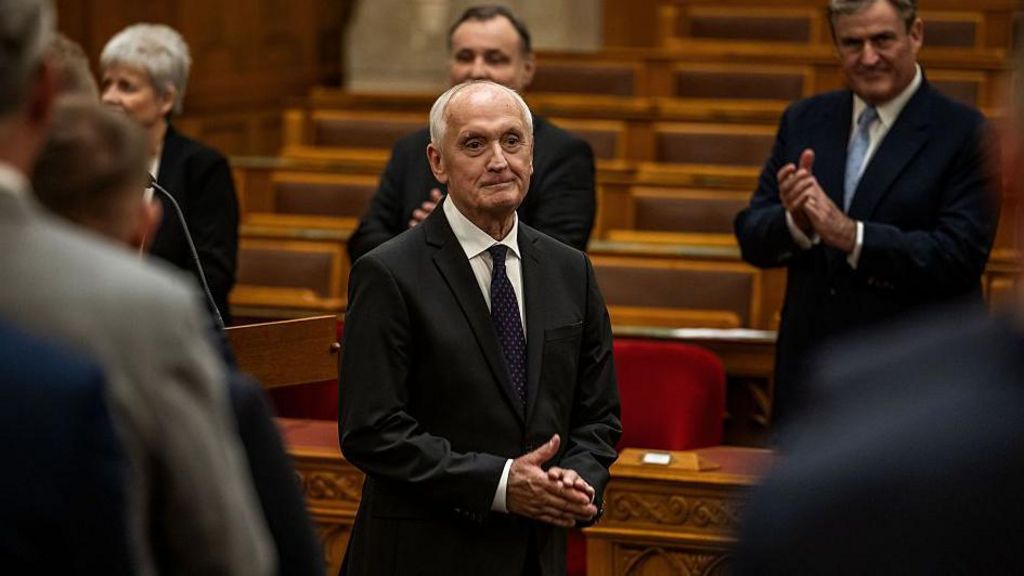
    Hungary’s national parliament has elected 73-year-old András Baka, a veteran legal figure and former Supreme Court president, to serve as the country’s new head of state, capping a period of rapid political upheaval following the end of former Prime Minister Viktor Orbán’s long tenure.

    While the Hungarian presidency is formally a largely ceremonial role, Baka’s term is set to be defined by high-stakes tasks at the core of the new government’s agenda: overseeing Prime Minister Péter Magyar’s administration’s push to dismantle the sprawling interconnected economic and political network built by Orbán during his years in power, and steering the process of drafting a new national constitution to replace the 2011 constitution enacted under Orbán’s government.

    Following his landslide election victory, which saw him secure 140 votes against just 6 opposing votes, Baka used his first address to parliament to reject a politics of retribution. “We cannot build the new Hungary on revenge,” he told assembled legislators. “The majority of society now feels a sense of liberation and hope. Others feel disappointment and uncertainty. In a democratic society, this is not an anomaly, but a natural state of affairs.”

    All 51 members of parliament from Orbán’s Fidesz party boycotted the vote, walking out of the chamber in protest of the removal of their preferred candidate, Tamás Sulyok, from the presidency last month. The move marks the latest chapter of friction between the new governing coalition and Fidesz, which has already faced sweeping institutional changes from the Magyar administration that took office in early May.

    Since assuming power, the new government has moved at breakneck speed to roll back Orbán-era policies. It has already passed 27 new laws and ratified two constitutional amendments, canceled all the national states of emergency that Orbán leveraged to rule by decree—covering migration, COVID-19, and the war in Ukraine—and abolished the controversial Sovereignty Protection Office, which Fidesz repeatedly used to target independent journalists and non-governmental organizations critical of the previous government.

    In its place, the administration created the National Asset Recovery and Protection Office, which has been granted broad authority to investigate and prosecute individuals accused of embezzling state funds during Orbán’s tenure. Fidesz has hit back at these changes, accusing the new Tisza-led government of establishing what it calls a “tyranny.” This criticism carries a sharp irony, however: Fidesz itself removed Baka from his post as Supreme Court president back in 2011, when he pushed back against the party’s efforts to weaken judicial independence and undermine the rule of law.

    Another major institutional shift already underway is the overhaul of public service media. Public radio and television outlets have been off air since July 9, as the government overhauls their news programming to undo their transformation into Fidesz-era government propaganda outlets, with the stated goal of restoring full editorial independence to public media.

    Two key constitutional amendments, numbered 16 and 17, have also reshaped Hungary’s political rules: they impose a two-term limit on sitting prime ministers and a three-term limit for members of parliament, while also restoring the Constitutional Court’s authority to review acts of parliament— a power that Fidesz stripped from the court during its time in power.

    Despite Baka’s selection by the governing majority, the new president is not expected to be a rubber-stamp for the administration’s agenda. In a pre-election interview with the BBC, Baka openly stated his opposition to parliamentary term limits, arguing that they improperly intrude on the right of voters to freely select their own representatives.

    Baka brings decades of international judicial experience to the role: he spent 17 years serving as Hungary’s judge to the European Court of Human Rights based in Strasbourg. Framing his entry into the presidency as rooted in legal principle rather than partisan ambition, Baka told the BBC last month: “I am not a political man. I got involved in politics through my professional, legal way of thinking.”

    Baka is widely understood to be a transitional president. The constitutional amendment that created space for his appointment stipulates that a new head of state will be selected once the new constitution enters into force, with his maximum term capped at five years.

    In his closing remarks to parliament on Tuesday, Baka made clear he would challenge Hungary’s longstanding cultural tendency toward reliance on strongman leadership. “The state is not there for itself,” he said. “It is there for the people.”