博客

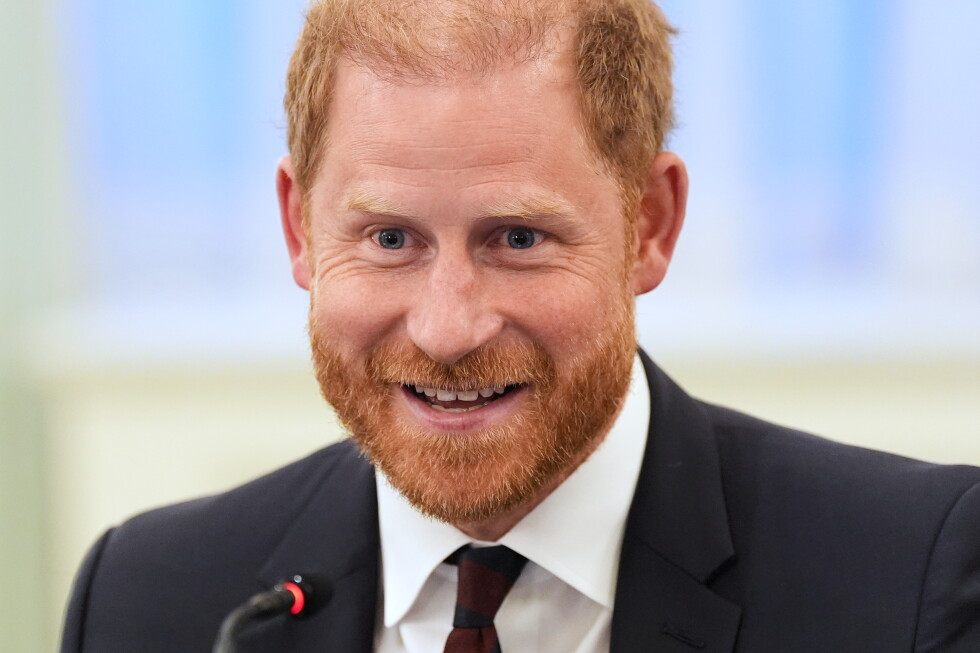
  • Huge questions loom over Prince Harry’s shock return to UK

    Huge questions loom over Prince Harry’s shock return to UK

    In a development that has sent shockwaves through British royal circles and global media alike, Britain’s Prince Harry and his wife Meghan Markle are preparing to relocate back to the United Kingdom, six full years after stepping down from their official royal duties and leaving the country. The unexpected announcement, first reported by The Daily Telegraph late Wednesday, has left the public and commentators grappling with a host of unanswered questions about the couple’s motivations, plans, and future relations with the House of Windsor.

    According to the Telegraph’s reporting, the couple intend to depart the United States by the end of the current month to take up residence in a private, non-royal property understood to be located outside of London. Multiple British media outlets, including the national public broadcaster BBC, have confirmed that the couple’s two young children — 7-year-old Prince Archie and 5-year-old Princess Lilibet — have already been enrolled in a British school ahead of the new academic year starting in early September. That confirmation has lent credibility to reports of the impending move, even as core details remain unconfirmed by Buckingham Palace or representatives for the couple.

    ### The Motivations Behind the Sudden Relocation
    Royal commentators have put forward a range of competing theories to explain why the couple, who have resided in Montecito, California since 2020, have chosen to uproot their lives and return to Britain now. Many point to the underperformance of the couple’s high-profile commercial ventures in the United States, which have failed to meet the high expectations that accompanied their 2020 departure.

    “Meghan’s cookery series did not perform well, they were unable to secure a long-term successful partnership with Netflix, and they ultimately lost their major podcast deal with Spotify,” veteran royal commentator Richard Fitzwilliams told Agence France-Presse. “Their time in Hollywood has not been the success they anticipated, and this looks like a strategic shift to change their trajectory before Prince William accedes to the throne.”

    Fitzwilliams added that the couple may also be acting in response to persistent reports that Prince William, Harry’s older brother and the heir to the British throne, is considering stripping them of their honorary royal titles once he becomes king. Other analysts, however, frame the move as a step toward long-sought reconciliation with the royal family.

    Another prominent royal commentator, Ed Owens, noted that Harry, the younger son of reigning King Charles III, has held a long-held desire to repair fractured relations with his father and the wider royal household. In July of this year, the couple made a low-key brief visit to the UK where they met with King Charles — marking the first time the couple’s two children had met their paternal grandfather in four years. According to Owens, that visit went far better than many observers expected, clearing the way for a more permanent return.

    “That visit was seen as a success on both sides, so now appeared to be the right moment to make this move,” Owens explained.

    ### Where Will the Couple Reside?
    After stepping back from their roles as working members of the royal family in 2020, Harry and Meghan — the Duke and Duchess of Sussex by hereditary title — eventually purchased and settled into a sprawling private estate in the wealthy coastal California community of Montecito. Multiple reports confirm that any new UK residence will not be one of the royal family’s many official properties, and will remain entirely private.

    Fitzwilliams said the rural Cotswolds region of western England, where Harry spent much of his childhood visiting his father’s private Highgrove House estate, is emerging as the most likely location for the couple’s new home. The British tabloid The Sun has further reported that the couple will retain their existing Montecito home, as well as a vacation property in Portugal where they spent part of this summer, meaning the relocation will not mean a complete break from their life in the United States.

    ### What Does the Future Hold for Their Public Roles?
    When the couple stepped down as working royals in 2020, the late Queen Elizabeth II explicitly ruled out any so-called “half-in/half-out” arrangement that would allow the pair to retain official royal roles while pursuing private commercial ventures. To date, Buckingham Palace has not signaled any shift on this longstanding position, and it is widely understood that the couple will remain non-working royals following their return, with no access to the official perks and responsibilities that come with active royal status.

    Harry will maintain his patronages with a number of UK-based charities, and will continue his work leading the Invictus Games, the international adaptive sporting event for wounded veterans that he founded, with the next edition scheduled to be held in Birmingham in 2025. The couple’s original $100 million content deal with Netflix, signed shortly after their departure from the UK, was renegotiated last year to a far more limited agreement that allows the pair to develop smaller film and television projects for the streaming platform. Meghan also recently launched her own lifestyle and consumer products brand, As Ever, in 2025.

    Despite their high profile, the couple remain broadly unpopular with the British public. A recent YouGov public opinion poll found that only 22 percent of British respondents hold a positive view of Meghan, while just 33 percent view Harry favorably.

    ### Can Harry Repair Fractured Ties With Prince William?
    Relations between Harry and the rest of the royal family collapsed completely after the couple’s bombshell 2021 interview with Oprah Winfrey, where they made wide-ranging allegations of racism and neglect against the royal household. The rift deepened further with the January 2023 release of Harry’s unflinching tell-all memoir *Spare*, which made damning personal claims about William and other senior royals.

    While tentative bridges have been rebuilt between Harry and King Charles in recent months, William and Harry remain completely estranged, with the brothers reportedly not speaking to one another. The Daily Mail reported that William was furious when he learned of the couple’s planned relocation, with Fitzwilliams noting that the heir to the throne is strongly opposed to the move.

    “There is a very deep rift between the brothers. William feels that Harry has betrayed him and the institution,” Fitzwilliams explained. Owens, however, struck a more optimistic tone, noting that William — like his father before him — will likely eventually choose to forgive Harry for past tensions in the interest of the monarchy.

    ### Unresolved Security Questions
    Another major open question surrounding the move centers on personal security for the family. Harry has repeatedly said that he did not feel safe bringing his family to the UK after he lost a high-profile court battle against the British government over public funding for personal armed police protection. Former BBC royal correspondent Jennie Bond told Sky News that the planned relocation is particularly surprising given Harry’s longstanding public concerns on this issue.

    “It is extraordinary that he suddenly feels able to bring his wife and children to the UK when just a year ago he said there was no way he could do that because of the ongoing disputes over security provision,” Bond said.
  • ‘I feel I am imprisoning myself’ – Djokovic on drive & doubts

    ‘I feel I am imprisoning myself’ – Djokovic on drive & doubts

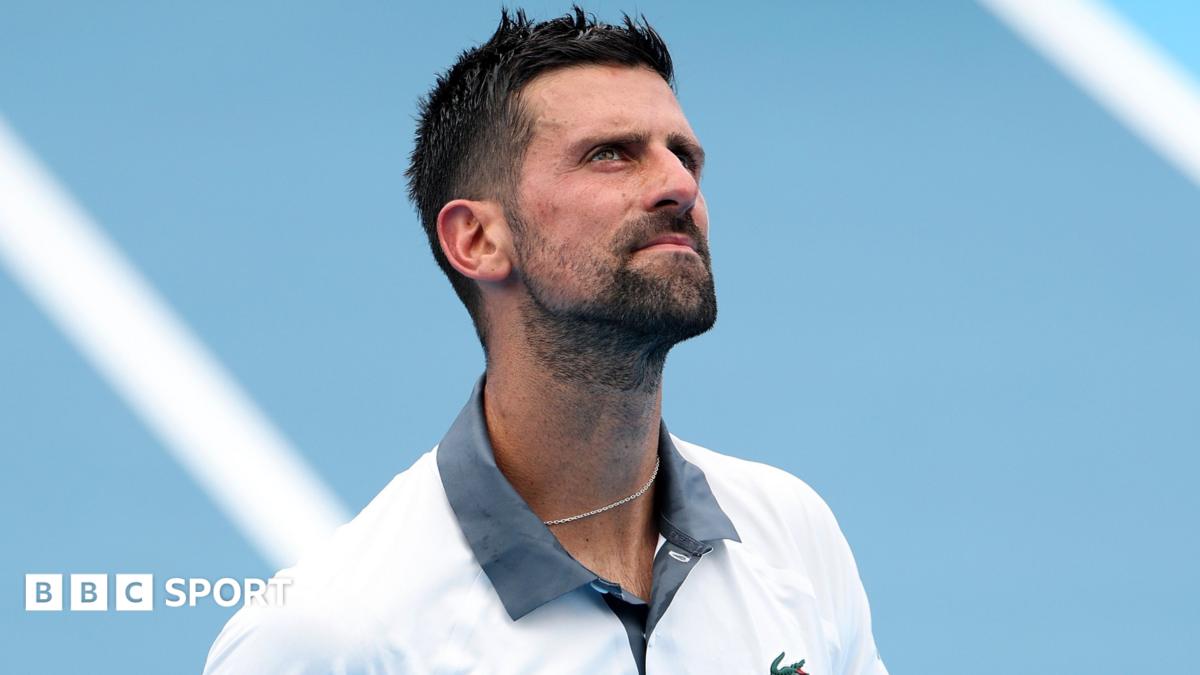
    At 39 years old, Novak Djokovic stands alone as one of the most decorated athletes in tennis history, yet his relentless hunger for more has never faded. With a record-tying 24 Grand Slam singles titles, the most ATP Masters 1000 crowns of any male player in the sport, and a newly minted Olympic gold medal added to his trophy case in 2024, Djokovic has already secured his legacy as one of the greatest to ever pick up a racket. But in a revealing new Amazon Prime documentary, the Serbian superstar opens up about his lifelong internal battle: no number of trophies has ever been enough to quiet the voice inside that pushes him to constantly do better.

    “I cannot say I feel content with what I have and who I am,” Djokovic shared in the film. “I am always looking to be more – better, faster, stronger. Oftentimes I feel I am imprisoning myself.” This unrelenting self-criticism makes Djokovic his own harshest judge. “I’m the number one doubter,” he explained. “I’m trying to prove myself wrong more than anybody else.”

    His wife Jelena Djokovic echoed this insight, confirming the tennis legend holds deeply conflicting feelings about the eventual end of his playing career. “He carries that burden that he’s never enough. No matter how much he does, it will never be enough,” she said. “Tennis is a fulfilling place for him – a place where he feels worthy.”

    Djokovic’s singular path to tennis greatness, and his complex relationship with the sport, is rooted in traumatic childhood experiences that few elite athletes can relate to. Born and raised in Belgrade, he was just a young boy when NATO bombing campaigns targeted the Serbian capital between March and June 1999. He recalled fleeing his residential building, which lacked any dedicated bomb shelter, in search of safety. On the way, he fell behind his family, and watched from the street as a warplane dropped two bombs on a nearby hospital. In the years that followed, daily life meant waiting hours in long lines just to secure basic necessities like bread and milk.

    Far from breeding resentment, Djokovic says these hardships became the foundational building blocks that forged his character and competitive drive. “These are defining moments, something I want to portray as a building block for me as a player and a person,” he told BBC 5 Live in a recent interview. “There is no regret or resentment. In contrary, it’s appreciation and gratitude. Everything in life happens as a reason.”

    As a young rising star, Djokovic was always an outsider in the historically expensive, elitist world of professional tennis. He opened up about his father having to borrow money from high-risk lenders just to fund his early training and travel for junior tournaments. When he finally broke into the upper echelons of the men’s game, he disrupted the decade-long rivalry between Roger Federer and Rafael Nadal that had captivated global tennis fans. More emotionally expressive and outspoken on court than his two legendary rivals, Djokovic never enjoyed the universal adoration that the pair received early in his career. For years, he suppressed the stress and frustration of his early struggles, emotions that would later emerge during high-stakes matches. “On the court, that’s where I felt safe and comfortable. It was a familiar ground,” he said. “Tennis is much more than a game and competition. It is defining ground for who I am as a person.”

    Today, with both Federer and Nadal having retired from the sport – Federer in 2022, and Nadal in 2024, both forced out by persistent, career-ending injuries – Djokovic continues to compete at the highest level. In recent years, he has scaled back his playing schedule, focusing almost exclusively on Grand Slam tournaments to preserve his body. After falling to Jannik Sinner in the 2025 Wimbledon semi-finals, he acknowledged he was pushing through major events with his energy reserves already “half-empty.”

    Still, Djokovic rejects any talk of setting an expiration date for his career. Every Grand Slam tournament brings fresh speculation about when he will hang up his racket, regardless of his result, and the 2026 US Open will be no different. But for Djokovic, as long as he can still compete with and beat the best players in the world, retirement is not on the agenda.

    “Why would I talk about retirement when I still keep proving to myself that I can still win?” he asked in the documentary. “As long as I have the drive, the passion, but most of all, as long as I feel like I can be one of the best players in the world, I want to keep going.”

    After claiming the long-awaited Olympic men’s singles gold medal at the 2024 Paris Games – a achievement Djokovic calls the pinnacle of his entire career – he has already set his sights on competing at the 2028 Los Angeles Olympics. “It seems a long way out. I feel like I can make it,” he said. “I would like to end with the Serbian flag on my shoulders. It would be a nice way to wrap up something I’m very proud of.”

  • The global revival of mahjong, a centuries‑old Chinese tradition

    The global revival of mahjong, a centuries‑old Chinese tradition

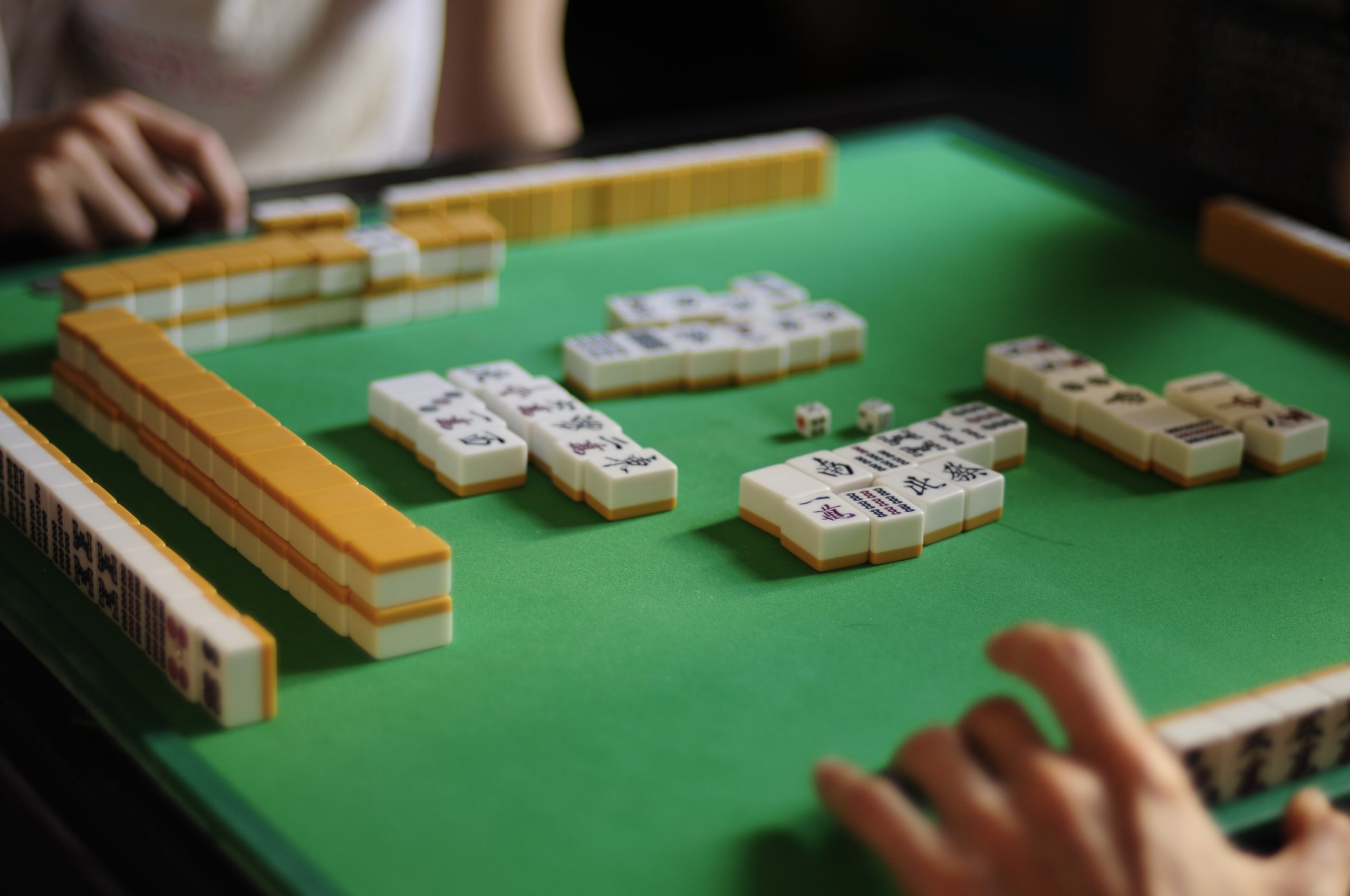
    The centuries-old Chinese tile-based game of mahjong is experiencing an unprecedented global renaissance. From designer-branded tile sets to viral social media ‘mahjong parties’ and a rapid expansion of community clubs and beginner classes across Western countries, this traditional pastime has reemerged as one of the hottest lifestyle trends of the 2020s. But its newfound mainstream popularity has sparked urgent conversations about cultural exchange, commercialization, and the responsibility to honor its Chinese roots as it becomes a global commodity.

    Mahjong traces its origins to the eastern coastal region of 19th century China, during the final decades of the Qing Dynasty. While scholars continue to debate its exact creation story, most agree the game evolved from much earlier tile-based gaming traditions that existed across China for centuries. By the early 1900s, mahjong had spread across the entirety of China before making its way overseas, gaining early footholds in the United States, France, and the United Kingdom.

    During this first international boom, American retailers like Abercrombie & Fitch led commercialization efforts to market mahjong to Western consumers. However, as historian Heather Lynn Heinz notes, that commercial success would not have been possible without the critical contributions of Chinese manufacturers, trade networks, and cultural insiders. Chinese merchants and community leaders imported and sold mahjong sets, and personally taught thousands of white American players the rules of the game – yet these foundational contributions have been largely erased from popular narratives of mahjong’s early history in the West, as captured in a 1924 Library of Congress photograph of young Chinese boys hand-engraving mahjong tiles for export.

    At its core, traditional mahjong is a four-player strategy game played with 144 tiles, where participants draw and discard tiles to complete a winning hand. Success relies on a mix of strategic thinking, probability calculation, memory, and the ability to read opponents’ moves, but the social, connection-focused element of the game is just as central to its enduring appeal as the gameplay itself.

    Today, more than 40 distinct regional variations of mahjong are played across the world, each with unique rule sets, tile counts, and winning conditions. Iconic Chinese variants including Cantonese and Hong Kong-style mahjong differ dramatically from adaptations like Japanese riichi mahjong. One of the most distinct Western iterations is American Mah Jongg, which was developed during the 1920s boom, incorporates unique joker tiles not found in traditional sets, and adopted the double-g spelling as a commercial branding choice. It was eventually standardized by the National Mah Jongg League, which still oversees tournament play today. In the current revival, American Mah Jongg leads growth in the U.S., while newer clubs like Australia’s Lucky Tiles focus on introducing new players to traditional Hong Kong-style play.

    Within China, mahjong’s history has long mirrored larger societal shifts. During the late Qing and Republican eras (1912–1949), the game transitioned from male-dominated gambling spaces like teahouses and brothels into middle-class and elite private homes, becoming a core part of women’s social gatherings – a shift that reflected changing gender norms and attitudes toward leisure in early 20th century China. Even at points throughout history when critics labeled mahjong a vice tied to gambling and excessive leisure, particularly as it grew in popularity among women, those criticisms never erased its deep cultural roots. Today, mahjong remains a staple of Lunar New Year celebrations and everyday social gatherings in households across China and the Chinese diaspora, where it serves as a tool for intergenerational connection and preserving cultural identity for overseas communities.

    So what is driving mahjong’s unexpected 2020s boom? Google search data shows consistent year-over-year growth in interest for “mahjong” and related terms, while rising media coverage has further accelerated its popularity. Multiple overlapping trends have fueled this resurgence: in the wake of global pandemic lockdowns, many people are actively seeking offline, in-person activities that foster genuine social connection, filling a gap left by years of remote interaction. Pop culture and social media have also played a major role, with many observers tracing the start of the current revival to the 2018 hit film *Crazy Rich Asians*, which featured a iconic high-stakes mahjong scene that introduced the game to millions of new Western viewers. Today, boutique lifestyle brands and social media influencers have rebranded mahjong as an aspirational lifestyle trend, framing fashionable mahjong game nights as an extension of the viral “Chinamaxxing” trend that embraces Chinese cultural aesthetics.

    This commercial boom has reignited long-simmering debates over cultural appropriation, a tension that first emerged during the 1920s American mahjong craze. Back then, mahjong became a fad among wealthy white American women, who embraced what Heinz describes as an Orientalist framing of “feminine exoticism,” adopting stereotypical Chinese-inspired clothing and language to perform an imagined, romanticized version of Chinese culture – all at a time when anti-Asian prejudice and strict immigration restrictions were escalating rapidly across the United States.

    Philosopher James Young argues that cultural borrowing is a natural part of human societal development, and is not inherently unethical. The key questions, he says, are whether the origin of a cultural practice is properly acknowledged, and whether adoption of that practice causes harm to the community it came from. Late cultural critic bell hooks, meanwhile, warned against the harm of reducing a living culture to a detachable aesthetic object stripped of its historical context – a debate that played out in a 2021 controversy, when U.S. brand The Mahjong Line drew widespread backlash for selling sets that replaced traditional Chinese characters with Western words and symbols.

    There is also the question of financial equity in mahjong’s current boom. Texas-based brand Oh My Mahjong, founded in 2022, reported more than $30 million in revenue in 2025, while luxury fashion houses like Hermès sell high-end designer mahjong sets for tens of thousands of dollars, turning a culturally significant traditional game into a high-margin luxury commodity. As mahjong continues to grow in global popularity, the core challenge moving forward will be ensuring its success remains tied to the Chinese communities and deep history that shaped it, and that those communities get to have a meaningful voice in how the game evolves around the world.

  • What to know about Prince Harry’s move back to Britain with Meghan and the kids

    What to know about Prince Harry’s move back to Britain with Meghan and the kids

    Six years after the Duke and Duchess of Sussex stepped down from their official royal roles and relocated to North America, a shocking new development has emerged: Prince Harry, his wife Meghan, and their two young children are preparing for an extended stay in the United Kingdom – a move that has fueled widespread speculation about a potential thaw in the long-running rift between Harry and his immediate family, including King Charles III and heir to the throne Prince William.

    The 41-year-old prince, who remains fifth in the line of British royal succession, has not publicly addressed details of the upcoming move when approached by the Associated Press during a public event Wednesday evening. But insiders close to the couple confirm that key preparations are already underway: Prince Archie, 7, and Princess Lilibet, 5, have been enrolled at British schools and are set to begin classes this coming September. Multiple sources familiar with the Sussexes’ plans, who spoke on condition of anonymity due to the sensitivity of the topic, have confirmed the enrollment to the AP.

    Contrary to early rumors that the couple might be seeking a return to official royal duties, the Sussexes have no plans to resume working roles within the monarchy. The family will reside in a private, non-royal residence outside of London, while retaining their existing luxury home in the exclusive Montecito enclave of Southern California and their vacation property in Portugal’s Costa Terra resort. The couple will continue their independent commercial ventures: Meghan will oversee her lifestyle brand As Ever – which produces premium jams, teas, and wines – from the UK, while Harry will expand his work with UK-based charitable organizations.

    Since relocating to the US in 2018, Harry has only made sporadic, short trips back to the UK, many of which were tied to his ongoing legal battles with British tabloid publications. A notable shift came just last month, when Harry, Meghan, and their children made a private visit to meet King Charles and Queen Camilla at the monarch’s Highgrove House country estate. That meeting marked the first time Archie and Lilibet had seen their grandfather since the late Queen Elizabeth II’s platinum jubilee celebrations in 2022.

    According to British media reports, King Charles was only officially notified of the couple’s extended stay plans this past Sunday – a detail that has surprised veteran royal commentators. “If I was the king, I’d actually be thinking, ‘Hang on, you came to tea with me, and we sat down and we chatted, and you didn’t even mention this?’” former BBC royal correspondent Jennie Bond told Sky News. “I find it entirely odd.” Buckingham Palace has maintained its longstanding policy of declining to comment on private matters involving non-working members of the royal family, and has issued no official statement on the news.

    The extended stay comes after Harry has publicly pushed for reconciliation with his family, particularly as King Charles undergoes ongoing treatment for an undisclosed form of cancer. “I would love reconciliation with my family. There’s no point in continuing to fight anymore,” Harry told the BBC in a 2023 interview, adding “I don’t know how much longer my father has.” While relations between Harry and Charles have warmed noticeably in recent months, mending ties with Prince William is expected to be far more complicated.

    The rift between the Sussexes and the royal family widened dramatically after the couple’s 2021 tell-all interview with Oprah Winfrey, in which they alleged that a senior royal had made racist comments about Meghan – who identifies as biracial – during her first pregnancy, and that senior palace officials had failed to address Meghan’s struggles with mental health. The divide deepened further with the 2022 release of Harry’s unflinching memoir *Spare*, in which he claimed William had physically attacked him during an argument over Meghan, and labeled Queen Camilla a “dangerous” figure who cultivated ties with tabloids to improve her public image at the expense of other family members.

    Veteran royal journalist Peter Hunt, another former BBC correspondent, argues that the unexpected announcement of an extended stay will put enormous pressure on William to engage with his brother. “In the short term, Harry will be able to deepen his rapprochement with his father,” Hunt told the Press Association. “And his presence back home will make it harder for his brother to duck a reconciliation.”

    The return also raises major questions about Harry’s long-held stance on security. For years, Harry has argued that the removal of his automatic publicly funded police protection detail when he stepped down as a working royal was the “heart” of his dispute with the palace. Citing the 1997 death of his mother, Princess Diana, in a car crash while being pursued by paparazzi, Harry has long insisted that he and his family face ongoing threats from the media, and previously stated he could not imagine bringing his wife and children back to the UK without formal security guarantees. It remains unclear whether the UK government’s VIP protection committee has revised its risk assessment for Harry, or if he will rely solely on his privately funded security team during his extended stay.

    Harry’s high-profile legal battles with British tabloids over phone hacking and privacy invasion have concluded for the most part, with mixed results. He secured a favorable ruling against the publisher of the *Daily Mirror*, and reached a settlement with News Group Newspapers, publisher of *The Sun*, that included an unprecedented public apology. But last month, Harry and a group of co-plaintiffs that included musician Elton John lost a high-profile privacy case against the publisher of the *Daily Mail*. A judge is set to rule this Friday on how much the plaintiffs will be required to pay to cover the *Daily Mail*’s 34.5 million pound ($47 million) in legal costs, leaving Harry facing a potentially massive financial bill on top of his own team’s legal fees.

    While former correspondent Bond has suggested the move is driven primarily by Harry’s desire to be closer to his father during his cancer treatment, noting that “Perhaps Meghan is taking one for the team here, because I’m not sure this is her life’s desire to live back in the U.K.”, the full implications of the Sussexes’ extended UK stay for the future of the monarchy remain to be seen.

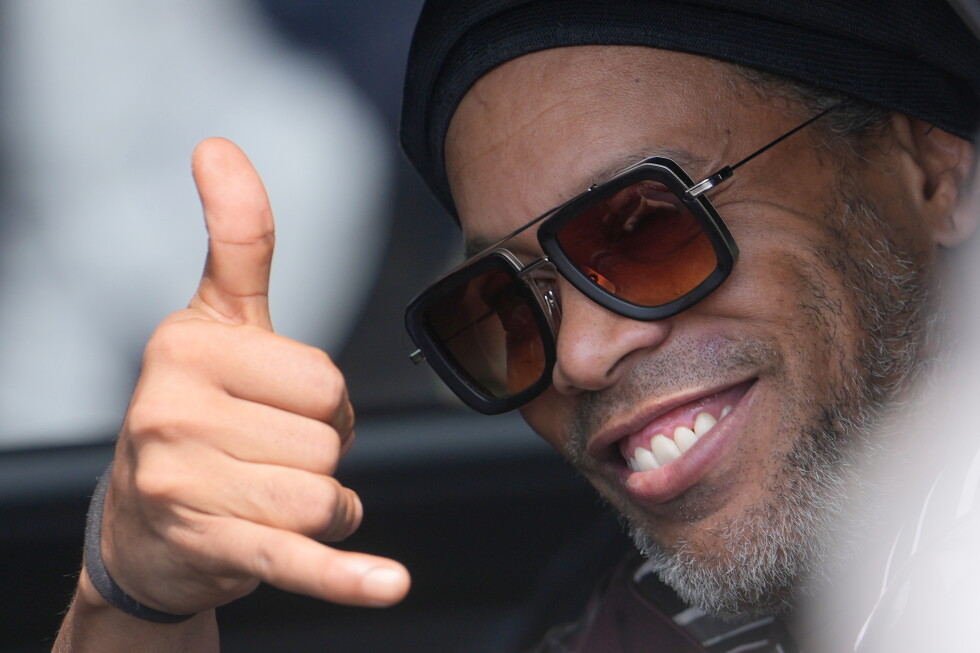
  • Brazil great Ronaldinho arrives in Italy for beach ceremony after signing for third-tier Ravenna

    Brazil great Ronaldinho arrives in Italy for beach ceremony after signing for third-tier Ravenna

    MILAN, Italy — One of the most decorated and globally recognizable soccer stars in history, Brazil’s Ronaldinho, has touched down in Italy, kicking off a highly anticipated return to the country more than 12 years after he retired from top-tier professional play. The small northern Italian city of Ravenna, best known for its sun-soaked Adriatic coastline rather than its competitive soccer program, is gearing up to welcome the 46-year-old icon on what local organizers have officially named “Ronaldinho Day” this Thursday.

    Ronaldinho’s surprise move to Serie C, Italy’s third-tier league, first sent shockwaves through the global soccer community when the deal was announced back in June, more than a decade after he hung up his boots following a 20-year legendary career. The Brazilian great arrived via private jet at Forlì Airport, located roughly 19 miles outside Ravenna, around midday local time on the eve of his official welcome. After landing, he stopped to sign autographs on a pair of soccer balls for airport staff before heading directly to his vehicle on the runway, bypassing a small crowd of fans waiting in the terminal arrivals area.

    Joining Ronaldinho on his arrival was Ignazio Cipriani, president of Ravenna Calcio and heir to the globally renowned Cipriani restaurant hospitality brand. The public is set to get its first look at the soccer legend at a star-studded ceremony held on Ravenna’s iconic waterfront on Thursday evening. The event will double as the official seasonal presentation of the entire Ravenna squad, with event planners confirming that Ronaldinho will be the final player introduced to the crowd, building up to a highly anticipated moment of fanfare.

    A formal press conference with the Brazilian star is scheduled to take place ahead of the public beach ceremony. While excitement is running high, the club has confirmed that Ronaldinho will not feature in Ravenna’s opening Serie C match of the 2024-25 season, an away fixture against Reggiana scheduled for Monday. To date, details remain unconfirmed regarding how much match time the 2002 World Cup winner will see during the campaign. Still, Cipriani has shared that his personal dream for the historic deal is to see Ronaldinho score the final goal of his legendary professional career with Ravenna.

    Ronaldinho’s last appearance in top professional competition came in 2015, when he played for Brazilian top-flight side Fluminense. This new spell with Ravenna marks Ronaldinho’s second run of play in Italy, having previously suited up for Serie A giant AC Milan from 2008 to 2011. Over his career, Ronaldinho has claimed the sport’s highest honors, including a FIFA World Cup title with Brazil in 2002 and the Ballon d’Or award for the world’s best men’s player in 2005.

  • North Korea launches missiles, Seoul says, after Trump floats Kim meet

    North Korea launches missiles, Seoul says, after Trump floats Kim meet

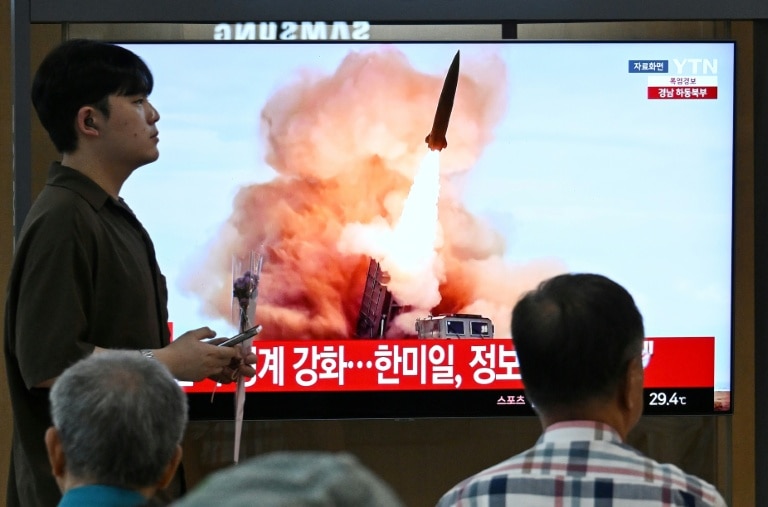
    On Thursday, North Korea launched multiple short-range ballistic missiles, South Korea’s military confirmed, just hours after former U.S. President Donald Trump revealed he planned to meet North Korean leader Kim Jong Un later in 2025. The missile tests came as Washington and Seoul held a truncated version of their annual joint military drills, Ulchi Freedom Shield, after Trump ordered the exercises to be scaled down.

    Pyongyang has a long history of denouncing U.S.-South Korea joint military drills as invasion rehearsals, and regularly test-fires missiles in tandem with these exercises. Trump, who is seeking to rebuild the personal rapport he claims to have built with Kim during his first presidential term, told reporters at the White House on Wednesday that a meeting with the North Korean leader was scheduled for later this year. He added that building a positive working relationship with Kim was a critical priority, and noted that Pyongyang currently possesses an estimated 57 highly capable nuclear weapons – a figure that conflicts with Seoul’s estimate of between 80 and 120 nuclear devices.

    South Korea’s Joint Chiefs of Staff reported that more than 10 short-range ballistic missiles were launched from the Pyongyang region at approximately 5:00 p.m. local time, headed toward the East Sea. Each missile traveled roughly 300 kilometers, the JCS added, noting that South Korean and U.S. national security agencies are currently conducting a deep analysis of the missiles’ technical specifications.

    Following the launches, South Korea’s presidential office convened an emergency national security meeting, where officials condemned the tests as a clear violation of United Nations Security Council resolutions and ordered a dramatic increase in military readiness across the country.

    Trump’s unexpected renewed focus on Kim and his decision to cut the joint drills short have already sparked alarm among U.S. allies in Asia, with political analysts speculating that the move is an attempt to secure a high-profile foreign policy victory amid stalled negotiations over Iran’s nuclear program.

    Kim Yo Jong, the influential sister of North Korea’s leader, released a statement Wednesday saying that Kim Jong Un retains positive memories and personal feelings toward Trump, and that the relationship between the two leaders remains strong. However, she also clarified that there is no awareness of any ongoing diplomatic communication between the two sides at this time.

    Her comments came just hours after Seoul confirmed that Ulchi Freedom Shield would wrap up on Friday, roughly one week ahead of its originally scheduled conclusion, following a formal suggestion from the U.S. to cut the exercises short. Pentagon officials have pushed back against concerns, saying the reduced scale of the drills does not undermine U.S. military training goals. The drills are formally structured to prepare allied forces for a potential large-scale attack from North Korea.

    The U.S. currently stations roughly 28,500 military personnel in South Korea to reinforce the country’s defensive capabilities, a lingering security arrangement from the 1950-1953 Korean War, which ended in an armistice rather than a formal peace treaty that would formally end hostilities.

    South Korean Defense Minister Ahn Gyu-back has confirmed that Seoul remains firmly opposed to officially recognizing Pyongyang as a legitimate nuclear-armed state. When asked if Washington had abandoned its long-stated goal of North Korean denuclearization, Ahn said he does not believe that is the case. South Korean President Lee Jae Myung, who has long pushed for stronger indigenous South Korean defense capabilities to reduce reliance on the U.S. security umbrella, said Wednesday that his administration will do everything in its power to support Trump’s diplomatic outreach to Pyongyang.

  • Congo to receive 70,000 doses of Ervebo Ebola vaccine which has been effective in past outbreaks

    Congo to receive 70,000 doses of Ervebo Ebola vaccine which has been effective in past outbreaks

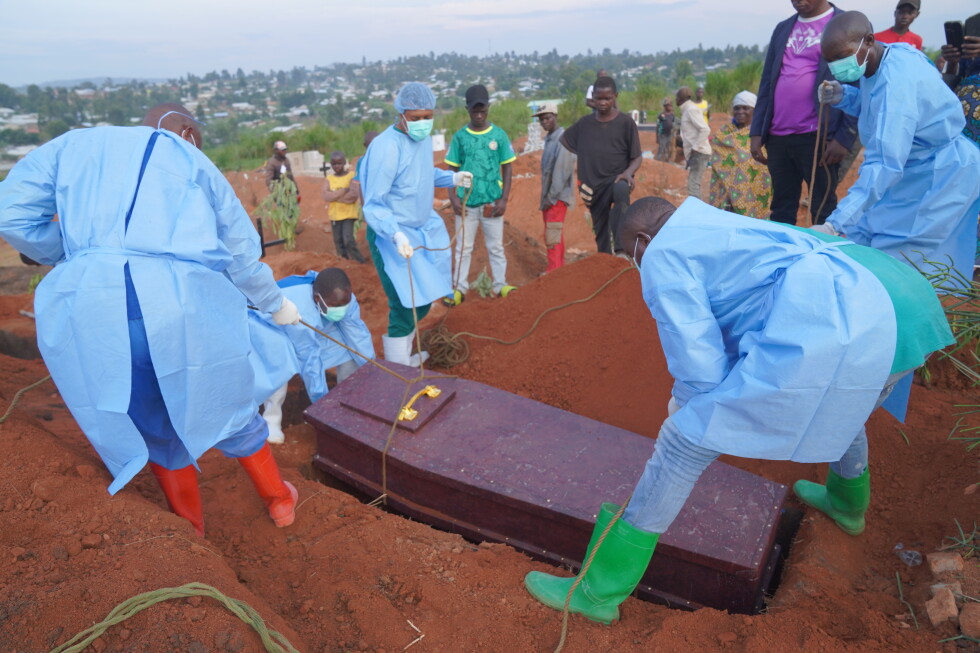
    BUNIA, Democratic Republic of Congo – The World Health Organization, alongside global health partners, announced Thursday that the Democratic Republic of Congo (DRC) will soon receive 70,000 doses of the Ervebo vaccine, a move widely regarded as a critical reinforcement for local efforts to curb what health officials have called the fastest-moving Ebola outbreak on record.

    Ervebo, a vaccine that has proven effective at stopping Ebola outbreaks in previous public health emergencies, is formally approved to provide protection against the Zaire ebolavirus – one of the viral species that causes Ebola disease. It has not been authorized for use against the Bundibugyo virus, the specific pathogen driving the current outbreak in eastern DRC.

    In an official statement, WHO noted that while the full extent of Ervebo’s ability to protect against Bundibugyo remains unconfirmed, early findings from laboratory and animal studies indicate the vaccine could offer at least partial immunity against this strain. Of the 70,000 doses being allocated to Congo, 20,000 will be deployed for a Phase 3 clinical trial designed to formally measure how effective Ervebo is against the Bundibugyo virus. The remaining 50,000 doses will be prioritized for frontline medical workers and response teams, under guidance from WHO technical experts.

    As of the latest update, the ongoing outbreak in eastern Congo has recorded 5,208 confirmed cases, with 2,476 recorded deaths. The outbreak is spreading at an unprecedented pace: it has infected and killed more people more rapidly than any previous Ebola outbreak in history, moving roughly three times faster than the 2014-2016 West African Ebola epidemic, which remains the deadliest on record with more than 11,000 fatalities across the region.

    Responders have faced major structural challenges since the outbreak began. No vaccines or therapeutic treatments have ever been formally approved for the rare Bundibugyo virus, leaving response teams with few evidence-based tools to slow transmission. Further complicating containment efforts, the majority of new confirmed cases are being detected in communities that were not under active public health surveillance, a sign that the virus has spread widely and left contact tracing teams scrambling to contain undetected chains of transmission.

  • Germany identifies far-right suspect in deadly 1970 antisemitic attack

    Germany identifies far-right suspect in deadly 1970 antisemitic attack

    Fifty-four years after one of the deadliest antisemitic attacks in post-World War II German history, German law enforcement officials have announced a major breakthrough: they have formally identified a far-right extremist with deep Nazi sympathies as the likely perpetrator of a 1970 arson attack on a Munich Jewish community retirement home that killed seven Holocaust survivors.

    The targeted building, which operated both as a residential retirement home for Holocaust survivors and a guest house for Jewish visitors to Munich, was set ablaze on February 13, 1970. The attack left seven residents dead and 15 others injured, four critically, and stood as an unsolved stain on Germany’s efforts to confront its Nazi-era legacy for more than half a century.

    For decades, the case confounded investigators, who circulated a wide range of theories about the perpetrator’s identity, with speculation falling on everything from Middle Eastern terrorist groups to far-left militant factions. The original investigation was officially shelved in 2017, with no conclusive leads to move the case forward. That changed last April, however, when a new tip from a female witness breathed new life into the cold case. The witness came forward shortly after the death of a relative who had been close to the suspect, sharing new details that prompted investigators to reopen the probe.

    Following months of renewed investigative work, Munich police and state prosecutors announced Thursday that the overwhelming evidence points to a 25-year-old German man with an admitted obsession with Adolf Hitler, who died in 2020. “The new investigations conducted after the reopening of the case strongly indicate that the suspect was the perpetrator,” the two agencies said in a joint official statement.

    Unfortunately, German legal bars any posthumous criminal prosecution, meaning a formal, conclusive legal ruling on the case will never be possible. Investigators also noted that while they have not found concrete evidence that the suspect acted as part of a larger organized group, they cannot definitively rule out that other co-conspirators assisted him in planning or carrying out the attack.

    Investigators confirmed the suspect was embedded in Germany’s far-right extremist milieu at the time of the attack, and multiple witnesses have attested to his open antisemitism. While law enforcement has not released the suspect’s full name, German news magazine Der Spiegel has publicly identified him as Bernd V. According to case records, the suspect openly remarked to associates that “the Jews had everything” just 15 minutes before the fire broke out, and was confirmed to be in the immediate vicinity of the Jewish centre on the day of the attack. Investigators believe he doused the building’s wooden staircase in gasoline before igniting the blaze, which spread rapidly through the structure.

    Further investigation into the suspect’s background reinforced investigators’ suspicion: he was documented listening to Hitler’s speeches regularly as a young man, and was sentenced to juvenile detention in the 1960s for bombing two Munich telephone booths. Former associates described consistent patterns of antisemitic hostility, and his former headmaster recalled he carried a dagger originally issued to the Nazi Youth organization and used it in a street fight, marking him as cold and calculating from a young age.

    The breakthrough in this decades-old cold case comes as German authorities continue to rank far-right extremism as the most significant domestic security threat facing the country, surpassing the threat posed by Islamist extremism. Despite decades of official efforts to atone for the atrocities of the Nazi regime, far-right and antisemitic violence remains a persistent crisis in modern Germany. The latest data from Germany’s Federal Office for the Protection of the Constitution (BfV), the country’s domestic intelligence agency, shows that the number of people classified as active right-wing extremists rose 17% year-over-year to 58,700 in 2025. The number of far-right extremists deemed likely to engage in violent action also increased, hitting 15,600 in the latest annual report.

  • Boy, 13, arrested following alleged attempted sexual assault in Kooyong after dogs filmed chasing him away

    Boy, 13, arrested following alleged attempted sexual assault in Kooyong after dogs filmed chasing him away

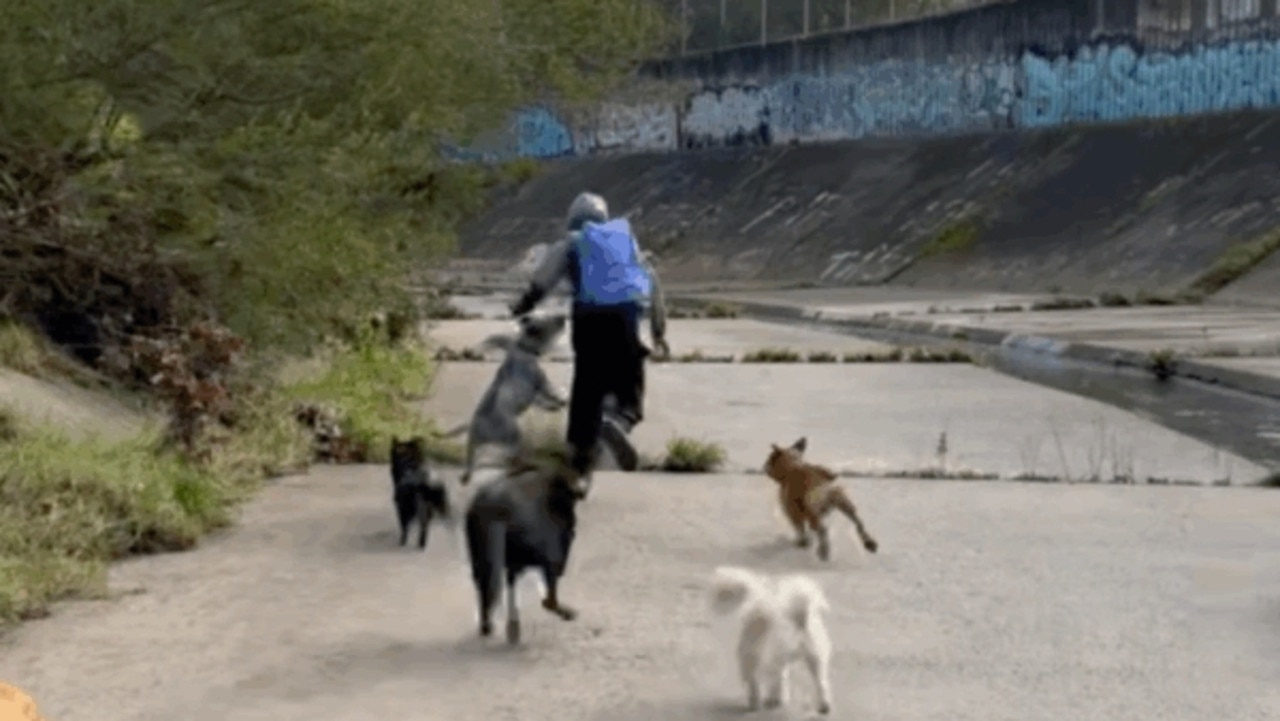
    A quick-thinking pair of pet dogs have been credited with saving their owners from a terrifying alleged attack, after they chased off a 13-year-old boy accused of attempting a sexual assault in a suburban Melbourne park. The incident, which unfolded on the morning of July 14 along the Gardiners Creek trail in Kooyong, has triggered a five-week long investigation that concluded with the teen’s arrest earlier this week.

    Victoria Police confirmed in an official statement that local detectives arrested the 13-year-old suspect at a residential property in the Boroondara area just after 7:30 a.m. on Wednesday. Following his arrest, the boy was transported to a nearby police station for questioning by members of the Bayside sexual offences and child abuse investigation team. He has since been released from custody, with no formal charges laid as of yet, as investigators continue to probe the case and explore potential links between the suspect and any other similar unsolved incidents in the region.

    According to initial police accounts, the two victims were out on a routine morning walk with their dogs when the 13-year-old approached them and launched the alleged attack. Before the situation could escalate further, the dogs reacted immediately, rushing the suspect and forcing him to flee the scene. The women, visibly shaken but unharmed, were able to contact emergency services shortly after the encounter.

    Acting Detective Senior Sergeant Andrew Wise, who leads the local sexual offences investigation unit, publicly thanked members of the community for their cooperation throughout the probe. He noted that investigators received dozens of tips from the public, including multiple submissions through the national Crime Stoppers hotline, that provided critical leads to narrow down the suspect pool. “Over the past five weeks, detectives have pursued multiple lines of inquiry, all built on the information shared by local residents,” Wise said in the statement. “That community support has been invaluable to moving this case forward.”

    Police have not released further details about the suspect or the ongoing investigation to protect the integrity of the probe and the privacy of the victims, and have asked anyone with additional information about the July 14 incident to contact investigators or Crime Stoppers anonymously.

  • Iran dismisses US economic threats, and other developments in the Middle East

    Iran dismisses US economic threats, and other developments in the Middle East

    On a single Thursday, multiple interconnected developments unfolded across the Middle East, touching on long-running conflicts, diplomatic standoffs, and fresh rounds of international condemnation. From Tehran’s rejection of U.S. pressure to a somber mass gathering in Gaza for long-unrecovered victims, the day’s events underscored the region’s persistent volatility. The full breakdown of these updates is as follows.

    First, Iran pushed back sharply against escalating economic threats from former U.S. President Donald Trump. Hours after Trump pledged what he called unprecedented, crushing economic measures and widespread isolation for the Islamic Republic, Iranian Foreign Minister Abbas Araghchi dismissed the threats as a failed tactic that would only deepen public hostility toward the U.S. and lead to further American setbacks. In a public social media statement, Araghchi argued the threats were designed to distract U.S. voters from growing domestic economic problems inside the United States. He added that what he labeled U.S. “economic terrorism” poses a broader threat to the global economy and the national sovereignty of nations across every region.

    Across the Israeli-occupied West Bank, a long-planned Israeli settlement expansion project drew sharp condemnation from multiple world capitals. Israel’s Construction and Housing Ministry had recently issued a tender for more than 1,200 new residential units on open land east of Jerusalem, advancing a proposal that has sat under consideration for more than 20 years. Critics warn the project would effectively split the occupied West Bank into two disconnected segments, eliminating any possibility of forming a geographically contiguous Palestinian state, a core goal of long-stalled two-state peace negotiations.

    British Foreign Secretary Ed Miliband called the tender’s publication “an unacceptable and destructive act,” and also denounced ongoing settler violence against Palestinian communities in the occupied territories. The British government summoned the Israeli chargé d’affaires to formally demand an immediate reversal of the tender. Egypt and Jordan joined the condemnation, with Cairo noting the project would cut off East Jerusalem from surrounding Palestinian communities. In response, Israeli Foreign Minister Gideon Saar defended the plan, asserting the Jewish people hold a historic right to build a national home across all of what Israel considers the Land of Israel, including the disputed area east of Jerusalem. Saar also criticized the British government for singling out Israel for blame while ignoring what he called Palestinian extremism.

    In Gaza City, thousands gathered for a somber mass funeral for 50 Palestinians who were killed in Israeli airstrikes during the opening months of the Israel-Hamas war, but whose remains were only recovered from collapsed rubble in recent weeks. Mourners carried the flag-draped remains through streets still strewn with debris from three years of conflict, many holding portraits of the deceased to honor their memory. Lina Karam, who lost her father and multiple other family members in the 2023 strikes, spoke to reporters about the long wait to lay her loved ones to rest. “We were able to recover them after three years of war, after three years of anguish, pain and torture,” Karam said. “We were able to recover them, and dignify them in their final resting place.” All 50 victims belonged to three extended families killed in airstrikes carried out in November and December 2023. Gaza’s Hamas-run Health Ministry reports that the nearly three-year conflict has killed more than 73,400 Palestinians, a count that U.N. agencies and international observers consider broadly reliable. While the toll does not distinguish between civilian and combatant deaths, the ministry notes that women and children make up roughly half of all those killed.

    In northern Syria, a recent Israeli airstrike on the Abu Duhur air base sparked diplomatic pushback from Turkey. The strike, carried out early Tuesday, caused significant infrastructure damage but no reported casualties. Israeli Prime Minister Benjamin Netanyahu’s office justified the attack by claiming Syria was close to violating long-standing security arrangements by allowing Turkish troops to deploy to the base. While Syrian officials claimed a Turkish military delegation had visited the base to inspect ongoing rehabilitation work before the strike, Turkey issued a formal denial of the claim, and pledged to continue supporting Syrian efforts to rebuild its national military.

    Meanwhile, Syria’s top diplomat, Foreign Minister Assad al-Shibani, traveled to Islamabad, Pakistan for talks focused on de-escalating regional tensions across the Middle East. His visit comes just days after the Israeli airstrike on the northern Syrian air base. Pakistan has taken a leading diplomatic role in efforts to calm tensions between the United States and Iran, following the expiration of a 60-day ceasefire and talks window that was agreed to in a June memorandum of understanding brokered by Pakistan with backing from other regional states. Pakistani political and military leaders remain in regular contact with both Tehran and Washington to push for a resumption of diplomatic negotiations. In a separate development related to regional tensions, Pakistan has repatriated the bodies of two Pakistani sailors killed in a recent Houthi attack on a Tanzanian-flagged commercial cargo ship transiting the Bab el-Mandeb Strait. Six other Pakistani sailors injured in the attack have also returned safely to Pakistan, Foreign Minister Ishaq Dar confirmed in a post on social media platform X.