博客

  • US sends 20 deportees to Liberia, part of 1,200 migrants the country will receive under new deal

    US sends 20 deportees to Liberia, part of 1,200 migrants the country will receive under new deal

    On Thursday, the first contingent of 20 deportees touched down at Roberts International Airport, located just outside Liberia’s capital Monrovia, marking the start of a contentious agreement that will see the West African nation accept a total of 1,200 deported migrants from the United States. This deal stands as one of the most expansive third-country deportation arrangements advanced by the Trump administration during its widespread crackdown on unauthorized immigration.

    Liberian Information Minister Jerolinmek Piah confirmed that the 1,200 total deportees to be received under the pact include not only African citizens but also migrants originally from North America, South America, and the Caribbean. During a public briefing earlier this week, Liberian Justice Minister Natu Oswald Tweh clarified that most of the incoming deportees have been convicted of migration-related violations. Tweh also noted that any deportee wishing to seek asylum in Liberia would be permitted to do so.

    Immigration rights advocates have long documented that the Trump administration negotiated a network of largely confidential third-country deportation agreements with close to 24 nations around the globe, roughly 10 of which are located across Africa. Through these deals, the administration has deported thousands of migrants to countries that are not their countries of origin.

    Immigration legal experts warn that this third-country deportation policy functions as a deliberate legal loophole. Rather than processing asylum claims fairly, the practice indirectly pressures asylum-seekers to return to the home countries they fled to escape violence, persecution, or crisis. In numerous documented cases, migrants are sent to nations they have never visited before, where they face significant safety hazards, leaving them with virtually no alternative but to travel back to the dangerous regions they initially left.

  • German neo-Nazi suspected of deadly 1970 fire at Jewish retirement home

    German neo-Nazi suspected of deadly 1970 fire at Jewish retirement home

    Fifty-six years after one of the deadliest attacks on Germany’s post-war Jewish community, German law enforcement has finally named the suspected perpetrator of a 1970 arson attack that left seven Holocaust survivors dead and 15 more injured in Munich.

    For decades, the identity of the person who set the deadly fire at the Jewish community center’s on-site retirement home on Reichenbachstrasse remained an unsolved mystery. Now, Munich prosecutors have confirmed they have compelling evidence pointing to a lone 25-year-old neo-Nazi with well-documented antisemitic views as the sole culprit. The suspect, named by German news outlet Der Spiegel as Bernd V, died in 2020, meaning no criminal trial will ever deliver formal justice to the victims’ families.

    The attack unfolded on the evening of February 13, 1970, at approximately 8:40 p.m. Prosecutors lay out that the suspect poured gasoline down the wooden stairwell of the retirement home before igniting it. The flames spread rapidly to the building’s top floor, trapping residents inside. While many occupants managed to climb to the roof to await rescue by firefighters, four victims died of smoke inhalation and burns in the stairwell, and a fifth died after jumping from an upper-story window to escape the blaze. All seven killed were Holocaust survivors between the ages of 59 and 71.

    The break in the cold case came last year, when a woman came forward with new credible information following the death of a close relative who had known Bernd V well. The witness’s testimony confirmed that the suspect had openly made violent antisemitic threats just 15 minutes before the fire broke out, stating nearby the community center that “the Jews had everything” and that he intended to “set them on fire”. These remarks have been corroborated by other members of the witness’s family.

    Additional records and witness accounts paint a picture of the suspect’s long-held extremist views: multiple witnesses recalled he was fixated on Adolf Hitler, and regularly played recordings of the Nazi dictator’s speeches in his youth. A former school headmaster told investigators that the suspect once used a Hitler Youth dagger gifted to him by his father during a violent confrontation. As a young person, he had already been convicted of a juvenile offense for blowing up two public phone kiosks.

    Der Spiegel’s reporting adds context to the suspect’s motive on the night of the attack: the female witness’s late relative was part of a burglary gang that carried out a failed raid on a jewelry store in Munich’s nearby Gärtnerplatz district that same evening. The botched robbery left Bernd V enraged, and he channeled that anger into carrying out his antisemitic attack.

    The original arson investigation was first closed in 2017 due to a lack of conclusive evidence, but was reopened last year after the new witness testimony emerged. Prosecutors emphasized that even with a deceased suspect, the principle of presumption of innocence still applies to the case, and no credible evidence has been found to indicate any other co-conspirators were involved in the attack.

    While authorities have closed the case 56 years on, the investigation is widely expected to be remembered as a historic failure of German law enforcement. Der Spiegel reports that Bernd V’s name was first brought to investigators’ attention as early as the 1970s, by a man who had shared a prison cell with him. At the time, investigators dismissed the tip due to insufficient evidence and dropped all scrutiny of the suspect, leaving the case cold for decades.

  • Takeaways from the AP-Reporter Brasil story on the US and others turning to Brazil for rare earths

    Takeaways from the AP-Reporter Brasil story on the US and others turning to Brazil for rare earths

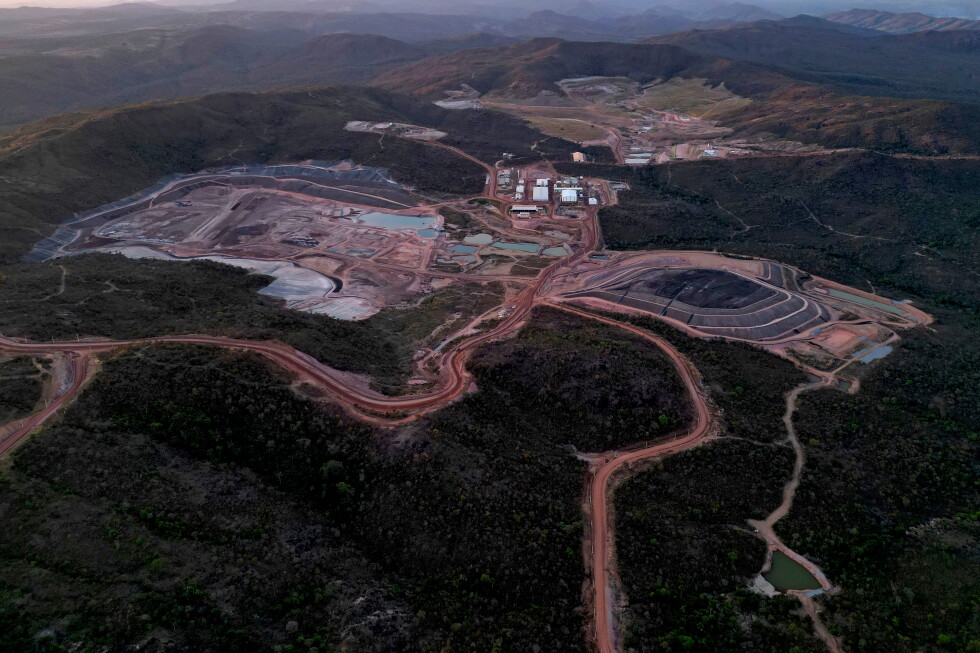
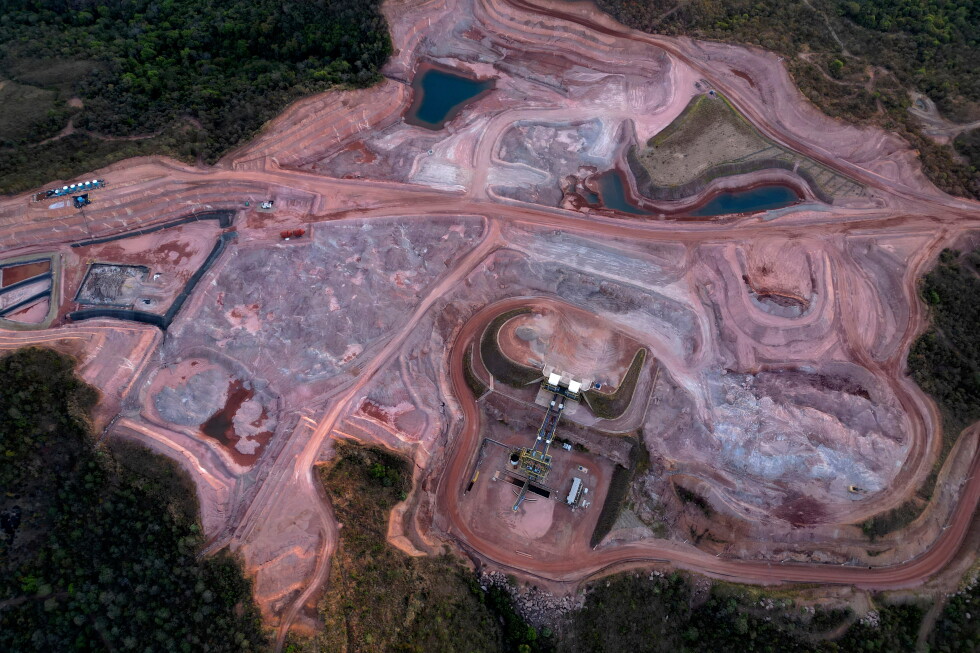
    Against the backdrop of a global race to secure critical inputs for the clean energy transition and high-tech manufacturing, Brazil has emerged as a top alternative destination for rare earth mineral exploration after China implemented export restrictions last year. A joint analysis conducted by the Associated Press and Reporter Brasil of all Brazilian National Mining Agency regulatory records through June reveals an unprecedented boom in exploration permit requests: more than 86% of all active rare earth applications have been filed in just the past three years, with 268 new submissions registered in the first half of 2026 alone.

    Rare earth elements are a collection of 17 chemically similar metals that are irreplaceable for manufacturing permanent magnets, consumer electronics, defense systems, electric vehicle motors, and wind turbine components. As the world accelerates its shift away from fossil fuels to curb global warming, the International Energy Agency projected in 2023 that global demand for these critical minerals could grow at least threefold by 2040. For decades, China has controlled nearly half of the world’s total rare earth reserves and dominates the global processing and refining supply chain, prompting Western nations to diversify their supply sources after Beijing tightened export rules last year. With the world’s second-largest reserves of rare earth deposits, Brazil has quickly become a focal point for this global supply chain reorientation.

    Data from the joint investigation shows foreign investors are leading the exploration rush, accounting for more than 40% of all pending applications. Australian and U.S. firms hold the largest share of foreign-backed projects, highlighted by the recent acquisition of Serra Verde, Brazil’s only currently operating commercial rare earth producer, by a U.S.-backed mining company. While no Chinese firms have submitted new exploration applications as of June, Chinese state and private actors have already moved to position themselves in Brazil’s growing rare earth sector: last year, state-owned China Nonferrous Metal Mining Group purchased Brazilian tin producer Mineracao Taboca, and announced plans to conduct a full assessment of rare earth potential at the firm’s Amazon basin mine. Separately, China’s Shenghe Resources has entered a joint partnership with Brazilian mining firms WEG Mineracao and Fenrir do Brasil to develop rare earth projects across the country, including a large site in the state of Minas Gerais.

    Despite the economic and geopolitical momentum behind the exploration boom, the rapid growth of mining claims has triggered urgent environmental and community alarms. Research from Reporter Brasil’s Energy Transition Observatory finds that at least 25% of all pending rare earth exploration applications are either located within protected natural areas and Indigenous territories, or fall within a 6-mile buffer zone surrounding these sensitive lands — a proximity that ecological experts warn carries major risk of environmental degradation.

    Depending on the extraction and processing methods used, rare earth mining can generate toxic chemical runoff and low-level radioactive waste. Additional potential harms include widespread deforestation, contamination of river and lake systems that destroys fish populations and threatens drinking water supplies, as well as chronic air and noise pollution that disrupts local communities. In central Brazil’s Goias state, for example, a small traditional Afro-Brazilian community finds its territory overlapping with mining claims held by Canadian firm Aclara Resources, which secured $5 million in U.S. International Development Finance Corporation funding for the project last year. While Aclara has stated that it will not conduct direct mining activities within the community’s borders after public pushback, local residents still worry that operations set to potentially launch as early as 2028 will damage critical local springs and displace native wildlife.

    In response to growing foreign interest and the risks that come with unregulated development, Brazilian policymakers are moving to implement new national safeguards for the rare earth sector. Federal lawmaker Zé Silva, who authored pending legislation that would create a national critical and rare earth mineral policy, set clear investment rules, and establish a federal council to monitor excessive foreign influence in the sector, emphasized that China’s current dominance of global processing capacity leaves Brazil well-positioned to capture more value from its own resources. Under the proposed legislation, foreign companies are welcome to invest in Brazilian rare earth projects, but they are required to transfer technology and build local processing capacity within the country. President Luiz Inacio Lula da Silva confirmed Monday that the Brazilian Senate will move forward with advancing the bill to protect national sovereignty over the country’s natural resources. “We will not allow anyone from outside to come here and exploit our mineral resources, because we want their processing and transformation to happen here,” Lula said.

    The Associated Press’ climate and environmental reporting is supported by funding from multiple private foundations, with the AP retaining full editorial control over all content.

  • The US and others turn to Brazil for rare earths, raising environmental concerns

    The US and others turn to Brazil for rare earths, raising environmental concerns

    The global race to secure rare earth elements — the critical raw materials underpinning everything from consumer smartphones to electric vehicle motors and wind turbines, all core to the global transition away from fossil fuels — has positioned Brazil as a major alternative to China’s decades-long dominance in the sector, according to a joint investigation by The Associated Press and Reporter Brasil. With the second-largest proven rare earth reserves globally, only trailing China, Brazil’s emergence as a new supply hub is reshaping global resource markets, drawing a flood of foreign investment, and sparking urgent debates over environmental protection, Indigenous rights, and diplomatic positioning between Washington, Brasília, and Beijing.

    Rare earth elements are 17 chemically similar metals that are irreplaceable for permanent magnets, batteries, defense technologies, and consumer electronics. The International Energy Agency projected in 2022 that global demand for these critical minerals will grow at least threefold by 2040, driven by the rapid expansion of renewable energy and clean transportation. That growing demand, paired with China’s 2025 decision to restrict rare earth exports in retaliation for U.S. tariffs, has sent Western governments and corporations scrambling to diversify their supply chains, opening a massive new opportunity for Brazil.

    Data from Brazil’s National Mining Agency, analyzed through June 2026, shows a staggering surge in rare earth exploration permit applications: more than 86% of all 2,727 active requests have been filed in just the past three years, including 268 applications in the first half of 2026 alone. Foreign capital accounts for a huge share of this boom: 42% of all applications come from foreign-owned mining subsidiaries or firms with significant foreign investment stakes, and 11 of the 20 companies with the highest number of applications are backed by investors from Australia, the United States, and Canada.

    Australian firms lead the pack with 695 applications, with U.S. companies close behind at 347, followed by Canadian investors. One of the most high-profile moves came earlier this year, when USA Rare Earth — a firm with a partial U.S. government stake and up to $1.6 billion in federal support — closed a $2.8 billion acquisition of Serra Verde Mining, Brazil’s only currently operating commercial rare earth producer. Based in Goias state, Serra Verde is the only rare earth producer outside of Asia with the capacity to supply all four critical magnetic rare earth elements (neodymium, praseodymium, dysprosium, and terbium) that power everything from automotive manufacturing to aerospace and defense technology. “The Western rare earth sector stands at a critical inflection point, as governments and strategic industries urgently seek reliable sources of critical rare earths — particularly scarce heavy rare earths,” Serra Verde Group CEO Thras Moraitis said of the acquisition.

    For Brazil, the rare earth boom carries significant economic potential: it could attract billions in foreign direct investment, create thousands of new jobs, and cement the country’s status as a key player in the global clean energy economy. But it also brings major risks and unresolved tensions.

    According to the Energy Transition Observatory, a geospatial analysis platform run by Reporter Brasil, at least 25% of all exploration applications target areas that overlap with or lie within 6 miles of 283 protected areas and Indigenous territories, many located on the edge of the Amazon rainforest. Rare earth mining carries well-documented environmental hazards: depending on the deposit, operations can release toxic chemicals, generate radioactive waste, cause deforestation, and contaminate local water supplies, poisoning aquatic ecosystems and drinking water for nearby communities.

    Indigenous groups and traditional local communities have already raised alarms about the incoming projects. In Goias state, a small Afro-Brazilian community of 30 families sees its territory overlapping with exploration claims held by Canadian firm Aclara Resources, which has received $5 million in development financing from the U.S. International Development Finance Corporation. While the company has stated it will not conduct mining directly within the community’s territory, residents still fear planned operations that could launch as early as 2028 will damage local springs and wildlife. “Mining always leaves a footprint,” said Gilvan Magalhães, president of the community’s residents association.

    Political leaders across Brazil’s ideological spectrum have pushed to speed up the permitting process for strategic rare earth projects to capitalize on global demand: President Luiz Inacio Lula da Silva’s Ministry of Mines and Energy has discussed streamlining environmental licensing for critical mining projects, while Sen. Flávio Bolsonaro, a leading challenger to Lula in October’s presidential election, has also proposed faster approval timelines. Even as leaders back faster development, policymakers are moving to safeguard Brazil’s national interests: a pending bill in the Brazilian Senate would establish a federal critical minerals policy, require foreign firms to transfer processing technology to Brazil, and monitor foreign influence in the sector. “We will not allow anyone from outside to come here and exploit our mineral resources, because we want their processing and transformation to happen here,” Lula said recently, confirming the Senate will advance the legislation.

    Diplomatically, Brazil has sought to maintain neutrality in the geopolitical competition between the U.S. and China. While Chinese firms have not yet filed any exploration applications as of June 2026, Chinese state-owned and private companies have already signaled interest: last year, state-owned China Nonferrous Metal Mining Group acquired Brazil’s largest tin producer, Mineracao Taboca, which holds Amazonian mining claims and plans to conduct rare earth exploration, while Shenghe Resources Holding signed a memorandum of understanding with two Brazilian firms to pursue joint rare earth projects. China still holds an estimated 44 million metric tons of rare earth reserves, double Brazil’s 21 million metric tons, and retains near-total control of global rare earth processing and refining capacity.

    Robert Muggah, co-founder of Brazilian think tank the Igarape Institute, noted that Brazil’s rare earth sector carries unique geopolitical weight far beyond its reserve size. “Brazil’s rare earths are significant not just because of the sheer size of the deposits, but because they sit at the intersection of resource nationalism, energy transition demand, Western supply-chain diversification and competition with China’s rare earth dominance,” Muggah explained.

    Industry experts caution that the path from exploration permit to commercial production takes 5 to 10 years in Brazil, requiring extensive technical studies, regulatory approval, and in the case of projects near Indigenous territories, formal community consultation. The sector also carries high inherent financial risk: Julio Nery, mining affairs director at the Brazilian Mining Institute, noted that for every 1,000 potential rare earth prospects, only 100 justify full exploration, and just two will become viable commercial operations. Still, the flood of investment into Brazil’s rare earth sector signals a lasting shift in the global rare earth supply chain that will reshape geopolitics, clean energy development, and environmental policy in Latin America for decades to come.

  • New opposition group plans protest in Tunisia after extreme heat-driven power and water cuts

    New opposition group plans protest in Tunisia after extreme heat-driven power and water cuts

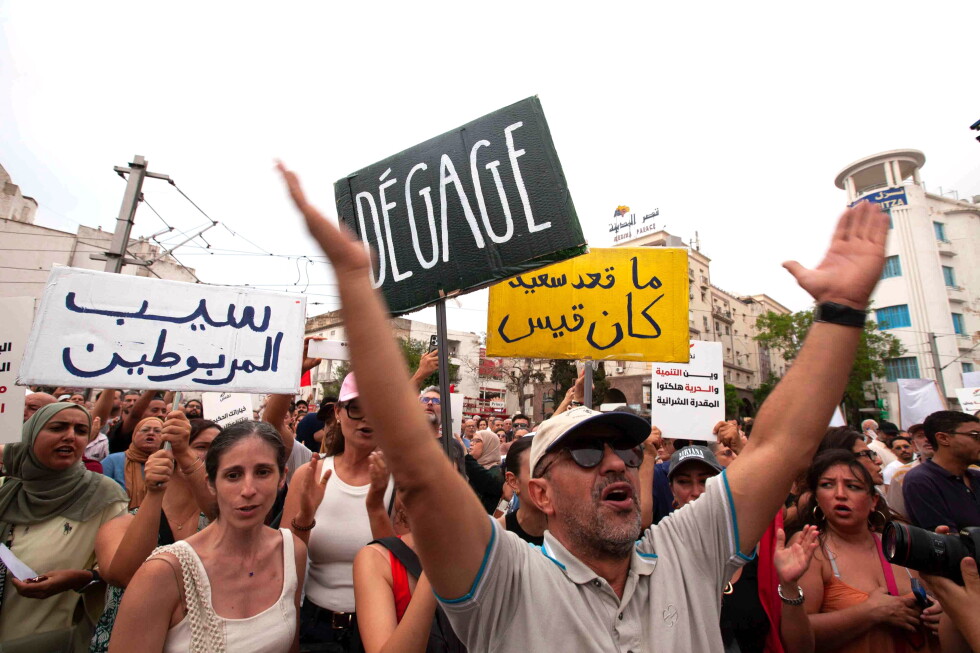
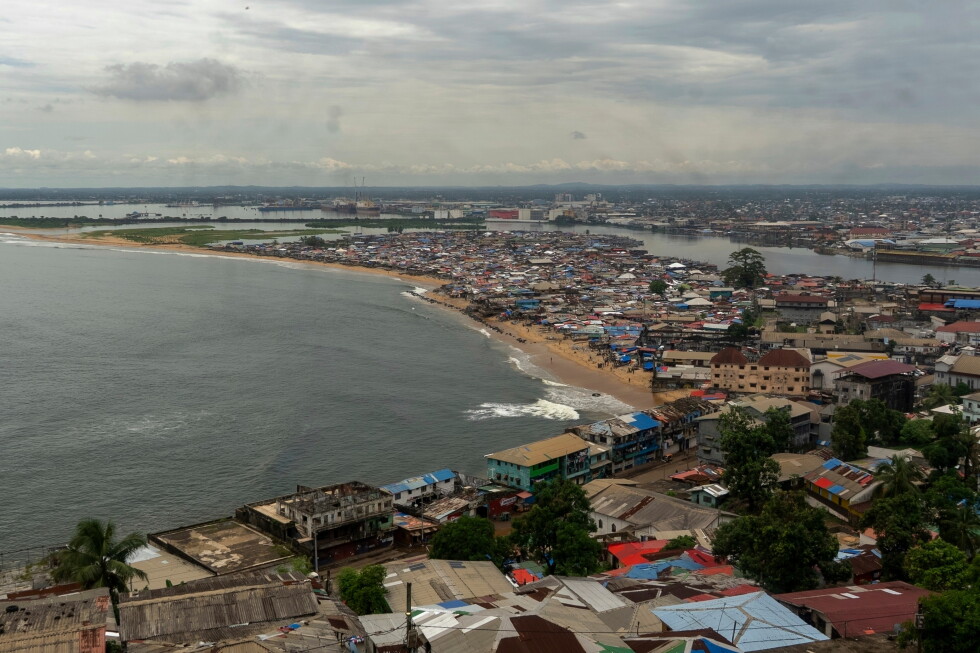
    TUNIS, Tunisia – A record-shattering summer heat wave sweeping across North Africa has pushed Tunisia into a cascading public service and economic crisis, fueling widespread public fury against the administration of President Kais Saied and setting the stage for a major opposition demonstration in the capital Tunis this Thursday.

    The planned protest is organized by Nafas, a newly formed broad opposition umbrella movement launched in May that aims to unify political parties and independent public figures outside Tunisia’s traditional opposition blocs to challenge Saied’s rule. The movement has centered its activism on pushing back against what it frames as systemic government failure and deepening injustice across the country that served as the catalyst and starting point for the 2011 Arab Spring pro-democracy uprisings.

    Protesters’ grievances stretch far beyond immediate public service failures: they include chronically intermittent power and water access, persistent shortages of life-saving essential medications, skyrocketing living costs that have stretched household budgets to breaking point, and persistently high unemployment that has left thousands of young Tunisians without economic opportunity.

    This year’s extreme heat has amplified every existing strain on Tunisia’s infrastructure, with temperatures climbing as high as 50 degrees Celsius (122 degrees Fahrenheit) in inland regions of the country. The blistering heat pushed national electricity demand to unprecedented all-time highs, forcing STEG, Tunisia’s state-owned utility provider, to implement targeted rolling rationing and scheduled outages across multiple governorates to avoid a total grid collapse.

    These planned power cuts have had a ripple effect that worsens long-standing gaps in drinking water access across many parts of the country, as the outages disrupt operations at public water pumping stations. Empty store shelves for bottled water quickly followed, as extended blackouts halted factory production of bottled products. The production slowdown has been further compounded by a shortage of raw plastic resin, a shortage triggered by ongoing shipping disruptions in the Strait of Hormuz that have cut off key petrochemical exports needed for bottle manufacturing to North African producers.

    The upcoming Thursday demonstration follows a well-attended Nafas-led rally held in Tunis last month, which marked a notable shift in opposition mobilization: the protest drew not just long-time opposition activists, but also hundreds of ordinary Tunisians who had never participated in political demonstrations before. It included a cohort of prominent social media influencers speaking out against the current political status quo for the first time, driving a significant surge in turnout among young Tunisians that has been rare in recent years of opposition organizing.

    That July rally was held to mark the fifth anniversary of Saied’s 2021 power grab, when the president suspended the elected parliament, dismissed the sitting sitting government, and moved to consolidate unilateral control over state institutions. Protesters at that event called for sweeping political reform, the release of hundreds of political prisoners, and highlighted the rapid deterioration of Tunisia’s economic conditions and public services over Saied’s tenure.

    Since consolidating power in 2021, Saied has steadily tightened restrictions on independent media, civil society organizing, and all forms of dissenting political speech. He has repeatedly targeted opposition and civil society groups, accusing them of accepting foreign funding to foment unrest and undermine Tunisia’s national interests.

    Recent opposition rallies have seen a clear hardening of tone, with calls for Saied to resign growing far more explicit than in earlier demonstrations. Protesters have revived the iconic 2011 Arab Spring chant “the people want the fall of the regime”, as well as “Dégage” – French for “Get Out” – the same slogan used by demonstrators who successfully ousted long-time authoritarian ruler Zine El Abidine Ben Ali more than a decade ago.

  • Germany reports record 14,000 heat-related deaths this summer

    Germany reports record 14,000 heat-related deaths this summer

    Europe’s devastating 2024 summer heatwave season has left a grim trail of mortality across the continent, with official German data released Thursday confirming a national record of roughly 14,000 heat-linked deaths – a toll far surpassing previous benchmarks for extreme heat fatalities.

    According to Germany’s national public health authority, the Robert Koch Institute (RKI), nearly 70% of those fatalities, around 9,600 deaths, were concentrated in a single seven-day period in late June, when much of Germany baked under unprecedented temperatures that exceeded 40 degrees Celsius.

    RKI’s analysis confirms that the vast majority of heat-related deaths occurred among adults aged 75 and older, a demographic particularly vulnerable to extreme heat stress. Unlike acute conditions that are directly listed as causes of death on official certificates, most heat-linked fatalities stem from a dangerous interaction between sustained high temperatures and pre-existing chronic health conditions. To account for this underreporting in official death records, RKI uses specialized statistical modeling to estimate total heat-related mortality, a methodology the agency has refined over 10 years of tracking heat mortality trends.

    The 2024 death toll shatters previous records: the prior high was 8,900 heat-related deaths recorded in 2018, while an independent estimate from 1994 put the toll at around 10,000. In cooler years with milder heatwaves, Germany’s annual heat-related death toll drops below 2,000, a clear correlation between the severity of extreme heat events and total mortality, RKI noted.

    Germany is far from alone in facing this public health crisis. Matching Thursday’s German data release, Spanish public health officials reported nearly 4,500 heat-related deaths since June 1, while French health authorities recorded more than 7,300 excess deaths over the same period – all part of a broader trend of soaring mortality across Europe amid a summer of record heat and widespread drought.

    Beyond the staggering human cost, the extreme heat and persistent drought have disrupted Europe’s largest economy, fanning destructive wildfires across rural regions, cutting agricultural crop yields, and dropping water levels on key commercial river navigation routes to near-unnavigable lows.

    The unprecedented mortality toll has reignited urgent political pressure for systemic action to adapt Germany to the accelerating climate crisis. This week, ministers from the centre-left Social Democrats (SPD) – the junior partner in Chancellor Friedrich Merz’s governing coalition – introduced a push to embed commitments to “climate adaptation and nature conservation” into Germany’s Basic Law, the country’s constitution.

    SPD Environment Minister Carsten Schneider emphasized that the climate crisis is no longer a distant threat, but a “tangible reality” for German communities. Current federal legislation, he argued, imposes critical limits on the actions his ministry can take to support regional and local governments as they respond to growing extreme heat risks.

    Alongside constitutional reform, the group of SPD ministers is calling for updates to urban planning regulations, national building codes, and labor laws to protect workers forced to operate during high temperature events. The proposal has already won cross-party and expert support, including from former SPD Health Minister Karl Lauterbach, a medical scientist who backed the call for increased federal funding for local adaptation measures.

    “Effective heat protection costs a lot of money,” Lauterbach told the Rheinische Post daily. “Many municipalities are heavily in debt and simply cannot finance the necessary measures on their own.”

    That assessment aligns with warnings from the German Association of Towns and Municipalities, which earlier this month estimated that at least 20 billion euros in investment is required to retrofit hospitals and nursing homes – most of which lack full air conditioning – to withstand sustained extreme heat.

    “Hospitals need air conditioning — not only for patients but also for staff,” association president Ralph Spiegler told the Rheinische Post. “We see an immense need for investment here… It is also essential to specifically address the situation in retirement and nursing homes in order to account for climate change and equip their facilities in a way that is adapted to the climate.”

    Lauterbach added that the official RKI death toll is likely a conservative estimate, meaning the actual number of heat-related deaths this summer could be even higher than 14,000. Because most heat-linked fatalities occur when extreme heat exacerbates pre-existing conditions – such as triggering a stroke in patients with underlying atrial fibrillation – heat is rarely listed as the official cause of death, leading to consistent undercounting, he explained.

  • Pirates hijack cargo ship carrying Turkish weapons off Somalia’s coast, official says

    Pirates hijack cargo ship carrying Turkish weapons off Somalia’s coast, official says

    Nearly four nautical miles off the coast of the Eyl district in Somalia’s semi-autonomous Puntland region, an act of maritime piracy has reignited longstanding concerns over organized hijacking in one of the world’s most dangerous waterways. A Somali government official, speaking on condition of anonymity due to restrictions on discussing sensitive security information, confirmed to the Associated Press that the Cameroon-flagged cargo vessel M/V LUTUF was seized by pirates this Monday. The hijacked vessel, which was carrying a cargo of Turkish military hardware and specialized communications technology, was subsequently redirected toward the Nugaal coast of the Puntland region.

    Details of the hijacking reveal that the 10-person crew on board the M/V LUTUF comes from four different nations: six crew members hold Indian citizenship, one is Turkish, one is Georgian, and two Serbian nationals are employed as armed security guards on the vessel. The ship is owned by Polar Movement Shipping, and its cargo was officially documented as bound for a Turkish military training installation in Somalia’s capital, Mogadishu. Along with the shipment of weapons, the vessel was also carrying communications infrastructure and advanced satellite equipment for the facility, the official confirmed. As of Thursday, Turkish government officials had not released any public statement confirming or commenting on the hijacking incident.

    According to the official’s account, eight pirates carried out the seizure, and investigators believe they belong to the same criminal network that hijacked another commercial vessel, the M/V Sward, back in late April. After taking control of the M/V LUTUF, the pirates sailed the ship to a holding position off the coast near Garmaal, located in Puntland’s Dangoroyo district. In the hours after the hijacking, two vessels owned by Turkish interests arrived in the area to monitor the situation, while Turkish military helicopters and unmanned drones conducted ongoing surveillance of the hijacked ship and surrounding waters.

    On Tuesday, a small civilian boat carrying two people approached the anchored M/V LUTUF to deliver khat, a mild stimulant widely chewed for recreational and cultural purposes across Somalia, the official said. Once that small boat returned to the Somali shore, an airstrike targeted the area, leaving four people dead and two others with severe injuries. To date, key details about the strike remain unconfirmed by independent observers: it is still unclear which military force carried out the attack, and it has not been independently verified whether the people killed and injured were the pirates responsible for the hijacking. The current status of the M/V LUTUF, its entire crew, and its sensitive military cargo also remains unconfirmed publicly, as independent journalists have not been able to access the site to verify all details of the official’s account. Suzan Fraser contributed additional reporting from Ankara, Turkey.

  • Express train hits and kills 4 workers at a railway station in Japan

    Express train hits and kills 4 workers at a railway station in Japan

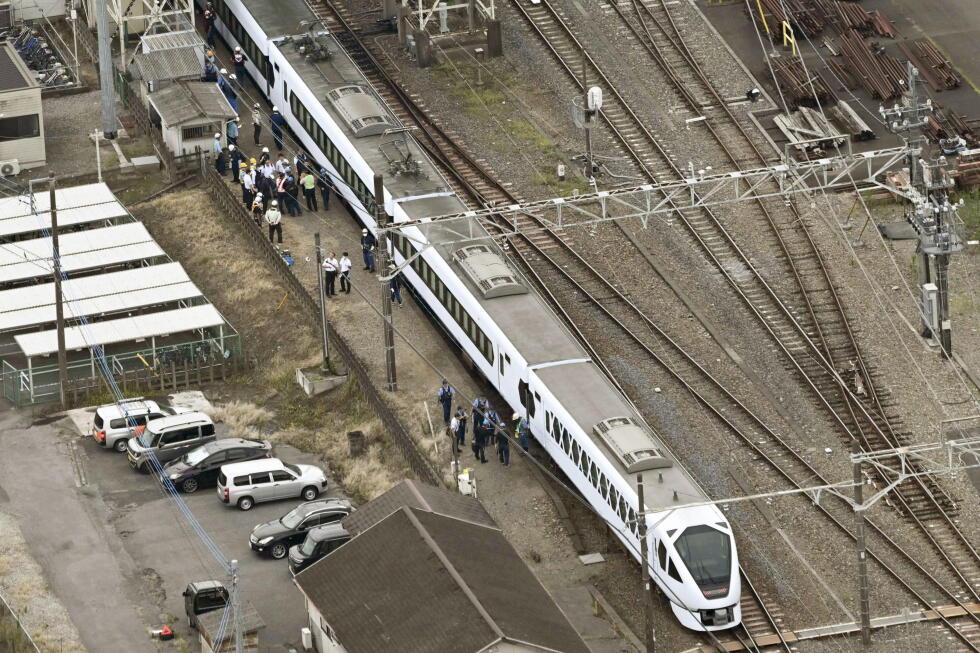
    A tragic workplace accident has shaken Japan’s renowned safe transportation sector: four crew members conducting weed management work along a railway line were struck and killed by an incoming express train at a station north of Tokyo on Thursday, local law enforcement and railway officials confirmed. The deadly collision unfolded at Shin-Kanuma Station, located along Tobu Railway’s Nikko Line, and involved the Spacia express train heading toward central Tokyo, according to Tochigi Prefectural Police.

    The four victims, comprising three on-site workers and one supervisory staff member, were immediately transported to a nearby medical facility by emergency responders, but were ultimately pronounced dead shortly after arrival, both police and operator Tobu Railway Co. confirmed. Six additional personnel present at the work site escaped unharmed: the group includes two other herbicide spraying workers, three lookout staff assigned to monitor oncoming traffic, and a second on-site supervisor. None of the roughly 50 passengers aboard the colliding express train suffered any injuries in the incident.

    At this early stage of the probe, investigators and railway representatives have not been able to confirm why the working crew failed to clear the active track ahead of the approaching train, nor what the designated lookout personnel were doing in the moments before the collision. Per standard Japanese railway work safety protocols, lookouts are required to alert fellow workers of incoming trains using visible signals such as flags, or audible alerts including whistles and portable microphones. Tobu Railway officials noted that the full sequence of events leading up to Thursday’s tragedy remains under active investigation, and the company is fully cooperating with law enforcement and transport authorities to pinpoint the root cause.

    Takao Suzuki, the head of Tobu Railway’s railway business division, issued a formal public apology following the fatal incident. “We take this severe accident seriously and we will ensure preventive measures are implemented so this never happens again,” Suzuki stated in a press briefing.

    This event marks a rare fatal railway accident in Japan, a country globally recognized for its industry-leading standards of railway safety and on-time performance. In the immediate aftermath of the collision, all regular services along the affected Nikko Line were suspended for multiple hours to allow accident investigators to access and process the site. Railway officials confirmed that full service along the line resumed later the same day, after investigators completed their initial on-site inspection.

  • Taiwan proposes a record $35B defense budget for 2027 as China’s military pressure grows

    Taiwan proposes a record $35B defense budget for 2027 as China’s military pressure grows

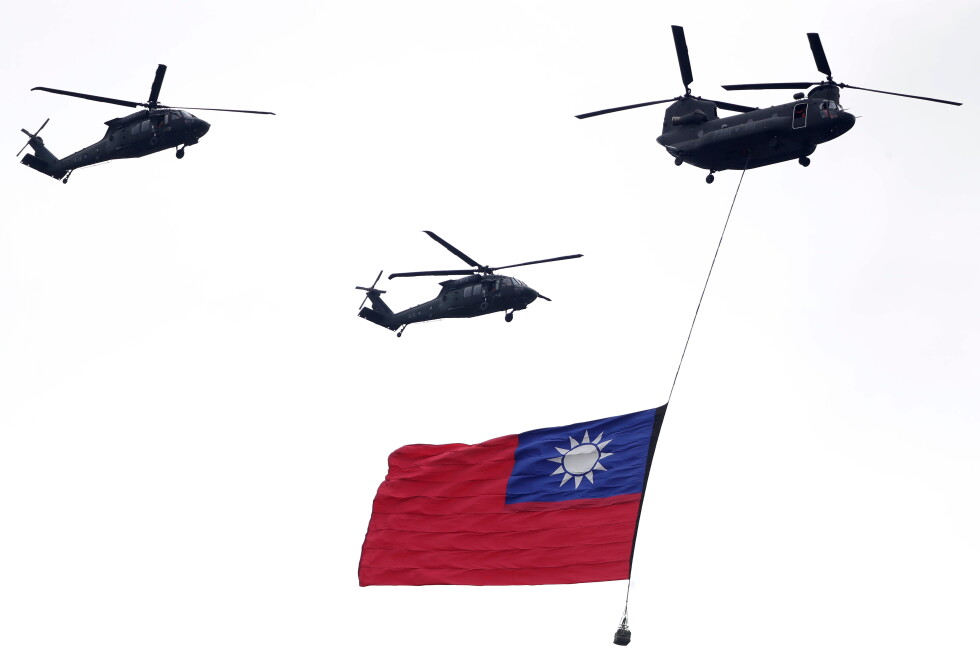
    Against a backdrop of steadily growing military and political pressure from Beijing, Taiwan’s ruling administration announced a historic defense budget proposal for 2027 on Thursday, marking a major escalation in the island’s efforts to bolster its deterrence capabilities against potential Chinese aggression.

    The planned budget totals 1.12 trillion Taiwan dollars, equivalent to roughly $35 billion — an 18% increase from the 2026 proposed defense allocation, per an official government statement. For the first time, the defense budget will exceed 3% of Taiwan’s projected gross domestic product, putting the island on track to meet the commitment President Lai Ching-te laid out to raise military spending to 5% of GDP by 2030.

    Just days before the official budget release, Lai previewed the milestone, stating that crossing the 1 trillion Taiwan dollar threshold for defense spending was fundamentally an investment in long-term cross-strait peace. This proposal comes after years of escalating Chinese activity around the self-governing island: Beijing claims Taiwan as part of its sovereign territory, and regularly deploys fighter jets, coast guard vessels, and military ships to waters and airspace near Taiwan, while holding large-scale military exercises around the island on a recurring basis. Beijing has never formally ruled out the use of military force to seize control of Taiwan.

    The budget proposal will now move to Taiwan’s opposition-controlled legislature for review, which must be completed before the end of August. However, the legislative process is expected to face notable hurdles. Last Friday, the legislature only finalized passage of the 2026 central government budget following a record-setting 266-day delay, local Taiwan’s Central News Agency reported.

    The push for higher defense spending also aligns with longstanding calls from the United States, Taiwan’s most important informal security partner. Though Washington does not maintain formal diplomatic ties with Taipei, U.S. federal law requires the U.S. to provide Taiwan with the defensive arms it needs to deter aggression. For decades, the U.S. has served as the island’s primary arms supplier and diplomatic backer, a status that has consistently been a major source of diplomatic and military tension between Washington and Beijing.

    This latest budget announcement follows a major escalation of Taiwan’s annual Han Kuang military exercises earlier this month, which are designed to simulate responses to a full-scale Chinese invasion. In a break from previous years, the drills incorporated reservists and civilian stakeholders into realistic combat scenarios, and temporarily throttled mobile internet connectivity in parts of the island to text-only speeds to simulate wartime network disruptions. Earlier urban resilience drills in Taipei were far less disruptive and attracted little public attention.

    Cross-strait tensions have remained volatile in recent years, with high-level diplomatic moves adding to uncertainty on the island. During a 2017 visit to Beijing by then-U.S. President Donald Trump, Chinese President Xi Jinping warned that mismanagement of the Taiwan issue could lead to direct conflict between the two major powers. After the meeting, Trump sparked widespread anxiety across Taiwan when he described U.S. arms sales to the island as a “very good negotiating chip” to use in talks with Beijing.

    Taiwan has operated as an independent self-governing entity since 1949, when the defeated Nationalist Party retreated to the island at the end of the Chinese Civil War, which brought the Chinese Communist Party to power in mainland China.

  • Swiss tourist sentenced to a year in jail for insulting Bali’s sacred Day of Silence

    Swiss tourist sentenced to a year in jail for insulting Bali’s sacred Day of Silence

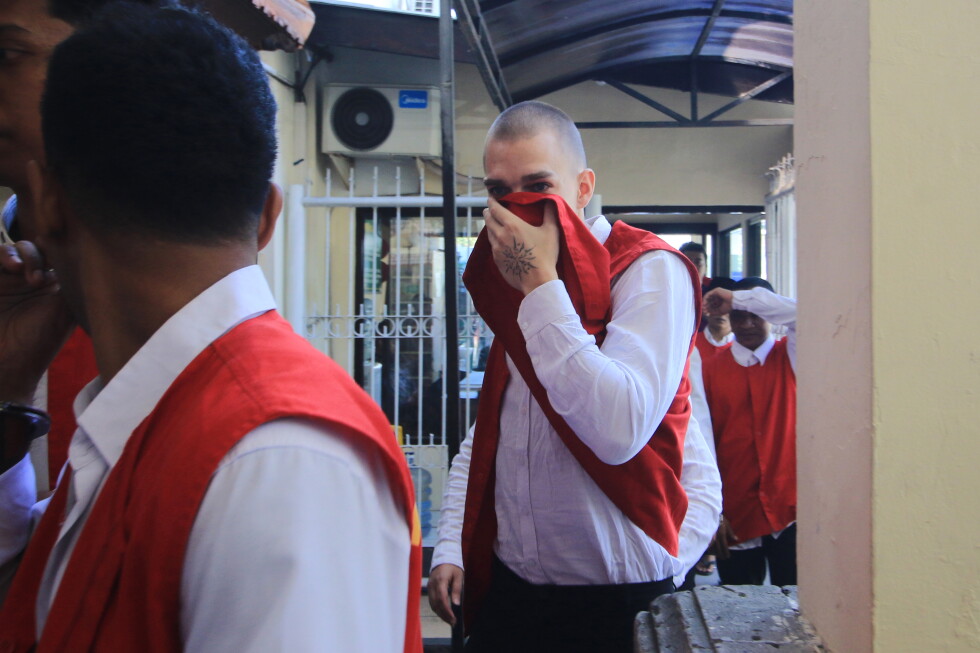
    On the Indonesian resort island of Bali, a local district court has handed down a one-year prison sentence to a 26-year-old Swiss national convicted of insulting one of the island’s most sacred Hindu traditions. The ruling, delivered Thursday by the Denpasar District Court, marks an unusual strict legal resolution for a foreign visitor violating Nyepi customs, following widespread public outrage over the tourist’s offensive social media posts.

    Luzian Andrin Zgraggen was found guilty of violating Indonesia’s updated national criminal code for a series of social media posts he shared during this annual Day of Silence, a centuries-old tradition that reshapes daily life across the entire island. Nyepi, which typically falls each March, requires all people on Bali — a majority-Hindu island within the world’s largest Muslim-majority nation — to remain in their accommodations, observe silence, and engage in meditation. The observance is so strictly respected that Bali’s international airport closes for the full day, public internet access is cut off, streets and world-famous beaches are emptied of all non-patrol activity, and the rules apply equally to local residents and foreign visitors of every religious background.

    Court documents confirm that Zgraggen was explicitly informed of Nyepi’s restrictions by staff at the private villa where he was staying before he published his posts. Despite this warning, he took to Instagram to openly boast about defying the ban on non-emergency outdoor movement. In video clips shared to the platform, Zgraggen filmed himself walking along a Bali beach during the observance, smiled for the camera, called the deeply rooted tradition “crazy”, and used a vulgar expletive to describe the custom.

    The posts quickly spread across regional and global social media platforms, triggering immediate and widespread condemnation from Balinese communities, who widely viewed the content as a deliberate attack on their faith and cultural identity. Following dozens of public complaints from residents, Indonesian law enforcement tracked Zgraggen to a villa in Legian, a popular tourist neighborhood near Kuta Beach, and took him into custody to face criminal charges.

    Presiding judge Tjokorda Putra Budi Pastima emphasized in the ruling that Zgraggen’s actions caused tangible harm to Balinese people and their deeply held beliefs. “What the defendant did offended the Balinese people, hurt their faith and provoked public outrage,” the judge stated. “The defendant must be held accountable for his actions.”

    During Zgraggen’s trial, which opened in June, the defendant argued he had never intended to insult the sacred holiday or the Balinese community. He told the court he had posted the content while hungry and frustrated, after being unable to leave his accommodation to purchase food, and claimed he had not fully grasped how deeply meaningful the restrictions are to local culture. In his final defense statement, Zgraggen offered a public apology: “I deeply regret what I did, I apologize to the Balinese people.”

    Legal observers note that this ruling represents a departure from how similar violations have been handled in past years. While authorities have previously detained both foreign and domestic visitors who left their accommodations during Nyepi, nearly all prior cases were resolved through warnings or administrative action, without formal criminal prosecution.