博客

  • Deadly overnight storms batter Germany, killing a woman and injuring at least 2

    Deadly overnight storms batter Germany, killing a woman and injuring at least 2

    BERLIN – Deadly severe weather systems swept through large swathes of Germany overnight, leaving one person dead, multiple others injured, and leaving a trail of widespread structural damage across at least six German states, local law enforcement and meteorological agencies confirmed Thursday.

    The fatality was recorded in the small town of Waldorf, located in the southwestern state of Rhineland-Palatinate. According to a report from Germany’s leading national news agency dpa, two women aged 58 and 47 had been walking together when the sudden storm hit. The pair sought cover from strong winds and heavy rain under a covered outdoor seating area, but a powerful gust uprooted a large nearby tree, which collapsed directly onto the structure. The 58-year-old woman suffered fatal trauma and died at the accident site before emergency responders could arrive, a police spokesperson confirmed. The 47-year-old sustained serious injuries and was immediately transported to a local hospital for urgent treatment.

    Further east, a tornado touched down in Fürstenwalde, a town located roughly 49 miles southeast of Berlin. The twister tore rooftops off multiple residential and commercial buildings, sent falling trees crashing into parked vehicles, and left one person with non-life-threatening injuries, dpa reported.

    In the western German town of Höhr-Grenzhausen, located in the Westerwald district, intense wind gusts ripped partial exterior walls off multiple buildings, leaving at least two residential properties structurally compromised. Falling facade fragments and airborne debris caused additional damage across the area, while dozens of trees were uprooted. The storm also knocked out power across large sections of the town, and strong winds overturned a heavy truck on the A61 autobahn, closing a section of the major highway for several hours.

    Emergency dispatch centers in three additional southern and central German states – Hesse, Thuringia, and Bavaria – received hundreds of weather-related emergency calls overnight as the storm system moved across the country. In Kronach, a town in northern Bavaria, local authorities were forced to partially evacuate a long-planned village festival Wednesday evening. Roughly 3,500 attendees had to evacuate the open-air section of the festival grounds, though organizers confirmed the event could resume indoors at the venue’s enclosed beer halls, with no additional injuries reported.

    In Wetzlar, central Hesse, local fire department officials confirmed that the storm damaged roughly 60 residential properties. In some cases, strong winds tore full roofing sections off buildings and carried them as far as 110 yards away, creating additional hazards for residents and first responders.

    In the wake of the overnight damage, Germany’s national meteorological body, the German Weather Service, has issued a fresh warning for additional severe storm activity across southern Germany later Thursday, with the highest risk concentrated in the southern states of Baden-Württemberg and Bavaria.

  • North Korea fires a suspected missile toward the sea, Japan says

    North Korea fires a suspected missile toward the sea, Japan says

    In a provocative move that dims hopes for a rapid resumption of denuclearization diplomacy, North Korea has test-fired a suspected ballistic missile into the sea off its eastern coast, Japanese and South Korean officials confirmed Thursday. The launch comes just 24 hours after Pyongyang dismissed a U.S.-led initiative to downsize annual joint military exercises with South Korea, a step Washington framed as a goodwill gesture to restart nuclear negotiations.

    Japan’s Prime Minister’s Office was the first to announce the detection of the suspected projectile, though it released no additional details on the launch’s flight trajectory or potential impact in the immediate aftermath. South Korean local media, citing anonymous sources in the South Korean Joint Chiefs of Staff, later confirmed the launch of an unidentified projectile from North Korea’s east coast, matching the initial Japanese alert.

    The missile test caps a tense 48 hours on the Korean Peninsula, which began after U.S. President Donald Trump ordered the Pentagon to “substantially reduce” the scale of the 11-day Ulchi Freedom Shield exercises, the annual joint military drills that have long been a point of contention for Pyongyang. Trump’s order, issued just as the exercises kicked off Monday, cited two key factors: his stated positive personal rapport with North Korean leader Kim Jong Un, and South Korea’s refusal to back U.S. military operations amid rising tensions with Iran. On Wednesday, U.S. and South Korean military officials formally confirmed the scaled-back scope of the drills.

    The goodwill overture from Washington was quickly rejected by Kim Yo Jong, the influential sister of Kim Jong Un and one of the North Korean government’s most high-profile decision-makers. In a statement released Wednesday, Kim Yo Jong dismissed the move as inconsequential, arguing that reducing the duration and size of the drills does nothing to alter their fundamentally “provocative, aggressive nature.” She added that if the U.S. attempts to frame the downsizing as an act of good faith, it will not receive the diplomatic response Washington is hoping for.

    She also pointed to additional sources of tension between the two sides: a series of smaller U.S.-South Korean military drills held earlier in 2019, and South Korea’s ongoing push to deploy nuclear-powered submarines to its waters. Notably, Kim Yo Jong refrained from the fiery, vitriolic rhetoric that often characterizes North Korean official statements, and emphasized that the personal relationship between Kim Jong Un and Donald Trump remains “still excellent.” Analysts see this measured tone as a clear signal: Pyongyang is willing to keep diplomatic channels open, but will not return to the negotiating table until Washington makes more substantial concessions.

    Kim Yo Jong also pushed back on a recent claim from Trump, who told reporters that Kim Jong Un had responded to a new outreach for dialogue. When reporters asked Trump Wednesday whether he planned to meet Kim Jong Un before the end of the year, the president confirmed he expected to hold a meeting, but declined to answer questions about ongoing private correspondence between the two leaders, simply repeating that he maintains a positive working relationship with the North Korean leader.

  • Young child dies after house in Swansea catches fire, woman in 80s seriously injured

    Young child dies after house in Swansea catches fire, woman in 80s seriously injured

    A devastating residential blaze in Swansea, located within New South Wales’ Lake Macquarie region, has claimed the life of one young child and left three other people injured, including an elderly woman with critical burn wounds. The emergency unfolded at approximately 1:30 p.m. local time, when a single-family home on Northcote Avenue was quickly engulfed by out-of-control flames. At the time the fire broke out, four people were on the property: an 80-year-old woman, two young children, and a teenage boy who was outside the residence when the blaze started. When first responders from fire and police services arrived at the scene, the entire home was already fully ablaze, making entry and search operations dangerous and challenging. During a systematic search of the burning structure, emergency crews recovered one young child, who could not be resuscitated by medical personnel despite immediate efforts to save their life, according to an official statement from New South Wales Police. In a stroke of relative fortune amid the tragedy, the second young child inside the home escaped without injury and got out of the burning property before emergency crews arrived, authorities confirmed. The elderly resident of the home suffered severe, life-threatening burns and was airlifted to John Hunter Hospital for urgent medical care, where she remains in serious condition as of the latest update. The teenage boy, who tried to enter the burning home to rescue those trapped, sustained leg injuries during his attempt and was also transported to hospital for treatment. As of Wednesday afternoon, fire investigation teams remain on site to determine the cause of the blaze, with multiple road closures implemented in the surrounding neighborhood to keep bystanders away from the hazard zone and allow emergency operations to proceed unimpeded. Authorities have not yet released the exact age of the deceased child or confirmed their identity, pending notification of next of kin.

  • Vaccine breakthrough stops cancer returning in trial

    Vaccine breakthrough stops cancer returning in trial

    A groundbreaking clinical trial has delivered encouraging early results for a novel personalized cancer vaccine, marking what experts describe as a potential turning point in the global fight against skin cancer. Developed in a collaborative partnership between pharmaceutical giants Merck & Co. (known as MSD outside the United States) and biotechnology leader Moderna, the experimental treatment combines the newly developed vaccine, branded Intismeran, with Keytruda – a widely used existing immunotherapy drug for cancer care.

    The phase three clinical trial enrolled over 1,000 patients diagnosed with high-risk melanoma, the most aggressive form of skin cancer. All participants underwent surgical removal of their tumors before receiving either the combined vaccine-drug treatment or Keytruda as a standalone therapy. Early data released by the two companies shows that the combination therapy significantly extended cancer-free survival periods for patients and cut the risk of melanoma spreading to distant organs compared to single-drug treatment.

    Unlike traditional cancer treatments, this new therapy leverages the same mRNA technology that powered many widely used COVID-19 vaccines to create a one-of-a-kind treatment tailored to each patient. To develop the personalized jab, scientists first sequence the DNA of a small sample taken from the patient’s tumor during surgery. This genetic data allows them to design a vaccine that targets unique mutations present in the patient’s cancer cells, training the immune system to specifically identify and attack any remaining cancer cells that may cause recurrence.

    Clinical and public health leaders have welcomed the early findings, while urging caution as the full trial data has not yet been published or subjected to independent peer review. Professor Peter Johnson, National Clinical Director for Cancer at NHS England, called the development an exciting advance in immuno-oncology. “Most existing cancer immunotherapies work by broadly freeing up the immune system to target cancer, but this new approach directly directs the immune system to the patient’s unique tumor,” Johnson explained in an interview with the BBC’s Today Programme. He added that the NHS is already making preparations to roll out this new class of treatment to patients once it receives regulatory approval.

    Dr. Lennard Lee, a consultant medical oncologist and associate professor at the University of Oxford, noted that the results carry implications far beyond melanoma treatment. “This trial provides the first large-scale proof of principle that personalized cancer vaccines actually work,” Lee said. Cancer Research UK’s head of prevention and early detection, Dr. Talisia Quallo, echoed the cautious optimism, stating that “this research shows real promise, but the interim data must undergo full independent review before we can draw definitive conclusions. Continued investment in this line of research is critical to expanding access to personalized treatment that helps more cancer patients live longer, higher-quality lives.”

    Moderna CEO Stephane Bancel described the trial outcome as a “pivotal moment” for cancer research worldwide. Beyond melanoma, the two companies are already running clinical trials for similar personalized mRNA vaccines targeting three other common cancer types: lung, bladder, and kidney cancer. Following the announcement of the early results, share prices for both Moderna and Merck rose sharply in global markets.

    Even if the trial’s positive results hold up through full review, the treatment still faces multiple regulatory and access hurdles. It must first receive formal approval from global medical regulators, followed by a separate approval process before it can be made routinely available to patients through the UK’s National Health Service. Full detailed results from the phase three trial are scheduled to be presented at an international medical conference in October this year.

  • Protesters call off 26-day agitation over exam irregularities in Indian state

    Protesters call off 26-day agitation over exam irregularities in Indian state

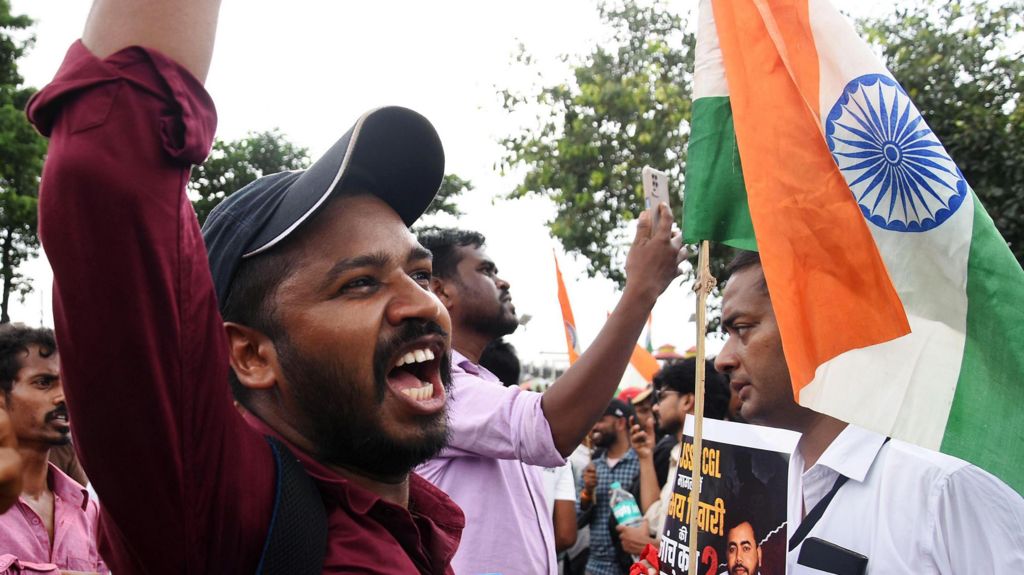
    After 26 days of sustained public protest over widespread allegations of corruption and misconduct in state government recruitment exams, student and job-seeker protesters in India’s eastern state of Jharkhand have agreed to suspend their demonstration, following a series of key concessions from the state government. The mass movement, which drew thousands of participants and included multiple hunger strikes by demonstrators demanding systemic reform of the state’s public sector hiring process, finally reached a breakthrough this week after officials announced sweeping policy changes to address the protesters’ core concerns.

    The unrest began in late July, sparked by public allegations of manipulation following the release of preliminary civil service exam results. Candidates raised alarms when leaked answer sheets shared online appeared to show that top-scoring applicants had answered fewer questions correctly than lower-ranked competitors, triggering widespread public anger over systemic fraud. The protest movement gained additional momentum in the wake of a larger, high-profile demonstration in New Delhi that ultimately forced the resignation of India’s federal education minister, putting severe political pressure on Jharkhand’s ruling coalition government led by Chief Minister Hemant Soren.

    For nearly four weeks, hundreds of protesters maintained a continuous encampment at a stadium in the state capital of Ranchi, refusing to stand down until their demands for independent investigation and systemic reform were met. To break the weeks-long deadlock, the state government has agreed to cancel 22 controversial recruitment exams, and ordered a full investigation into dozens of additional past hiring tests. In a key compromise to resolve a sticking point over calls for an investigation by the federal Central Bureau of Investigation (CBI) — which the state government had repeatedly rejected — protesters have agreed to accept an independent judicial inquiry into the allegations, with a two-month deadline for the government to finalize the inquiry process and deliver on its remaining commitments.

    Thus far, the state’s Criminal Investigation Department (CID) has already made multiple arrests in connection with the alleged irregularities, including the chair of the Jharkhand Public Service Commission (JPSC), the state body that administers most public sector recruitment exams. Earlier this week, Soren confirmed that “many shocking facts are emerging” from the ongoing CID probe, and announced that all exams administered by private hiring contractor TSR Data Processing Private Limited (TDPL) would be canceled, with a full review of all recruitment exams held in the state dating back to 2014.

    Following the announcement of the agreement on Wednesday, protesters cleared the Ranchi protest site, holding celebratory gatherings where they exchanged garlands and set off fireworks to mark what they frame as a landmark win for student organizers. Student activist Ravindra Paswan, a key leader of the movement, emphasized that the suspension of agitation is conditional, noting that protesters will immediately resume demonstrations if the government fails to meet the two-month deadline for completing all promised reforms and investigations. Paswan added that if the judicial inquiry is not delivered as agreed, organizers will renew their push for a full CBI probe into the scandal.

    While the agreement has ended the immediate standoff, it has also sparked an unexpected new political conflict: the cancellation of flawed exams has triggered protests from candidates who already passed the contested tests and started working in government roles. These successful candidates have argued that they earned their positions through legitimate merit, and should not be penalized for misconduct committed by other parties or state officials. Dozens have already filed petitions with the Jharkhand High Court contesting the cancellations, and it remains unclear what will become of their current appointments if the state investigation confirms widespread fraud in the exam processes.

    Public sector government jobs are among the most sought-after positions in India, prized for their unprecedented job security and stable benefits. Every year, millions of Indian candidates spend months or even years preparing for competitive recruitment exams, hoping to secure one of the limited available roles. However, India’s public recruitment system has been plagued by repeated scandals in recent years, with regular allegations of pre-exam paper leaks, organized cheating, and systemic corruption that have eroded public trust in the hiring process. Recruitment processes also often drag on for years, leaving even qualified candidates facing extended periods of uncertainty about their employment prospects.

    Politically, the protest has put Jharkhand’s ruling coalition — made up of Soren’s Jharkhand Mukti Morcha, the Indian National Congress, and several smaller regional parties — on the defensive. The state’s main opposition party, Prime Minister Narendra Modi’s national Bharatiya Janata Party (BJP), has publicly backed the protesters throughout the standoff, turning the recruitment scandal into a major political flashpoint ahead of upcoming state electoral cycles.

  • Prosecutor tells Australian appeals court mushroom poisoning murderer should never be released

    Prosecutor tells Australian appeals court mushroom poisoning murderer should never be released

    MELBOURNE, Australia – Prosecutors have formally urged an Australian appellate court to impose a permanent life sentence without any possibility of parole on Erin Patterson, the 51-year-old woman convicted of murdering three of her estranged husband’s relatives using toxic death cap mushrooms at a 2023 homemade lunch. The arguments were delivered Thursday to a three-judge panel of the Victoria Court of Appeal, as part of two simultaneous appeals: one from prosecutors challenging the leniency of Patterson’s original sentence, and a second from Patterson herself appealing her three murder convictions and one count of attempted murder.

    During the original sentencing in September 2024, trial judge Christopher Bale ruled that Patterson must serve 33 years behind bars before becoming eligible to apply for parole. Prosecutor Brendan Kissane told the appellate panel this original non-parole period is “manifestly inadequate” given the severity of the crimes. Kissane argued that Patterson should be barred from ever being considered for parole, but added that if the judges declined to issue a whole-life order, they should at minimum set a non-parole period longer than the original 33 years.

    “That’s a harsh submission to make,” Kissane acknowledged of the request to eliminate any chance of parole. “But … it’s demanded by the nature of the offending,” he added, describing Patterson’s actions as “pitiless behavior” and “truly dreadful.” Court documents submitted by the prosecution note there is no prior case in Australian legal history factually comparable to these crimes, for reference, the prosecution cited two prior Australian mass murder cases where offenders received far longer non-parole terms: Osman Shaptafaj, who killed his daughter and her son-in-law over an uninvited wedding attendance, received a 35-year non-parole period in 2022, while Jaymes Todd, who raped and murdered comedian Eurydide Dixon in 2018, was ordered to serve 43 years behind bars before parole eligibility.

    Under Victoria state law, judges are required to set a fixed non-parole period for murder convictions unless the nature of the offense or the defendant’s criminal history makes a minimum term inappropriate. Under the original 33-year term, Patterson would only become eligible for parole consideration at the age of 82, a timeline prosecutors argue is still insufficient for the gravity of her crimes.

    The deadly incident dates back to July 2023, when Patterson hosted a lunch at her rural Leongatha property, serving homemade beef Wellington pastries laced with death cap mushrooms, one of the deadliest naturally occurring toxic fungi in the world. Those who ate the meal included Don and Gail Patterson, parents of Erin Patterson’s estranged husband Simon, Gail’s sister Heather Wilkinson, and Heather’s husband Ian Wilkinson. Simon Patterson was invited but did not attend the gathering. Don, Gail and Heather all died within days of the lunch, while Ian Wilkinson spent weeks in intensive care before surviving the poisoning.

    During her trial, Patterson maintained the poisoning was a tragic accident, claiming she had misidentified the toxic mushrooms as an edible variety when she foraged them. She is now appealing her convictions on multiple grounds, one of which is the argument that the five days of cross-examination she underwent during trial was “unfair and oppressive.” On Thursday, prosecutor Jeremy McWilliams rejected this claim, telling the court the cross-examination was “thorough, fair and conducted in accordance with settled principles and the prosecutor’s overarching duty of fairness.” McWilliams added that the trial defense team itself described Patterson as a “pedantic witness,” requiring the prosecution to rephrase questions repeatedly to get a responsive answer from her.

    Another point of contention in the appeals process is Patterson’s current prison conditions. She is currently held in the high-security Gordon Unit at the Dame Phyllis Frost Centre, a women’s prison in Melbourne, a facility reserved for inmates deemed at high risk of harm from other prisoners due to the notoriety of their crimes. During the original sentencing, Judge Bale noted there was a “substantial chance” that Patterson would remain in solitary confinement for years to come. Patterson’s lead appellate lawyer, Richard Edney, argued that her current conditions meet the United Nations’ definition of solitary confinement – 22 or more hours of seclusion per day with no meaningful human contact. Kissane countered this claim, telling the court the original judge’s conclusion about long-term solitary confinement was not supported by evidence, and that Patterson’s prison conditions are subject to monthly review.

    In additional context revealed after the trial, Simon Patterson gave pre-trial testimony claiming he suspected his estranged wife had deliberately poisoned him on multiple occasions between late 2021 and mid-2022, making him seriously ill with homemade meals. No toxic substances were ever confirmed in these alleged incidents. Erin Patterson was initially charged with three counts of attempted murder against Simon, but she denied all allegations, and prosecutors dropped all charges related to the husband before the murder trial got underway in April 2025.

    Whole-life sentences with no chance of parole are extremely rare for prisoners in Australia. The three appellate judges have opted to reserve their decision on both appeals, with no date set for a ruling yet.

  • Damaged pitch forces PSG to switch season opener

    Damaged pitch forces PSG to switch season opener

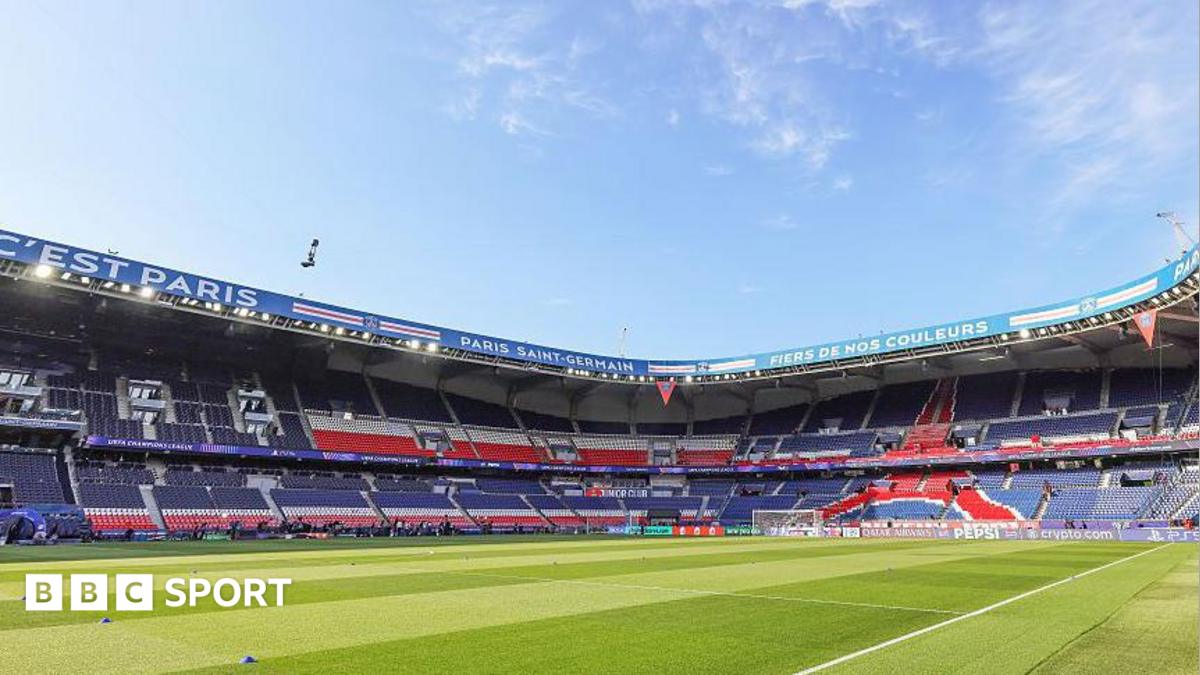
    Paris St-Germain’s 2026-27 Ligue 1 title defense campaign has hit an unexpected last-minute disruption, as unprecedented summer heatwaves across Western Europe have left the club’s iconic Parc des Princes pitch severely damaged. The French champions were originally scheduled to kick off their new season against Rennes this Sunday in the French capital, but the fixture will now be flipped, with the match taking place at Rennes’ home ground in Brittany instead.

    Officials from the Ligue de Football Professionnel (LFP), France’s top football governing body, confirmed that a thorough inspection of the Parc des Princes pitch concluded the surface could not support a professional match under safe conditions. The statement highlighted that the damaged pitch posed unacceptable risks to the safety and physical well-being of all competing players.

    PSG has moved quickly to address the issue, announcing plans to completely relay the playing surface ahead of their next scheduled home fixture against Monaco on 4 September. In a formal statement, the club acknowledged that the last-minute venue swap would cause unavoidable inconvenience for fans, players, and stakeholders, but emphasized that the extreme heatwave damage constituted an entirely unforeseen, exceptional situation that left no other viable option.

    This venue change comes in the wake of a record-breaking summer of heat across France. On 24 June, the country recorded its hottest ever average national temperature, with Paris hitting nearly 41°C and half of all French regions placed under high-priority red heat alerts. Official mortality data shows that between 22 and 28 June, total deaths across France rose by 2,025 – a nearly 30% increase compared to average periods – with the Paris region alone seeing a 62% jump in mortality. The extreme heat has also sparked destructive wildfires across multiple regions of the country, following a wider trend of record-breaking temperatures across Western Europe this summer.

    PSG is not the only top European club forced to rearrange its opening league fixture due to summer pitch damage tied to extreme heat. Earlier this month, Spanish La Liga side Celta Vigo was forced to postpone their season opener against Osasuna after an uncontrolled fungal outbreak destroyed grass at their Estadio de Balaidos home ground. The outbreak was directly linked to three straight weeks of overnight temperatures staying above 25°C, creating the warm, humid conditions that allowed the fungus to spread rapidly across the pitch.

    As the reigning Ligue 1 champions, PSG claimed the 2025-26 title by a comfortable six-point margin, while Sunday’s opponents Rennes finished sixth in the table last season and secured qualification for the 2026-27 UEFA Europa League.

  • Why are there so few African players in the WSL?

    Why are there so few African players in the WSL?

    The 2026 Women’s Africa Cup of Nations (Wafcon) wrapped up earlier this month with a historic final that saw Cameroon claim its first ever title against a resilient Malawi side, and delivered a clear message to global football: African women’s football is brimming with world-class talent. From Malawi’s Temwa Chawinga, who scored five goals and notched two assists in the tournament, to Cameroon’s tournament MVP Monique Ngock, the level of play on display left fans and analysts impressed. Yet one glaring question lingers over the Women’s Super League (WSL) — widely considered one of the most competitive elite women’s leagues on the planet: why are there so few African-born and African-based players plying their trade in England’s top flight?

    This summer has seen a continued influx of global talent flocking to the WSL. Two-time Ballon d’Or winner Alexia Putellas, a core member of Spain’s 2023 World Cup-winning squad, became the latest high-profile international star to make the move, signing with London City Lionesses. She joins a growing list of global standouts who have chosen the WSL as their home: Australia’s iconic captain Sam Kerr spent years terrorizing defenses for Chelsea before her move to NWSL side Gotham FC, while top American talents including Alyssa Thompson, Naomi Girma, Emily Fox and Sam Coffey now represent some of England’s biggest clubs. In recent seasons, the league has also welcomed a wave of top Asian talent, with Japan captain Yui Hasegawa emerging as one of the league’s most impactful players at Manchester City.

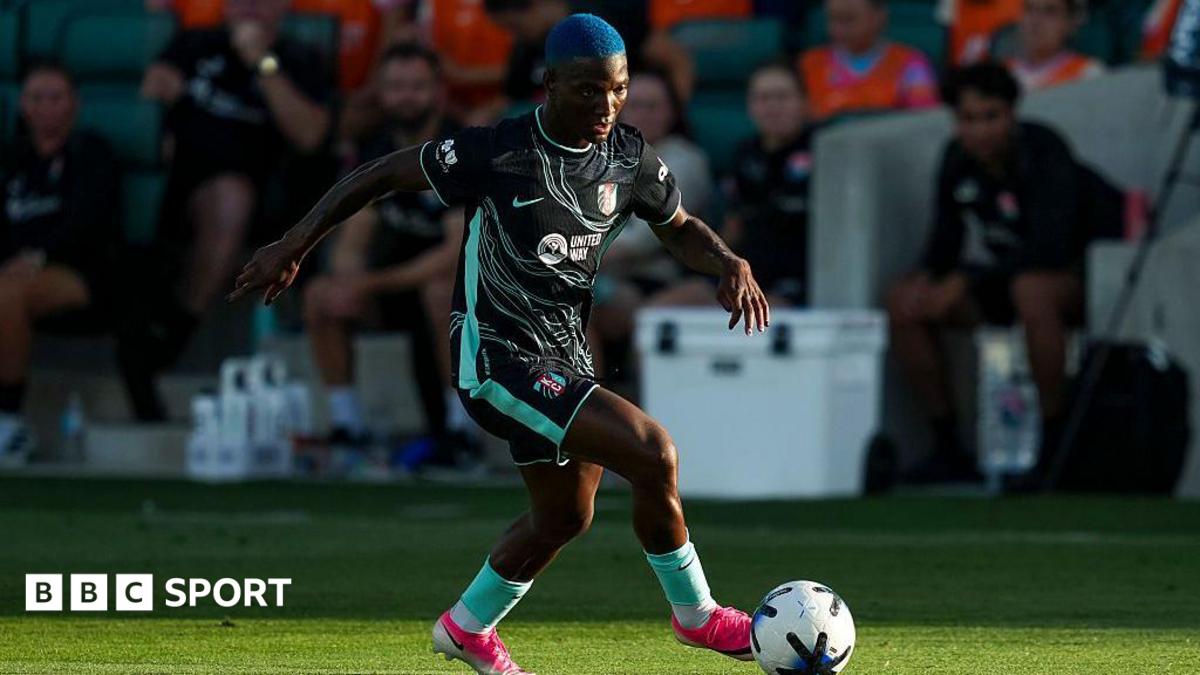
    Against this backdrop of growing global integration, the numbers are striking: only four African international players are currently contracted to WSL clubs. They are Chiamaka Nnadozie (Brighton & Hove Albion, Nigeria), Aisha Masaka (Brighton & Hove Albion, Tanzania), Rofiat Imuran (London City Lionesses, Nigeria) and Ines Belloumou (West Ham United, Algeria). This underrepresentation is not for a lack of elite talent on the continent, nor is it a lack of interest from top European and North American clubs. The U.S. National Women’s Soccer League (NWSL) has actively pursued African talent in recent years, shelling out record transfer fees to secure the services of the continent’s top players.

    In 2024, Zambian forward Racheal Kundananji made history when she joined expansion side Bay FC from Spain’s Madrid CFF for £685,000 — at the time, the highest transfer fee ever paid for a women’s footballer. Her compatriot Barbra Banda, who plays for the Orlando Pride, claimed the 2024 BBC Women’s Footballer of the Year award for her performances. The NWSL’s Washington Spirit currently counts six African internationals among its ranks, including 2026 Wafcon MVP Monique Ngock. Temwa Chawinga, whose five-goal haul turned heads at this year’s Wafcon, has already dominated the NWSL, claiming both the Golden Boot and MVP award in her first two seasons with the Kansas City Current. Her sister, Malawi captain Tabitha Chawinga, plies her trade for European powerhouse Olympique Lyonnais and led her underdog nation to a historic Wafcon final appearance earlier this month. Other top African talents, including Cameroon’s standout keeper Michaely Bihina, have secured contracts at top European clubs outside of England, such as Portugal’s Benfica.

    Nnadozie, the only African keeper ever shortlisted for the Women’s Ballon d’Or, has already proven the impact African talent can make in the WSL. Since joining Brighton last year, she earned a starting spot and helped the club reach the FA Cup Final at Wembley, where they faced WSL champions Manchester City. So what is holding WSL clubs back from tapping into this deep pool of untapped talent? Industry analysts and players point to three core barriers: restrictive visa rules, financial and structural competition from the NWSL, and systemic gaps in scouting and tournament coverage.

    The first and most significant hurdle is the United Kingdom’s Governing Body Endorsement (GBE) visa criteria, which sets strict eligibility requirements for foreign players looking to join English clubs. To qualify, foreign players must accumulate a minimum number of points across five weighted categories, which factor in senior national team caps, appearances in continental competitions like the UEFA Women’s Champions League, and the global ranking of the player’s previous club. For many African players coming from domestic African leagues, these criteria automatically disqualify them, as their clubs do not hold high enough global rankings and many do not compete in tournaments that count toward the points threshold.

    Beyond visa rules, WSL clubs also face stiff competition from NWSL sides, who have been proactive in targeting top African talent and are able to offer more competitive transfer fees and wages than many English clubs. Additionally, WSL scouting resources are currently disproportionately focused on European talent, leaving little budget or personnel to identify and evaluate emerging prospects across the African continent.

    A third critical barrier is the lack of consistent, high-quality broadcast coverage for African women’s football and Wafcon in particular. This year’s tournament highlighted these gaps: even after Confederation of African Football (CAF) named Channel 4 as the UK broadcast partner, no first-round matches aired live after the formal agreement fell through. The tournament was also thrown into disarray when it was postponed just 12 days before its scheduled kickoff in Morocco, eventually being pushed back three months. Switzerland captain Lia Walti, who joined Brighton this summer, noted that poor broadcast quality and access hurts the visibility of women’s football globally, particularly in regions outside of Europe and North America.

    “I think you have to bring the game to the people. You kind of have to force people to watch it. I felt that was how it maybe started in England,” Walti told BBC Sport. “In a lot of other countries I think they have bad coverage. It’s not shown at all, or if it’s shown, from where they film the game [makes it look] really poor. It affects the way you watch a game. You don’t really see the speed, the tactics or anything and you don’t enjoy watching the game.”

    This year’s Wafcon delivered no shortage of breakthrough moments that proved African women’s football belongs on the global stage. Underdog Malawi defied all pre-tournament predictions to reach the final, qualifying for their first ever Women’s World Cup in 2027 alongside champions Cameroon, and semi-finalists Algeria and Morocco. Tabitha Chawinga said after the final that the team’s run put Malawian football on the map, and proved the quality of the continent’s teams against all odds.

    “It’s really the best. No-one gave Malawi a chance to be in the finals, no-one gave Cameroon a chance to be in the finals,” she said. “But as you can see, we watched fantastic football. There was amazing football from both sides.”

    Nnadozie, who paved the way for African players in the WSL with her move to Brighton, says her 2023 Ballon d’Or nomination helped shine a spotlight on the depth of talent across the continent, and called for more opportunities for African players to compete in top global leagues like the WSL.

    “We have so many good players and they just need the opportunity to show what they can really do,” she said. “Very soon, we will have more numbers [in the Ballon d’Or nominations] from Africa. Trust me, there are so many good talents from Africa. Some players have had the opportunity to come to Europe but some have stayed back home. I hope in the future, bigger competitions will come to Africa. The Under-17s World Cup is in Morocco. This is big evidence that they are doing a lot of great jobs over there. It is just a matter of time. Women’s football is rising and Africa shouldn’t be left behind.”


  • ‘Simply lovely’: Verstappen signs new Red Bull contract until 2030

    ‘Simply lovely’: Verstappen signs new Red Bull contract until 2030

    On Thursday, one of Formula One’s most decorated modern competitors put an end to months of swirling speculation about his long-term future in the sport: four-time consecutive world champion Max Verstappen has signed a contract extension with Oracle Red Bull Racing that will keep him with the team through the conclusion of the 2030 season.

    Red Bull officially confirmed the agreement in a post to X, the social platform formerly known as Twitter, writing, “Four more years of full send. We are delighted to announce that Max has signed a contract extension with the team until the end of 2030.”

    The blockbuster announcement lands as preparations hit full swing for Verstappen’s home event, the Dutch Grand Prix, scheduled to take place at the Zandvoort circuit this weekend. The news is set to bring widespread joy to the thousands of Verstappen’s loyal supporters, who traditionally pack the stands in their signature bright orange attire to cheer on their compatriot.

    Verstappen, 28, has cemented his status as one of the most dominant drivers in Formula One history, securing four straight world championship titles starting from his breakout 2021 season. However, the 2025 campaign has proven far less kind to the Dutch driver: he has failed to cross the finish line in multiple races through the first half of the season, and currently sits sixth in the drivers’ overall standings. Red Bull’s underperforming car this year has left the team uncompetitive, prompting widespread industry and fan speculation that the mercurial driver could choose to jump to a rival squad or even exit Formula One entirely.

    In a formal statement from the team, Red Bull framed the new contract as far more than an extension of an already successful partnership. “This commitment is about more than continuing an already extraordinary alliance,” the statement read. “It is a powerful statement of mutual trust and ambition — and a shared decision to shape the future together.”

    For his part, Verstappen expressed unwavering loyalty to the team that brought him to championship glory, saying he is eager to help guide Red Bull back to its winning form. “We have the best people and I’m excited to keep working together with everyone to get back to the top again,” Verstappen said.

    The new contract adds even more anticipation to this weekend’s Dutch Grand Prix, which will mark the final running of the race at Zandvoort after promoters opted not to renew the event’s contract going forward. A key factor in that decision was lingering uncertainty around Verstappen’s future, given his outsize role in driving the event’s massive popularity among local and international fans.

    Verstappen has an undeniable winning record at his home track: he claimed victory in the first three editions of the race after it was reintroduced to the F1 calendar in 2021. However, McLaren’s Lando Norris and Oscar Piastri have taken the top two spots at Zandvoort in the last two races, leaving Verstappen chasing the Papaya team on his own turf this year.

    In a nod to his Dutch roots, Verstappen is set to race this weekend wearing a custom helmet inspired by the country’s iconic blue Delft pottery.

    Reflecting on his long tenure with Red Bull, Verstappen emphasized the deep connection he feels to the organization. “I have always said it: The team is like a second family for me and I feel very at home,” he said. “I came to the team hoping to be able to win races. What we went on to achieve together has been simply lovely.” That signature phrase of Verstappen’s has become synonymous with his laid-back demeanor outside the car and relentless drive inside it.

  • When is the Champions League draw and who is in each pot?

    When is the Champions League draw and who is in each pot?

    The eagerly awaited draw for the brand-new 2026-27 UEFA Champions League league phase is scheduled to take place this Thursday, 27 August, kicking off at 17:00 BST at the Grimaldi Forum in Monaco. This edition marks a historic shift for European football’s premier club competition, with the expanded format welcoming 36 teams to the league stage instead of the traditional 32. Of these 36 participants, 29 secured their places automatically following the conclusion of the 2025-26 domestic and continental seasons, while the final seven spots were claimed through last-week’s play-off rounds.

    Under the revamped competition structure, every side in the league phase will play eight unique opponents, with four fixtures hosted at their home ground and four played away. To organize the draw, the 36 qualified teams have been seeded into four separate pots based on their official UEFA club coefficient rankings, calculated across the five-season cycle ending with the 2025-26 campaign. Pot 1 contains the highest-ranked clubs, while Pot 4 holds the lowest-ranked entrants. A core draw rule mandates that each team will face two opponents from every pot, and no club will be drawn against a fellow team from the same national league, avoiding cross-country derby matches in the league stage.

    A brand-new additional rule, announced by UEFA just this Wednesday, has already sparked significant discussion among fans. The regulation prohibits clubs from hosting the same opponent in three consecutive Champions League league phases. This specific rule means Liverpool cannot be drawn to host Spanish giants Real Madrid at Anfield in this season’s league phase, while Premier League title holders Arsenal cannot be scheduled to travel to San Siro to face Inter Milan. It is still possible for the reverse fixtures to happen, however: Real Madrid could host Liverpool at the Bernabéu, and Inter could visit Arsenal’s Emirates Stadium.

    Once the league phase wraps up, the outcome will shape the knockout rounds of the competition. The eight clubs that finish the league stage in the top eight positions will earn an automatic spot in the Champions League round of 16. Clubs that land between 9th and 24th place will advance to a knockout play-off round, where they will compete for the remaining eight spots in the round of 16. Any clubs that finish between 25th and 36th will be eliminated from the competition immediately after the league phase concludes.

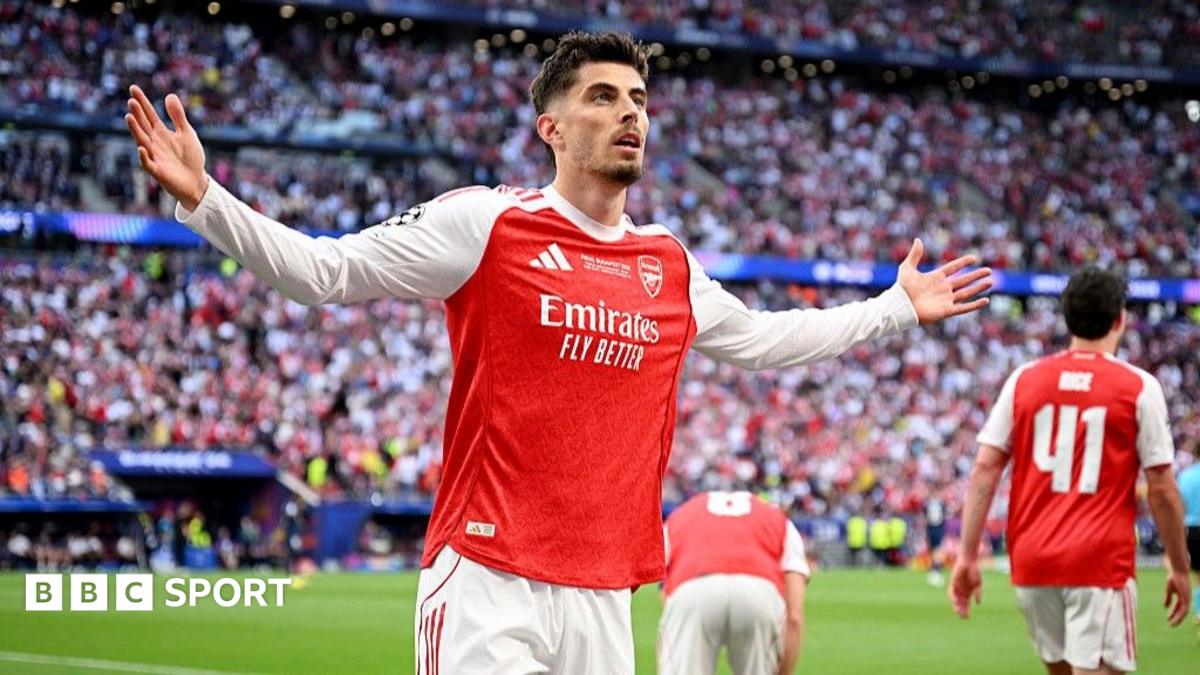
    For English football fans, five Premier League clubs have qualified for this expanded league phase, with three earning a place in the top-seeded Pot 1. Liverpool, Manchester City, and Arsenal join back-to-back Champions League winners Paris Saint-Germain, Bayern Munich, Real Madrid, Inter Milan, Barcelona, and Atlético Madrid in the highest-ranked pot. Two English clubs make their return to the Champions League after missing out on qualification last season: Aston Villa and Manchester United are both seeded in Pot 2, alongside Borussia Dortmund, Roma, Sporting CP, Porto, Club Brugge, Real Betis, and PSV Eindhoven.

    Pot 3 is made up of Feyenoord, Lille, Bodo/Glimt, Napoli, RB Leipzig, Villarreal, Shakhtar Donetsk, Galatasaray, and Fenerbahce. The lowest-ranked Pot 4 includes Slavia Prague, VfB Stuttgart, LASK, Como, Lens, Sabah, AEK Athens, Slovan Bratislava, and Viking. Fans across the UK can watch the draw live for free via BBC iPlayer, as well as the BBC Sport website and mobile application.

    Full list of 2026-27 Champions League league phase pots:
    – Pot 1: Paris St-Germain (France), Bayern Munich (Germany), Real Madrid (Spain), Liverpool (England), Inter Milan (Italy), Manchester City (England), Arsenal (England), Barcelona (Spain), Atletico Madrid (Spain)
    – Pot 2: Borussia Dortmund (Germany), Roma (Italy), Sporting CP (Portugal), Aston Villa (England), FC Porto (Portugal), Manchester United (England), Club Brugge (Belgium), Real Betis (Spain), PSV Eindhoven (Netherlands)
    – Pot 3: Feyenoord (Netherlands), Lille (France), Bodo/Glimt (Norway), Napoli (Italy), RB Leipzig (Germany), Villarreal (Spain), Shakhtar Donetsk (Ukraine), Galatasaray (Turkey), Fenerbahce (Turkey)
    – Pot 4: Viking (Norway), Slovan Bratislava (Slovakia), Slavia Prague (Czech Republic), VfB Stuttgart (Germany), LASK (Austria), AEK Athens (Greece), Como (Italy), Lens (France), Sabah (Azerbaijan)