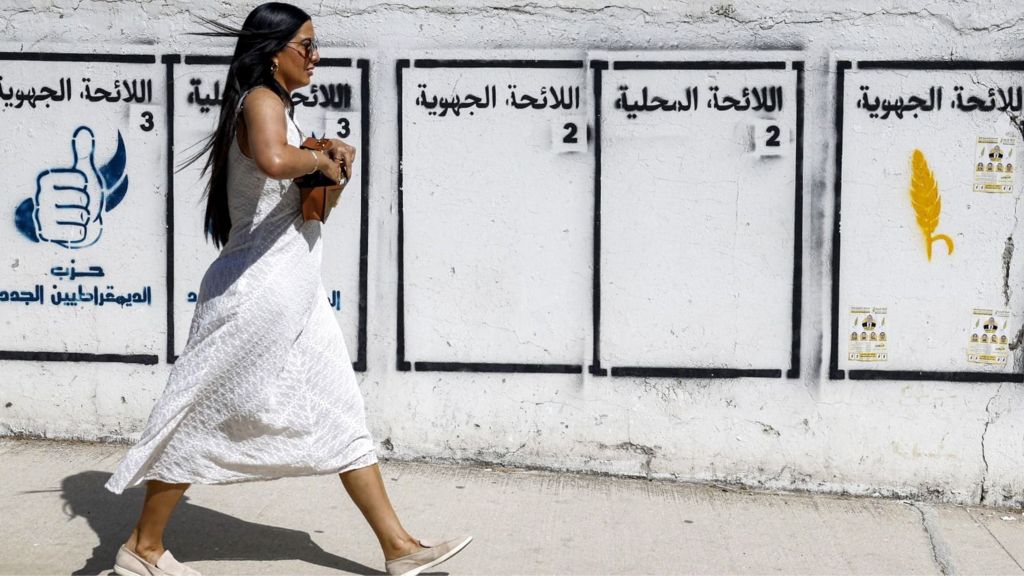
As Morocco prepares to hold its parliamentary elections this Wednesday, 27 political parties are competing for 395 seats in the country’s House of Representatives, with disillusioned young voters emerging as the central demographic all campaigns are scrambling to win over. In a political system structured as a constitutional monarchy, where King Mohammed VI holds ultimate executive authority—appointing the prime minister from the top-performing party and presiding over the kingdom’s highest policy-making body, the Council of Ministers—this election comes against a backdrop of growing youth frustration over systemic economic stagnation and political disconnect. Just weeks before voting day, a historic mass migration event laid bare the depth of this discontent: roughly 60,000 people, most of them young Moroccans desperate for better opportunities, risked their lives crossing from northern Morocco to the Spanish enclave of Ceuta, a surge that left at least 100 dead in the deadliest crossing event the enclave has seen in modern history. This moment of crisis followed a nationwide wave of Gen Z-led protests that erupted in September 2025, when thousands took to the streets to decry sky-high youth unemployment, failing public healthcare, and soaring living costs. Demonstrators chanted calls for “freedom, dignity, and social justice,” before their demands escalated to targeted calls for current Prime Minister Aziz Akhannouch to step down. The government’s crackdown on the unrest resulted in more than 2,400 protesters facing criminal prosecution, but the movement has nonetheless pushed a small cohort of young activists to run for office themselves, seeking to channel grassroots anger into institutional change. Among these new candidates is 29-year-old Hamza El Kharroubi, a former protester who was briefly detained during last year’s demonstrations. Running for a parliamentary seat with the small, green-aligned Environment and Sustainable Development Party, El Kharroubi represents the small but growing number of young people choosing to enter politics despite deep systemic skepticism. A native of Tetouan, just 21 miles from the Fnideq beach where the Ceuta migration surge began, he has made accountability for the crossing victims a core part of his platform, calling for financial compensation for the families of those who died. El Kharroubi frames the mass crossing as a direct consequence of Morocco’s long-running economic crisis: IMF data puts national unemployment at 13% for last year, with youth unemployment (for 15 to 24-year-olds) reaching a staggering 37.3%. Rather than aiming to defeat the country’s established political heavyweights this cycle, he says his goal is to claim a parliamentary seat to lay groundwork for a stronger youth-led political bloc by 2031. “As young people, we have to enter the parliament so by 2031 we have strong young politicians who can compete for a seat in the government,” he explained. Not all young activists share his belief in institutional change, however. Siham Azeroual, a 32-year-old environmental activist from the Atlas region, says she sees the current political landscape as little more than performative spectacle. “I have no hope for this election. I’m ashamed of our political scene. It’s a complete circus,” she told the BBC. Azeroual, who has taken part in both the 2011 February 20 movement that rewrote Morocco’s constitution and last year’s Gen Z protests, argues that meaningful change must start at the grassroots community level rather than inside parliament. Still, she says she plans to cast a ballot on Wednesday, seeing even incremental participation as a necessary step toward progress. While many young voters remain deeply skeptical of traditional parties, one political outsider has emerged as a surprise breakout star of the 2026 campaign: Fouzi Lekjaa, the wildly popular head of the Royal Moroccan Football Federation, who is also a senior finance ministry official. Credited with driving the success of the Moroccan men’s national team, the Atlas Lions, which became the first Arab and African squad to reach a World Cup semi-final in 2022, Lekjaa joined the centrist Party of Authenticity and Modernity (PAM) back in July. With Morocco set to co-host the 2030 World Cup alongside Spain and Portugal, the football-mad nation has latched onto Lekjaa’s campaign, with videos of his rallies going viral online and crowds chanting the iconic “Sir” (meaning “Go” in Moroccan Arabic) catchphrase that defined the 2022 World Cup run. Lekjaa has leaned into this popularity, promising to lift Morocco to a top-six global ranking in education and healthcare—matching the current FIFA ranking of his national team. The ruling National Rally of Independents (RNI), led by incumbent Prime Minister Akhannouch, is seeking a second term, and has renewed its core campaign pledge to create one million new jobs by 2030, a promise that echoes across previous election cycles. Political analyst Rachid Aourraz, of the Moroccan Institute for Policy Analysis, says such promises are hollow. “The slogan ‘one million jobs’ has become an overused electoral slogan. There is also talk of raising the minimum wage, but what is proposed cannot withstand a structural inability to create stable net jobs,” Aourraz noted, adding that Morocco’s major parties do not compete over alternative governing models—only over how to implement policies already outlined by the royal palace. Alongside economic promises, foreign policy has also become a key dividing line in the campaign, with the Islamist Justice and Development Party (PJD) seeking a political comeback by weaponizing widespread public anger over Israel’s actions in Gaza. Morocco normalized diplomatic relations with Israel in 2020 as part of the US-brokered Abraham Accords, a deal negotiated when the PJD held power. Now led by populist former prime minister Abdelilah Benkirane, the party is running on a promise to fully cut diplomatic ties with Israel, calling the 2020 normalization a historic mistake. Widespread pro-Palestinian protests have rocked Morocco throughout the Gaza war, with tens of thousands demonstrating weekly in the capital Rabat, leading to the closure of Israel’s liaison office and the suspension of direct flights between the two countries. Despite this public outcry, Morocco and Israel announced earlier this month an agreement to reopen full reciprocal embassies, following talks between their top diplomats and the US ambassador to the United Nations. Benkirane has seized on the announcement to rally supporters, telling a Marrakesh campaign rally: “If we work hard, the king will close the Israeli embassy. The king does not like going against his own people.” For all the focus on winning youth votes, demographic data shows young people remain drastically underrepresented among the electorate: while more than half of Morocco’s 38.8 million population is under 35, just 4% of the 15.8 million registered voters are between 18 and 24. Many young Moroccans in the diaspora have also been shut out of participation, despite being at the forefront of last year’s protest movement. Hiba, a 27-year-old Moroccan living in Montreal, Canada—home to a community of more than 100,000 Moroccan expats—co-organized multiple pro-protest events for Gen Z in the city, where activists could speak freely without fear of prosecution that they would face at home. She says she would have voted via proxy, the only option for diaspora voters, but was unable to arrange for a representative in Morocco. Even so, she sees the protest movement as having already delivered small wins: “Gen Z protests didn’t go in vain. We achieved something. At least now we see more debates with young people on state TV,” she said. As polling stations open across the kingdom on Wednesday, the election will not only determine the makeup of the next government—it will also serve as a critical test of whether Morocco’s political establishment can address the deep-seated frustrations that have pushed a generation of young people to protest, risk dangerous migration, and question the status quo.
博客
-
Trump says he would back ban on diesel exports
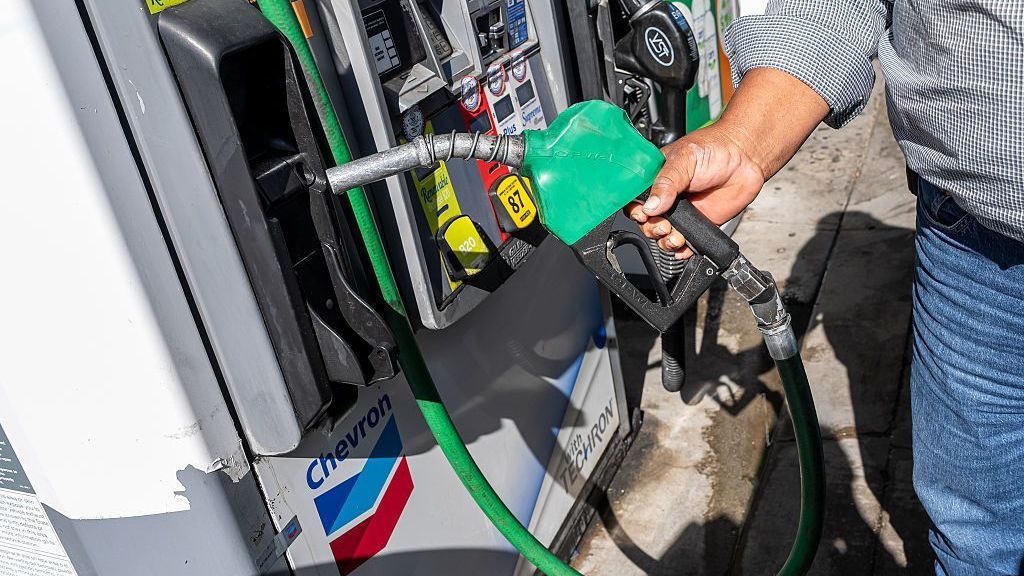
With weeks remaining before the United States’ pivotal November midterm elections, surging record-high diesel prices have pushed Republican lawmakers to ramp up pressure on the Trump administration, drawing a public commitment from former President Donald Trump to support restricting American diesel exports in a bid to bring down costs for domestic motorists.
Speaking to reporters on the margins of the United Nations General Assembly in New York, Trump argued that retaining more domestically produced diesel within U.S. borders could also ease broader inflationary pressures on regular retail gasoline, a cost that hits household budgets across the country. “I’ve called for that too. I’ve said let’s not send out the diesel. We make a lot of diesel. That could have a little bit of an effect on regular automobile gasoline,” he told reporters.
Following Trump’s comments, Treasury Secretary Scott Bessent confirmed that senior administration officials are already conducting detailed assessments to determine whether a full or partial pause on exports would function effectively without damaging domestic refinery operations or triggering unintended supply disruptions at home.
New data from the American Autom Association confirms that national average diesel prices topped $6.50 per gallon this Tuesday, marking a new all-time high for the fuel that powers most freight, construction, and agricultural transportation across the country. The historic price surge has been driven largely by global supply chain shocks stemming from ongoing geopolitical conflict: as one of the world’s top diesel exporters, Russia has seen its domestic refining capacity hit hard by a recent wave of intensified Ukrainian drone strikes on energy infrastructure, a blow compounded by Moscow’s own existing export restrictions. That combination has severely tightened global diesel reserves and sent prices soaring worldwide.
When meeting with Ukrainian President Volodymyr Zelensky on the sidelines of the UNGA this week, Trump acknowledged the dual impact of Ukraine’s targeted attacks: “It is a serious hit on the Russians. It’s also a serious hit on the price of diesel.” He added that the two leaders would discuss the strikes alongside broader negotiations aimed at bringing an end to the ongoing conflict, noting “I think it’s going to happen.” Kyiv has ramped up drone attacks on Russian refineries in recent months specifically to cut off the Kremlin’s primary source of revenue to fund its invasion.
The skyrocketing pump prices have created urgent political pressure on the Trump administration ahead of the 3 November midterms, where control of both chambers of Congress will be decided. Multiple Republican candidates and incumbents have thrown their support behind export restrictions as a quick fix to ease financial strain on working voters. On Monday, Iowa Republican Senate candidate Ashley Hinson argued that consumers in her state are already “being squeezed and shouldn’t have to foot the bill at the pump.” A day later, Alaska Senator Dan Sullivan echoed that call, urging a “temporary pause of American diesel exports” to help rebuild depleted domestic reserves.
While policy analysts note that restricting U.S. diesel exports could deliver short-term price relief for American drivers, the move carries notable global economic risks. The U.S. currently exports roughly 1.3 million barrels of diesel per day, accounting for nearly a quarter of its total refining output. Many of those shipments go to key Western allies including the United Kingdom and the Netherlands, which have turned to U.S. fuel to cover supply gaps created by sweeping sanctions on Russian energy. A sudden cut to U.S. exports could tighten supplies in those markets and push international prices even higher, potentially creating ripple effects that could eventually bleed back into U.S. markets as well.
-
American power, AI and a walkout – key moments from Trump’s UN speech
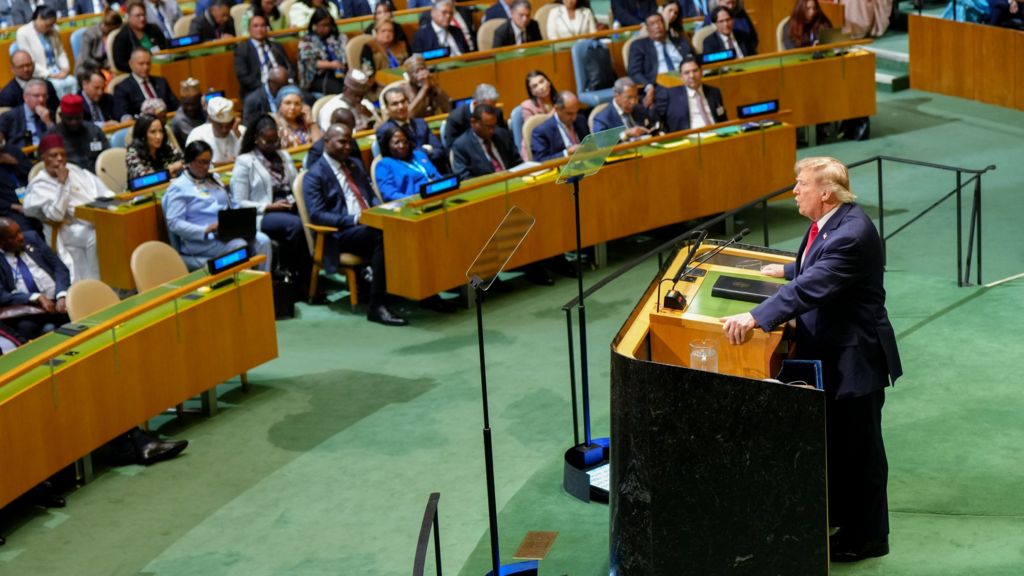
On Tuesday, U.S. President Donald Trump took the stage at the United Nations General Assembly, leveraging the global gathering of world leaders to tout his administration’s policy record while delivering sharp, provocative threats to several nations present in the assembly hall. His wide-ranging speech covered ongoing conflicts, global geopolitics, emerging technology, and U.S. military posture, with BBC correspondents on the ground highlighting five defining moments that underscored the president’s agenda and tone.
Long known for his dismissal of the United Nations as an institution, Trump used his address to repeat his criticism that the body pushes a far-left ideological agenda, even as he embraced the platform it provided to broadcast his message to a global audience. Beyond highlighting his administration’s self-proclaimed achievements and positioning himself as a global peacemaker, Trump laid out a series of aggressive warnings that reaffirmed his longstanding “America First” doctrine. He bluntly stated that the U.S. would continue to deploy its unmatched military power wherever he deemed it necessary to protect American national interests, declaring that Washington would no longer allow threats to the U.S. to gain a foothold anywhere in the Western Hemisphere.
One of the most striking exchanges of the speech came when Trump turned his sights to Cuba, labeling the island nation an “absolutely failed state” and confirming that his administration has been pushing for fundamental systemic change on the island. “It will fall,” he stated plainly. As Trump continued his remarks, the entire Cuban delegation walked out of the assembly hall in protest. Over the past 12 months, Trump has ramped up public criticism of Cuba’s communist government, claiming Tuesday that the regime is under unprecedented pressure and failing on all fronts. However, the White House has yet to outline any concrete vision for what political change in Cuba would look like under U.S. guidance. Cuban Foreign Minister Bruno Rodriguez responded swiftly on social media platform X, denouncing Trump’s comments as a spread of falsehoods and asserting that the U.S. government refuses to accept Cuba’s right to exist as a fully sovereign and independent nation.
On the ongoing conflict involving Iran, Trump issued an ultimatum that drew immediate international alarm: the Islamic Republic must reach a negotiated deal with Washington to rebuild the country, or it will face rapid annihilation. He also repeated his prediction that a deal to end the war would likely be finalized after November’s U.S. midterm elections, laying out his signature coercive diplomacy strategy: keeping the door to negotiations open while threatening overwhelming military force. Experts in international law have previously raised concerns over what they describe as alarming rhetoric from senior U.S. officials, including Trump, who has previously suggested the U.S. could obliterate Iran’s civilian power infrastructure. Tuesday’s references to leaving Iran with “no chance of survival” and “no hope” for future generations have amplified those fears, with many observers noting the bitter irony of delivering an existential threat at the United Nations, an organization founded explicitly to spare future generations from the scourge of war. Despite the harsh rhetoric, the speech was not a declaration that diplomacy is off the table; instead, it sought to set non-negotiable terms for any future talks: Washington remains open to a deal, but only under the shadow of an existential threat to the Iranian state.
Trump also used the speech to publicly celebrate a newly finalized security agreement with Greenland, an agreement that will allow the U.S. to construct two new military bases on the Arctic territory. “We will have the complete ability to do what is necessary to defend the American continent and also Europe,” he said of the deal, which he first announced publicly the previous Friday. He added that the agreement significantly strengthens the transatlantic defense alliance NATO. A joint signing ceremony between the U.S., Denmark, and Greenland was held at the UN shortly after Trump concluded his address. While Greenland is a semi-autonomous territory, it falls under the sovereignty of the Kingdom of Denmark, which handles most of its foreign affairs. Senior Trump administration officials have already praised the agreement as a major win for U.S. national security achieved at minimal cost, with no lasting damage to key diplomatic relationships. The deal marks a resolution to a long-running diplomatic dispute that began when Trump first threatened to take Greenland by force, a comment that roiled NATO and put severe strain on U.S.-Denmark relations after months of Trump’s public attempts to purchase or annex the territory. Many geopolitical analysts now view the final agreement as a quiet win for diplomatic negotiation, ending a months-long standoff between close allies.
In a lighter but widely noted moment, Trump leaned into his well-known passion for rebranding by announcing a new name for artificial intelligence: Super Intelligence, shortened to SI. “The use of the word artificial makes it sound fake,” he explained during the address. “It’s not fake, it’s actually amazing. But we have to be careful. Welcome to the new world of Super Intelligence – SI.” Trump has repeatedly emphasized that the U.S. must claim the top spot in the global race to develop advanced AI, remarking just last week that “whoever wins AI, wins the future.” The president has remained firmly opposed to any new federal government regulation or safety guardrails for AI development, a position that puts him directly at odds with a large majority of world leaders and policymakers gathered at the UN General Assembly, many of whom have pushed for coordinated global regulation of the rapidly advancing technology. For proponents of global oversight, the divide raises urgent questions about whether the slow pace of multilateral diplomacy can keep pace with the breakneck speed of AI advancement.
-
Burnham ‘gets it’ says Trump, as the two leaders meet for first time
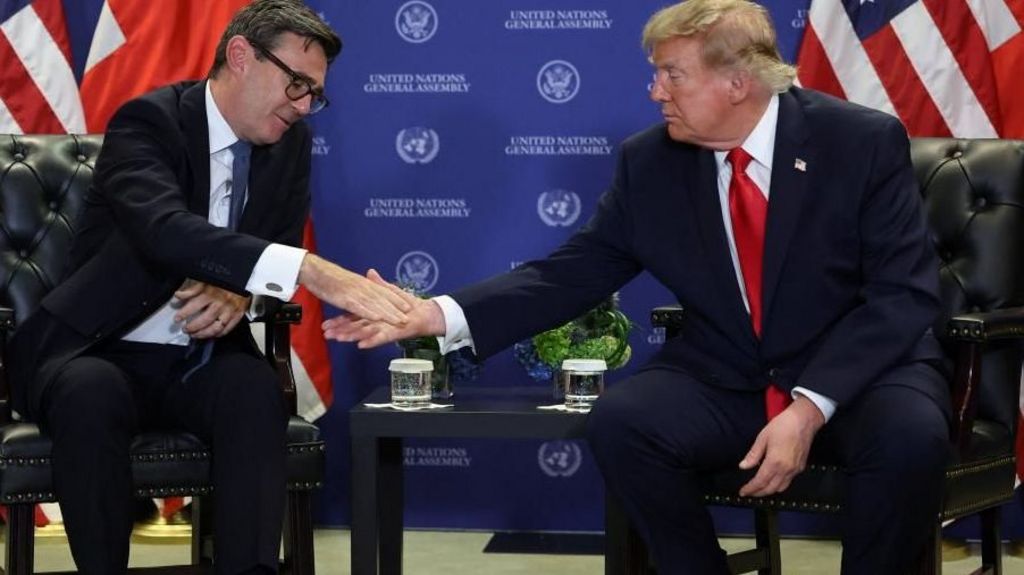
In a landmark first face-to-face encounter held in New York, former U.S. President Donald Trump has opened the door to potential working relations with Andy Burnham, the Mayor of Greater Manchester, stating that he believes the pair can successfully conduct business together. The meeting marked the first direct interaction between the two high-profile political figures, and Trump offered a largely favorable early assessment of Burnham, noting that Burnham “gets it” when it comes to core policy and governance matters. However, the positive tone of the meeting was punctuated by sharp criticism from Trump directed at the controversial Chagos Islands deal, which he described as “terrible” in his remarks following the encounter. The Chagos agreement, which has stirred international debate in recent months, centers on the transfer of sovereignty over the Indian Ocean archipelago from the United Kingdom to Mauritius, a deal that has faced pushback from various political factions on both sides of the Atlantic. While Trump’s praise of Burnham signals potential for future engagement between the two leaders, his vocal condemnation of the Chagos arrangement underscores the deep divides that remain among global political leaders over the terms and implications of the controversial sovereignty transfer. Political analysts note that the meeting, while largely symbolic at this stage, sets the stage for potential future discussions on cross-Atlantic policy issues, even as disagreements over high-stakes international deals like the Chagos agreement continue to shape political discourse.
-
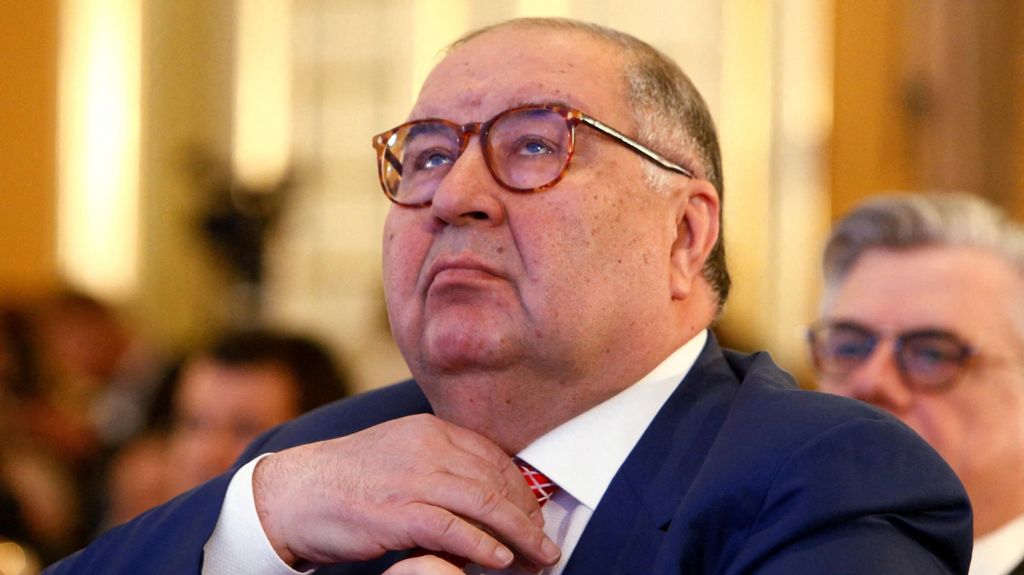
Ukraine anger as EU removes Russian oligarchs from sanctions list
Years after the European Union imposed sweeping restrictive measures on dozens of Russian elites following Moscow’s full-scale invasion of Ukraine in 2022, a looming policy shift has plunged the bloc into internal tension and drawn sharp condemnation from Kyiv. Multiple credible reports confirm the EU is set to remove economic and travel sanctions from two high-profile Russian billionaires: Alisher Usmanov, a Russian-Uzbek tycoon, and Mikhail Fridman, a Russian-Israeli business magnate.
The push for delisting has come from individual member states with distinct national priorities. France has spearheaded the campaign to clear Usmanov’s name, publicly justifying the move on the basis of unspecified national security concerns. Independent media have also hinted at a potential link between Paris’s initiative and a pending prisoner exchange agreement involving Azerbaijan, though no official confirmation of this connection has been released. For his part, Usmanov, who built a business empire spanning metals mining, telecommunications through his firm Megafon, and even past ties to top English Premier League football clubs Arsenal and Everton, has long denied any wrongdoing and called the 2022 sanctions unfair. The EU originally placed him on the sanctions list for his documented close ties to Russian President Vladimir Putin, labeling him a key pro-Kremlin oligarch with influence over Moscow’s policy direction.
Luxembourg, meanwhile, has advocated for Fridman’s delisting, after the billionaire launched legal action against the bloc to secure the release of his billions in frozen assets. Born in Ukraine, Fridman built the Alfa Group investment conglomerate, which holds major stakes in Russian energy and banking sectors. The EU classifies him as one of Russia’s most powerful financiers and a core enabler of Putin’s inner circle. While he has publicly called for an early end to the ongoing conflict, he has never issued a full, outright condemnation of Putin or the 2022 invasion, a stance that has drawn widespread criticism in Europe and Ukraine.
The delisting compromise almost collapsed over opposition from Latvia, a Baltic member state that has taken some of the hardest-line positions against Russian aggression since 2022. Latvia initially vetoed the proposal during a vote of EU ambassadors, a position shaped in part by the country’s recent stripping of a top civilian honor from Fridman’s business partner Pyotr Aven, a Russian-Latvian entrepreneur who also refused to condemn the invasion. In a last-minute reversal, however, Latvia agreed to abstain from the final vote, clearing the path for the delisting to move forward as part of a broader package of sanctions adjustments.
As part of the brokered compromise, the EU has agreed to extend existing sanctions on nearly 3,000 other Russian individuals and entities for an unprecedented three years, a major shift from the previous policy of mandatory six-month renewals. In a separate side agreement, Latvian Prime Minister Andris Kulbergs confirmed that France has pledged to launch negotiations on Latvia’s participation in a French nuclear deterrence initiative and will boost France’s military presence in the Baltic country.
Even with the compromise in place, the decision has triggered fierce backlash from Ukrainian officials, who warn the move sends a dangerous message of weakness to the Kremlin. Ukrainian Foreign Ministry spokesperson Andriy Sybiha wrote on social media platform X that the delisting is “unacceptable” and plays directly into Moscow’s strategic goals. “Moscow is celebrating because it got what it wanted: a sense of impunity, the humiliation of the EU, and division among Europeans,” Sybiha said, calling on every EU member state to implement independent national-level sanctions on the two oligarchs to counteract the bloc’s decision. Latvia has already confirmed it will follow through on this call, maintaining national restrictions on Usmanov and Fridman regardless of the EU’s policy shift.
The Kremlin has already welcomed the planned delisting, with spokesperson Dmitry Peskov repeating Moscow’s longstanding claim that all EU sanctions on Russian nationals are illegal and demanding that all blacklisted Russians be removed from the restrictive measures list.
-
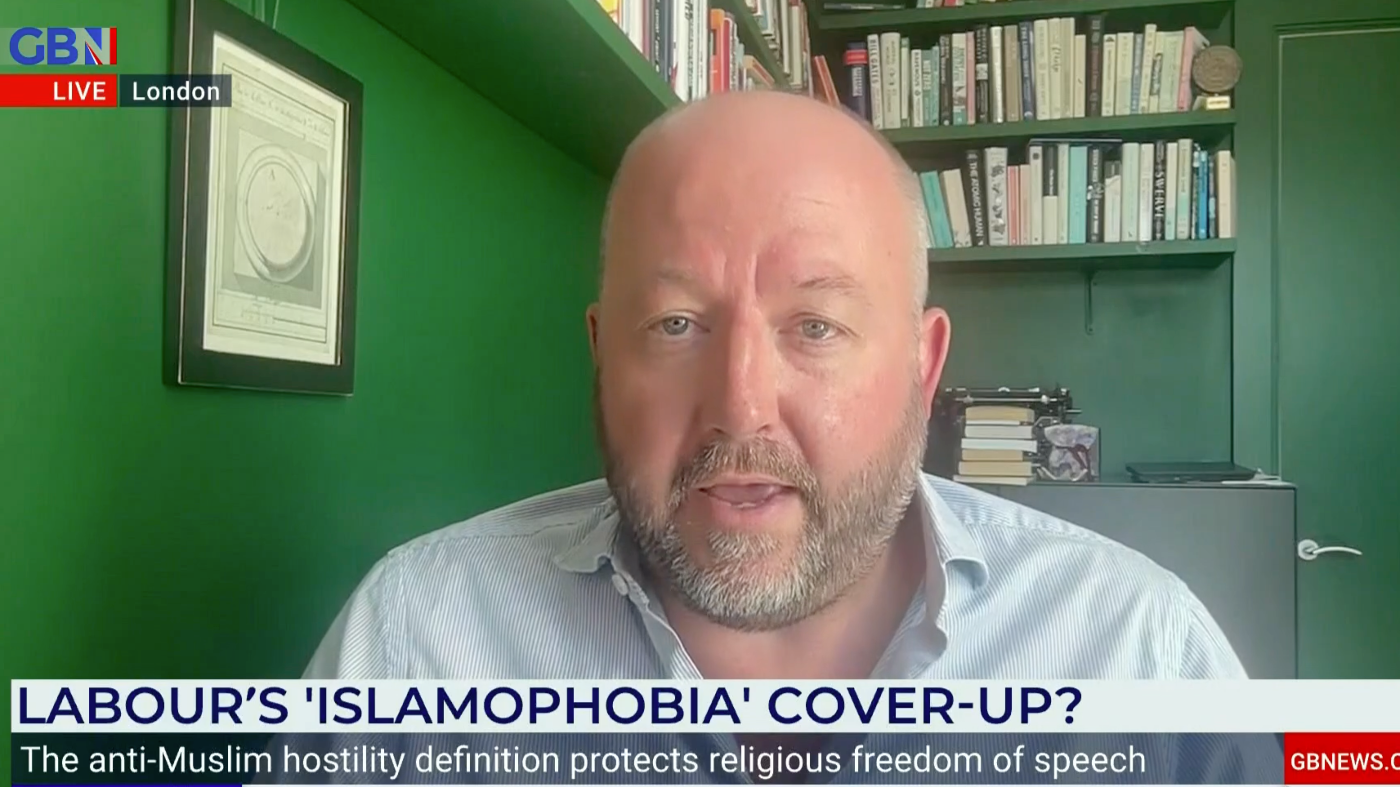
Debunked: Why Tory claims of UK extremism ‘cover-up’ fail to add up
A heated political controversy has erupted in the United Kingdom after senior Conservative Party figures launched explosive accusations that the current Labour government orchestrated a cover-up to hide alleged influence from “extremist” Muslim groups over the newly adopted definition of anti-Muslim hostility. However, newly emerging evidence and public statements from the chair of the definition’s drafting working group have completely undermined these high-stakes allegations, building on previous investigative reporting that exposed key contradictions in the Conservatives’ narrative.
The latest confrontation began this week when Shadow Justice Secretary Nick Timothy claimed that extremists “almost certainly influenced” the definition, which the Labour government formally adopted earlier in 2025. Timothy’s accusation was echoed by Shadow Housing, Communities and Local Government Secretary Katie Lam, who publicly questioned what public interest could justify withholding information about the definition’s drafting process, framing the deletion of public consultation submissions as deliberate secrecy.
But this narrative has been thoroughly undercut by Dominic Grieve, a former Conservative minister and the independent chair of the working group tasked with developing the definition. Grieve’s public intervention confirms long-running reporting from Middle East Eye (MEE), which first revealed last July that the British government actually barred the working group from holding formal consultations with major mainstream Muslim organizations, including the Muslim Council of Britain (MCB) — the UK’s largest umbrella body for Muslim community groups, with more than 500 affiliated mosques, schools, and advocacy organizations across the country.
Instead, Grieve confirmed on Monday that the working group only met with individuals and organizations cleared by the government, adhering to the longstanding Conservative policy of disengagement from groups labeled controversial that the current Labour government has retained. “As the present government has kept the policy of its Conservative predecessors, no meetings took place with any groups or individuals who had been identified as having expressed unacceptable views incompatible with a free democracy,” Grieve stated.
This week, the Ministry for Communities launched a formal review into the deletion of public submissions received during the working group’s call for evidence, a move Timothy has seized on to push his “cover-up” claim. But government officials have clarified that the submissions were destroyed in compliance with UK data protection law, due to the large volume of sensitive special category data — including information on religious beliefs and political opinions — that cannot be legally retained longer than necessary for consultation purposes. Additionally, senior government sources with direct knowledge of the process confirmed that a large share of unsolicited submissions contained violent abuse and explicit death threats targeting working group members, leaving the government with no legal or practical reason to retain the material.
Contrary to Timothy’s framing, the working group’s final product is not a definition of “Islamophobia” — a term the UK government has formally discontinued — but a definition of “anti-Muslim hostility.” The government has explicitly denied any involvement by extremist groups in shaping the policy in a statement to *The Telegraph*, and Grieve has publicly pushed back directly against Timothy’s unsubstantiated claims. In a post on X, Grieve questioned Timothy’s credibility, writing: “Nick Timothy needs to decide whether he is a serious politician or a rabble rouser mingling valid points with entirely disreputable and unsustainable ones.”
Further contradictions in the Conservative narrative have come to light around the role of Policy Exchange, the neoconservative think tank where Nick Timothy holds a senior fellowship. MEE’s 2024 reporting confirmed that the working group actually extended a consultation invitation to Policy Exchange, an offer the think tank ultimately declined. Despite being invited to participate, Policy Exchange has emerged as one of the definition’s most vocal critics. In an August article for *The Telegraph*, Policy Exchange’s Head of Security and Extremism Paul Stott claimed the “secrecy surrounding Labour’s anti-Muslim hatred definition is chilling” and speculated that extremist groups could have influenced the working group’s deliberations — while failing to disclose that his own organization was invited to contribute to the process and declined.
A review of the working group’s actual consultation list confirms that the group held formal discussions with a range of critical and independent organizations, including the National Secular Society, Humanists UK, and the Community Security Trust, which monitors antisemitism. The group also consulted Trevor Phillips, a former broadcaster who was suspended from the Labour Party over unproven Islamophobia allegations that he has consistently denied, before having his suspension lifted in 2021. Along with these figures, the working group invited John Jenkins, a former British ambassador to Saudi Arabia and a Policy Exchange senior fellow, to give input on whether a formal definition would be useful. Jenkins publicly published his critical response in *The Spectator*, where he attacked the working group for having five Muslim members out of six, claimed the group had pre-determined its conclusions, and compared the adoption of any definition to a 1737 censorship law that restricted theatre licensing. In 2024, Jenkins was accused of endorsing online posts that are openly Islamophobic and spread anti-Muslim propaganda, a claim he never responded to when contacted by MEE.
Along with barring formal consultation with the MCB, the government also prohibited the working group from holding formal talks with the Centre for Media Monitoring (CfMM), a media watchdog that originally launched under MCB auspices but now operates as an independent organization focused on monitoring anti-Muslim media coverage. In response to the exclusion, an MCB spokesperson confirmed last year that the organization mobilized its grassroots membership to submit comments through the open public call for evidence, even without a formal invitation.
Parliamentary records further confirm that no contact took place between the working group and the four organizations Conservative politicians have repeatedly named as “extremist” — MEND, Cage, the Muslim Association of Britain, and the MCB. In a June parliamentary answer, Conservative MP James Cleverly asked whether the working group had engaged with any of these groups, and junior minister Nesil Caliskan explicitly confirmed that the department follows a policy of non-engagement with all four, and the working group did not meet with any of them. This explicit parliamentary denial has gone entirely unmentioned in public statements from Policy Exchange and Conservative politicians pushing the extremist influence claim.
Grieve has pushed back against Timothy’s repeated allegations by clarifying the open nature of the call for evidence process. “There was a call for evidence that allowed anyone to submit their opinion. Many did, including individuals with views right across the political spectrum, including extreme hatred of Muslims. These were not considered individually,” Grieve explained, noting that the working group was never responsible for retaining submissions long-term, and any deletion of material followed government policy set by Downing Street. “It was always for the government to decide what to do with our advice which was private to government. Whether or not the deletion of material received by us during the course of our work follows government guidelines or not is not for me to comment. We did not request it.”
The definition of anti-Muslim hostility formally unveiled by the government in March is not legally binding, and explicitly carves out protections for legitimate freedom of expression, including the right to criticise Islam as a religion. It defines anti-Muslim hostility as three core categories of harmful action: intentional criminal acts targeting Muslims or people perceived to be Muslim, harmful prejudicial stereotyping that frames all Muslims as uniformly negative to encourage hatred, and unlawful discrimination that disadvantages Muslims in public and economic life.
Ministers have repeatedly stressed that the definition does not restrict free speech, a point Grieve reaffirmed in his recent public statement. “It is certainly not a blasphemy law. There was no new law suggested and it was outside the terms of reference of the working group and specifically excluded,” Grieve said, noting that he has long campaigned to repeal blasphemy laws in the UK and would never have chaired the working group if restrictions on free speech were on the table. “To suggest this on the clear evidence of the wording and the text is nonsense,” he added.
Despite the overwhelming evidence contradicting his claims, Timothy doubled down on his cover-up allegations on Tuesday, repeating his demand for a full list of organizations that submitted comments to the working group. His request casts an extremely broad net, as any individual or organization was permitted to submit comments through the open call for evidence, and the MCB alone has more than 500 independent affiliated organizations across the UK. The longstanding disengagement policy that bars formal government contact with the MCB originated in 2020, when the organization published a public dossier documenting hundreds of alleged Islamophobic comments by Conservative MPs, councillors, and Downing Street advisers. The Conservative Party broke off relations with the MCB that year, and the current Labour government retained the disengagement policy when it took office in 2024.
-
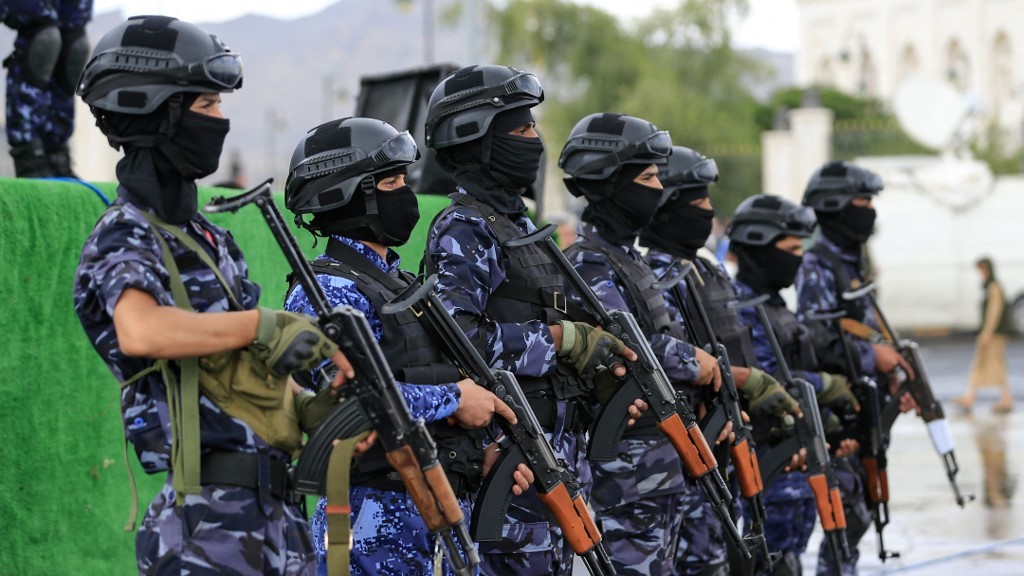
Saudi war against Houthis displaces 130,000 Yemenis as hunger crisis deepens
Since the start of September, the resurgent military conflict between the Saudi-led coalition and Yemen’s Houthi movement has pushed at least 130,000 Yemenis to flee their homes, the United Nations Refugee Agency (UNHCR) cautioned in an official statement released Tuesday.
Intensive Saudi airstrikes paired with persistent frontline clashes between Houthi forces (officially Ansar Allah) and Yemen’s internationally recognized government have triggered widespread population displacement across western and central regions of the war-torn country.
For the month of September alone, UNHCR confirmed at least 110 civilian casualties, including 28 fatalities, emphasizing that non-combatants continue to absorb the worst harm from the nearly decade-long conflict. The agency identified the southwestern governorate of Taiz as the current epicenter of the crisis, where more than 60 percent of the newly recorded displacement has occurred. Thousands of families remain trapped in active combat zones there, cut off from emergency aid and safe passage out.
Displacement has also been documented in the northern and central governorates of Al Jawf, Marib, and Al Hodeidah, a pattern that underscores the expanding, multi-front scope of the renewed fighting, UNHCR added.
On the same day of the UN warning, Yemeni government forces announced that the Saudi coalition had conducted new airstrikes targeting Houthi military positions and weapons storage facilities west of Taiz. Just hours after that announcement, Saudi civil defence authorities issued an urgent alert for the Najran region along the Saudi-Yemen border, warning of an imminent incoming Houthi strike. No casualties were ultimately reported in the incident, and local authorities urged residents to stay indoors, avoid public gatherings and refrain from filming attack sites to comply with safety protocols.
In an interview with Saudi-based newspaper Okaz, Yemeni Prime Minister Shaya al-Zindani, who leads the internationally recognized government, acknowledged that the Houthi seizure of the strategic Bab al-Mandab Strait — a critical global shipping chokepoint connecting the Red Sea and the Gulf of Aden — has created an extremely high-risk situation, but pushed back against claims it represents a final defeat for pro-government forces. He added that Saudi-backed pro-government troops are currently reorganizing their frontline deployments and boosting combat readiness to retake territory lost to recent Houthi advances.
Active artillery duels and ground clashes have also been confirmed in Al Jawf and Marib. Roughly 3,000 displaced people have arrived in Marib city, located around 120 kilometers east of the Houthi-held capital Sanaa, after fleeing escalating violence in surrounding areas.
Zindani’s Ministry of Human Rights has accused Houthi forces of deliberately targeting civilian infrastructure: specifically, the Bab al-Mandab Commercial Complex in Lahj governorate. According to the ministry, the busy public market was struck by two ballistic missiles fired an hour apart, during midday hours when crowds of shoppers and passersby are typically present.
As military operations intensify across the country, the already catastrophic humanitarian situation in Yemen is deteriorating at an alarming rate. Carl Skau, acting executive director of the World Food Programme (WFP), warned that widespread hunger is spreading rapidly across the country, with civilians left unable to access adequate food or basic healthcare. Tens of thousands of newly displaced people are arriving at overcrowded, resource-stretched refugee camps with no personal belongings or access to basic support, Skau added.
Yemen relies on imports for roughly 90 percent of its total food supply, leaving the vast majority of the population extremely vulnerable to port closures and supply chain disruptions caused by ongoing fighting. Currently, more than 18 million Yemenis — nearly half of the country’s total population — face acute food insecurity, and approximately 2.2 million children under the age of five suffer from life-threatening acute malnutrition.
-
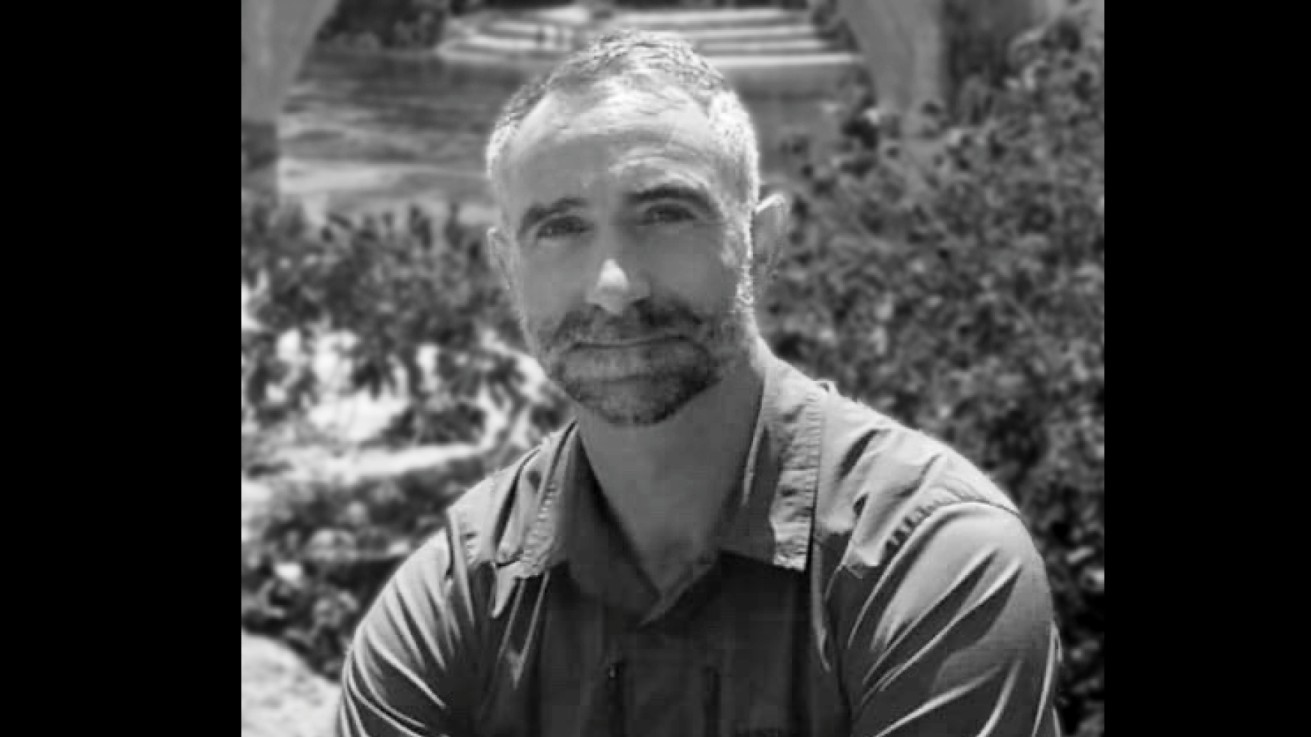
Israeli and UK army chiefs may take part in inquest into slain British aid workers in Gaza
A British coroner has opened the door to a significantly broader investigation into the 2024 Israeli drone strike in Gaza that killed three British aid workers, with new scope to examine evidence from both Israeli and UK military forces and probe whether British-manufactured weapons were used in the deadly attack.
The first pre-inquest review hearing held Monday at Avon Coroner’s Court in Bristol saw Senior Coroner Maria Voisin signal that the scope of the upcoming final inquiry will be expanded to include a full examination of the role Israeli authorities played in the three deaths. The victims, all former British military personnel working for security firm Solace Global at the time of the strike, were 47-year-old James Kirby from Bristol, 57-year-old John Chapman from Poole in Dorset, and 33-year-old James “Jim” Henderson from Falmouth in Cornwall. In addition to the three British citizens, the April 1, 2024 attack also killed Palestinian, Australian, Canadian, and Polish aid workers who were all part of a World Central Kitchen (WCK) aid convoy.
The deaths have remained a source of international controversy for months, particularly after a bombshell pre-recorded television interview released last month saw Colonel Nochi Mendel, the Israeli army officer who ordered the strike, say he felt “not sorry” for the attack and stood by his decision to target the convoy. Immediately following the strike, the Israeli military removed Mendel from his position as chief of staff of the Nahal infantry brigade. The Israeli Defense Forces (IDF) has acknowledged the strike stemmed from a string of operational failures, including clear breaches of its own rules of engagement and internal standard operating procedures. However, in August the IDF announced it would not launch any criminal investigation into the strike, a decision that drew sharp condemnation from the governments of the UK, Canada, and Australia, with the three countries describing the choice as shameful.
Up to this point, the UK coroner’s inquest had only been focused on examining the roles of WCK and Solace Global, the private security firm tasked with protecting the aid convoy. But during Monday’s hearing, Voisin confirmed she was prepared to grant interested person status to both the IDF and Colonel Mendel, a procedural move that grants those parties formal access to evidence, the right to present testimony, and participation in the inquiry proceedings. Under UK coroner rules, interested person status is extended to any individual or organization with a direct connection to a death under investigation, including parties potentially implicated in causing the death.
Tayab Ali, the solicitor representing Kirby’s family, issued a statement welcoming the coroner’s decision. Speaking after the hearing, Ali noted that Kirby’s family has waited two and a half years for a full accounting of what happened. “What today means is that Colonel Mendel and the IDF can now take part, see the evidence and give their account, in a court that will properly examine what happened. James’s family would like to hear from him,” Ali wrote on social media platform X.
Ali added that on behalf of Kirby’s family, he has formally requested the coroner also compel testimony from the UK Ministry of Defence, the Foreign, Commonwealth & Development Office, and Israeli arms manufacturer Elbit Systems. The legal team has also asked the coroner to investigate whether a Royal Air Force (RAF) aircraft that was operating over Gaza on the day of the strike passed intelligence about the aid convoy to the IDF, a question that remains unresolved.
Pete Weatherby KC, a barrister representing Henderson’s family, laid out the family’s key demands in a formal submission to the court. The legal team wants the inquiry to investigate whether an RAF surveillance plane that circled over Gaza for approximately five hours on the day of the attack gathered information that was subsequently shared with Israeli forces, noting the plane returned to its base just minutes before the strike was carried out. Weatherby added that the families also are demanding answers on whether the weapons used in the strike were manufactured in the UK, a question that Weatherby emphasized is a major matter of public concern across the UK.
Neil Henderson, father of victim Jim Henderson, said in a statement that the family hopes the expanded inquest will fully examine “the decisions and policies leading to the attack, and what role, if any, UK authorities or military equipment originating from the UK may have played.” For months, families of the three British victims have pushed for full transparency and legal accountability, after Israel’s decision to forgo a domestic criminal investigation left their calls for justice unanswered.
-
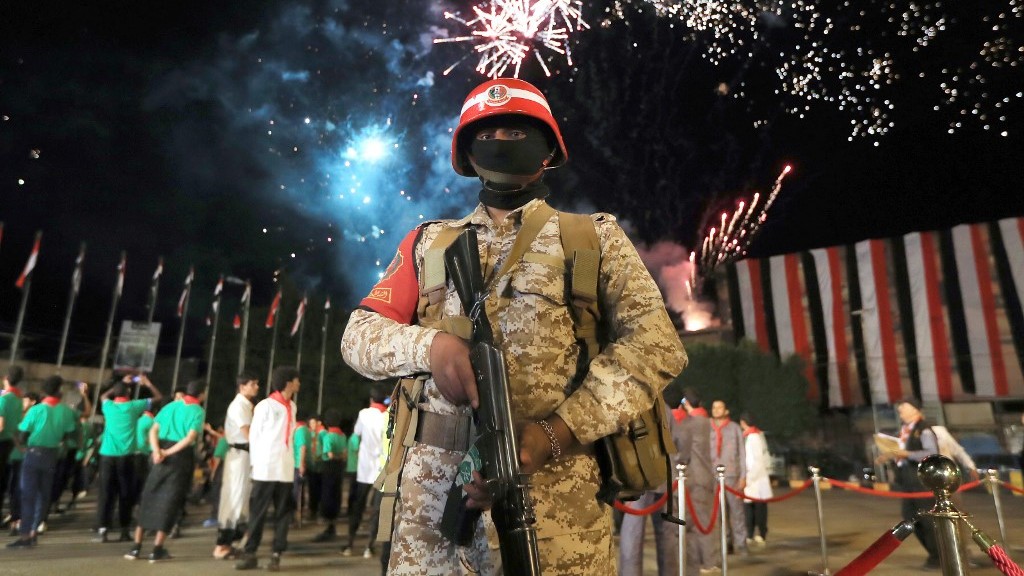
UK to provide Saudi Arabia with military support against Houthis
Escalating regional tensions in Yemen have prompted the United Kingdom to announce new military support for Saudi Arabia, as Houthi forces make rapid territorial gains and step up cross-border attacks on the kingdom. The latest round of fighting, which resumed earlier this month after a period of relative calm, has created a rapidly shifting security landscape, with the UK stepping in to answer a Saudi request for assistance.
UK Defence Secretary Luke Pollard confirmed that the Royal Air Force will deploy a Voyager air-to-air refueling aircraft, operating from the UK’s military base in Cyprus, to support Saudi air operations. Speaking to Sky News, Pollard framed the decision as critical to British national interests, stating, “We’re doing it for national security reasons in support of our own national security. In dangerous times, good friends stand together.”
Pollard emphasized that the UK’s military backing would adhere fully to international humanitarian law, while a Ministry of Defence statement clarified that the deployment is intended to support Saudi defensive operations and back Yemen’s internationally recognized legitimate government. The statement added that the Houthis pose a significant threat to Middle East regional stability, and checking their advance aligns with the UK’s core national security and economic interests. This air support deployment follows the earlier movement of UK air defense equipment and military personnel to Saudi Arabia in recent weeks.
The Houthi advance has been swift: the group has seized large swathes of Yemen’s Red Sea coastline in a lightning offensive, giving it control over the strategically vital Bab al-Mandab strait, a key chokepoint for global oil shipping. In response to the decade-long Saudi blockade of Yemen, the Houthis have stepped up drone and missile attacks on Saudi cities, oil infrastructure, and Red Sea commercial shipping. The group has offered to halt all attacks on Saudi territory and Red Sea oil exports in exchange for an end to the blockade.
The resumption of fighting has triggered a severe humanitarian displacement crisis, the United Nations Refugee Agency (UNHCR) confirmed this week. UNHCR spokesperson Babar Baloch announced at a Geneva press briefing that more than 130,000 people have been displaced within Yemen since fighting resumed in early September, and an additional 3,000 have fled across the border to Djibouti. In the coming months, these numbers are projected to rise to 230,000 displaced people inside Yemen and 10,000 refugees in Djibouti, all of whom will require urgent life-saving humanitarian assistance, per UNHCR projections.
Despite increased intelligence and targeting support from the United States for Saudi forces, multiple US sources told CNN that Riyadh has still been unable to reverse Houthi territorial gains. Anonymous US officials told the network that American intelligence has warned for months that the Houthis could attempt to close off this key commercial shipping waterway, echoing Iran’s earlier closure of another critical strategic waterway this year. Despite a decade of Saudi claims that it has effectively trained Yemeni pro-government forces to combat the Houthis, US intelligence assessments still conclude that Saudi-led forces lack the capability to push back the Houthi offensive.
The UK’s long-standing support for Saudi Arabia’s military campaign in Yemen has long been controversial. The original 2015 Saudi-led air intervention into Yemen sparked a war that has killed more than 150,000 people to date, drawing widespread international criticism over civilian casualties and humanitarian harm.
-
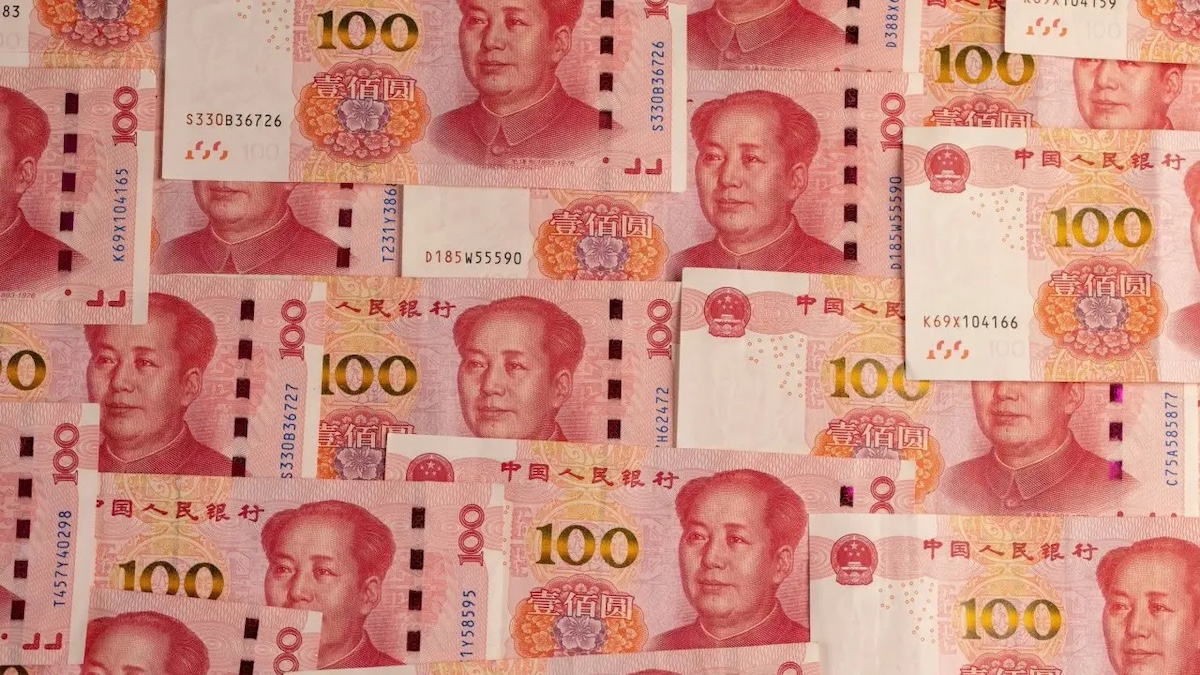
China neutralizes yuan tensions ahead of Trump-Xi talks
As a high-profile meeting between U.S. President Donald Trump and Chinese President Xi Jinping approaches this Thursday, the People’s Bank of China (PBOC) has unexpectedly shifted the geopolitical and economic dynamic by driving the yuan to its strongest level in nearly two years, complicating potential trade criticism from the White House.
When global currency markets opened this week, the Chinese renminbi hit its highest valuation against the U.S. dollar since July 2022. This upward momentum did not emerge by accident: the PBOC, China’s central banking authority, has deliberately guided the yuan higher in the days leading up to the much-anticipated leadership faceoff, a move widely interpreted as a pre-emptive response to longstanding U.S. accusations that China manipulates its currency to gain unfair trade advantages.
At the center of this policy push is PBOC Governor Pan Gongsheng, who oversaw an eighth consecutive daily increase in the yuan’s official midpoint fixing this week. This unbroken streak of upward adjustments has not been seen since 2023, marking one of the most consistent strengthening efforts from Chinese central bank authorities in recent years. Market analysts note that the timing of this move is no coincidence, as a stronger yuan deflates one of the Trump administration’s key longstanding arguments in bilateral trade tensions: that Beijing deliberately undervalues its currency to boost Chinese export competitiveness.
The development sets the stage for a shifted conversation when the two leaders meet, turning a potential point of criticism into a display of Chinese monetary policy confidence ahead of what many global observers have framed as a make-or-break discussion for bilateral trade and geopolitical relations.